Category: Outdoor Childhood

  • Intentional Parenting: What It Actually Looks Like Day to Day

    Intentional Parenting: What It Actually Looks Like Day to Day

    Intentional Parenting: What It Actually Looks Like Day to Day

    🌿 The Short Version: Intentional parenting isn’t about having a Pinterest-perfect routine or saying yes to every enriching opportunity — it’s about knowing your family’s values and letting those guide the small, ordinary choices you make every single day. This post breaks down what that actually looks like in real life, not the highlight reel.

    This post contains affiliate links. I may earn a small commission at no extra cost to you.

    If you’ve been around this little corner of the internet for a while, you already know I’m not here to sell you a perfect life. Our mornings are loud. The dog tracks mud in from the backyard at least twice a day. Somebody is always looking for a shoe. And yet — underneath all of that beautiful chaos — there’s something we keep coming back to that shapes pretty much every decision we make as parents. It’s not a curriculum or a schedule or a philosophy we read about in a book. It’s just this constant, quiet question: Is this actually what we want for our kids?

    That’s intentional parenting, y’all. And it’s way less glamorous than Instagram makes it look.

    What Intentional Parenting Actually Means (and What It Doesn’t)

    I want to clear something up right away because I think this phrase gets thrown around in a way that makes regular mamas feel like they’re failing. Intentional parenting doesn’t mean scheduled, optimized, or curated. It doesn’t mean your kids are in a linen apron doing watercolor studies at a perfectly arranged table at 9 a.m. every morning.

    (Although honestly, sometimes they are, and that’s genuinely wonderful. We love our Faber-Castell watercolors around here.)

    What it does mean is that you’ve stopped making parenting decisions on autopilot. You’ve thought about what actually matters to your family — your real values, not just the ones that sound good — and you try to let those guide you when you’re making the hundred little choices that make up a day.

    For us, those values look like: less screen time, more outdoor time. Real food cooked in our cast iron skillet. Books over busy schedules. Nature as the main classroom. Chores as part of belonging to a family, not as a transaction. And a whole lot of time outside in the Northwest Florida heat, even when it’s easier to stay in.

    The Day-to-Day Reality of Living Intentionally with Kids

    Mornings That Set the Tone

    We don’t start school with a screen. That’s a hard line for us. Instead, we try to ease into the day — morning basket, read-aloud, maybe some time to go check on the chickens before we sit down for any real academics. There’s something about starting the day outside, watching the girls do their thing in the yard, that settles everybody down. Even the labradoodle.

    Our Charlotte Mason approach means we’re leaning into living books, nature study, and narration rather than workbooks and busy packets. If you’re curious what that looks like in the morning specifically, I’ve written more about it in Best Homeschool Morning Basket Books for Toddlers.

    Saying No to Good Things So You Can Say Yes to Better Things

    This one is hard. Intentional parenting means you will decline things that sound genuinely good. Classes, co-ops, activities, playdates — all perfectly lovely — because you’ve decided that a slower pace is actually better for your family right now. We’ve had seasons where we said yes to too much and the whole family felt it. The kids got snippy. I got frazzled. Nobody was thriving.

    Simplifying on purpose changed that. If you haven’t read How to Slow Down and Simplify Family Life yet, that post goes way deeper into what that actually looked like for us.

    Letting Kids Be Bored (On Purpose)

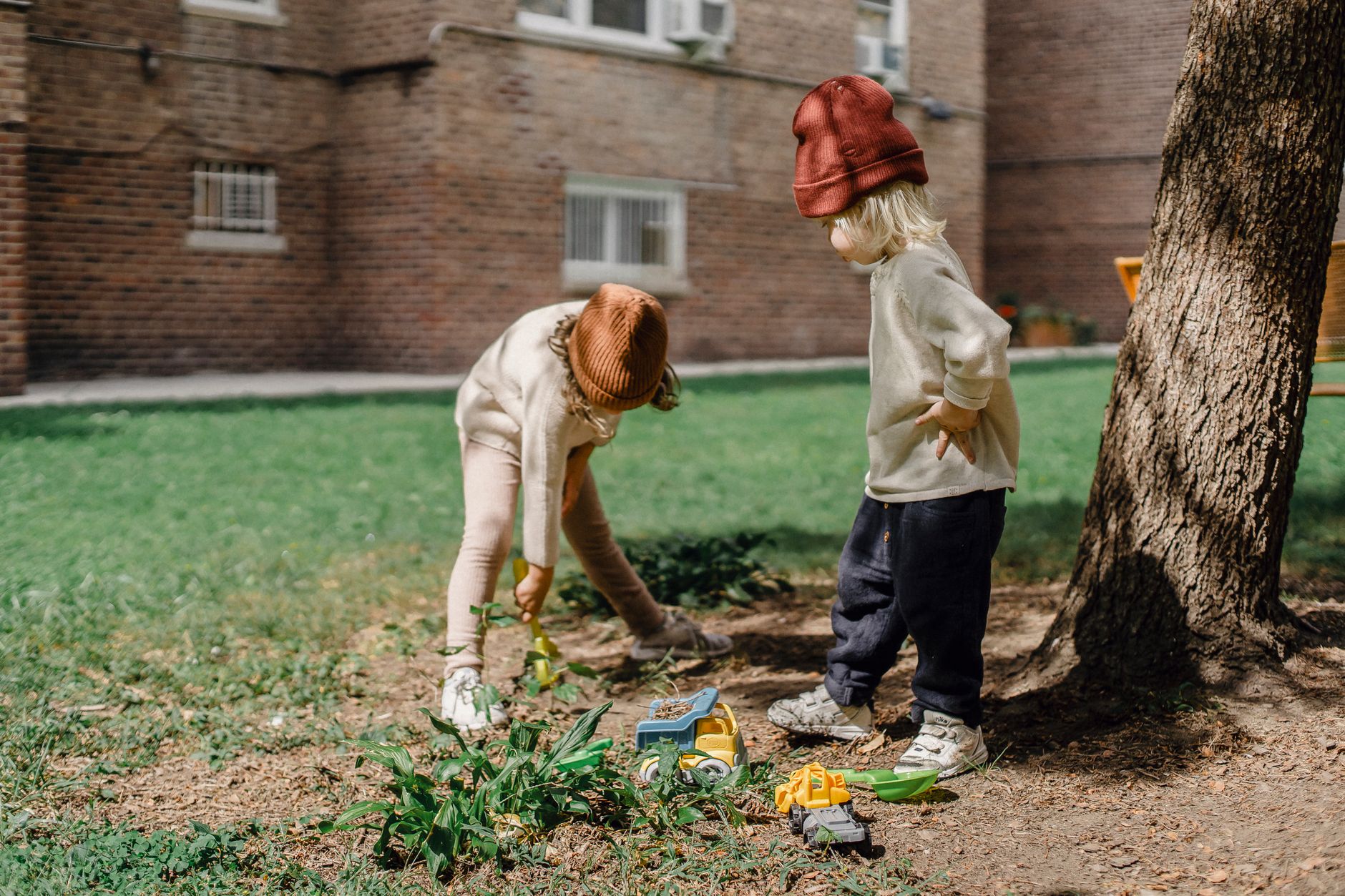
    This is probably the most 1990s thing about our parenting and I will die on this hill: boredom is not a problem to solve. When my kids tell me they’re bored, I point outside. Every single time. Because what happens after the whining stops is genuinely magical — they build something, they discover something, they make up a game with sticks and rocks and whatever they find in the yard.

    We keep a few things on hand that spark that kind of independent exploration — a bug collection kit, a pocket microscope, and their nature journals for sketching what they find. But mostly? I just open the back door and let them figure it out.

    Here in Florida, that means year-round outdoor time. We’ve had nature study happen in January in bare feet. That doesn’t happen everywhere, and I don’t take it for granted.

    📌 Love this? Save it to Pinterest so you can find it later!

    Chores and Responsibility as Part of the Whole

    Our kids have real chores. Not token chores — real ones. They help feed and water the chickens (we use a nipple chicken waterer that the kids actually help refill), they sweep the kitchen, they help with laundry, and they’re learning to cook alongside me. We use Storey’s Guide to Raising Chickens as a reference when they have questions about the flock, and my oldest has her own copy of the Kid’s Guide to Chickens that she refers to like it’s scripture.

    The point isn’t to produce the world’s most competent eight-year-old. The point is that kids need to feel genuinely needed. That’s not something we’ve outsourced or replaced with a chore chart app.

    Protecting What You’ve Built

    Intentional parenting also means you protect the environment you’re working to create. That looks different for every family, but for us it means:

    • A non-toxic home as much as practically possible (everything from cleaning products to sunscreen — I use non-toxic sunscreen on the kids every single day we’re outside, which in Florida is basically always)
    • Limiting the news and background noise
    • Being selective about what media comes in and when
    • Keeping our home as a place where kids can breathe and just be

    This ties into our whole approach to simple living with kids — it’s not minimalism for aesthetics. It’s clearing the clutter so the good stuff has room.

    Intentional Parenting Doesn’t Mean Perfect Parenting

    I want to say this plainly because I think it needs to be said: we lose our tempers. We let the kids watch a movie when we’re tired and nobody has anything left. We have days where the nature journal doesn’t come out, the chickens are just chores and not learning opportunities, and everyone eats cereal for dinner.

    And that’s still intentional parenting. Because intentional doesn’t mean flawless — it means you keep coming back to your why. You notice when you’ve drifted and you course-correct without a lot of drama. You give yourself the same grace you’d give your kids.

    We also use the PEP scholarship here in Florida, which means our curriculum choices are documented and our approach has to be thought through enough to explain. That level of accountability has actually been really good for keeping us anchored to what we say we believe. If you’re navigating that system, our free Florida homeschool transcript template might help you think through how to document an approach like ours.

    So What Does Intentional Parenting Look Like Today?

    It looks like asking your kid what they noticed outside instead of what level they got to. It looks like letting them stay at the mud puddle for twenty extra minutes because nothing is actually on fire. It looks like turning off the podcast and listening to what they’re telling you about the spider they found on the fence. It looks like choosing the slower, messier, more inconvenient option because it’s growing something in them that really matters.

    It doesn’t have to look like us. It just has to look like you — your values, your family, your version of enough.

    That’s the whole thing, really. You already know what you want for your kids. Intentional parenting is just the daily practice of choosing it, even when it’s inconvenient. Especially when it’s inconvenient.

    You’ve got this, mama. Now go open the back door.


    📖 You Might Also Like:

    Frequently Asked Questions

    What is intentional parenting?

    Intentional parenting means making conscious, values-driven choices about how you raise your kids instead of just going along with whatever is default or convenient. It’s not about being perfect — it’s about knowing your family’s priorities and letting those guide everyday decisions, from how you spend your afternoons to what media comes into your home.

    How do you practice intentional parenting without burning out?

    The key is to keep it simple and tied to your actual values, not an idealized version of someone else’s life. Start with one or two non-negotiables — like daily outdoor time or no screens before noon — and build from there. Grace matters too. Intentional parenting is a long game, not a daily performance.

    Can intentional parenting work with a Charlotte Mason homeschool approach?

    Absolutely — in fact, Charlotte Mason’s philosophy is one of the most naturally intentional approaches to childhood education there is. The emphasis on living books, nature study, real-world skills, and unhurried learning aligns beautifully with raising kids slowly and purposefully.

    What does intentional parenting look like for young elementary kids?

    For K-5 kids, intentional parenting often looks like prioritizing free play and outdoor exploration over structured activities, giving kids real chores that make them feel needed, reading aloud together daily, and being selective about screen time. It’s less about enrichment programs and more about protecting space for boredom, creativity, and connection.

    How do I start living more intentionally as a family without overhauling everything?

    Pick one area that feels out of alignment with your values and start there. Maybe it’s mornings that feel rushed and screen-heavy, or a schedule that’s too packed to enjoy anything. Make one small shift and let it settle before adding another. Intentional living is built in small choices over time, not one big dramatic overhaul.

  • Simple Living with Kids: Practical Tips That Actually Work for Real Families

    Simple Living with Kids: Practical Tips That Actually Work for Real Families

    Simple Living with Kids: Practical Tips That Actually Work for Real Families

    🌿 The Short Version: Simple living with kids isn’t about being perfect or having a Pinterest-worthy home — it’s about stripping away what drains you so there’s more room for what matters. This post shares the practical, unglamorous tips our family actually uses to live slower, lighter, and with a whole lot more joy.

    This post contains affiliate links. I may earn a small commission at no extra cost to you.

    Let me tell you what simple living with kids looked like in our house last Tuesday. One child was out back checking on the chickens in her muddy rain boots, the other was belly-down in the grass trying to catch a lizard with his bare hands, and I was inside washing the same cast iron skillet I’ve washed about ten thousand times while a loaf of sourdough cooled on the counter. No apps running. No errands scheduled. No activities to rush off to.

    Was it quiet and idyllic? Kind of. Was someone also arguing with someone else over whose turn it was to collect eggs? Absolutely.

    Here’s what I want you to know: simple living with kids is not aesthetic. It’s not a curated feed or a course you buy. It’s a series of small, intentional decisions you make over and over again — and a lot of letting go. If you’re looking for practical, real-life ways to actually simplify your family’s daily life, you’re in the right place.

    Start With the Calendar, Not the Clutter

    Everyone tells you to declutter first. And yes, stuff matters — we’ll get there. But in my experience, the thing that makes family life feel the most chaotic is an overscheduled calendar, not an overstuffed closet.

    We protect our slow mornings fiercely. Our Charlotte Mason homeschool rhythm is built around a morning basket, outdoor time, and a handful of focused lessons — not a packed schedule that has us running from thing to thing before lunch. If you want to read more about how we’ve simplified our overall pace, I wrote about that in depth over here: How to Slow Down and Simplify Family Life (Without Feeling Like You’re Missing Out).

    Practical tip: Look at your weekly calendar and find one recurring commitment that drains more than it gives. Just one. See what life feels like without it for a month.

    Give Kids Less — and Watch Them Do More

    This is the one people push back on the most, but it’s the one I believe in completely. When kids have fewer toys, fewer options, and fewer structured activities, they get creative. They get bored — which is actually where the good stuff happens.

    Our kids spend huge chunks of their afternoons outside. They’ve built forts, studied ant hills, caught bugs in their bug collection kit, and spent a full hour one afternoon just watching our chickens sort out their pecking order drama. That’s science. That’s social studies. That’s the 1990s childhood I grew up having in Florida — where you went outside after breakfast and came in when the streetlights came on.

    You don’t need a lot of gear for outdoor play, but a few things genuinely help: a solid bug catcher kit keeps them occupied for ages, and if you’ve got multiple kids who like to roam the yard or neighborhood, walkie talkies are genuinely one of the best things we ever bought.

    Build Simple Rhythms Around Nature

    One of the most grounding things we do as a family is keep consistent nature rhythms — things that repeat, that anchor the day or week, that connect us to what’s actually happening outside.

    For us that looks like:

    • Checking on the chickens every morning (non-negotiable — they will tell you if you forget)
    • A nature walk at least twice a week, usually around our Pensacola neighborhood or a local preserve
    • Weekly nature journaling with our nature journal and Faber-Castell watercolors
    • Bird identification with our Sibley Birds guide — we have surprisingly fun arguments about whether something is a fish crow or an American crow

    If you’re looking for ideas on how to bring nature journaling into your homeschool in a way that actually works for real kids, check out: Charlotte Mason Nature Study Journal Prompts by Season (For Real Kids Who’d Rather Be Outside).

    Nature rhythms work because they’re free, they’re flexible, and they require no prep. You just go outside. That’s it.

    📌 Love this? Save it to Pinterest so you can find it later!

    Simplify the Stuff (Without the Overwhelm)

    Okay, now we talk about clutter — but not in a “throw everything away and live in a white room” kind of way. Just in a “does this thing actually serve our family” kind of way.

    For our homeschool, simple means choosing curriculum that’s gentle and effective without requiring me to be a project manager. We use All About Reading for our youngest and have loved how straightforward it is, and Math-U-See has been a game changer for the way my visual learner actually understands math instead of just memorizing it. The goal is always: does this make our days feel lighter, or heavier?

    For the home side of things, we’ve slowly replaced complicated products with simpler ones — non-toxic cleaners from Grove Collaborative, beeswax wrap instead of plastic wrap, wool dryer balls instead of dryer sheets full of fragrance. None of these swaps happened overnight. We just made a new choice every time something ran out.

    A Few Practical Home Swaps That Stuck

    • Replace paper towel habit → bar mop towels or old cut-up t-shirts
    • Swap plastic produce bags → reusable mesh bags
    • Ditch chemical bug spray → Wondercide (especially important in Florida, y’all — the mosquitoes are a whole personality here)
    • Toss the plastic water bottles → stainless steel water bottles the kids actually keep track of

    Let the Kids Do Real Work

    This might be the most underrated part of simple family living. Kids who do real work — actual contributing-to-the-household work — are calmer, more capable, and honestly more content than kids who are entertained all day.

    Our kids help with the chickens, help in the garden, help with meal prep, help fold laundry. Not perfectly. Not without complaint sometimes. But they do it. And the chickens have been the single best teacher in this department. When you have animals that depend on you, there’s no negotiating. The coop needs to be cleaned, the water needs to be refilled, and the eggs need to be collected. Real responsibility. Every day.

    If you’re thinking about adding backyard chickens to your simple living setup, Storey’s Guide to Raising Chickens is the book I recommend to everyone, and the Kid’s Guide to Keeping Chickens is one my kids have both read cover to cover. You can also browse the best breeds for Florida’s heat if you’re figuring out where to start.

    Stop Optimizing, Start Repeating

    The secret ingredient in simple living that nobody talks about? Repetition. Not novelty.

    We eat the same rotation of simple meals. We follow the same basic daily rhythm. We do the same Saturday morning chores before anyone gets to do anything fun. Predictability isn’t boring when you’re a kid — it’s safe. It’s grounding. It frees up mental energy for everyone because nobody’s wondering what comes next.

    Simple living isn’t something you achieve and then maintain. It’s something you keep choosing, especially when the world keeps telling you to add more, do more, sign up for more. The answer is almost always: less.


    If you’re at the beginning of simplifying your family’s life, I want you to hear this: you don’t have to do it all at once. Pick one thing. The calendar, the clutter, the curriculum, the chicken coop — whatever feels most urgent. Start there. Live with it for a while. Then pick the next thing.

    Our life looks nothing like what I thought a homeschool family would look like five years ago. It’s messier, slower, louder, and so much better. The dirt under my kids’ fingernails and the egg carton on my counter and the nature journal sitting open on the table — that’s it. That’s the whole dream, right there.


    📖 You Might Also Like:

    Frequently Asked Questions

    What does simple living with kids actually look like day to day?

    Simple living with kids looks like consistent daily rhythms, less scheduled activity and more free play, real chores that contribute to the household, and intentional choices about what comes into your home and onto your calendar. It’s not perfect — it’s just more deliberate.

    How do I get started with simple living when my life already feels overwhelming?

    Start with just one area — most people find the calendar is the highest-impact place to begin. Look for one recurring commitment that drains more than it gives, and remove it for a month. Once you feel that relief, you’ll have the motivation to simplify the next thing.

    Is simple living compatible with homeschooling?

    Absolutely — in fact, a Charlotte Mason or nature-based homeschool approach is one of the most naturally simple education styles there is. It prioritizes living books, outdoor time, and gentle daily rhythms over heavy curriculum loads and constant busyness.

    How do I get my kids on board with a simpler, less screen-focused lifestyle?

    Fill the space that screens occupied with things that are genuinely compelling — outdoor play, real tools like bug catchers or walkie talkies, animals to care for, and creative freedom. Kids don’t actually prefer screens to a rich, interesting outdoor life. They just default to screens when nothing else is available.

    What are the best first steps toward a non-toxic simple home with kids?

    The easiest way to start is by replacing things as they run out rather than overhauling everything at once. When your dish soap runs out, replace it with a non-toxic option. When dryer sheets run out, switch to wool dryer balls. Small, consistent swaps over time add up to a genuinely different home without the overwhelm.

  • How to Slow Down and Simplify Family Life (Without Feeling Like You’re Missing Out)

    How to Slow Down and Simplify Family Life (Without Feeling Like You’re Missing Out)

    How to Slow Down and Simplify Family Life (Without Feeling Like You’re Missing Out)

    🌿 The Short Version: Slowing down family life doesn’t mean doing less — it means doing what actually matters with more presence and intention. In this post, I’m sharing the real, practical shifts our family made to step off the hamster wheel and actually enjoy the life we’re building.

    This post contains affiliate links. I may earn a small commission at no extra cost to you.

    There was a season — not that long ago — where I’d look at our days and think, how are we this busy when we’re literally home all day? Homeschooling, errands, activities, commitments we said yes to because saying no felt uncomfortable. The days were full but somehow hollow. I was moving through our life instead of living it.

    If that hits close to home, pull up a chair. This one’s for you.

    Slowing down isn’t a personality type. It’s not something you either are or aren’t cut out for. It’s a series of small, deliberate choices — and honestly? The more we leaned into it, the more our kids started to thrive. Less schedule. More chickens. More mud. More of the good stuff.

    Here’s what’s actually worked for our family.


    Start by Naming What You Actually Want Your Days to Feel Like

    This sounds soft, but it’s the most practical thing I’ve done. Before you cut anything or add anything, just sit with this question: What do I want our family life to feel like?

    For us, the answer was simple. We wanted our days to feel like a long summer afternoon from the 1990s — kids outside, nobody watching the clock too hard, dinner made at home, a dog underfoot. We wanted margin. We wanted boredom, even, because boredom is where creativity lives.

    Once you name it, you have a filter. Every time someone asks you to add something to your calendar, you can hold it up to that vision and ask: does this fit, or does this crowd it out?


    Protect Morning Time Like It’s Sacred

    Our mornings used to be chaotic. Now they’re slow on purpose.

    We start with our morning basket — read-alouds, a little poetry, nature observation out the back window while coffee’s brewing. The kids feed the chickens before anything academic happens. There’s something grounding about starting the day with living things that depend on you. It sets a tone.

    If you’re a Charlotte Mason family or even just curious about the approach, protecting that unhurried morning rhythm is one of the best things you can do. Check out Charlotte Mason Nature Study Journal Prompts by Season (For Real Kids Who’d Rather Be Outside) for ideas that fit right into a slow morning.

    We keep a nature journal at the kitchen table and my kids will often sketch something before we ever crack a curriculum book. It’s become a ritual, and rituals are what hold a family together.


    Cut the Activities — I Mean Really Cut Them

    I know. This is the one that stings.

    We live in the Pensacola area, and there is no shortage of things to sign your kids up for. Sports leagues, co-ops, classes, events every weekend. And a lot of it is genuinely good. But good doesn’t mean necessary, and a full calendar isn’t the same as a full life.

    We made a rule: one outside commitment per kid at a time. That’s it. And honestly? Our kids haven’t missed out. They’ve gained something — long, wandering afternoons where they build forts, catch lizards, argue and then figure it out, dig in the dirt, and generally do exactly what kids were made to do.

    A bug collection kit has provided more genuine learning in our backyard than many organized activities we’ve paid for. Same with a pocket microscope — the kids discovered things in a single afternoon in the yard that we talked about for a week.


    Bring the Learning Back Outside

    One of the fastest ways to simplify homeschool life is to stop trying to recreate a classroom in your house. You don’t need to.

    Nature study, done the Charlotte Mason way, is inherently slow and rich. We take the Sibley Birds guide on walks. We sketch what we find. We narrate. We wonder. There are no worksheets. There’s no grade. And somehow my kids retain more from an hour in the backyard than from a lot of seat work.

    Florida is actually an incredible place for this — year-round warmth, crazy biodiversity, and something always blooming, hatching, or migrating through. We lean hard into that. In the spring we’re watching the chickens with the kid’s guide to chickens to learn about behavior and biology. In the fall we’re watching for migrating birds. In summer we’re up early to beat the heat and catch whatever’s moving.

    Slowing down academically doesn’t mean doing less — it means doing it more deeply.

    📌 Love this? Save it to Pinterest so you can find it later!


    Simplify the Home Environment Too

    A cluttered home creates a cluttered mind — for kids and for mamas. We’ve slowly been working toward a home that’s easier to manage, less toxic, and more peaceful to be in.

    That’s looked like switching to Grove Collaborative for our cleaning products, which cut down on decision fatigue and reduced the chemical load in our home. It’s looked like fewer toys and more open-ended materials. Fewer screens and more watercolor paints and Faber-Castell watercolors on the kitchen table.

    Check out DIY Natural Cleaning Products for Every Room (That Actually Work and Cost Almost Nothing) if you’re trying to simplify what’s under your sink too — we’ve been doing a lot of that kind of swapping and it genuinely makes the home feel calmer.


    Let the Kids Be Bored

    I cannot stress this enough. Boredom is not a problem to solve.

    Some of the best things that have ever happened in our backyard started with a kid saying “I’m boooored.” We’ve had elaborate chicken observation journals, homemade obstacle courses, mud pie bakeries, and one very ambitious attempt to build a bridge across the drainage ditch out back. All of it born from boredom.

    Our mini labradoodle is usually involved somehow too, which adds to the chaos and the joy in equal measure.

    Resist the urge to fill the quiet. The quiet is doing something.


    Say No to Screen Time as a Default

    This doesn’t mean no screens ever. It means screens shouldn’t be the first answer to a free moment.

    When the kids come to me bored or restless, I try to redirect to something physical first. Outside. A project. The chickens need fresh water. Go see if there are eggs. Here are some kids’ rain boots — go splash in the puddles from that afternoon storm.

    After a Florida afternoon thunderstorm, the backyard smells like earth and possibility. That is a gift. We try not to waste it.


    Simplify Doesn’t Mean Perfect

    I want to be honest: we don’t have this figured out perfectly. There are weeks where the calendar creeps back up, where we’re eating dinner in the car and I’ve said yes to three things too many.

    But we keep coming back. That’s the whole thing — not achieving some idealized simple life, but having enough clarity about what you actually want that you keep making your way back to it.

    For us, that means chickens in the backyard, kids with dirty knees, a dog who thinks he runs the place, and school that happens in between real living — not in spite of it.

    If you’re just starting to think about what this could look like for your family, I’d encourage you to start small. One morning. One afternoon with no plan. One week where you say no to something you’d normally say yes to just out of habit.

    See how it feels. I think you’ll want more of it.


    📖 You Might Also Like:

    Frequently Asked Questions

    How do I start slowing down family life when everything feels out of control?

    Start with just one part of your day — usually mornings are easiest to reclaim. Create a simple, slow morning ritual before anything scheduled begins: a read-aloud, time outside, or a quiet breakfast with no screens. Build from there rather than trying to overhaul everything at once.

    Is it okay to limit my kids’ activities even if other families are doing more?

    Absolutely. Research consistently shows that unstructured free play is essential for childhood development — and most kids today are overscheduled. Fewer activities often means more creativity, more resilience, and more genuine connection within your family. Your kids will not be behind; they’ll likely be ahead in the ways that matter most.

    How do you simplify homeschooling without feeling like you’re not doing enough?

    Shift your measure of success from ‘how much did we cover’ to ‘how deeply did we engage.’ Charlotte Mason’s approach to short lessons, living books, and nature study covers an enormous amount of ground without the frantic pace. If your child narrated back what they learned, drew it, or talked about it at dinner, that’s real learning.

    What’s the easiest way to reduce screen time for kids without constant battles?

    Make the alternative more appealing than the screen — which is easier than it sounds when kids have open-ended outdoor time, interesting materials to tinker with, and pets or animals to interact with. Set clear, consistent screen-free times (like mornings and the hour after lunch) so it becomes routine rather than a daily negotiation.

    How do you simplify a home environment to feel less chaotic?

    Start by reducing visible clutter — toys, papers, and surfaces that collect stuff create mental noise for everyone. Then look at your cleaning products, kitchen gadgets, and daily routines to see what can be simplified or consolidated. Fewer, better things almost always feels calmer than more of everything.

  • Rainwater Harvesting in Florida: What’s Actually Legal and How to Set It Up

    Rainwater Harvesting in Florida: What’s Actually Legal and How to Set It Up

    Rainwater Harvesting in Florida: What’s Actually Legal and How to Set It Up

    🌿 The Short Version: Rainwater harvesting is completely legal in Florida — and actually encouraged by the state. This guide covers the current laws, the simplest way to set up a rain barrel or cistern system, and how we use ours for the garden and chicken yard without overcomplicating it.

    This post contains affiliate links. I may earn a small commission at no extra cost to you.

    If you’ve ever stood on your back porch watching a Florida summer storm drop what feels like a thousand gallons of water in twenty minutes — while simultaneously dragging a hose to your garden beds and chicken waterers — you’ve probably thought: there has to be a better way.

    There is. And it’s called rainwater harvesting. It sounds fancier than it is, honestly. At its core, it’s just collecting the rain that falls on your roof and putting it to use instead of letting it run off into the storm drain. We’ve been doing it at our place here in the Pensacola area for a couple of years now, and it’s become one of those homestead wins I genuinely wish we’d started sooner.

    But before I get into the how, let me answer the question I get asked most often: is this even legal in Florida?

    Is Rainwater Harvesting Legal in Florida?

    Yes — and not just legal, but actually encouraged. Florida is one of the more progressive states when it comes to rainwater collection. The Florida Legislature passed laws (specifically under Florida Statute 373.185) that require water management districts to promote rainwater harvesting as a water conservation strategy. Some districts even offer rebates for installing rain barrel systems.

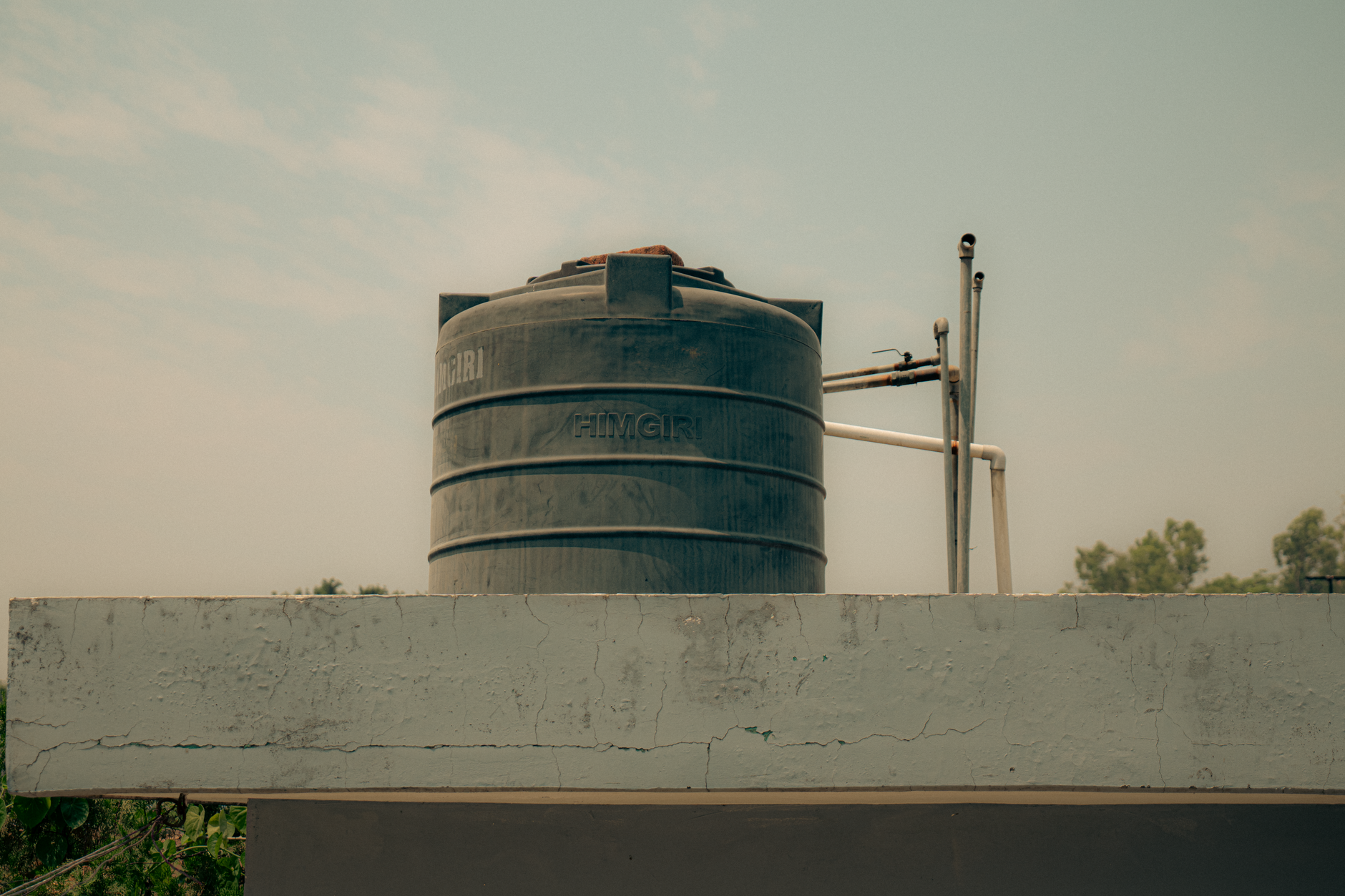
    You do not need a permit to collect rainwater off your own roof for non-potable uses (that means irrigation, flushing toilets, watering animals, etc.). If you want to drink it or run it through your home plumbing, that gets more complicated and requires filtration systems and, in some cases, permits — but for garden and livestock use? You’re good to go.

    A few Florida-specific things to know:

    • Your HOA might have rules. Florida law actually limits HOAs from outright banning rain barrels, but they can regulate placement and aesthetics. If your barrel is visible from the street, check your HOA docs just to be safe.
    • Your county may have resources. Many Florida counties — including Escambia County — have partnered with local water management districts to offer low-cost or subsidized rain barrels. It’s worth a quick Google search for your county name + “rain barrel rebate.”
    • Non-potable use is the key phrase. Everything I’m covering here falls under non-potable: watering gardens, rinsing boots, topping off the chicken waterers, washing the dog (our labradoodle Biscuit is a frequent recipient).

    For a deeper dive into setting up a complete barrel system step by step, I wrote a whole post on the Best Rain Barrel Setup for Florida Homes (What Actually Works Down Here) that goes into the hardware side in more detail.

    What You Actually Need to Get Started

    The beauty of a basic rain barrel setup is that it doesn’t have to be complicated or expensive. Here’s what we use and what I’d recommend for most backyard homesteads.

    The Barrel Itself

    You can buy a dedicated rain barrel with a spigot and overflow port already built in, or you can DIY one from a food-grade 55-gallon drum. Both work. I’ve seen people get really cute decorative barrels that look like urns or wooden planters — totally valid if curb appeal matters to you. We went the utilitarian route because ours is behind the coop and nobody’s judging.

    What matters most:

    • A tight-fitting lid or screen to keep out mosquitoes (this is non-negotiable in Florida, y’all)
    • An overflow port that directs excess water away from your foundation
    • A spigot near the bottom for easy access

    Positioning and Downspout Diversion

    You’ll connect your barrel to an existing downspout using a diverter kit — these are inexpensive and easy to install without any plumbing experience. We placed ours at the corner of our coop overhang, which means every big storm fills it right up. During our rainy season (roughly June through September), we rarely have to run a hose to the garden at all.

    Scaling Up: Cisterns and Larger Systems

    If you’ve got more garden space, a bigger flock, or just want to go deeper into water independence, you can chain multiple barrels together or invest in a larger cistern (250–500 gallons). This gets into more territory, but the principles are the same. The Best Rain Barrel Setup for Florida Homes post breaks down those options too.

    📌 Love this? Save it to Pinterest so you can find it later!

    How We Use Harvested Rainwater

    Okay, here’s the practical day-to-day. Our rainwater goes toward three main things:

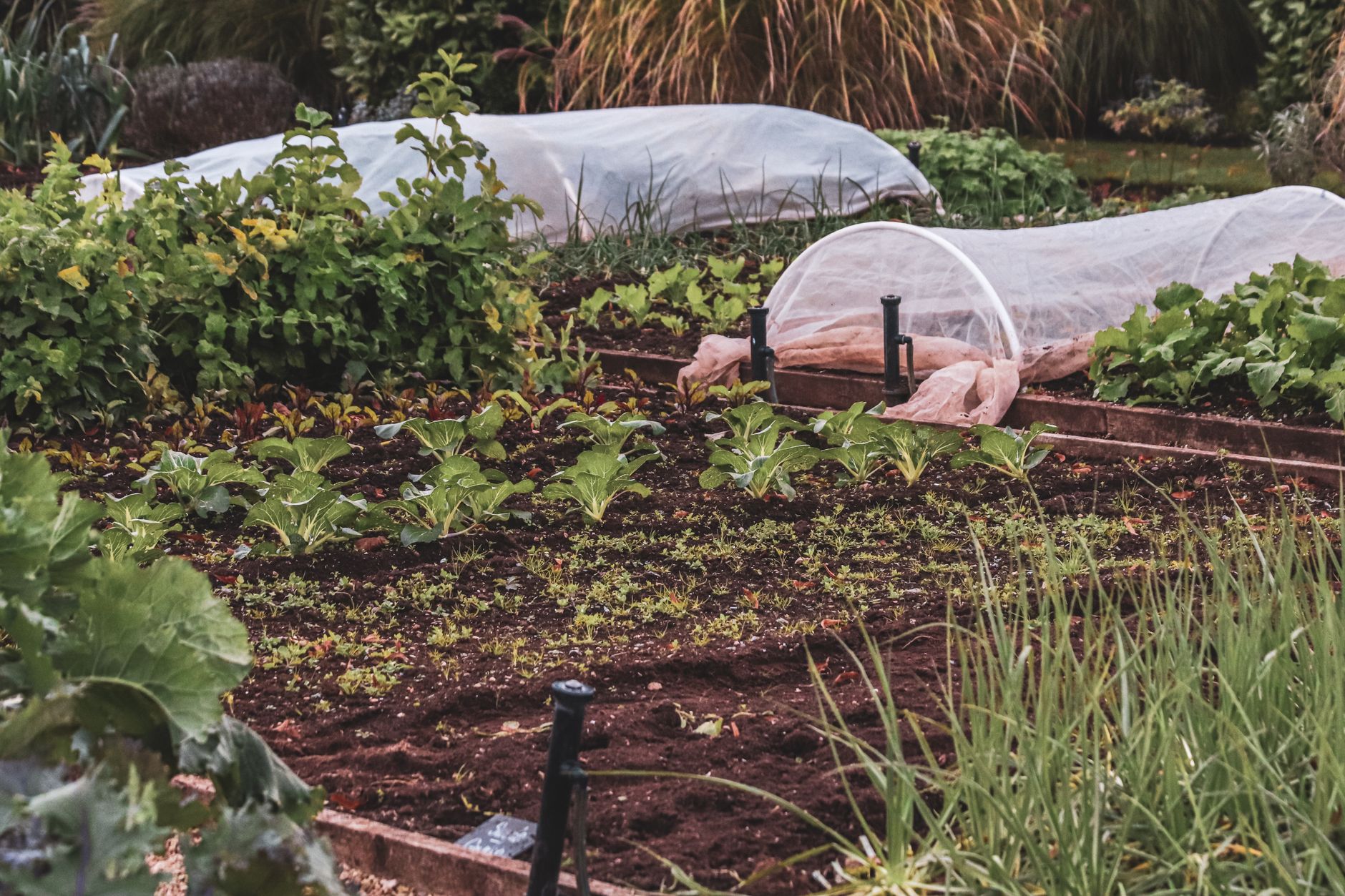
    1. The garden. We run a simple gravity-fed drip line from our barrel to the raised beds during dry stretches. Our summer garden especially benefits — if you’ve been following along, you know we’re big on growing through the heat, and I’ve written about Best Cover Crops for a Florida Garden in Summer which pairs beautifully with a rainwater setup because those crops need consistent moisture without running up your water bill.

    2. The chickens. We top off our chicken waterer with harvested water regularly. Chickens are not picky, and clean collected rainwater is perfectly fine for them. If you’re new to keeping a flock and wondering what else goes into coop care, our Natural Chicken Coop Deodorizer and Cleaning Routine is a good starting point.

    3. General outdoor rinsing. Muddy boots, dirty garden tools, rinsing out the compost bin — harvested water handles all of that. We try to be intentional about not letting clean drinking water do jobs that collected rainwater can handle just as well.

    Rainwater Harvesting as a Nature Study Lesson

    This is one of those homestead practices that doubles beautifully as a Charlotte Mason-style living lesson. Our kids helped us set up the barrel, and now they check the water level after every rain and record it in their nature journals. We’ve turned it into an ongoing study of the water cycle — not from a workbook, but from watching it actually happen in our own backyard.

    We’ve talked about where rain comes from, how it moves through a watershed, what happens when impervious surfaces (like roofs and driveways) change where water goes, and why that matters for local streams and wetlands. For kids who are growing up in the Florida panhandle where water is such a defining part of the landscape — the bays, the creeks, the aquifer — this stuff isn’t abstract. It’s alive.

    A pocket microscope is a fun add-on here too — we’ve looked at collected rainwater up close to see what’s in it (spoiler: before filtering, quite a bit). Great conversation starter.

    A Few Common Questions I Get

    Can I use harvested rainwater to water vegetables? Generally yes, though if you’re harvesting off an older roof with heavy metal flashing or treated shingles, there can be some runoff concerns. For most standard asphalt shingle roofs, using it on garden soil (rather than directly on edible leaves) is the common-sense approach. Many people do it without issue.

    Won’t standing water attract mosquitoes? Only if your barrel isn’t sealed properly. That’s why a tight mesh screen or solid lid is essential. Florida mosquitoes are not playing around and neither are we.

    What about hurricane season? Great question. If a big storm is coming, you’ll want your overflow routes to be clear and functional. Some folks empty their barrels before a major storm to reduce pressure on the system — worth considering.

    Starting Small Is Still Starting

    You don’t have to have a whole homestead operation going to benefit from rainwater harvesting. Even one 55-gallon barrel under a downspout makes a difference — in your water bill, in your garden’s health, and honestly in how connected you feel to the land you’re living on.

    There’s something quietly satisfying about using what falls from the sky instead of pulling from the tap for every single thing. It’s the same instinct that drives us toward raising our own food, keeping chickens, and teaching our kids to notice the world around them. Less dependency. More intention. A little more like how things used to be done before we outsourced everything.

    If you’re thinking about expanding your water resilience beyond rain barrels, composting at home is another piece of that same puzzle — and one the kids can get just as involved in.

    We’re all figuring this out one small step at a time over here. But step by step, it adds up to something really good.


    📖 You Might Also Like:

    Frequently Asked Questions

    Is rainwater harvesting legal in Florida?

    Yes, rainwater harvesting is not only legal in Florida but actively encouraged by state law. Florida Statute 373.185 requires water management districts to promote rainwater collection as a conservation strategy. You do not need a permit to collect rainwater for non-potable uses like irrigation, garden watering, or livestock use. Some counties even offer rebates on rain barrel systems.

    Can you drink harvested rainwater in Florida?

    Technically rainwater can be made potable with the right filtration and treatment systems, but that process is more complex and may require permits depending on how it’s integrated into your home plumbing. For most homeowners, harvested rainwater is best used for non-potable purposes like watering gardens, filling chicken waterers, and outdoor rinsing. Always filter and test before considering any drinking use.

    How much rainwater can you collect in Florida?

    Florida averages 50–60 inches of rainfall per year depending on the region, with the heaviest rain falling during the June–September rainy season. A standard 1,000 square foot roof can yield roughly 600 gallons of water per inch of rain. A basic 55-gallon barrel will fill quickly during a typical summer storm — many homesteaders daisy-chain multiple barrels or use cisterns to capture more.

    Do I need a permit for a rain barrel in Florida?

    No permit is required to install a rain barrel for non-potable outdoor use in Florida. If your neighborhood has an HOA, Florida law prevents them from outright banning rain barrels, though they may regulate placement and appearance. Larger cistern systems over a certain size may have different requirements depending on your county, so it’s worth checking locally if you’re going beyond a basic barrel setup.

    How do I keep mosquitoes out of my rain barrel in Florida?

    This is critical in Florida. Every rain barrel should have a tight-fitting lid or fine mesh screen that covers any openings, including the inlet where water enters from the downspout diverter. Make sure your overflow port is also screened. Mosquitoes only need a small amount of standing water to breed, so a properly sealed barrel eliminates the risk entirely. Never leave a barrel open or partially covered.

  • Best Cover Crops for a Florida Garden in Summer (What Actually Works in the Heat)

    Best Cover Crops for a Florida Garden in Summer (What Actually Works in the Heat)

    Best Cover Crops for a Florida Garden in Summer (What Actually Works in the Heat)

    🌿 The Short Version: Most cover crops die in Florida’s brutal summer heat — but a handful actually thrive and do serious good for your soil. This post breaks down the best warm-season cover crops for Northwest Florida gardens, how to use them, and how to turn the whole thing into a living nature lesson for your kids.

    This post contains affiliate links. I may earn a small commission at no extra cost to you.

    If you’ve ever stood in your Florida garden in late May, looked at your exhausted raised beds after spring harvest, and thought now what — I have been exactly there. The heat rolls in hard here in the Panhandle, and most of the vegetables we want to grow just tap out by June. But leaving those beds bare all summer? That’s leaving money — and soil health — on the table.

    Cover crops changed everything for us. And honestly? They’ve become one of my favorite low-key homeschool units too. There’s something so satisfying about planting something for the soil instead of for the dinner table, and watching kids get curious about why that even matters.

    Let’s talk about what actually grows here, what it does for your garden, and how to make it work even if you’re juggling chickens, curriculum, and a dog underfoot.


    Why Cover Crops Matter in a Florida Summer Garden

    Florida summer soil has a rough life. We get pounded by afternoon thunderstorms that compact and erode bare earth, baked by triple-digit heat indexes that kill off beneficial microbial life, and then the weeds just take over if you leave a bed empty for two weeks. Cover crops solve all three problems at once.

    They:

    • Protect soil from erosion and compaction during heavy rains
    • Shade out weeds naturally
    • Add organic matter and nutrients back into depleted beds
    • Some fix nitrogen right back into the soil (huge deal after heavy spring production)
    • Give you something to chop and drop before fall planting

    And if you have backyard chickens like we do, some cover crops double as a cut-and-come-again fodder source. Our girls go absolutely wild for fresh cowpea leaves. It’s a win all the way around.


    The Best Cover Crops for Florida Gardens in Summer

    1. Iron & Clay Cowpeas (Southern Peas)

    This is the number one cover crop I recommend for Northwest Florida summers, full stop. Cowpeas are incredibly heat and drought tolerant once established, they fix nitrogen like champions, and they grow fast — we’re talking lush, knee-high vines within a few weeks.

    Plant them any time from late April through July. They’ll thrive even in poor, sandy soil (hello, Florida). Let them flower and set pods if you want seeds, or chop and till them before fall planting to add nitrogen and organic matter. We do a combination — I let the chickens forage in the spent beds before we till, and they clean up every last bit.

    2. Sunn Hemp

    Sunn hemp is another Florida summer superstar. It’s a fast-growing legume that can hit 6 feet tall in about 60 days. It fixes nitrogen aggressively, shades out weeds better than almost anything, and adds a huge amount of biomass when you chop it down.

    One thing to note: chop it before it gets too woody and definitely before it sets seed, or it becomes harder to manage. We usually cut ours around 4-5 feet and let it decompose in place for a few weeks before fall bed prep. It breaks down quickly in Florida heat.

    3. Buckwheat

    Buckwheat is a non-legume cover crop that works beautifully in Florida summer, especially if you’re trying to attract pollinators and beneficial insects. It grows fast — ready to flower in about 30-40 days — and those little white flowers are covered in bees, wasps, and beneficial insects that will stick around when you plant your fall garden.

    It doesn’t fix nitrogen, but it does break up compacted soil with its root system and adds good organic matter. It can reseed itself aggressively, so chop it before the seeds dry out if you don’t want a surprise buckwheat patch in October.

    This one is wonderful for nature study. My kids have spent whole mornings watching the pollinators work those tiny flowers — we sketch them in our nature journals and it turns into a full-on Charlotte Mason nature observation lesson without me planning a thing.

    4. Sorghum-Sudangrass

    If you’ve got a large area you’re trying to rehabilitate — or a new garden bed that’s mostly weeds and compacted clay — sorghum-sudangrass is your summer weapon. It grows tall and dense, outcompetes almost any weed, and its deep roots break up hard soil. It also releases a natural compound that suppresses weed germination after you cut it.

    This isn’t the prettiest cover crop, but it is one of the most hardworking. Chop and drop before fall planting or let the chickens scratch around in the residue.

    5. Velvet Bean (Mucuna)

    Velvet bean is a powerhouse nitrogen fixer that’s well-suited to Florida’s long, hot summers. It’s a vining legume that can produce 200+ pounds of nitrogen per acre in ideal conditions — obviously we’re working on a smaller scale, but even in a few beds it makes a meaningful difference.

    Fair warning: the pods are itchy to handle at harvest, so this one isn’t a great pick for younger kids to manage hands-on. But from a soil-building standpoint, it’s impressive.


    📌 Love this? Save it to Pinterest so you can find it later!

    How We Use Cover Crops as a Homeschool Unit

    Honestly, this is one of my favorite sneaky nature study units because it doesn’t feel like school at all. We plant the cover crop beds together, and then we observe them through the summer. My kids check on them during our morning outdoor time, and we talk about what they’re noticing — how fast is it growing? What insects are visiting? What does the soil look like underneath?

    We use our pocket microscope to look at soil samples before and after, and the kids sketch what they find in their nature journals with Faber-Castell watercolors. It ties in beautifully to living science without me needing a separate curriculum.

    If your kids are really into bugs (mine absolutely are), a bug collection kit is perfect for documenting all the beneficial insects that show up to a blooming cover crop bed. We’ve identified hover flies, parasitic wasps, and native bees we’d never noticed before.

    For the chicken connection — once we’re ready to till cover crops under, we let our flock into the beds first. They scratch, eat seeds and bugs, and add their own nitrogen back into the mix. It’s a full closed loop and my kids love being part of that process. If you’re thinking about starting a flock and want breed recommendations for our area, I wrote a whole post on best egg laying chickens for Florida heat that might help.


    Practical Tips for Getting Started

    Seed directly into the bed. No transplanting needed. Most of these cover crops are direct-sown and pretty forgiving. Loosen the top few inches of soil, scatter seed, and water in.

    Water consistently for the first two weeks. After that, most of these crops are tough enough to handle Florida summer rainfall on their own.

    Chop 3-4 weeks before you want to plant your fall garden. Give the organic matter time to start breaking down before you put your fall seedlings in. We usually target early September to flip our beds so they’re ready for October planting.

    Compost what you can’t till in. If you have extra biomass, run it to your compost pile. We’ve been doing this for years and it’s dramatically improved our beds — if composting with kids is new to you, I shared how we got started in Composting at Home for Beginners.

    Pair cover cropping with good watering practices. Those summer rains are precious. If you’re not capturing them yet, our post on the best rain barrel setup for Florida homes walks through exactly what we set up and why it matters.


    What We Actually Plant Each Summer

    In our Pensacola-area garden, we typically do:

    • Cowpeas in the main vegetable beds — they’re easy, kid-friendly, and the chickens love them
    • Buckwheat in the pollinator border near our herb garden
    • Sunn hemp in any new or struggling beds that need serious soil work

    That combination keeps our beds covered, our soil fed, and gives us plenty of nature observation material through the long, hot summer months when it’d be easy to just let the garden go dormant.


    You Can Do This

    I know summer gardening in Florida can feel pointless. The heat is no joke, and it’s hard to stay motivated when your spring tomatoes gave up in May. But cover crops are one of those small investments that pay you back every single fall in better soil, fewer weeds, and healthier harvests.

    And honestly? There is something quietly beautiful about tending a garden that’s resting and rebuilding. Teaching our kids that the quiet seasons matter as much as the harvest ones — that feels like exactly the kind of lesson I want woven into our days.

    If you try cover crops this summer, come tell me about it. I love hearing what’s working in other Florida yards.


    📖 You Might Also Like:

    Frequently Asked Questions

    What is the best cover crop to plant in Florida in summer?

    Iron and clay cowpeas are the top choice for Florida summer cover cropping. They tolerate extreme heat and humidity, fix nitrogen in the soil, grow quickly, and are easy for beginners. Sunn hemp is a close second for fast biomass and nitrogen production.

    When should I plant cover crops in Florida?

    For summer cover cropping in Florida, plant between late April and mid-July. This gives your cover crop enough time to establish and do its soil-building work before you need to flip the beds for fall planting, which typically starts in late September or October in North Florida.

    How do I kill or remove cover crops before planting vegetables?

    The easiest method is to chop cover crops at the base with a string trimmer or garden shears and let them decompose in place for 2-4 weeks. You can also till them in, or let chickens scratch through spent beds before your final soil prep. Either way, give yourself 3-4 weeks between chopping and planting.

    Can I let my chickens graze on cover crops?

    Yes! Chickens love to forage in cover crop beds, especially cowpeas and legume vines. We let our flock into spent beds before tilling — they eat seeds, scratch up bugs, and add their own manure nitrogen back into the soil. Just don’t let them graze young seedlings or they’ll eat everything down to the roots before the plants establish.

    Do cover crops really help Florida’s sandy soil?

    Absolutely. Florida’s sandy, nutrient-poor soil is one of the main reasons cover cropping is so valuable here. Legume cover crops like cowpeas and sunn hemp fix atmospheric nitrogen directly into the soil. The organic matter from decomposing cover crop biomass also improves water retention and feeds the beneficial microbial life that makes nutrients available to your vegetable plants.

  • How to Create a Nature Play Yard in Your Backyard (That Kids Actually Use)

    How to Create a Nature Play Yard in Your Backyard (That Kids Actually Use)

    How to Create a Nature Play Yard in Your Backyard (That Kids Actually Use)

    🌿 The Short Version: A nature play yard doesn’t have to be fancy or expensive — it just needs to invite kids to dig, discover, build, and explore. This post walks you through exactly how we set ours up in Northwest Florida, from mud kitchens to bug-hunting stations, with ideas that actually hold kids’ attention longer than any screen ever could.

    This post contains affiliate links. I may earn a small commission at no extra cost to you.

    If I had a dollar for every time one of my kids walked past the swing set and went straight for the dirt pile, I could fund our entire homeschool year. Twice.

    Here’s the thing — kids don’t actually need elaborate, expensive outdoor equipment. What they need is permission and a little setup. A space that says, “Yes, you can dig here. Yes, you can get muddy. Yes, that bug is worth investigating.” That’s a nature play yard. And once you create one, you’ll be amazed at how many hours your kids will disappear into it without a single complaint of “I’m bored.”

    We’ve been slowly building ours here in Pensacola over the last couple of years, and honestly, it’s become one of the best things we’ve done for our kids’ childhood. It feeds right into our Charlotte Mason approach — living education, real observation, hands-on everything. Let me show you what we did and how you can do it too, no matter what size backyard you’re working with.

    What Is a Nature Play Yard (And Why Does It Matter)?

    A nature play yard is basically a section of your backyard that’s been intentionally set up to encourage open-ended, child-led outdoor play using natural materials. Think loose parts — logs, rocks, sand, water, dirt, sticks. Think sensory experiences, not plastic slides.

    This isn’t a new idea. This is just what backyards used to look like before we started buying so much stuff. The 1990s version of every backyard had a pile of something — gravel, mulch, dirt — and kids just figured it out from there. We’re just being a little more intentional about it now.

    The research backs it up too: unstructured outdoor play builds creativity, problem-solving, physical confidence, and emotional regulation. But honestly, I didn’t need a study to tell me that. I just needed to watch my kids spend three hours building a dam in the mud after a Florida afternoon thunderstorm.

    Step 1: Start With a Zone, Not a Full Overhaul

    You don’t have to redo your entire yard. Pick a corner or a patch — even a 10×10 area works — and designate it as the nature play zone. Somewhere with a little shade is ideal, especially here in Northwest Florida where the summer sun is absolutely relentless by 10 a.m.

    If you have trees, even better. Natural shade, sticks to collect, and bark to investigate. If not, a shade sail or simple pergola works.

    Tell your kids this spot is theirs. That alone changes everything.

    Step 2: Add a Mud Kitchen or Dig Pit

    This is the heart of any good nature play yard, and it genuinely costs almost nothing to set up.

    For a dig pit: Loosen up a section of ground, or fill a raised bed or old sandbox frame with a mix of soil and sand. Let kids dig freely. Bury “treasures” — rocks, shells, pinecones — for them to find.

    For a mud kitchen: Grab some old pots and pans from a thrift store, a water source nearby (a simple spigot or even a big bucket), and you’re done. My kids have spent entire mornings making “soup” out of mud, Spanish moss, and whatever the chickens left behind. It’s glorious.

    This kind of messy, sensory play is genuinely irreplaceable. Let it happen. That’s what kids rain boots were made for.

    Step 3: Create a Bug and Nature Discovery Station

    This is where our Charlotte Mason roots really show up in the yard. We set up a small table or stump near the dig pit where the kids can bring their finds and actually look at them.

    We keep a few things out there permanently:

    • A pocket microscope that has genuinely blown my kids’ minds (ant legs under magnification = instant science lesson)
    • A bug collection kit with containers and a magnifier
    • A worn copy of the Sibley Birds guide because Florida birds are everywhere and worth knowing
    • A nature journal for sketching finds — this is such a simple habit and it builds real observation skills over time

    We live in Florida, so there is absolutely no shortage of things to discover. Anoles, lubber grasshoppers, Gulf fritillary butterflies, walking sticks — the biodiversity here is wild and we treat it like the living classroom it is.

    If you want some good read-alouds to pair with your outdoor exploration time, I shared some favorites in this post: Best Picture Books for Nature-Loving Kids (Our Favorite Read-Alouds for Little Explorers)

    📌 Love this? Save it to Pinterest so you can find it later!

    Step 4: Bring In Loose Parts

    Loose parts are the magic ingredient. These are open-ended natural materials that kids can move, combine, stack, sort, and use however their imagination leads them. No instructions. No right answer.

    Some of our favorites that we’ve collected or sourced cheaply:

    • Large river rocks and smaller pebbles
    • Pinecones and acorns (abundant in Northwest Florida)
    • Sections of cut logs in varying heights (our chickens love these too — perches everywhere)
    • Bamboo lengths or thick sticks
    • Shells from local beaches
    • Pieces of natural rope or twine

    If you want more ideas for outdoor play that doesn’t require buying anything fancy, check out Outdoor Play Ideas for Kids with No Equipment Needed (Just Fresh Air and a Little Imagination) — it’s full of exactly that.

    Step 5: Add a Garden Corner Kids Can Own

    Even a small raised bed or a few containers gives kids real responsibility and a front-row seat to how food grows. We let our kids pick what goes in their corner each season, and they’re far more invested in tending it when it’s theirs.

    A seed starting kit is a great way to start seeds together inside before transplanting. Grab some kids garden gloves so they actually want to dig in — my kids weirdly love having their own pair.

    If you want to get into composting with them (which connects beautifully to the garden), we have a whole beginner’s guide here: Composting at Home with Kids: A Real Beginner’s Guide That Actually Gets Done

    Step 6: If You Have Chickens, Let the Kids Help Tend Them

    Okay, I know not everyone has backyard chickens — but if you do, your flock is already one of the best “nature play” features in your yard. Our kids collect eggs, fill the chicken waterer, scatter scratch, and watch the hens do their thing. It teaches responsibility, animal behavior, and life cycles in the most natural way possible.

    If you’re new to chickens or thinking about starting a flock, the Storey’s Guide to Raising Chickens is what we started with, and the Kid’s Guide to Keeping Chickens is genuinely a great one for your elementary-age kids to have their own copy.

    Step 7: Keep It Wild (Resist the Urge to Over-Tidy)

    This one is for us mamas as much as for the kids. A nature play yard is supposed to look a little wild. Sticks in piles. Mud tracked somewhere. A collection of rocks on a stump.

    Fight the urge to tidy it all up every day. Let the kids leave their work-in-progress. The stick fort they abandoned on Tuesday might be where they pick up again on Friday — but only if it’s still there.

    The beauty of raising kids this way — less curated, more alive — is that they learn to entertain themselves deeply. They build attention spans. They work through frustration. They create. That’s the whole point.

    A Few Safety Notes for Florida Yards

    We’re in Florida, so a quick word: check for fire ants regularly, especially in dig pits and around loose logs. We use food grade diatomaceous earth around the perimeter of the yard and near the coop — it’s safe for kids and pets when used correctly. And slather on that non-toxic sunscreen before heading out — the Florida sun doesn’t play.


    Creating a nature play yard doesn’t require a big budget, a big yard, or a big plan. It just requires saying yes — yes to dirt, yes to bugs, yes to the kind of childhood that builds real kids. Our backyard isn’t Pinterest-perfect. There are mismatched containers, a perpetually muddy patch near the hose, and a log pile that has somehow become both a fort and a chicken perch. And I wouldn’t change a single thing about it.

    Start with one corner. Add a stick and a rock. Watch what happens.


    📖 You Might Also Like:

    Frequently Asked Questions

    What is a nature play yard?

    A nature play yard is a section of your backyard intentionally designed for open-ended, child-led outdoor play using natural materials like dirt, sand, rocks, sticks, and water. It prioritizes sensory exploration and free play over structured or equipment-based activities.

    How do I create a nature play yard on a budget?

    You don’t need to spend much at all. Start by designating a corner of your yard and loosening the soil for a dig pit. Add thrifted pots and pans for a mud kitchen, collect rocks, pinecones, and sticks as loose parts, and grab an inexpensive bug catcher or pocket microscope. Most of the best elements are free or nearly free.

    What age is a nature play yard good for?

    Nature play yards work beautifully for kids from toddlers through elementary age (roughly 2–10 years old), though older kids often love them too when given the right loose parts and challenges. The open-ended nature of the space means it grows with your kids as their interests evolve.

    Is a nature play yard safe for young kids?

    Yes, with a few common-sense precautions. Supervise toddlers around water features, check for fire ants or stinging insects regularly (especially important in Florida), apply non-toxic sunscreen before outdoor time, and avoid using chemically treated wood or mulch in areas where kids dig and play.

    What should I put in a nature play yard for a small backyard?

    Even a small space can hold a lot of nature play potential. Focus on vertical and contained elements: a small raised bed garden, a container mud kitchen, a stump or two for climbing and displaying nature finds, a bug discovery station with a magnifier, and a bucket of loose parts like rocks and shells. You don’t need much square footage — just intentional setup.

  • Outdoor Play Ideas for Kids with No Equipment Needed (Just Fresh Air and a Little Imagination)

    Outdoor Play Ideas for Kids with No Equipment Needed (Just Fresh Air and a Little Imagination)

    Outdoor Play Ideas for Kids with No Equipment Needed (Just Fresh Air and a Little Imagination)

    🌿 The Short Version: You don’t need a single piece of plastic or a trip to Target to give your kids an incredible afternoon outside. This post is packed with creative, no-equipment outdoor play ideas that work beautifully for nature-based homeschool families — and honestly, any family who wants their kids off screens and into the world.

    This post contains affiliate links. I may earn a small commission at no extra cost to you.

    Some of my best childhood memories have absolutely nothing in them — no toys, no gear, no organized activities. Just my cousin and me, a ditch full of muddy water, and about four hours of time we had to fill on our own. We built dams. We caught crawdads. We made up elaborate stories about the civilizations living beneath the roots of an old oak tree.

    That was childhood in the ’90s. And I’ll be honest — that’s the childhood I’m trying to give my kids here in Northwest Florida.

    The thing is, we don’t need to buy anything to make it happen. Not a single thing. Kids don’t need more equipment. They need more time and a little permission to be bored enough to get creative.

    So if you’ve got a yard, a sidewalk, a patch of woods nearby, or even just a stretch of grass — here are some of our favorite outdoor play ideas that need zero equipment. Just kids, the outdoors, and maybe a little encouragement from you to get started.


    Why No-Equipment Play Is Actually the Point

    I know it feels counterintuitive in a world full of Amazon carts and toy catalogs, but the research really does back this up: open-ended, unstructured outdoor play is where the deep magic happens. Problem-solving, creativity, social negotiation, physical risk-taking — all of it develops when kids aren’t handed a set of instructions.

    Charlotte Mason called it outdoor time for a reason. Not outdoor curriculum. Not outdoor structured activities. Just time outside, in nature, with space to observe and explore and wonder.

    We do a morning basket and some lessons most days, but honestly? Some of our best “school” happens after lunch when I kick everybody outside and tell them to figure it out. (And yes, I have a post on Raising Kids Without Screens: What We Actually Do Every Day if you want to peek at how our whole day flows.)


    No-Equipment Outdoor Play Ideas That Actually Work

    1. Mud Kitchen Cooking (No Real Kitchen Required)

    Find a corner of the yard, a patch of dirt, some sticks, and maybe an old pot you don’t mind losing to the elements. Kids will spend hours making soups, pies, potions, and full five-course meals from leaves, berries, bark, and whatever they can forage from the yard. My youngest once made me a “blueberry and acorn tart” that she was deeply proud of. I was deeply honored.

    This is especially fun in Florida after a summer rain — the red clay here in the Panhandle gets perfectly workable and the kids go absolutely feral in the best way.

    2. Nature Scavenger Hunts

    You don’t even have to write a formal list (though you can). Just call out things and let them find them: something smooth, something living, something that crinkles, something the color of the sky. Make it sensory. Make it weird. Let them lead eventually and come up with their own lists for each other.

    If your kids are into nature journaling (ours have been since we started our Charlotte Mason homeschool), they can sketch what they find. We love using a nature journal to record discoveries, but a piece of paper and a pencil works just as well.

    3. Backyard Bird Watching

    Sit still. Watch. That’s it. Florida is genuinely incredible for this — we get painted buntings, sandhill cranes, osprey, and more depending on the season. If your kids get into it, a Sibley bird guide makes a wonderful addition to any nature shelf. But for the play itself? They just need their eyes.

    Have them try to count species, imitate bird calls, or track where different birds land. This one turns into a whole nature study without you having to do a thing.

    4. Obstacle Courses from Sticks and Rocks

    Our kids build entire obstacle course systems in the backyard using fallen sticks as balance beams, rocks as stepping stones, and mulch piles as “lava.” This is pure engineering and physical play with zero equipment. Let them design it, build it, test it, rebuild it when somebody falls through the lava.

    5. Storytelling Worlds in the Dirt

    Scratch a map into the dirt. Build villages from sticks. Create roads with your finger. My kids have built entire kingdoms in the corner of our yard — complete with neighborhoods, rivers, and yes, chicken territories (because our flock has opinions about property lines, apparently).

    This kind of imaginative play is long, deep, and quiet. It’s one of those things that makes you realize your kids don’t need a single toy.

    📌 Love this? Save it to Pinterest so you can find it later!

    6. Animal Tracking and Backyard Science

    After rain is the best time for this. Look for tracks, tunnels, disturbed soil, feathers, scat (yes, kids love this). Try to figure out what animal left each clue. Florida has armadillos, raccoons, lizards, and all kinds of critters moving through even suburban backyards.

    If your family has chickens like we do, this is extra fun — kids start to notice how the chickens move through the yard, where they scratch, what they avoid. It naturally becomes a conversation about animal behavior. If you want to dig deeper into keeping backyard chickens as a family learning experience, Storey’s Guide to Raising Chickens is our go-to reference, and there’s a wonderful kid’s guide to chickens that my kids have nearly worn through.

    7. Cloud Watching with a Purpose

    Lay on your backs. Name the clouds. Tell stories about them. Race them across the sky. This sounds too simple, but I promise — kids who have never done this will spend thirty minutes flat on their backs completely absorbed. In Florida, our summer thunderheads are dramatic and make for genuinely wild cloud-watching sessions.

    8. “1-2-3 Where Are You?” Yard Hide and Seek Variations

    The classics are classics for a reason. Hide and seek, freeze tag, red light green light, Mother May I — all of these need nothing but kids and a yard. Teach your kids the games you grew up with. That’s legacy, honestly.

    9. Stick and Rock Sorting, Counting, Patterns

    For littler ones especially, this is genuinely educational and completely natural. Sort by size. Build patterns. Count out sets. Make a number line in the dirt. Math-U-See does a wonderful job building our formal math foundation at home — Math-U-See is hands-on and concrete, which fits perfectly alongside this kind of informal outdoor numeracy play.

    10. Puddle Jumping and Rain Play

    This one requires zero setup and maximum willingness to let your kids get soaked. Florida summer rain is warm. It is not dangerous. Let them go. Grab some kids rain boots if you want dry feet later, but honestly even those are optional.


    A Note on Boredom

    I want to say this gently but clearly: your kids will complain that they’re bored. That is normal. That is good. Boredom is the soil that creativity grows in. Do not rescue them too fast.

    Give them five to ten minutes. Then maybe offer one of these ideas as a nudge — not a plan, just a seed. “I wonder if there are any crawdads in that wet spot by the fence.” That’s enough. Then walk away.

    For more on how we structure our days to include this kind of slow, open outdoor time, you might like Family Rhythm vs. Routine: What Actually Works for Real Homeschool Life and Seasonal Living Ideas for Families: Simple Ways to Celebrate Every Season Year-Round — both of those posts speak directly to how we build outdoor time into the rhythm of our days without over-scheduling it.


    The Simplest Thing I Can Tell You

    Go outside with them sometimes. Not to teach. Not to supervise. Just to be there, present, looking at the same sky. Pick up a stick. Turn over a rock. Ask out loud, “I wonder what made this hole.”

    You will be amazed at what grows from that.

    The 1990s childhood I’m trying to give my kids doesn’t require a budget or a plan. It requires a back door and the willingness to open it — every single day, even when it’s hot (and friends, it is always hot in Pensacola). Slap on some non-toxic sunscreen, fill up a stainless steel water bottle, and send them out. The yard will do the rest.

    That’s the whole secret. I really mean it.


    📖 You Might Also Like:

    Frequently Asked Questions

    What outdoor activities can kids do with no toys or equipment?

    Tons! Mud kitchen play, nature scavenger hunts, cloud watching, stick obstacle courses, dirt map building, bird watching, puddle jumping, and classic yard games like hide and seek are all wonderful options that need zero purchased equipment. The key is giving kids unstructured time and a nudge in the right direction — then stepping back.

    How do I get my kids to play outside without screens or organized activities?

    Start with boredom — don’t rescue them too fast. Offer a simple, curious prompt like ‘I wonder what’s under that rock’ and then walk away. Kids who are used to screens may take a few days to rediscover outdoor imagination, but it comes back quickly once they have consistent, regular outside time built into the daily rhythm.

    What are good outdoor play ideas for elementary-age kids?

    Elementary kids (roughly ages 5-11) love nature scavenger hunts, building stick villages and obstacle courses, animal tracking after rain, backyard bird watching, storytelling games in the dirt, and classic movement games like freeze tag or red light green light. These age groups also really enjoy having a nature journal to sketch and record what they find outside.

    How much time should kids spend playing outside each day?

    Most child development experts and Charlotte Mason educators recommend at least 1-2 hours of outdoor time daily, and ideally more. For homeschool families especially, outdoor time isn’t just play — it’s where natural science learning, sensory development, physical health, and creative thinking all happen together. In Florida’s heat, early morning or late afternoon outside time works best.

    Is unstructured outdoor play actually educational?

    Absolutely yes. Unstructured outdoor play builds problem-solving, creativity, physical coordination, risk assessment, social skills, and even early math and science thinking — all without a curriculum or lesson plan. Charlotte Mason’s philosophy placed enormous value on outdoor time precisely because it develops the whole child in ways structured lessons simply can’t replicate.

  • How to Raise Free-Range Kids in the Modern World (A Real Family’s Guide)

    How to Raise Free-Range Kids in the Modern World (A Real Family’s Guide)

    How to Raise Free-Range Kids in the Modern World (A Real Family’s Guide)

    🌿 The Short Version: Raising free-range kids today isn’t about being reckless — it’s about being intentional. This guide covers the practical, real-life ways our family gives our kids more independence, more outdoor time, and more of that 1990s childhood magic, even in a modern world that keeps trying to bubble-wrap everything.

    This post contains affiliate links. I may earn a small commission at no extra cost to you.

    Somebody’s mama once told me that kids are like little plants — they need room to grow, or they just get leggy and pale and sad. I think about that a lot when I watch my kids tear across the backyard barefoot, chasing lizards and arguing over who gets to collect eggs from the coop first. There’s something happening out there that no curriculum, no structured activity, no app can replicate. And I think deep down, most of us parents already know that.

    But here’s the thing — raising free-range kids in today’s world feels genuinely hard. Not because our kids can’t handle it. Because we can. We’ve been conditioned to worry. To hover. To schedule. And the world around us — the culture, the neighborhood, sometimes even the other parents — doesn’t always make it easy to just let kids be kids.

    This isn’t a post about being a reckless parent or ignoring real safety. It’s about raising capable, curious, resilient humans on purpose. Here’s how our family does it, practically speaking.


    What “Free-Range” Actually Means (And What It Doesn’t)

    Let’s get this out of the way: free-range parenting doesn’t mean hands-off parenting. It doesn’t mean leaving your six-year-old to figure out dinner or ignoring genuine dangers.

    What it does mean is giving kids age-appropriate independence — the freedom to explore, fail, problem-solve, get dirty, get bored, and figure things out without an adult narrating and managing every single moment. It’s what childhood looked like for most of us who grew up in the 80s and 90s, and the research backs up what our grandmothers already knew: kids need unstructured time and real-world experience to develop into confident, capable people.

    For our family, it looks like kids who roam our yard without constant supervision, handle the chickens, help in the garden, and — yes — occasionally fall out of a tree. It’s the 1990s Childhood Activities We’re Bringing Back (And Why Our Kids Are Thriving Because of It) approach, just applied to the world we actually live in today.


    Start With Your Own Mindset (This Is the Hardest Part)

    Honestly? The biggest barrier to raising free-range kids isn’t the neighborhood or the news cycle. It’s the anxiety that lives inside most modern parents — me included.

    I had to actively decide to tolerate discomfort when my oldest first started walking to the mailbox alone, or when my younger one wanted to use a real knife to cut fruit. Not because those things aren’t slightly nerve-wracking, but because I knew the cost of never letting them try was higher.

    Some things that helped me shift:

    • Reminding myself that risk is not the same as danger
    • Remembering my own childhood and what I survived just fine
    • Reading about the actual data on child safety (spoiler: by most measures, kids today are statistically safer than we were)
    • Watching what happened when I backed off — my kids rose to meet the moment, every single time

    Practical Ways to Give Kids More Freedom Today

    Let Them Own Real Responsibilities

    This is where backyard chickens have been genuinely transformative for our family. Our kids feed, water, and check on the flock every single day. They know which hen is laying, when someone seems off, and how to handle a bird that doesn’t want to be caught. That kind of real-world responsibility — where something living actually depends on you — does something to a child’s confidence that you just can’t manufacture.

    If you’re thinking about getting chickens, Storey’s Guide to Raising Chickens is the one we started with, and Chick Days: Raising Chickens from Hatchlings to Laying Hens is great for getting the kids involved too.

    Make Outside the Default

    We have a simple rule in our house: outside first, inside second. Before screens, before structured activities, before asking for something to do — go outside. Even if it’s hot (and y’all, it is hot here in Pensacola from May through October). They adapt. They find shade. They slow down. And they always, always find something to do eventually.

    Having the right gear makes it easier to say yes to outdoor time. Good kids’ rain boots mean a puddle is an invitation, not a problem. A bug catcher kit turns the backyard into a science lab. And when kids have tools like a nature journal and watercolor paints waiting on the porch, they start reaching for them naturally.

    Embrace Boredom — It’s Doing Its Job

    I know it feels wrong when your kid dramatically announces that there is literally nothing to do. But boredom is where creativity is born. That complaint is actually a beginning.

    Our job isn’t to solve it. Our job is to resist solving it. Give it twenty minutes and watch what happens. They’ll build something, invent a game, start an argument that somehow becomes collaborative — something. We have some walkie talkies and outdoor lawn games around, but I try not to point them out. The best play is the kind the kids invent themselves.

    If you want more ideas, I’ve got a whole post on Screen-Free Summer Activities for Florida Kids (When They Say They’re Bored) that’s full of things that have actually worked for us.

    Build in Real Nature Study

    Charlotte Mason had it right: time in nature isn’t a break from learning. It is learning. We do formal nature study as part of our homeschool, but most of it happens naturally just because we’re outside so much.

    We use the Sibley Birds guide to identify what’s visiting our yard (and there’s a lot — we’ve spotted painted buntings right here in our backyard, which never gets old). We’ve catalogued bugs with a pocket microscope. The kids sketch what they find. This kind of learning sticks in a way that worksheets just don’t.

    For more on this, check out our Florida Backyard Wildlife Identification Guide for Families — it’s a great starting point if your kids are just getting curious about what’s living in your yard.

    Say Yes More Than You Think You Should

    This one is simple but it’s not easy. Can I climb that? Can I use the hose by myself? Can I walk over to the neighbor’s? Can I try to cook breakfast?

    My default answer now is yes, unless there’s a specific reason it’s no. Not a vague, anxious reason. An actual reason. This has required me to get comfortable with a little mess, a little chaos, and a skinned knee here and there. But the alternative — kids who are always waiting for permission, who don’t trust themselves — that’s so much harder to undo later.


    A Word on Screens

    You can’t really talk about free-range childhood without talking about screens, because they are the number one competition for everything on this list. We’re not a zero-screen household, but we are an intentional one. Screens come after outside. They don’t come in the morning. They don’t come during meals. And they don’t substitute for boredom.

    If you want to dig into the practical side of this, I wrote a whole post on Raising Kids Without Constant Screens: Practical Tips That Actually Work for Real Families that gets into the weeds of how we actually manage it day to day.


    It Doesn’t Have to Be All-or-Nothing

    I want to say this clearly: you don’t have to overhaul everything at once. Free-range parenting isn’t a certification program. It’s a direction.

    Start with one thing. Let them play in the backyard without you watching out the window. Let them carry in the groceries. Let them be the ones to check on the chickens in the morning. Let them be bored for thirty minutes and see what happens.

    Every small step toward giving your kids more freedom and more real-world experience is a step in the right direction. You don’t have to be perfect. You just have to be willing.

    Our kids are growing up in a complicated world, but they’re also growing up with their hands in the dirt, their faces in the sun, and the kind of confidence that only comes from actually doing things. That’s the goal. That’s what we’re working toward — one barefoot afternoon at a time.


    📖 You Might Also Like:

    Frequently Asked Questions

    Is free-range parenting legal in Florida?

    Yes — Florida actually passed the Reasonable Childhood Independence law in 2023, which explicitly allows children to play outside, walk to school, or be home alone for reasonable periods of time without parents facing neglect charges. It’s one of the more progressive states when it comes to supporting childhood independence.

    What age can kids start having more independence?

    It really depends on the child and the situation, but most experts agree that small steps toward independence can begin as early as 4-5 years old — things like playing in a fenced backyard unsupervised, helping with real chores, or walking to a neighbor’s house. The key is gradually increasing responsibility as the child demonstrates readiness, not holding back until a specific age.

    How do I start giving my kids more freedom if I’m anxious about it?

    Start small and specific. Pick one low-stakes situation — like letting your child play in the backyard while you’re inside, or letting them walk to the mailbox alone — and practice tolerating the discomfort. Each time it goes fine (and it usually does), your confidence builds alongside theirs. It’s a muscle you develop gradually, not a switch you flip.

    How do free-range kids do academically?

    Research consistently shows that kids who have unstructured outdoor time, physical play, and real-world responsibilities actually perform better academically — not worse. They develop stronger executive function, creativity, problem-solving skills, and resilience, all of which support learning. For homeschool families especially, integrating nature study and hands-on experience into the school day tends to produce deeply engaged learners.

    What if my neighborhood or community isn’t set up for kids to roam freely?

    You don’t need a wide-open neighborhood to raise a free-range kid. A fenced backyard, a nearby park, homeschool co-ops, nature preserves, and even your own porch can be starting points. The mindset matters more than the square footage. Focus on giving kids real responsibilities, unstructured time outside, and freedom to problem-solve within whatever space you have access to.

  • Easy Outdoor Science Experiments for Kids in the Backyard (No Lab Required)

    Easy Outdoor Science Experiments for Kids in the Backyard (No Lab Required)

    Easy Outdoor Science Experiments for Kids in the Backyard (No Lab Required)

    🌿 The Short Version: You don’t need a fancy science kit or a Pinterest-perfect setup to do real science with your kids. These easy backyard experiments use what you already have outside — dirt, bugs, water, and living things — and they fit perfectly into a Charlotte Mason or nature-based homeschool day.

    This post contains affiliate links. I may earn a small commission at no extra cost to you.

    It’s 9 a.m. on a Tuesday and my kids are already outside. Not because I planned some elaborate lesson — because I told them to go find something interesting and report back. That’s basically our science curriculum half the time, and honestly? It works.

    We have chickens in the backyard, a labradoodle who thinks she’s also a chicken, a garden that’s in various states of chaos, and about a thousand insects that show up uninvited every Florida summer. And all of that? That’s our outdoor classroom.

    If you’ve been looking for easy outdoor science experiments you can actually do with elementary-age kids in your own backyard — not the kind that require a trip to a specialty store or a PhD to explain — this is the post for you.

    Why Backyard Science Is the Best Science

    I grew up in the ’90s, and my science education was mostly: go outside, touch things, wonder about them, maybe get stung by something, tell your mom. There was something genuinely magical about that kind of unstructured discovery.

    Charlotte Mason built her entire philosophy around this idea — that children learn best through direct contact with living things and real nature, not worksheets and memorized facts. She called it “living education,” and if you spend even one afternoon doing these kinds of experiments with your kids, you’ll see exactly why it works.

    The backyard is a full science lab. You just have to know how to use it.

    Simple Backyard Science Experiments by Category

    Life Science: Living Things Are Everywhere

    Bug Hunt and Observation Journal

    This is our most-used activity, bar none. Grab a bug catcher kit and send the kids out with one mission: find five different insects and describe them before releasing them.

    We use a nature journal for sketching what they find — body shape, number of legs, color, where they found it, what it was doing. Then we try to identify it together. A pocket microscope makes this absolutely incredible — looking at a beetle leg or a moth wing up close is the kind of thing kids remember forever.

    For older kids (3rd grade and up), we start asking questions: Is this insect a predator or prey? What does it eat? Why was it under that specific rock?

    Worm Observation After Rain

    Living in Northwest Florida means we get some serious afternoon thunderstorms, especially in summer. The morning after a good rain is prime worm time. Have your kids collect a few earthworms, place them on a white paper plate, and just… watch. Do they prefer shade or sunlight? Wet or dry surface? What happens when you gently touch them?

    This is real scientific observation — hypothesis, test, observe, record. No kit required.

    Chicken Scratch Science

    If you have backyard chickens, you already have a live biology lesson on standby. Let the kids toss a small patch of grass and watch how the chickens scratch and peck. Ask them: Why do chickens scratch? What are they finding? Keep a tally of what the chickens eat in 10 minutes.

    We’ve also had our kids sketch the chickens’ features in their nature journals — comb shape, feather patterns, feet structure. It’s Charlotte Mason nature study and life science all in one. If your kids want to go deeper, Storey’s Guide to Raising Chickens is surprisingly readable for curious kids, and the Kid’s Guide to Keeping Chickens is written specifically for them.

    Earth Science: Dirt, Water, and Weather

    Soil Comparison Test

    Scoop up soil from three different spots in your yard — under a tree, in the garden, in a bare patch. Put each in a small jar, add water, shake it up, and let it settle for a few hours. The layers that separate out tell you a lot: sand sinks first, silt next, clay last, and organic matter floats on top.

    Kids love this one because it’s messy and the results are actually visible. We talk about why soil composition matters for growing food and what earthworms do to improve it.

    Rain Gauge DIY

    Take a clear plastic bottle, cut the top off, flip it like a funnel into the bottom section, and mark measurement lines on the side with a permanent marker. Set it out before a storm. After the rain, measure how much fell, record it in the nature journal, and track it over a week or a month.

    This is a real meteorology skill, and Florida gives you plenty of data to work with.

    Evaporation Experiment

    Trace two equal-size puddles on the sidewalk with chalk right after a rain. Cover one with a bucket (shade only, no wind). Leave the other exposed. Check them every 30 minutes. Which one disappears faster? Why?

    This sparks great conversations about the water cycle, and in Florida’s heat, results come fast — sometimes within an hour.

    Physical Science: Forces and Properties

    Shadow Tracing and Sun Tracking

    Pick an object in the yard — a fence post, a flowerpot, a chicken (good luck with that one). Trace its shadow on the ground at 8 a.m., 10 a.m., noon, 2 p.m., and 4 p.m. Watch how it moves and shrinks and grows throughout the day.

    This is a great visual for understanding Earth’s rotation, and it costs literally nothing.

    Sink or Float in the Kiddie Pool

    Collect 10–15 items from around the yard — a pinecone, a rock, a leaf, a stick, a feather, a golf ball, whatever you can find. Make a prediction chart first (will it sink or float?), then test each one. The feather is always the sneaky surprise.

    Botany: Plant Science Right Outside Your Door

    Seed Dissection

    Grab a few different seeds from your garden or a seed packet — beans work great because they’re big. Soak them overnight, then peel them open. You can see the embryo inside with a magnifying glass. Ask the kids: What do you think this little part becomes?

    Pair this with a seed starting kit and plant some seeds to watch the full process. We’ve done this every fall for our cool-season garden and the kids genuinely get excited every time a sprout pops up.

    Leaf Rubbings and Identification

    Collect leaves from as many different plants as you can find in the yard. Do rubbings with crayons on paper, then try to identify each plant. For Florida families, this is especially fun because our flora is so different from the rest of the country — you might find live oak, wax myrtle, or even wild muscadine.

    Faber-Castell watercolors are our go-to for turning leaf sketches into nature journal art. They’re non-toxic, kid-friendly, and the colors are genuinely beautiful.

    Making It Count for Homeschool

    If you’re using the Florida PEP scholarship, you already know science counts as a core subject. All of these activities can be documented — nature journals serve as portfolios, and a simple observation log covers scientific method skills through 5th grade.

    I usually pair our outdoor science time with some related reading or a narration (very Charlotte Mason). After a bug hunt, one of my kids might narrate back what they observed while I write it down, or they’ll draw and label it themselves. That covers science, language arts, and fine motor — done.

    For more ideas on getting outside year-round, check out our post on Outdoor Activities for Kids in Florida’s Winter Months — because yes, we do have a “winter” and yes, it’s actually delightful for outdoor learning.

    And if you’re looking for more ways to fill unstructured outdoor time without screens, Screen-Free Summer Activities for Florida Kids has a ton of ideas that overlap with this kind of natural science play.

    A Few Things That Make Outdoor Science Easier

    • Kids’ rain boots — essential for post-storm worm hunts and muddy garden days
    • Kids’ garden gloves — for soil experiments and handling plants without hesitation
    • A dedicated nature journal — so observations have a real home and kids see their learning grow over time

    You Don’t Need Anything Fancy

    I want to say this clearly, because I know how the internet can make you feel like you need a whole Amazon cart before you can do science with your kids: you don’t.

    You need curious kids, a backyard, and a willingness to slow down and look at things. The science is already out there — in the soil, in the bugs, in the rain puddles, in the chickens’ weird dinosaur feet. Our job as mamas is just to point at it and say, what do you notice?

    That’s it. That’s the lesson.

    Go outside, friend. The classroom’s waiting.


    📖 You Might Also Like:

    Frequently Asked Questions

    What are easy outdoor science experiments for elementary-age kids?

    Some of the easiest and most effective outdoor science experiments for elementary kids include bug observation journals, soil layer tests in a jar, DIY rain gauges, shadow tracking throughout the day, and seed dissection and planting. None of these require special equipment — just a backyard, a notebook, and some curiosity.

    How do I make backyard science count for homeschool?

    Backyard science experiments absolutely count as core science for homeschool, including for Florida PEP scholarship documentation. Use a nature journal to record observations, sketches, and results. Add a short narration or written summary and you’ve covered scientific method, observation skills, and often language arts at the same time.

    What is Charlotte Mason nature study and how does it relate to science?

    Charlotte Mason nature study is a philosophy of education that prioritizes direct observation of the natural world over textbook learning. Kids go outside, observe living things, sketch and record what they see, and build real scientific knowledge through experience. It aligns perfectly with hands-on backyard science experiments and is especially well-suited for elementary-age children.

    What supplies do I actually need for backyard science with kids?

    You really don’t need much. The most useful items are a nature journal for recording observations, a bug catcher or bug collection kit, a pocket microscope for close-up viewing, and a good pair of rain boots for muddy days. Most backyard science experiments use materials you already have — water, soil, leaves, and whatever creatures wander into your yard.

    Can backyard chickens be used for science lessons with kids?

    Yes! Backyard chickens are a fantastic living science resource for kids. Children can observe chicken behavior, track egg production, study anatomy through close observation, and learn about the food chain and animal biology in a hands-on way. Books like the Kid’s Guide to Keeping Chickens make great companion reads for turning chicken care into real science learning.

  • How to Start Nature Journaling with Kids: A Beginner’s Guide for Families Who Love the Outdoors

    How to Start Nature Journaling with Kids: A Beginner’s Guide for Families Who Love the Outdoors

    How to Start Nature Journaling with Kids: A Beginner’s Guide for Families Who Love the Outdoors

    🌿 The Short Version: Nature journaling with kids doesn’t have to be complicated or Pinterest-perfect — you really just need a blank notebook, something to draw with, and a reason to go outside. This guide walks you through exactly how our family started, what supplies we actually use, and how to build a simple habit that sticks even with wiggly elementary-age kids.

    This post contains affiliate links. I may earn a small commission at no extra cost to you.

    I’ll be honest with you — the first time I handed my daughter a blank journal and said “draw what you see,” she stared at me like I’d asked her to solve a calculus problem. She wanted me to tell her what to draw, how to draw it, and whether it would be graded. And I get it. We’ve accidentally trained kids to expect instructions for everything.

    But that’s kind of the whole point of nature journaling. It’s one of those beautiful, low-stakes practices that quietly teaches kids to slow down and actually look at the world around them. And here in Northwest Florida, y’all — we have so much world to look at. Gopher tortoises ambling through the yard, osprey diving over the bay, love bugs (bless), Gulf fritillary butterflies on the passionflower vine, our hens scratching around in the pine straw. There is never a shortage of things to notice.

    If you’ve been curious about starting nature journals with your kids but felt overwhelmed or unsure where to begin, this is for you. Let’s keep it simple.


    What Is Nature Journaling, Really?

    Nature journaling is just the practice of recording what you observe in the natural world — through drawing, writing, painting, or some combination of all three. It’s rooted deeply in the Charlotte Mason approach to education, which holds that children learn best through firsthand experience with real things, not just textbook descriptions of them.

    Charlotte Mason herself called it “nature notebooking,” and it was a cornerstone of her method. The goal isn’t to produce beautiful artwork (though that happens). The goal is to build the habit of observation — to train a child’s eyes to actually see what’s in front of them.

    If you want to read more about how we structure our days around this kind of learning, I shared our whole rhythm over in our Charlotte Mason Daily Schedule for Elementary Ages: What Actually Works for Our Family.


    What Supplies Do You Actually Need?

    Here’s the good news: not much. Don’t let the gorgeous Instagram nature journals intimidate you. We started with a blank notebook and some colored pencils, and that was plenty.

    Here’s what we actually use and love:

    A Good Blank Journal

    We use a simple nature journal with unlined pages — this is key. Lined pages make kids feel like they have to write, and for little ones especially, the freedom of a blank page is everything. Each kid has their own. They decorate the covers. They feel ownership over it.

    Something to Draw With

    We started with just regular colored pencils. Now we’ve added Faber-Castell watercolor pencils, which are a total game-changer for nature journaling because you can sketch dry and then sweep a wet brush over it to create that soft, painterly look. My kids think it feels like magic. They’re not wrong.

    A Field Guide

    Once your kids start noticing birds (and they will), a field guide becomes essential. We keep the Sibley Birds guide on our nature shelf. Even my kindergartner loves flipping through it trying to match what she saw at the feeder.

    A Pocket Microscope (Optional but SO Fun)

    If your kids are into bugs and tiny things — and most elementary-age kids really are — a pocket microscope adds a whole layer of wonder. We’ve examined feathers from our hens, moth wings, and lichen from the live oak out front. Kids lose their minds.


    How to Actually Start (Without Overthinking It)

    Step 1: Go Outside With No Agenda

    This is the hardest step for rule-following, curriculum-loving homeschool mamas (hi, it me). Resist the urge to assign a subject. Just go outside with your journals and say, “Find something interesting and draw it.”

    In Florida, this works year-round. Even January mornings here are gorgeous — cool, low-humidity, birds everywhere. Grab a kids’ bug catcher kit and let them capture something for a few minutes of close observation before releasing it.

    Step 2: Model It Yourself

    Sit down and journal alongside them. Kids mirror what they see, not what they’re told. If you’re sketching that spider lily growing by the fence, your kid is going to want to sketch it too. You don’t have to be a good artist. You just have to be doing it.

    Step 3: Ask Observation Questions, Not Knowledge Questions

    Instead of “What kind of butterfly is that?” try:

    • “How many colors do you see on its wings?”
    • “What shape are the edges — smooth or jagged?”
    • “Does it stay still or keep moving?”

    This builds the habit of looking before labeling, which is the whole point.

    Step 4: Add Words Gradually

    For young kids, a drawing is enough. Totally enough. As they get more comfortable, encourage them to add a label, a date, the weather, or one sentence about what they noticed. My third grader now writes little observation paragraphs without being asked. That did not happen overnight — it grew slowly, journal entry by journal entry.

    Step 5: Make It a Regular Thing

    We do nature journaling as part of our morning basket time a few days a week, and then more spontaneously when something catches our attention — a hawk in the yard, a weird mushroom after rain, the chickens doing something funny. If you want to see how this fits into a larger rhythm, peek at our Charlotte Mason Morning Basket Ideas for Beginners post.


    Florida-Specific Things Worth Journaling

    Living here in the Panhandle gives us a genuinely incredible nature classroom. Some things we’ve journaled that you might love too:

    • Backyard chickens — feather comparisons, egg sketches, behavioral observations. Honestly, our chickens have been one of the richest nature study subjects we have. If you’re thinking about starting a flock and want a great resource for the kids, Storey’s Guide to Raising Chickens and A Kid’s Guide to Keeping Chickens are both wonderful.
    • Gulf Coast shorebirds — we take our journals to the beach and it’s honestly one of our favorite homeschool field trips
    • Longleaf pine ecosystems — the Florida state forests are magical and underrated
    • Seasonal wildflowers — coral honeysuckle, swamp rose mallow, black-eyed Susans
    • Weather and sky — Florida skies are dramatic and kids love sketching clouds and recording the daily thunderstorm season

    For more outdoor adventure ideas, our Florida State Parks Free Homeschool Field Trip Ideas post has a ton of good spots.


    A Word About Pressure (and Perfection)

    Nature journals are not graded. They’re not portfolios (well, they can go in your portfolio, but that’s not their purpose). They are living records of a child paying attention to the world. Torn pages, wobbly drawings, misspelled labels — all of it belongs.

    This is very much a 1990s-childhood kind of thing. Go outside. Look at stuff. Write it down. There’s no app for it, no achievement badge, no one watching. It’s just a kid and a creek and a pencil.

    And honestly? Those are some of the richest learning moments we have in our whole homeschool.


    If you’re just getting started and feeling unsure, please don’t wait until you have the perfect supplies or the perfect plan. Grab a blank notebook, head to the backyard, and just start. The practice grows on its own once you give it a little room. Our family has filled multiple journals now, and flipping back through them is one of my favorite things — little drawings of frog eggs and chicken feathers and mystery mushrooms, all dated, all real. That’s your kid’s childhood, captured on paper.

    You’ve got this, mama.


    📖 You Might Also Like:

    Frequently Asked Questions

    What age can kids start nature journaling?

    Kids can start nature journaling as young as 3 or 4 — at that age it looks mostly like scribbling and free drawing, which is perfectly fine. For elementary-age kids (K-5), nature journaling is a great fit. The key is keeping it low-pressure and letting the drawing lead, with writing added gradually as kids grow more comfortable.

    Does a nature journal have to include writing, or can it just be drawings?

    Drawings alone are completely valid — especially for younger kids. A nature journal entry can be just a sketch with a date on it and that counts. Writing like labels, descriptions, or observation notes can be added gradually as kids get older and more confident. The goal is observation, not literary output.

    How often should we do nature journaling?

    There’s no magic number. Even once a week is enough to build the habit. Many Charlotte Mason families aim for a few times a week during nature study or morning basket time, plus spontaneous entries whenever something interesting shows up — a cool bug, a new bird at the feeder, something blooming in the yard. Consistency matters more than frequency.

    What supplies do I need to start a nature journal with my kids?

    You really just need a blank (unlined) notebook and something to draw with — colored pencils work great to start. As you grow into the practice, watercolor pencils, a field guide for your region, and a simple magnifying tool like a pocket microscope add a lot of richness without a big investment.

    Is nature journaling part of the Charlotte Mason method?

    Yes — Charlotte Mason called it ‘nature notebooking’ and considered it a core part of her educational philosophy. She believed children should spend significant time outdoors observing the natural world firsthand, and the nature journal was the tool for recording and deepening those observations. It supports narration, attention, and a lifelong love of the natural world.