Best Chicken Breeds for Egg Color Variety (And Which Ones Actually Thrive in Florida)
This post contains affiliate links. I may earn a small commission at no extra cost to you.
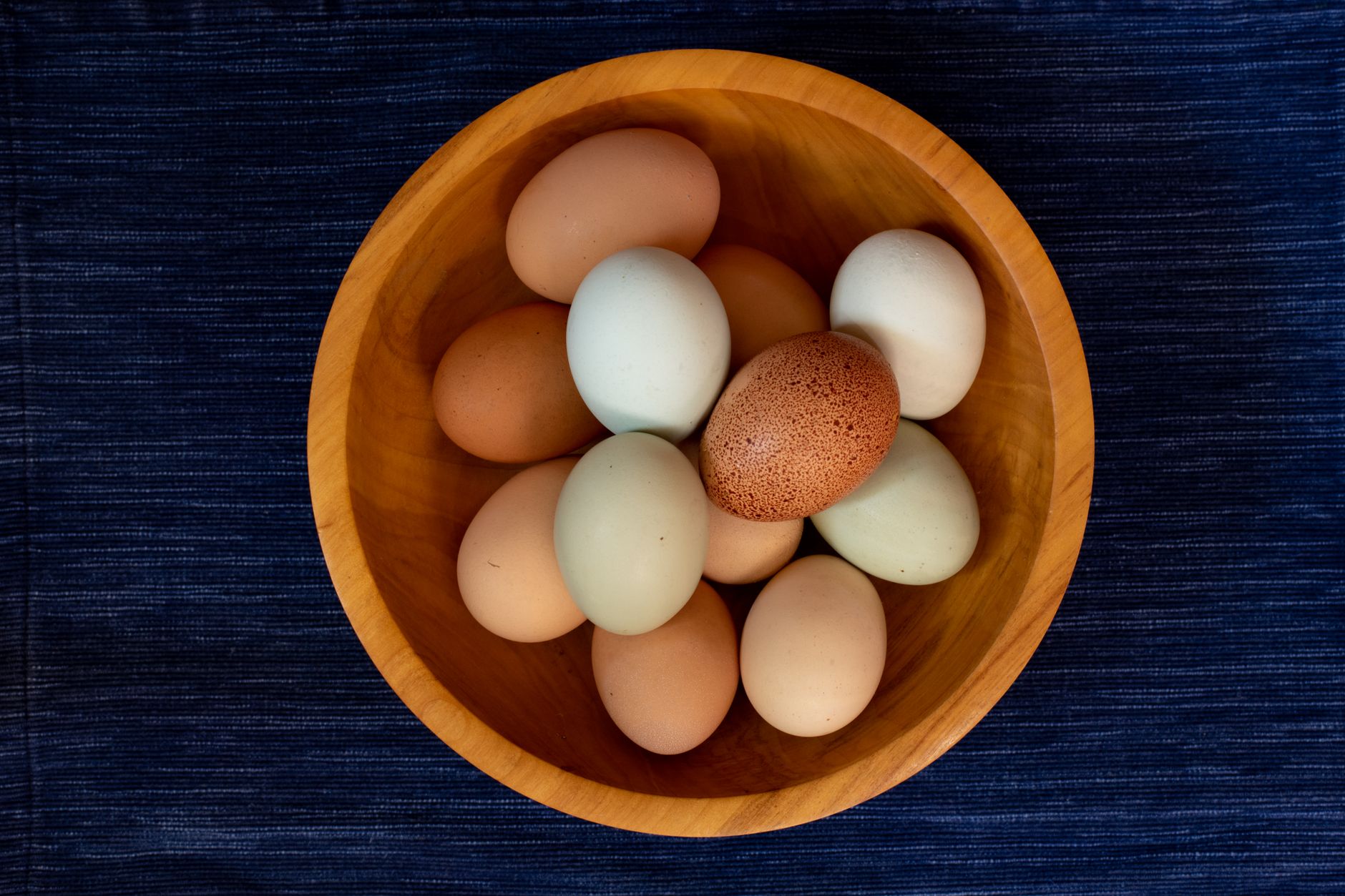
The morning my oldest carried in a basket with a blue egg, a deep chocolate brown one, and two pale pinks all nestled together, she stopped in the kitchen doorway and just stared at it. “Mama, it looks like Easter.” And honestly? She wasn’t wrong.
That’s the magic of a mixed flock. You’re not just raising chickens — you’re raising a little daily wonder. For our Charlotte Mason homeschool, it’s become one of the best nature study tools we didn’t plan for. The kids sketch the eggs in their nature journals, we talk about why egg shells have color (spoiler: it’s all about pigment deposits in the shell gland — hello, real science), and some mornings the egg basket alone is enough to spark a whole conversation.
If you’re building a backyard flock and want that rainbow basket effect, here’s what you actually need to know about chicken breeds and egg color — including which ones won’t wilt in our Northwest Florida summers.
Why Egg Color Varies (Quick Science for the Homeschool Win)
All eggs start white. The color comes from pigments applied as the egg moves through the hen’s reproductive tract. Brown eggs get their color from a pigment called protoporphyrin. Blue eggs come from a pigment called oocyanin, which actually penetrates the shell all the way through (crack one open — it’s blue inside too). Green eggs? That’s blue shell genetics plus a brown overlay. Pretty cool, right?
This is such a great conversation to have with elementary-age kids. We’ve used it to tie into our science readings, and my kids could tell you the basics of it now like it’s nothing. Real learning, no worksheet required.
The Best Chicken Breeds for a Rainbow Egg Basket
Blue and Green Eggs
Easter Eggers are probably the most popular choice for colorful egg baskets, and for good reason. They’re not a true breed — they’re mixed birds with Araucana or Ameraucana genetics — which means you don’t always know exactly what color egg you’ll get until that first lay. Some are blue, some are green, some are even pink or olive. The surprise is half the fun. They’re also friendly, cold-hardy and heat-tolerant, which matters a lot down here.
Ameraucanas lay reliably blue eggs and are a true breed. They’re a little more reserved than Easter Eggers but dependable layers. If you want to know for sure you’re getting blue, these are your bird.
Cream Legbars are a newer favorite in backyard flocks. They auto-sex at hatch (meaning you can tell males from females as chicks), and the hens lay a lovely sky blue egg. They can be a bit flighty but they do fine in Florida if they have good shade and airflow.
Chocolate Brown and Dark Brown Eggs
Marans — especially Black Copper Marans — are the superstar of the dark egg world. Their eggs are a deep, rich chocolate brown that looks almost painted. They’re beautiful in the basket and beautiful on the table. Marans can handle heat reasonably well but do best with good shade, access to fresh water, and smart coop ventilation. A good chicken waterer is non-negotiable in our Florida summers.
Welsummers lay a gorgeous terracotta-brown egg, often speckled. They’re active foragers — our kind of chicken — and do well in warm climates. My kids love the speckled eggs especially.
Barnevelders are another dark-brown layer that doesn’t get talked about enough. Double-laced feather pattern, calm temperament, good layer. A solid pick.
White and Cream Eggs
If you want that full contrast in your basket, you need a white or cream egg layer too. Leghorns are the classic choice — they’re heat-tolerant, productive, and lay bright white eggs consistently. A little skittish but incredibly hardy in our climate. Andalusians and Anconas are also great white-egg options that tend to do well in heat.
For a softer cream egg, Faverolles are a gentle, fluffy, sweet-natured breed that kids absolutely adore. Ours follow my daughter around the yard like puppies.
Olive Eggs
Olive Eggers are a hybrid — usually a cross between a dark brown egg layer (like a Marans or Welsummer) and a blue egg layer (like an Ameraucana). The result is a deep, mossy olive green egg that is genuinely stunning in the basket. You can buy true Olive Egger chicks from reputable hatcheries, and they’re well worth adding if you want that earthy green tone.
Building Your Florida-Friendly Rainbow Flock
Here’s the honest truth: not every beautiful egg layer is going to thrive in Pensacola heat. We’ve learned this the hard way. Some breeds that do great in backyard flocks up north really struggle once July hits and the humidity feels like a wet blanket.
For a heat-tolerant rainbow flock in the Florida panhandle, here’s a starter lineup that’s worked well for us and other local flock keepers:
- Easter Eggers — blue/green eggs, heat tolerant, friendly
- Black Copper Marans — dark chocolate eggs, manageable in heat with good setup
- Welsummers — speckled brown eggs, active foragers, good in warmth
- Leghorns — white eggs, excellent heat tolerance, productive
- Olive Eggers — olive green eggs, generally hardy
For more on which breeds specifically hold up in our Southern summers, I’ve got a whole post on the best egg laying chickens for Florida heat that goes deeper on heat management and flock setup.
What to Do With All Those Colorful Eggs (Besides Stare at Them)
Beyond the obvious — eating them, selling extras, giving them to neighbors — the rainbow basket has become a genuine homeschool resource for us.
We sketch and paint the eggs using Faber-Castell watercolors, which are our go-to for nature study art. The kids label each egg by breed, note the color, and sometimes measure the size. It’s Charlotte Mason nature study, chicken keeping, and art all in one basket.
We also use the egg collection as a jumping-off point for discussing genetics, animal husbandry, and even some basic history of heritage breeds. If your kids are ready to dive deeper, Storey’s Guide to Raising Chickens is the reference book I reach for when we want real, solid information, and a kid’s guide to chickens is great for the younger ones who want their own copy to flip through.
And if you want to tie in your Charlotte Mason nature study journaling more intentionally, sketching eggs by season is actually a sweet ongoing project — egg color and shell quality can shift with diet and season, and noticing that is real observational science.
A Few Practical Notes Before You Order Chicks
Order from a reputable hatchery whenever possible — Meyer Hatchery and Cackle Hatchery both ship to Florida and have good reputations for breed accuracy. If you order Easter Eggers or Olive Eggers, know that egg color isn’t guaranteed until first lay, and that’s okay. The mystery is part of the fun.
Make sure your coop setup supports your birds in the summer heat. Good airflow, shade, fresh water always available — these matter more than almost anything else. We also use diatomaceous earth for pest management in the coop and it’s been a game-changer for keeping things clean and non-toxic. Our full coop cleaning routine is over in this post on natural chicken coop deodorizer if you want to see what we actually do week to week.
The Real Reason We Love a Mixed Flock
You could just get all one breed. You’d still have eggs. You’d still have happy kids. But there’s something about opening that nesting box and pulling out a little chocolate egg next to a pale blue one and a speckled brown one that makes the whole thing feel like a gift. My kids don’t take it for granted. They still get excited about it, even now.
That’s the 1990s-style childhood we’re chasing — the everyday magic of real things, animals that depend on you, and mornings that start with dirt under your fingernails and something beautiful in your hands. The rainbow egg basket is just one piece of it, but it’s one of my favorites.
If you’re just starting out or thinking about expanding your flock, I hope this helps you pick a lineup that gives you that color variety and actually works in the Florida heat. You deserve both.
📖 You Might Also Like:
- Best Egg Laying Chickens for Florida Heat (What Actually Thrives in Our Southern Backyard)
- Natural Chicken Coop Deodorizer and Cleaning Routine (What Actually Works for a Backyard Flock)
- Charlotte Mason Nature Study Journal Prompts by Season (For Real Kids Who’d Rather Be Outside)
Frequently Asked Questions
What chicken breed lays the darkest brown eggs?
Black Copper Marans are known for laying the darkest chocolate brown eggs of any breed. The depth of color can vary by individual hen and by diet, but Marans consistently produce the richest, deepest brown eggs you’ll find in a backyard flock.
What chicken lays blue eggs?
Ameraucanas and Araucanas lay true blue eggs. Easter Eggers — which carry Ameraucana or Araucana genetics — often lay blue or blue-green eggs, though their color isn’t guaranteed until first lay. Cream Legbars are another reliable blue egg layer.
Can you get a rainbow egg basket from just one breed?
Not really — different colors come from different breeds. To get a true variety of blue, green, brown, white, and olive eggs, you need a mixed flock with breeds specifically selected for those colors. Easter Eggers alone can give you some variety, but for a full rainbow you’ll want at least 3-4 different breeds.
Do egg colors taste different?
Nope! Egg shell color has no effect on flavor. What does affect flavor is the hen’s diet, access to forage, and freshness. A pasture-raised hen eating bugs and grass will lay a better-tasting egg regardless of shell color.
What are the best chicken breeds for Florida heat that also lay colorful eggs?
Easter Eggers, Leghorns, and Welsummers are all solid choices for Florida’s heat while also contributing color to your egg basket. Black Copper Marans can do well too with proper shade, ventilation, and fresh water access. Avoid heavier, heavily feathered breeds in extreme Southern heat without extra support.
Leave a Reply