Category: Uncategorized

  • How to Teach Kids About Weather: A Hands-On Homeschool Science Approach

    How to Teach Kids About Weather: A Hands-On Homeschool Science Approach

    This post contains affiliate links. I may earn a small commission at no extra cost to you.

    If you’ve ever had a child run inside breathless because they spotted a “really weird cloud” or spent twenty minutes trying to explain why it’s raining on one side of the street but not the other — you already know that weather is one of those topics kids are naturally curious about. And honestly? That curiosity is half the battle in homeschool science.

    Here in Northwest Florida, we get the full spectrum of weather experiences — afternoon thunderstorms that roll in like clockwork during summer, those perfectly crisp January mornings that feel like a gift, and the occasional tropical system that has us all checking the radar obsessively. It’s the perfect backdrop for teaching kids about weather in a way that actually sticks.

    Why Weather Makes the Perfect Homeschool Science Unit

    Weather is happening all around us, every single day. Unlike some science topics that feel abstract or require expensive equipment, meteorology is immediately accessible. Your kids can observe it, measure it, predict it, and (let’s be honest) complain about it — all before lunch.

    What I love most about teaching weather through a Charlotte Mason lens is that it naturally lends itself to observation and narration. You’re not drilling facts into their heads; you’re inviting them to pay attention to the world. And when kids pay attention — really pay attention — learning just happens.

    Start With Simple Daily Observations

    The foundation of any good weather unit is daily observation. This doesn’t need to be complicated. In fact, the simpler the better, especially with elementary-age kids.

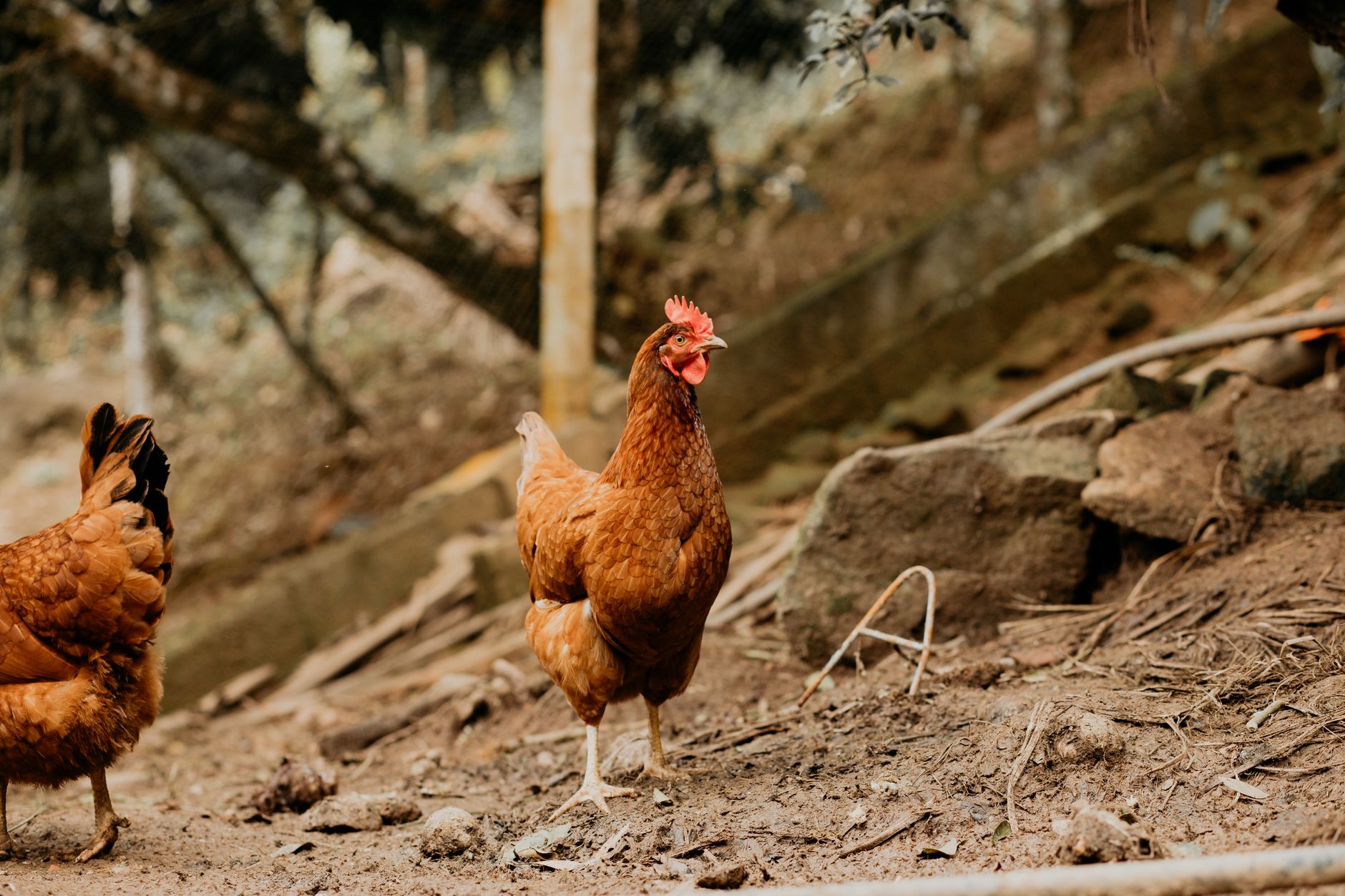
    Each morning, we step outside before we crack open any books. What does the sky look like? What does the air feel like on our skin? Is there dew on the grass? Are the chickens acting any differently? (Fun fact: our hens tend to stay closer to the coop when rain is coming — kids notice these patterns pretty quickly.)

    A nature journal is perfect for recording these observations. We keep things simple: date, time, a quick sketch of cloud cover, temperature, and any notes about what we notice. Over weeks and months, patterns emerge. Your kids start predicting weather before you even check the forecast.

    Cloud Identification

    Clouds are endlessly fascinating to kids, and learning to identify them feels like unlocking a secret code. We focus on the basics first — cumulus, stratus, cirrus — and then build from there.

    Lying on a blanket in the backyard and watching clouds drift by is a perfectly legitimate science lesson, by the way. Add in some watercolor pencils and let them paint what they see. That’s nature study and art in one afternoon.

    Hands-On Weather Experiments

    Kids learn best when they can touch, build, and experiment. Here are some of our favorite weather activities that require minimal supplies and maximum engagement.

    Make a Simple Rain Gauge

    All you need is a clear plastic bottle, a ruler, and some tape. Cut the top off the bottle, invert it to create a funnel, and mark measurements on the side. Set it outside and check it after each rain. Here in Pensacola, we can get an inch of rain in an afternoon thunderstorm — makes for some exciting data collection.

    Build a Wind Vane

    A pencil, a straw, some cardstock, and a pin — that’s it. We attached ours to a fence post near the garden and the kids check it constantly. They’ve started noticing that wind direction often shifts before weather changes.

    Water Cycle in a Bag

    Draw a simple water cycle diagram on a ziplock bag with permanent marker, add a little water, seal it, and tape it to a sunny window. Within hours, kids can watch evaporation and condensation happening right before their eyes. It’s simple, but it clicks.

    The Tools That Make Weather Study Fun

    You absolutely don’t need fancy equipment to teach weather. But a few inexpensive tools can make the experience more engaging and help kids feel like “real scientists.”

    A basic outdoor thermometer is a must. We check ours multiple times a day — morning, noon, and evening — and track how temperature changes. A pocket microscope is surprisingly useful too. After a frost (yes, we get them occasionally here in the Panhandle), examining ice crystals up close is magical.

    And when those summer storms roll through? A good pair of rain boots means puddle investigation can happen the moment the lightning passes. Some of our best science conversations happen while splashing through the backyard after a downpour.

    Connecting Weather to Living Things

    One thing I always try to do is connect weather study to the living world around us. How do our backyard chickens behave before a storm? What do the birds at our feeder do when a cold front moves in? When do we see the most butterflies?

    Keeping a bird field guide nearby helps us notice patterns. We’ve observed that certain birds seem to disappear right before storms and return when things clear up. That’s real science — observation, hypothesis, pattern recognition — and it’s happening right in our backyard.

    Even the dog gets in on it. Our mini labradoodle absolutely knows when a storm is coming before we do. Asking kids “how do you think she knows?” opens up great conversations about atmospheric pressure and animal instincts.

    Florida-Specific Weather Topics

    Living in Florida gives us some unique teaching opportunities. Hurricane season (June through November) is an obvious one. We talk about how hurricanes form, why warm Gulf water matters, and what makes a storm strengthen or weaken. Tracking storms together on a map is geography and science rolled into one.

    We also discuss sea breezes — that afternoon wind shift that brings storms inland almost like clockwork during summer. Once kids understand why that happens, they start noticing it every single day.

    And humidity? We live in it. Explaining why Florida air feels so different from Arizona air is a great entry point into talking about water vapor and dew point.

    Curriculum Resources Worth Considering

    While we do a lot of living science through observation, sometimes it’s nice to have a little structure. Rainbow Resource has a great selection of weather-focused science materials for homeschoolers. I like to pick up a unit study or two to supplement our hands-on learning — something with diagrams and vocabulary we might not cover otherwise.

    Timberdoodle also curates some wonderful science kits that include weather components. If you’re a box-curriculum family or just want some fresh ideas, it’s worth browsing.

    Keep It Simple, Keep It Real

    Here’s the thing about teaching weather to kids: you don’t need to make it complicated. You don’t need expensive weather stations or elaborate lesson plans. You need a curious kid, a willingness to step outside, and the patience to observe alongside them.

    Some of our best weather lessons have happened while waiting for the school of redfish to come in at the bay, or while hanging laundry and noticing the clouds building to the east. That’s the beauty of homeschooling — the whole world is your classroom.

    So grab a notebook, step outside with your people, and just start paying attention. The weather is always teaching. We just have to slow down enough to learn.

    What’s your favorite way to teach weather at home? I’d love to hear what’s worked for your family — drop a comment or send me a message!

  • Backyard Chickens Winter Care in the Florida Panhandle: What You Actually Need to Know

    Backyard Chickens Winter Care in the Florida Panhandle: What You Actually Need to Know

    This post contains affiliate links. I may earn a small commission at no extra cost to you.

    If you’ve recently moved to Northwest Florida—or if this is your first winter with backyard chickens—you might be wondering what on earth you’re supposed to do when those cold fronts roll through. I get it. When we first got our flock, I was Googling things like “do chickens need sweaters” at 11 PM. (They don’t, by the way. But I appreciate my past self’s dedication.)

    Here’s the thing about winter in the Florida Panhandle: it’s sneaky. One day you’re in shorts, and the next morning there’s frost on your windshield and you’re digging through closets for jackets you forgot you owned. Our chickens have weathered several Pensacola winters now, and I’ve learned what actually matters—and what’s just worry for worry’s sake.

    Understanding Florida Panhandle Winters (They’re Weirder Than You Think)

    Let’s be honest: we don’t get Minnesota winters down here. But we also don’t get South Florida’s year-round tropical situation. The Panhandle is its own thing.

    We typically see overnight lows dipping into the upper 20s to low 30s a handful of times each winter, usually between late December and early February. Some years we get a hard freeze or two. Most days, though, winter means highs in the 50s and 60s with chilly mornings.

    The real challenge? The humidity. Cold and damp is harder on chickens than cold and dry. Our Gulf Coast air holds moisture like nobody’s business, and that’s actually what you need to plan around.

    Do Chickens Really Need Heat in Florida?

    Short answer: probably not.

    Chickens are remarkably cold-hardy. They’re basically wearing down jackets 24/7. Most standard breeds—your Buff Orpingtons, Rhode Island Reds, Plymouth Rocks, Australorps—handle temperatures well below freezing without any supplemental heat. Their body temperature runs around 106°F, and they fluff up their feathers to trap warm air against their bodies.

    The bigger risk with heat lamps? Fire. Every year I see stories about coop fires, and it makes my heart hurt. A heat lamp in a dusty coop full of dry bedding is genuinely dangerous. Unless you have very young chicks, silkies, or a sick bird, I’d skip the heat lamp entirely.

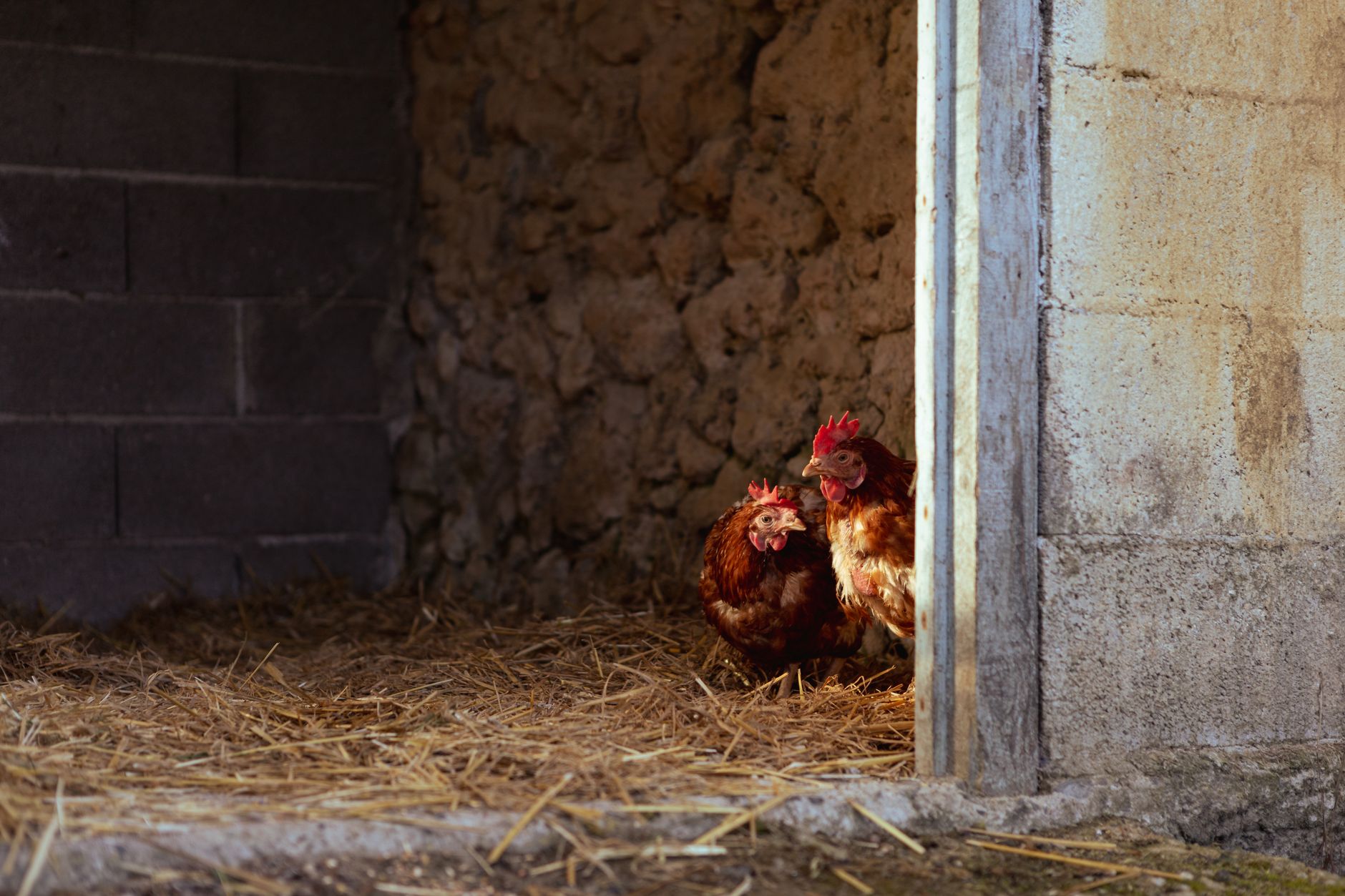
    What I do recommend: make sure your coop is dry and draft-free at roost level, but still has adequate ventilation up high. Chickens generate moisture when they breathe, and that moisture needs somewhere to go. A damp coop in cold weather can lead to frostbite on combs and wattles—which is actually more of a concern than the cold itself.

    Practical Winter Care for Your Panhandle Flock

    Keep That Water From Freezing

    On our coldest mornings, we’ve definitely had ice in the waterers. It doesn’t happen often, but when it does, your girls need access to fresh water. Chickens won’t eat if they can’t drink, and you don’t want egg production grinding to a halt.

    We use a nipple-style chicken waterer that’s less prone to freezing than open dishes, but on the really cold nights, I just bring it inside and swap it out fresh in the morning. Some folks use heated water bases, but honestly, we don’t get enough freezing days to justify it.

    Bedding and Coop Management

    I’m a big fan of the deep litter method, especially in winter. We keep a thick layer of pine shavings in the coop, and as the chickens scratch and add their… contributions… it actually generates a little warmth through composting action. Plus, it keeps things drier.

    I do sprinkle food-grade diatomaceous earth in the bedding and dust bath areas. It helps with moisture control and keeps mites at bay during the months when the girls are spending more time in the coop.

    Feeding for Cold Weather

    Chickens burn more calories staying warm, so winter is when I’m a little more generous with treats. A handful of scratch grains in the late afternoon gives them something to digest overnight—that digestive process actually helps generate body heat. Think of it like giving them a warm meal before bed.

    We also continue offering oyster shell free-choice and make sure their regular feed is always available. Healthy, well-fed chickens handle cold much better than stressed or undernourished ones.

    Egg Production (Expect a Slowdown)

    Here’s something nobody told me our first winter: your hens will probably lay less. It’s not really about the cold—it’s the shorter daylight hours. Chickens need about 14-16 hours of light to maintain peak production, and our winter days just don’t deliver that.

    Some people add artificial light to the coop, but we don’t. I figure the girls deserve a natural rest, and honestly, we still get enough eggs for our family. If you’re selling eggs or really need consistent production, a simple timer-controlled light in the coop can help.

    What About Predators in Winter?

    This is actually when I’m more vigilant, not less. When natural food sources get scarce, predators get bolder. We’ve had raccoons, possums, and hawks all take an interest in our flock at various times.

    An automatic coop door has been one of our best investments. It closes at dusk and opens at dawn, which means the girls are locked up safe even if we’re running late with dinner or the kids have an activity that evening. Peace of mind is worth every penny.

    Making Winter Chicken Care Part of Your Rhythm

    One thing I love about having chickens is how they connect our kids to the seasons. In summer, we’re out there early before it gets too hot. In winter, morning chores mean bundling up, crunching across frosty grass, and watching our breath make clouds while the hens come running for their breakfast.

    If you’re wanting to learn more alongside your kids, Storey’s Guide to Raising Chickens has been my go-to reference for years—it covers everything from basic care to health issues in a really accessible way. For the littles, A Kid’s Guide to Keeping Chickens is perfect for getting them involved and teaching responsibility without overwhelming them.

    The Bottom Line

    Florida Panhandle winters are mild enough that your chickens will be just fine with a little common sense care. Keep the coop dry and ventilated, make sure water doesn’t freeze, offer good nutrition, and protect against predators. That’s really it.

    Our girls have thrived through every winter so far—even that weird cold snap a few years back when it actually snowed in Pensacola. (The chickens were deeply unimpressed, if you’re wondering.)

    If you’re new to chickens or new to Florida winters, take a breath. You’ve got this. And on those chilly mornings when you’re trudging out to the coop in your bathrobe and muck boots, coffee in hand, just know there’s another crazy chicken lady over here in Pensacola doing the exact same thing. We’re in good company.

  • Best Homeschool Typing Programs for Elementary Kids: A Real Mama’s Guide

    Best Homeschool Typing Programs for Elementary Kids: A Real Mama’s Guide

    This post contains affiliate links. I may earn a small commission at no extra cost to you.

    Here’s the honest truth: I didn’t plan on teaching typing this early. My whole philosophy is less screens, more dirt — more time chasing the chickens around the yard than sitting in front of a computer. But somewhere around second grade, I realized that typing is just… a life skill now. Like handwriting. Like knowing how to address an envelope (do we still do that?).

    The thing is, our kids are growing up in a world where they’ll need to type. College applications, work emails, research papers — it’s coming whether we like it or not. So I figured we might as well teach it properly now, while their little fingers are still forming muscle memory, rather than letting them develop the hunt-and-peck habit that took me years to break.

    So if you’re a homeschool mama wondering when and how to add typing to your days — without turning your home into a screen-heavy zone — let me share what’s worked for our family.

    Why Teach Typing in Elementary School?

    I know, I know. You’re probably thinking, “My kid is seven. Do they really need to learn typing?” And look, no judgment if you want to wait. But here’s what I’ve learned:

    Elementary age is actually the sweet spot for typing instruction. Their fine motor skills are developed enough to reach the keys, but they haven’t yet formed bad habits. Kids who learn proper finger placement early tend to type faster and more accurately as they get older.

    Plus — and this was the kicker for me — learning to type actually reduces screen time in the long run. When your child can type efficiently, they spend less time fumbling around on the keyboard and more time outside where they belong. It’s a skill that serves the goal, not one that fights against it.

    What to Look for in a Homeschool Typing Program

    Not all typing programs are created equal, especially for younger kids. Here’s what I looked for when choosing ours:

    Age-Appropriate Pacing

    Elementary kids don’t need to type 60 words per minute. They need gentle, encouraging lessons that build confidence. Look for programs that celebrate small wins and don’t rush.

    Engaging Without Being Overstimulating

    Some typing games are basically just… video games with letters. Flashing lights, loud sounds, reward systems designed to keep kids clicking. We don’t need that. Look for programs that are pleasant but not addictive.

    Proper Technique First

    Speed comes later. For elementary kids, the focus should be on correct finger placement and posture. A good program emphasizes home row position and builds from there.

    Our Favorite Homeschool Typing Programs for Elementary Kids

    After trying a few different options, here’s what’s actually worked in our home:

    Typing.com (Free)

    This is what we currently use, and I’m honestly surprised it’s free. The lessons are well-paced, the interface is clean (not chaotic), and there are no ads during lessons. You can set up student accounts and track progress. My kids do about 10-15 minutes a few times a week, and the improvement has been steady.

    For a free program, it’s remarkably solid. No flashy nonsense — just good instruction.

    TypingClub (Free with Paid Options)

    Another excellent free option. TypingClub has a slightly more playful interface, which some kids prefer. The lessons start very simply and build gradually. They also have great hand position guides that pop up as reminders.

    Typesy (Paid)

    If you want something more comprehensive and don’t mind paying, Typesy is worth a look. It adapts to your child’s skill level and includes more structured curriculum elements. Some families like having that built-in accountability.

    Dance Mat Typing (Free – BBC)

    This one’s been around forever, and it shows its age a bit, but it’s charming in a retro way. The animal characters teach each row of keys, and the pace is very gentle. Great for younger elementary kids who need extra encouragement.

    How We Fit Typing Into Our Charlotte Mason Days

    I’ll be real — typing instruction doesn’t exactly fit the Charlotte Mason mold. It’s not a living book. It’s not nature study. It’s a practical skill, like learning to tie shoes.

    So we treat it like that. Short lessons, a few times a week, usually right before our nature time so there’s a clear “okay, we’re done with screens” transition. My kids know that typing practice is the trade-off that lets them use the computer for other things occasionally — like looking up birds in eBird after we’ve spotted something new at the feeder.

    Speaking of which, if your kids are doing any kind of nature journaling or bird identification, they’ll eventually want to type up their observations or search for information online. Having typing skills makes that research time more efficient, which means more time outside actually observing instead of fumbling with keyboards.

    We keep a nature journal by the back door for field sketches, and our Sibley bird guide has been thumbed through so many times the spine is cracked — but sometimes the kids want to hear a bird call or see a range map, and that’s when basic computer skills come in handy.

    Tips for Teaching Typing Without Losing Your Mind

    Keep Sessions Short

    Ten to fifteen minutes is plenty for elementary kids. Any longer and you’re fighting fatigue and frustration.

    Consistency Over Intensity

    Three short sessions per week beats one long session. Muscle memory builds through repetition over time.

    Celebrate Progress, Not Perfection

    When my youngest finally memorized the home row, we celebrated with popsicles on the porch. It’s the little wins.

    Pair It With Something They Love

    After typing practice, we head outside. Sometimes we check on the chickens, sometimes we grab the pocket microscope and look at leaves. Having something to look forward to makes the practice feel less like a chore.

    A Note on Curriculum Resources

    If you’re using the Florida PEP scholarship like we are, you might be wondering about curriculum purchases. Typing programs are often free (which is great for our budget), but if you want a paid option, check your scholarship guidelines. Meanwhile, places like Rainbow Resource and Timberdoodle are great for finding other hands-on curriculum that balances out screen-based learning.

    The Bottom Line

    Teaching typing doesn’t have to mean surrendering to screens. It’s a practical skill that, when taught early and efficiently, actually supports the kind of childhood we’re trying to create — one where kids are capable, confident, and not tethered to technology longer than necessary.

    Our goal is raising kids who can function in the modern world while still knowing how to climb trees, catch tadpoles, and sit still long enough to watch a bird build a nest. Typing is just one small tool in that bigger picture.

    So pick a program, keep it short, and then close the laptop and head outside. The chickens are waiting, and there’s probably a lizard on the porch that needs investigating.

    Happy homeschooling, friends. 🌿

  • Non-Toxic Hair Products for Kids: No Sulfates, No Worries

    Non-Toxic Hair Products for Kids: No Sulfates, No Worries

    This post contains affiliate links. I may earn a small commission at no extra cost to you.

    If you’ve ever stood in the shampoo aisle at Target, flipping bottles around to squint at ingredient lists while your kids ask for the fourteenth time if they can get the one with the cartoon mermaid on it — friend, I see you. I’ve been there, trying to decode words I can barely pronounce while simultaneously preventing someone from climbing into the cart.

    Here’s the thing: once you start paying attention to what goes into your home — the cleaning products, the food, the sunscreen — it’s hard to ignore what’s going onto your kids’ bodies every single day. And hair products? They were one of the last things I tackled, honestly. But once I learned what sulfates actually do (and what they don’t need to be doing to my children’s scalps), we made the switch and never looked back.

    Why Sulfates Are Worth Avoiding

    Sulfates — typically sodium lauryl sulfate (SLS) or sodium laureth sulfate (SLES) — are the ingredients that make shampoo foam up into that satisfying lather. And look, I get it. There’s something deeply ingrained in us that says “more bubbles = more clean.” But that’s mostly marketing talking.

    What sulfates actually do is strip away oils. For adults with oily hair, that might be fine occasionally. But for kids? Their scalps are more delicate. Their skin is still developing. And those harsh detergents can cause dryness, irritation, and even contribute to eczema flare-ups — something we dealt with when my youngest was a toddler.

    Beyond the immediate skin effects, sulfates are often contaminated with 1,4-dioxane, a byproduct of the manufacturing process that’s classified as a probable carcinogen. Now, I’m not here to fear-monger. But when there are gentler alternatives that work just as well? It seems like an easy swap to make.

    What to Look for in Non-Toxic Kids’ Hair Products

    When I started reading labels more carefully, I realized “natural” and “gentle” on the front of a bottle mean almost nothing. Companies can slap those words on anything. So here’s what I actually look for now:

    Ingredients That Get a Yes

    • Coconut-derived surfactants (like coco-glucoside or decyl glucoside) — these are plant-based cleansers that foam gently without stripping
    • Aloe vera — soothing for the scalp and great for Florida kids who spend half their lives in the sun and saltwater
    • Glycerin — helps retain moisture
    • Essential oils (in appropriate, kid-safe dilutions) for light fragrance

    Ingredients That Get a Hard No

    • Sulfates (SLS, SLES, ALS)
    • Parabens
    • Phthalates (often hidden under “fragrance”)
    • Synthetic fragrances
    • Formaldehyde-releasing preservatives

    I know that list feels overwhelming at first. But honestly? Once you find a few brands you trust, you stop having to read every single label.

    Our Favorite Non-Toxic Hair Products

    I’m not going to pretend we’ve tried every natural shampoo on the market. But we’ve tried enough to know what works for sweaty, sunscreen-covered, just-came-in-from-playing-in-the-dirt Florida kids.

    We’ve had good luck ordering through Grove Collaborative — they curate products that meet certain ingredient standards, so it takes a lot of the guesswork out. Plus, everything ships right to our door, which matters when you live a solid 30 minutes from the nearest Whole Foods like we do out here.

    A few things we keep stocked:

    • Shampoo bars — less plastic, travel well, and last forever. The kids think they’re fun because they’re “different.”
    • A gentle detangling spray — essential for my daughter’s hair after beach days. We make sure it’s free of synthetic fragrance.
    • A simple conditioner — nothing fancy, just something moisturizing without silicones that build up over time.

    The “Less Is More” Approach That Actually Works

    Here’s something I didn’t expect when we switched to gentler products: we actually use less of everything now. Without sulfates stripping their hair every day, the kids’ scalps balanced out. We went from washing hair every single night to maybe three times a week — sometimes less in winter.

    This tracks with how I approach most things in our home. Just like we use Wondercide for pest control instead of harsh chemicals (necessary with a dog, chickens, and kids who think bugs are friends), we try to choose the gentler path when it works just as well.

    And honestly? Washing hair less often means bath time is shorter, which means more time for the actually important stuff — like reading aloud on the couch or catching fireflies before bed.

    What About After Swimming?

    Okay, this is Florida-specific, but we’re in the water constantly. Pool chlorine, Gulf salt, spring water from Blackwater River — it all does a number on hair. Here’s our routine:

    1. Rinse with fresh water immediately after swimming when possible

    2. Use a clarifying wash once a week during heavy swim season (still sulfate-free — they exist!)

    3. Deep condition with something simple like coconut oil before bath time occasionally

    We also switched to non-toxic sunscreen a few years ago, which means less chemical residue getting into their hair in the first place. Mineral sunscreens wash out easier than the chemical ones, in my experience.

    Teaching Kids to Care (Without the Lecture)

    One thing I love about the Charlotte Mason approach is how it trusts children to absorb good habits through living life alongside us — not through constant instruction. So I don’t give my kids a speech about sulfates. They’re in elementary school; they don’t need that information yet.

    But they do see me reading labels. They know we choose things carefully. They hear me say, “We use this one because it’s gentler” or “That one has stuff in it we don’t want on our skin.” And slowly, over time, they’re building their own sense of discernment.

    It’s the same way they’re learning to observe birds in our backyard or notice which plants the bees prefer — we’re just paying attention, together. Whether it’s sketching a blue jay in their nature journal or helping me pick out soap at the store, it’s all part of the same intentional life.

    It Doesn’t Have to Be Expensive

    I want to be honest: some natural products cost more. But some don’t. And when you’re using less product overall because you’re not stripping and over-compensating constantly, the cost evens out.

    Also, batch ordering through places like Grove Collaborative often comes with discounts for bundling. And using bar products instead of bottles stretches things further.

    We’re a single-income family using Florida’s PEP scholarship for our homeschool curriculum. I understand budgets. This isn’t about buying the fanciest thing on the shelf — it’s about making thoughtful choices with what we have.

    Final Thoughts From a Tired-But-Trying Mama

    Switching to non-toxic hair products for kids isn’t about perfection. Our bathroom still has a random bottle of something questionable that I keep meaning to throw out. The kids occasionally use hotel shampoo when we travel and survive just fine.

    But day-to-day, in our regular rhythm? We’re gentler now. Gentler products, gentler routines, gentler expectations for ourselves.

    And my kids’ hair has never been softer — even after a full day of running around outside, playing in the sprinkler, and collecting eggs from the coop with sweaty little heads.

    If you’re just starting to look into this, start small. Swap one thing. Read a few labels. You’ll find your groove. And if you ever need a recommendation or want to swap notes, you know where to find me — probably outside, pretending I know how to garden, while the dog steals someone’s shoe.

  • How to Keep Chickens Healthy in Humid Florida Climate: A Real Backyard Flock Guide

    How to Keep Chickens Healthy in Humid Florida Climate: A Real Backyard Flock Guide

    This post contains affiliate links. I may earn a small commission at no extra cost to you.

    If you’ve ever stepped outside in July here in Northwest Florida and felt like you walked into a wet blanket made of pure heat, you know exactly what our backyard chickens are dealing with. Keeping a flock healthy in this humidity is a whole different ball game than what most chicken-keeping books prepare you for. Most of those resources are written for folks in temperate climates where the biggest concern is winterizing the coop. Meanwhile, we’re over here worried about heat stroke in April and respiratory issues from all that moisture in the air.

    After a few years of trial, error, and way too many Google searches at 11 PM, I’ve figured out what actually works for keeping our girls happy and healthy in this swampy paradise we call home. Here’s what I wish someone had told me from the start.

    Understanding Why Florida Humidity Is Hard on Chickens

    Chickens don’t sweat. They regulate their body temperature by panting and holding their wings away from their bodies. When the humidity is high — and y’all, in Florida it’s basically always high — that panting doesn’t cool them down as effectively. The moisture in the air makes it harder for them to release heat, which means heat stress becomes a real threat even on days that don’t seem that hot.

    Add in the fact that humid environments are breeding grounds for mold, mites, and respiratory bacteria, and you’ve got yourself a recipe for sick birds if you’re not proactive.

    Ventilation Is Everything (Yes, Even More Than You Think)

    I cannot stress this enough: your coop needs airflow. Not just a little window — real, serious ventilation. In Florida, a closed-up coop is basically a sauna full of ammonia from droppings. That combination will wreck your flock’s respiratory systems faster than anything.

    Our coop has hardware cloth on the upper portions of all four walls and a roof with a good overhang to keep rain out. We basically built a screened-in porch for chickens. The goal is moving air without drafts directly on the roost at night. During the hottest months, we also run a small fan pointed at the ceiling to keep things circulating.

    Quick Ventilation Checklist:

    • Hardware cloth on at least two sides (preferably more)
    • Roof vents or open eaves
    • No solid walls trapping hot, moist air
    • Consider a coop fan for summer months

    Keep That Coop Dry

    Moisture is the enemy. Wet bedding grows mold and bacteria, attracts flies, and creates the perfect environment for bumblefoot and respiratory infections. In Florida, where afternoon thunderstorms roll through like clockwork from May to October, this takes real effort.

    We use the deep litter method with pine shavings, but I turn it frequently and add fresh shavings on top regularly. About once a month during rainy season, I do a full clean-out. I also sprinkle food-grade diatomaceous earth in the bedding and nesting boxes to help absorb moisture and discourage mites.

    Make sure your waterer isn’t leaking into the bedding, either. We switched to a nipple waterer system a while back, and it made a huge difference in keeping the coop floor dry. The girls figured it out in about ten minutes, and now I don’t have shavings full of spilled water attracting mosquitoes.

    Preventing Heat Stress

    Heat stress can kill a chicken in hours, and it’s one of the scariest things to deal with. Signs include heavy panting, wings held away from the body, lethargy, and pale combs. If you see this, you need to act fast — move the bird to shade, offer cool (not cold) water, and consider a shallow pan of water for her to stand in.

    But prevention is where it’s at. Here’s what works for us:

    Shade, Shade, and More Shade

    Our run is under a big oak tree, and we’ve added shade cloth over parts that get afternoon sun. Chickens need somewhere cool to escape to — they’re smarter than people give them credit for and will find the coolest spot available.

    Cold Water and Frozen Treats

    We refresh water multiple times a day in summer and toss in ice cubes. Frozen watermelon, frozen berries, and frozen corn on the cob are favorite treats that help cool them from the inside out.

    Electrolytes

    During heat waves, I add electrolytes to their water. You can buy poultry electrolyte powder, or in a pinch, a small amount of plain Pedialyte works too.

    Dealing with Parasites in Humid Climates

    Humidity plus warmth equals paradise for mites, lice, and internal parasites. I check our girls regularly — at least once a month — by looking under wings and around the vent area for any signs of creepy crawlies.

    The diatomaceous earth I mentioned helps, and we also provide a dedicated dust bathing area with sand and wood ash mixed in. Chickens will naturally dust bathe to keep parasites at bay if you give them the right substrate.

    For the yard, we use Wondercide to control mosquitoes and other pests without chemicals that could harm the flock. It’s been a game-changer for keeping the bug pressure down around the coop area, especially during the wet season.

    Choosing the Right Breeds for Florida

    If you’re just starting out, breed selection matters. Heavy, fluffy breeds like Orpingtons and Cochins struggle more in the heat than lighter Mediterranean breeds. We’ve had great luck with Easter Eggers, Leghorns, and Rhode Island Reds — they handle the humidity much better and still lay consistently even in summer.

    If you’re researching breeds and want to really understand chicken health and husbandry, Storey’s Guide to Raising Chickens is the most comprehensive resource I’ve found. It covers everything from breed selection to illness prevention. And if your kids are involved in chicken care like mine are, A Kid’s Guide to Keeping Chickens is a wonderful, age-appropriate companion that gets them invested in the health of the flock.

    Making Coop Life Easier on You

    Let’s be honest — the easier the maintenance, the more consistently it gets done. An automatic coop door has been worth every penny for us. It opens at dawn and closes at dusk, which means I’m not running outside in my pajamas every morning and the girls are protected from predators even if we’re running late.

    Less stress for me means I have more energy to actually observe the flock, catch problems early, and enjoy the chickens instead of just managing them.

    Final Thoughts from Our Little Flock to Yours

    Keeping chickens in Florida isn’t harder than keeping them elsewhere — it’s just different. Once you understand that humidity and heat are your main challenges, you can build systems that work with our climate instead of against it. Good ventilation, dry bedding, plenty of shade, and staying ahead of parasites will get you most of the way there.

    Our kids have learned so much from these birds — responsibility, observation skills, the rhythms of seasons and egg production. It’s become one of my favorite parts of our homeschool life. There’s something about gathering warm eggs on a sticky summer morning, the dog underfoot and kids chattering about which hen laid which egg, that just feels right.

    Here’s to healthy flocks and Florida mornings, y’all.

  • Florida Manatee Facts for Kids: A Complete Nature Study Unit

    Florida Manatee Facts for Kids: A Complete Nature Study Unit

    This post contains affiliate links. I may earn a small commission at no extra cost to you.

    If you’ve ever stood at a Florida spring and watched a manatee drift by—slow, gentle, completely unbothered by the world—you know there’s something almost magical about these creatures. My kids were absolutely captivated the first time we spotted one at a local park, and that single encounter turned into weeks of questions, library books, and nature journal pages covered in gray, blobby drawings (their word, not mine).

    That’s the beauty of living in Florida, y’all. Our classroom is literally everywhere—the springs, the rivers, even the occasional backyard canal. And manatees? They’re the perfect subject for a rich, Charlotte Mason-style nature study that goes way beyond worksheets.

    Why Manatees Make the Perfect Nature Study Subject

    Charlotte Mason believed children should form relationships with nature through direct observation and living books—not just memorizing facts from a textbook. Manatees offer exactly that kind of learning opportunity, especially here in Florida where we can actually see them in the wild.

    These gentle giants are fascinating from every angle: their biology is unique, their conservation story is compelling, and watching them in their natural habitat teaches patience and observation skills that no screen can replicate. Plus, there’s something about a 1,000-pound sea cow munching on seagrass that just delights kids in a way few other animals can.

    Essential Florida Manatee Facts for Kids

    What Exactly Is a Manatee?

    Manatees are marine mammals, which means they breathe air just like we do (and like our labradoodle, who also enjoys a good swim). They’re sometimes called “sea cows” because they graze on underwater plants, but here’s a wild fact: their closest living relatives are actually elephants! You can see the connection in their thick, wrinkled skin and those funny paddle-shaped tails.

    Florida manatees (specifically the West Indian manatee subspecies) can grow up to 13 feet long and weigh over 1,200 pounds. Despite their size, they’re incredibly gentle and have no natural predators—which unfortunately means they’re not very good at avoiding boats.

    Where Do Florida Manatees Live?

    This is where it gets fun for us Florida families. Manatees live in shallow, slow-moving rivers, estuaries, saltwater bays, and coastal areas. During warmer months, they spread out all along the Gulf Coast and Atlantic side. But when water temperatures drop below 68°F, they migrate to warm-water refuges like natural springs and power plant discharge areas.

    Some of the best spots to observe manatees in Northwest Florida include:

    • Three Rivers State Park
    • Wakulla Springs (absolutely stunning)
    • Crystal River area (a bit of a drive but worth it)
    • Various spots along the Panhandle coast during summer months

    Fascinating Manatee Adaptations

    Here’s where nature study gets really good. Manatees have some incredible adaptations that are perfect for observation and discussion:

    Teeth that replace themselves: Manatees constantly grow new molars at the back of their mouths that slowly move forward as front teeth wear down from all that plant-chewing. They go through teeth their whole lives!

    Lungs that run along their backs: This helps them control buoyancy and stay horizontal in the water. When they rest, they can stay submerged for up to 20 minutes.

    Sensitive whiskers: Their faces are covered in sensitive hairs that help them find food and navigate murky water—kind of like underwater antennae.

    These are exactly the kinds of details that make kids lean in closer and ask “but WHY?” And that curiosity? That’s the whole point.

    Hands-On Activities for Your Manatee Unit

    Nature Journaling

    A nature journal is essential for this unit. Have your kids sketch manatees from photographs first, then take your journals along when you visit a spring or wildlife area. Even if you don’t spot a manatee, you can document the habitat—the water plants, the fish, the clarity of the springs.

    We love adding watercolor to our nature journal pages, and Faber-Castell watercolor pencils are perfect for field work because they’re portable and forgiving. My kindergartener can use them just as easily as my older kids.

    Create a Manatee Habitat Model

    Using a shallow bin, rocks, and aquatic plants from a pet store, let your kids create a mini manatee habitat. Discuss what manatees need to survive: warm water, abundant vegetation, shallow areas for resting. This is a great opportunity to talk about why habitat protection matters.

    Seagrass Study

    Manatees eat 10-15% of their body weight in seagrass daily. That’s over 100 pounds of plants! If you can collect some seagrass samples (check local regulations), examine them with a pocket microscope. What makes these plants different from land plants? How are they adapted for underwater life?

    Comparison Study: Manatees vs. Dugongs vs. Elephants

    Pull out your library books and compare these relatives. What features do they share? How have they adapted to different environments? This kind of comparative study builds critical thinking skills naturally.

    Living Books for Your Manatee Study

    Charlotte Mason was big on living books—real, beautifully written books that bring subjects to life. Here are some favorites for manatee study:

    • Manatee Winter by Kathleen Weidner Zoehfeld
    • A Manatee Morning by Jim Arnosky
    • Saving Manatees by Stephen R. Swinburne

    While you’re building your nature library, The Sibley Guide to Birds is another Florida homeschool essential—you’ll inevitably spot herons, anhingas, and other water birds while you’re out manatee watching.

    Planning a Manatee Field Trip

    Honestly, nothing replaces seeing these animals in person. If you’re using the Florida PEP scholarship, check whether your umbrella school allows field trip expenses—many do for educational outings.

    A few tips from our family’s experiences:

    • Go early in the morning when manatees are most active and crowds are thinner
    • Bring binoculars and your nature journals
    • Pack non-toxic sunscreen because Florida sun is no joke, even on cloudy days
    • Wear or bring rain boots if you’ll be exploring any shoreline areas
    • Practice patience—wildlife doesn’t perform on command, and that’s actually a really important lesson

    Conservation Connection

    Manatees were once on the endangered species list, and while they’ve been reclassified as threatened (good news!), they still face serious challenges from boat strikes, habitat loss, and recent die-offs related to seagrass depletion. This is meaningful conservation education for kids—it’s local, it’s real, and it shows that human choices directly impact wildlife.

    We talk about this the same way we talk about caring for our backyard chickens: living creatures depend on us to make good choices about their habitats and wellbeing.

    A Final Thought

    There’s something deeply right about raising Florida kids who know their Florida wildlife. Not from a screen, not from a standardized test, but from standing quietly at the edge of a spring, watching a manatee surface for air, and feeling that little catch of wonder.

    That’s the kind of childhood I want for my kids. The kind where learning happens because something is genuinely interesting, not because there’s a grade attached. Where we trade screen time for spring time, and where a thousand-pound sea cow can spark weeks of curiosity and discovery.

    Grab a nature journal, find your nearest spring, and go see what you can discover together. Those memories—and that knowledge—will stick around long after any worksheet would have been forgotten.

    Happy exploring, friends.

  • Best Sensory Bins for Preschool Homeschool Kids: Simple Ideas That Actually Work

    Best Sensory Bins for Preschool Homeschool Kids: Simple Ideas That Actually Work

    This post contains affiliate links. I may earn a small commission at no extra cost to you.

    If you’ve got a preschooler at home, you already know the truth: they learn best when their hands are busy. And honestly? Some days, I just need twenty minutes to work with my older kids on their reading lessons while my youngest is happily occupied with something that doesn’t involve dumping out every single toy bin in the house.

    Enter sensory bins — the unsung hero of preschool homeschooling.

    I’ll be honest, when I first heard about sensory bins years ago, I pictured Pinterest-perfect setups with color-coordinated everything and themed accessories that cost a small fortune. But after homeschooling through the preschool years more than once now, I’ve learned that the best sensory bins are actually the simplest ones. The ones you can throw together in five minutes using stuff you already have. The ones that invite open-ended play and genuine curiosity — not just a photo op.

    So let’s talk about what actually works in a real homeschool, from one tired mama to another.

    Why Sensory Bins Matter for Preschool Learning

    Before we dive into the ideas, let’s talk about why sensory play is worth your time. It’s not just about keeping little hands busy (though that’s a lovely bonus). Sensory bins support:

    • Fine motor development — all that scooping, pouring, and pinching builds the muscles they’ll need for writing
    • Language skills — you’d be amazed how much vocabulary comes out during sensory play
    • Focus and attention — something about tactile input helps wiggly kids settle
    • Early math and science concepts — measuring, sorting, comparing, observing

    In our Charlotte Mason-inspired homeschool, I think of sensory bins as a form of “masterly inactivity” for mama. I set up the invitation, step back, and let my child lead. It’s hands-on learning without worksheets, and it fits beautifully into a nature-based, curiosity-driven approach.

    The Best Sensory Bin Bases (Keep It Simple)

    You don’t need to order fancy colored rice from the internet. Here are our go-to bases that I always have on hand:

    Dried Beans and Lentils

    Cheap, satisfying to scoop, and they make that wonderful shhhh sound when poured. I buy big bags from Costco and they last forever.

    Rice (Plain or Dyed)

    White rice works great as-is. If you want to dye it, a little rubbing alcohol and food coloring does the trick — just let it dry completely.

    Sand

    Living here in Northwest Florida, we’re never far from sand. I keep a dedicated bin of play sand on our back porch. Add some shells from our last beach trip and you’ve got an instant coastal sensory experience.

    Water

    Don’t overlook the obvious! A bin of water with some measuring cups, funnels, and a few bath toys is endlessly entertaining — especially on our hot Florida afternoons.

    Nature Items

    Pinecones, acorns, leaves, seed pods, spanish moss (we’ve got plenty of that around here). Nature-based sensory bins tie beautifully into our outdoor learning time.

    Our Favorite Sensory Bin Themes

    Here’s where it gets fun. I rotate these throughout the year based on seasons, what we’re learning about, or honestly just what I have available.

    Farm and Chickens Bin

    We keep backyard chickens, so this one is a natural fit. I use dried corn as the base, add some plastic farm animals, a small scoop for “feeding,” and a few real feathers from our girls. My preschooler will play with this for ages, and it sparks so many conversations about where our eggs come from. If your kids are interested in chickens too, A Kid’s Guide to Keeping Chickens is a wonderful book to pair with this kind of play — even for the littlest learners when you read it aloud.

    Bug Discovery Bin

    Dirt or coconut coir as the base, add plastic insects, some leaves, and a few sticks. We also throw in a pocket microscope so they can examine things up close — it makes them feel like real scientists. For even more bug exploration, a bug catcher kit takes this play outside into the real world.

    Bird Watching Bin

    This one pairs perfectly with our nature study time. I use birdseed as the base, add plastic birds, feathers, small nests (you can make these from twigs and grass), and a few pinecones. We keep our Sibley Birds field guide nearby so my older kids can help identify the plastic birds, and even my preschooler is starting to recognize cardinals and blue jays.

    Water and Shells Beach Bin

    Water, shells, smooth stones, and a few drops of blue food coloring if you’re feeling fancy. Add some plastic sea creatures and measuring cups. This is especially perfect after a trip to Pensacola Beach when we come home with pockets full of shells.

    Rainbow Sorting Bin

    Colored pom poms, buttons, or dyed pasta in a muffin tin. This is wonderful for color recognition and fine motor work. I’ll sometimes add tweezers or small tongs to up the challenge.

    Tips for Mess-Free(ish) Sensory Play

    Let’s be real — sensory bins can get messy. Here’s what helps in our house:

    • Use a large under-bed storage bin with low sides so little arms can reach in easily
    • Put a shower curtain or old sheet underneath for easy cleanup
    • Set clear expectations — we have a “what goes in the bin stays in the bin” rule (mostly followed)
    • Keep a small broom and dustpan nearby — even preschoolers can help sweep
    • Do it outside when possible — Florida weather means we can do sensory bins on the porch most of the year

    Making Sensory Bins Part of Your Homeschool Rhythm

    In our home, sensory bins aren’t a daily thing — they’re more of a “rotating invitation.” I keep one set up for a week or two, then swap it out for something fresh. This keeps the novelty alive without burning myself out on constant setup.

    I usually bring out the sensory bin during our structured learning time with the older kids. It gives my preschooler something meaningful to do while we work on math or reading. And honestly, some days she learns more vocabulary and fine motor skills at her sensory bin than she would from any formal preschool curriculum.

    This is the 1990s-style childhood I want for my kids — not flashy toys or screens, but simple materials that invite imagination. Dirt under fingernails. Questions about bugs. The satisfaction of pouring and scooping and discovering.

    A Few More Tools That Enhance Sensory Play

    If you want to extend sensory bin play into other learning areas, here are a few things we love:

    The goal isn’t perfection. It’s presence. It’s watching your child discover that dry rice feels different than wet sand, that bugs have six legs, that pouring water back and forth is endlessly fascinating.

    You Don’t Need to Overthink This

    If you take nothing else from this post, hear me say this: the best sensory bin is the one you actually set up. It doesn’t need to be themed. It doesn’t need to match. It just needs to invite your child to explore.

    Grab a bin, dump in some rice, add a few scoops and cups, and let your little one play. That’s it. That’s the whole secret.

    And if you need me, I’ll be on the back porch watching my preschooler dig for “treasure” in a bin of sand while the chickens scratch around nearby and the dog naps in a sunny spot. This is the good stuff, friend. This is what they’ll remember.

  • How to Do Charlotte Mason Narration with Young Kids (Without the Tears or Frustration)

    If you’ve ever read a beautiful living book aloud, closed the cover with a hopeful smile, and asked your kindergartner “Now, tell me what you remember”—only to be met with a blank stare or a dramatic “I don’t know!”—you’re not alone. Charlotte Mason narration is one of those methods that sounds so elegant on paper but can feel clunky in real life, especially with our littlest learners.

    This post contains affiliate links. I may earn a small commission at no extra cost to you.

    But here’s the good news: narration doesn’t have to be complicated. In fact, once you understand what it actually is (and what it isn’t), it becomes one of the most natural, low-pressure ways to help your young child process and retain what they’re learning. Let me share what’s worked in our home—because trust me, I’ve been the frustrated mama wondering if I was doing it all wrong.

    What Is Charlotte Mason Narration, Really?

    At its heart, narration is simply telling back. It’s the act of a child putting what they’ve heard or experienced into their own words. Charlotte Mason believed this was how children truly “own” knowledge—not through worksheets or fill-in-the-blanks, but through the mental effort of reconstructing ideas.

    For young kids (ages 4-7 or so), this looks different than it does for older students. We’re not expecting polished paragraphs. We’re looking for that spark of engagement—proof that they were listening, processing, and making connections.

    Think of it this way: when your five-year-old runs inside breathless to tell you about the weird bug they found near the chicken coop, that’s narration. When they recount the plot of the story you read at bedtime last night, that’s narration too. We’re just learning to harness that natural instinct during our homeschool time.

    Why Narration Matters for Young Children

    Before we jump into the how, let’s talk about the why—because on hard days, remembering the purpose helps.

    Narration builds:

    • Attention and focus (they know they’ll need to tell it back)
    • Comprehension (they have to understand to explain)
    • Vocabulary and language skills (they practice putting thoughts into words)
    • Memory and retention (the act of narrating cements the content)
    • Confidence (their words matter)

    It’s also a window into their mind. You’ll start to notice what captures their attention, what confuses them, and how they think. That’s invaluable information for you as their teacher.

    How to Start Narration with Young Kids

    Keep the Readings Short and Living

    With young children, less is more. Charlotte Mason recommended short lessons for a reason—young minds tire quickly. For a kindergartner, even five minutes of focused reading is plenty to start.

    Choose “living books”—books with rich language, engaging stories, and real ideas. Skip the dumbed-down readers when you can. If you’re using a curriculum from somewhere like Rainbow Resource or Timberdoodle, you’ll find plenty of Charlotte Mason-friendly book suggestions.

    Read Once, with Expression

    This one was hard for me at first. Charlotte Mason advised reading a passage only once before asking for narration. Why? Because it trains the child to pay attention the first time. If they know you’ll repeat it, why bother listening carefully?

    Read with expression and engagement. Make it interesting. Then close the book.

    Ask Open-Ended Questions (or Don’t Ask at All)

    Instead of “What happened in the story?”—which can feel like a test—try:

    • “Tell me about that.”
    • “What do you remember?”
    • “What part stuck with you?”
    • “Tell Daddy about our story at dinner tonight.”

    Sometimes, especially early on, I don’t even ask. I just wait. Kids often start narrating naturally if we give them space and silence. (Revolutionary concept for this chatty mama, let me tell you.)

    Accept Whatever They Give You

    This is crucial. If your child says, “The boy had a dog and they went somewhere,” that’s a narration. Thank them for it. Don’t correct or expand unless they ask. Over time, their narrations will grow in detail and sophistication. But in the early days, we’re building confidence and habit, not perfection.

    Ways to Make Narration Feel Natural

    Narrate While You’re Outside

    Some of our best narrations happen in the backyard, not at the table. After we read about birds in the morning, we might head outside with our Sibley bird guide and I’ll casually ask, “So what did we learn about woodpeckers?” While they’re digging in the dirt or checking on the chickens, the pressure melts away and the words flow easier.

    Let Them Draw Their Narration

    For kids who aren’t verbal processors, drawing can be a beautiful bridge. Hand them some Faber-Castell watercolor pencils and let them illustrate their favorite scene. Then ask them to tell you about it. We keep a simple nature journal for exactly this kind of work—it’s become a sweet record of what they’re learning.

    Use Stuffed Animals or Siblings as the Audience

    “Can you tell your brother what happened to Peter Rabbit?” Sometimes performing for someone other than mom takes the pressure off. Our mini labradoodle has heard many a narration while getting her belly rubbed.

    Connect It to Real Life

    We read about chickens? Perfect—let’s go observe ours and talk about what we learned. Books like A Kid’s Guide to Keeping Chickens make this easy because the content connects directly to something tangible in their world. The narration becomes natural conversation rather than formal recitation.

    What If My Child Refuses or Struggles?

    First, breathe. Some kids take longer to warm up to narration. Here are a few things to try:

    • Go back to shorter passages. Maybe you’re reading too much at once.
    • Try a different subject. Some kids narrate nature study beautifully but struggle with history. Start where there’s interest.
    • Narrate together. “I’ll start, you add on.” This models what you’re looking for.
    • Take a break. If it’s becoming a battle, step back for a week. Read aloud for pleasure with no expectations. Then gently reintroduce narration.

    Remember: narration is a skill that develops over years. A six-year-old who gives two-sentence narrations may be giving you rich, detailed oral compositions by age ten. Trust the process.

    Narration Beyond Books

    Once you start looking for it, you’ll see narration opportunities everywhere:

    • After a nature walk (“What did you notice today?”)
    • After watching a documentary together
    • After a trip to the farmer’s market or beach
    • After observing something through their pocket microscope

    Here in Florida, we have no shortage of living things to observe and narrate about—from the anoles on the porch to the pelicans at the Gulf. Nature study and narration go hand-in-hand beautifully.

    A Simple Practice for Your Week

    This week, try this: choose one short picture book or one chapter from whatever you’re reading aloud. Read it once, with warmth and attention. Then simply say, “Tell me about it.” Accept whatever comes. Do this daily for a week and watch what happens.

    You might be surprised how quickly your child catches on—and how much you learn about how their mind works in the process.

    Narration has become one of my favorite parts of our Charlotte Mason days. It’s not because it’s always smooth (it’s definitely not). It’s because in those moments when my kids retell a story in their own quirky words, or when they suddenly connect something from a book to something in our backyard, I see real learning happening. Not the performative kind. The deep, rooted kind.

    And isn’t that what we’re after? Raising kids who think, wonder, and engage with the world—not just fill in bubbles on a test. You’ve got this, mama. Start small, stay patient, and trust that this gentle practice is doing more than you can see.

  • Non-Toxic Makeup Brands Worth Switching To: A Real Mom’s Guide

    Non-Toxic Makeup Brands Worth Switching To: A Real Mom’s Guide

    This post contains affiliate links. I may earn a small commission at no extra cost to you.

    Let’s be honest — most mornings around here involve coffee that’s gone lukewarm, someone asking what’s for breakfast while I’m literally making breakfast, and approximately four minutes to make myself look somewhat put together before we head outside for morning chores. Between feeding the chickens, getting our homeschool day started, and keeping up with everything else, elaborate beauty routines just aren’t happening.

    But here’s the thing. Once I started paying attention to what we were bringing into our home — the cleaners, the sunscreen, the stuff we use on our skin every single day — I couldn’t un-see what was lurking in my makeup bag. The same mama who switched to non-toxic sunscreen for her kids and uses Wondercide instead of chemical bug sprays was still swiping on mascara full of things I couldn’t pronounce.

    So I did what I always do — researched way too much, tried a bunch of things, and figured out what actually works for real life. If you’re curious about non-toxic makeup brands worth switching to, here’s what I’ve learned.

    Why I Started Caring About Clean Makeup

    I’ll admit, for years I thought “clean beauty” was just marketing fluff. Expensive products in pretty packaging that didn’t work as well as the drugstore stuff I’d used since high school.

    Then I had kids. And something shifted.

    I started reading ingredient labels on everything. I learned that the beauty industry is shockingly unregulated — the FDA hasn’t passed a major federal law regulating cosmetics since 1938. That means ingredients banned in Europe and other countries are still showing up in products on American shelves.

    We’re talking about endocrine disruptors, potential carcinogens, and synthetic fragrances that can contain hundreds of undisclosed chemicals. And our skin — our largest organ — absorbs a significant portion of what we put on it.

    Once I knew, I couldn’t unknow it. Same reason we chose Grove Collaborative for our household products and why I’m picky about what goes in our chicken coop. It’s all connected.

    What Makes Makeup “Non-Toxic” Anyway?

    This is where it gets a little murky, because “clean” and “non-toxic” aren’t regulated terms. Companies can slap them on anything. So I look for brands that are transparent about what they leave OUT:

    • Parabens
    • Phthalates
    • Synthetic fragrances
    • Formaldehyde and formaldehyde-releasing preservatives
    • Oxybenzone and other questionable sunscreen chemicals
    • Talc (which can be contaminated with asbestos)
    • Lead and heavy metals

    I also look for third-party certifications when possible — EWG Verified, MADE SAFE, or Leaping Bunny for cruelty-free.

    My Favorite Non-Toxic Makeup Brands (That Actually Work)

    After plenty of trial and error, here are the brands I keep coming back to:

    For Everyday Basics: ILIA and Kosas

    ILIA makes my favorite tinted serum — it evens out my skin without feeling like I’m wearing anything, which is essential when we’re spending half the day outside in Florida humidity. Their mascara is also excellent and doesn’t flake.

    Kosas has a great concealer that actually covers the evidence of late-night lesson planning, and their lip products are beautiful without being drying.

    For Drugstore-Friendly Options: Physicians Formula and Burt’s Bees

    Not everyone wants to spend $30 on mascara, and I get it. Physicians Formula has been cleaning up their formulas and offers some solid options at regular store prices. Burt’s Bees lip products have been in my rotation for years.

    For Full Coverage When You Need It: RMS Beauty and W3LL PEOPLE

    RMS Beauty started the whole “clean beauty” movement in many ways, and their “Un” Cover-Up is cult-favorite for good reason. W3LL PEOPLE (founded by a makeup artist and a cosmetic dermatologist) makes products that perform like conventional makeup without the junk.

    For Lips: Beautycounter and Axiology

    Beautycounter has strict ingredient standards and their lip products are lovely. Axiology makes these fun multi-use crayons from just ten ingredients — my kids have even borrowed them for dress-up, and I don’t panic about what’s going on their skin.

    Tips for Making the Switch Without Overwhelm

    You don’t have to throw everything out tomorrow. That’s not realistic, and honestly, it’s wasteful. Here’s what worked for me:

    Start With What Touches Your Lips

    We literally eat our lipstick and lip balm throughout the day. This was my first swap and felt like the most urgent.

    Replace As You Run Out

    When your mascara is done (every three months, by the way — I know, I was bad about this too), grab a cleaner option. Same with foundation, concealer, whatever. Slow and steady.

    Focus on What You Use Daily

    That sparkly eyeshadow you wear twice a year? Less of a priority than the foundation you put on every single day. Start with the heavy hitters.

    Check the EWG Skin Deep Database

    This free tool lets you look up products and see how they rate for ingredient safety. It’s been incredibly helpful for comparing options.

    The Bigger Picture

    Here’s what I keep coming back to: our homes should be havens. The products we use on ourselves and our families matter. Not in a fearful, anxious way — but in an intentional, we’re-doing-our-best way.

    It’s the same reason we chose a Charlotte Mason approach to homeschool, why we keep backyard chickens, why we’d rather our kids catch bugs and climb trees than sit in front of screens all day. We’re trying to build a life that’s connected to what’s real and good.

    Makeup feels like a small thing. And maybe it is. But small things add up, don’t they? The diatomaceous earth in the chicken coop instead of chemical pesticides. The nature journals instead of worksheets. The cleaner mascara instead of the one full of ingredients we can’t identify.

    It’s all part of the same thread.

    You Don’t Have to Be Perfect

    I still have a few products in my makeup bag that wouldn’t pass a strict clean beauty test. I’m not throwing them away in some dramatic purge. I’m just… making better choices when I can, where I can.

    That’s what intentional living looks like in this house. Not perfection. Just thoughtful steps in a better direction.

    If you’re thinking about switching to non-toxic makeup brands, know that the options today are so much better than they were even five years ago. You don’t have to sacrifice performance or break the bank. You just have to start somewhere.

    Maybe today, that’s just reading this post. And that’s enough.

    Now if you’ll excuse me, I have eggs to collect and a dog who’s convinced it’s time for her walk. Some things never change — and honestly, I wouldn’t want them to.

  • Backyard Chickens Insurance: Do You Need It? A Florida Mama’s Honest Take

    Backyard Chickens Insurance: Do You Need It? A Florida Mama’s Honest Take

    This post contains affiliate links. I may earn a small commission at no extra cost to you.

    So you’ve got chickens — or you’re thinking about getting them — and somewhere between researching coops and figuring out what treats are safe, you stumbled across the question of insurance. Maybe a neighbor mentioned it. Maybe you saw something in a homesteading Facebook group that made you nervous. Either way, you’re wondering: do I actually need special insurance for my backyard chickens?

    I remember having this exact question when we first brought our little flock home. We were so focused on getting the coop set up, reading through Storey’s Guide to Raising Chickens cover to cover, and figuring out which feed to buy that insurance wasn’t even on my radar. Then a friend mentioned her homeowner’s policy, and suddenly I was down a rabbit hole of liability concerns and livestock exclusions.

    Let me share what I’ve learned — both from research and from actually having chickens in our Florida backyard for the past few years.

    What Does Your Homeowner’s Insurance Actually Cover?

    Here’s the thing most people don’t realize: your standard homeowner’s insurance policy probably already covers your backyard chickens to some degree. They typically fall under “personal property” coverage, similar to how a dog or cat would be covered.

    But — and this is important — coverage varies wildly depending on your policy and your insurance company. Some policies specifically exclude “livestock” or “farm animals,” while others have no problem with a small backyard flock.

    Questions to Ask Your Insurance Agent

    Before you assume you’re covered (or panic that you’re not), call your insurance agent and ask these specific questions:

    • Are my backyard chickens covered under my current policy?
    • Is there a limit on how many birds I can have?
    • Does my liability coverage extend to injuries caused by my chickens?
    • Are my coop and supplies covered if they’re damaged or destroyed?
    • Do I need to add a rider or endorsement for poultry?

    When I called our insurance company, the agent was actually pretty familiar with the question — turns out backyard chickens have become common enough that they field these calls regularly. Our policy covered our flock without any additional cost, but we did have to document that we had fewer than a certain number of birds.

    The Real Liability Concerns

    Okay, let’s talk about what you’re probably actually worried about: liability.

    What happens if your rooster gets loose and chases the neighbor’s kid? What if someone trips over your chicken waterer during a backyard barbecue? What if — worst case scenario — someone claims they got sick from eggs you shared?

    These aren’t paranoid questions. They’re the kind of thing any responsible chicken keeper should at least think through.

    Scenario 1: Your Chicken Injures Someone

    Most homeowner’s liability policies cover injuries caused by pets, and chickens typically fall into this category for small flocks. However, if you have a particularly aggressive rooster (we had one once — he didn’t last long here), you might want to address that situation before it becomes an insurance claim.

    Scenario 2: Property Damage

    Chickens can be destructive little dinosaurs. If your birds escape into the neighbor’s garden and destroy their prize tomatoes, your liability coverage might come into play. This is another reason why good fencing and an automatic coop door are worth the investment — they help prevent the situations that lead to claims in the first place.

    Scenario 3: Foodborne Illness Claims

    If you sell or give away eggs and someone claims they got sick, things get complicated. Most homeowner’s policies don’t cover commercial activities, and even sharing eggs could potentially fall into a gray area. This is where an umbrella policy might give you peace of mind.

    Do You Need Additional Coverage?

    For most backyard chicken keepers with a small flock — say, under a dozen birds — your existing homeowner’s policy is probably sufficient. But there are situations where you might want to consider additional coverage:

    You might need more coverage if:

    • You have a large flock (20+ birds)
    • You sell eggs, even casually
    • You have expensive heritage breeds
    • You offer farm tours or chicken-keeping classes
    • Your policy specifically excludes poultry

    Options for additional coverage include:

    • Adding a livestock endorsement to your homeowner’s policy
    • Getting an umbrella liability policy (these are relatively affordable and cover a lot of scenarios)
    • Looking into small farm or hobby farm policies

    Florida-Specific Considerations

    Living in Florida adds a few wrinkles to this conversation. Hurricane season means our coops face real weather threats every year. I’ve had to think through whether our coop and all the equipment inside — the nipple waterers, feeders, heat lamps for the rare cold snap — would be covered if a storm took everything out.

    Most policies cover outbuildings and their contents, but check your limits. A well-built coop with all the accessories can easily be a $500-1000+ investment. Make sure your coverage reflects that.

    Also, Florida’s heat means we’re dealing with health challenges other chicken keepers might not face. While this doesn’t directly impact insurance, keeping your flock healthy reduces risks all around. We use food-grade diatomaceous earth for pest control in the coop, which helps keep everyone healthier naturally.

    Prevention Is the Best Policy

    Honestly, the best insurance is prevention. Good fencing, secure coops, and responsible flock management prevent most of the scenarios that lead to claims in the first place.

    Our kids have learned chicken safety from day one — the same way we taught them to be gentle with our mini labradoodle. They know not to run near the coop, to wash hands after handling the birds, and to close the gate behind them. Teaching these things is part of raising kids who understand responsibility and consequences.

    It ties right into our whole approach — whether we’re doing nature study with our Sibley bird guide or letting the kids read through Gail Damerow’s kid-friendly chicken guide, we’re building knowledge that leads to good decision-making.

    The Bottom Line

    Do you need special insurance for your backyard chickens? Probably not, but you should definitely check your existing coverage and understand what’s included.

    For our family, the peace of mind from a quick phone call to our insurance agent was worth the ten minutes it took. We confirmed our flock was covered, understood our limits, and moved on with our lives. No extra policies, no additional premiums.

    Backyard chickens have brought so much joy to our homeschool days and our family life in general. The kids collect eggs every morning, we’ve learned more about animal husbandry than any curriculum could teach, and there’s something grounding about caring for these quirky little birds. Don’t let insurance anxiety keep you from experiencing that — just do your homework, make the call, and then get back to enjoying your flock.

    Now if you’ll excuse me, I need to go check on our girls. Someone’s been singing her egg song for the last five minutes, and the kids are eager to see what she left us.