Category: Uncategorized

  • Best Homeschool Portfolios: How to Document Progress Without Losing Your Mind

    If you’ve ever stared at a pile of worksheets, nature journals, and random craft projects wondering how on earth you’re supposed to turn this into “documentation,” you’re not alone. I’ve been there — probably while also breaking up a sibling squabble and checking on the chickens.

    This post contains affiliate links. I may earn a small commission at no extra cost to you.

    Homeschool portfolios can feel overwhelming, especially here in Florida where we have specific requirements to meet. But here’s what I’ve learned after years of documenting our Charlotte Mason, nature-based homeschool: it doesn’t have to be complicated. In fact, the best portfolios are often the simplest ones.

    What Is a Homeschool Portfolio (And Why Does It Matter)?

    A homeschool portfolio is simply a collection of your child’s work that shows their educational progress over the school year. Think of it as a snapshot of your homeschool life — evidence that learning is happening, even on the days it doesn’t feel like it.

    Here in Florida, we have a few evaluation options. Many families using the Florida PEP scholarship or traditional homeschool registration choose the portfolio review route, where a certified teacher looks through your documentation and writes a letter confirming your child is making adequate progress.

    But beyond meeting requirements, I’ve found that keeping a portfolio actually helps me see how far we’ve come. On the hard days (you know the ones), flipping through a portfolio is a beautiful reminder that growth is happening — even when it feels invisible.

    What to Include in Your Homeschool Portfolio

    Here’s where people tend to overcomplicate things. You don’t need every single worksheet. You don’t need a Pinterest-perfect binder. You need enough samples to tell the story of your year.

    Work Samples by Subject

    Aim for 3-5 samples per subject, spread throughout the year. This might include:

    • Language Arts: Writing samples, copywork, reading logs, narration summaries
    • Math: Worksheets showing different concepts, or photos of hands-on work (we love Math-U-See for this — those blocks photograph beautifully)
    • Science: Nature journal entries, experiment write-ups, labeled drawings
    • History/Social Studies: Notebooking pages, timeline entries, maps
    • Art: Paintings, sketches, or photos of larger projects

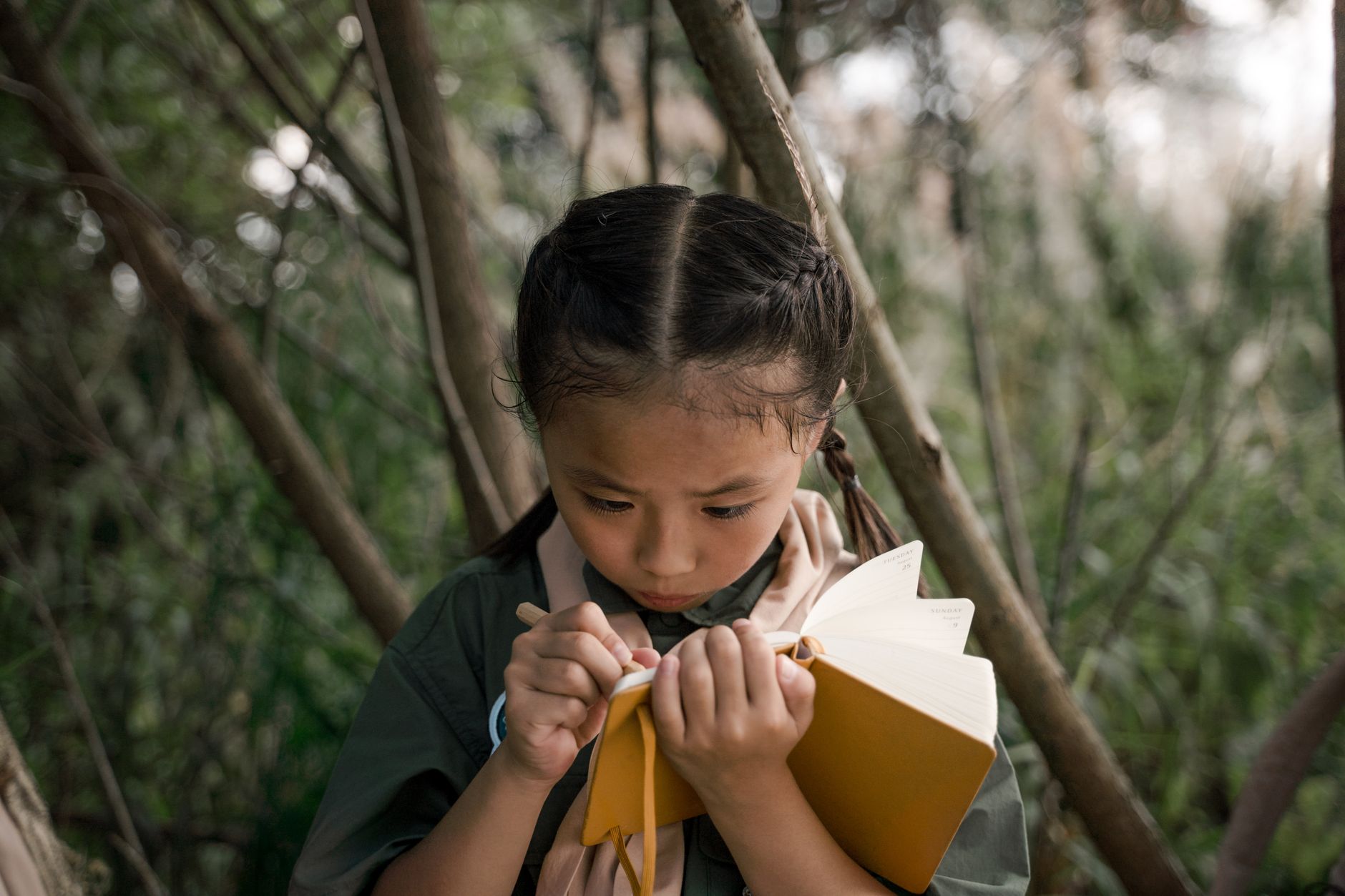
    For our nature-based approach, the kids’ nature journals basically pull double duty as science, art, and sometimes even handwriting practice. A simple sketch journal works beautifully for this.

    Reading Lists

    Keep a running list of books your child has read (or that you’ve read aloud). This is Charlotte Mason gold, and evaluators love seeing it. I jot ours down in my planner and transfer it to a simple typed list at the end of the year.

    Photos of Learning in Action

    This is honestly my favorite part. Photos capture what worksheets can’t:

    • Building projects and hands-on math
    • Field trips to state parks and nature preserves
    • Backyard chicken care (yes, this counts as animal husbandry and biology!)
    • Nature walks with the pocket microscope examining leaves and bugs
    • Cooking and measuring in the kitchen
    • The dog “helping” with read-alouds on the couch

    I keep a folder on my phone just for homeschool photos. Once a month or so, I pick a few favorites and either print them or save them to our portfolio folder.

    Attendance Log (If Required)

    Florida requires 180 days of instruction for traditional homeschoolers. A simple calendar with days marked off works fine. I use a basic printable and check off days as we go — nothing fancy.

    How to Organize Your Portfolio

    There’s no single “right” way to do this. The best system is one you’ll actually use.

    Option 1: The Simple Binder

    A three-ring binder with dividers for each subject. Drop in work samples as you go. This is what we do, and it takes maybe five minutes a week.

    Option 2: The Digital Portfolio

    Scan or photograph work samples and organize them in folders on your computer. Great for families who like to minimize paper clutter. Just remember to back it up!

    Option 3: The Box Method

    Keep a file box for each child. Toss things in throughout the year. At evaluation time, pull out the best samples. This is perfectly acceptable and very low-stress.

    Tips for Documenting a Nature-Based Homeschool

    If your homeschool looks less like textbooks and more like catching lizards in the backyard (Florida homeschool life, am I right?), you might wonder how to document all that outdoor learning.

    Here’s what works for us:

    Nature journals are your best friend. They document science, art, observation skills, and handwriting all in one place. We use Faber-Castell watercolor pencils for adding color to sketches — they’re forgiving for little hands and the results look lovely in a portfolio.

    Field guides count as curriculum. We always have our Sibley bird guide handy. When the kids identify birds at the feeder or on walks, that’s real learning happening.

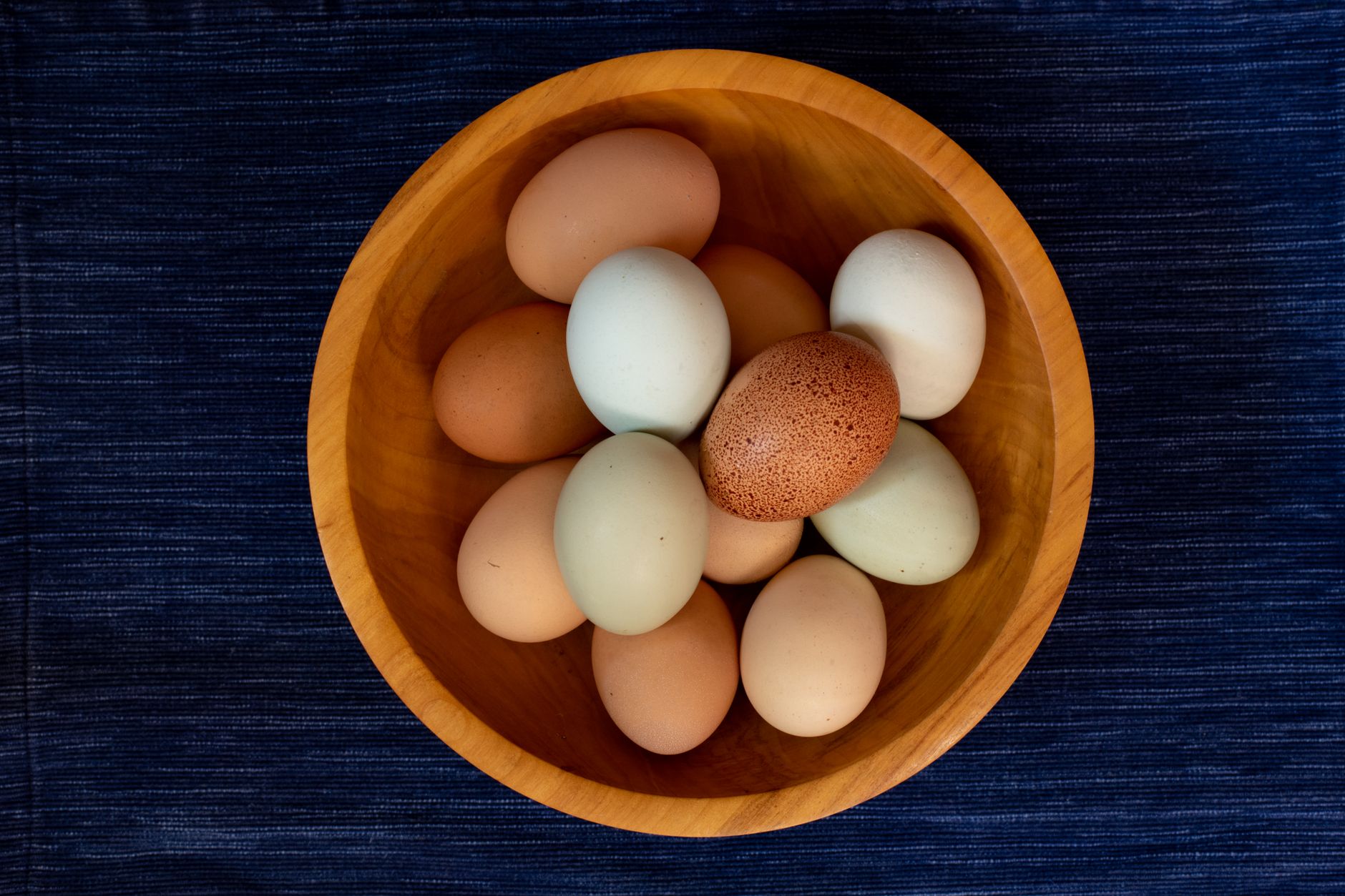
    Document your “life learning.” Those chicken chores? That’s responsibility, animal care, biology, and even math (counting eggs, calculating feed). I snap photos of the kids collecting eggs or checking on the flock. A quick note in our portfolio explains what they’re learning.

    Embrace the messy outdoor stuff. Bug catching kits and afternoon adventures in the backyard are legitimate science exploration. A photo plus a short written narration from your child makes this portfolio-ready.

    Common Portfolio Mistakes to Avoid

    Saving everything. You don’t need every worksheet. Pick representative samples and let the rest go.

    Waiting until the end of the year. This is how portfolios become a dreaded, overwhelming task. A few minutes weekly saves hours of stress later.

    Comparing to other families. Your nature-based, chicken-keeping, free-range homeschool will look different from someone using a boxed curriculum. That’s okay. Document YOUR year.

    Forgetting the big picture. Evaluators aren’t looking for perfection. They’re looking for progress. Even on a rough year, most kids make progress when you step back and look.

    Making Portfolio Time Part of Your Rhythm

    I’ve found the easiest approach is building documentation into our weekly rhythm. Every Friday afternoon (okay, most Fridays), the kids pick one or two pieces of work they’re proud of. Those go in their binders.

    Once a month, I scroll through my phone photos and save a few good ones. At the end of the year, I compile our reading list and write a brief summary of what we covered.

    That’s it. No elaborate systems. No stress.

    Finding Your Evaluator in Florida

    If you’re going the portfolio evaluation route in Florida, you’ll need a certified teacher to review your work. Many homeschool co-ops have recommendations, and there are evaluators who specialize in Charlotte Mason and nature-based homeschools (they get it — they won’t look at your nature journals confused).

    Start asking around in local homeschool groups early in the spring. The best evaluators book up quickly!

    You’re Doing Better Than You Think

    Here’s the truth that I need to remind myself of regularly: the portfolio is just paper. It’s one small reflection of the beautiful, messy, wonder-filled education you’re giving your children.

    The mornings reading aloud on the porch while the dog snores at your feet. The impromptu backyard science experiments. The chicken coop conversations about life cycles. The slow afternoons with nowhere to be and everything to discover.

    That’s the real education. The portfolio is just how we package a tiny piece of it for the official records.

    So take a breath, keep it simple, and trust the process. You’ve got this, mama.

  • How to Teach Cursive Handwriting to Kids at Home (The Charlotte Mason Way)

    How to Teach Cursive Handwriting to Kids at Home (The Charlotte Mason Way)

    This post contains affiliate links. I may earn a small commission at no extra cost to you.

    If you’re wondering whether cursive is even worth teaching anymore — or feeling overwhelmed about how to actually do it — I get it. When I first started homeschooling, I wasn’t sure if beautiful handwriting was just a nostalgic dream from my own elementary school days or something that still mattered. But after a few years of Charlotte Mason-style learning in our little Florida home, I’m convinced: teaching cursive is absolutely worth your time, and it doesn’t have to be complicated.

    Let me share what’s worked for our family.

    Why We Still Teach Cursive (And Why It Matters)

    Honestly? Part of me just loves the idea of my kids being able to read their great-grandmother’s letters someday. There’s something deeply connecting about handwriting that ties generations together.

    But beyond the sentimental stuff, there’s real science here. Cursive writing engages the brain differently than print or typing. It builds fine motor skills, improves reading comprehension (yes, really!), and helps with memory retention. For kids who struggle with letter reversals — like mixing up b’s and d’s — cursive can actually be easier because each letter flows distinctly into the next.

    Charlotte Mason believed that handwriting was an art form worth cultivating carefully. She advocated for short, focused lessons done well rather than long, tedious practice sessions that breed sloppy habits. That approach has been a game-changer for us.

    When to Start Cursive Handwriting

    Here’s something that might surprise you: many Charlotte Mason educators actually recommend starting with cursive first, or at least introducing it earlier than traditional schools do.

    In our house, we waited until around age 6-7 to formally start cursive — after plenty of time spent on pre-writing skills. Before any pencil-to-paper work, we did lots of:

    • Drawing and painting (those Faber-Castell watercolor pencils are perfect for building hand strength while creating nature journal entries)
    • Playing with playdough and clay
    • Outdoor play — climbing, digging, carrying chicken feed buckets
    • Finger tracing letters in sand or on foggy windows

    If your child can hold a pencil with a proper grip and draw basic shapes, they’re probably ready to begin.

    How to Teach Cursive: Our Step-by-Step Approach

    Start With the Basics — Letter Families

    Don’t just go A to Z. Cursive letters naturally group into families based on their starting strokes. Teaching them in groups makes so much more sense:

    • Curve letters: c, a, d, g, o, q
    • Loop letters: l, b, e, f, h, k
    • Bump letters: n, m, v, w, x
    • Hump to loop: r, s

    We focus on one letter family at a time, spending maybe a week or two before moving on. No rush.

    Keep Lessons Short and Sweet

    Charlotte Mason recommended just 10-15 minutes for handwriting practice, especially with younger children. I cannot stress this enough: short lessons done with full attention beat long, exhausting sessions every single time.

    We usually practice cursive right after our morning basket time, when minds are fresh. Then we head outside to check on the chickens or do nature study — the contrast keeps everyone happy.

    Model Beautiful Writing

    Your child needs to see what good cursive looks like. Write the letter slowly while they watch. Narrate your strokes: “Start at the midline, curve up to touch the top line, come back down…”

    Then have them trace your example a few times before writing independently. This isn’t about perfection — it’s about building muscle memory for correct form.

    Use Quality Materials

    This doesn’t mean expensive, but it does mean intentional. A good pencil grip, properly lined paper (we like paper with a midline for beginners), and a smooth writing surface all make a difference.

    We’ve ordered most of our curriculum supplies through Rainbow Resource over the years — their selection of handwriting programs and paper options is fantastic, and the prices are reasonable.

    Our Favorite Cursive Resources

    There are so many cursive programs out there, but here’s what’s worked for our Charlotte Mason-style homeschool:

    For a gentle, CM-aligned approach, we love programs that emphasize copywork over drill sheets. Once basic letter formation is solid, we transition to copying beautiful sentences — Scripture, poetry, quotes from our read-alouds. This makes handwriting practice meaningful rather than tedious.

    Timberdoodle carries several handwriting options that work well for different learning styles, and I appreciate that they curate quality materials so I’m not sifting through dozens of options.

    For nature-loving kids, we often combine cursive practice with nature journaling. My kids will sketch a bird or flower, then write a few sentences about it in their best cursive. Their nature journals are becoming such treasures — part art, part science, part handwriting practice all in one.

    Tips for When Cursive Feels Hard

    If Your Child Resists Practice

    First, check yourself: are lessons too long? Are you expecting too much too soon? Sometimes resistance is just a sign that we need to slow down.

    Try making it more engaging:

    • Practice with a white gel pen on black paper
    • Write in a sand tray before paper
    • Let them write messages to grandparents or pen pals
    • Copy favorite song lyrics or quotes from beloved books

    If Letter Formation Is Sloppy

    Go back to basics. Seriously. It’s better to pause and re-teach correct form than to let bad habits cement. Charlotte Mason called this “the way of the will” — we’re building habits of excellence, not just checking boxes.

    If Fine Motor Skills Are Still Developing

    More outdoor play, more hands-on work. Building with blocks, helping in the garden, kneading bread, collecting bugs with a bug catcher kit — all of this strengthens the small muscles needed for writing. Here in Florida, we’re blessed with year-round outdoor weather, so we take full advantage.

    Connecting Cursive to Real Life

    One thing I love about homeschooling is that we can make learning mean something. Cursive isn’t just an isolated skill — it becomes part of our daily life.

    My kids write thank-you notes in cursive. They label jars of herbs we’ve dried from the garden. They keep lists of birds spotted in our backyard (we reference our Sibley bird guide constantly). My oldest has started writing poetry in her journal, and seeing her careful cursive letters feels like watching something beautiful unfold.

    This is what a 1990s childhood looked like, right? Less typing, more writing. Less screen time, more creating with our hands. I want my kids to know the satisfaction of putting pen to paper and making something lovely.

    Be Patient With the Process

    Mastering cursive takes time — usually a full school year for solid letter formation, and then years of practice to develop true fluency and personal style. That’s okay. We’re not in a race.

    Some days, our handwriting lessons are beautiful and peaceful. Other days, someone’s melting down because their ‘f’ looks wonky while the dog is barking at the mail carrier and I can hear the chickens fussing about something in the backyard. That’s real life.

    What matters is that we keep showing up, keep offering short and joyful lessons, and keep believing that this skill — this art, really — is worth passing on.

    Your kids can do this. And so can you, sweet mama. One letter at a time.

    What cursive curriculum does your family use? I’d love to hear what’s working in your homeschool — drop a comment below!

  • Florida Beach Nature Study Ideas for Homeschoolers: Simple Ways to Learn by the Shore

    Florida Beach Nature Study Ideas for Homeschoolers: Simple Ways to Learn by the Shore

    If you’ve ever sat on a Florida beach watching your kids dig in the sand, chase ghost crabs, or collect shells until their buckets overflow, you already know something important: the beach is one of the best classrooms we have.

    This post contains affiliate links. I may earn a small commission at no extra cost to you.

    Here in Northwest Florida, we’re blessed with some of the most beautiful shoreline in the country. Those sugar-white sands and emerald waters along the Gulf aren’t just vacation destinations — they’re living laboratories. And if you’re a homeschool family like ours, incorporating beach nature study into your rhythm can be one of the most meaningful (and memorable) things you do all year.

    Why Beach Nature Study Fits Perfectly with Charlotte Mason Homeschooling

    Charlotte Mason believed that nature is the best teacher, and I couldn’t agree more. She wrote about letting children form relationships with the natural world through direct observation — not through worksheets or textbook pictures, but through real encounters with real living things.

    The Florida coast gives us that in abundance. Watching a pelican dive for fish, discovering a sea urchin in a tide pool, or sketching the pattern on a scallop shell — these are the kinds of experiences that stick with a child forever. They’re also the experiences that spark genuine curiosity, which is really what we’re after in those elementary years.

    No curriculum can replicate the feeling of warm sand between your toes while you watch dolphins swim by. That’s education you can’t buy.

    Getting Started: What to Bring for Beach Nature Study

    You don’t need much to turn a beach trip into a nature study session. In fact, keeping it simple is part of the point. Here’s what we typically toss in our bag:

    • A nature journal for each child (or one shared family journal)
    • Pencils and a small set of watercolor pencils for sketching
    • A pocket microscope — these are amazing for examining sand, shells, and tiny critters
    • A mesh bag for collecting (we only take empty shells and follow local guidelines)
    • Non-toxic sunscreen because, well, Florida
    • Water, snacks, and a good attitude

    That’s really it. The beach provides everything else.

    Florida Beach Nature Study Ideas by Topic

    Shell Identification and Collection

    This is usually where kids naturally gravitate, and there’s so much to learn here. Florida beaches are home to hundreds of shell species — lightning whelks, fighting conchs, coquinas, olive shells, and more.

    We like to collect a few shells, bring them home, and identify them together using library books or online resources. The kids sketch their favorites in their nature journals, noting where they found them and any interesting features. Over time, this builds a beautiful record of our beach adventures.

    One thing I love about shell study is how it naturally leads to bigger questions: What animal lived in this shell? How did it eat? Why are some shells smooth and others ridged? This is the kind of curiosity-driven learning Charlotte Mason championed.

    Tide Pool and Shallow Water Exploration

    If you can get to areas with rocks, jetties, or shallow sandbars, tide pool exploration is incredible. We’ve found hermit crabs, sea anemones, tiny fish, and all sorts of creatures the kids would never see in a book.

    A bug catcher kit works great for temporarily observing small sea creatures — just be sure to return them gently to the water. This is a wonderful opportunity to talk about ecosystems, predator-prey relationships, and how living things adapt to their environments.

    Bird Watching Along the Shore

    Florida’s coastal birds are magnificent, and they’re often quite easy to observe. We regularly see pelicans, herons, sandpipers, terns, and seagulls during our beach trips. Occasionally, we’ll spot an osprey diving for fish or a group of black skimmers gliding along the water.

    We keep a copy of Sibley’s bird guide in the car for identification, though honestly, even just watching and sketching without naming everything is valuable. The goal isn’t to check boxes — it’s to pay attention.

    Sand Under the Microscope

    This is one of those activities that seems simple but completely captivates kids. Grab a small scoop of sand from different areas of the beach — near the water, up by the dunes, near shells — and examine it under your pocket microscope at home.

    You’ll find tiny shell fragments, mineral crystals, bits of coral, and sometimes even microscopic organisms. It’s a powerful reminder that there’s always more to see than what our eyes first notice. The kids love discovering what’s been hiding in plain sight.

    Tracking Tides and Weather

    For older elementary kids, tracking the tides can be a fascinating ongoing study. We look up tide charts before our beach trips and talk about why the tides change throughout the day and month. This naturally leads to conversations about the moon, gravitational pull, and how everything in nature is connected.

    Weather observation is another easy add-on. What do the clouds look like today? Which direction is the wind coming from? How does the weather affect what we see at the beach? These small observations, recorded over time, build real scientific thinking skills.

    Making It Part of Your Rhythm

    Here’s the thing about nature study: it doesn’t have to be complicated or perfectly planned. Some of our best beach learning has happened on spontaneous Tuesday mornings when we just needed to get out of the house.

    In Florida, we’re lucky to have beach access year-round. Winter beach trips are actually some of my favorites — fewer crowds, cooler temperatures, and different birds to observe. We try to get out at least once or twice a month, though honestly, any time we can manage it counts.

    If you’re using the Florida PEP scholarship like we are, beach nature study supplies absolutely count as educational materials. Nature journals, field guides, observation tools — these are all legitimate learning resources.

    A Note on Slowing Down

    I think sometimes we overcomplicate things. We feel pressure to make every outing “educational enough” or to produce some kind of finished product.

    But here’s what I’ve learned: the beach itself does the teaching. Our job is just to show up, slow down, and let our kids explore. Sometimes that means a detailed nature journal entry. Sometimes that means just sitting in the sand and watching the waves together.

    Both are valuable. Both count.

    This is what raising kids the old-fashioned way looks like — giving them time in nature without an agenda, trusting that their curiosity will lead them somewhere good. It’s the same approach our parents had when they sent us outside until the streetlights came on. Except now we get to do it with intention.

    Wrapping Up

    If you’re a Florida homeschool family looking for ways to bring nature study to life, the beach is waiting for you. It doesn’t require fancy curriculum or expensive equipment — just willingness to explore together and pay attention to what you find.

    Some of our most treasured homeschool memories have been made with sandy feet, salty hair, and pockets full of shells. I hope your family gets to experience that too.

    Now if you’ll excuse me, I need to go rinse the sand out of someone’s shoes and check on the chickens. They’re probably wondering where their afternoon treats are.

    Happy exploring, friend.

  • Non-Toxic Deodorant That Actually Works: An Honest Review from a Florida Mama

    Non-Toxic Deodorant That Actually Works: An Honest Review from a Florida Mama

    This post contains affiliate links. I may earn a small commission at no extra cost to you.

    Let’s be real for a minute. If you’ve ever stood in your bathroom, arms up, sniffing yourself after trying yet another “clean” deodorant that promised the world and delivered… well, nothing — you’re my people. I’ve been there. Multiple times. In Florida. In August. After chasing chickens around the yard because someone left the coop door unlatched.

    The journey to finding a non-toxic deodorant that actually works has been one of the more frustrating parts of transitioning to an intentional, cleaner lifestyle. It shouldn’t be this hard, right? And yet.

    So today I’m sharing my completely honest experience — the failures, the surprises, and what I actually keep restocking. Because if you’re going to make the switch, you deserve to know what you’re getting into.

    Why I Made the Switch in the First Place

    A few years ago, when I started really looking at what we were bringing into our home, deodorant wasn’t even on my radar. I was focused on cleaning products, switching over to options from places like Grove Collaborative for our household basics, and swapping out the kids’ sunscreen for non-toxic versions that wouldn’t leave them looking like ghosts or absorbing questionable ingredients.

    But then I started reading about aluminum, parabens, and synthetic fragrances in conventional antiperspirants. And look — I’m not here to fear-monger. I have a science background and I try to be measured about these things. But the more I learned, the more it made sense to me that maybe slathering chemicals on a sensitive area right next to breast tissue, every single day, for decades, was worth reconsidering.

    So I decided to try.

    The Detox Phase Nobody Warns You About

    Here’s what I wish someone had told me upfront: when you switch from conventional antiperspirant to natural deodorant, your body goes through a detox period. And it is not cute.

    For about two to three weeks, I smelled worse than I ever had in my life. My body was purging all the stuff that had been blocked up, and it was humbling. I almost quit multiple times.

    If you’re in this phase right now, hang in there. It does get better. Your body recalibrates, and eventually, you actually sweat less and smell less than you did before — even without the aluminum blocking everything up.

    What Didn’t Work (For Me)

    I want to be clear that bodies are wildly different. What fails for me might be your holy grail. But in the interest of honesty, here’s what didn’t cut it:

    Crystal Deodorants

    I wanted to love these because they’re so simple. But for me, in the Pensacola humidity? Not even close. By noon I was questioning all my life choices.

    Coconut Oil-Based Sticks

    Several popular “crunchy” brands use coconut oil as a base. The problem? Coconut oil melts at 76 degrees. Do you know what temperature it is in my bathroom from April through October? A lot higher than 76 degrees. I ended up with melted product all over my cabinet and still didn’t smell great.

    Baking Soda-Heavy Formulas

    These worked amazingly well for odor — truly impressive. But after a couple weeks, I developed a rash that made me look like I had a chemical burn. Apparently this is common for people with sensitive skin. The pH of baking soda is just too high for some of us.

    What Actually Works

    After way too much trial and error (and money), I’ve landed on a few options that genuinely perform, even in our Florida climate.

    Magnesium-Based Deodorants

    This was the game-changer for me. Formulas that use magnesium hydroxide instead of baking soda tend to be gentler while still neutralizing odor effectively. I can wear these daily without irritation, and they actually work through a full day — including mornings when I’m outside with the kids doing nature study and the humidity is already at 90%.

    Cream Deodorants (Applied with Fingers)

    I know, I know. The idea of scooping deodorant out of a jar and applying it with your fingers sounds weird. I resisted for a long time. But honestly? These formulas tend to work better than sticks because you can really work them into the skin. And you wash your hands after anyway. It’s fine.

    Probiotics-Based Options

    Some newer formulas include probiotics that help balance the bacteria on your skin (because that’s what causes odor — not the sweat itself). I’ve had good luck with these as a “lighter” option for days when I’m mostly inside.

    My Actual Routine Now

    Most days, I apply my magnesium-based cream deodorant right after my morning shower. If I know I’m going to be especially active — like if we’re doing a big outdoor learning day at the beach or I’m mucking out the chicken coop — I might reapply midday.

    On especially brutal summer days, I keep a small backup in my bag. No shame in that game.

    I’ve also found that what I eat and drink affects how much I smell. When I’m hydrated and eating well, I need less deodorant. When I’ve had too much coffee and not enough water? My body lets me know.

    A Note on Expectations

    Here’s the thing: natural deodorant is not antiperspirant. You will still sweat. Sweating is healthy and normal — it’s how your body regulates temperature and releases toxins.

    The goal is to not smell bad, not to never sweat. Once I adjusted my expectations, I was a lot happier with the results.

    Also, wearing natural fibers like cotton and linen helps a lot. Synthetic fabrics trap odor in a way that natural fibers don’t. This is part of why I love our slower, simpler approach to life — even our clothing choices tie into living more intentionally.

    Is It Worth the Switch?

    Absolutely. A hundred percent yes.

    Was the transition period annoying? Yes. Did I waste money on products that didn’t work? Also yes. But now, a few years in, I have a system that works, I feel good about what I’m putting on my body, and I’ve stopped worrying about one more unnecessary chemical exposure.

    It’s the same philosophy that drives most of our choices around here — from the Wondercide we use for pest control instead of harsh chemicals, to the way we approach our whole home environment. Small swaps add up. And once you find what works, it just becomes normal life.

    The Bottom Line

    If you’re searching for a non-toxic deodorant that actually works, know that it might take some experimenting. Give yourself grace during the detox period. Pay attention to ingredients — magnesium-based formulas are worth trying if baking soda irritates you. And remember that your body is unique, so what works for your best friend or favorite blogger might not be your answer.

    But don’t give up. There absolutely are natural deodorants that work, even in brutal humidity, even on active days, even for those of us who thought we’d never survive without our clinical-strength antiperspirant.

    You’ve got this, friend. And your body will thank you.

    Have you made the switch to non-toxic deodorant? I’d love to hear what’s working for you — drop a comment below or send me a message. We’re all figuring this out together.

  • Chicken Dust Bath Setup: How to Make One Your Flock Will Love

    Chicken Dust Bath Setup: How to Make One Your Flock Will Love

    This post contains affiliate links. I may earn a small commission at no extra cost to you.

    If you’ve ever watched your chickens frantically digging holes in your flower beds and flinging dirt everywhere like they’re auditioning for a nature documentary, congratulations — you’ve witnessed the glorious chaos of a dust bath. The first time I saw our hens doing this, I genuinely thought something was wrong. They were flopping around, kicking their legs in the air, looking completely unhinged. Turns out, they were just taking care of themselves the way chickens have done for thousands of years.

    A proper chicken dust bath setup isn’t just a luxury for your flock — it’s genuinely essential for their health. And the good news? You can make one yourself in about fifteen minutes with things you probably already have around the house.

    Why Chickens Need Dust Baths

    Here’s the thing about chickens: they can’t take showers. They don’t preen with water like ducks. Instead, they rely on dust bathing to keep their feathers clean and free of parasites. When a chicken settles into loose, fine dirt and works it through her feathers, she’s essentially suffocating mites, lice, and other pests that would otherwise make her miserable.

    The dust also absorbs excess oils from their skin and feathers, keeping everything in good condition. Think of it like dry shampoo, but make it chicken.

    Here in Northwest Florida, our sandy soil actually works pretty well for this on its own. But during our rainy season (which feels like it lasts approximately nine months), that natural dust bathing spot turns into a mud pit. That’s when having a covered or semi-covered dust bath setup becomes really important.

    What You Need for a Simple Chicken Dust Bath Setup

    You don’t need anything fancy. Truly. Here’s what we use:

    The Container

    You need something wide and shallow enough for your chickens to really get in there and roll around. We’ve used:

    • An old kiddie pool (our current favorite)
    • Large rubber tubs from the feed store
    • Wooden frames lined with landscape fabric
    • Even a big tire filled in with dirt

    The container should be at least 12-15 inches deep and wide enough for at least one hen to fully spread out. Ours is big enough that two or three girls will pile in together, which is honestly adorable.

    The Dust Bath Mix

    This is where you can keep it simple or get a little more intentional. A basic mix that works beautifully:

    • Plain dirt or sand — about 60% of your mix. Our Florida sand works great for this.
    • Wood ash — about 20%. We save ours from our fire pit. It’s naturally alkaline and helps deter pests.
    • Food-grade diatomaceous earth — about 20%. This is the magic ingredient for parasite prevention. The fine particles damage the exoskeletons of mites and lice without harming your chickens.

    Mix it all together and fill your container about 4-6 inches deep. That’s it. That’s the whole thing.

    How to Set Up Your Dust Bath Area

    Location Matters

    Put your dust bath somewhere relatively protected from rain. Under the coop, beneath a covered run area, or even just under a tarp works fine. We have ours tucked under a section of our run that has a metal roof, which has been perfect for keeping it dry even during Florida afternoon thunderstorms.

    Chickens also prefer to dust bathe in spots with some sun exposure. If you watch them, they often choose the warmest, driest spot available. So a location that gets morning sun but afternoon shade is ideal.

    Keep It Accessible

    Make sure your chickens can easily get in and out. If you’re using a deep container, you might need to add a small ramp or step, especially for heavier breeds or older hens. Ours just hop right over the edge of the kiddie pool, but every flock is different.

    Maintaining Your Chicken Dust Bath

    Once a week or so, I’ll stir everything around with a rake to break up any clumps and check that the mix is still dry and fluffy. If it’s gotten damp or compacted, I’ll add more dry material.

    Every month or two, I refresh the diatomaceous earth since it loses effectiveness once it gets wet. And a couple times a year, I dump the whole thing and start fresh — usually in spring and fall when parasite pressure tends to be highest.

    Speaking of pests, if you’re dealing with a mite problem in your coop, Storey’s Guide to Raising Chickens has an excellent chapter on identifying and treating common health issues. It’s been my go-to reference since we started keeping chickens, and I’ve dog-eared more pages than I’d like to admit.

    Making It a Learning Opportunity

    One thing I love about raising chickens alongside our homeschool is how naturally the learning happens. Watching the girls observe the chickens dust bathing has led to some genuinely great conversations about animal behavior, instinct, and how creatures care for themselves in the wild.

    We’ve pulled out our pocket microscope to look at feathers up close and talked about why the structure of a feather matters for keeping a chicken healthy. Charlotte Mason would be proud — it’s the kind of living science that happens when you just… pay attention to what’s around you.

    If your kids are really into the chicken-keeping side of things, A Kid’s Guide to Keeping Chickens is a sweet resource that gives them ownership over parts of the process. My oldest has taken over tracking our egg production, and it’s been a lovely way to include her.

    A Few Extra Tips From Our Backyard

    Don’t use hydrated lime. Regular wood ash is fine, but hydrated lime can burn your chickens’ skin. Stick with what’s safe.

    Add dried herbs if you want. Some folks toss in lavender, mint, or rosemary for a little extra pest-deterrent power. I’ve done this a few times and I honestly can’t tell if it helps, but it smells nice when I’m refilling the bath.

    Watch for bullying. If you have a hen who guards the dust bath and won’t let others use it, you might need to set up a second one. Chickens have opinions about personal space, and some of them are not great at sharing.

    Let them dig too. Even with a dedicated dust bath, chickens will still dig holes in your yard. It’s just what they do. I’ve made peace with our patchy lawn.

    The Simple Joy of Watching Chickens Be Chickens

    Honestly, one of my favorite things about having backyard chickens is just sitting outside with my coffee in the morning and watching them do their thing. There’s something deeply satisfying about seeing an animal engage in behavior that’s completely instinctual and natural — flopping around in the dirt, fluffing their feathers, looking absolutely ridiculous and perfectly content.

    The dust bath setup takes maybe fifteen minutes to put together, costs almost nothing, and makes a real difference in the health of your flock. Plus, it gives you one more reason to pull up a chair, call the kids over, and just watch for a while. No screens, no schedule, just chickens being chickens.

    That’s the kind of slow, simple moment I’m always chasing in this life we’re building. And sometimes it’s as easy as a kiddie pool full of dirt.

    Have questions about your own dust bath setup? I’d love to hear what’s working for your flock — come find me on Instagram or drop a comment below.

  • Best Nature Apps for Kids: Florida Identification Made Simple and Fun

    Best Nature Apps for Kids: Florida Identification Made Simple and Fun

    This post contains affiliate links. I may earn a small commission at no extra cost to you.

    You’re standing in your backyard (or maybe a state park, or that little patch of woods behind the soccer field) and your kid holds up a leaf, a feather, or points at a bird and asks, “Mama, what’s that?” And you have absolutely no idea.

    Been there. Many times. I have a science background, but Florida’s biodiversity is genuinely humbling. We’ve got plants and creatures here that look like they belong in a fairy tale — or a nightmare, depending on the day. And our kids? They want to know everything.

    Here’s the good news: there are some genuinely wonderful nature apps that can turn those “I don’t know” moments into discovery time for the whole family. And yes, I know — we’re a less-screens family. We homeschool Charlotte Mason style. We believe in real books, real dirt, real experiences. But I’ve made peace with using technology as a tool rather than a replacement for the real thing. These apps get us outside more, not less.

    Why We Use Nature Apps (Even Though We Limit Screen Time)

    Let me be clear: my kids aren’t wandering around with tablets in the backyard. That’s not how this works in our house.

    Instead, we use nature apps the way we’d use a field guide — when we encounter something interesting and want to identify it. We take a photo, we look it up, and then the phone goes away. The learning happens in the conversation afterward, in the sketching in our nature journals, in the “let’s see if we find another one” moments.

    Think of these apps as digital field guides that fit in your pocket. They’re especially helpful here in Florida, where we might see a dozen different species of dragonfly in a single afternoon and our kids actually want to know which one is which.

    Our Favorite Nature Identification Apps for Florida Families

    iNaturalist (Free)

    This is the gold standard, y’all. iNaturalist uses photo recognition and community science to identify plants, animals, fungi, and insects. You snap a photo, the app suggests identifications, and then real naturalists from around the world can confirm or correct it.

    What I love for Florida: The database is huge, and there are so many active users in our state that even obscure finds get identified quickly. We’ve used it for everything from mysterious backyard mushrooms to that weird caterpillar on our milkweed.

    The kids feel like real scientists when they contribute observations. It’s also free, with no ads, which is rare and wonderful.

    Merlin Bird ID (Free)

    Merlin is made by the Cornell Lab of Ornithology, and it’s specifically for birds. You can identify by photo OR by sound — and the sound identification is almost magical. We use this one constantly.

    For Florida families: Download the Florida bird pack and you’re set. Our state has incredible birding, from backyard cardinals to those prehistoric-looking anhingas drying their wings by the water. My kids can now identify at least a dozen birds by sound alone, which feels like a superpower.

    We pair this app with our Sibley Birds field guide, which lives on our nature shelf. The app does the quick ID; the book lets us go deeper.

    Seek by iNaturalist (Free)

    Seek is made by the same folks as iNaturalist, but it’s designed specifically for kids and families. It gamifies nature identification with badges and challenges, and — this is important — it doesn’t require an account or collect data on kids.

    My elementary-age crew loves the badge system. They’ll specifically go looking for things to “earn” a new badge, which means they’re outside, observing, paying attention. That’s a win.

    The identification happens in real-time through the camera, which feels a bit like magic to little ones.

    PlantNet (Free)

    For plant identification specifically, PlantNet is simple and accurate. It’s great for wildflowers, trees, and — importantly for Florida — figuring out what that vine is before anyone touches it.

    We’ve used this one to identify native plants for our yard and to learn which “weeds” are actually beneficial. Florida has so many amazing native plants that most people just mow over. PlantNet helps us see what’s actually growing around us.

    Picture Insect (Free with Premium Option)

    Florida is buggy. This is just fact. Picture Insect helps us identify what’s crawling, flying, and occasionally startling us. The free version works well for basic identification; premium gives more details.

    The kids especially love identifying beetles and butterflies. We use this alongside our bug collection kit when we want to observe something more closely before releasing it.

    How We Actually Use These Apps in Our Homeschool

    During Nature Study Time

    Charlotte Mason homeschoolers know that nature study is sacred time. We head outside — backyard, local trail, wherever — and we notice. When something catches our attention, we might pull out the phone for a quick ID, but then it goes away.

    The real work happens in the nature journal. We sketch what we saw. We write down questions. Sometimes we look things up in real books later. The app is just the starting point.

    On Family Adventures

    We keep Merlin and iNaturalist downloaded and ready for state park visits, beach days, and even just walks around the neighborhood. Florida has so much to discover — different ecosystems just a short drive apart. These apps help us learn wherever we are.

    Our pocket microscope comes along too, for looking closer at whatever we find.

    For Backyard Chicken Keeping

    Okay, this might sound like a stretch, but hear me out. Understanding the insects, plants, and birds in our backyard helps us be better chicken keepers. We know what bugs are beneficial versus harmful. We can identify predator birds that might be eyeing the flock. We learn which plants are safe if the chickens escape into the garden (again).

    It’s all connected. If you’re raising backyard chickens and want to go deeper on that front, Storey’s Guide to Raising Chickens pairs nicely with this whole-backyard-ecosystem approach.

    A Few Tips for Using Nature Apps with Kids

    Make it a tool, not a crutch. We try to observe first, guess, and then check the app. This builds real observation skills.

    Use the phone together. The adult holds the phone. We look at results together. Then it goes away.

    Follow up with books and sketching. An app ID is just the beginning. Real learning happens when we go deeper — looking up the species in a field guide, sketching it with our watercolor pencils, or reading about its life cycle.

    Celebrate the wondering. Not everything needs to be identified. Sometimes “I wonder what that is” is enough. We don’t want to turn every outdoor moment into a research project.

    Bringing Back Wonder (With a Little Help)

    I grew up in that golden era of “be home when the streetlights come on” childhood. We spent hours outside without knowing the names of anything. And that was beautiful, honestly.

    But there’s something special about knowing. About being able to say, “That’s a great blue heron” or “Those are beautyberries — the birds love them.” It adds a layer of connection. It makes the world feel richer.

    These apps help us name what we see so we can love it better. They’re not replacing real nature time — they’re enhancing it. And here in Florida, with all this wild beauty just outside our doors, I want my kids to know it deeply.

    So we’ll keep our nature journals, our field guides, and yes, a few good apps. We’ll keep getting muddy and asking questions and chasing butterflies. That’s the life we’re building here — curious, rooted, and very much outside.

    Happy exploring, friends. Florida’s got a lot to show us.

  • How to Set Up a Homeschool Room on a Budget (Without Sacrificing Function or Beauty)

    How to Set Up a Homeschool Room on a Budget (Without Sacrificing Function or Beauty)

    This post contains affiliate links. I may earn a small commission at no extra cost to you.

    If you’re staring at a spare room, a corner of your living room, or even just a closet wondering how in the world you’re going to turn it into a functional homeschool space without draining your bank account — I see you. I’ve been there. When we first started homeschooling, I thought we needed matching furniture, color-coded bins for everything, and one of those gorgeous spaces you see on Pinterest with the perfectly arranged bookshelves and the macramé wall hangings.

    Spoiler: we didn’t need any of that.

    What we actually needed was a space that worked for our family, supported how we learn, and didn’t make me feel guilty every time I looked at the credit card statement. Three years in, I can tell you that our homeschool room cost us very little to set up — and it’s one of the most used, most loved spaces in our home.

    Here’s how we did it, and how you can too.

    Start With What You Already Have

    Before you buy a single thing, walk through your house with fresh eyes. That old dining table nobody uses? Perfect homeschool table. The bookshelf collecting dust in the guest room? Move it. Those baskets from your pre-kid organization phase? They’re about to have a second life.

    We started our homeschool space with a hand-me-down kitchen table from my in-laws, a bookshelf we’d had since our apartment days, and a few baskets I found in the garage. It wasn’t Instagram-worthy, but it worked. And honestly? The kids didn’t care one bit. They just wanted a place to spread out their work and easy access to their favorite books.

    Choose a Space That Fits Your Style of Learning

    Here’s something I wish someone had told me early on: your homeschool room doesn’t have to look like a traditional classroom. In fact, for families like ours who follow a Charlotte Mason approach, it probably shouldn’t.

    We spend a lot of our learning time outside — especially here in Northwest Florida where we can be outdoors most of the year. Our homeschool room is really just home base. It’s where we keep our supplies, do table work, and gather for read-alouds when it’s too hot or rainy to be on the porch.

    So think about how your family actually learns. Do you need a big table for hands-on projects? Floor space for building and playing? A cozy reading nook? Let your learning style guide your setup, not the other way around.

    The Budget-Friendly Essentials

    You don’t need much to get started. Here’s what I consider the real essentials:

    A Sturdy Table and Comfortable Seating

    This is where most of your sit-down work will happen. Thrift stores, Facebook Marketplace, and garage sales are goldmines for tables and chairs. We’ve also used the kitchen table plenty of times — there’s no rule that says you need a dedicated desk.

    Basic Storage for Books and Supplies

    Open shelving works great because kids can see what’s available and put things back themselves. We use a mix of thrifted bookshelves and simple cube storage. One tip: don’t over-organize at first. See how your family naturally uses the space, then organize around that.

    A Few Quality Supplies

    This is where I actually do recommend investing a little. Cheap art supplies fall apart and frustrate everyone. We love Faber-Castell watercolor pencils — they last forever and the colors are beautiful for nature journaling.

    For curriculum, I’ve found incredible deals through Rainbow Resource — they carry just about everything and often have better prices than buying direct. If you’re using the Florida PEP scholarship like we are, this is especially helpful for stretching those funds.

    Don’t Forget Nature Study Supplies

    Since so much of our learning happens outdoors, I keep a dedicated basket by the back door with everything we need to head outside at a moment’s notice. Our must-haves:

    This little basket probably gets more use than anything else in our homeschool setup. And since we have chickens, there’s always something to observe — molted feathers, different egg colors, how the hens behave when it’s about to rain. Free science curriculum, right in the backyard.

    Where to Save (and Where to Splurge)

    Save On:

    • Furniture — Secondhand is your friend
    • Decorations — Let the kids’ work be your decor
    • Storage containers — Baskets from thrift stores, shoeboxes, whatever works
    • Workbooks and consumables — Print free resources or buy used when possible

    Splurge On:

    • Quality art supplies — They make a real difference
    • A few living books you’ll read again and again
    • Hands-on math manipulatives — Programs like Math-U-See are worth the investment because they last for years and multiple kids

    Keep It Flexible

    One of the best things about homeschooling is that nothing has to be permanent. Our homeschool room has looked different every single year. We’ve rearranged, added, removed, and completely changed things based on what season of life we’re in and what the kids need.

    Right now, we have a low table for my kindergartner and a taller desk for my older one. Next year? Who knows. Maybe we’ll do school entirely on the porch. The beauty of homeschooling is that we get to adapt.

    A Note on Creating Atmosphere

    Charlotte Mason talked a lot about atmosphere being one of the three tools of education. Your homeschool room doesn’t need to be fancy, but it should feel inviting. Fresh flowers from the yard (free!), a plant or two, natural light, maybe a pretty picture on the wall — these small touches make a space feel like somewhere you want to be.

    We keep our space relatively minimal and uncluttered because I’ve learned that visual chaos makes it harder for all of us to focus. But that’s our family. Yours might thrive with more color and activity. Trust your instincts.

    You Don’t Have to Do It All at Once

    If I could go back and tell first-year-homeschooling me one thing, it would be this: start simple. Add as you go. You’ll figure out what you actually need by doing the work, not by buying things in advance.

    We’ve built our homeschool space slowly over three years, and honestly, some of our best additions came from noticing a need and finding a creative (usually cheap) solution. That’s part of the fun.

    So if you’re feeling overwhelmed by the idea of setting up a homeschool room on a budget — take a breath. You probably already have most of what you need. The rest will come. What matters most isn’t the space itself, but what happens inside it: the conversations, the discoveries, the wonder.

    Now if you’ll excuse me, I have a kindergartner who just found a lizard in the backyard and needs help looking it up in our field guide. That’s the real homeschool room — wherever curiosity takes us.

    What does your homeschool space look like? I’d love to hear what’s working for your family — drop a comment below or come find me on Instagram!

  • Non-Toxic Perfume Alternatives: A Clean Beauty Guide for Intentional Mamas

    Non-Toxic Perfume Alternatives: A Clean Beauty Guide for Intentional Mamas

    This post contains affiliate links. I may earn a small commission at no extra cost to you.

    Here’s something that took me way too long to think about: perfume. I had switched out our cleaning products, tossed the dryer sheets, and started reading every label in our pantry. But that little bottle on my dresser? The one I’d worn since college? It never even crossed my mind.

    Then one day, my youngest crawled into my lap right after I’d spritzed some on, and she wrinkled her nose and said, “Mama, you smell like the candle aisle.” And honestly? She wasn’t wrong. That was the beginning of my deep dive into non-toxic perfume alternatives and clean beauty fragrance options — and I haven’t looked back since.

    Why Traditional Perfume Is Worth Rethinking

    I’m not here to scare anyone or be dramatic about it. But when I started researching what’s actually in conventional perfumes, my science-brain mama heart just couldn’t ignore it.

    The word “fragrance” on a label is essentially a black box. Companies aren’t required to disclose the individual ingredients that make up their proprietary scent blends. This means a single product listing “fragrance” could contain dozens — sometimes hundreds — of synthetic chemicals, including potential endocrine disruptors, allergens, and respiratory irritants.

    For our family, especially with little ones who are still developing and spend half their day with their faces pressed against me, it felt important to make a change. The same way we’re intentional about what goes in our bodies, we should probably care about what we’re absorbing through our skin and breathing in all day long.

    What Makes a Perfume “Clean” or Non-Toxic?

    This is where it gets a little tricky, because “clean beauty” isn’t a regulated term. Anyone can slap it on a label. So here’s what I personally look for:

    Ingredients I Avoid

    • Synthetic fragrance or parfum (the catch-all term)
    • Phthalates
    • Parabens
    • Synthetic musks
    • Petroleum-derived ingredients

    Ingredients I Look For

    • Essential oils (properly diluted)
    • Plant-based alcohols
    • Natural isolates from botanical sources
    • Carrier oils like jojoba or fractionated coconut oil
    • Full ingredient transparency

    The goal isn’t perfection — it’s progress. And honestly, once you start paying attention, you realize how many lovely natural options exist.

    My Favorite Non-Toxic Perfume Alternatives

    After a lot of trial and error (and some scents that made me smell like I was trying to ward off vampires), here are the approaches that actually work for our family:

    Essential Oil Perfume Rollers

    This is my go-to these days. I keep a little roller bottle in my purse with a blend of lavender, bergamot, and just a touch of vanilla. It’s subtle, it’s lovely, and it doesn’t give me a headache or make the dog sneeze.

    You can buy pre-made rollers from clean beauty brands, or make your own with a carrier oil base. I like doing it myself because I can adjust the strength and switch up scents seasonally. In the Florida summer heat, I lean toward lighter citrus blends. When fall finally decides to show up down here (usually around November, bless), I bring in warmer notes.

    Solid Perfumes

    These are perfect for keeping in your bag or car — no spills, no worries. Look for ones made with beeswax or plant wax bases and scented only with essential oils. They go on smooth and tend to have a softer, closer-to-the-skin scent throw, which I actually prefer now.

    Single-Note Scents

    Sometimes simple is best. A dab of pure rose absolute or neroli oil on your wrists can be absolutely stunning. Yes, quality matters here, and pure essential oils can be an investment — but a little goes such a long way.

    Botanical Perfume Brands

    There’s a growing number of indie perfumers creating gorgeous, complex scents using only natural ingredients. They’re crafted more like the perfumes of a hundred years ago, before synthetics took over. The staying power is different — you might need to reapply — but the quality is beautiful.

    Clean Beauty Beyond Perfume

    Once I started thinking about fragrance in my perfume, I couldn’t help but notice it everywhere else too. It’s in our shampoo, lotion, deodorant, laundry detergent, and even the hand soap by the sink.

    Making switches doesn’t have to happen all at once. We’ve slowly transitioned our household products over time. Companies like Grove Collaborative have made it so much easier to find cleaner options for everyday essentials — everything from dish soap to body wash — without having to read a hundred labels at the store.

    The same goes for our outdoor products. Living in Northwest Florida, we’re outside constantly, which means we go through a lot of sunscreen and bug spray. Switching to non-toxic sunscreen was a no-brainer once I realized the kids were basically marinating in it from March through October. And for keeping bugs at bay without the harsh chemicals, Wondercide has been a game-changer for our family — we use it on ourselves, the dog, and even around the chicken coop.

    A Note on Sensitivities and Being Considerate

    One thing I’ve learned on this journey is that going fragrance-free isn’t just about our own health — it’s also about being considerate of others. So many people deal with migraines, asthma, or chemical sensitivities that are triggered by synthetic fragrances.

    I think about this especially in homeschool co-op settings or at church. Choosing lighter, more natural scents (or skipping fragrance altogether some days) feels like a small kindness.

    Getting the Kids Involved

    Of course, because we Charlotte Mason everything around here, this whole topic became a mini nature study. We talked about where perfume ingredients come from — flowers, tree resins, citrus peels, herbs. We looked up how roses are harvested and steam-distilled. The kids were fascinated.

    We even did a little smell-testing activity with different essential oils, and they picked out their favorites for a custom “kid cologne” roller (my son chose something very heavy on the orange and peppermint — it’s a lot, but he loves it).

    It ties beautifully into botany studies, and if you’re keeping nature journals with your kids, scent is such an often-overlooked sense to include. We like to note what flowers are blooming and how they smell on our walks. If you haven’t tried nature journaling yet, a simple nature journal and some quality watercolor pencils can open up a whole world of observation for your kids.

    Making the Switch: Start Simple

    If this is all new to you, here’s my advice: don’t overthink it. Start with one swap. Maybe it’s ditching the perfume you’ve had forever and trying a simple essential oil roller. Maybe it’s switching to fragrance-free laundry detergent first.

    You don’t have to throw everything out tomorrow. That’s not realistic, and it’s definitely not budget-friendly. Just start noticing. Start reading labels. Start asking questions.

    And if you’re standing in your bathroom wondering what to do with that expensive department store perfume you got for Christmas? Maybe save it for very occasional use, or pass it along to someone who wants it. No guilt, no waste.

    Smelling Like Yourself

    Here’s the thing I didn’t expect: once I stopped wearing synthetic perfume, I started noticing how things actually smell. The jasmine blooming on our fence in May. The particular sweetness of sun-warmed tomato leaves. The way the air smells right before an afternoon thunderstorm rolls in off the Gulf.

    I don’t want to cover all that up with something manufactured in a lab. I’d rather smell like the essential oils I’ve chosen intentionally — or honestly, some days, like sunshine and chickens and whatever my kids were playing in.

    That feels more like me anyway.

    What about you? Have you made the switch to non-toxic perfume alternatives, or is this something you’re just starting to think about? I’d love to hear what’s worked for your family.

  • Backyard Chickens City Ordinances: What to Check Before You Bring Home Your Flock

    Backyard Chickens City Ordinances: What to Check Before You Bring Home Your Flock

    This post contains affiliate links. I may earn a small commission at no extra cost to you.

    So you’re dreaming about fresh eggs, kids collecting from the nesting boxes each morning, and that simple joy of watching chickens scratch around the yard. I get it—that was me a few years ago, standing in my Northwest Florida backyard, mentally mapping out where a coop could go while my kids begged for “just a few baby chicks.”

    But before you fall down the Pinterest rabbit hole of adorable coop designs and rare breed wishlists, there’s some homework to do first. And friend, I promise it’s worth the effort. Because nothing puts a damper on your homesteading dreams quite like a code enforcement officer showing up at your door.

    Let’s talk about what you actually need to check in your local city ordinances before bringing home that first fluffy bundle of peeping chaos.

    Why Checking Local Ordinances Matters

    Here’s the thing—backyard chicken laws vary wildly from one municipality to the next. Your neighbor two streets over in the county might be able to have a rooster and twenty hens, while you’re sitting in city limits with completely different rules. Some cities welcome backyard flocks with open arms. Others have strict regulations or outright bans.

    I’ve heard too many heartbreaking stories of families who got attached to their birds, only to receive a notice that they had to rehome them. A little research upfront saves a lot of tears later (from the kids AND from you—don’t ask me how I know).

    The Key Things to Look Up in Your City Ordinances

    Flock Size Limits

    Most cities that allow backyard chickens cap how many you can have. Common limits range from 3-6 hens for residential properties, though some areas allow more based on lot size. Here in parts of Northwest Florida, I’ve seen everything from “4 hens maximum” to “10 birds per half acre.”

    Write down your property’s lot size before you start researching—you’ll likely need it.

    Roosters: Usually a No-Go

    Let’s be honest: most suburban and urban ordinances say no roosters. They’re loud, they crow at 4 AM (and 5 AM, and 6 AM, and basically whenever they feel like it), and your neighbors will not appreciate the wake-up call.

    The good news? You don’t need a rooster for eggs. Hens lay just fine without one. You only need a rooster if you want fertilized eggs for hatching.

    Coop Setback Requirements

    This is a big one that people often overlook. Many cities require your chicken coop to be a certain distance from property lines, from your own house, and from neighboring homes. I’ve seen setback requirements anywhere from 10 feet to 50 feet.

    Grab a measuring tape and sketch out your backyard before you get your heart set on a coop location. Trust me on this.

    Coop Specifications

    Some ordinances get surprisingly specific about coop construction. They might require:

    • A certain number of square feet per bird
    • Predator-proof enclosures
    • Covered runs
    • Specific roofing or fencing materials
    • Regular cleaning schedules (yes, really)

    These regulations actually work in your favor—they’re designed to keep chickens healthy and neighbors happy.

    Permit Requirements

    Depending on where you live, you might need to:

    • Apply for a permit or license
    • Pay a small annual fee
    • Pass an inspection before getting birds
    • Get written consent from adjacent neighbors

    Here in Escambia County, the rules differ depending on whether you’re in Pensacola city limits, unincorporated county land, or another municipality entirely. Always check YOUR specific jurisdiction.

    Where to Find Your Local Chicken Ordinances

    Start with your city or county’s official website. Look for:

    • Municipal code or ordinances (often searchable)
    • Zoning regulations
    • Animal control or animal services sections
    • “Keeping of animals” or “livestock” sections

    If the website is a maze (and let’s be real, government websites often are), just call your local code enforcement or animal control office directly. A five-minute phone call can save you hours of searching.

    You can also check with your HOA if you have one—some homeowners associations have their own restrictions on top of city rules. I know, I know. But better to find out now.

    What If Chickens Aren’t Allowed Where You Live?

    Don’t lose hope! A few options:

    Petition for change. Many cities have updated their ordinances in recent years as backyard chickens have grown in popularity. You might be the person who helps make it happen in your community.

    Consider moving to unincorporated land. If you’re planning a move anyway, keeping chickens might factor into your search.

    Connect with local farms. Even if you can’t have your own flock, you can still involve your kids in chicken care by visiting local farms, joining 4-H, or finding a friend with birds who’d welcome some help.

    Once You Get the Green Light

    When you’ve confirmed that yes, you CAN have chickens—congratulations! Now the fun really begins.

    I always recommend new chicken keepers grab a solid reference book before the chicks even arrive. Storey’s Guide to Raising Chickens has been my go-to for years. It covers everything from breed selection to health issues to coop design. If you’ve got elementary-age kids who’ll be helping with chicken chores, A Kid’s Guide to Keeping Chickens is perfect—it’s written right at their level and makes them feel like real chicken keepers.

    For your setup, two things have been absolute game-changers for us in the Florida heat: a good chicken waterer with nipples (keeps the water SO much cleaner than open dishes) and food-grade diatomaceous earth for natural pest control in the coop.

    And if you’re like me and occasionally forget to close up the coop at dusk? An automatic chicken coop door is worth every penny. Predators here in Florida are no joke—we’ve got raccoons, possums, and hawks who’d love a chicken dinner.

    Making It Part of Your Homeschool Life

    Once your flock is established, the learning opportunities are endless. Our chickens have become part of our nature study in ways I never expected. We track egg production in our nature journals, observe molting cycles, and sketch the hens during our outdoor time. It’s the kind of hands-on, living education that Charlotte Mason would have loved.

    There’s something about watching my kids care for another living thing—filling waterers, collecting eggs, noticing when a hen seems “off”—that screens just can’t replicate. It’s responsibility. It’s observation. It’s real life.

    You’ve Got This, Friend

    I know the research phase can feel tedious when you just want to hold a fluffy chick in your hands. But taking the time to understand your local backyard chicken city ordinances is truly an act of love—for your future flock and for your family’s peace of mind.

    Do the homework now, and then? Then you get to enjoy years of fresh eggs, happy kids, and those quirky chicken personalities that’ll make you laugh every single day. Our little flock has brought so much joy to our homeschool and our backyard. I hope yours does the same.

    Now go check those ordinances—your future feathered friends are waiting.

  • Best Homeschool Math Curriculum for Struggling Learners: What Actually Worked for Our Family

    Best Homeschool Math Curriculum for Struggling Learners: What Actually Worked for Our Family

    This post contains affiliate links. I may earn a small commission at no extra cost to you.

    If you’re sitting at your kitchen table watching your child’s eyes glaze over during math—or worse, fill with tears—you’re not alone. I’ve been there. Cup of coffee getting cold, the dog nudging my leg, chickens clucking outside the window, and a kiddo who just does not get what I’m trying to explain. Again.

    Finding the best homeschool math curriculum for struggling learners isn’t about finding some magic bullet. It’s about understanding how your child’s brain works and meeting them there. And friend, that takes some trial and error. But I’ve done a lot of that work already, so let me save you some time (and tears—yours and theirs).

    Why Traditional Math Curricula Often Fail Struggling Learners

    Here’s what I’ve noticed: most math programs are designed for the “average” learner. They assume a certain pace, a certain level of abstract thinking, and a willingness to sit still and work through problems on paper. But struggling learners? They often need something different.

    Maybe your child needs to touch math before they can understand it. Maybe they need way more repetition than a standard curriculum provides. Maybe they’re actually quite bright, but the way the material is presented just doesn’t click.

    In our Charlotte Mason-inspired homeschool, we try to honor the whole child—not just drill facts into their heads. Math should make sense. It should connect to real life. And for a struggling learner, it absolutely must build confidence alongside skills.

    What to Look for in a Math Curriculum for Struggling Learners

    Hands-On, Manipulative-Based Learning

    This is non-negotiable for many struggling learners. If your child can physically move blocks, count objects, or build equations with their hands, abstract concepts become concrete. This is especially true for kids in those K-5 years when their brains are still developing the ability to think abstractly.

    We keep a basket of math manipulatives on our school shelf right next to the nature journals and watercolors. Math tools should be just as accessible as art supplies.

    Mastery-Based Progression

    Spiral curricula—where you touch on a concept, move on, and circle back later—can be incredibly frustrating for struggling learners. They need to master something before moving forward. Otherwise, you’re building on a shaky foundation, and it all comes crumbling down later.

    Look for programs that don’t rush. That let your child stay on a concept until it clicks. There’s no prize for finishing a curriculum early.

    Clear, Simple Instruction

    If the parent manual makes you confused, imagine how your child feels. The best programs for struggling learners explain concepts simply, with multiple examples, and don’t assume prior knowledge.

    Our Top Pick: Math-U-See

    After trying several curricula (and crying into my coffee more than once), we landed on Math-U-See, and it’s been a game-changer.

    Here’s what makes it work for struggling learners:

    It’s completely manipulative-based. Those colorful blocks aren’t just toys—they’re teaching place value, fractions, multiplication, and more in a way kids can see and touch. My kiddo who couldn’t grasp borrowing in subtraction? Once we used the blocks, it suddenly made sense.

    It’s mastery-based. You don’t move on until your child truly understands. No arbitrary timelines. No “we have to finish this book by May.” Just real understanding.

    The video instruction helps. Mr. Demme explains concepts clearly, and honestly? Sometimes my kids respond better to a video teacher than to me explaining the same thing for the fifth time. No offense taken—whatever works.

    It’s gentle. The pace is unhurried. The worksheets aren’t overwhelming. There’s no busy work.

    Math-U-See is also PEP scholarship approved here in Florida, which is a huge plus for those of us using the Florida homeschool scholarship. Every penny counts, and being able to put those funds toward a quality curriculum that actually works is such a blessing.

    Other Options Worth Considering

    RightStart Math

    This is another manipulative-heavy program that’s excellent for visual and kinesthetic learners. It uses an abacus and games to teach concepts. The parent involvement is higher, so it’s best if you have time to sit alongside your child.

    Teaching Textbooks

    If your struggling learner is a bit older and responds well to computer-based learning, Teaching Textbooks offers patient, step-by-step video instruction with automatic grading. It’s not as hands-on, but the gentle pace and immediate feedback help anxious learners.

    Curricula Resources from Rainbow Resource and Timberdoodle

    Both Rainbow Resource and Timberdoodle carry a wide variety of math curricula, manipulatives, and supplemental materials. I’ve spent many late nights browsing both sites (don’t judge me), and they’re wonderful for comparing options and finding hands-on tools that fit your child’s needs.

    Real-Life Math Matters Too

    Here’s something I think we forget in our curriculum searches: math is everywhere. And for struggling learners, connecting math to real life can be the bridge that helps everything click.

    We count eggs from the chickens. We measure feed. We calculate how much diatomaceous earth we need for the coop (you can find food-grade diatomaceous earth here—it’s great for natural pest control). We halve and double recipes in the kitchen. We budget for backyard projects.

    These aren’t “extras.” For many kids, especially those who struggle with abstract worksheets, this is where math makes sense. Charlotte Mason understood this—education isn’t just books, it’s life.

    A Note on Patience (Mostly for Us)

    I need to say this gently, because I need to hear it too: struggling learners need time. They need patience. They need us to believe they can learn, even when progress feels painfully slow.

    In our rush-rush culture, it’s tempting to panic. To compare. To wonder if we’re failing them. But here’s the truth I keep coming back to: children develop at different rates. A child who struggles with math at seven might excel at twelve. Our job isn’t to force them onto someone else’s timeline. Our job is to keep showing up, keep trying different approaches, and keep believing in them.

    Put down your phone. Turn off the noise. Sit with them on the porch while the dog snoozes nearby and work through problems together. That connection matters more than any curriculum.

    You’re Doing Better Than You Think

    If you’re researching the best homeschool math curriculum for struggling learners, you’re already doing something right. You’re paying attention. You’re advocating for your child. You’re not giving up.

    Maybe today math ends in tears (again). Maybe tomorrow you try a new approach. Maybe next month something finally clicks, and you both want to run outside and celebrate—which, honestly, you should. Go chase the chickens. Jump in some puddles in those rain boots. Let the joy of learning be real.

    This homeschool journey isn’t about perfection. It’s about presence. And you’re showing up. That matters more than you know.

    Hang in there, friend. You’ve got this. And so does your kiddo.