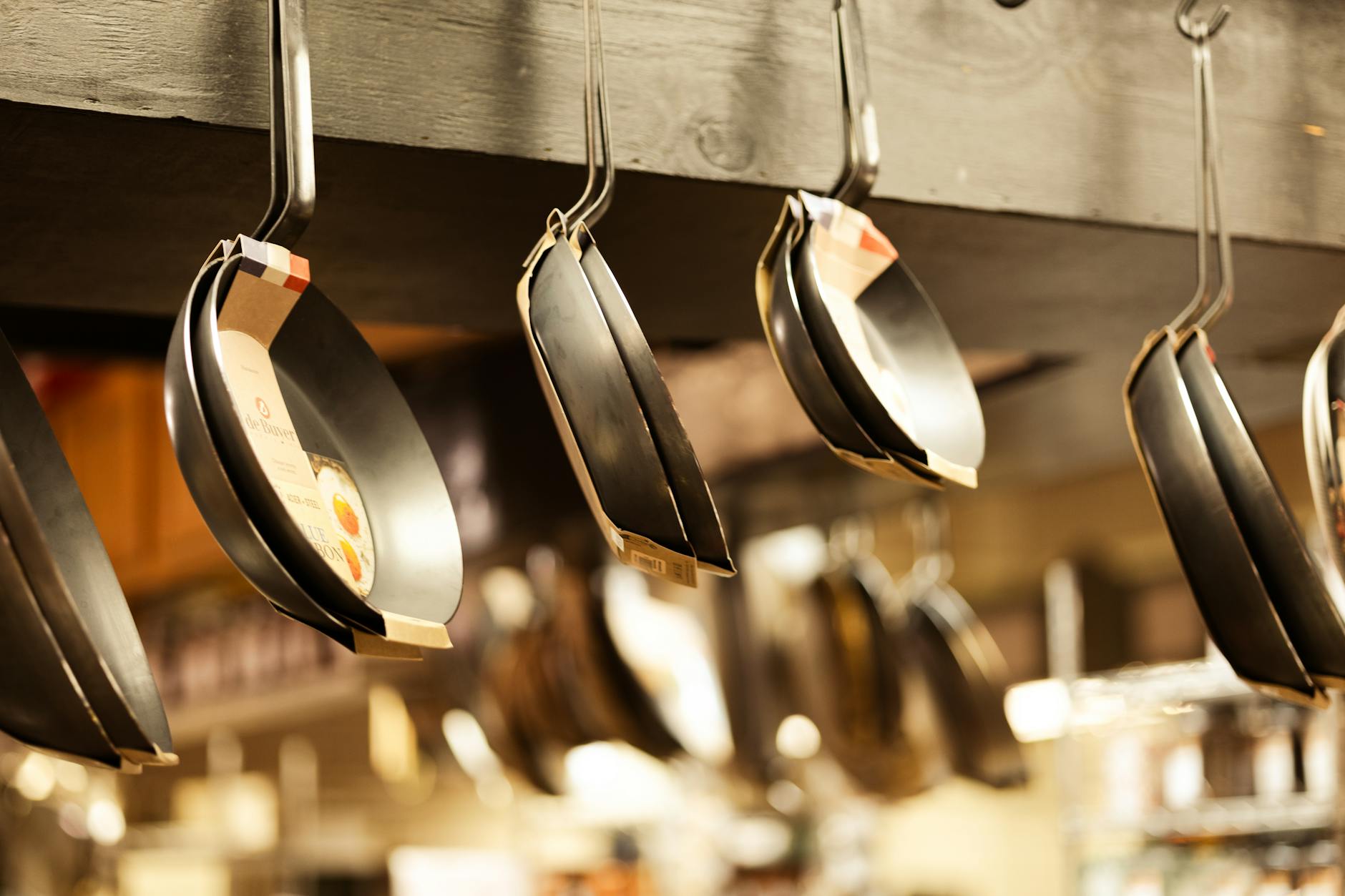
Best Non-Toxic Cookware: What We Actually Use in Our Florida Kitchen
This post contains affiliate links. I may earn a small commission at no extra cost to you.
If you’ve ever stood over a hot pan watching the coating flake off into your scrambled eggs and thought surely this isn’t fine — you’re not alone. That was me a few years back, stirring breakfast with a scratched-up nonstick skillet while my kids watched from the kitchen table. Something about it just didn’t sit right.
We were already working through detoxing our home room by room when it hit me that the kitchen — where I literally cook the food that goes into my children’s bodies — was still full of questionable stuff. PFAS coatings, aluminum with no barrier, old nonstick pans that had seen better days. So I started researching, and then slowly, practically, we started replacing things.
This isn’t a post about buying a whole new kitchen at once. That’s not real life. This is what we actually switched to, in what order, and why it’s working for our family.
Why Non-Toxic Cookware Actually Matters
Conventional nonstick cookware — especially older Teflon — is coated with PFAS chemicals (per- and polyfluoroalkyl substances), sometimes called “forever chemicals.” When pans are overheated or scratched, those chemicals can off-gas or leach into food. Studies have linked PFAS exposure to hormonal disruption, thyroid issues, and developmental problems in kids.
For our family — where we’re already intentional about what cleaning products we use, what sunscreen goes on our kids, what pest control is safe around our chickens — it made sense to look just as hard at what we cook in.
And here’s the thing: non-toxic cookware doesn’t have to be complicated or expensive. Most of what we use is genuinely affordable and lasts for decades.
What We Actually Cook With
Cast Iron — Our Most-Used Pan, Hands Down
If I could only keep one piece of cookware, it would be cast iron. I use our Lodge cast iron skillet almost every single day — eggs from our backyard flock in the morning, cornbread at dinner, sautéed veggies, you name it. It heats evenly, it’s naturally nonstick when properly seasoned, and it will literally outlive me.
The benefits go beyond just being non-toxic. Cast iron actually adds a small amount of dietary iron to food, which is a genuine plus. And there’s something really satisfying about using a pan that’s been around for generations — very on brand for the way we try to do things around here.
What I tell people who are new to cast iron: Just use it. The learning curve is small. Don’t soak it, dry it promptly, rub it with a little oil after washing, and it’ll take care of you.
We have a 10-inch skillet for everyday use, a 12-inch for bigger meals, and a small cast iron griddle the kids love for pancakes on school mornings.
Stainless Steel — For Everything Else
Stainless steel is my workhorse for soups, pasta, sauces, and anything that needs a bigger vessel. It’s completely inert, meaning nothing leaches into your food, and it’s incredibly durable. Look for 18/10 stainless if you can — that’s the grade with the most nickel content, which makes it more corrosion-resistant and less reactive.
I know stainless gets a reputation for food sticking, but honestly, once you learn to let the pan fully preheat before adding oil, it’s really not a problem. There are tons of YouTube videos that walk you through the technique. It clicked for me pretty quickly.
Enamel-Coated Cast Iron — For Slow Cooking and Braising
We have one enameled Dutch oven that I reach for constantly — especially in the fall and winter when we’re making big pots of bean soup or chicken and rice. The enamel coating means no seasoning required, and it’s completely non-reactive, so you can cook acidic foods like tomatoes without any issue.
These pieces are an investment, but they last forever. I bought mine secondhand and it’s been going strong for five years.
What We Got Rid Of (And Why)
Conventional Nonstick (Teflon-Style)
This was the first thing to go. Once I started digging into PFAS research, I couldn’t un-read it. Even “PFOA-free” nonstick pans often still contain other fluoropolymer compounds that aren’t well-studied yet. We just decided it wasn’t worth it.
Old Aluminum Pans
We had a couple of thin aluminum pots that I used for boiling things. Uncoated aluminum can leach into food, especially with acidic ingredients. They went in the donate pile.
Scratched Anything
Honestly, if it’s scratched, the coating — whatever it is — is compromised. We got rid of anything that was visibly worn down.
A Note on “Ceramic” Nonstick
I get asked about ceramic nonstick pans a lot. They are a step up from traditional Teflon — they don’t contain PFAS coatings — but I’ve personally found them to lose their nonstick quality pretty quickly. After six months to a year, most ceramic nonstick pans are sticking just as badly as the scratched Teflon they replaced.
If you’re in a season of life where cast iron feels like too much to manage (I’ve been there — newborn stage, I see you), a ceramic nonstick pan is a reasonable bridge. Just know it’s not forever cookware the way cast iron and stainless are.
How We’re Teaching the Kids Through All of This
One thing I love about our Charlotte Mason approach is that everything in daily life can become a learning moment — and the kitchen is no exception. My older kids know why we don’t use certain pans, in an age-appropriate way. They understand that some things that look fine on the outside aren’t actually safe, and that it’s worth slowing down to ask questions.
It ties right into the kind of thinking we want them to develop — curious, observant, willing to look a little deeper. The same instinct that drives them to look more closely at a bug with their pocket microscope on a nature walk is the same one that eventually helps them make good choices about what goes into their bodies.
My kids also love cooking with me, and cast iron especially is something they can feel the weight and substance of. It’s real, it’s tangible, and it connects to the idea that good things are built to last.
Practical Tips for Making the Switch
- Don’t try to replace everything at once. Start with whatever you use most. For most families, that’s a skillet.
- Buy secondhand when you can. Cast iron and stainless steel are both incredible finds at thrift stores and estate sales. Cast iron especially cleans up beautifully.
- Learn the techniques. Non-toxic cookware does require slightly different cooking habits than nonstick. A little YouTube time is worth it.
- Use the right tools. Wooden spoons and silicone spatulas are gentler on every surface and don’t scratch.
We also switched over our food storage while we were at it — swapping plastic wrap for beeswax wrap and making sure our kids are using stainless steel water bottles instead of plastic ones. The kitchen transition becomes a whole thing once you start, but in a good way.
The Bottom Line
You don’t need a fancy kitchen overhaul to cook non-toxically. A well-seasoned cast iron skillet, a solid stainless steel pot, and an enamel Dutch oven will take you through almost everything. These are tools your kids will inherit someday, which is about as far from disposable culture as you can get — and that feels really right for the way we’re trying to live.
We cook our backyard eggs in cast iron. We make bone broth in stainless. We simmer big pots of soup in enamel. Simple, real, and genuinely safe. That’s the goal.
If you’re just starting to look at this stuff, don’t get overwhelmed. Pick one pan to replace. Start there. You’ve got this.
📖 You Might Also Like:
- How to Detox Your Home Room by Room: A Real Family’s Checklist
- Best Non-Toxic Cleaning Products for Families in 2026 (What We Actually Use)
- Non-Toxic Pest Control for Florida Homes: What’s Actually Safe for Kids, Chickens, and Pets
Frequently Asked Questions
What is the safest non-toxic cookware for everyday family cooking?
Cast iron, stainless steel, and enamel-coated cast iron are widely considered the safest options for everyday cooking. They don’t contain PFAS coatings, they’re durable, and they don’t leach harmful chemicals into food under normal cooking conditions.
Is ceramic nonstick cookware actually non-toxic?
Ceramic nonstick pans are generally free from PFAS coatings, which makes them safer than traditional Teflon-style nonstick. However, the ceramic coating tends to degrade relatively quickly with regular use, and many people find they need to be replaced within a year or two. They can be a good transitional option but aren’t as durable or long-lasting as cast iron or stainless steel.
Does cast iron really leach iron into food — and is that safe?
Yes, cast iron does transfer small amounts of dietary iron into food, and for most people this is actually a benefit rather than a concern. It’s particularly helpful for anyone who runs low on iron. The amount transferred is generally considered safe and even nutritionally useful for families eating a balanced diet.
How do I season and care for a cast iron skillet?
After washing cast iron with mild soap and warm water, dry it thoroughly — either with a towel immediately or briefly over low heat on the stove. While still warm, rub a very thin layer of oil (flaxseed, vegetable, or shortening all work) over the entire surface with a paper towel. Store it in a dry place. The more you cook with it — especially with fats — the better the seasoning becomes over time.
What cookware should I avoid if I’m trying to reduce toxins in my kitchen?
The main things to avoid are scratched or degraded nonstick pans coated with PFAS (including older Teflon and some newer ‘PFOA-free’ formulas), uncoated aluminum pots especially for acidic foods, and heavily worn or chipped enamel. When in doubt, if a coating is visibly compromised, it’s time to replace the pan.
Leave a Reply