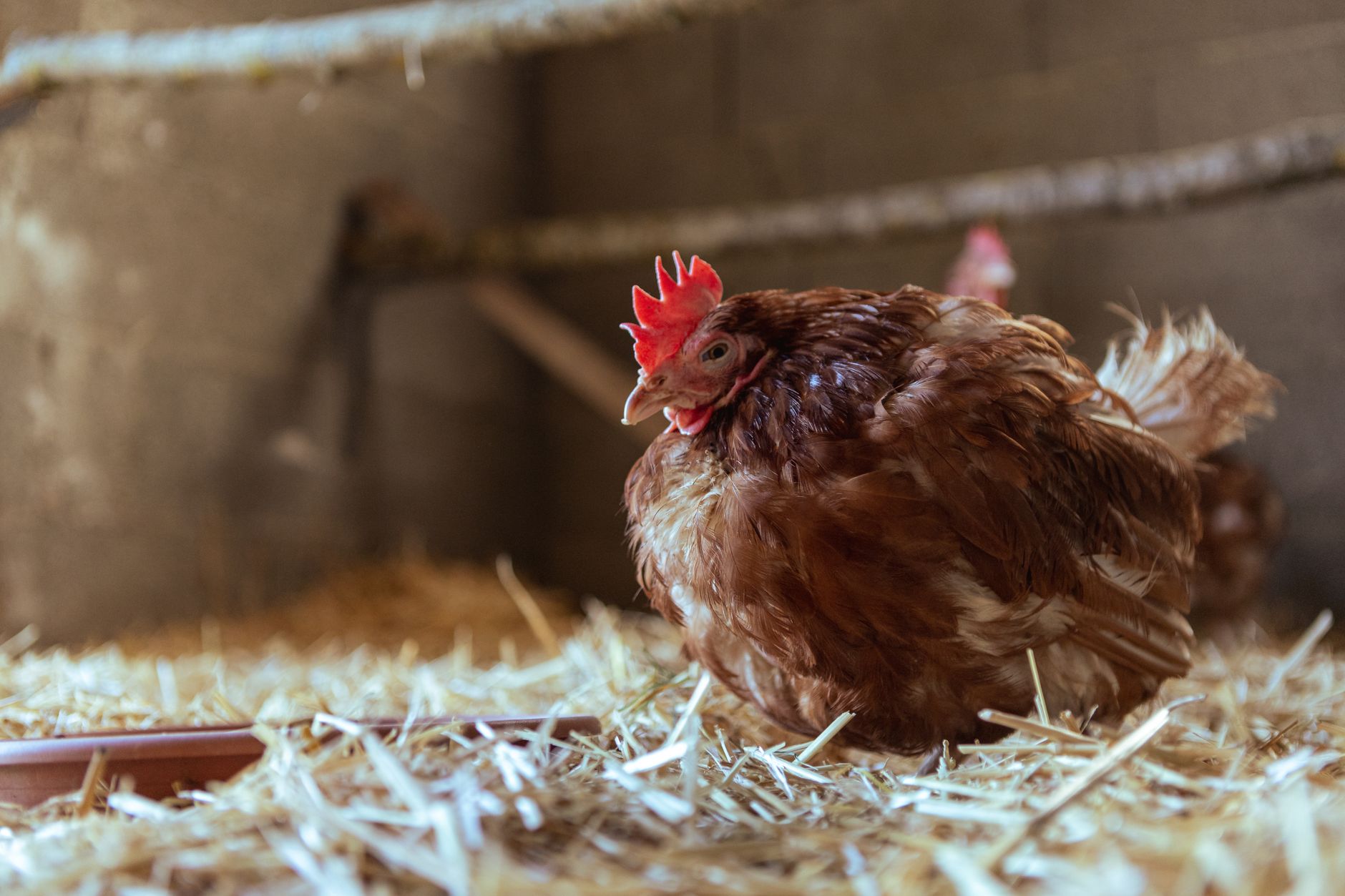
Best Egg Laying Chickens for Florida Heat (What Actually Works in Our Backyard Flock)
This post contains affiliate links. I may earn a small commission at no extra cost to you.
If you’ve ever stood in your backyard in July — sweat dripping, heat index hovering around 105°F — watching your chickens pant in the shade and wondering why your egg basket is suddenly empty, you already know the problem. Florida heat is no joke, y’all. And a lot of the “popular” chicken breeds you see on every homestead blog? They were not designed with the Florida panhandle in mind.
We’ve kept backyard chickens here in the Pensacola area for several years now, and I’ll be honest — our first flock was a bit of a trial-and-error situation. We started with what looked pretty, not what was practical. Live and learn. These days our girls are laying consistently through most of the summer, and a big part of that comes down to choosing the right breeds from the start.
So let me save you some of that trial and error.
Why Breed Choice Matters So Much in Florida
Chickens are warm-blooded animals that regulate body temperature by panting and holding their wings out from their bodies. When the ambient temperature stays above 90°F for weeks at a stretch (which is basically June through September here), breeds that weren’t developed in hot climates start to really struggle. Heat stress causes hens to slow or stop laying, makes them more susceptible to illness, and in extreme cases can be fatal.
The breeds that thrive in Florida tend to share a few common traits:
- Smaller or medium body size — less body mass means less heat generated
- Lighter feathering or loose feather structure — not dense, fluffy breeds
- Larger combs — the comb acts as a radiator; bigger combs dissipate heat better
- Mediterranean or tropical heritage — these breeds were literally developed in hot climates
Keep those traits in mind and you’ll start to see a pattern in the breeds below.
The Best Egg Laying Chickens for Florida Heat
1. Leghorn
The Leghorn is basically the gold standard for hot-climate egg laying. These birds were developed in the Mediterranean and they are made for heat. They’re lean, they have large single combs, and they are egg-laying machines — we’re talking 280–320 white eggs per year from a good hen. They’re a little flighty and not the cuddliest bird, but if consistent production through the summer is your goal, Leghorns deliver.
2. Easter Egger
Our family’s personal favorite, and honestly a great kid bird. Easter Eggers are mixed-heritage chickens (often carrying Ameraucana or Araucana genes) that lay blue, green, or pink-tinted eggs. The kids go absolutely wild collecting them every morning — it turns into a real nature study moment. Easter Eggers tend to be heat tolerant, relatively calm, and curious little birds. They’re not quite as prolific as Leghorns but they’re consistent, and those colorful eggs never get old.
If your kids are interested in learning more about your flock, we love Storey’s Guide to Raising Chickens as a family reference — and the Kid’s Guide to Keeping Chickens is perfect for elementary-age kids to read alongside you.
3. Black Australorp
Australorps are one of those breeds that surprises people. They’re a heavier bird, which you wouldn’t expect to thrive in heat — but they’re remarkably adaptable and known for exceptional egg production (they actually hold the world record for eggs laid in a year). In Florida, they do best with good shade, plenty of fresh water, and airflow in the coop. We’ve had great luck with ours. They’re also incredibly gentle, which matters a lot when little hands are involved.
4. Rhode Island Red
Another workhorse breed that handles Florida reasonably well. Rhode Island Reds are tough, adaptable, and lay large brown eggs consistently. They’re not as heat-specialized as Leghorns but they’re resilient birds that don’t fuss too much. Good for beginners and great for families who want a friendly, predictable flock.
5. Buff Orpington — With Caveats
I know. Every chicken list includes Buff Orpingtons, and I get why — they’re beautiful, gentle, and wonderful with children. But I’d be doing you a disservice if I didn’t give you the honest Florida caveat: those fluffy feathers are gorgeous and absolutely terrible in August heat. If you want Orpingtons (and honestly, they’re hard to resist), plan to give them extra shade, a dedicated misting area, and close attention during heat waves. They can do fine here with the right setup — just go in with eyes open.
6. Dominique
This is an underrated breed that I wish more Florida families knew about. Dominiques are America’s oldest chicken breed, historically raised across the South, and they are genuinely heat-hardy. They have a rose comb (which is less prone to frostbite, though that’s less relevant here), they’re self-sufficient foragers, and they lay a solid number of brown eggs. They tend to be calm and friendly too. If you’re looking for something a little different and historically interesting — great for Charlotte Mason-style nature study — the Dominique is a fantastic choice.
What We Do to Keep Our Flock Laying Through Summer
Breed choice is step one, but management matters just as much. Here’s what we actually do to keep our girls happy and producing through the hottest months:
Fresh, cool water constantly. We use a nipple chicken waterer that keeps the water cleaner and cooler than open dishes. In peak summer we’ll add ice to the water in the afternoon.
Deep shade. Our coop is positioned under a big oak tree, and we have a shadecloth run extension. If your coop is sitting in full Florida sun all day, that’s your first problem to solve. If you’re building or moving a coop, check out my post on How to Build a Simple Chicken Tractor for Your Backyard Flock — a tractor gives you flexibility to move your birds to shadier spots seasonally.
Automatic coop door. An automatic coop door lets the girls get outside in the cooler early morning hours without us having to be out there at 6am — which, in summer, is honestly the most comfortable time to be outside anyway.
Diatomaceous earth in the coop. We use food-grade diatomaceous earth in our nesting boxes and coop floor to keep mites and lice under control naturally. Stressed birds in heat are more susceptible to parasites, so staying ahead of it matters.
Ventilation, ventilation, ventilation. More important than almost anything else in a Florida summer coop. Airflow over shade any day.
Chickens as a Nature Study — Yes, Really
One of my favorite things about keeping a backyard flock is how naturally it folds into our homeschool days. My kids track which hens lay which eggs, we talk about chicken biology, and caring for the flock is genuinely part of how they’re learning responsibility and observation skills — the kind of slow, attentive noticing that Charlotte Mason was all about.
We’ve even done nature journal entries on the chickens — sketching them, noting behavior changes in summer heat versus cooler months, documenting which breeds seem most comfortable in different temperatures. It sounds simple, but that kind of careful observation is real science. If you want ideas for getting your kids journaling about animals and nature, peek at Charlotte Mason Nature Journal Ideas for Kids (That Actually Get Used) — we use a simple nature journal and Faber-Castell watercolors for illustrations.
This is the 1990s-childhood thing I always come back to. Kids learning by doing. Real animals, real responsibility, real life. No worksheet required.
A Quick Note on Flock Size and Getting Started
For most backyard families in Northwest Florida, a small flock of 4–6 hens is plenty to keep a family supplied with eggs. A mix of breeds works beautifully — we run Easter Eggers and Black Australorps together right now and they get along wonderfully. Starting with pullets (young hens) from a reputable local feed store or hatchery in late winter or early spring means they’ll be fully laying before summer hits.
For deeper reading on setting up a healthy flock from scratch, I really do recommend Storey’s Guide to Raising Chickens — it’s the one chicken book I’d want if I could only keep one.
If you’ve been on the fence about starting a backyard flock, I hope this helps you feel a little more confident about which birds will actually do well here in Florida. It doesn’t have to be complicated. Pick heat-tolerant breeds, give them shade and water, and let the kids collect eggs every morning. That right there — that small, simple, rooted thing — it really does change the texture of daily life in the best way.
We’d love to hear what breeds are working for your Florida flock! Drop a comment below and let me know. 🐓
📖 You Might Also Like:
- How to Start a Homestead Garden in Florida for Beginners (What Actually Works Down Here)
- Delight-Directed Learning in Homeschool: How It Actually Works (And Why It’s Not Just Unschooling)
- Best Homeschool Co-op Ideas and How to Start One (From a Mama Who Did It)
Frequently Asked Questions
What is the best egg laying chicken breed for Florida heat?
Leghorns are considered the top choice for hot climates because of their Mediterranean heritage, lean build, and large combs that help dissipate heat. Easter Eggers and Black Australorps are also excellent options for Florida backyard flocks, offering good production and heat tolerance with the right management.
Do chickens stop laying eggs in Florida summer heat?
Yes, heat stress can significantly slow or stop egg production in hens. When temperatures stay above 90°F for extended periods, chickens focus their energy on staying cool rather than laying. Choosing heat-tolerant breeds and providing deep shade, consistent fresh water, and good coop ventilation can help keep production more consistent through summer.
Are Buff Orpingtons a good choice for Florida?
Buff Orpingtons can be kept in Florida, but they’re not the most heat-tolerant breed due to their dense, fluffy feathering. If you want Orpingtons, plan to give them extra shade, a misting area, and close monitoring during heat waves. They’re wonderful, gentle birds — just not ideally suited to Florida summers without thoughtful management.
How do I keep backyard chickens cool in Florida summers?
The most important things are deep shade throughout the day, constant access to fresh cool water (nipple waterers help keep water cleaner and cooler), strong airflow and ventilation in the coop, and choosing heat-tolerant breeds to begin with. Some families also add ice to water in the afternoons during peak heat weeks.
How many chickens do I need to keep a family in eggs in Florida?
Most families find that 4–6 hens is plenty to keep a household supplied with fresh eggs, even accounting for summer slowdowns. A small mixed flock of heat-tolerant breeds started in late winter or early spring will typically be in full production by summer. Some hens will slow down in extreme heat, so a slightly larger flock gives you a buffer.
Leave a Reply