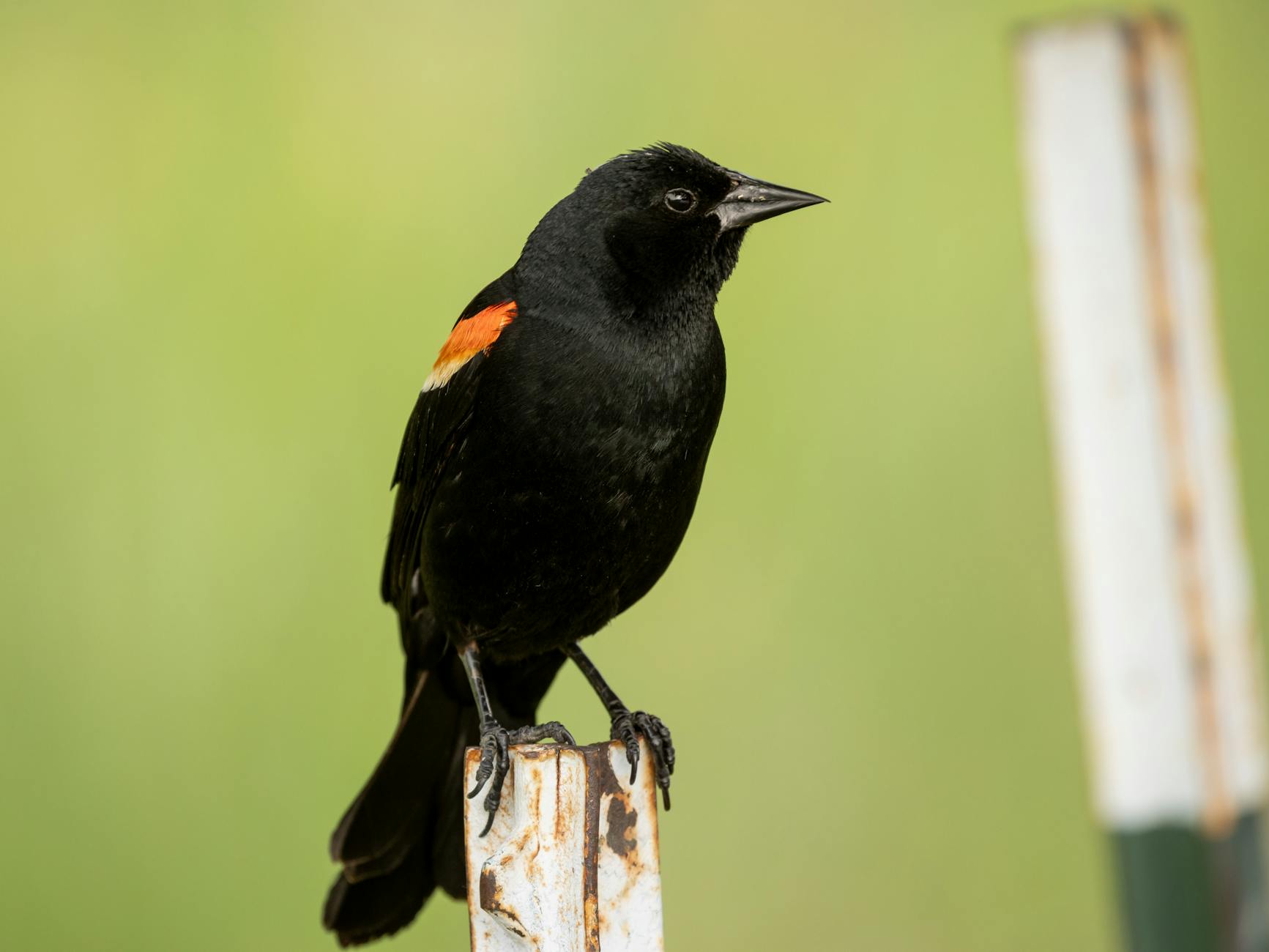
Florida Backyard Wildlife Identification Guide for Families (What We’ve Actually Found in Our Yard)
This post contains affiliate links. I may earn a small commission at no extra cost to you.
I didn’t grow up calling myself a naturalist. I grew up a kid in the 90s who spent a lot of time outside turning over rocks, chasing lizards, and shrieking at things in the grass. Turns out, that’s basically the same thing.
Now I have kids of my own, and we homeschool, and one of my absolute favorite parts of our days is just… going outside and paying attention. Florida — especially up here in the Pensacola area — is genuinely one of the most biodiverse places you can raise a family. Our backyard is small. Our wildlife list is not.
Whether you’re new to nature study, just getting your Charlotte Mason legs under you, or you’ve got a kid who’s been obsessed with bugs since birth (hi, same), this guide is for you. Let’s talk about what’s actually out there in your Florida backyard and how to start identifying it together.
Why Backyard Wildlife ID Is Such Great Nature Study
Charlotte Mason was big on the idea that children should have a living, breathing relationship with the natural world — not just textbook facts, but real observation. Backyard wildlife identification is that in its purest form. You’re not driving anywhere. You’re not buying a curriculum. You’re just stepping outside and asking, what is that?
It builds observation skills, vocabulary, patience, and genuine wonder. And honestly? It’s as good for us mamas as it is for the kids.
We keep a nature journal on the kitchen counter so that when someone spots something interesting, we can sketch it and write down what we noticed — wing color, behavior, where it was, what time of day. Over months, patterns start to emerge. That’s real science happening at your kitchen table.
If you want more ways to bring this kind of learning outside, check out our Easy Outdoor Science Experiments for Kids in the Backyard (No Lab Required) — lots of overlap with this kind of nature observation work.
Common Florida Backyard Birds (And How to Tell Them Apart)
Birds are the easiest entry point for wildlife ID with kids because they’re visible, they move during the day, and there are great tools to help.
Here’s what we see regularly in our Northwest Florida yard:
Year-Round Residents
- Northern Mockingbird — Florida’s state bird, and it earns it. This bird will sing at 2am and has opinions about your cat.
- Carolina Wren — tiny, loud, brown, and absolutely convinced it owns your porch.
- Blue Jay — bold, beautiful, and a bit of a bully at the feeder.
- Red-bellied Woodpecker — despite the name, the red is on the head. Classic Florida confusion.
- Eastern Towhee — loves scratching around in leaf litter; black, white, and rufous coloring.
Winter Visitors
- Yellow-rumped Warbler — one of the most common winter warblers up here, they flock to wax myrtle berries.
- American Goldfinch — in winter plumage they’re olive-yellow, not the bright gold you might expect.
- Ruby-crowned Kinglet — tiny and hyperactive, flicking wings constantly.
We use the Sibley Birds guide and it has been genuinely worth every penny. The illustrations are beautiful and it’s organized in a way that actually makes sense when you’re trying to figure out what just flew past your head.
Reptiles and Amphibians: Florida’s Most Underappreciated Backyard Residents
Okay, real talk — Florida reptiles get a bad reputation and I think it’s wildly unfair.
Lizards
- Green Anole — native, changes color based on temperature and mood (not background, despite the myth). Males do little push-ups with a pink dewlap. Kids are obsessed.
- Brown Anole — non-native but everywhere. Competes with the green anole, unfortunately.
- Six-lined Racerunner — fast as lightning, usually in sunny open areas.
Skinks
- Broadhead Skink — big, shiny, and the males have striking orange heads. Lives in oak trees.
- Five-lined Skink — juveniles have vivid blue tails. My kids have chased these for years.
Frogs and Toads
- Green Tree Frog — Florida’s other state animal (the frog, officially). Shows up on windows at night hunting bugs near lights.
- Squirrel Tree Frog — similar but smaller, with variable patterns.
- Southern Toad — common in yards, eats fire ants, absolutely a friend.
- Eastern Narrowmouth Toad — tiny, secretive, and often under boards or rocks.
The Ones That Deserve Respect (Not Fear)
- Eastern Fence Lizard — not super common in our area but worth knowing.
- Black Racer Snake — nonvenomous, fast, eats rodents. We leave ours alone.
- Gopher Tortoise — a keystone species. If you have one, you’re lucky. Do not disturb.
Insects and Bugs: The Overlooked Stars of Your Yard
This is where my bug-kid really shines. Florida has an extraordinary insect population, and honestly, once you start paying attention, you can’t stop.
We love using a pocket microscope for close-up looks at wing scales, compound eyes, and leg structures — the kids are absolutely riveted. Pair it with a bug collection kit for catching, observing, and releasing without harm.
What we find regularly:
- Lubber Grasshoppers — enormous, colorful, and slow. Very easy to catch and observe.
- Gulf Fritillary Butterfly — brilliant orange, passionate about passionvine. (If you want to attract more, we have a whole post on How to Start a Butterfly Garden in Florida With Kids.)
- Wheel Bug — assassin bug, looks prehistoric, fascinating.
- Fireflies — we do still have them in Northwest Florida, particularly in early summer near wooded edges. Magic.
- Orb Weaver Spiders — the big gorgeous ones in the fall. Totally harmless, incredible architects.
- Cicadas — loud doesn’t begin to cover it, but finding a shed exoskeleton is a genuine treasure for kids.
Backyard Mammals: More Than Just Squirrels
- Eastern Gray Squirrel — classic, chaotic, always plotting against your bird feeder.
- Eastern Cottontail — we see these at dusk, especially near garden beds. (A good reason to fence your vegetable garden.)
- Armadillo — the yard aerator nobody asked for. Fascinating ancient-looking creatures.
- Opossum — underrated. They eat ticks. A lot of ticks. Be kind to opossums.
- Raccoon — smart, dexterous, and absolutely a threat to our chicken coop. We use an automatic coop door partly because of these guys.
Simple Tools for Getting Started With Wildlife ID
You don’t need a lot. Here’s what we actually use:
- A good field guide — Sibley Birds for birds, iNaturalist app for everything else (free and incredible)
- A nature journal — this one holds up well outside and has blank pages for sketching
- Faber-Castell watercolors — for nature journaling, because sketching is one thing but adding color is what makes it stick
- A pocket microscope — for small finds like insects, feathers, or shed skins
- Kids’ rain boots — because Florida and mud go together always
Making It a Regular Practice
The secret to good nature study isn’t a fancy curriculum. It’s just going outside consistently and being curious together. We do a slow morning loop around the yard most days — check the chicken run, look at what’s blooming, see who’s visiting the bird bath. It takes ten minutes and it has produced some of our best school conversations.
Grab your journals. Go slow. Let the kids lead. Florida will do the rest — I promise, it always shows up.
📖 You Might Also Like:
- Easy Outdoor Science Experiments for Kids in the Backyard (No Lab Required)
- How to Start a Butterfly Garden in Florida With Kids (And Why It’s the Best Nature Study You’ll Ever Do)
- Screen-Free Summer Activities for Florida Kids (When They Say They’re Bored)
Frequently Asked Questions
What wildlife is commonly found in Florida backyards?
Florida backyards are home to a surprising variety of wildlife including birds like Northern Mockingbirds, Blue Jays, and seasonal warblers; reptiles like Green Anoles, skinks, and Black Racer snakes; amphibians like Green Tree Frogs and Southern Toads; insects like Gulf Fritillary butterflies, cicadas, and Lubber Grasshoppers; and mammals like armadillos, opossums, and Eastern Cottontails. The diversity is genuinely one of the best things about raising kids in Florida.
What is the best app for identifying Florida backyard wildlife?
iNaturalist is hands-down the best free app for identifying Florida wildlife. You take a photo, it suggests an ID based on visual AI and community verification, and your observations get added to a global database. Kids love submitting their own observations. For birds specifically, Merlin Bird ID by Cornell Lab is excellent and even identifies birds by sound.
Are there dangerous animals I should watch for in a Florida backyard?
Florida does have venomous snakes — including the Eastern Diamondback Rattlesnake, Cottonmouth (Water Moccasin), and Coral Snake — but encounters in a typical suburban backyard are uncommon. The most important rule is to teach kids never to pick up a snake they can’t identify. Most snakes seen in Florida yards are nonvenomous and beneficial. Fire ants are a more everyday concern, especially for young children, so check play areas regularly.
How do I start nature journaling with my kids?
Start simple — a blank notebook, a pencil, and time outside is all you need. Encourage kids to sketch what they observe (not what they think it should look like) and write down details: color, size, behavior, location, time of day. Adding watercolor is a natural next step that makes journaling feel like art. The habit matters more than the quality of the drawings, especially at first.
What are the best field guides for Florida wildlife identification with kids?
For birds, the Sibley Birds guide is excellent for all ages. For a broader Florida focus, the Peterson Field Guide to Reptiles and Amphibians of Eastern and Central North America is very thorough. The iNaturalist app is a fantastic digital companion for everything. For younger children, DK Eyewitness nature books offer beautiful visuals that are very kid-friendly as a starting point.
Leave a Reply