Category: Charlotte Mason

  • Outdoor Play Ideas for Kids That Need Zero Equipment (And Why That’s Actually the Point)

    Outdoor Play Ideas for Kids That Need Zero Equipment (And Why That’s Actually the Point)

    Outdoor Play Ideas for Kids That Need Zero Equipment (And Why That’s Actually the Point)

    🌿 The Short Version: You don’t need a single piece of plastic to give your kids a rich, memorable outdoor childhood. This post is packed with no-equipment outdoor play ideas that build creativity, resilience, and connection — the same way kids played in the 1990s, and honestly, the way they were always meant to.

    This post contains affiliate links. I may earn a small commission at no extra cost to you.

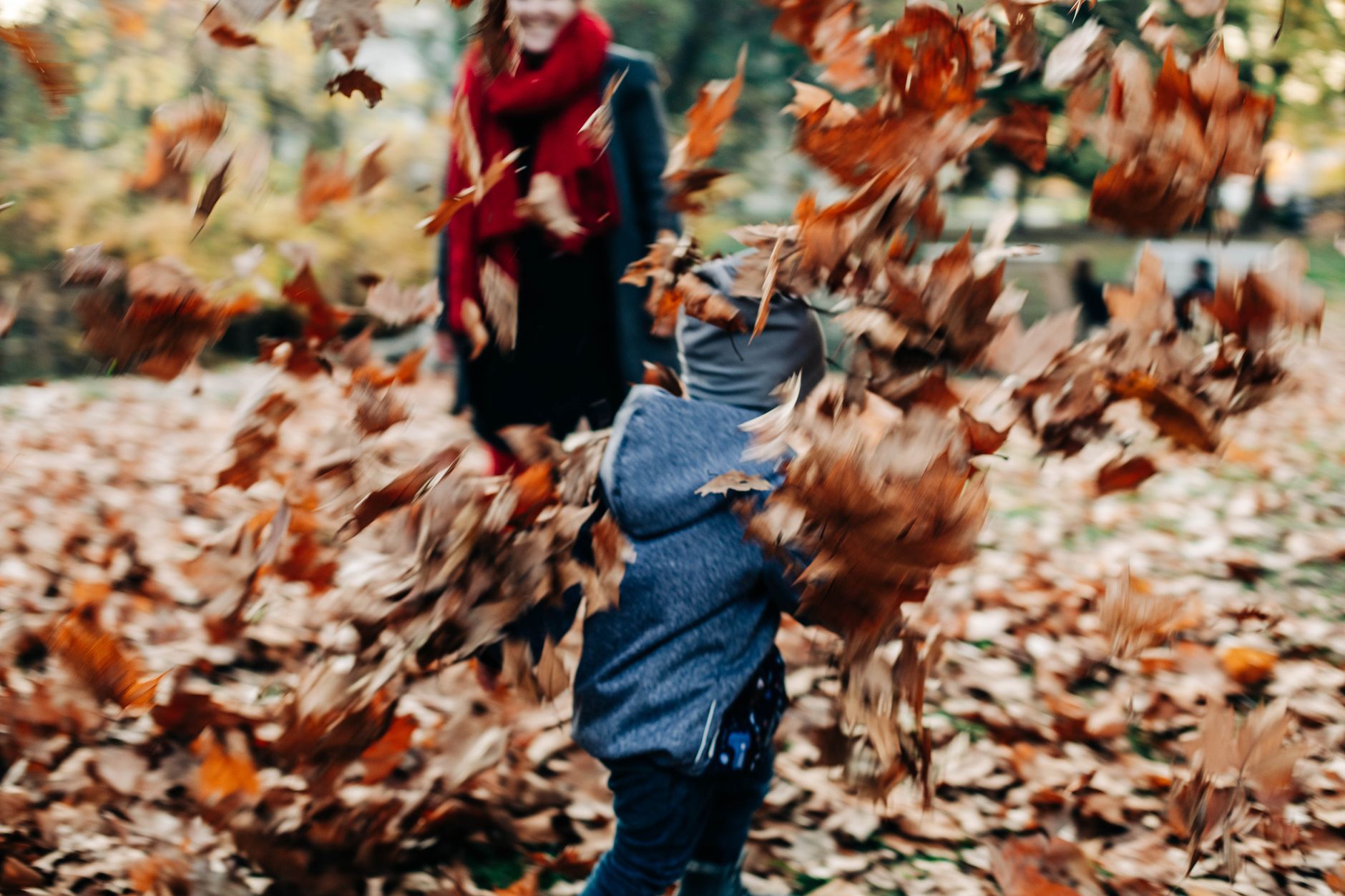
    Somewhere along the way, we got sold the idea that kids need stuff to play outside. A water table. A playset. A specific kit with a specific purpose. And listen — I’m not knocking any of that. We have some of it too. But some of our best summer afternoons here in Northwest Florida have looked like this: kids barefoot in the backyard, chasing lizards along the fence line, making up elaborate stories about kingdoms and caves, completely unbothered by the heat and completely unaware that I was watching from the porch with my coffee going cold.

    That’s the play I grew up with. And it’s the play I’m fighting for my kids to have.

    If you’ve got a yard, a sidewalk, a patch of woods, a stretch of beach, or even just a driveway — you have everything you need. Here’s how we make it work.


    Why No-Equipment Play Is Actually Better

    This isn’t just a budget thing (though hey, saving money is never bad). It’s a brain thing. When kids don’t have a predetermined toy telling them what to do, they have to invent it themselves. That’s the whole Charlotte Mason idea of letting children be the narrators of their own experience — giving them space and time to observe, wonder, and create without adult direction.

    Unstructured outdoor play builds problem-solving, negotiation skills, physical coordination, and emotional regulation in ways that structured activities simply can’t replicate. And here in Florida, where we have gorgeous outdoor weather about nine months of the year — and survivable weather the other three if you head out early enough — we really have no excuse not to use it.


    No-Equipment Outdoor Play Ideas by Category

    Imaginative and Pretend Play

    Build a fort from sticks and leaves. This is a perennial favorite at our house. The kids spend more time building it than playing in it, and that’s fine — building is the play. They argue, negotiate, problem-solve, and eventually come up with something they’re genuinely proud of.

    Create a mud kitchen. Find a shady corner of the yard, add water from the hose, and let them cook. Mud pies, acorn soup, leaf salad — the whole menu. Messy? Yes. Worth it? Absolutely.

    Pretend the yard is a wilderness survival camp. This one goes well with nature study. Who can find the most different types of leaves? Who can identify a bird by sound? We keep a nature journal and a copy of the Sibley bird guide on the back porch for exactly this reason — so when curiosity strikes, we can chase it.

    Set up an outdoor “school” or market. My daughter has run a full pretend farmers market in our backyard using sticks, rocks, leaves, and pinecones as currency. Zero dollars. Maximum engagement.


    Nature Study and Discovery

    Go on a bug hunt. Flip over logs, check under rocks, dig in the soil. Florida has bugs — that is not a secret — and kids who grow up handling roly-polies and learning the names of beetles are kids who aren’t afraid of the natural world. If you want to take it up a notch, a pocket microscope or a simple bug collection kit turns a casual hunt into a full-on science lesson.

    Track the chickens. If you have backyard hens, you basically have a built-in nature study curriculum. My kids have learned more about animal behavior, biology, and responsibility from our flock than from any textbook. They watch the pecking order shift, notice when someone’s molting, and ask questions I genuinely have to look up. If you’re newer to chickens and want your kids more involved, Storey’s Guide to Raising Chickens and the kid-specific guide are both great for making it a real learning experience. (See also: How to Involve Kids in Homestead Chores by Age — that post has completely changed how we approach morning chores around here.)

    Cloud watching and weather journaling. Lay on a blanket and just look up. Name the clouds. Sketch them. Notice if the wind has shifted. In Florida, afternoon storm watching is basically a sport — we get the most dramatic skies, and the kids have learned to read them pretty well.

    Start a nature collection. Feathers, shells, interesting rocks, seed pods. No equipment required. Just curiosity and maybe an egg carton or jar from the recycling bin to display it all.

    📌 Love this? Save it to Pinterest so you can find it later!


    Classic 1990s Outdoor Games

    This is my love language, honestly. These are the games I played until the streetlights came on, and they translate perfectly to our backyard right now.

    Freeze tag, TV tag, shadow tag. No equipment. Needs at least two kids. Produces a lot of laughter and a lot of grass-stained knees.

    Red Light Green Light and Simon Says. Great for littles and big kids together — we play these across a big age range and everyone has fun.

    SPUD. If you have a soft ball, great. If not, a rolled-up sock works fine. Classic game, teaches so many things.

    Capture the Flag. Perfect for the late afternoon when the Florida heat finally backs off a little. Use old bandanas or dish towels as flags. Kids will play this for hours.

    Chalk obstacle courses. Even if it’s just your driveway, a piece of sidewalk chalk can create an entire world. Hopscotch, balance beams, mazes — let the kids design it themselves.

    Follow the leader on the nature trail. Whether you have a wooded lot or a neighborhood park nearby, this game gets surprisingly complex when kids are leading each other over logs and under branches.


    Sensory and Creative Play Outside

    Water play with just a hose and containers. Repurpose old pots, cups, and bottles. Give them a hose and a mission — fill the big pot without touching the small one, create a water canal, see how high they can build a mud dam. Engineering in action.

    Outdoor art with found materials. Arrange leaves, sticks, and rocks into mandalas or patterns on the ground. Take a photo of it. Let it go. This is a beautiful mindfulness practice for kids who don’t even know that’s what it is. Add some watercolor paints and a nature journal for a Charlotte Mason nature study moment that feels completely natural and not at all like school.

    Barefoot sensory walks. Grass, dirt, sand, mud, pinecones — take a walk and name every texture. This sounds simple, but for little ones it’s genuinely rich.

    For more ideas on how we weave this kind of play into our family’s rhythms throughout the year, check out our post on Seasonal Living Ideas for Families — it’s one of my favorites I’ve written.


    A Few Practical Notes for Florida Families

    If you’re in the Panhandle like us, you know that outdoor time in July and August means early morning or after 5pm, period. We do our big outdoor play blocks right after morning chores — usually 8 to 10am — and then again in the evening before dinner. Slathering on some non-toxic sunscreen is just part of the morning routine at this point.

    Also: kids’ rain boots are genuinely the best investment for outdoor play in Florida. After-storm puddles and muddy garden beds are some of our kids’ favorite play spaces, and the right boots mean I’m not stressed about shoes.

    And if your kids are heading into the woods or brushy areas, we love Wondercide as our go-to non-toxic bug spray — safe for kids, safe for our dog, and it actually works on Florida mosquitoes, which feel like they were designed to be invincible.


    The Real Point

    I think a lot of us — myself included, in weaker moments — reach for stuff when what our kids actually need is time. Time outside, time to be bored, time to figure out what to do when there’s nothing to do. That boredom is the starting point for almost every creative, memorable outdoor adventure they’ll ever have.

    You don’t need to buy anything to give your kids a rich outdoor childhood. You just have to open the back door and let them go. That’s what our parents did for us, and honestly? We turned out okay.

    If you’re looking for more ways to build that kind of intentional, simple family life, I think you’ll love our post on Intentional Parenting: What It Actually Looks Like Day to Day — it’s the heart behind everything we do here.

    Now go kick your kids outside. 🌿


    📖 You Might Also Like:

    Frequently Asked Questions

    What are some outdoor play ideas for kids with no equipment?

    Some of the best no-equipment outdoor play ideas include building stick forts, playing classic games like freeze tag and capture the flag, going on bug hunts, making mud kitchens, cloud watching, and creating nature mandalas from leaves and rocks. Kids don’t need purchased toys to play richly — they need time, space, and permission to explore.

    How do I get my kids to play outside without screens or toys?

    Start by simply sending them out with no agenda. If they complain of boredom, resist the urge to fix it — boredom is actually the starting point for creative play. You can also give them a loose prompt like ‘find five different bugs’ or ‘build something using only what you find in the yard’ to spark imagination without over-directing them.

    What outdoor games did kids play in the 1990s?

    Classic 1990s outdoor games include freeze tag, shadow tag, TV tag, SPUD, Red Light Green Light, Simon Says, Capture the Flag, hopscotch, and kick the can. These games require little to no equipment and work across a range of ages, making them perfect for families with multiple kids.

    How can I make outdoor play part of our homeschool day?

    Outdoor play integrates naturally into a Charlotte Mason homeschool through nature journaling, bug hunts, bird watching, cloud study, and gardening. Even unstructured outdoor time counts as physical education, sensory development, and social learning. Try scheduling a dedicated outdoor block each morning before the Florida heat peaks.

    What can kids do outside in Florida during the summer heat?

    In Florida summers, the best outdoor play happens early morning (before 10am) or in the evening after 5pm when temperatures drop a little. Great hot-weather options include water play with a hose and containers, shady stick fort building, early morning nature walks, and evening games like capture the flag or freeze tag. Always apply non-toxic sunscreen and keep water bottles handy.
  • Best Picture Books for Nature-Loving Kids (That Actually Hold Their Attention)

    Best Picture Books for Nature-Loving Kids (That Actually Hold Their Attention)

    Best Picture Books for Nature-Loving Kids (That Actually Hold Their Attention)

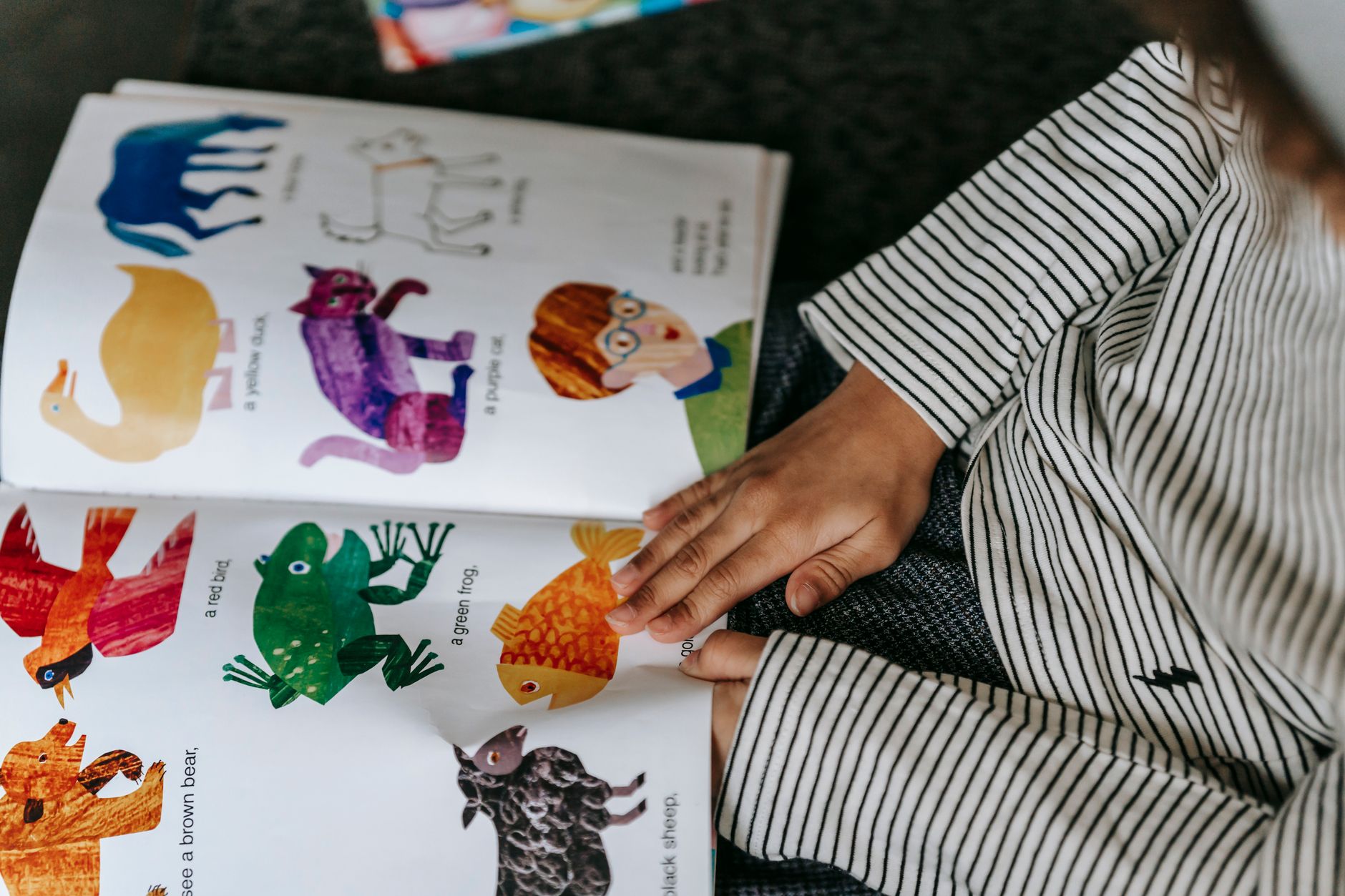
    🌿 The Short Version: If you’ve got a kid who’d rather be outside turning over rocks than sitting still for a story, these picture books might just be the bridge between the two. We’re sharing our family’s real favorites — the ones that spark curiosity, hold up to a hundred reads, and pair beautifully with a Charlotte Mason nature study.

    This post contains affiliate links. I may earn a small commission at no extra cost to you.

    Here’s the thing about raising nature kids — they don’t always want to sit down with a book. My crew would rather be out back checking on the chickens or chasing lizards through the yard than curled up on the couch. And honestly? Good. That’s exactly how I want it.

    But over the years, I’ve found a collection of picture books that my kids actually ask for. Books that feel like an extension of what they’re already doing outside — not a replacement for it. Books that make them look up and say, “Wait, is that the bird we saw at the feeder last week?”

    That’s the sweet spot. And if you’re doing any kind of Charlotte Mason or nature-based homeschool, you already know how powerful the right book at the right moment can be.

    So here’s our honest, well-loved, read-a-hundred-times list.


    What Makes a Great Nature Picture Book?

    Before I dive in, here’s what I’m actually looking for — because not all “nature books” are created equal.

    • Real illustrations or accurate artwork. Watercolor is great. Cartoonish bugs with faces? Hard pass for nature study purposes.
    • Something that sparks a question. The best books make my kids run outside right after.
    • Language that respects kids. No dumbing it down. Kids absorb more than we give them credit for.
    • Reread value. If we’ve read it fifty times and it still gets pulled off the shelf, it earns a permanent spot.

    Okay. Let’s get into it.


    Our Favorite Picture Books for Nature-Loving Kids

    For the Bird Obsessed

    Mama Built a Little Nest by Jennifer Ward — This one is just beautiful. Simple text, gorgeous illustrations, and it covers different types of bird nests in a way that actually teaches something. After we read this one, my daughter spent a week checking every shrub in the backyard for nests. Mission accomplished.

    If your kids are getting really into birds, we keep a Sibley’s field guide on the nature table alongside books like this so they can flip between the story and the real thing. That combo is chef’s kiss for Charlotte Mason nature study.

    About Birds: A Guide for Children by Cathryn Sill — Part of the wonderful “About…” series. These books are calm, factual, and illustrated with realistic paintings. Perfect for morning basket or quiet time.


    For the Bug Hunters

    Bugs Are Insects by Anne Rockwell — A Let’s-Read-and-Find-Out Science book that’s simple enough for kindergarteners but doesn’t talk down to them. Great for kicking off an insect unit.

    Tiny Creatures: The World of Microbes by Nicola Davies — Okay, technically microbes aren’t bugs, but the kids who love bugs tend to love this one too. It opens up this whole invisible world in a way that genuinely blows their minds.

    After reading anything bug-related, we head outside with our bug collection kit and a pocket microscope and just… explore. That’s the 1990s childhood right there, y’all. No app required.


    For the Garden Crew

    Planting a Rainbow by Lois Ehlert — A classic for good reason. Bold, bright, simple. Even my youngest has “read” this one by herself by memorizing it. Great for introducing flower and plant vocabulary.

    The Tiny Seed by Eric Carle — Another classic that never gets old. We love reading this one in early spring right before we start seeds indoors. Speaking of which, if you want to turn this into a full unit, grab a seed starting kit and let the kids plant something the same week. The connection between book and real life is everything.


    For the Seasons and the Slow Life

    Goodbye Summer, Hello Autumn by Kenard Pak — This whole series (there’s one for each season transition) is just quietly wonderful. The illustrations feel like a walk outside. My kids always want to go find the things they see on the pages.

    We read these at the actual season changes as part of our seasonal living rhythm. It’s become a little tradition I didn’t even plan — they just started asking for it.

    When We Were Alone by David A. Robertson isn’t nature-focused, but it touches land and connection in a way that pairs well with nature study for older elementary kids. Worth knowing about.


    For the Animal Lovers (Chickens Included)

    Chickens Aren’t the Only Ones by Robert Heller — A read-aloud about egg-laying animals that my chicken-obsessed kids absolutely love. It’s old (1981) but worth hunting down. Pairs perfectly with our backyard flock conversations.

    If your kids are starting to really get into chickens and want to understand them better, the Kid’s Guide to Raising Chickens is a great next step after the picture book phase. My older kids have devoured it.

    Stellaluna by Janell Cannon — Bats, belonging, being different. Beautifully illustrated and surprisingly deep. Always leads to great conversations.


    📌 Love this? Save it to Pinterest so you can find it later!


    For the Watercolor and Art-Nature Kids

    The Illustrated Compendium of Amazing Animal Facts by Maja Safstrom — Half art book, half nature facts. Perfect for the kid who loves to draw animals. Works beautifully alongside a nature journal and some Faber-Castell watercolors for nature journaling after reading.

    Watercolor nature journaling is one of our favorite Charlotte Mason habits — and honestly it doesn’t take much to get started. Read a book, go outside, sketch what you saw, paint it later. That’s the whole plan.


    How We Use These Books in Our Homeschool

    We’re in Pensacola, and y’all — Northwest Florida is an incredible place to raise nature kids. We’ve got the Gulf, longleaf pine forests, sandhills, pitcher plants in the bogs, gopher tortoises wandering through the yard. There is no shortage of living things to study.

    These picture books live on our nature table and rotate into our morning basket based on what we’re seeing outside or what season we’re in. We don’t use them as formal curriculum, exactly — more like conversation starters.

    After reading, we usually:

    • Go outside and look for whatever the book was about
    • Sketch something in our nature journal
    • Look it up in a field guide if we want to know more
    • Sometimes add it to a nature tray or collection

    It sounds simple because it is. That’s kind of the whole point.

    If you’re looking for ways to get the kids more involved in the doing side of nature life — not just the reading — I’ve written about how to involve kids in homestead chores by age in a way that actually works without power struggles.

    And if you want to extend the learning beyond picture books into real living history and nature narratives for your older elementary kids, check out our list of best living history books for elementary homeschool — lots of overlap with nature lovers there.


    A Note on Building a Nature Book Collection Slowly

    You don’t need fifty books. You need a dozen that get read over and over. We built our collection slowly — library sales, thrift stores, birthday gifts, and a few intentional purchases. Rainbow Resource is a great place to find Charlotte Mason-friendly books at reasonable prices, and Timberdoodle often carries wonderful nature-based titles too.

    Buy slowly. Read repeatedly. Let the books get worn out.


    I hope this list gives you a few new titles to add to your pile — or maybe just validation that the worn-out books already on your shelf are doing exactly what they’re supposed to do. The goal was never perfect, pristine books. It was muddy fingers and curious minds and kids who see the world outside as something worth paying attention to.

    We’re still working on that every single day over here. One read-aloud at a time.


    📖 You Might Also Like:

    Frequently Asked Questions

    What are the best picture books for a Charlotte Mason nature study?

    Some of our favorites for Charlotte Mason nature study include Mama Built a Little Nest, About Birds by Cathryn Sill, Planting a Rainbow by Lois Ehlert, and the Goodbye Summer Hello Autumn seasonal series. These books use accurate illustrations and real language, which pairs perfectly with nature journaling and outdoor observation — the heart of a Charlotte Mason approach.

    What age are nature picture books best for?

    Most nature picture books work beautifully for ages 3–8, but many hold up well into early elementary (grades 1–3) especially when used alongside field guides, nature journals, and hands-on activities. Books like The Illustrated Compendium of Amazing Animal Facts can even engage kids up to age 10 or 11 if they’re artistic or science-minded.

    How do I use picture books in a nature-based homeschool?

    The simplest approach: read the book, then go outside and look for what you just read about. Follow that with a nature journal sketch or watercolor painting. You can also pair books with a relevant field guide to deepen the learning. The key is letting the book open the door to real-world observation rather than treating it as the destination.

    Are there good picture books about chickens for kids?

    Yes! Chickens Aren’t the Only Ones by Robert Heller is a beloved classic that covers egg-laying animals in a fun, accurate way. For kids who are ready to go deeper, the Kid’s Guide to Raising Chickens bridges the gap between picture books and real hands-on learning with your backyard flock.

    Where can I find affordable nature books for homeschool?

    Library sales, thrift stores, and used book marketplaces are great starting points. For new books with good homeschool-friendly selection and pricing, Rainbow Resource and Timberdoodle are two of our favorites. Building your collection slowly and focusing on books that get reread constantly is always better than buying a huge stack at once.

  • Seasonal Living Ideas for Families: Simple Ways to Celebrate Every Season All Year Long

    Seasonal Living Ideas for Families: Simple Ways to Celebrate Every Season All Year Long

    Seasonal Living Ideas for Families: Simple Ways to Celebrate Every Season All Year Long

    🌿 The Short Version: Seasonal living doesn’t have to be complicated or curated — it’s really just about slowing down and letting the rhythm of the year shape your family’s days. This post walks through simple, doable seasonal living ideas for families in every season, with a special nod to life here in Northwest Florida where the seasons look a little different than the rest of the country.

    This post contains affiliate links. I may earn a small commission at no extra cost to you.

    Can I tell you something that took me way too long to figure out?

    I used to plan our homeschool year like one long march forward — unit studies, curriculum checklists, read-alouds scheduled by the quarter. And it was fine. But something felt a little flat. Like we were moving through the year instead of actually living in it.

    Then one October morning, my kids found a massive spider web covered in dew out by the chicken coop. We spent forty-five minutes out there. Nobody planned it. Nobody scheduled it. And it was one of the best nature study moments we’ve ever had.

    That’s when it clicked for me. The seasons are the curriculum. The year itself is the rhythm. We just have to slow down enough to notice it.

    So if you’re looking for seasonal living ideas for families that don’t require a Pinterest-perfect home or a $200 seasonal basket — you’re in the right place. This is what it actually looks like at our house.


    What Seasonal Living Actually Means (It’s Simpler Than You Think)

    Seasonal living isn’t an aesthetic. It’s not a fall tablescape or matching linen aprons. It’s just the practice of letting the time of year shape what you do, what you eat, what you notice, and what you celebrate.

    For our family, that means our days look different in July than they do in January. Our morning baskets shift. Our outside time shifts. Even what we’re cooking shifts. And our kids feel that — even without being told about it.

    If you want to dig into how this connects to your daily flow, I wrote more about it in Family Rhythm vs Routine: What Actually Works (and Why the Difference Matters More Than You Think). But the short version is: rhythm is gentler than routine, and seasons give you rhythm for free.


    Fall: Slower Mornings and Noticing the Shift

    Here in Pensacola, fall doesn’t look like Vermont. I’ll just say that upfront. We’re not getting a blaze of orange and red in September. But around October and into November, something does shift — the light gets softer, the humidity backs off, and the mornings are finally breathable again.

    We feel it. The kids feel it. Even the chickens seem a little more cheerful.

    What we actually do in fall:

    • Pull the nature journals back out and do a dedicated observation walk. The nature journal I’ve linked here is the one we’ve used for two years — simple, durable, perfect for elementary ages.
    • Watch for migratory birds. Northwest Florida is right in the flyway, and it is spectacular if you know to look. We keep the Sibley Birds guide on the kitchen windowsill this time of year.
    • Start composting in earnest — fall yard waste is gold. If you haven’t started a compost system yet, I’ve got a whole beginner’s guide: How to Build a Simple Compost Bin for Beginners (No Skills Required).
    • Let the kids spend more time outside in the afternoons. After months of noon heat that sends us all indoors, fall afternoons feel like a gift. We lean into it hard.

    Winter: Cozy, Quiet, and Honestly Underrated

    Winter in Northwest Florida is mild but real. We get genuine cold snaps — sometimes into the twenties overnight — and we absolutely make a big deal of it. When you live somewhere that’s hot eight months of the year, a cold gray week feels like an event.

    What winter looks like for us:

    • More slow mornings with hot cocoa and read-alouds. This is when we get through the thicker history books and longer chapter books as a family.
    • Watercolor painting at the table. Faber-Castell watercolors are our go-to — non-toxic, true colors, and they last forever with elementary kids.
    • Seed planning for the spring garden. We pour over seed catalogs and talk about what we want to grow. A seed starting kit makes it hands-on even when it’s too cold to do much outside.
    • Keeping an eye on the chickens during cold snaps. Florida cold is still cold for a flock used to heat. We check on ours more often in January and February, and it’s a great teaching moment for the kids about animal stewardship. If you’re newer to keeping chickens, Storey’s Guide to Raising Chickens has a solid section on cold weather care.

    📌 Love this? Save it to Pinterest so you can find it later!


    Spring: The Season That Does the Most Work For You

    If you want to try seasonal living and you don’t know where to start — start in spring. It basically sells itself.

    Everything is waking up, everything is blooming, and kids are naturally drawn outside. In Florida, spring comes early. By February we’re seeing azaleas. By March the kids are outside barefoot most of the day.

    Spring seasonal living ideas for families:

    • Nature journaling with a focus on what’s new. What flowers just appeared? What birds are nesting? Pull out a pocket microscope and let the kids look at flower structures, soil, pond water — anything. Genuine science, zero worksheet required.
    • Bug season is prime here in Northwest Florida. Get a bug collection kit and let your kids loose. This is the closest thing to a 1990s childhood I can manufacture on purpose — just kids outside, catching things, being curious.
    • Start the garden for real. Get the kids their own garden gloves and give them their own plot, even if it’s just a pot. Ownership changes everything.
    • Check in with your Charlotte Mason nature study rhythm. I’ve written a whole post of seasonal journal prompts that might be helpful: Charlotte Mason Nature Study Journal Prompts by Season (For Real Kids Who’d Rather Be Outside).

    Summer: Lean Into the Wildness

    Okay, Florida summer is intense. I’m not going to sugarcoat it. By June, we are back inside by 11am most days. The heat is not a joke.

    But here’s what I’ve learned: summer is not a season to fight. It’s a season to surrender to.

    What that looks like for us:

    • Early mornings outside — like, really early. Before 9am, outside. After 10am, inside or in the shade. We do morning chores with the chickens, water the garden, take a short walk. Then we come in.
    • Slower school days with more afternoon quiet time. This is when audiobooks, nature journals, and independent reading really shine.
    • Evening outdoor time is sacred. After dinner, when the heat breaks a little, we go back outside. Lawn games, backyard exploring, catching lightning bugs — it’s the closest thing to a classic summer evening we can get.
    • Letting the kids be bored. I mean this sincerely. Boredom is a feature, not a bug. Some of the most creative afternoons in our house have started with “I’m bored.” We don’t fix it for them.

    A Few Things That Make Seasonal Living Stick

    You don’t need a seasonal subscription box or a color-coordinated nature table (though I will not stop you if that’s your thing). What actually makes seasonal living stick is repetition over years.

    When your kids remember that every October you look for migratory birds, that every February you start seeds together, that every summer you have slow mornings and wild evenings — that’s when it becomes part of who your family is.

    And honestly? That’s the whole goal. Not a perfect Instagram moment. Just a family that knows what season they’re in and lives like it matters.

    If you’re thinking about how to weave this more intentionally into your home life, my post on Intentional Parenting: What It Actually Looks Like Day to Day is a good companion read.


    We are not a family who does everything beautifully. Our nature journals have scribbles in them. Our garden has weeds. The chickens occasionally escape and our labradoodle loses her mind about it. But we are a family who pays attention to the year, who lets the seasons set the pace, and who believes that a childhood shaped by the natural world is worth fighting for — even in the Florida heat.

    I hope something in here gives you a starting point, or permission to slow down, or just the reminder that you don’t have to do it perfectly for it to matter. You really don’t.


    📖 You Might Also Like:

    Frequently Asked Questions

    What is seasonal living for families?

    Seasonal living for families is the practice of letting the rhythm of the natural year shape your daily life — what you eat, how you spend your time, what you study, and what you celebrate. It doesn’t have to be elaborate. Even small things like planting a spring garden, watching for migrating birds in fall, or doing more slow indoor activities in winter help your family feel connected to the world around them.

    How do you practice seasonal living in Florida when the seasons aren’t very distinct?

    Florida seasons are real — they’re just subtle. In Northwest Florida, fall brings migratory birds and cooler mornings, winter has genuine cold snaps, spring arrives early with wildflowers and bug season, and summer means intense heat that shapes your whole daily schedule. The key is learning to notice the smaller shifts: the light changing, the wildlife moving, the garden responding. Once you start looking, you’ll find the seasons everywhere.

    What are some simple seasonal activities for elementary-age kids?

    Simple seasonal activities for elementary kids include keeping a nature journal with seasonal observations, starting seeds indoors in late winter, bug collecting in spring and summer, bird watching during fall migration, watercolor painting of seasonal scenes, and tending a backyard garden. The goal is less about structured activities and more about building habits of noticing and engaging with the natural world across the year.

    How does seasonal living connect to Charlotte Mason homeschooling?

    Charlotte Mason’s philosophy is deeply rooted in nature study and living books — both of which connect naturally to seasonal living. She believed children should spend significant time outdoors observing the natural world, keeping nature journals, and developing a real relationship with their environment. Letting the seasons guide your homeschool schedule, nature study focus, and even your read-alouds is a very Charlotte Mason approach to education.

    Do I need to spend a lot of money to practice seasonal living with my family?

    Not at all. The core of seasonal living is attention and presence, not purchases. A nature journal, a field guide, and time outside are really all you need to start. Beyond that, seasonal cooking with what’s in season locally, planting a small garden, and simply adjusting your daily schedule to match the weather and daylight are all free. The investment is mostly time and intention, not stuff.

  • How to Involve Kids in Homestead Chores by Age (Without the Whining or the Burnout)

    How to Involve Kids in Homestead Chores by Age (Without the Whining or the Burnout)

    How to Involve Kids in Homestead Chores by Age (Without the Whining or the Burnout)

    🌿 The Short Version: Kids of every age can genuinely contribute to homestead life — and when the tasks are matched to their ability, they actually want to help. This post breaks down age-appropriate homestead chores from toddler through upper elementary so you can stop doing everything yourself and start raising capable, grounded kids.

    This post contains affiliate links. I may earn a small commission at no extra cost to you.

    Can I be honest with you for a second? There was a season where I was doing basically everything outside by myself — filling waterers, collecting eggs, checking the garden, hauling compost — while my kids played nearby. I thought I was protecting their free time. But what I was actually doing was accidentally teaching them that the homestead was my thing, not our thing.

    The shift happened gradually. My oldest started following me to the coop one morning just because she was curious, and I handed her the egg basket without thinking. She was so proud. That was it. That was the whole turning point.

    Kids genuinely want to contribute. They want to be needed. We just have to match the task to the kid — and have a little grace for the learning curve (and the occasional dropped egg).

    Here’s how we do it in our family, and what’s actually worked by age.


    Why This Matters More Than Just Getting the Work Done

    I grew up in the 90s where kids were just… outside. We helped with real things. We weren’t managed or scheduled into contribution — we were just there, and naturally got pulled in. That’s what I want for my kids.

    Beyond the practical help, involving kids in homestead chores builds something that’s genuinely hard to teach any other way: competence. A kid who knows how to care for a living thing, grow food, and manage a real task carries that confidence everywhere. It spills into their schoolwork, their relationships, their sense of self.

    It also fits beautifully into a Charlotte Mason approach, where learning happens through living — not worksheets. When my daughter is recording the chickens’ laying patterns in her nature journal, that is school. When my son is measuring feed, that’s math. It all counts.

    If you’re curious how this weaves into the bigger picture of our days, I wrote more about that in Intentional Parenting: What It Actually Looks Like Day to Day.


    Ages 2–4: Little Helpers Who Actually Help (Kinda)

    Toddlers want to do what you’re doing. Full stop. Use that window.

    At this age, the goal isn’t efficiency. It’s participation. Let them carry one egg (carefully). Let them pour a scoop of feed. Let them pull one weed. The task takes longer, yes. But you’re planting seeds — the kind that grow into a 10-year-old who just does the chores without being asked.

    Good tasks for this age:

    • Carrying a small basket to the coop
    • Dropping feed into the feeder with supervision
    • Watering a single container plant with a small can
    • Pulling a loose weed in the garden bed
    • Tossing kitchen scraps into the kitchen compost bin
    • Collecting eggs with you right beside them

    Keep it short, keep it fun, and resist the urge to redo everything they did. The mess is the lesson.


    Ages 5–7: Real Responsibility Starts Here

    This is the sweet spot. Kids this age are hungry for real work. They want jobs that matter. In Kindergarten and first grade especially, you can start handing off actual ownership of small tasks.

    In our home, this is the age when kids get their first solo coop chore — usually refilling the waterer or collecting eggs independently. We use a nipple-style chicken waterer that’s easy for little hands to manage, which helps a lot.

    Good tasks for this age:

    • Collecting eggs daily (their job, not yours)
    • Refilling feed or water with minimal help
    • Weeding a designated garden row
    • Watering the garden beds with a hose or watering can
    • Planting seedlings from a seed starting kit
    • Simple composting duties
    • Sweeping the porch or coop area

    This is also the age when nature observation starts getting really rich. A pocket microscope and a bug collection kit can turn a simple chore break into a full nature study session. We’ve had some of our best science moments just wandering around after chicken chores.

    📌 Love this? Save it to Pinterest so you can find it later!


    Ages 8–10: Growing Into Genuine Contribution

    By third through fifth grade, kids can take on tasks with real independence. This is where the homestead starts to feel like a team effort instead of a mama-does-it-all situation.

    My older kids at this age started reading Storey’s Guide to Raising Chickens with me — not as a school assignment, just because they were curious and wanted to understand why we do what we do. That’s the Charlotte Mason spirit right there. We also loved having them read Chick Days: An Absolute Beginner’s Guide to Raising Chickens when they were a little younger — it’s written right at their level and makes them feel like real experts.

    Good tasks for this age:

    • Full coop morning routine with little to no prompting
    • Monitoring flock health and reporting anything unusual
    • Deep-cleaning the coop with food-grade diatomaceous earth (we always talk about why we use it — no mystery chemicals here)
    • Garden planting, weeding, and basic pest management
    • Starting to learn about egg preservation — we’ve got a great post on How to Preserve Eggs Long Term Without Refrigeration that older kids can actually read and follow
    • Mixing simple cleaning solutions
    • Keeping a nature or farm journal with drawings and observations

    For the journaling piece, Faber-Castell watercolors have been our go-to for nature illustrations. They’re good quality without being precious, which matters when you’ve got muddy hands half the time.

    If your kids are getting serious about bird observation — which happens naturally when you have backyard chickens and start noticing what comes to visit — the Sibley Birds field guide is worth having on the shelf. We keep ours near the back door.


    A Note on Making It Work in Florida

    Here in Northwest Florida, we have to think about chores a little differently by season. Summer mornings are non-negotiable — if we’re not out by 8am, the heat index makes everything miserable by 9. So our homestead chores front-load early, and afternoons are for indoor schoolwork or shaded free play.

    We also use an automatic coop door which has been a total game-changer for those mornings when we’re running slow — but the kids still do the rest of the coop routine themselves. It’s a good middle ground.

    For outdoor chore time, I always make sure they’ve got non-toxic sunscreen on and real kids’ rain boots — Florida mud and fire ant mounds are real, y’all. Don’t skip the boots.


    Tips for Making Chores Actually Stick

    A few things that have made the difference for us:

    Give them real ownership, not just tasks. There’s a difference between “go help with the chickens” and “the chickens are your responsibility before breakfast.” Kids rise to ownership.

    Don’t redo their work in front of them. If the waterer isn’t perfectly full, let it be. If you silently fix it every time, they learn their effort doesn’t count.

    Let natural consequences teach. Forgot to collect eggs and one got stepped on? That’s the lesson. You don’t need to add a lecture.

    Build it into your rhythm, not a rigid schedule. We’re not a rigid-routine family — more of a rhythm family. If you want to think more about that distinction, I wrote about it in Family Rhythm vs Routine: What Actually Works.

    Make it normal, not optional. We don’t ask if they want to do chores any more than we ask if they want to eat dinner. It’s just part of our day. That framing alone removes about 80% of the resistance.


    This Is the Stuff They’ll Remember

    I really believe this. Someday my kids will be grown, and they will remember the mornings in the coop. The summer they figured out the garden. The first time they successfully identified a bird because they’d been paying attention. Not because I assigned it — because it was just our life.

    That’s the whole dream, right? Kids who are capable and grounded and know how to care for something. You don’t have to have a big homestead to make this happen. A few chickens, a garden bed, and a mama who hands them the basket instead of just doing it herself — that’s enough.

    You’ve got this. And honestly? They’ve got this too. Give them the chance to prove it.


    📖 You Might Also Like:

    Frequently Asked Questions

    What chores can a 4-year-old do on a homestead?

    Four-year-olds can do more than you’d think — with supervision. Great starter tasks include tossing kitchen scraps into the compost bin, carrying a small egg basket to the coop, pouring a scoop of feed into the feeder, or watering a single potted plant. The goal at this age isn’t efficiency, it’s participation and building the habit of contributing.

    How do I get my kids to actually do their chores without constant reminders?

    The biggest shift is framing chores as ownership rather than tasks. Instead of ‘go help with the chickens,’ try ‘the chickens are your responsibility before breakfast.’ When kids own the outcome — not just the action — they internalize the responsibility differently. Building chores into your daily rhythm (rather than asking each time) also removes a lot of the negotiation.

    At what age can kids take care of chickens independently?

    Most kids are ready for a solo, basic coop routine — collecting eggs, refilling water and feed — around ages 6 to 7, depending on the child. By ages 8 to 10, many kids can handle the full morning routine, monitor flock health, and even help with coop cleaning with minimal supervision. Start with one task at a time and build from there.

    How do I make homestead chores part of our homeschool day?

    Homestead chores integrate naturally into a Charlotte Mason or nature-based homeschool approach. Egg collecting can become math (counting, patterns). Garden work covers life science. Nature journaling after chores is language arts and art combined. The key is to let the living do the teaching — you don’t need to formally ‘assign’ it as school for it to count as learning.

    What are good homestead chores for elementary-age kids specifically?

    For elementary kids (roughly K–5th grade), great homestead chores include collecting and logging eggs, refilling chicken waterers, weeding garden beds, planting seedlings, composting kitchen scraps, observing and journaling about the flock or garden, and helping with basic coop cleaning. Older elementary kids (8–10) can handle most of the daily routine independently and even start learning about food preservation, pest management, and flock health.

  • Family Rhythm vs Routine: What Actually Works (and Why the Difference Matters More Than You Think)

    Family Rhythm vs Routine: What Actually Works (and Why the Difference Matters More Than You Think)

    Family Rhythm vs Routine: What Actually Works (and Why the Difference Matters More Than You Think)

    🌿 The Short Version: A routine tells you what time things happen. A rhythm tells you what happens next — and for most families, especially homeschool families, rhythm wins. Here’s how we found ours and how you can too.

    This post contains affiliate links. I may earn a small commission at no extra cost to you.

    If you’ve ever made a beautiful color-coded schedule for your homeschool day — you know, the one you laminated and everything — and then watched it fall apart by 9:15 a.m. because someone let the chickens out early and now there’s a dog covered in mud and a kid crying over math… you’re in good company.

    That was us. More than once.

    For the longest time I thought the answer was a better routine. A tighter one. More specific. More structure. But every time I tried to force our days into a rigid timetable, I ended up frustrated, the kids ended up resentful, and nobody was actually learning anything meaningful.

    Then I stumbled onto this idea — mostly through Charlotte Mason reading and a whole lot of trial and error — that what we actually needed wasn’t a routine at all. We needed a rhythm.

    And y’all, it changed everything.

    So What’s the Actual Difference?

    A routine is clock-based. Math at 9:00. Read-aloud at 10:30. Lunch at noon. It sounds organized, and honestly, for some families it works great. But when you’re homeschooling elementary kids in Florida where the weather shifts in twenty minutes, you have backyard animals that don’t care about your schedule, and your kids have wildly different attention spans depending on the day? Rigid routines tend to create more stress than they solve.

    A rhythm is sequence-based. Instead of math at 9:00, it’s we do morning chores, then we do lessons, then we go outside. Instead of a time on a clock telling you what comes next, it’s the natural flow of the day. You move through it together, and the kids start to internalize what comes next without being told — because they’ve lived it enough times that it feels natural.

    Charlotte Mason talked about this. The idea that children thrive when life has a gentle, predictable cadence — not because every minute is accounted for, but because the day has a shape they can feel.

    That’s the difference. Routines are imposed. Rhythms are lived.

    Why Rhythm Works Better for Homeschool Families

    Here’s what I notice when our days have a good rhythm going: my kids wake up and already know what we’re doing. They’re not asking “what are we doing today?” every five minutes. They’re not anxious. They just… move into the day.

    We start with morning chores — feeding the chickens, collecting eggs, letting the dog out, making beds. That physical movement first thing in the morning grounds everybody. Then we come in for breakfast and our morning basket time. Then lessons. Then outside time, which honestly in the Pensacola heat means either early morning or late afternoon depending on the season.

    Nobody’s watching a clock. But everybody knows what comes next.

    That sense of what comes next is actually what kids are craving when they seem clingy or whiny or dysregulated. They’re not always asking for more screen time or less school — sometimes they’re just asking for predictability. Rhythm gives them that without locking you into something that breaks down the moment life happens.

    Building a Rhythm That’s Actually Yours

    Here’s the thing — I can’t hand you our rhythm and tell you to copy it. Your family’s rhythm has to fit your actual life. But I can tell you how we built ours.

    Start with anchors, not a full schedule

    Instead of planning every hour, pick 3-4 anchor points that stay consistent every day:

    • Morning (wake up, chores, breakfast)
    • Learning time (whatever that looks like for your curriculum)
    • Outdoor/free time
    • Evening wind-down

    Everything else flows between those anchors. You’re not scheduling every minute — you’re just making sure the big beats of the day are reliable.

    Let the outdoors shape your rhythm

    If you’re in Northwest Florida, you already know — you do NOT go outside at 2:00 p.m. in July unless someone’s getting paid for it. We plan our nature study, garden time, and chicken chores for early morning or around 5 p.m. when things cool down. Let the Florida seasons actually shape when you go outside instead of fighting it.

    This is also where nature journaling becomes part of the rhythm rather than a scheduled subject. We bring our nature journals outside during those cooler windows and just… sit and observe. Some days that’s ten minutes. Some days it turns into an hour. A good rhythm holds space for that.

    Tie learning to natural transitions

    Read-aloud works great right after lunch when everyone’s a little sleepy and nobody wants to do math. Nature study works after outdoor time because they’re already keyed in. Handwriting and focused work — we use Handwriting Without Tears — happens in the morning when brains are fresh.

    You’re not forcing learning into arbitrary time slots. You’re finding where it fits naturally in your family’s energy flow.

    📌 Love this? Save it to Pinterest so you can find it later!

    What About Actual Curriculum and Accountability?

    If you’re on the Florida PEP scholarship like we are, you still have to get things done and document them. A rhythm doesn’t mean unschooling or winging it — it means the structure serves you instead of the other way around.

    We still use real curriculum. Math-U-See is a great example of something that fits naturally into a rhythm because it’s mastery-based — you work on a concept until it clicks, not until Tuesday at 10:00 says you’re done. Same with All About Reading — it’s sequential and self-pacing, which means it meets your kid where they are instead of where the clock says they should be.

    If you’re still sorting out your homeschool structure in Florida, I wrote about Florida Homeschool Umbrella School Options Explained — worth a read if you’re newer to navigating PEP.

    The 1990s Secret We Keep Forgetting

    Here’s something I think about a lot. Kids who grew up in the 80s and 90s? They didn’t have scheduled playdates and enrichment activities every afternoon. They went outside. They came home when the streetlights came on. They were bored — and they figured out what to do with it.

    That boredom, that unstructured time? It wasn’t wasted. It was doing something really important. It was teaching kids to regulate themselves, to be creative, to make their own fun.

    A good family rhythm builds that in. When kids know that free time comes after the work is done, and that free time is genuinely free — no screens, go find something to do — they start to fill it in ways that surprise you. My kids have built elaborate stick forts, started a worm farm, named every chicken individually, and turned the bug catcher kit into a whole scientific study involving a hand-drawn field guide.

    None of that was scheduled. All of it was made possible because the rhythm of our day created space for it.

    For more on building this kind of intentional daily life, I really loved writing Intentional Parenting: What It Actually Looks Like Day to Day — it goes hand in hand with everything we’re talking about here.

    When the Rhythm Breaks (And It Will)

    Chickens get sick. Storms roll in off the Gulf. Kids have bad days. Someone needs a slow morning. The rhythm will break — and that’s okay. The beauty of rhythm over routine is that it’s resilient. You don’t have to restart a whole color-coded schedule. You just find your way back to the next anchor point and keep going.

    We also do a loose seasonal rhythm adjustment. Summer in Florida looks different than fall. We lean into Charlotte Mason Nature Study Journal Prompts by Season to help us shift what we’re paying attention to outdoors as the year moves. It keeps things feeling fresh without blowing up the whole structure.

    You Don’t Need a Perfect System

    You need one that fits your people. That’s it.

    If you’ve been white-knuckling a routine that isn’t working, give yourself permission to let it go. Try anchors. Try sequence. Try asking your kids what part of the day feels the most like home to them — you might be surprised what they say.

    Our rhythm isn’t pretty. It involves muddy boots and missed lessons and some days where school happens in the car on the way to pick up chicken feed. But it’s ours. And most days, it works — not because it’s perfect, but because it’s predictable enough that everyone feels safe and free enough that everyone feels like themselves.

    That’s the goal, mama. Not a perfect schedule. A rhythm your family can actually live.


    📖 You Might Also Like:

    Frequently Asked Questions

    What is the difference between a family rhythm and a family routine?

    A routine is clock-based — specific activities are tied to specific times. A rhythm is sequence-based — you move through the day in a predictable order, but not on a strict timetable. Rhythms tend to be more flexible and sustainable, especially for homeschool families with young children.

    How do I create a daily rhythm for homeschooling?

    Start by identifying 3-4 anchor points in your day — morning chores, learning time, outdoor time, and evening wind-down. Let everything else flow naturally between those anchors. Over time, your kids will internalize the sequence and move through the day without needing constant reminders or a strict clock.

    Can a Charlotte Mason homeschool have a structured schedule?

    Absolutely — Charlotte Mason actually emphasized the importance of regular habits and a gentle structure to the day. The key is that structure serves the child rather than stressing them. A Charlotte Mason rhythm often includes morning basket time, nature study, living books, and plenty of unstructured outdoor play woven together naturally.

    What if our daily rhythm keeps falling apart?

    That’s normal, especially at first. The advantage of rhythm over strict routine is that it’s more resilient — when things go sideways, you just return to the next anchor point and keep going. You don’t have to restart a whole schedule. Give yourself grace and remember that building a rhythm takes several weeks of consistent repetition before it feels natural.

    Is a daily rhythm enough structure for Florida PEP scholarship requirements?

    Yes — a rhythm absolutely supports meeting Florida PEP homeschool requirements. You still use real curriculum and document learning; the rhythm just determines how and when your day flows rather than locking you into rigid time blocks. Many Florida PEP families use mastery-based curriculum like Math-U-See or All About Reading specifically because it fits naturally into a flexible rhythm-based day.

  • How to Raise Grateful Kids in a Consumer Culture (Without the Lectures)

    How to Raise Grateful Kids in a Consumer Culture (Without the Lectures)

    How to Raise Grateful Kids in a Consumer Culture (Without the Lectures)

    🌿 The Short Version: Raising grateful kids isn’t about giving less — it’s about building a life where they notice more. This post shares the real, everyday habits our family uses to grow genuine gratitude, even when the world is constantly telling our kids they need more stuff.

    This post contains affiliate links. I may earn a small commission at no extra cost to you.

    You know that moment when your kid opens a gift, barely looks at it, and immediately asks what else they’re getting?

    Yeah. That moment will humble you real fast.

    It happened to us a couple of years ago and honestly, it was a wake-up call. Not because my kids are bad kids — they’re wonderful, curious, hilarious little people — but because consumer culture is relentless, and it doesn’t take long before even the most intentional family starts drifting. Amazon boxes on the porch, ads sneaking in everywhere, birthday parties where the gift pile is taller than the birthday child. It adds up.

    We’re not a perfect family. We still buy things. We still celebrate big. But we’ve been really deliberate about building gratitude into the everyday fabric of our life, and I want to share what’s actually working for us — not the stuff that sounds good in theory but the stuff that holds up on a random Tuesday in Pensacola when everyone’s hot and tired and your rooster is screaming at 5 a.m.

    Why Gratitude Is Harder to Grow Now Than It Used to Be

    I think a lot about how I grew up in the ’90s. We didn’t have much. My mom didn’t either. When something broke, you fixed it. When you wanted something, you saved for it. You played outside because that’s just what you did — not because someone read an article about the benefits of outdoor play.

    Our kids are growing up in a world that is specifically engineered to make them feel like they’re missing something. That’s not an accident. The entire advertising machine runs on manufactured longing. And as much as we try to limit screens in our house, that message still creeps in.

    So instead of fighting it with lectures (trust me, that doesn’t work), we try to replace it — with real things, real work, and real experiences that actually satisfy.

    What Actually Works: Building a Grateful Life, Not Just Grateful Kids

    1. Give Them Real Responsibility That Matters

    Nobody taught me more about gratitude than the morning I realized we were out of eggs because I forgot to check on the hens. When kids are responsible for something living — something that depends on them — it shifts everything.

    Our kids help with the chickens every single day. They fill the chicken waterer, they collect eggs, they notice when a hen seems off. They understand that food doesn’t just appear. Breakfast feels different when your kid is the one who gathered the eggs.

    If you don’t have chickens yet and you’re curious, I wrote a whole breakdown on best chicken breeds for egg color variety and which ones actually thrive in Florida — it’s a great starting point.

    Real responsibility builds real gratitude. Kids who do nothing tend to want everything.

    2. Slow Down Enough to Notice

    This is the one that’s hardest for me personally because I’m a doer. But when we rush, my kids stop seeing. And gratitude is fundamentally about seeing — noticing what’s already good.

    Charlotte Mason called this “living education,” and I think it applies way beyond academics. We try to take at least one slow walk a week where the goal isn’t exercise — it’s just noticing. What birds are in the yard? What’s blooming? What did the clouds do today?

    My kids each keep a nature journal and we do seasonal nature sketches with Faber-Castell watercolors — nothing fancy, just observing and recording. Something about putting pencil to paper and really looking at a mockingbird or a live oak changes how they see the world. If you want prompts to get started, I have a whole post on Charlotte Mason nature study journal prompts by season that our family actually uses.

    3. Let Them Be Bored

    I know. Bear with me.

    Boredom is where creativity and contentment are born. When my kids are bored, they eventually — after complaining for approximately 45 minutes — build something, dig something, invent something, or find something beautiful in the backyard. They come back satisfied in a way that no toy ever produces.

    Our mini labradoodle, Biscuit, has become their default boredom companion. They’ll spend an hour making obstacle courses for that dog in the backyard. No screen, no purchase, no scheduled activity. Just a dog and some patio furniture and a couple of wild kids.

    That kind of play is a gift. Let them find it.

    📌 Love this? Save it to Pinterest so you can find it later!

    4. Work Alongside Them in the Garden

    Growing food is one of the most grounding things a child can do. There is something deeply right about a kid who understands that a tomato takes weeks of watering and waiting before you get to eat it.

    We garden year-round here in Northwest Florida — the growing season is long and forgiving if you know what you’re doing — and our kids are involved in all of it. They have their own garden gloves, they help with planting, weeding, watering, and harvesting. We use a seed starting kit to start seeds indoors when we need to get a jump on the season.

    When your child eats something they grew, they appreciate food differently. That’s not an exaggeration — I’ve watched picky eaters eat vegetables they grew with genuine pride.

    5. Practice Gratitude Out Loud, Not as a Checklist

    We tried the gratitude journal thing. My kids hated it. It felt like homework.

    What actually works for us is just talking. Around the dinner table, in the car, at bedtime — we ask each other what was good today. Not “what are you grateful for” in that formal way, just… what was good? Sometimes it’s the chickens doing something funny. Sometimes it’s a really good lunch. Sometimes it’s something surprisingly deep from one of my kids.

    You don’t need a program. You just need to keep the conversation going.

    6. Curate What Comes Into Your Home

    I’m not anti-stuff. We have stuff. But we try to be intentional about what we bring in and why. For our homeschool, that means choosing resources with real purpose — things that will genuinely be used and loved, not just accumulated.

    Sites like Rainbow Resource and Timberdoodle are my go-tos for curriculum because I can find things that actually align with how we learn, rather than grabbing whatever’s trending.

    For the home in general, we try to follow a loose one-in-one-out policy. Before a birthday or Christmas, we do a toy cleanout together. The kids are part of the decision. It takes the entitlement edge off when they’re actively choosing what to release.

    7. Talk Honestly About Money and Wants vs. Needs

    My kids know we have a budget. They know we make choices. When one of them wants something at the store, I don’t just say no — I explain. “That’s not in our budget right now” or “we’re saving for something else” or “let’s think about whether you’ll still want it in a week.”

    That last one is powerful. Half the time, they forget about it entirely. The other half, they still want it — and then we talk about earning or saving toward it. Either way, they’re learning that wanting something doesn’t mean getting it, and that’s one of the most important things I can teach them.

    If you’re thinking about how this connects to the bigger picture of intentional family life, I wrote more about that in my post on intentional parenting — what it actually looks like day to day. It’s one of my favorites.

    The Long Game

    Here’s what I keep coming back to: gratitude isn’t a trait you install. It’s something that grows in the right conditions — slowly, with repetition, in a life that has enough slowness and realness and noticing built into it.

    Consumer culture is going to keep doing what it does. But if our kids are out in the yard catching bugs with their bug collection kit, or sitting with the chickens in the afternoon light, or growing something from seed and waiting on it with patience — they’re building a different kind of foundation.

    One that doesn’t crumble the second someone shows them something shiny.

    That’s the work. It’s slow and it’s ordinary and most days it doesn’t look like anything special. But I really believe it’s adding up. And maybe on a morning when your kid holds a warm egg in their hand and says “thank you, hen” without being prompted — you’ll believe it too.

    You’re doing good, mama. Keep going.


    📖 You Might Also Like:

    Frequently Asked Questions

    How do I teach my child to be grateful without it feeling forced or preachy?

    The most natural way is to build gratitude into everyday life rather than making it a formal lesson. Talk around the dinner table about what was good today, involve kids in real work like gardening or animal care, and model noticing the small good things yourself. Kids absorb more from what they see you do than from anything you tell them.

    What are some practical ways to raise grateful kids in a materialistic world?

    Give kids real responsibilities that matter — like caring for animals or growing food — so they understand that good things take effort. Limit impulse buying by introducing a ‘think about it for a week’ rule. Do regular toy or item cleanouts together before birthdays and holidays. And slow down enough to notice and name what’s already good in your daily life.

    At what age can kids start learning about gratitude?

    Even toddlers can start with simple practices — saying thank you, noticing something beautiful outside, helping water a plant. Gratitude is less about age and more about consistent, low-pressure habits built over time. Elementary-age kids can handle deeper conversations about wants vs. needs, budgeting, and the work behind the things they enjoy.

    Does limiting screen time really help raise more grateful kids?

    It can make a significant difference because so much screen content — including ads, social media, and even kids’ YouTube — is designed to manufacture longing and dissatisfaction. When kids have more time for unstructured outdoor play, creative boredom, and hands-on work, they tend to find satisfaction in simpler things and complain less about what they don’t have.

    How do backyard chickens or a garden help kids develop gratitude?

    Both connect kids directly to where food comes from and teach them that good things require consistent care and patience. A child who gathers eggs every morning or waits weeks for a tomato to ripen develops a real relationship with effort and reward — which is one of the deepest foundations of genuine gratitude. It’s hard to take breakfast for granted when you’re the one who kept the hens watered.

  • Intentional Parenting: What It Actually Looks Like Day to Day

    Intentional Parenting: What It Actually Looks Like Day to Day

    Intentional Parenting: What It Actually Looks Like Day to Day

    🌿 The Short Version: Intentional parenting isn’t about having a Pinterest-perfect routine or saying yes to every enriching opportunity — it’s about knowing your family’s values and letting those guide the small, ordinary choices you make every single day. This post breaks down what that actually looks like in real life, not the highlight reel.

    This post contains affiliate links. I may earn a small commission at no extra cost to you.

    If you’ve been around this little corner of the internet for a while, you already know I’m not here to sell you a perfect life. Our mornings are loud. The dog tracks mud in from the backyard at least twice a day. Somebody is always looking for a shoe. And yet — underneath all of that beautiful chaos — there’s something we keep coming back to that shapes pretty much every decision we make as parents. It’s not a curriculum or a schedule or a philosophy we read about in a book. It’s just this constant, quiet question: Is this actually what we want for our kids?

    That’s intentional parenting, y’all. And it’s way less glamorous than Instagram makes it look.

    What Intentional Parenting Actually Means (and What It Doesn’t)

    I want to clear something up right away because I think this phrase gets thrown around in a way that makes regular mamas feel like they’re failing. Intentional parenting doesn’t mean scheduled, optimized, or curated. It doesn’t mean your kids are in a linen apron doing watercolor studies at a perfectly arranged table at 9 a.m. every morning.

    (Although honestly, sometimes they are, and that’s genuinely wonderful. We love our Faber-Castell watercolors around here.)

    What it does mean is that you’ve stopped making parenting decisions on autopilot. You’ve thought about what actually matters to your family — your real values, not just the ones that sound good — and you try to let those guide you when you’re making the hundred little choices that make up a day.

    For us, those values look like: less screen time, more outdoor time. Real food cooked in our cast iron skillet. Books over busy schedules. Nature as the main classroom. Chores as part of belonging to a family, not as a transaction. And a whole lot of time outside in the Northwest Florida heat, even when it’s easier to stay in.

    The Day-to-Day Reality of Living Intentionally with Kids

    Mornings That Set the Tone

    We don’t start school with a screen. That’s a hard line for us. Instead, we try to ease into the day — morning basket, read-aloud, maybe some time to go check on the chickens before we sit down for any real academics. There’s something about starting the day outside, watching the girls do their thing in the yard, that settles everybody down. Even the labradoodle.

    Our Charlotte Mason approach means we’re leaning into living books, nature study, and narration rather than workbooks and busy packets. If you’re curious what that looks like in the morning specifically, I’ve written more about it in Best Homeschool Morning Basket Books for Toddlers.

    Saying No to Good Things So You Can Say Yes to Better Things

    This one is hard. Intentional parenting means you will decline things that sound genuinely good. Classes, co-ops, activities, playdates — all perfectly lovely — because you’ve decided that a slower pace is actually better for your family right now. We’ve had seasons where we said yes to too much and the whole family felt it. The kids got snippy. I got frazzled. Nobody was thriving.

    Simplifying on purpose changed that. If you haven’t read How to Slow Down and Simplify Family Life yet, that post goes way deeper into what that actually looked like for us.

    Letting Kids Be Bored (On Purpose)

    This is probably the most 1990s thing about our parenting and I will die on this hill: boredom is not a problem to solve. When my kids tell me they’re bored, I point outside. Every single time. Because what happens after the whining stops is genuinely magical — they build something, they discover something, they make up a game with sticks and rocks and whatever they find in the yard.

    We keep a few things on hand that spark that kind of independent exploration — a bug collection kit, a pocket microscope, and their nature journals for sketching what they find. But mostly? I just open the back door and let them figure it out.

    Here in Florida, that means year-round outdoor time. We’ve had nature study happen in January in bare feet. That doesn’t happen everywhere, and I don’t take it for granted.

    📌 Love this? Save it to Pinterest so you can find it later!

    Chores and Responsibility as Part of the Whole

    Our kids have real chores. Not token chores — real ones. They help feed and water the chickens (we use a nipple chicken waterer that the kids actually help refill), they sweep the kitchen, they help with laundry, and they’re learning to cook alongside me. We use Storey’s Guide to Raising Chickens as a reference when they have questions about the flock, and my oldest has her own copy of the Kid’s Guide to Chickens that she refers to like it’s scripture.

    The point isn’t to produce the world’s most competent eight-year-old. The point is that kids need to feel genuinely needed. That’s not something we’ve outsourced or replaced with a chore chart app.

    Protecting What You’ve Built

    Intentional parenting also means you protect the environment you’re working to create. That looks different for every family, but for us it means:

    • A non-toxic home as much as practically possible (everything from cleaning products to sunscreen — I use non-toxic sunscreen on the kids every single day we’re outside, which in Florida is basically always)
    • Limiting the news and background noise
    • Being selective about what media comes in and when
    • Keeping our home as a place where kids can breathe and just be

    This ties into our whole approach to simple living with kids — it’s not minimalism for aesthetics. It’s clearing the clutter so the good stuff has room.

    Intentional Parenting Doesn’t Mean Perfect Parenting

    I want to say this plainly because I think it needs to be said: we lose our tempers. We let the kids watch a movie when we’re tired and nobody has anything left. We have days where the nature journal doesn’t come out, the chickens are just chores and not learning opportunities, and everyone eats cereal for dinner.

    And that’s still intentional parenting. Because intentional doesn’t mean flawless — it means you keep coming back to your why. You notice when you’ve drifted and you course-correct without a lot of drama. You give yourself the same grace you’d give your kids.

    We also use the PEP scholarship here in Florida, which means our curriculum choices are documented and our approach has to be thought through enough to explain. That level of accountability has actually been really good for keeping us anchored to what we say we believe. If you’re navigating that system, our free Florida homeschool transcript template might help you think through how to document an approach like ours.

    So What Does Intentional Parenting Look Like Today?

    It looks like asking your kid what they noticed outside instead of what level they got to. It looks like letting them stay at the mud puddle for twenty extra minutes because nothing is actually on fire. It looks like turning off the podcast and listening to what they’re telling you about the spider they found on the fence. It looks like choosing the slower, messier, more inconvenient option because it’s growing something in them that really matters.

    It doesn’t have to look like us. It just has to look like you — your values, your family, your version of enough.

    That’s the whole thing, really. You already know what you want for your kids. Intentional parenting is just the daily practice of choosing it, even when it’s inconvenient. Especially when it’s inconvenient.

    You’ve got this, mama. Now go open the back door.


    📖 You Might Also Like:

    Frequently Asked Questions

    What is intentional parenting?

    Intentional parenting means making conscious, values-driven choices about how you raise your kids instead of just going along with whatever is default or convenient. It’s not about being perfect — it’s about knowing your family’s priorities and letting those guide everyday decisions, from how you spend your afternoons to what media comes into your home.

    How do you practice intentional parenting without burning out?

    The key is to keep it simple and tied to your actual values, not an idealized version of someone else’s life. Start with one or two non-negotiables — like daily outdoor time or no screens before noon — and build from there. Grace matters too. Intentional parenting is a long game, not a daily performance.

    Can intentional parenting work with a Charlotte Mason homeschool approach?

    Absolutely — in fact, Charlotte Mason’s philosophy is one of the most naturally intentional approaches to childhood education there is. The emphasis on living books, nature study, real-world skills, and unhurried learning aligns beautifully with raising kids slowly and purposefully.

    What does intentional parenting look like for young elementary kids?

    For K-5 kids, intentional parenting often looks like prioritizing free play and outdoor exploration over structured activities, giving kids real chores that make them feel needed, reading aloud together daily, and being selective about screen time. It’s less about enrichment programs and more about protecting space for boredom, creativity, and connection.

    How do I start living more intentionally as a family without overhauling everything?

    Pick one area that feels out of alignment with your values and start there. Maybe it’s mornings that feel rushed and screen-heavy, or a schedule that’s too packed to enjoy anything. Make one small shift and let it settle before adding another. Intentional living is built in small choices over time, not one big dramatic overhaul.

  • Simple Living with Kids: Practical Tips That Actually Work for Real Families

    Simple Living with Kids: Practical Tips That Actually Work for Real Families

    Simple Living with Kids: Practical Tips That Actually Work for Real Families

    🌿 The Short Version: Simple living with kids isn’t about being perfect or having a Pinterest-worthy home — it’s about stripping away what drains you so there’s more room for what matters. This post shares the practical, unglamorous tips our family actually uses to live slower, lighter, and with a whole lot more joy.

    This post contains affiliate links. I may earn a small commission at no extra cost to you.

    Let me tell you what simple living with kids looked like in our house last Tuesday. One child was out back checking on the chickens in her muddy rain boots, the other was belly-down in the grass trying to catch a lizard with his bare hands, and I was inside washing the same cast iron skillet I’ve washed about ten thousand times while a loaf of sourdough cooled on the counter. No apps running. No errands scheduled. No activities to rush off to.

    Was it quiet and idyllic? Kind of. Was someone also arguing with someone else over whose turn it was to collect eggs? Absolutely.

    Here’s what I want you to know: simple living with kids is not aesthetic. It’s not a curated feed or a course you buy. It’s a series of small, intentional decisions you make over and over again — and a lot of letting go. If you’re looking for practical, real-life ways to actually simplify your family’s daily life, you’re in the right place.

    Start With the Calendar, Not the Clutter

    Everyone tells you to declutter first. And yes, stuff matters — we’ll get there. But in my experience, the thing that makes family life feel the most chaotic is an overscheduled calendar, not an overstuffed closet.

    We protect our slow mornings fiercely. Our Charlotte Mason homeschool rhythm is built around a morning basket, outdoor time, and a handful of focused lessons — not a packed schedule that has us running from thing to thing before lunch. If you want to read more about how we’ve simplified our overall pace, I wrote about that in depth over here: How to Slow Down and Simplify Family Life (Without Feeling Like You’re Missing Out).

    Practical tip: Look at your weekly calendar and find one recurring commitment that drains more than it gives. Just one. See what life feels like without it for a month.

    Give Kids Less — and Watch Them Do More

    This is the one people push back on the most, but it’s the one I believe in completely. When kids have fewer toys, fewer options, and fewer structured activities, they get creative. They get bored — which is actually where the good stuff happens.

    Our kids spend huge chunks of their afternoons outside. They’ve built forts, studied ant hills, caught bugs in their bug collection kit, and spent a full hour one afternoon just watching our chickens sort out their pecking order drama. That’s science. That’s social studies. That’s the 1990s childhood I grew up having in Florida — where you went outside after breakfast and came in when the streetlights came on.

    You don’t need a lot of gear for outdoor play, but a few things genuinely help: a solid bug catcher kit keeps them occupied for ages, and if you’ve got multiple kids who like to roam the yard or neighborhood, walkie talkies are genuinely one of the best things we ever bought.

    Build Simple Rhythms Around Nature

    One of the most grounding things we do as a family is keep consistent nature rhythms — things that repeat, that anchor the day or week, that connect us to what’s actually happening outside.

    For us that looks like:

    • Checking on the chickens every morning (non-negotiable — they will tell you if you forget)
    • A nature walk at least twice a week, usually around our Pensacola neighborhood or a local preserve
    • Weekly nature journaling with our nature journal and Faber-Castell watercolors
    • Bird identification with our Sibley Birds guide — we have surprisingly fun arguments about whether something is a fish crow or an American crow

    If you’re looking for ideas on how to bring nature journaling into your homeschool in a way that actually works for real kids, check out: Charlotte Mason Nature Study Journal Prompts by Season (For Real Kids Who’d Rather Be Outside).

    Nature rhythms work because they’re free, they’re flexible, and they require no prep. You just go outside. That’s it.

    📌 Love this? Save it to Pinterest so you can find it later!

    Simplify the Stuff (Without the Overwhelm)

    Okay, now we talk about clutter — but not in a “throw everything away and live in a white room” kind of way. Just in a “does this thing actually serve our family” kind of way.

    For our homeschool, simple means choosing curriculum that’s gentle and effective without requiring me to be a project manager. We use All About Reading for our youngest and have loved how straightforward it is, and Math-U-See has been a game changer for the way my visual learner actually understands math instead of just memorizing it. The goal is always: does this make our days feel lighter, or heavier?

    For the home side of things, we’ve slowly replaced complicated products with simpler ones — non-toxic cleaners from Grove Collaborative, beeswax wrap instead of plastic wrap, wool dryer balls instead of dryer sheets full of fragrance. None of these swaps happened overnight. We just made a new choice every time something ran out.

    A Few Practical Home Swaps That Stuck

    • Replace paper towel habit → bar mop towels or old cut-up t-shirts
    • Swap plastic produce bags → reusable mesh bags
    • Ditch chemical bug spray → Wondercide (especially important in Florida, y’all — the mosquitoes are a whole personality here)
    • Toss the plastic water bottles → stainless steel water bottles the kids actually keep track of

    Let the Kids Do Real Work

    This might be the most underrated part of simple family living. Kids who do real work — actual contributing-to-the-household work — are calmer, more capable, and honestly more content than kids who are entertained all day.

    Our kids help with the chickens, help in the garden, help with meal prep, help fold laundry. Not perfectly. Not without complaint sometimes. But they do it. And the chickens have been the single best teacher in this department. When you have animals that depend on you, there’s no negotiating. The coop needs to be cleaned, the water needs to be refilled, and the eggs need to be collected. Real responsibility. Every day.

    If you’re thinking about adding backyard chickens to your simple living setup, Storey’s Guide to Raising Chickens is the book I recommend to everyone, and the Kid’s Guide to Keeping Chickens is one my kids have both read cover to cover. You can also browse the best breeds for Florida’s heat if you’re figuring out where to start.

    Stop Optimizing, Start Repeating

    The secret ingredient in simple living that nobody talks about? Repetition. Not novelty.

    We eat the same rotation of simple meals. We follow the same basic daily rhythm. We do the same Saturday morning chores before anyone gets to do anything fun. Predictability isn’t boring when you’re a kid — it’s safe. It’s grounding. It frees up mental energy for everyone because nobody’s wondering what comes next.

    Simple living isn’t something you achieve and then maintain. It’s something you keep choosing, especially when the world keeps telling you to add more, do more, sign up for more. The answer is almost always: less.


    If you’re at the beginning of simplifying your family’s life, I want you to hear this: you don’t have to do it all at once. Pick one thing. The calendar, the clutter, the curriculum, the chicken coop — whatever feels most urgent. Start there. Live with it for a while. Then pick the next thing.

    Our life looks nothing like what I thought a homeschool family would look like five years ago. It’s messier, slower, louder, and so much better. The dirt under my kids’ fingernails and the egg carton on my counter and the nature journal sitting open on the table — that’s it. That’s the whole dream, right there.


    📖 You Might Also Like:

    Frequently Asked Questions

    What does simple living with kids actually look like day to day?

    Simple living with kids looks like consistent daily rhythms, less scheduled activity and more free play, real chores that contribute to the household, and intentional choices about what comes into your home and onto your calendar. It’s not perfect — it’s just more deliberate.

    How do I get started with simple living when my life already feels overwhelming?

    Start with just one area — most people find the calendar is the highest-impact place to begin. Look for one recurring commitment that drains more than it gives, and remove it for a month. Once you feel that relief, you’ll have the motivation to simplify the next thing.

    Is simple living compatible with homeschooling?

    Absolutely — in fact, a Charlotte Mason or nature-based homeschool approach is one of the most naturally simple education styles there is. It prioritizes living books, outdoor time, and gentle daily rhythms over heavy curriculum loads and constant busyness.

    How do I get my kids on board with a simpler, less screen-focused lifestyle?

    Fill the space that screens occupied with things that are genuinely compelling — outdoor play, real tools like bug catchers or walkie talkies, animals to care for, and creative freedom. Kids don’t actually prefer screens to a rich, interesting outdoor life. They just default to screens when nothing else is available.

    What are the best first steps toward a non-toxic simple home with kids?

    The easiest way to start is by replacing things as they run out rather than overhauling everything at once. When your dish soap runs out, replace it with a non-toxic option. When dryer sheets run out, switch to wool dryer balls. Small, consistent swaps over time add up to a genuinely different home without the overwhelm.

  • How to Slow Down and Simplify Family Life (Without Feeling Like You’re Missing Out)

    How to Slow Down and Simplify Family Life (Without Feeling Like You’re Missing Out)

    How to Slow Down and Simplify Family Life (Without Feeling Like You’re Missing Out)

    🌿 The Short Version: Slowing down family life doesn’t mean doing less — it means doing what actually matters with more presence and intention. In this post, I’m sharing the real, practical shifts our family made to step off the hamster wheel and actually enjoy the life we’re building.

    This post contains affiliate links. I may earn a small commission at no extra cost to you.

    There was a season — not that long ago — where I’d look at our days and think, how are we this busy when we’re literally home all day? Homeschooling, errands, activities, commitments we said yes to because saying no felt uncomfortable. The days were full but somehow hollow. I was moving through our life instead of living it.

    If that hits close to home, pull up a chair. This one’s for you.

    Slowing down isn’t a personality type. It’s not something you either are or aren’t cut out for. It’s a series of small, deliberate choices — and honestly? The more we leaned into it, the more our kids started to thrive. Less schedule. More chickens. More mud. More of the good stuff.

    Here’s what’s actually worked for our family.


    Start by Naming What You Actually Want Your Days to Feel Like

    This sounds soft, but it’s the most practical thing I’ve done. Before you cut anything or add anything, just sit with this question: What do I want our family life to feel like?

    For us, the answer was simple. We wanted our days to feel like a long summer afternoon from the 1990s — kids outside, nobody watching the clock too hard, dinner made at home, a dog underfoot. We wanted margin. We wanted boredom, even, because boredom is where creativity lives.

    Once you name it, you have a filter. Every time someone asks you to add something to your calendar, you can hold it up to that vision and ask: does this fit, or does this crowd it out?


    Protect Morning Time Like It’s Sacred

    Our mornings used to be chaotic. Now they’re slow on purpose.

    We start with our morning basket — read-alouds, a little poetry, nature observation out the back window while coffee’s brewing. The kids feed the chickens before anything academic happens. There’s something grounding about starting the day with living things that depend on you. It sets a tone.

    If you’re a Charlotte Mason family or even just curious about the approach, protecting that unhurried morning rhythm is one of the best things you can do. Check out Charlotte Mason Nature Study Journal Prompts by Season (For Real Kids Who’d Rather Be Outside) for ideas that fit right into a slow morning.

    We keep a nature journal at the kitchen table and my kids will often sketch something before we ever crack a curriculum book. It’s become a ritual, and rituals are what hold a family together.


    Cut the Activities — I Mean Really Cut Them

    I know. This is the one that stings.

    We live in the Pensacola area, and there is no shortage of things to sign your kids up for. Sports leagues, co-ops, classes, events every weekend. And a lot of it is genuinely good. But good doesn’t mean necessary, and a full calendar isn’t the same as a full life.

    We made a rule: one outside commitment per kid at a time. That’s it. And honestly? Our kids haven’t missed out. They’ve gained something — long, wandering afternoons where they build forts, catch lizards, argue and then figure it out, dig in the dirt, and generally do exactly what kids were made to do.

    A bug collection kit has provided more genuine learning in our backyard than many organized activities we’ve paid for. Same with a pocket microscope — the kids discovered things in a single afternoon in the yard that we talked about for a week.


    Bring the Learning Back Outside

    One of the fastest ways to simplify homeschool life is to stop trying to recreate a classroom in your house. You don’t need to.

    Nature study, done the Charlotte Mason way, is inherently slow and rich. We take the Sibley Birds guide on walks. We sketch what we find. We narrate. We wonder. There are no worksheets. There’s no grade. And somehow my kids retain more from an hour in the backyard than from a lot of seat work.

    Florida is actually an incredible place for this — year-round warmth, crazy biodiversity, and something always blooming, hatching, or migrating through. We lean hard into that. In the spring we’re watching the chickens with the kid’s guide to chickens to learn about behavior and biology. In the fall we’re watching for migrating birds. In summer we’re up early to beat the heat and catch whatever’s moving.

    Slowing down academically doesn’t mean doing less — it means doing it more deeply.

    📌 Love this? Save it to Pinterest so you can find it later!


    Simplify the Home Environment Too

    A cluttered home creates a cluttered mind — for kids and for mamas. We’ve slowly been working toward a home that’s easier to manage, less toxic, and more peaceful to be in.

    That’s looked like switching to Grove Collaborative for our cleaning products, which cut down on decision fatigue and reduced the chemical load in our home. It’s looked like fewer toys and more open-ended materials. Fewer screens and more watercolor paints and Faber-Castell watercolors on the kitchen table.

    Check out DIY Natural Cleaning Products for Every Room (That Actually Work and Cost Almost Nothing) if you’re trying to simplify what’s under your sink too — we’ve been doing a lot of that kind of swapping and it genuinely makes the home feel calmer.


    Let the Kids Be Bored

    I cannot stress this enough. Boredom is not a problem to solve.

    Some of the best things that have ever happened in our backyard started with a kid saying “I’m boooored.” We’ve had elaborate chicken observation journals, homemade obstacle courses, mud pie bakeries, and one very ambitious attempt to build a bridge across the drainage ditch out back. All of it born from boredom.

    Our mini labradoodle is usually involved somehow too, which adds to the chaos and the joy in equal measure.

    Resist the urge to fill the quiet. The quiet is doing something.


    Say No to Screen Time as a Default

    This doesn’t mean no screens ever. It means screens shouldn’t be the first answer to a free moment.

    When the kids come to me bored or restless, I try to redirect to something physical first. Outside. A project. The chickens need fresh water. Go see if there are eggs. Here are some kids’ rain boots — go splash in the puddles from that afternoon storm.

    After a Florida afternoon thunderstorm, the backyard smells like earth and possibility. That is a gift. We try not to waste it.


    Simplify Doesn’t Mean Perfect

    I want to be honest: we don’t have this figured out perfectly. There are weeks where the calendar creeps back up, where we’re eating dinner in the car and I’ve said yes to three things too many.

    But we keep coming back. That’s the whole thing — not achieving some idealized simple life, but having enough clarity about what you actually want that you keep making your way back to it.

    For us, that means chickens in the backyard, kids with dirty knees, a dog who thinks he runs the place, and school that happens in between real living — not in spite of it.

    If you’re just starting to think about what this could look like for your family, I’d encourage you to start small. One morning. One afternoon with no plan. One week where you say no to something you’d normally say yes to just out of habit.

    See how it feels. I think you’ll want more of it.


    📖 You Might Also Like:

    Frequently Asked Questions

    How do I start slowing down family life when everything feels out of control?

    Start with just one part of your day — usually mornings are easiest to reclaim. Create a simple, slow morning ritual before anything scheduled begins: a read-aloud, time outside, or a quiet breakfast with no screens. Build from there rather than trying to overhaul everything at once.

    Is it okay to limit my kids’ activities even if other families are doing more?

    Absolutely. Research consistently shows that unstructured free play is essential for childhood development — and most kids today are overscheduled. Fewer activities often means more creativity, more resilience, and more genuine connection within your family. Your kids will not be behind; they’ll likely be ahead in the ways that matter most.

    How do you simplify homeschooling without feeling like you’re not doing enough?

    Shift your measure of success from ‘how much did we cover’ to ‘how deeply did we engage.’ Charlotte Mason’s approach to short lessons, living books, and nature study covers an enormous amount of ground without the frantic pace. If your child narrated back what they learned, drew it, or talked about it at dinner, that’s real learning.

    What’s the easiest way to reduce screen time for kids without constant battles?

    Make the alternative more appealing than the screen — which is easier than it sounds when kids have open-ended outdoor time, interesting materials to tinker with, and pets or animals to interact with. Set clear, consistent screen-free times (like mornings and the hour after lunch) so it becomes routine rather than a daily negotiation.

    How do you simplify a home environment to feel less chaotic?

    Start by reducing visible clutter — toys, papers, and surfaces that collect stuff create mental noise for everyone. Then look at your cleaning products, kitchen gadgets, and daily routines to see what can be simplified or consolidated. Fewer, better things almost always feels calmer than more of everything.

  • DIY Natural Cleaning Products for Every Room (That Actually Work and Cost Almost Nothing)

    DIY Natural Cleaning Products for Every Room (That Actually Work and Cost Almost Nothing)

    DIY Natural Cleaning Products for Every Room (That Actually Work and Cost Almost Nothing)

    🌿 The Short Version: You can clean your entire home — kitchen, bathrooms, floors, and more — with just a handful of simple, non-toxic ingredients you probably already have. This post walks you through real recipes our family actually uses, room by room, so you can ditch the harsh chemicals without making it complicated.

    This post contains affiliate links. I may earn a small commission at no extra cost to you.

    I remember the first time I really read the label on a bottle of conventional bathroom cleaner. I was standing there in the cleaning aisle at Walmart, kids in the cart, and something made me flip it over. I couldn’t pronounce half of it. The warnings alone — keep away from children, avoid skin contact, do not inhale — made me set it back on the shelf and walk away.

    That was a few years ago now. We haven’t bought a single bottle of conventional cleaner since.

    Here’s the thing: switching to DIY natural cleaning products sounds like a big lifestyle overhaul. It’s really not. You need maybe five ingredients, some glass spray bottles, and fifteen minutes. And once you make the switch, you’ll wonder why you ever paid $4.99 for something that required ventilation.

    This is especially important to me because our kids are in this house all day. We homeschool. They’re crawling on the floors, eating at the table I just wiped down, sticking their faces in everything. I want clean — I just want clean without a side of mystery chemicals.

    Let me walk you through what we actually use, room by room.

    The Basics You’ll Need First

    Before we get into the recipes, let me give you the short shopping list. Almost everything stems from these:

    • White distilled vinegar — degreaser, disinfectant, deodorizer
    • Baking soda — gentle abrasive, odor absorber
    • Castile soap (Dr. Bronner’s is our go-to) — all-purpose cleaning base
    • Hydrogen peroxide (3%) — natural disinfectant
    • Essential oils — tea tree, lavender, lemon for antimicrobial properties and actual good smells
    • Distilled water — extends shelf life of sprays

    You’ll also want a few glass spray bottles. I pick mine up from Grove Collaborative — they have great non-toxic starter kits that come with everything you need.

    That’s honestly it. Everything below comes from those six things.

    Kitchen: The Room That Needs It Most

    All-Purpose Counter Spray

    This is the one I make most often because we go through it fast.

    • 1 cup distilled water
    • 1 cup white vinegar
    • 15 drops lemon essential oil
    • 10 drops tea tree oil

    Shake and spray. Wipe with a clean cloth. Done.

    Note: Skip vinegar on natural stone countertops — it can etch the surface. Use just castile soap and water instead.

    Dish Soap Boost

    We use castile soap as our dish soap base, but when things get greasy (hello, cast iron cleanup night), I add a few drops of lemon oil. Speaking of cast iron — if you’re still using non-stick pans with their questionable coatings, our family made the switch to a Lodge cast iron skillet and never looked back. Genuinely non-toxic, lasts forever, and you clean it with barely anything.

    Refrigerator and Appliance Wipe-Down

    Equal parts water and white vinegar in a spray bottle. That’s it. Wipe down the fridge shelves, the microwave interior, the stovetop. It cuts through grime without leaving any residue or smell once it dries.

    Drain Freshener

    Pour 1/2 cup baking soda down the drain, followed by 1/2 cup vinegar. Let it fizz for 5-10 minutes, then flush with hot water. The kids think this is basically a science experiment, which, honestly, it is — and we talk about it that way.

    Bathrooms: Where the Worst Products Usually Live

    Toilet Bowl Cleaner

    • 1/2 cup baking soda
    • 1/4 cup castile soap
    • 10 drops tea tree oil

    Stir it into a paste. Spread it around the bowl with the brush, let it sit for 5 minutes, scrub, flush. That’s a clean toilet with nothing scary in it.

    Tile and Tub Scrub

    Sprinkle baking soda directly onto the wet surface, add a few drops of castile soap, scrub with a brush or cloth. Rinse well. This works so well on grout — I was genuinely shocked the first time I tried it.

    Mirror and Glass Spray

    • 1 cup distilled water
    • 1 cup white vinegar
    • Optional: a tiny drop of dish soap if there’s toothpaste splatter

    Spray and wipe with a microfiber cloth for streak-free mirrors. My daughter does the bathroom mirrors now as part of her morning chores. At seven years old, I feel completely fine with her handling this.

    📌 Love this? Save it to Pinterest so you can find it later!

    Living Areas and Floors

    All-Purpose Floor Cleaner

    For our tile and wood floors (we have mostly tile here in the Florida heat because, same, every Florida home):

    • 1 gallon warm water
    • 1/2 cup white vinegar
    • 5 drops lavender or lemon essential oil

    Mop as usual. It dries clean, no residue, and smells like a spa for about ten minutes, which I fully enjoy.

    Skip vinegar on hardwood — use just a few drops of castile soap in warm water instead.

    Fabric and Upholstery Freshener

    • 1 cup distilled water
    • 1 tablespoon baking soda (shake to dissolve)
    • 10 drops lavender oil

    Spray lightly on couches, curtains, rugs. Especially helpful with a labradoodle who thinks the couch is her couch. (Looking at you, Biscuit.)

    Dusting Spray

    A tiny amount of olive oil mixed with a few drops of lemon essential oil on a microfiber cloth works beautifully on wood surfaces. It cleans, conditions, and leaves a gentle shine.

    Laundry Room

    If you haven’t already made the switch to homemade laundry detergent, I’ve already written all about it over here — How to Make Homemade Laundry Detergent (Non-Toxic, Actually Works, and Costs Almost Nothing). It is genuinely the best switch we ever made.

    We also use wool dryer balls instead of dryer sheets — no synthetic fragrance, no fabric softener chemicals, and they cut dry time down too.

    For tough stains on kids’ clothes (and it is always muddy kids’ clothes here in Northwest Florida), I spray hydrogen peroxide directly on the stain, let it sit 10 minutes, then wash. Works on grass, food, and chicken coop adventure aftermath.

    The Chicken Coop (Because Yes, That Counts)

    Okay, this one is specific to those of us with backyard flocks — but it matters. Conventional coop cleaning products can be harsh on chickens’ sensitive respiratory systems.

    We use:

    • White vinegar diluted 50/50 with water as a general coop spray between deep cleans
    • Diatomaceous earth (food-grade only!) dusted in nest boxes and along roost bars for mites
    • Wondercide for pest control around the coop perimeter

    I’ve got a whole detailed post on our routine — Natural Chicken Coop Deodorizer and Cleaning Routine (What Actually Works for a Backyard Flock) — if you want to go deeper on that.

    Making It a Learning Moment (Because Charlotte Mason Said So)

    One thing I love about making our own cleaners is how naturally it turns into a real lesson. My kids have learned fractions measuring out ingredients. They’ve learned chemistry watching the vinegar and baking soda react. They understand why tea tree oil works — we’ve talked about plant compounds and antimicrobial properties in the most basic, kid-friendly way.

    This is exactly the kind of living, hands-on education that Charlotte Mason was talking about. It’s not a worksheet. It’s real life. They help me make a batch of counter spray, they label the bottle, and they use it. That’s science, handwriting, and home economics wrapped into one afternoon.

    If you want more of this kind of nature-and-life-integrated learning, check out my Charlotte Mason Nature Study Journal Prompts by Season — it’s the same spirit, just outside.

    A Note on Making This Sustainable

    The goal here isn’t perfection. It’s just better. We didn’t switch everything overnight, and honestly, there are still a couple of things we haven’t fully replaced yet. That’s okay. Start with one room, one spray bottle. See how it goes.

    And if you want to simplify your non-toxic shopping even more, Grove Collaborative delivers clean, simple household products and refills on a schedule — so you’re not running out of castile soap mid-mopping session on a Tuesday.

    Sweet friend, your home doesn’t have to be a chemistry lab of warnings and fumes to be clean. A few simple ingredients, some glass bottles, and a little intention goes a long way. Your kids are watching everything — how you clean, what you choose, what you decide matters. And this? This is one of those small, quiet things that adds up to something really good over time.


    📖 You Might Also Like:

    Frequently Asked Questions

    What are the best natural ingredients for DIY cleaning products?

    The five you really need are white distilled vinegar, baking soda, castile soap, hydrogen peroxide (3%), and essential oils like tea tree and lemon. From just those ingredients, you can make effective cleaners for every room in your home.

    Are DIY natural cleaners actually effective, or do I still need commercial products?

    For everyday cleaning — counters, toilets, floors, glass, laundry, and more — DIY natural cleaners work extremely well. Vinegar disinfects, baking soda scrubs, tea tree oil has real antimicrobial properties, and castile soap cuts grease. They may take an extra minute of dwell time compared to harsh chemical formulas, but they genuinely get the job done.

    Is it safe to mix vinegar and baking soda in a cleaning recipe?

    You can use them together (like for a drain cleanse where the fizzing action is the point), but you generally shouldn’t pre-mix them in a spray bottle as a cleaner. They neutralize each other, reducing the effectiveness of both. Use them separately for best results.

    Can I use vinegar to clean all surfaces?

    Vinegar is great for most surfaces — tile, glass, laminate counters, appliances, and floors — but you should avoid using it on natural stone (like marble or granite) because the acidity can etch and damage the surface. Also avoid it on hardwood floors and cast iron. Use plain castile soap and water for those instead.

    How long do homemade natural cleaning products last?

    Most DIY spray cleaners made with vinegar, water, and essential oils will last 2–4 weeks when stored in a cool, dark spot in glass bottles. Avoid direct sunlight, which can break down the essential oils faster. Recipes that include fresh citrus (like citrus peels infused in vinegar) should be used within a few weeks as well.