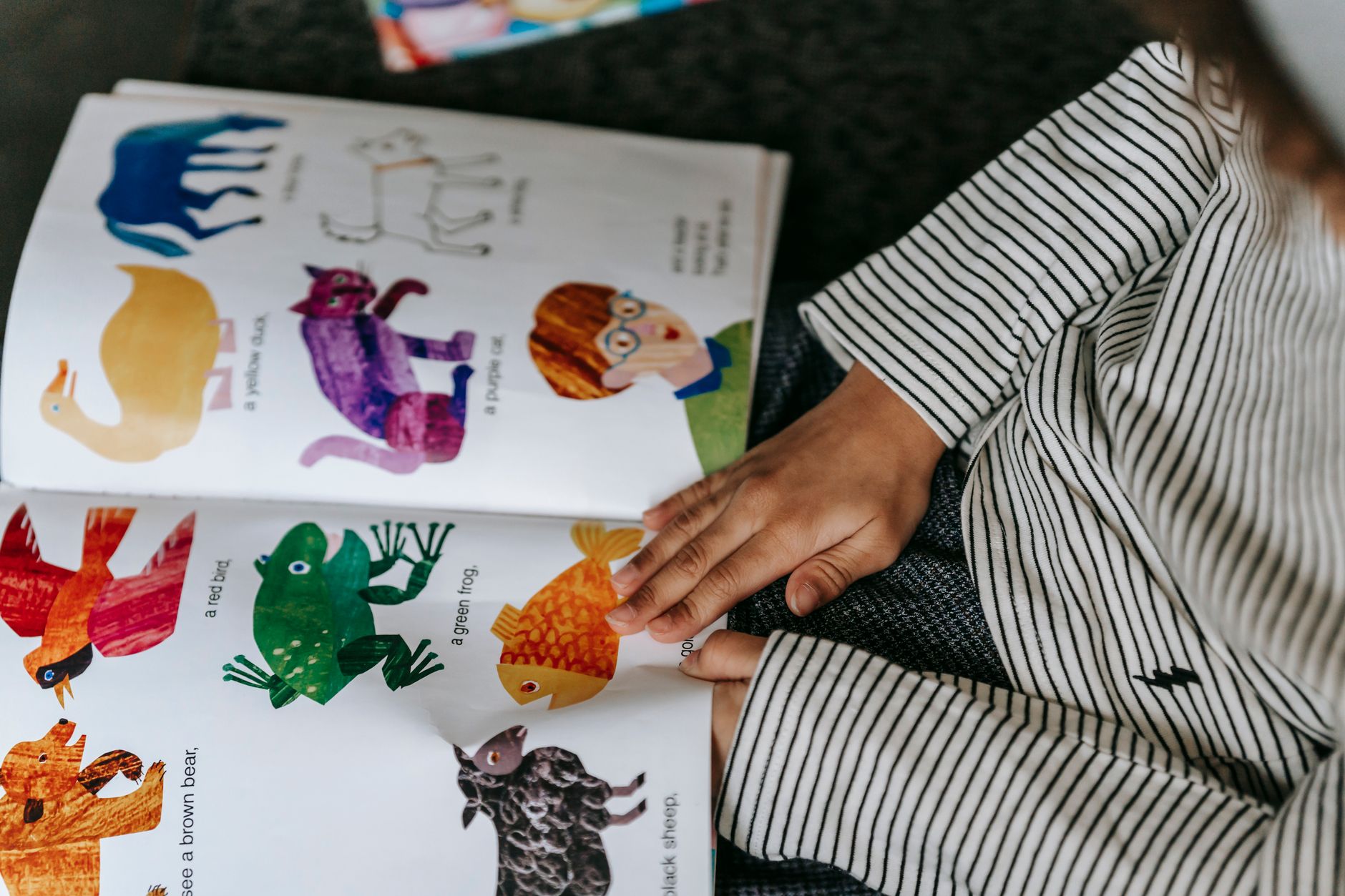
Best Picture Books for Nature-Loving Kids (That Actually Hold Their Attention)
This post contains affiliate links. I may earn a small commission at no extra cost to you.
Here’s the thing about raising nature kids — they don’t always want to sit down with a book. My crew would rather be out back checking on the chickens or chasing lizards through the yard than curled up on the couch. And honestly? Good. That’s exactly how I want it.
But over the years, I’ve found a collection of picture books that my kids actually ask for. Books that feel like an extension of what they’re already doing outside — not a replacement for it. Books that make them look up and say, “Wait, is that the bird we saw at the feeder last week?”
That’s the sweet spot. And if you’re doing any kind of Charlotte Mason or nature-based homeschool, you already know how powerful the right book at the right moment can be.
So here’s our honest, well-loved, read-a-hundred-times list.
What Makes a Great Nature Picture Book?
Before I dive in, here’s what I’m actually looking for — because not all “nature books” are created equal.
- Real illustrations or accurate artwork. Watercolor is great. Cartoonish bugs with faces? Hard pass for nature study purposes.
- Something that sparks a question. The best books make my kids run outside right after.
- Language that respects kids. No dumbing it down. Kids absorb more than we give them credit for.
- Reread value. If we’ve read it fifty times and it still gets pulled off the shelf, it earns a permanent spot.
Okay. Let’s get into it.
Our Favorite Picture Books for Nature-Loving Kids
For the Bird Obsessed
Mama Built a Little Nest by Jennifer Ward — This one is just beautiful. Simple text, gorgeous illustrations, and it covers different types of bird nests in a way that actually teaches something. After we read this one, my daughter spent a week checking every shrub in the backyard for nests. Mission accomplished.
If your kids are getting really into birds, we keep a Sibley’s field guide on the nature table alongside books like this so they can flip between the story and the real thing. That combo is chef’s kiss for Charlotte Mason nature study.
About Birds: A Guide for Children by Cathryn Sill — Part of the wonderful “About…” series. These books are calm, factual, and illustrated with realistic paintings. Perfect for morning basket or quiet time.
For the Bug Hunters
Bugs Are Insects by Anne Rockwell — A Let’s-Read-and-Find-Out Science book that’s simple enough for kindergarteners but doesn’t talk down to them. Great for kicking off an insect unit.
Tiny Creatures: The World of Microbes by Nicola Davies — Okay, technically microbes aren’t bugs, but the kids who love bugs tend to love this one too. It opens up this whole invisible world in a way that genuinely blows their minds.
After reading anything bug-related, we head outside with our bug collection kit and a pocket microscope and just… explore. That’s the 1990s childhood right there, y’all. No app required.
For the Garden Crew
Planting a Rainbow by Lois Ehlert — A classic for good reason. Bold, bright, simple. Even my youngest has “read” this one by herself by memorizing it. Great for introducing flower and plant vocabulary.
The Tiny Seed by Eric Carle — Another classic that never gets old. We love reading this one in early spring right before we start seeds indoors. Speaking of which, if you want to turn this into a full unit, grab a seed starting kit and let the kids plant something the same week. The connection between book and real life is everything.
For the Seasons and the Slow Life
Goodbye Summer, Hello Autumn by Kenard Pak — This whole series (there’s one for each season transition) is just quietly wonderful. The illustrations feel like a walk outside. My kids always want to go find the things they see on the pages.
We read these at the actual season changes as part of our seasonal living rhythm. It’s become a little tradition I didn’t even plan — they just started asking for it.
When We Were Alone by David A. Robertson isn’t nature-focused, but it touches land and connection in a way that pairs well with nature study for older elementary kids. Worth knowing about.
For the Animal Lovers (Chickens Included)
Chickens Aren’t the Only Ones by Robert Heller — A read-aloud about egg-laying animals that my chicken-obsessed kids absolutely love. It’s old (1981) but worth hunting down. Pairs perfectly with our backyard flock conversations.
If your kids are starting to really get into chickens and want to understand them better, the Kid’s Guide to Raising Chickens is a great next step after the picture book phase. My older kids have devoured it.
Stellaluna by Janell Cannon — Bats, belonging, being different. Beautifully illustrated and surprisingly deep. Always leads to great conversations.
For the Watercolor and Art-Nature Kids
The Illustrated Compendium of Amazing Animal Facts by Maja Safstrom — Half art book, half nature facts. Perfect for the kid who loves to draw animals. Works beautifully alongside a nature journal and some Faber-Castell watercolors for nature journaling after reading.
Watercolor nature journaling is one of our favorite Charlotte Mason habits — and honestly it doesn’t take much to get started. Read a book, go outside, sketch what you saw, paint it later. That’s the whole plan.
How We Use These Books in Our Homeschool
We’re in Pensacola, and y’all — Northwest Florida is an incredible place to raise nature kids. We’ve got the Gulf, longleaf pine forests, sandhills, pitcher plants in the bogs, gopher tortoises wandering through the yard. There is no shortage of living things to study.
These picture books live on our nature table and rotate into our morning basket based on what we’re seeing outside or what season we’re in. We don’t use them as formal curriculum, exactly — more like conversation starters.
After reading, we usually:
- Go outside and look for whatever the book was about
- Sketch something in our nature journal
- Look it up in a field guide if we want to know more
- Sometimes add it to a nature tray or collection
It sounds simple because it is. That’s kind of the whole point.
If you’re looking for ways to get the kids more involved in the doing side of nature life — not just the reading — I’ve written about how to involve kids in homestead chores by age in a way that actually works without power struggles.
And if you want to extend the learning beyond picture books into real living history and nature narratives for your older elementary kids, check out our list of best living history books for elementary homeschool — lots of overlap with nature lovers there.
A Note on Building a Nature Book Collection Slowly
You don’t need fifty books. You need a dozen that get read over and over. We built our collection slowly — library sales, thrift stores, birthday gifts, and a few intentional purchases. Rainbow Resource is a great place to find Charlotte Mason-friendly books at reasonable prices, and Timberdoodle often carries wonderful nature-based titles too.
Buy slowly. Read repeatedly. Let the books get worn out.
I hope this list gives you a few new titles to add to your pile — or maybe just validation that the worn-out books already on your shelf are doing exactly what they’re supposed to do. The goal was never perfect, pristine books. It was muddy fingers and curious minds and kids who see the world outside as something worth paying attention to.
We’re still working on that every single day over here. One read-aloud at a time.
📖 You Might Also Like:
- Best Homeschool Morning Basket Books for Toddlers (What We Actually Read and Why They Work)
- Intentional Parenting: What It Actually Looks Like Day to Day
- Seasonal Living Ideas for Families: Simple Ways to Celebrate Every Season All Year Long
Frequently Asked Questions
What are the best picture books for a Charlotte Mason nature study?
Some of our favorites for Charlotte Mason nature study include Mama Built a Little Nest, About Birds by Cathryn Sill, Planting a Rainbow by Lois Ehlert, and the Goodbye Summer Hello Autumn seasonal series. These books use accurate illustrations and real language, which pairs perfectly with nature journaling and outdoor observation — the heart of a Charlotte Mason approach.
What age are nature picture books best for?
Most nature picture books work beautifully for ages 3–8, but many hold up well into early elementary (grades 1–3) especially when used alongside field guides, nature journals, and hands-on activities. Books like The Illustrated Compendium of Amazing Animal Facts can even engage kids up to age 10 or 11 if they’re artistic or science-minded.
How do I use picture books in a nature-based homeschool?
The simplest approach: read the book, then go outside and look for what you just read about. Follow that with a nature journal sketch or watercolor painting. You can also pair books with a relevant field guide to deepen the learning. The key is letting the book open the door to real-world observation rather than treating it as the destination.
Are there good picture books about chickens for kids?
Yes! Chickens Aren’t the Only Ones by Robert Heller is a beloved classic that covers egg-laying animals in a fun, accurate way. For kids who are ready to go deeper, the Kid’s Guide to Raising Chickens bridges the gap between picture books and real hands-on learning with your backyard flock.
Where can I find affordable nature books for homeschool?
Library sales, thrift stores, and used book marketplaces are great starting points. For new books with good homeschool-friendly selection and pricing, Rainbow Resource and Timberdoodle are two of our favorites. Building your collection slowly and focusing on books that get reread constantly is always better than buying a huge stack at once.
Leave a Reply