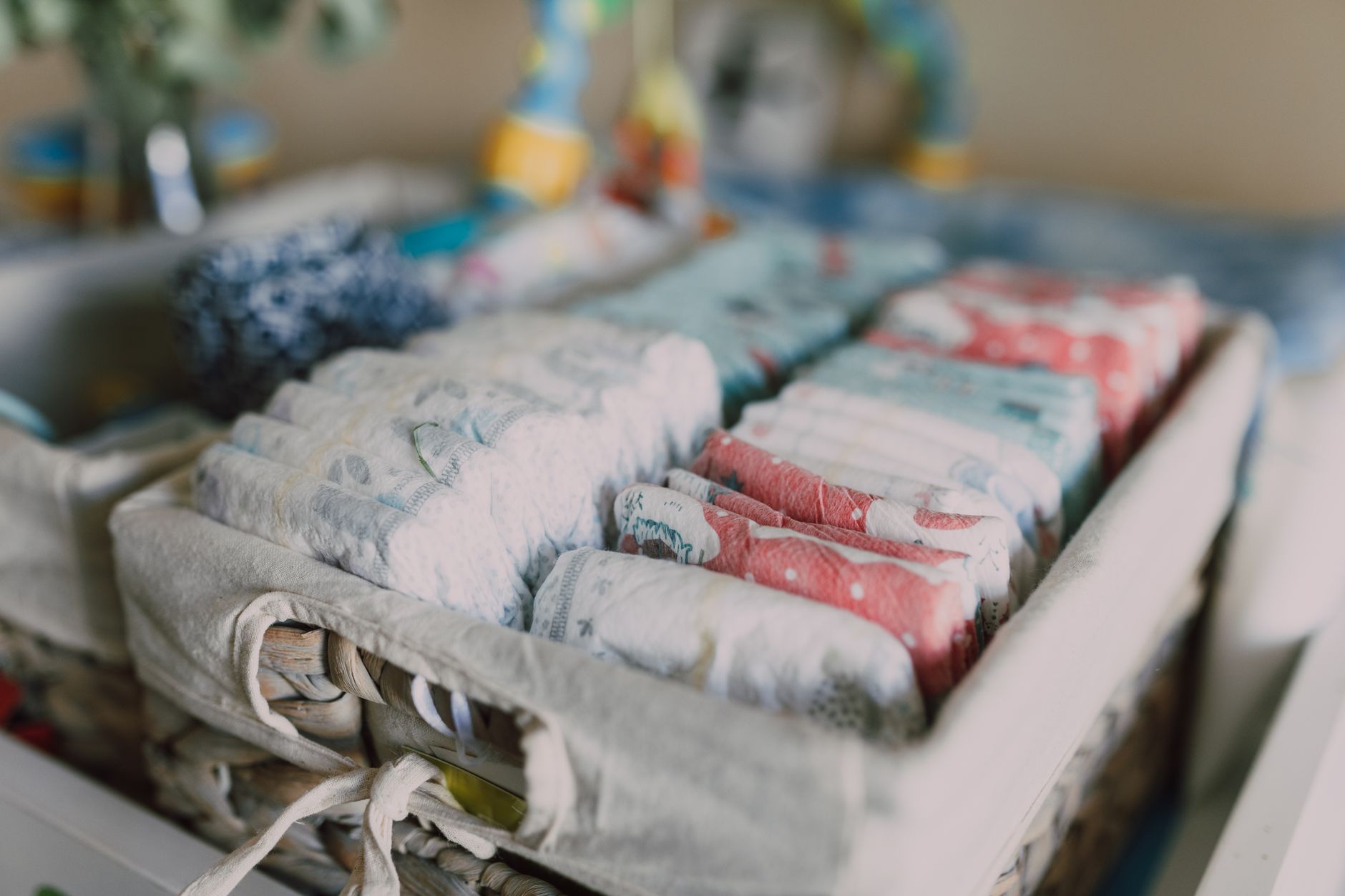
Best Cloth Diapering System for Beginners (What Actually Works and Where to Start)
This post contains affiliate links. I may earn a small commission at no extra cost to you.
I remember standing in a Facebook group when my youngest was about six weeks old, staring at a comment thread about cloth diapers that had like forty-seven replies and approximately nine different opinions about what kind of insert goes in what shell. I closed the app and went back to disposables for another three weeks.
If that’s you right now — I get it. The cloth diapering world has a way of making something totally doable feel incredibly complicated. But here’s what I wish someone had told me: you don’t have to master every system. You just have to find one that works for your life and your baby, and go from there.
We’ve been a mostly-cloth family for years now, and it genuinely fits right into our non-toxic, low-waste lifestyle here in Northwest Florida. It’s the same reason we grind our own grain, keep backyard chickens, and try to buy fewer things made of plastic. Less stuff, more intention. And honestly? Once you’re past the learning curve, cloth diapering is one of the easiest swaps we’ve made.
So let’s break it down in plain language.
Why Cloth Diapers in the First Place?
For our family, it came down to a few things:
- Fewer chemicals near baby’s skin. Conventional disposables contain things like dioxins, fragrances, and SAP (sodium polyacrylate) gel. If you’re already thinking carefully about what goes on and around your baby — like the folks who read my post on Non-Toxic Baby Products: What to Actually Buy (and What’s Just Marketing Hype) — cloth is a natural next step.
- Long-term cost savings. A decent stash runs $200–$400 upfront and can last through multiple kids.
- Less waste. A baby in disposables generates roughly 2,000 diapers in the first year alone. That number bothers me.
That said — this isn’t a judgment post. We still use disposables for travel and sick days. Real life is not all-or-nothing.
The Main Types of Cloth Diapers (Explained Simply)
This is where most beginners get lost, so let’s slow down here.
Pocket Diapers
This is probably the most popular starter option. It’s a waterproof outer shell with a pocket opening — you stuff an absorbent insert inside before use, then pull it out before washing. Brands like Rumparooz and BumGenius are well-known.
Good for: Families who want something that works similarly to a disposable. Partners and grandparents who are helping out tend to find these least intimidating.
Downside: You have to stuff them all after laundry, which takes time.
All-in-Ones (AIOs)
Exactly what it sounds like — the absorbent layer is sewn into the diaper. Put it on, take it off, wash it. That’s it.
Good for: Ultimate simplicity. Daycare situations. Anyone who can’t be bothered with extra steps.
Downside: They take longer to dry, and they tend to cost more per diaper.
Prefolds + Covers
This is the old-school system — rectangular layers of fabric (prefolds) that you fold and secure, then cover with a waterproof shell. It’s what a lot of our mamas’ generation actually used (before disposables took over).
Good for: Budget-friendly stashes. Prefolds are cheap, durable, and incredibly absorbent. Covers can be reused between changes if they stay clean.
Downside: More of a learning curve on the folding technique.
Fitted Diapers + Covers
Fitted diapers are shaped like a regular diaper but are fully absorbent with no waterproofing — so you always need a cover over them. They’re fantastic for heavy wetters and overnight.
Good for: Night use, chunky babies, anyone who deals with leaks.
Hybrid / AI2 (All-in-Two)
A shell that snaps or lays in an absorbent insert. The shell can often be reused if it didn’t get soiled — you just swap the insert.
Good for: Families who want the flexibility of reusing covers without full prefold folding.
So Which System Is Actually Best for Beginners?
Honest answer: pocket diapers or AI2s. They have the least learning curve, work well from the newborn stage onward, and most come in one-size adjustable designs that fit babies from roughly 8–35 pounds.
If you’re just starting out, I’d suggest grabbing a small trial stash — maybe 6–10 diapers — before you commit to buying twenty-four of anything. Preferences are personal, baby shapes are wildly different, and what works for your friend’s chunky-thighed baby might not work for yours.
For nighttime or heavy wetters, layer in some fitted diapers and a good wool or PUL cover. That combo handles nights at our house way better than anything else we’ve tried.
What You Actually Need to Get Started
Here’s a simple starter list:
- 12–24 diapers (more if you want to wash every 2–3 days, fewer if you’re washing daily)
- A wet bag for storing dirties when you’re out
- A diaper pail or hanging wet bag at home
- Cloth-safe diaper cream — most zinc-based creams will ruin the absorbency of cloth; look for ones that are cloth-safe or use a liner
- A good wash routine — this matters more than almost anything else
For non-toxic laundry in general, we use simple, clean detergents. You can check out our How to Make Homemade Laundry Detergent (Non-Toxic, Actually Works, and Costs Almost Nothing) post — though for cloth diapers specifically, you’ll want a detergent with enough surfactant power to actually strip the soiling. Homemade can work, but check that your recipe is approved for cloth.
Washing Cloth Diapers Without Losing Your Mind
The wash routine is the thing that trips most people up, but it’s really not complicated once you get it down:
- Cold pre-wash — short cycle, no detergent or half dose. This rinses out the bulk of the soil.
- Hot main wash — full detergent, longest cycle your machine offers.
- Extra rinse if needed — especially in Florida’s heat and humidity, which can encourage mildew if diapers aren’t fully rinsed.
- Dry on low or line dry — sun-drying is genuinely magic for stain removal. Florida sun does in one afternoon what OxiClean takes two days to do.
For a clean, non-toxic home environment overall, we love Grove Collaborative for stocking up on laundry and cleaning supplies that actually work without the junk ingredients.
A Word on Non-Toxic Living and Cloth Diapers
If you’re already reading labels on your dish soap (hey, if you haven’t checked out Non-Toxic Dish Soap That Actually Cuts Grease, that post is worth a read), then cloth diapering fits naturally into that mindset. It’s about reducing the synthetic inputs around your baby’s body and your home.
And honestly? It’s very much in line with that 1990s-style parenting philosophy we try to live out — doing things a little more slowly, a little more intentionally, and with a lot less plastic. My kids see cloth diapers as just part of how our house runs, the same way they know we compost our kitchen scraps and collect eggs from the coop every morning.
For keeping things fresh and pest-free without harsh chemicals — in the diaper pail and everywhere else — we rely on Wondercide for natural pest control around the house and yard. Worth mentioning if you’re ever dealing with gnats near your pail in a Florida summer. (And you will. It’s Florida.)
Quick Tips Before You Dive In
- Don’t overbuy before you know what works for your baby. Seriously. A trial stash first.
- Prep your diapers before first use — most need 3–5 washes to reach full absorbency.
- Leaks are almost always a fit issue or an absorbency issue, not a reason to give up entirely.
- Give yourself a grace period. The first two weeks feel weird. By week four, it’s just laundry.
- If you’re also navigating a non-toxic nursery from the ground up, my post on Non-Toxic Baby Products: What to Actually Buy (and What’s Just Marketing Hype) covers a lot of the other pieces.
You’ve Got This
Cloth diapering is one of those things that sounds harder than it is. Once it’s part of your rhythm — toss them in the wash, hang them on the line, stuff the pockets while you’re watching your kids run around the backyard — it genuinely stops feeling like extra work and starts feeling like just life.
We’re big believers around here that simple, intentional living isn’t about being perfect. It’s about making thoughtful choices where you can, then letting the rest go. Cloth diapers are one of those choices our family is really glad we made. I hope this gave you enough clarity to take that first step without feeling like you need a PhD in diaper science to do it.
Start small. Try one system. Adjust from there. You’ve got this, mama.
📖 You Might Also Like:
- How to Make Homemade Yogurt from Scratch (The Simple Way Our Family Actually Does It)
- Non-Toxic Baby Products: What to Actually Buy (and What’s Just Marketing Hype)
- How to Make Homemade Laundry Detergent (Non-Toxic, Actually Works, and Costs Almost Nothing)
Frequently Asked Questions
What is the easiest cloth diaper system for beginners?
Pocket diapers and all-in-two (AI2) systems are generally considered the easiest for beginners. They work similarly to disposables in terms of how you put them on and take them off, and most come in adjustable one-size designs that grow with your baby. All-in-ones (AIOs) are even simpler but take longer to dry.
How many cloth diapers do I need to start?
A good starter stash is 12–24 diapers, depending on how often you plan to do laundry. If you want to wash every two to three days, aim for 20–24. If you’re okay washing daily, 12–15 can work. It’s best to start with a small trial stash of 6–10 diapers before committing to a full set, since fit and preference vary by baby.
Can I use cloth diapers from birth?
Yes, but most standard one-size cloth diapers don’t fit well until babies are around 10–12 pounds. For the newborn stage, you can buy newborn-specific cloth diapers, use prefolds with a small cover, or use disposables for the first few weeks and transition to cloth once baby has grown a bit.
How do you wash cloth diapers without ruining them?
The basic wash routine is: a cold pre-wash to rinse out soiling, followed by a hot main wash with a full dose of a cloth-safe detergent, then an extra rinse if needed. Avoid fabric softeners and dryer sheets — they coat the fibers and ruin absorbency. Line drying in the sun is ideal and naturally removes stains. In Florida’s heat, sunning diapers works incredibly fast.
Are cloth diapers really worth it financially?
For most families, yes. A full cloth diaper stash typically costs $200–$400 upfront and can be used for multiple children. Families who use disposables full-time spend an estimated $1,500–$3,000 per child over the diapering years. Even if you only use cloth part-time, the savings add up significantly, especially when you reuse the same stash for a second or third baby.
Leave a Reply