Outdoor Play Ideas for Kids That Need Zero Equipment (And Why That’s Actually the Point)
This post contains affiliate links. I may earn a small commission at no extra cost to you.
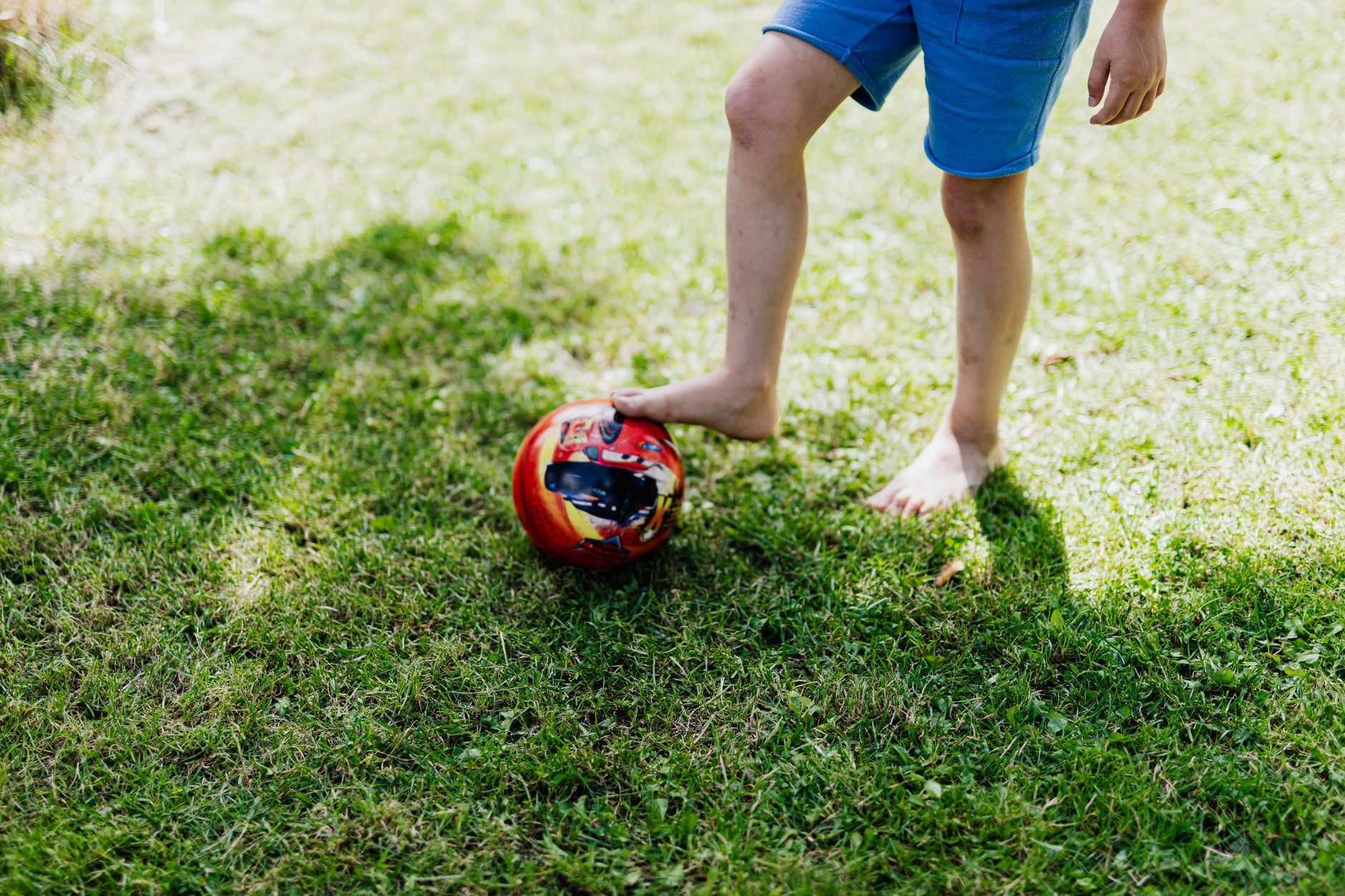
Somewhere along the way, we got sold the idea that kids need stuff to play outside. A water table. A playset. A specific kit with a specific purpose. And listen — I’m not knocking any of that. We have some of it too. But some of our best summer afternoons here in Northwest Florida have looked like this: kids barefoot in the backyard, chasing lizards along the fence line, making up elaborate stories about kingdoms and caves, completely unbothered by the heat and completely unaware that I was watching from the porch with my coffee going cold.
That’s the play I grew up with. And it’s the play I’m fighting for my kids to have.
If you’ve got a yard, a sidewalk, a patch of woods, a stretch of beach, or even just a driveway — you have everything you need. Here’s how we make it work.
Why No-Equipment Play Is Actually Better
This isn’t just a budget thing (though hey, saving money is never bad). It’s a brain thing. When kids don’t have a predetermined toy telling them what to do, they have to invent it themselves. That’s the whole Charlotte Mason idea of letting children be the narrators of their own experience — giving them space and time to observe, wonder, and create without adult direction.
Unstructured outdoor play builds problem-solving, negotiation skills, physical coordination, and emotional regulation in ways that structured activities simply can’t replicate. And here in Florida, where we have gorgeous outdoor weather about nine months of the year — and survivable weather the other three if you head out early enough — we really have no excuse not to use it.
No-Equipment Outdoor Play Ideas by Category
Imaginative and Pretend Play
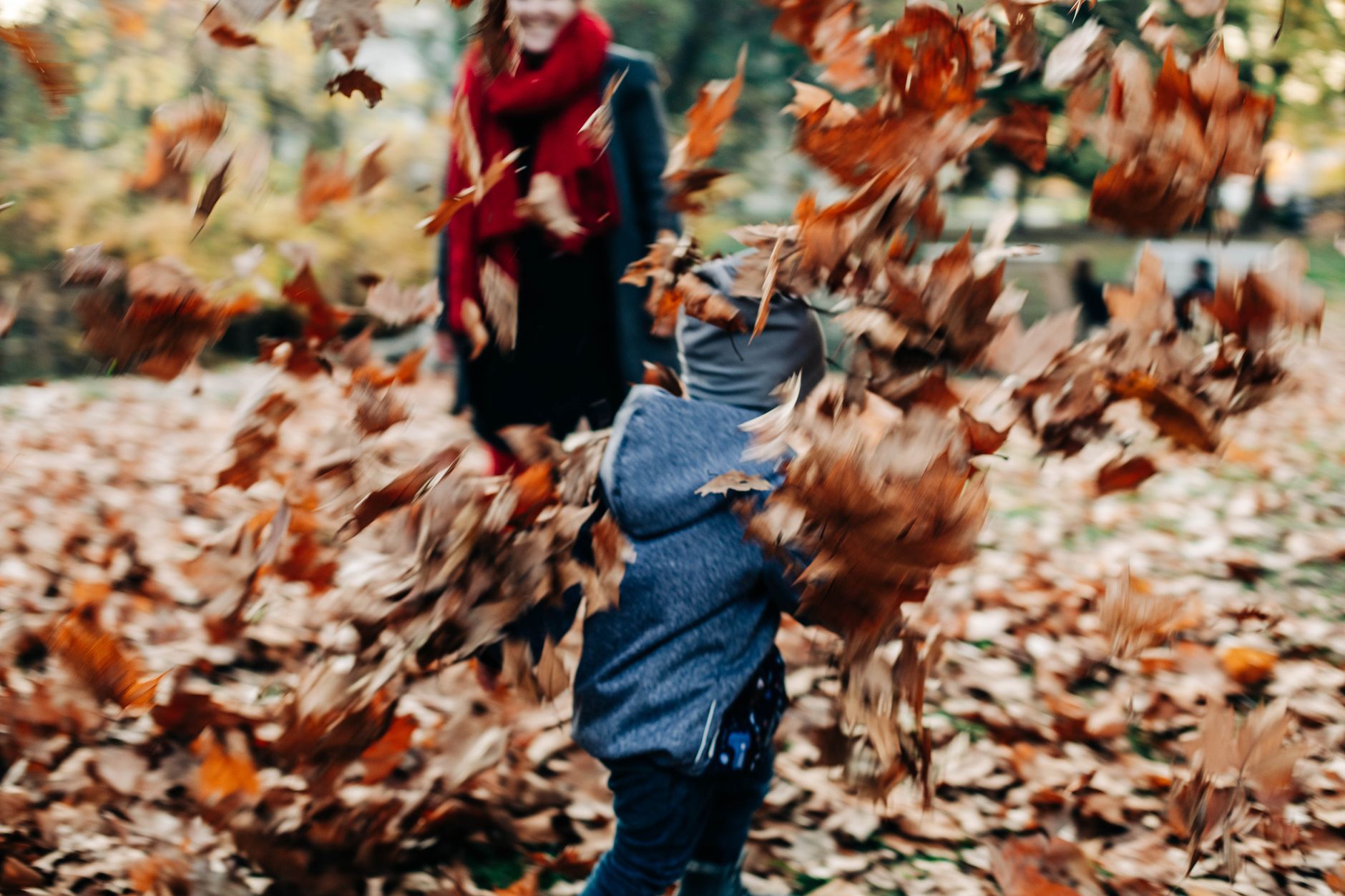
Build a fort from sticks and leaves. This is a perennial favorite at our house. The kids spend more time building it than playing in it, and that’s fine — building is the play. They argue, negotiate, problem-solve, and eventually come up with something they’re genuinely proud of.
Create a mud kitchen. Find a shady corner of the yard, add water from the hose, and let them cook. Mud pies, acorn soup, leaf salad — the whole menu. Messy? Yes. Worth it? Absolutely.
Pretend the yard is a wilderness survival camp. This one goes well with nature study. Who can find the most different types of leaves? Who can identify a bird by sound? We keep a nature journal and a copy of the Sibley bird guide on the back porch for exactly this reason — so when curiosity strikes, we can chase it.
Set up an outdoor “school” or market. My daughter has run a full pretend farmers market in our backyard using sticks, rocks, leaves, and pinecones as currency. Zero dollars. Maximum engagement.
Nature Study and Discovery
Go on a bug hunt. Flip over logs, check under rocks, dig in the soil. Florida has bugs — that is not a secret — and kids who grow up handling roly-polies and learning the names of beetles are kids who aren’t afraid of the natural world. If you want to take it up a notch, a pocket microscope or a simple bug collection kit turns a casual hunt into a full-on science lesson.
Track the chickens. If you have backyard hens, you basically have a built-in nature study curriculum. My kids have learned more about animal behavior, biology, and responsibility from our flock than from any textbook. They watch the pecking order shift, notice when someone’s molting, and ask questions I genuinely have to look up. If you’re newer to chickens and want your kids more involved, Storey’s Guide to Raising Chickens and the kid-specific guide are both great for making it a real learning experience. (See also: How to Involve Kids in Homestead Chores by Age — that post has completely changed how we approach morning chores around here.)
Cloud watching and weather journaling. Lay on a blanket and just look up. Name the clouds. Sketch them. Notice if the wind has shifted. In Florida, afternoon storm watching is basically a sport — we get the most dramatic skies, and the kids have learned to read them pretty well.
Start a nature collection. Feathers, shells, interesting rocks, seed pods. No equipment required. Just curiosity and maybe an egg carton or jar from the recycling bin to display it all.
Classic 1990s Outdoor Games
This is my love language, honestly. These are the games I played until the streetlights came on, and they translate perfectly to our backyard right now.
Freeze tag, TV tag, shadow tag. No equipment. Needs at least two kids. Produces a lot of laughter and a lot of grass-stained knees.
Red Light Green Light and Simon Says. Great for littles and big kids together — we play these across a big age range and everyone has fun.
SPUD. If you have a soft ball, great. If not, a rolled-up sock works fine. Classic game, teaches so many things.
Capture the Flag. Perfect for the late afternoon when the Florida heat finally backs off a little. Use old bandanas or dish towels as flags. Kids will play this for hours.
Chalk obstacle courses. Even if it’s just your driveway, a piece of sidewalk chalk can create an entire world. Hopscotch, balance beams, mazes — let the kids design it themselves.
Follow the leader on the nature trail. Whether you have a wooded lot or a neighborhood park nearby, this game gets surprisingly complex when kids are leading each other over logs and under branches.
Sensory and Creative Play Outside
Water play with just a hose and containers. Repurpose old pots, cups, and bottles. Give them a hose and a mission — fill the big pot without touching the small one, create a water canal, see how high they can build a mud dam. Engineering in action.
Outdoor art with found materials. Arrange leaves, sticks, and rocks into mandalas or patterns on the ground. Take a photo of it. Let it go. This is a beautiful mindfulness practice for kids who don’t even know that’s what it is. Add some watercolor paints and a nature journal for a Charlotte Mason nature study moment that feels completely natural and not at all like school.
Barefoot sensory walks. Grass, dirt, sand, mud, pinecones — take a walk and name every texture. This sounds simple, but for little ones it’s genuinely rich.
For more ideas on how we weave this kind of play into our family’s rhythms throughout the year, check out our post on Seasonal Living Ideas for Families — it’s one of my favorites I’ve written.
A Few Practical Notes for Florida Families
If you’re in the Panhandle like us, you know that outdoor time in July and August means early morning or after 5pm, period. We do our big outdoor play blocks right after morning chores — usually 8 to 10am — and then again in the evening before dinner. Slathering on some non-toxic sunscreen is just part of the morning routine at this point.
Also: kids’ rain boots are genuinely the best investment for outdoor play in Florida. After-storm puddles and muddy garden beds are some of our kids’ favorite play spaces, and the right boots mean I’m not stressed about shoes.
And if your kids are heading into the woods or brushy areas, we love Wondercide as our go-to non-toxic bug spray — safe for kids, safe for our dog, and it actually works on Florida mosquitoes, which feel like they were designed to be invincible.
The Real Point
I think a lot of us — myself included, in weaker moments — reach for stuff when what our kids actually need is time. Time outside, time to be bored, time to figure out what to do when there’s nothing to do. That boredom is the starting point for almost every creative, memorable outdoor adventure they’ll ever have.
You don’t need to buy anything to give your kids a rich outdoor childhood. You just have to open the back door and let them go. That’s what our parents did for us, and honestly? We turned out okay.
If you’re looking for more ways to build that kind of intentional, simple family life, I think you’ll love our post on Intentional Parenting: What It Actually Looks Like Day to Day — it’s the heart behind everything we do here.
Now go kick your kids outside. 🌿
📖 You Might Also Like:
- How to Make Bone Broth in a Slow Cooker (The Easy Way That Actually Tastes Like Something)
- Best Natural Bug Spray for Chicken Coops (What Actually Works and Won’t Harm Your Flock)
- Non-Toxic Play Mat for Babies: What to Actually Look For (and What to Skip)
Frequently Asked Questions
What are some outdoor play ideas for kids with no equipment?
Some of the best no-equipment outdoor play ideas include building stick forts, playing classic games like freeze tag and capture the flag, going on bug hunts, making mud kitchens, cloud watching, and creating nature mandalas from leaves and rocks. Kids don’t need purchased toys to play richly — they need time, space, and permission to explore.
How do I get my kids to play outside without screens or toys?
Start by simply sending them out with no agenda. If they complain of boredom, resist the urge to fix it — boredom is actually the starting point for creative play. You can also give them a loose prompt like ‘find five different bugs’ or ‘build something using only what you find in the yard’ to spark imagination without over-directing them.
What outdoor games did kids play in the 1990s?
Classic 1990s outdoor games include freeze tag, shadow tag, TV tag, SPUD, Red Light Green Light, Simon Says, Capture the Flag, hopscotch, and kick the can. These games require little to no equipment and work across a range of ages, making them perfect for families with multiple kids.
How can I make outdoor play part of our homeschool day?
Outdoor play integrates naturally into a Charlotte Mason homeschool through nature journaling, bug hunts, bird watching, cloud study, and gardening. Even unstructured outdoor time counts as physical education, sensory development, and social learning. Try scheduling a dedicated outdoor block each morning before the Florida heat peaks.
What can kids do outside in Florida during the summer heat?
In Florida summers, the best outdoor play happens early morning (before 10am) or in the evening after 5pm when temperatures drop a little. Great hot-weather options include water play with a hose and containers, shady stick fort building, early morning nature walks, and evening games like capture the flag or freeze tag. Always apply non-toxic sunscreen and keep water bottles handy.