Seasonal Living Ideas for Families: Simple Ways to Celebrate Every Season Year-Round
This post contains affiliate links. I may earn a small commission at no extra cost to you.
Somewhere between the school supply sales and the holiday countdowns, we lost the plot on what seasons are actually for. They used to mean something. Kids used to feel the shift — the change in the air, the different bugs showing up, the way the light moved. Now most children barely notice the seasons changing unless their Netflix queue updates.
We wanted something different for our family. Not a rigid schedule or a color-coded seasonal bucket list we’d fail to finish. Just a slower, more alive kind of year — one where our kids are actually paying attention to the world outside our back door here in Northwest Florida.
Here’s what seasonal living actually looks like in our home, season by season. Take what works, leave what doesn’t.
Why Seasonal Living Matters (Especially for Kids)
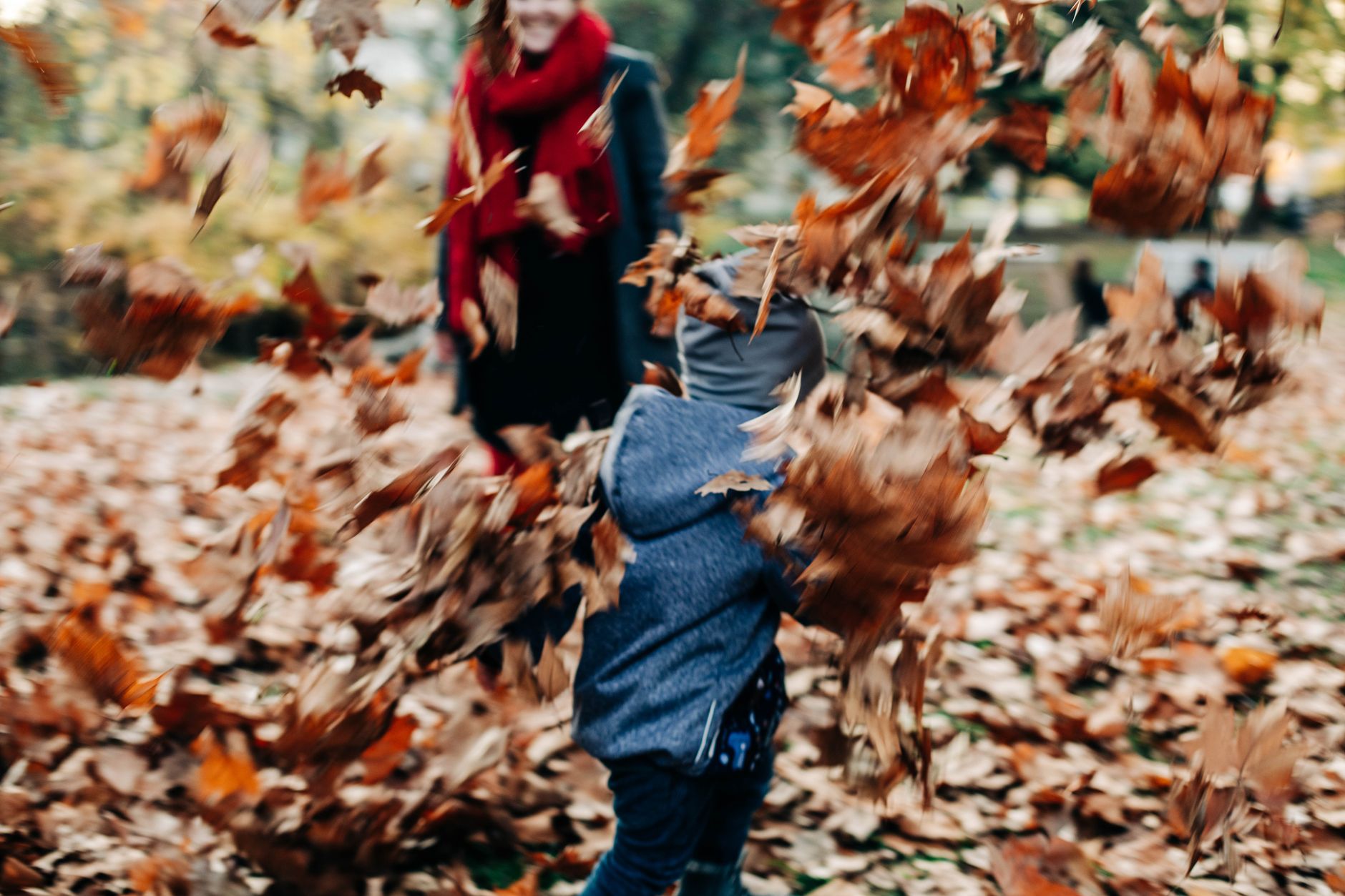
This is the 1990s childhood thing, honestly. We grew up knowing what season it was because we felt it. We caught fireflies in summer and jumped in leaf piles in fall. We weren’t scheduled into it — it just happened because we were outside.
Seasonal living is really just a framework for making sure that still happens, even in a world that’s doing everything it can to flatten the calendar into one long, screen-lit blur.
For homeschool families especially, leaning into the seasons gives your year a natural rhythm that makes everything — nature study, read-alouds, art, even math — feel more connected. It’s a big part of the Charlotte Mason approach, and honestly? It just makes life feel richer.
If you want to dig into how rhythm shapes our homeschool days more broadly, I wrote about that in Family Rhythm vs. Routine: What Actually Works for Real Homeschool Life.
Fall Seasonal Living Ideas for Families
Okay, I’ll be honest — fall in Pensacola is not the same as fall in Vermont. We don’t get a dramatic foliage show. But we DO get relief from the heat, we get migrating birds coming through, and the garden finally wakes back up after surviving the summer.
What We Actually Do in Fall
- Start a nature journal. Fall is the perfect time to begin because so much is moving — birds migrating, insects changing, temperatures finally dropping. We use a simple nature journal and let the kids sketch, press leaves, and write observations. No pressure, just noticing.
- Watch for migrating birds. We pull out our Sibley Birds guide and see what’s passing through. The kids get genuinely excited about this now — it’s become a fall tradition.
- Plant the fall garden. Here in Florida, fall is actually prime planting season. We get the kids involved with kids’ garden gloves and let them put seeds in the ground. It’s hands-on science with a delicious payoff.
- Reset the chicken coop for cooler weather. We do a big fall clean and check-in on the flock. If you’re new to chickens, Storey’s Guide to Raising Chickens has a great seasonal care section. We also use diatomaceous earth during our fall coop refresh.
- Open the windows. Sounds small, but after six months of AC, the first week we can leave the windows open all day feels like a gift.
Winter Seasonal Living Ideas for Families
Winter in Northwest Florida is mild but real. We do get cold fronts, occasional frost, and cozy mornings. It’s short — but we lean into every bit of it.
What We Actually Do in Winter
- Slow the mornings down. Winter is our coziest homeschool season. More tea, more read-alouds by the window, more drawing and watercolor work. We love our Faber-Castell watercolor set for this — it’s simple, quality, and the kids actually use it.
- Do nature study in the cold. Yes, even in winter. The yard looks different. The birds are different. The kids bundle up and go check on the chickens, look for animal tracks in the mud after a rain, watch for hawks.
- Bake and preserve together. Winter is when we slow down in the kitchen. The kids help make soups, bake bread, and we talk about where food comes from — especially the eggs our hens are still laying.
- Read longer books. This is our chapter book season. We curl up after lunch and read aloud for way longer than any other time of year.
Spring Seasonal Living Ideas for Families
Spring here is glorious and also fast. You get about six beautiful weeks before the heat starts creeping back in. We try to be outside as much as humanly possible.
What We Actually Do in Spring
- Bug season is back — lean in. The kids go absolutely wild when the insects come back. We use a bug collection kit and a pocket microscope to look more closely at what they find. This is Charlotte Mason nature study at its most natural.
- Start seeds indoors. We use a seed starting kit to get tomatoes and peppers going before transplanting. The kids track germination in their nature journals — real science, zero worksheet required.
- Mud. Just mud. Grab some kids’ rain boots and let them splash. Spring rains are frequent here and the kids should be IN them, not watching from the window.
- Let the chickens free range more. Spring grass and bugs make for the happiest hens and the most golden yolks. Our automatic coop door makes it easy to let them out at first light without us having to drag ourselves out of bed.
- Do school outside. Almost everything can happen on a blanket in the backyard. We move our Morning Basket outside as soon as the weather allows.
Summer Seasonal Living Ideas for Families
Florida summer is a whole thing. It is HOT. It is humid. It rains almost every afternoon. And it is, somehow, still my kids’ favorite season.
What We Actually Do in Summer
- Shift the schedule earlier. We’re outside by 8am and inside by 11. Afternoons are for rest, reading, and creative play. It’s the most 1990s-summer thing we do — loose, slow, and unstructured.
- Embrace the rain. Florida summer storms are dramatic and honestly kind of magical. The kids know to watch from the porch, count the lightning, and then go jump in every puddle when it’s over.
- Make it a nature camp. We spend summer doing what we’d pay someone else to run — bug hunting, bird watching, garden tending, chicken keeping. I’ve written more about how we handle screen-free days in Raising Kids Without Screens: What We Actually Do Every Day.
- Water play, every single day. A hose and a hill. That’s the whole plan.
- Keep learning light but alive. We don’t fully stop school in summer — we just make it looser. More projects, more living books, more exploring. How to Involve Kids in Homestead Chores by Age has been a great guide for keeping kids engaged and actually contributing to the homestead during these slower months.
A Few Things That Make Seasonal Living Stick
You don’t need a seasonal decor bin or a color-coded planner. What you need is just a little intentionality about what’s actually happening outside right now — and a willingness to let your kids be in it.
A nature journal kept consistently through the year becomes one of the most beautiful records of childhood. A habit of going outside every single day, no matter the season, builds kids who are genuinely rooted in the natural world.
That’s the whole goal, really.
If you’re just getting started with seasonal living and want to tie it into your homeschool more intentionally, Simple Living with Kids: Practical Tips That Actually Work for Real Families is a great companion to this post. And if you want ideas for how nature study fits into your daily homeschool rhythm more specifically, check out what our Morning Basket looks like through the year.
Here’s the thing — seasons are one of the oldest teachers there are. Kids who grow up inside them, rather than behind glass watching them pass by, grow up different. More grounded. More curious. More grateful for the world they live in.
That’s the childhood I’m trying to give mine. One season at a time.
📖 You Might Also Like:
- Natural Chicken Coop Deodorizer and Cleaning Routine That Actually Works
- How to Teach Reading Naturally Without a Formal Curriculum (What Actually Works)
- Raising Kids Without Screens: What We Actually Do Every Day
Frequently Asked Questions
What is seasonal living for families?
Seasonal living for families means intentionally aligning your daily rhythms, activities, food, and learning with what’s actually happening in the natural world around you each season. It’s less about decorating for holidays and more about noticing — and participating in — the real changes happening outside your door throughout the year.
How do you practice seasonal living with young kids?
Start simple: go outside every day and talk about what you notice. Keep a nature journal, cook seasonally, let kids play in rain and mud, tend a garden, and point out the birds or bugs that show up at different times of year. You don’t need a curriculum — you just need to slow down and pay attention together.
How do you celebrate seasons in Florida when the changes are subtle?
Florida’s seasons are real — they’re just different from what you see in northern states. In the Panhandle, fall brings migrating birds and cooler mornings, winter brings cozy days and frost, spring brings bugs and blooms, and summer is all about rain and heat. Tune into those local rhythms instead of expecting a New England experience and you’ll find the seasons here are actually pretty rich.
Can seasonal living be part of a Charlotte Mason homeschool?
Absolutely — it’s actually central to it. Charlotte Mason believed children should be in direct contact with nature regularly and that their education should follow the natural world. Seasonal nature journaling, outdoor time in all weather, and living books tied to what’s happening outside are all cornerstones of a CM approach.
What are easy ways to start seasonal living if you’re overwhelmed?
Pick one thing per season and do it consistently. A fall bird watch, a winter read-aloud tradition, a spring seed-starting project, a summer morning outside routine. You don’t need to overhaul your whole life — you just need a few anchors that connect your family to the time of year. Build from there.