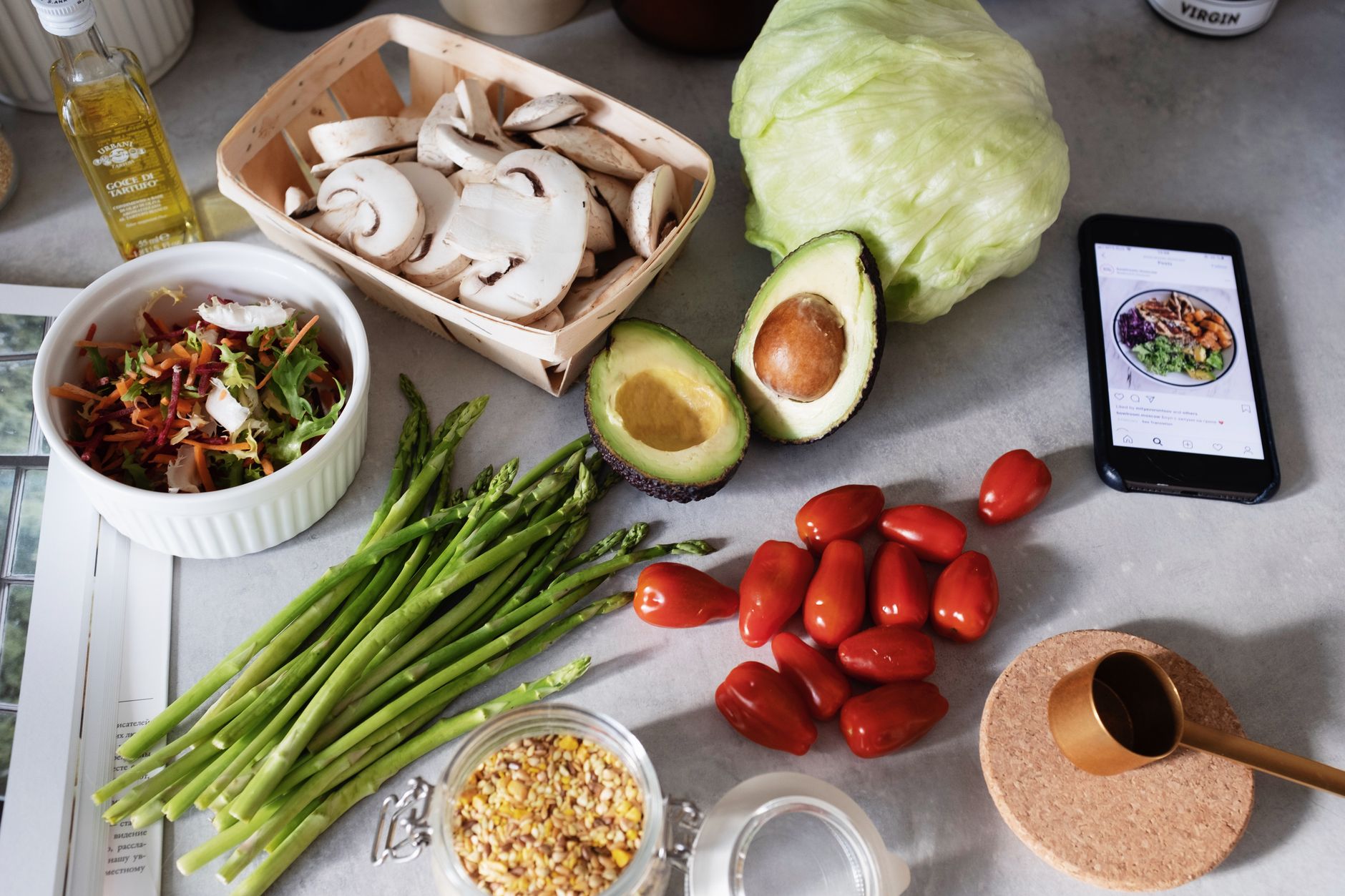
How to Reduce Your Grocery Bill Eating Whole Foods (Without Going Back to the Processed Stuff)
This post contains affiliate links. I may earn a small commission at no extra cost to you.
Can I be honest with you for a second? When we first made the switch to whole foods, I genuinely thought we were going to go broke. I’d stand in the produce aisle adding things up in my head and start sweating. Pastured eggs, real butter, dried beans, fresh vegetables — it felt like it added up so fast compared to the boxes of crackers and bags of frozen nuggets I used to toss in the cart without thinking.
But here’s what I’ve figured out after several years of feeding a real-food family in Northwest Florida: whole foods eating can absolutely be affordable. It just requires a different way of thinking about food — and a few habits that honestly make life simpler, not harder.
We’re a homeschool family using the Florida PEP scholarship, which means I’m always watching the budget carefully. These are the strategies that have genuinely worked for us, not just in theory.
Start With a Pantry Mindset, Not a Recipe Mindset
The biggest money drain I see with whole foods eating is buying ingredients for specific fancy recipes and then watching half of them go bad. When I switched to stocking a solid whole-foods pantry and cooking from that, our waste dropped dramatically.
Think: dried beans, oats, rice, lentils, canned tomatoes, olive oil, bone broth (yes, I make my own — more on that in a second), and whatever produce is on sale or in season. From those basics, you can make dozens of meals without a single special trip to the store.
Once you build this habit, you’ll also notice you’re buying less overall — because you’re not running to the store every two days for some random ingredient a recipe called for.
Cook From Scratch More Than You Think You Can
I know. You’re homeschooling, you’ve got kids following you everywhere, maybe some backyard chickens that need tending, and a dog underfoot. Cooking from scratch sounds exhausting.
But here’s the thing — scratch cooking is almost always cheaper than buying the convenience version, and it usually doesn’t take as long as we think. My kids actually help in the kitchen now, which we talk about a lot over in How to Teach Kids to Cook Basic Skills by Age (A Real Kitchen Guide for Homeschool Families). A seven-year-old can absolutely rinse beans, stir a pot, or tear up salad greens.
And if you’re not already making your own bone broth — please start. It is so inexpensive (basically free if you save your chicken carcasses), incredibly nourishing, and stretches into soups and grains beautifully. I’ve got a whole post on it: Making Bone Broth at Home: Why Our Family Does It and the Easiest Recipe You’ll Ever Try.
A well-seasoned cast iron skillet is honestly one of the best investments you’ll make for scratch cooking — it goes from stovetop to oven, lasts forever, and makes everything taste better. If you’re new to cast iron, I’ve got you covered: Cast Iron Cookware for Beginners: How to Get Started and Actually Keep It.
Buy Seasonally and Locally (Florida Makes This Easy)
One of the biggest perks of living in Northwest Florida? We have a long growing season and farmers markets that run most of the year. Buying produce in season — from a local farm stand, a CSA box, or even growing some yourself — is almost always cheaper than buying out-of-season organic from a big grocery chain.
Right now we’re growing sweet potatoes in the backyard (seriously so easy here — check out How to Grow Sweet Potatoes in Your Florida Backyard if you haven’t tried it), and what we don’t grow, we try to source locally when possible.
For preserving the harvest when things come in abundance — which they do in Florida summers — I lean hard on simple preservation methods. Freezing, fermenting, and even some canning. That post on How to Preserve Your Summer Harvest has been one of our most-used guides for making the most of cheap seasonal produce.
Rethink Protein (It Doesn’t Have to Mean Expensive Meat at Every Meal)
This was a game-changer for our grocery budget. We still eat quality meat — but not at every single meal, and not in the quantities we used to.
Here’s what fills in the gaps affordably:
- Dried beans and lentils — cheap, shelf-stable, and incredibly nutritious
- Eggs from our backyard chickens — this is one of the biggest real-food budget wins of having a small flock. Once your setup is paid for, those eggs are nearly free. If you’re thinking about getting started, Storey’s Guide to Raising Chickens is the reference book I recommend to everyone, and A Kid’s Guide to Keeping Chickens is great for getting the little ones invested too.
- Canned wild-caught fish — sardines and salmon are both budget-friendly and nutrient-dense
- Whole grains with complementary proteins — rice and beans, oats with nuts, etc.
When we do buy meat, we buy the whole chicken or a larger cut and stretch it across two or three meals. Roast it one night, use the leftovers in soup the next day, then make broth from the carcass. Nothing goes to waste.
Reduce Waste Like Your Grandma Did
I think a lot about the way people ate in past generations — and honestly the way we aim to raise our kids, a little closer to how things were done before everything became so disposable. Less waste, more ingenuity.
Some practical waste-reduction habits that have helped our budget:
- Meal plan loosely — not rigidly, but with intention. Know what you’re cooking before you shop.
- Eat the ugly produce — or freeze it before it turns.
- Keep a compost bin going. It won’t save you money directly, but it shifts your mindset around food waste and feeds your garden. We talk about it in Composting at Home with Kids.
- Use beeswax wrap and stainless steel water bottles to cut down on single-use plastic and keep food fresher longer.
Shop Smart Without Sacrificing Standards
A few of our actual shopping habits:
- Aldi and Costco for staples — both have excellent whole food options at lower prices than most grocery chains
- Buy in bulk when something is on sale (dried goods, frozen meat, pantry staples)
- Use Grove Collaborative for non-toxic household supplies — ordering in bulk through them saves us money and errand trips compared to buying that stuff at the grocery store
- Skip the “health food” packaging — plain oats are the same as fancy grain bowl oats, just without the markup
- Don’t buy drinks — water, herbal tea, raw milk if you can get it locally. Juice, soda, and fancy sparkling water add up fast and add zero nutrition.
The Mindset Shift That Changed Everything
Honestly, the biggest thing that helped us wasn’t a specific tip or trick. It was reframing what food is for.
When I stopped thinking of food as something to make convenient and started thinking of it as something to make nourishing, my shopping changed. I stopped buying a lot of things that were just filler — snack foods, processed “healthy” bars, things that cost a lot and filled my kids up with nothing. And I started putting that money toward real ingredients that actually built their bodies.
It doesn’t happen overnight. But I promise, it does get cheaper as it becomes habit.
If you’re just starting this journey, don’t let perfect be the enemy of good. Make one swap at a time. Cook one more meal from scratch this week than you did last week. Add backyard hens if you have the space and the heart for it. Grow something — even just herbs in a pot on the porch. These small things compound over time into a genuinely different way of living — and a genuinely lighter grocery bill.
You’ve got this, mama. And if you ever want to talk chickens, pantry strategy, or what’s growing in the Florida garden this time of year, you know where to find me.
📖 You Might Also Like:
- How to Create a Nature Play Yard in Your Backyard (That Kids Actually Use)
- Family Rhythm vs. Routine: What Actually Works for Real Homeschool Life
- Seasonal Living Ideas for Families: Simple Ways to Celebrate Every Season Year-Round
Frequently Asked Questions
Is it really possible to eat whole foods on a tight budget?
Yes — absolutely. The key is shifting your focus to whole food staples like dried beans, oats, rice, eggs, and seasonal produce rather than buying expensive pre-packaged “health foods.” Cooking from scratch, reducing waste, and buying in season are the biggest levers that make real food affordable for real families.
What are the cheapest whole foods to build meals around?
Dried beans and lentils, eggs, oats, rice, sweet potatoes, cabbage, frozen vegetables, canned wild-caught fish, and whole chicken are some of the most affordable and nutritious whole foods you can buy. These pantry and fridge staples can form the base of dozens of meals without breaking the budget.
How do backyard chickens help reduce the grocery bill?
Once your flock is established and your setup costs are covered, backyard hens produce eggs at a very low ongoing cost — especially if you supplement their feed with kitchen scraps and let them free-range. For a family that eats eggs regularly, this can add up to meaningful savings over time compared to buying quality eggs at the store.
How do I reduce food waste to save money on whole foods?
Loose meal planning before you shop, using the freezer aggressively before produce turns, cooking with leftovers intentionally (like turning a roast chicken into soup and then broth), and composting scraps all help reduce waste. Switching to reusable food storage like beeswax wrap can also help keep food fresh longer.
Where is the best place to buy affordable whole foods?
For most families, a combination of Aldi or Costco for staples, local farm stands or farmers markets for seasonal produce, and buying in bulk when items go on sale is the most cost-effective approach. Avoiding the premium markup on packaged “health foods” and buying plain, simple ingredients instead makes a big difference in the total.
Leave a Reply