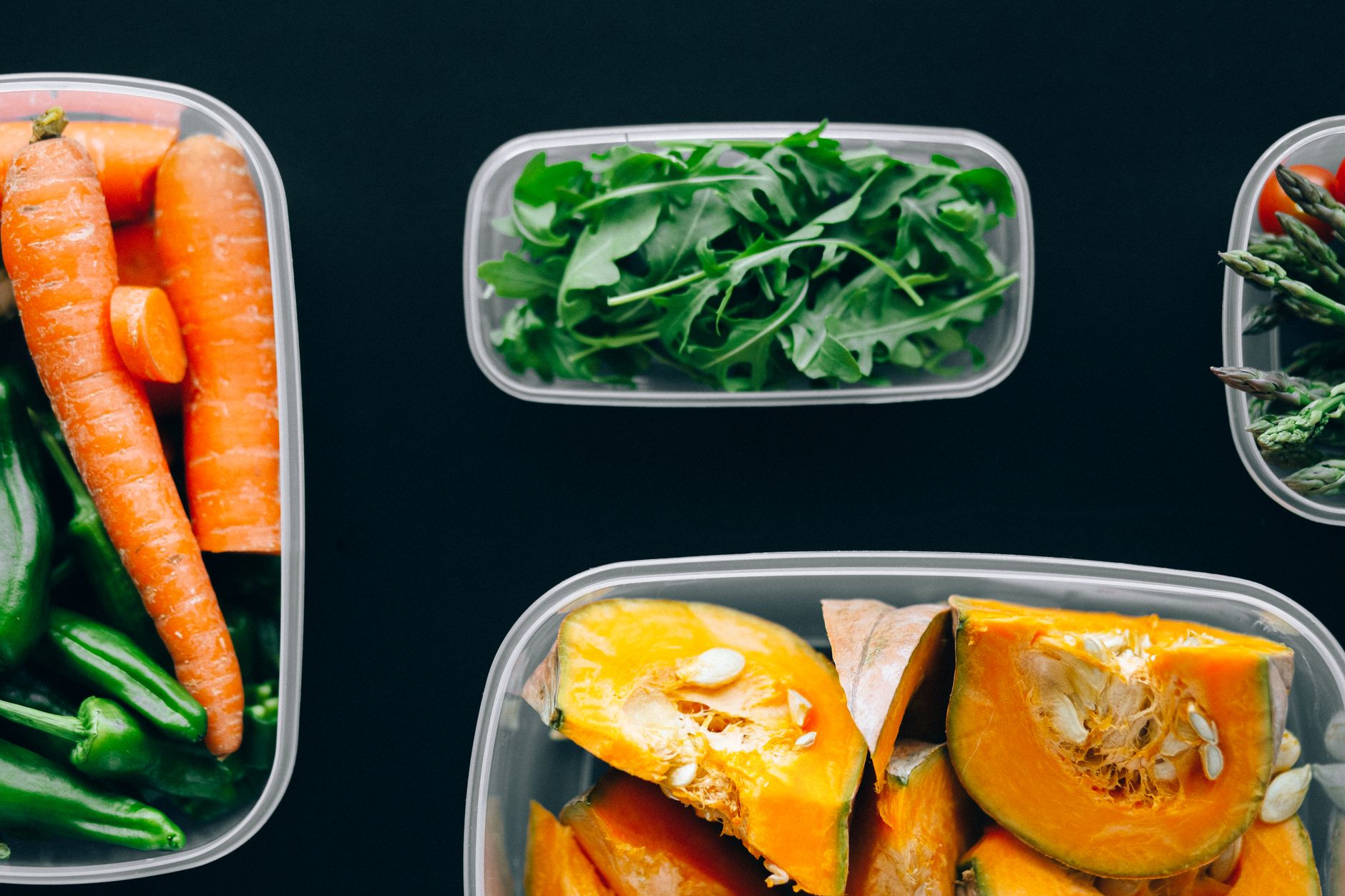
Meal Planning for Large Families on a Whole Food Budget (What Actually Works for Us)
This post contains affiliate links. I may earn a small commission at no extra cost to you.
Let me paint you a picture. It’s 4:30 on a Tuesday afternoon in Pensacola and it is hot — the kind of sticky Florida heat that makes you want to do absolutely nothing. The kids have been outside most of the day, the dog is flopped under the porch fan, the chickens are doing their dramatic panting thing, and I’m standing in the kitchen trying to figure out what on earth I’m making for dinner.
Six people. Real food. Reasonable budget. Every single night.
If you’re feeding a large family and you’re also trying to do it with whole foods — no boxed mac and cheese backup plan, no frozen pizza Fridays — you already know that the math gets real complicated, real fast. And most of the meal planning advice out there is written for a family of four with a Trader Joe’s nearby. That’s not us.
Here’s what’s actually worked for our family, built through a lot of trial, error, and a few dinners nobody wanted to talk about.
Start with a Anchor Proteins, Not Recipes
The biggest shift that helped us was stopping the recipe-first approach to meal planning. Instead of finding seven recipes and shopping for them, we now plan around anchor proteins for the week.
For us, that usually looks like: one whole chicken, a pot of beans, a dozen or more eggs from our own backyard flock, ground beef or pork when it’s on sale, and maybe one wild card like canned salmon or whatever looked good at the butcher counter.
From those anchors, meals kind of write themselves. That whole chicken becomes a roast one night, then the carcass goes into a big pot of bone broth the next morning (I’ve got a whole post on that — Making Bone Broth at Home: Why Our Family Does It and the Easiest Recipe You’ll Ever Try). The broth becomes soup. The beans from Monday stretch into Tuesday’s taco night and Wednesday’s bean and rice bowls. You’re not cooking seven separate meals — you’re cooking ingredients and combining them different ways.
This is honestly such a 1990s-grandma move and I mean that as the highest compliment.
Build Your Pantry Like a Foundation, Not an Afterthought
A stocked pantry is what stands between you and a $200 panic grocery run on a Thursday. When your pantry is solid, you can always make something — even when the fridge looks rough.
Our pantry staples for whole food cooking on a budget:
- Dried beans and lentils (way cheaper than canned, just requires planning)
- Brown rice, oats, and whole wheat flour
- Olive oil, coconut oil, apple cider vinegar
- Canned tomatoes and tomato paste
- Chicken and vegetable stock (homemade or bought in bulk)
- Honey, real maple syrup, and sea salt
- Spices in bulk — this alone saves us a fortune
If you’ve been wondering how to actually make whole foods affordable long-term, I wrote about that in depth over here: How to Reduce Your Grocery Bill Eating Whole Foods (Without Going Back to the Processed Stuff). That post has the full breakdown.
The Weekly Planning Rhythm That Works for Us
I do my meal planning on Saturday mornings, usually with a cup of coffee before the kids wake up. I’m not building a Pinterest-perfect weekly menu. I’m sketching out a rough framework:
- 2 slow cooker or hands-off meals (for busy school days)
- 2 egg-based meals (bless these chickens, seriously)
- 1 big batch of something that stretches — soup, chili, a big pot of beans
- 1 flexible night where we use up whatever’s left in the fridge
- 1 simple night — grain bowls, quesadillas, breakfast for dinner
That framework, not a rigid menu, is what keeps us fed without losing my mind. I know roughly what’s coming, I’ve got the ingredients, and there’s room to pivot.
Use Your Whole Kitchen — Including What’s in the Backyard
Having backyard chickens has genuinely changed our grocery budget more than almost anything else. Our girls give us 6-8 eggs most days, and eggs are the most versatile, affordable protein there is. Frittatas, egg fried rice, hard boiled eggs for snacks, scrambles with whatever vegetables need using up. If you’re thinking about starting your own flock, Storey’s Guide to Raising Chickens is the one book I recommend to every single person who asks — it’s basically the chicken bible. And if your kids want to learn alongside you, the Kid’s Guide to Keeping Chickens is such a sweet addition.
Beyond the chickens, we also lean hard on our garden during Florida’s growing seasons. Winter here is prime vegetable time — leafy greens, sweet potatoes, herbs — and incorporating what we’ve grown into our meal planning means some weeks our produce cost drops significantly. Even a small raised bed makes a dent. Check out How to Grow Sweet Potatoes in Your Florida Backyard if you haven’t tried growing them yet — they are so easy and so filling.
Batch Cooking Is Your Best Friend (But Keep It Simple)
I used to look at those big Sunday meal prep setups online and feel completely overwhelmed. Twelve containers of color-coded food? That’s not realistic when you’ve also got homeschool to run and a labradoodle trying to eat crayons.
Our version of batch cooking is much simpler: double one thing. If I’m making rice, I make double. If I’m browning ground beef, I brown two pounds. If I’m roasting vegetables, I fill the whole sheet pan. That’s it. No grand production. Just intentional doubling while I’m already in the kitchen.
This also ties beautifully into what we do for preservation — summer here in the Panhandle means an abundance of produce from the farmers market and our own garden, and learning to preserve that summer harvest has been one of the most budget-friendly things we’ve ever done. We pull from our own frozen and fermented stores all winter long.
Getting Kids Involved (Yes, Even the Little Ones)
This is where the Charlotte Mason philosophy meets the dinner table, and I love it. Kids who help make food eat it. Full stop. Even my youngest can wash vegetables, tear lettuce, or stir a pot of beans. My older ones are learning to read recipes, measure ingredients, and eventually — meal plan themselves.
There’s something deeply good about kids knowing where their food comes from and how to make it. It connects to the same instinct that sends them outside to check on the chickens before breakfast or brings them in muddy from the garden. Food isn’t magic that appears in packages — it’s something you grow, raise, cook, and share.
Involving them in meal prep also means they’re more invested in eating what’s served, which matters a lot when you’re cooking whole foods for a crowd and you need everyone to actually eat the soup.
A Few More Things That Have Helped
- Shop the sales and build your plan around them — not the other way around. Chicken thighs on sale this week? Great, that’s our anchor.
- Freeze everything you can — bread, meat, cooked beans, leftover soup. Your freezer is free money.
- Use a kitchen compost bin so vegetable scraps go to the garden or the chickens instead of the trash. Nothing wasted.
- Cook in your cast iron skillet whenever possible — it’s the most versatile, long-lasting pan you’ll ever own, and if you’re just getting started with cast iron, I’ve got a beginner’s guide right here: Cast Iron Cookware for Beginners.
- Shop at Grove Collaborative for non-toxic household staples in bulk — it keeps the cleaning supply budget predictable and I’m not bringing junk into our home.
Feeding a big family real food is one of the most countercultural, quietly radical things you can do right now. It’s not flashy. It doesn’t look like much on the outside — just a pot of beans simmering, a dozen eggs on the counter, kids helping tear bread for soup. But it’s the kind of slow, steady, nourishing work that holds a family together. And honestly? Our best conversations happen around that table.
You don’t have to have it all figured out. Just start with your anchor proteins this week and see what happens. I promise it gets easier.
📖 You Might Also Like:
- How to Reduce Your Grocery Bill Eating Whole Foods (Without Going Back to the Processed Stuff)
- How to Involve Kids in Homestead Chores by Age (Without the Meltdowns or Doing It All Yourself)
- How to Teach Kids to Cook Basic Skills by Age (A Real Kitchen Guide for Homeschool Families)
Frequently Asked Questions
How do I meal plan for a large family on a tight budget using whole foods?
The key is to plan around anchor proteins — like a whole chicken, dried beans, and eggs — rather than individual recipes. This lets you stretch ingredients across multiple meals throughout the week. Building a solid pantry of staples like dried beans, whole grains, and spices in bulk also dramatically reduces your weekly grocery spend without sacrificing quality or nutrition.
What are the cheapest whole food proteins for feeding a big family?
Eggs are hands-down the most affordable whole food protein, especially if you have backyard chickens. After that, dried beans and lentils, whole chicken (especially thighs and drumsticks), canned wild-caught salmon, and ground beef or pork bought in bulk when on sale are your best budget-friendly options. Combining plant and animal proteins throughout the week helps keep costs down.
How much should a large family budget for whole food groceries per month?
This varies a lot by region, family size, and what you grow or raise yourself, but a realistic starting point for a family of 5-6 eating mostly whole foods is $800–$1,200 per month. You can reduce this significantly by growing a garden, raising backyard chickens for eggs, buying staples in bulk, shopping sales strategically, and preserving seasonal produce through canning or freezing.
What is the best meal planning strategy for a homeschool family?
A framework-based approach works better than rigid weekly menus for most homeschool families. Plan a rough structure — a couple of hands-off slow cooker meals, egg-based meals, one big batch dish, and a flexible leftover night — rather than assigning specific recipes to each day. This gives you structure without the stress, and leaves room for the spontaneous nature days and field trips that are part of homeschool life.
How do I get kids to actually eat whole foods without fighting at the dinner table?
Involve them in the process as early and as often as possible. Kids who wash vegetables, stir pots, and help choose what goes in a dish are dramatically more likely to eat it. Starting kids young with simple kitchen tasks — even toddlers can rinse produce — builds both skill and investment in the meal. Consistent exposure to a variety of whole foods over time also matters more than any one dinner win.
Leave a Reply