Making Bone Broth at Home: Why Our Family Does It and the Easiest Recipe You’ll Ever Try
This post contains affiliate links. I may earn a small commission at no extra cost to you.
I’ll be honest with you — I used to walk right past the bones at the butcher counter like they weren’t even there. It wasn’t until I started getting more intentional about what we were eating, cutting out the processed stuff, and really leaning into that whole-foods life that I started to understand what I was missing.
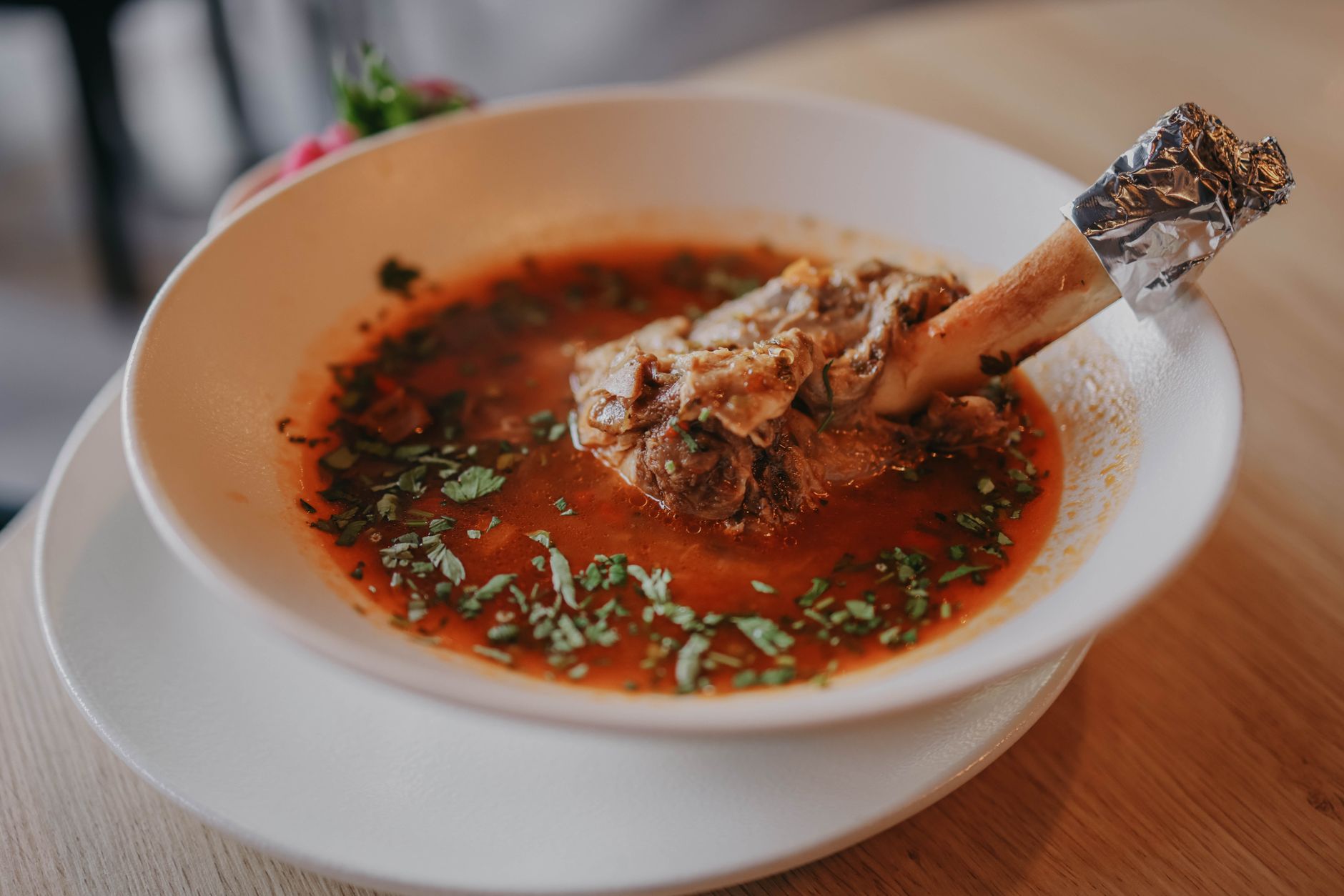
Now? I keep a zip-lock bag in the freezer at all times, stuffed with chicken carcasses, vegetable scraps, and leftover bones from whatever we roasted that week. And every week or so, that bag turns into a big pot of the most golden, nourishing bone broth you’ve ever smelled simmering on a stove.
It fits right into the kind of life we’re trying to live here — intentional, low-waste, nourishing. The kids know what’s in the pot. They’ve asked questions about it. We’ve turned it into a little bit of a science lesson more than once. Very Charlotte Mason of us, honestly.
Why We Started Making Bone Broth at Home
Once our backyard flock really got going, we had a natural, built-in reason to figure out how to use the whole bird. We don’t process our own chickens (not yet, anyway — never say never), but when we buy whole chickens from a local farm or even a grocery store, roasting it and then using every last bit of that carcass just felt right.
And down here in Northwest Florida, where we’re outside most of the year, sweating through June like it’s our job, and the kids are constantly bringing home mystery bugs and who-knows-what from the creek — having something genuinely nourishing in the fridge that I can heat up in five minutes has been a game changer.
What Bone Broth Actually Does for Your Body
Okay, so let’s talk about the why before the how, because this stuff is genuinely impressive once you dig into it.
Gut health. Bone broth is rich in gelatin, which coats and soothes the gut lining. If anyone in your family deals with digestive issues, this is worth paying attention to.
Collagen and joint support. As the bones simmer low and slow, they release collagen, which your body uses for joints, skin, and connective tissue. Kids benefit from this too — especially active ones who are climbing trees and tumbling around outside all day.
Mineral-rich. Calcium, magnesium, phosphorus — all pulled from the bones into the broth during that long, slow cook. It’s basically a mineral supplement your family will actually want to drink.
Immune support. There’s a reason chicken soup has been a cold remedy forever. Real bone broth, made from actual bones, has compounds that support a healthy immune response. This is not a marketing claim — it’s been used in traditional cooking across nearly every culture for centuries.
Low cost, zero waste. If you’re already roasting a chicken, you’re just turning what would have been trash into something your family can eat for days. That’s the kind of homestead thinking I love.
If your family is anything like ours, you’re also looking for ways to reduce your toxic load across the board. Homemade bone broth means no added MSG, no mystery ingredients, no plastic-lined cartons. Just real food. (I’ve been using Grove Collaborative to stock our cleaning supplies the same way — knowing exactly what’s in everything just feels better.)
How We Involve the Kids (It’s Easier Than You Think)
Here’s where it gets fun if you’re homeschooling. This is real science, real nutrition, real kitchen chemistry — and my kids are genuinely interested in it because they can see it happening right in front of them.
We’ve talked about what happens to collagen when it heats up (it dissolves into gelatin — you can actually see this when the broth gels in the fridge). We’ve talked about minerals and what they do in the body. We’ve used our pocket microscope to look at bits of the cooked bone after and talk about what bone is actually made of.
My older one sketched the pot and wrote observations in her nature journal one afternoon. Was it technically nature study? I mean — it was biology, it was chemistry, it was history of food. That’s the beauty of a Charlotte Mason approach. It all connects.
For getting kids actually involved in the kitchen part, I have a whole post on how to teach kids to cook basic skills by age that walks through what’s actually appropriate for little hands at each stage.
Our Simple Bone Broth Recipe
This is the version we use every week. It’s not fussy. It does not require a special appliance (though you can absolutely use an Instant Pot if you want faster results). This is the stovetop method, and it’s as simple as it gets.
What You’ll Need
- 2–3 pounds of bones (chicken carcass, beef knuckles, pork neck bones — whatever you have)
- 2 tablespoons apple cider vinegar (this draws minerals from the bones)
- 1 onion, halved
- 3–4 garlic cloves, smashed
- 2 carrots, roughly chopped
- 2 celery stalks, roughly chopped
- A handful of fresh parsley if you have it
- Salt and pepper to taste
- Enough cold water to cover everything — usually 10–12 cups
Instructions
- Add everything to a large stockpot. Bones go in first, then veggies, then fill with cold water. Add your apple cider vinegar and let it sit for 20–30 minutes before you turn on the heat. This gives the vinegar time to start pulling minerals from the bones.
- Bring to a gentle boil, then reduce to a low simmer. You want to see just a few lazy bubbles. A rolling boil will make your broth cloudy and a little bitter.
- Skim the foam. In the first 30 minutes or so, you’ll see some gray foam rise to the top. Skim it off. This is impurities from the bones — it’s harmless but skimming makes for a cleaner-tasting broth.
- Simmer low and slow. For chicken, aim for at least 6–8 hours. For beef or pork bones, 12–24 hours gives you the richest results. Yes, you can leave it on the stove overnight on the lowest possible setting — we do it all the time.
- Strain and store. Pour through a fine mesh strainer. Let it cool, then refrigerate. The fat will rise to the top and solidify — you can skim it off or stir it back in, your call. A good broth will gel in the fridge like Jello. That’s the collagen. That’s what you want.
How We Use It
- Sip it from a mug like tea (seriously, the kids do this)
- Use it as the base for soups and stews
- Cook rice or grits in it instead of water
- Deglaze your cast iron skillet with it after searing meat
- Add it to scrambled eggs or sautéed vegetables
For more ideas on preserving and using everything you make, check out how to preserve your summer harvest — a lot of the same batch-cooking mindset applies here.
A Few Tips That Made a Difference for Us
Roast your bones first. If you have time, roasting the bones at 400°F for 30 minutes before adding them to the pot gives you a much richer, darker broth. Not required, but worth it for beef bones especially.
Save your veggie scraps. We keep a separate bag in the freezer for onion skins, carrot peels, celery tops, and herb stems. They all go into the broth pot. Zero waste, maximum flavor.
Freeze in portions. I use mason jars and silicone molds to freeze broth in 1-cup portions. Stainless steel containers work well too — if your kids are drinking it from a cup, grab some stainless steel water bottles and just pour it right in.
Use those chicken bones. If you have backyard chickens and you process birds, or if you buy whole birds — every carcass is gold. Check out Storey’s Guide to Raising Chickens for more on managing a backyard flock holistically, and if your kiddos want to understand more about where their chicken dinner comes from, the Kid’s Guide to Keeping Chickens is one we’ve loved reading together.
And if you’re keeping your coop healthy the natural way, diatomaceous earth is a staple around here — food-grade, safe, effective.
This Is the Kind of Thing My Grandma Just Knew
There’s something deeply satisfying about doing something that women have done for generations and generations — long before anyone called it a wellness trend. Making bone broth at home is one of those things. It’s not complicated. It doesn’t require a course or a certification or a special gadget. It just requires a little time, some bones you probably would have thrown away, and a pot on the stove.
My kids are growing up knowing that real food comes from real places and takes real time. That the bones have value. That nothing goes to waste if you’re paying attention. That’s the 1990s childhood energy I’m going for — just a little more intentional about the why.
If you’re just getting started with whole-foods cooking and a more intentional kitchen, you might also love simple living with kids: practical tips that actually work for real families. It fits right alongside this kind of shift.
Make a pot this weekend. You’ve got this, mama.
📖 You Might Also Like:
- Wild Edibles in Florida: What to Look for on Your Next Family Walk
- How to Make Homemade Laundry Detergent That’s Actually Non-Toxic (And Works in Florida Heat)
- How to Slow Down and Simplify Family Life (Without Feeling Like You’re Falling Behind)
Frequently Asked Questions
How long does homemade bone broth last in the fridge?
Homemade bone broth will keep in the refrigerator for about 5–7 days. If you make a big batch, freeze it in 1-cup portions for up to 6 months. Mason jars or silicone freezer trays work great for this.
What bones are best for making bone broth?
Chicken carcasses, beef knuckles, marrow bones, and pork neck bones all make excellent broth. Bones with more cartilage — like chicken feet or knuckles — produce the most gelatin-rich, nutrient-dense broth. Mix and match whatever you have.
Why did my bone broth not gel?
If your broth doesn’t gel in the fridge, it usually means there wasn’t enough collagen-rich material (cartilage, joints, feet), it was cooked at too high a temperature, or there was too much water relative to the bones. Try adding chicken feet next time or reducing the water slightly — it makes a big difference.
Can kids drink bone broth?
Absolutely — bone broth is wonderfully nourishing for kids. It’s rich in minerals, easy to digest, and most kids will happily sip it from a mug, especially if you add a little salt. You can also use it to cook grains, make soups, or stir into sauces to get all the benefits without them even knowing.
Is there a difference between bone broth and regular chicken stock?
Yes — the main difference is cook time and bone-to-water ratio. Regular stock is typically cooked for 2–4 hours and is lighter in body. Bone broth simmers for 8–24 hours, which draws out significantly more collagen, gelatin, and minerals, resulting in a thicker, more nutrient-dense liquid that gels when cooled.
Leave a Reply