Best Homeschool Co-op Ideas and How to Start One (From a Mama Who Did It)
This post contains affiliate links. I may earn a small commission at no extra cost to you.
Somewhere around our second year of homeschooling, I realized my kids needed more kids. Not in a “socialization” panic kind of way — I’m not worried about that — but in a genuine, they-need-to-run-wild-with-friends-who-get-them kind of way. The kind of kids who want to catch lizards and talk about birds and don’t think it’s weird that we have chickens in the backyard.
So I did what any slightly-overwhelmed homeschool mama does: I texted a few other local mamas, picked a park, and said “what if we just started something?” And that’s honestly how our little co-op began. No fancy bylaws. No rented facility. Just a handful of families in the Pensacola area who wanted their kids to learn together outside.
If you’ve been thinking about starting a homeschool co-op — or joining one that actually fits your family’s values — this post is for you.
What Is a Homeschool Co-op, Really?
A co-op (short for cooperative) is just a group of homeschool families who pool their time, talents, and sometimes resources to teach and learn together. They come in all shapes and sizes — some are highly structured with assigned classes and rotating teachers, others are loose and interest-led. There’s no one right way.
For our Charlotte Mason, nature-based family, a co-op had to feel like an extension of what we already do at home — not a mini school with desks and worksheets. So we kept it simple and rooted in the outdoors.
Best Homeschool Co-op Ideas for Nature-Based Families
Here are some of the formats and themes that work really well, especially if you’re drawn to a more delight-directed, outdoor-focused approach:
1. Nature Study Co-op
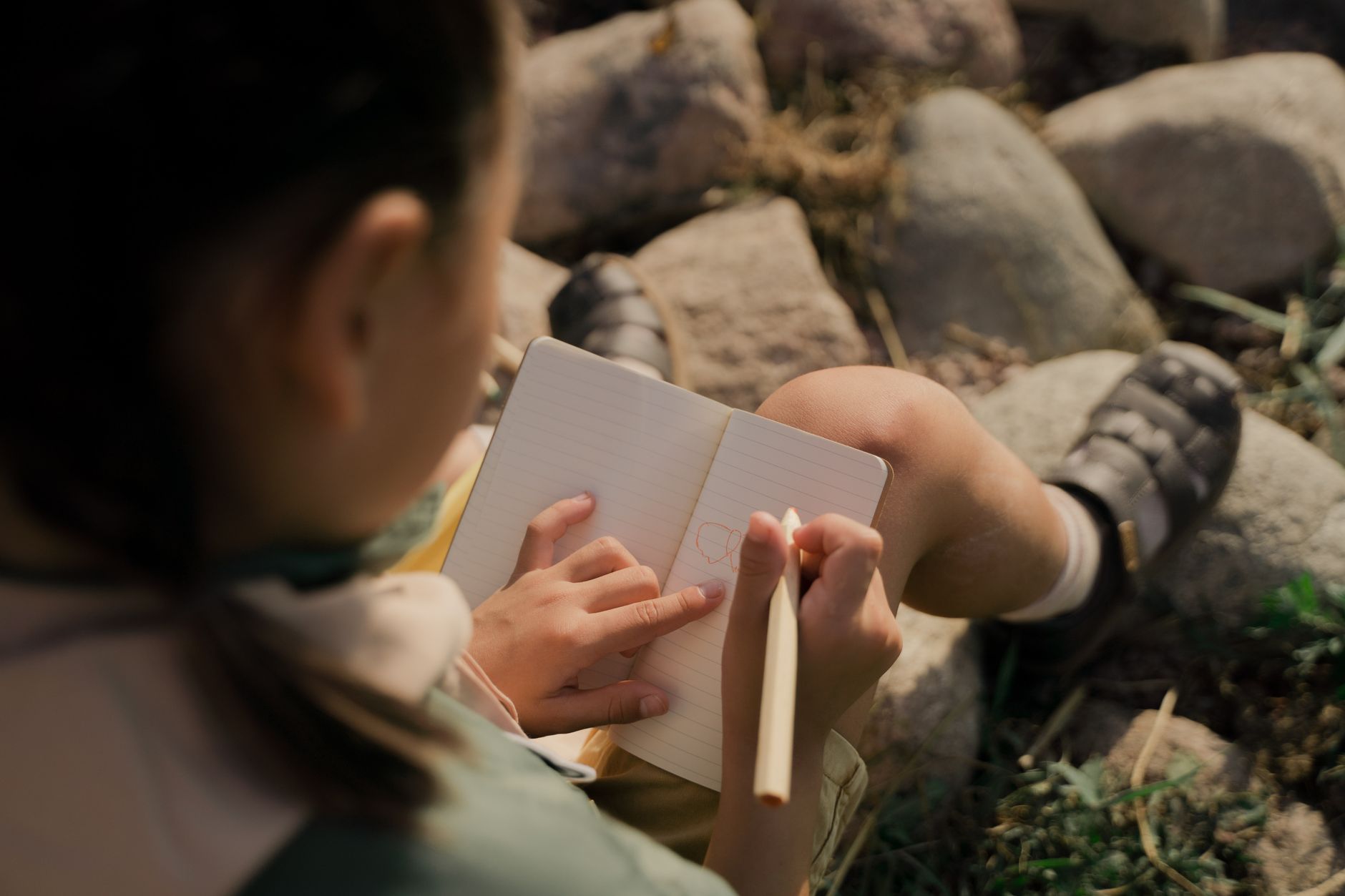
This is exactly what it sounds like — families gather weekly or biweekly at a park, nature preserve, or someone’s backyard to do nature study together. Kids observe, sketch in their nature journals, and record what they find. You can rotate who leads each week — one parent might focus on birds using the Sibley Birds guide, another might bring out the bug collection kit and spend the morning identifying insects. It’s low-prep, high-impact, and the kids absolutely love it. Check out our post on Charlotte Mason Nature Journal Ideas for Kids (That Actually Get Used) for inspiration on what to record during these sessions.
2. Rotating Skills Co-op
Each parent teaches one thing they’re actually good at. One mama teaches art — watercolor painting with Faber-Castell watercolors is a huge hit. Another dad teaches woodworking basics. Someone else does simple cooking or bread baking. You show up, you teach your thing, and the other parents get a little breather while their kids learn something real from a real person. Very 1990s in the best way.
3. Homesteading and Life Skills Co-op
This one is close to my heart. We’ve done co-op days where kids help tend a garden, learn about composting (great tie-in to our kitchen compost bin), or spend a morning learning about backyard chickens. If you have a flock like we do, hosting a “chicken morning” where kids learn about egg collection, coop care, and basic animal husbandry is genuinely one of the most memorable things you can offer. Our post on Raising Meat Chickens at Home: A Beginner’s Guide for Real Families has great background if you want to teach this topic well.
4. Book Club / Morning Basket Co-op
Gather monthly around a shared read-aloud book, bring your morning basket items, and let the kids narrate, draw, and discuss together. This is such a sweet Charlotte Mason-style co-op that works for mixed ages. See Morning Basket Ideas for Charlotte Mason Homeschool (What Ours Actually Looks Like) for ideas on what to bring.
5. Outdoor Free Play Co-op
Honestly? Sometimes the best co-op is just showing up somewhere safe and letting kids play. Unstructured. Together. With walkie talkies and lawn games and the freedom to get dirty. We underestimate how much kids learn just from playing with other kids — conflict resolution, creativity, cooperation. It’s not “just” play. It’s childhood.
How to Actually Start a Homeschool Co-op (Step by Step)
Okay, so you’re sold on the idea. Here’s how to actually do it without making it more complicated than it needs to be.
Step 1: Get Clear on Your Vision First
Before you invite anyone, spend a few minutes thinking about what you actually want. Is this primarily for nature study? Social time? Academic enrichment? Skill-building? What’s the vibe — structured classes or relaxed hangouts? Knowing your “why” will help you find the right families and avoid friction later.
Step 2: Find Your People
Start small. Seriously — three to six families is a perfect starting point. You can always grow. Look in local Facebook homeschool groups (there are great ones for the Pensacola/Northwest Florida area), your church, or even neighbors you know are homeschooling. Post something honest: “Looking for a few families to start a small, nature-focused co-op in the [area] area. Nothing fancy, just intentional.”
Step 3: Have a Simple First Meeting
Get together — at a park, someone’s backyard, a coffee shop while the kids play — and talk through the basics:
- How often will you meet? (Weekly, biweekly, or monthly all work.)
- Where will you meet? (Parks, backyards, libraries, and churches are all great free or low-cost options.)
- Will parents take turns teaching or will everyone just show up together?
- Any costs to share?
Keep it casual. You don’t need a PowerPoint.
Step 4: Set Gentle Expectations
The co-ops that fall apart usually do so because expectations weren’t communicated. Be upfront about things like: do parents stay or drop off? What happens if someone can’t make it? Is everyone expected to help lead something? Simple agreements up front save a lot of awkwardness later.
Step 5: Start with One Good Thing
Don’t try to do everything in week one. Pick one activity that fits your vision and do that really well. A nature walk with sketching. A shared read-aloud. A backyard chicken tour. Let that first gathering build excitement and connection, and let the rest grow from there.
Step 6: Stay Flexible
The best co-ops I’ve seen evolve over time. What works in September might need to shift by January. Florida summers are brutal, so we adjust — maybe we move indoors or shift to evening meetups. Grace and flexibility keep a co-op going long-term.
A Word About the PEP Scholarship and Co-ops
If your family uses the Florida PEP scholarship, you may be wondering how co-op costs fit in. Some co-op expenses can be covered depending on how they’re structured — it’s worth keeping receipts and checking with your scholarship account provider. If you’re new to PEP or Florida homeschool laws in general, our post on Florida Unschooling Laws: What Families Need to Know Before You Start is a good place to get oriented.
You Don’t Have to Have It All Figured Out
I want to leave you with this: the co-op that has meant the most to our family wasn’t perfectly planned. It was just started. It was imperfect and sometimes chaotic and occasionally someone’s kid cried or the chickens escaped or we forgot the snacks. But our kids made real friends. They learned from real people. They got dirty and loud and free in a way that screens will never replicate.
That’s worth starting something for. Even if it’s just you and two other mamas and a picnic blanket at the park. Start there. Let it grow.
You’ve got this, mama.
📖 You Might Also Like:
- Thanksgiving Homeschool Activities With a Charlotte Mason Approach (Real Ideas We Actually Use)
- Florida Unschooling Laws: What Families Need to Know Before You Start
- How to Teach Reading Naturally Without a Formal Curriculum (What Actually Works)
Frequently Asked Questions
How many families do you need to start a homeschool co-op?
You really only need 2-3 families to get started. Starting small is actually an advantage — it’s easier to find a time that works, easier to build trust, and easier to course-correct if something isn’t working. You can always grow once you find your rhythm.
Do homeschool co-ops cost money?
They don’t have to. Many co-ops are completely free, especially if you meet at parks or rotate between family homes. If you rent a space or purchase shared supplies, costs are usually split among families and kept very low. Florida families using the PEP scholarship may be able to use funds for certain co-op-related educational expenses.
What is a drop-off co-op vs. a parent-participation co-op?
A parent-participation co-op means parents stay and often take turns teaching or facilitating — this is the most common format for smaller, values-aligned groups. A drop-off co-op works more like a class where parents leave and one or more teachers run the program. Both have pros and cons depending on your family’s needs and the age of your kids.
What do homeschool co-ops actually do together?
The options are endless — nature study, art, life skills, book clubs, science experiments, gardening, cooking, physical education, free play, and more. The best co-ops focus on what the families involved are genuinely excited about, rather than trying to replicate a traditional school schedule.
How do I find homeschool co-ops in my area?
Search Facebook for local homeschool groups in your city or county — in Northwest Florida there are several active groups for the Pensacola area. You can also check Homeschool.com, ask at your local library, or post in church community groups. If you can’t find one that fits your values, starting your own small group with a few like-minded families is often the best option.