Author: pmorris1620@gmail.com

  • How to Introduce New Chickens to Your Existing Flock (Without the Drama)

    How to Introduce New Chickens to Your Existing Flock (Without the Drama)

    This post contains affiliate links. I may earn a small commission at no extra cost to you.

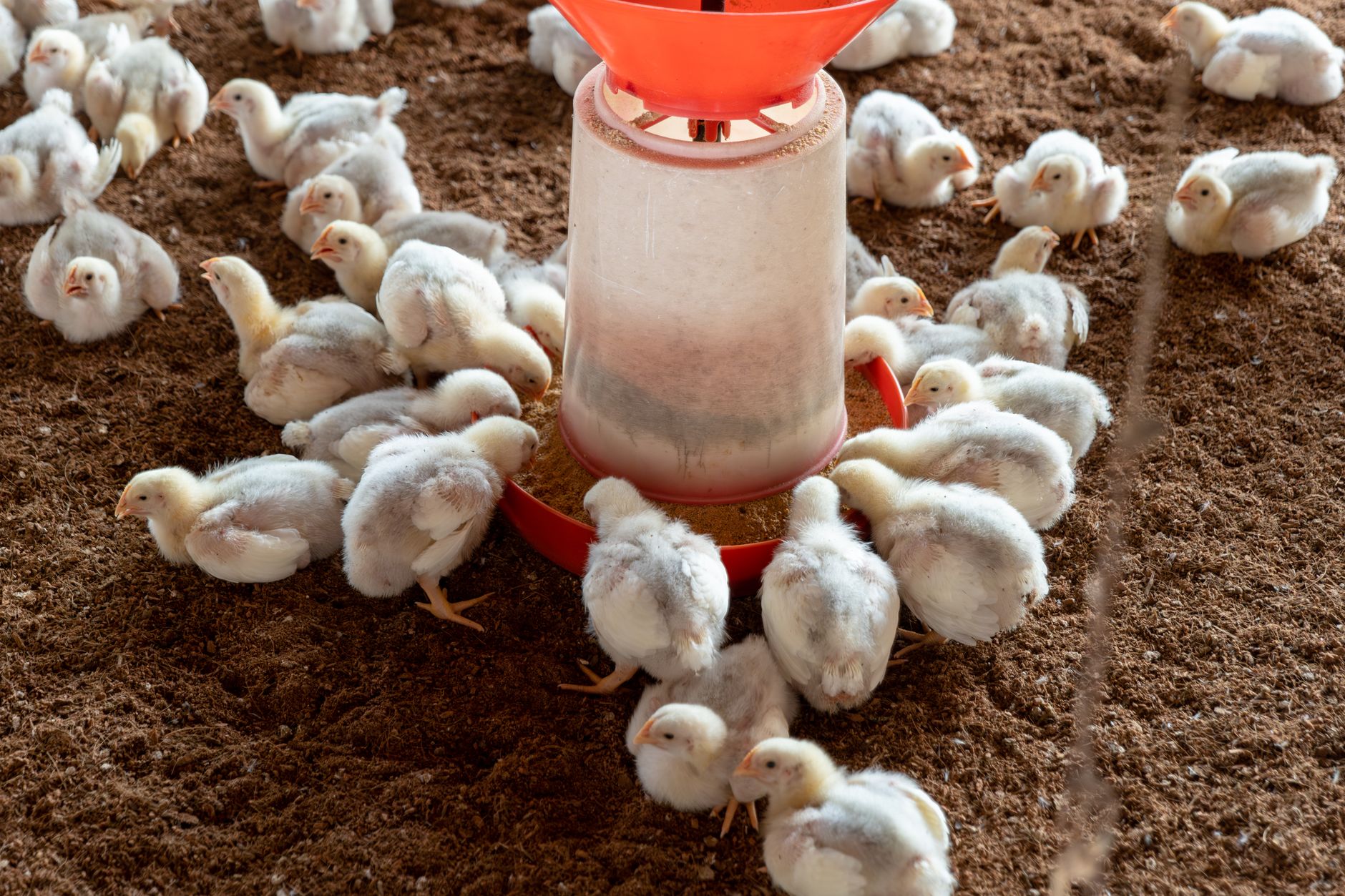
    So you’ve got a few hens happily scratching around the backyard, and somewhere along the way, you thought, “We need more chickens.” Maybe it was the feed store visit in spring when the kids spotted those fluffy chicks. Maybe you lost a hen and want to rebuild your flock. Or maybe—like me—you just can’t resist adding a new breed to the mix. Whatever brought you here, you’re now facing the reality that chickens don’t exactly roll out the welcome wagon for newcomers.

    I’ve been through this process several times now with our backyard flock here in Northwest Florida, and I’m going to be honest with you: it requires patience. But with the right approach, you can absolutely integrate new birds without anyone getting hurt—or without you losing your mind in the process.

    Why Chickens Are So Territorial

    Before we get into the how, it helps to understand the why. Chickens have a very real social hierarchy called the pecking order, and they take it seriously. When you introduce new birds, your existing flock sees them as intruders who need to be put in their place. This isn’t your hens being mean—it’s just chicken nature.

    The good news? Once everyone figures out where they stand, things settle down. The bad news? That figuring-out process can get rough if you don’t manage it carefully.

    The Quarantine Period: Don’t Skip This

    I know it’s tempting to just toss those new birds in with the others and hope for the best, but please don’t. New chickens should be quarantined for at least two to four weeks before they’re anywhere near your existing flock.

    This isn’t about being overly cautious—it’s about protecting everyone. New birds can carry diseases or parasites that don’t show symptoms right away. In Florida’s warm, humid climate, things like mites and respiratory issues can spread fast. Keep your new girls completely separate, ideally where your existing flock can’t even see them, and watch for any signs of illness.

    During quarantine, I like to dust newcomers with food-grade diatomaceous earth as a preventative measure against mites and lice. It’s gentle, natural, and gives me peace of mind.

    The “See But Don’t Touch” Phase

    Once your new birds have passed quarantine with a clean bill of health, it’s time for introductions—but slowly. The goal here is to let both groups see each other and get used to each other’s presence without any physical contact.

    We’ve done this a few different ways:

    Option 1: A Divided Run

    If you have the space, set up a temporary pen inside or right next to your existing run. Hardware cloth works great for this because the birds can see and hear each other, but nobody can peck through it. Leave this setup in place for at least a week, longer if you’re seeing a lot of aggression at the fence line.

    Option 2: A Dog Crate Inside the Coop

    This works well if you’re adding just one or two birds. Place a large dog crate inside your coop at night so everyone sleeps in the same space but the new birds are protected. During the day, let them out into a separate area. After a week or so, the flock gets curious instead of aggressive.

    This phase takes patience, but it’s the most important step. Rushing it almost always ends in injuries.

    The First Real Introduction

    When you’re ready to let everyone mingle, set yourself up for success:

    Choose the right time. Late afternoon or early evening works well. The birds are naturally winding down, and they’ll head to roost soon, which limits the drama.

    Do it in a neutral space if possible. If you can let everyone free-range together in the yard first (rather than putting newbies directly into the coop), there’s less territorial tension.

    Add distractions. Scatter treats, hang a cabbage, give them something interesting to focus on besides each other. I’ve also found that rearranging things inside the coop—moving the roost bars, adding a new perch—helps because it disrupts the existing flock’s sense of “ownership.”

    Make sure there are escape routes. New birds need places to run and hide. Add extra roosting spots at different heights, lean boards against the fence to create hiding spots, and make sure food and water stations are in multiple locations so newcomers can eat without being cornered.

    Expect Some Pecking (But Know When to Intervene)

    Here’s the hard truth: there will be some pecking and chasing. This is normal. The existing hens need to establish where the new birds fit in the pecking order, and that process isn’t always pretty.

    What’s normal:

    • Pecking at the head or neck that doesn’t draw blood
    • Chasing newcomers away from food or favorite spots
    • General bossiness and posturing

    What’s not okay:

    • Drawing blood
    • Relentless attacks where the new bird can’t escape
    • Preventing new birds from eating or drinking entirely
    • Ganging up to the point of injury

    If you’re seeing dangerous aggression, separate the birds and try again in a few days. Some flocks take longer than others. And occasionally, you’ll have one hen who just cannot accept newcomers—she may need a time-out in a separate pen to knock her down a peg in the pecking order.

    Age and Size Matter

    One thing I wish someone had told me earlier: don’t introduce young pullets to adult hens until the pullets are close to the same size. A full-grown hen can seriously injure a smaller bird. If you’ve got chicks or young pullets, wait until they’re at least 12-16 weeks old and approaching adult size before attempting integration.

    If you’re raising chicks and learning alongside your kids, A Kid’s Guide to Keeping Chickens is a wonderful resource that covers all of this in a way elementary-age children can understand and participate in. My kids have learned so much about animal husbandry and responsibility through our flock.

    For the deeper dive into flock management, Storey’s Guide to Raising Chickens has been my go-to reference for years.

    Helpful Tools for Flock Management

    A few things have made our chicken-keeping life easier, especially during integration periods:

    • Multiple feeding stations: When new birds are finding their place, having food and water in several spots ensures everyone can eat.
    • Nipple waterers keep water clean and are easy to set up in multiple locations.
    • An automatic coop door has been a game-changer for us—especially during Florida summers when I want the girls out early to forage before the heat sets in.

    The Homeschool Connection

    I have to say, introducing new chickens has become one of our favorite hands-on learning experiences. We observe and record behaviors in our nature journals, discuss animal behavior and social structures, and practice patience alongside our animals. Charlotte Mason talked about children learning from living things, and there’s no better classroom than the backyard coop.

    My kids now notice subtle things—who’s being bossy, who’s nervous, who’s finally brave enough to eat from the main feeder. It’s biology, sociology, and character education all wrapped into one messy, feathery experience.

    Give It Time

    Full integration can take anywhere from a few days to several weeks. Every flock is different. But I promise, if you go slowly and give everyone space to adjust, you’ll eventually look out your window and see all your hens scratching around together like they’ve always been a flock.

    And then, of course, you’ll start thinking about what breeds to add next spring.

    I get it. I’m right there with you.

    If you’re in the middle of integration right now and feeling discouraged, hang in there. It really does get easier. And there’s something deeply satisfying about watching your little flock grow—knowing your kids are learning where food comes from, how to care for animals, and that good things take time.

    That’s the kind of childhood we’re building over here. One chicken at a time.

  • Florida Springs Homeschool Field Trip Guide: A Nature-Loving Mama’s Best Picks

    Florida Springs Homeschool Field Trip Guide: A Nature-Loving Mama’s Best Picks

    If you’ve never taken your kids to a Florida spring, let me just say — you’re in for something magical. I’m talking crystal-clear water so blue-green it doesn’t look real, fish swimming right past your toes, and the kind of wonder on your children’s faces that no YouTube video could ever produce. These springs are one of the greatest gifts of living in Florida, and they’re basically an outdoor classroom handed to us on a silver platter.

    This post contains affiliate links. I may earn a small commission at no extra cost to you.

    We’ve made Florida springs a cornerstone of our homeschool year, and I want to share everything we’ve learned — from which springs are worth the drive to what we pack and how we turn a swim day into real, living learning.

    Why Florida Springs Are Perfect for Homeschool Field Trips

    Charlotte Mason talked about “the science of relations” — helping children form connections with the world around them. Friends, there is no better place to do this than standing knee-deep in 72-degree water watching a manatee drift by.

    Florida has over 700 natural springs, and many of them are completely accessible for families. The water stays a constant temperature year-round (usually around 68-72°F), which means they’re refreshing in our brutal summers and surprisingly swimmable even in winter. The clarity of the water makes them incredible for observing aquatic ecosystems — we’re talking visibility of 50+ feet in some springs.

    For us, a spring trip hits science, geography, ecology, and physical education all at once. And honestly? It’s the kind of childhood memory I want my kids to carry forever. Less screen time, more snorkel time.

    Our Favorite Springs for Homeschool Families

    Springs Worth the Drive from Northwest Florida

    Living in the Pensacola area, we have to travel a bit to reach the most famous springs, but it’s absolutely worth it. Here are our tried-and-true favorites:

    Vortex Spring (Ponce de Leon) — This one is closest to us and perfect for a quick day trip. The water is incredibly clear, and they allow snorkeling. It’s privately owned, so there’s a small fee, but it’s well-maintained and less crowded than state parks on weekdays.

    Morrison Springs (Walton County) — Only about an hour from Pensacola, this is a beautiful, free county park. The spring pool is perfect for swimming, and the boardwalk makes it accessible for little legs. We’ve spotted gar, turtles, and all kinds of fish here.

    Ichetucknee Springs State Park — This one requires more planning (it’s about 4.5 hours from Pensacola), but the tubing experience is unmatched. We like to go in the off-season when it’s quieter and you can really observe the wildlife.

    Manatee Springs State Park — Another longer drive, but if you go in the cooler months, you may see manatees congregating where the spring meets the Suwannee River. Bring binoculars and your nature journal for this one.

    What Makes a Spring “Homeschool-Friendly”

    When I’m choosing a spring for our family, I look for:

    • Clear water for observation
    • Shallow areas for younger kids
    • Picnic facilities so we can make a full day of it
    • Nature trails nearby for before or after exploring
    • Weekday availability (we love that homeschool perk of avoiding weekend crowds)

    How We Turn a Spring Trip Into a Learning Day

    Now, I’m not one to over-schedule or turn every outing into a formal lesson. Charlotte Mason believed in letting children observe and form their own connections. But a little preparation goes a long way toward making those connections richer.

    Before We Go

    We read about springs — how they form, why the water is so clear, what kind of ecosystems they support. Florida springs are actually windows into the aquifer, which is our main source of drinking water. That alone opens up conversations about water conservation, geology, and stewardship.

    We also look up what wildlife we might see. Our Sibley bird guide comes with us everywhere, and springs are great spots for herons, kingfishers, and sometimes even limpkins.

    What We Pack

    Here’s our spring trip packing list after many rounds of trial and error:

    • Snorkel gear (even cheap masks work for kids)
    • Water shoes (those rocks are slippery)
    • Rain boots for muddy trails
    • Towels and a change of clothes
    • Non-toxic sunscreen — this matters extra at springs since regular sunscreen chemicals harm aquatic life
    • A packed lunch and lots of water
    • Nature journals and pencils
    • Our pocket microscope for examining leaves, sand, and anything interesting we find
    • A field guide or two
    • Bug catcher kit for exploring the surrounding woods

    Nature Study at the Spring

    We don’t do worksheets at the spring (please, no). Instead, we observe. We sketch. We wonder aloud. My kids have learned to identify different fish species just by watching them. They know that the “boil” at the center of a spring is where water is actively flowing up from underground. They understand that the water temperature stays constant because it comes from deep in the earth.

    This is living science, y’all. This is what sticks.

    After we swim and explore, we find a shady spot for lunch and journaling. Sometimes the entries are detailed sketches of a turtle we saw. Sometimes it’s just “I saw a big fish and it was cool.” Both are valid. The point is presence and attention.

    Using the Florida PEP Scholarship for Spring Trips

    For those of us using the PEP scholarship, here’s good news: state park entrance fees and educational materials can often be covered. Keep your receipts for park admission, and if you purchase field guides or nature study supplies, those may qualify too. We’ve used PEP funds for things like our nature journals, field guides, and even some of our science equipment.

    Just make sure to document everything and connect it to your educational goals. A spring trip easily covers Florida history, environmental science, and physical education.

    Tips for Making It Manageable

    I know what you might be thinking — this sounds like a lot with little ones. And yes, spring trips do require some effort. But here’s what helps us:

    • Go on weekdays. Seriously, the difference in crowd size is dramatic.
    • Start early. We try to arrive when the park opens. Kids have more energy, it’s cooler, and we beat the afternoon thunderstorms.
    • Lower your expectations. Some trips are amazing. Some trips involve a meltdown in the parking lot before we even get in the water. Both are part of the journey.
    • Let them lead. If your kid wants to spend 45 minutes watching minnows instead of swimming, let them. That’s education happening.

    The Gift of Wild Places

    When I think about the childhood I want for my kids — that 1990s-style, muddy-knees, sun-tired kind of childhood — Florida springs are a huge part of that vision. No screens. No schedules. Just clear water, curious minds, and hours to explore.

    Our backyard chickens will be fine for the day (that automatic coop door was the best investment we ever made). The dog stays home with a neighbor. And we head out to discover one of Florida’s greatest treasures together.

    If you haven’t taken your crew to a spring yet, let this be your sign. Pack a lunch, grab the sunscreen, and go. You won’t regret it.

    See y’all out there.

  • Best Homeschool Geography Curriculum for Elementary: What’s Actually Working in Our Home

    Best Homeschool Geography Curriculum for Elementary: What’s Actually Working in Our Home

    If you’ve ever watched your kid zone out while staring at a worksheet about continents, you’re not alone. Finding the best homeschool geography curriculum for elementary ages can feel overwhelming — there are so many boxed sets, workbooks, and online programs promising to make your child a little world traveler. But here’s what I’ve learned after a few years of homeschooling in our little corner of Northwest Florida: the best geography education doesn’t always come in a box.

    This post contains affiliate links. I may earn a small commission at no extra cost to you.

    Why Geography Matters (Especially for Young Kids)

    Before we dive into curriculum options, let’s talk about why geography even matters at the elementary level. For young kids, geography isn’t really about memorizing state capitals or labeling maps (though that comes eventually). It’s about developing a sense of place — understanding where they are in the world, how land and water shape life, and how people in different places live differently.

    This is something Charlotte Mason understood deeply. She believed children should develop a relationship with the world around them through real experiences first, then books and maps second. And honestly? That approach has worked beautifully for us.

    Our Favorite Approaches to Elementary Geography

    Start With Where You Are

    The best geography curriculum for elementary kids begins right outside your door. Here in the Pensacola area, we’re surrounded by geography lessons — barrier islands, the Gulf of Mexico, the swampy areas inland, the way the Escambia River winds through town. My kids know what a coastal plain looks like because they’ve walked on one.

    We keep a nature journal going year-round, and geography naturally weaves into our observations. When we sketch a bird, we talk about where else that bird lives. When we find a shell on the beach, we discuss how it got there and what the Gulf floor might look like. It’s not a formal “geography lesson,” but it’s building a foundation that makes everything else stick.

    Living Books Over Textbooks

    If you’re familiar with the Charlotte Mason method, you know living books are the heart of learning. For geography, this means choosing beautifully written books that bring places to life rather than dry textbooks full of disconnected facts.

    Some of our favorites:

    • Paddle-to-the-Sea by Holling C. Holling (a gorgeous introduction to North American waterways)
    • The Story of the World series (technically history, but rich with geography)
    • Minn of the Mississippi — another Holling book we adore
    • Any Usborne lift-the-flap atlas for the younger crowd

    You can find many of these through Rainbow Resource, which is my go-to for Charlotte Mason-friendly materials. They carry an incredible selection of living books and hands-on geography resources.

    Maps, Globes, and Hands-On Tools

    We have a big wall map in our schoolroom, and I can’t overstate how much my kids have learned just by having it there. When we read about a place in a book, we find it on the map. When the chickens’ feed bag says it was made in Arkansas, we look that up too. (Yes, even the chickens contribute to our geography lessons around here.)

    A good globe is worth the investment. We use ours constantly — spinning it during read-alouds, tracing routes with fingers, comparing sizes of continents. It makes the world feel real in a way flat maps can’t.

    Structured Curriculum Options That Actually Work

    Now, if you’re looking for something with a bit more structure — and I get it, sometimes we need a spine to follow — here are some options that align well with a nature-based, hands-on approach:

    Beautiful Feet Books Geography — These are literature-based guides that use living books as the foundation. Perfect for Charlotte Mason families.

    Memoria Press Geography — More classical in approach, but solid and thorough. Good for kids who like clear expectations.

    Trail Guide to World Geography — This one is popular with CM homeschoolers because it incorporates mapping, research, and living books. You can customize it to your family’s pace.

    Timberdoodle also curates excellent geography options in their curriculum kits, and I’ve found their selections tend to lean hands-on and engaging rather than worksheet-heavy.

    Making Geography Come Alive Beyond Books

    Nature Study Is Geography

    Here’s something I wish someone had told me earlier: nature study and geography are deeply connected. When we use our Sibley bird guide to identify a bird in our backyard, we often look at range maps showing where that bird lives across the continent. My kids now understand migration patterns, climate zones, and habitat types — all through the lens of birds.

    The same goes for our bug collecting adventures. We use a pocket microscope to examine insects up close, and then we research where those insects are found around the world. Geography becomes a natural extension of curiosity.

    Cooking and Culture

    One of our favorite geography activities is cooking foods from different regions. When we studied South America, we made empanadas. For Japan, we attempted homemade miso soup (with varying success, but the kids loved it anyway). This makes geography tangible — it’s hard to forget where a country is when you remember how its food tasted.

    Backyard Connections

    Even our backyard chickens tie into geography lessons. We’ve talked about where chickens were first domesticated (Southeast Asia!), how different breeds developed in different climates, and why our hot, humid Florida weather affects which breeds do best here. If you’re raising chickens with kids, A Kid’s Guide to Keeping Chickens is a wonderful resource that touches on some of this history.

    What About the Florida PEP Scholarship?

    For those of us using the Florida PEP homeschool scholarship, geography curriculum is an approved expense. I’ve used it to purchase atlases, wall maps, and living book sets without any issues. Just make sure you keep your receipts and document what you’re ordering. Programs like those found at Rainbow Resource are widely accepted — they’re a well-known homeschool vendor, which makes documentation straightforward.

    The 1990s Kid Approach to Geography

    Remember how we learned geography as kids? Partly through school, sure — but also through exploring our neighborhoods, looking at road atlases on family trips (no GPS!), and just being outside enough to understand how the land worked.

    I want that for my kids. Less clicking through digital maps, more tracing rivers with their fingers on a real paper map. Less screen-based “educational games,” more digging in the dirt and noticing how water flows downhill after a Florida afternoon rainstorm.

    The best homeschool geography curriculum for elementary kids isn’t necessarily the flashiest or most expensive. It’s the one that gets your kids noticing the world — their world first, then expanding outward from there.

    Final Thoughts

    If you’re feeling overwhelmed by all the geography options out there, take a breath. Start simple. Get a good wall map, find some living books at the library, and pay attention to the geography happening right outside your door. Layer in structure as you need it, but don’t underestimate the power of curiosity-led learning.

    Our family’s geography education looks like sketching the Gulf shoreline, reading aloud about children in other countries, and yes, occasionally filling in a map worksheet when the mood strikes. It’s imperfect and informal and somehow, it’s working.

    Your version might look completely different, and that’s okay. That’s the beauty of homeschooling — we get to figure out what works for our own kids, in our own homes, one lesson at a time.

  • How to Do a Nature Walk with Purpose the Charlotte Mason Way

    If you’ve ever herded your kids outside for a nature walk only to end up with whining, stick-throwing, and a whole lot of “I’m bored,” you’re not alone. I’ve been there—standing in a Florida state park, sweat dripping, wondering why this peaceful nature experience looks nothing like my Pinterest board.

    But here’s what I’ve learned after years of Charlotte Mason homeschooling: a purposeful nature walk isn’t about perfection. It’s about presence, curiosity, and giving your kids the tools to actually see what’s around them.

    This post contains affiliate links. I may earn a small commission at no extra cost to you.

    What Charlotte Mason Actually Meant by Nature Study

    Charlotte Mason believed that children should spend hours outdoors, not just for fresh air and exercise, but for the formation of their minds and souls. She saw nature as a living classroom where children develop observation skills, patience, and a deep sense of wonder.

    But here’s the thing—she wasn’t talking about dragging kids through a checklist. Her approach was about cultivating attention. When a child learns to truly look at a spider web or listen for a woodpecker, they’re building habits of focus that transfer to everything else in life.

    In our Florida homeschool, this looks less like formal lessons and more like slow mornings outside before the humidity hits. It’s watching the chickens scratch around the yard and noticing which bugs they go after first. It’s pausing on our walks to examine a resurrection fern on an oak tree.

    How to Add Purpose Without Killing the Joy

    Let me be clear: purpose doesn’t mean rigid. A purposeful nature walk simply means you’re going out with intention rather than just hoping something educational happens.

    Start with One Focus

    Instead of trying to study everything, pick one thing to notice. Maybe it’s birds this week. Or tracks. Or wildflowers. When my kids know we’re looking for something specific, they transform into little detectives.

    Last week, we focused on identifying three birds by their calls alone. We brought our Sibley Birds field guide and sat quietly near the edge of our neighborhood pond. My youngest heard a red-winged blackbird before she saw it, and you would have thought she’d discovered gold.

    Bring the Right Tools

    You don’t need much, but a few simple tools can turn a regular walk into an adventure. Here’s what we usually pack:

    We keep everything in a canvas bag by the back door so we can grab it and go. In Florida, the weather window for comfortable outdoor time can be short, especially in summer—you’ve got to be ready.

    Let Them Lead (Within the Frame)

    Here’s where Charlotte Mason gets really practical. You set the stage, but then you step back. Give your child the focus topic, hand them the tools, and then follow their curiosity within that frame.

    If we’re studying insects and my son gets fascinated by a particular ant hill, we’re staying at that ant hill. That’s the lesson now. I’m not rushing him along to find a butterfly because that’s what I had in mind.

    The Nature Journal: Where It All Comes Together

    Charlotte Mason was big on nature journals, and honestly, this is where the magic happens. After our walks, we spend a few minutes drawing or writing about what we observed. It doesn’t have to be fancy—stick figures and misspelled words count.

    The point is attention and memory. When a child draws a blue jay, they have to really look at it. How long is the beak compared to the head? What shape are the wing feathers? This kind of focused observation is a skill, and it grows over time.

    We love using Faber-Castell watercolor pencils for our journal entries. They’re forgiving enough for little hands but create beautiful results that make my kids proud of their work.

    Purposeful Nature Walks in Your Own Backyard

    You don’t need to load everyone in the car for a nature walk to count. Some of our best Charlotte Mason nature study happens right in our backyard.

    Watching our chickens has become an unexpected goldmine for observation skills. We’ve studied their pecking order (literal and social), tracked what time they head into the coop at night, and observed how they react to different weather. If you’re raising backyard chickens with kids, I highly recommend A Kid’s Guide to Keeping Chickens—it’s perfect for turning chicken chores into learning.

    Our mini labradoodle has even become part of the nature study. We watch what catches her attention on walks, compare her senses to ours, and notice how she tracks squirrels. Everything is a lesson when you’re paying attention.

    Making It Work in Florida Weather

    Let’s be real—nature walks in Northwest Florida require some strategy. In summer, we’re out early morning or waiting until evening when the heat breaks. We always have non-toxic sunscreen and bug spray on hand (we use Wondercide because it actually works without the chemicals).

    Winter here is prime nature walk season. While my friends up north are stuck inside, we’re exploring state parks in long sleeves, finding tracks in the sand, and enjoying Florida’s version of fall color—which is really just everything finally not being crispy and brown.

    Good rain boots are essential year-round. Florida afternoon storms are no joke, and puddle-stomping after a rain is some of the best nature study around. The kids have found more frogs, snails, and interesting bugs after rainstorms than any other time.

    Keep It Simple, Keep It Real

    If there’s one thing I want you to take away, it’s this: a purposeful Charlotte Mason nature walk doesn’t require expertise or expensive curriculum. It requires showing up with your kids and choosing to pay attention alongside them.

    Some of our best nature walks have been total busts by traditional standards—no rare birds spotted, no perfect journal entries, somebody definitely cried. But we were outside. We were together. We were practicing the art of noticing.

    And in a world full of screens and schedules and noise, that matters more than any checklist ever could.

    So grab a journal, pick one thing to notice, and head outside. Your nature walk doesn’t have to be Instagram-worthy. It just has to be yours.

  • Non-Toxic Glass Cleaner That’s Streak-Free and Safe for Your Whole Family

    Non-Toxic Glass Cleaner That’s Streak-Free and Safe for Your Whole Family

    This post contains affiliate links. I may earn a small commission at no extra cost to you.

    If you’ve ever stood in the cleaning aisle, squinting at ingredient lists and wondering which glass cleaner won’t leave your kids breathing in questionable fumes—I see you. I’ve been there, baby wipes in one hand, toddler on my hip, trying to figure out why “clean” has to come with a chemical warning label.

    Here’s the thing: our windows get gross. Between the Florida humidity fogging everything up, little handprints from excited kids spotting lizards on the glass door, and the occasional nose print from our labradoodle when she sees a squirrel—we need glass cleaner that actually works. But I refuse to trade sparkly windows for my family’s health.

    So let’s talk about non-toxic glass cleaner that’s streak-free and actually safe for your whole family. Because yes, it exists, and no, you don’t have to sacrifice clean for healthy.

    Why I Ditched Conventional Glass Cleaners

    When I first started transitioning to a non-toxic home, glass cleaner wasn’t even on my radar. I figured, “It’s just for windows—how bad can it be?” But then I started reading ingredient lists (thanks, science degree, for making me that person), and y’all. The blue stuff we all grew up with? It’s packed with things like ammonia, 2-butoxyethanol, and synthetic fragrances that can irritate airways and skin.

    Now, I’m not here to fear-monger. But when you’ve got elementary-age kids pressing their faces against sliding glass doors approximately forty-seven times a day, and then those same little hands end up in their mouths… well, I wanted something I didn’t have to worry about.

    Plus, have you ever sprayed conventional cleaner in a small bathroom? That smell alone tells you something’s off.

    What Makes a Glass Cleaner Truly Non-Toxic?

    Not everything labeled “natural” or “green” actually is. Marketing is sneaky like that. Here’s what I look for:

    Ingredients I Avoid

    • Ammonia
    • 2-butoxyethanol (often hidden in “fragrance”)
    • Synthetic fragrances or parfum
    • Phthalates
    • Chlorine bleach

    Ingredients I Trust

    • Vinegar (acetic acid)
    • Plant-based surfactants
    • Essential oils (real ones, not fragrance oils)
    • Citric acid
    • Purified water

    The good news? You can absolutely find—or make—a glass cleaner that checks all these boxes AND leaves your windows streak-free. I promise.

    My Go-To Non-Toxic Glass Cleaner Options

    The DIY Route (My Personal Favorite)

    Honestly, the best non-toxic glass cleaner I’ve found is the one I make in my own kitchen. It takes about thirty seconds and costs pennies.

    Simple DIY Glass Cleaner Recipe:

    • 1 cup distilled water
    • 1 cup white vinegar
    • 10 drops lemon or orange essential oil (optional, but smells lovely)

    Pour it in a glass spray bottle, shake gently, and you’re done. The vinegar cuts through grime, the distilled water prevents mineral spots, and it dries streak-free if you use the right technique (more on that below).

    I keep a bottle under every bathroom sink and one by the back door—because again, labradoodle nose prints.

    Store-Bought Options That Actually Work

    Some days, I just don’t want to DIY one more thing. I get it. If you’re looking for a ready-made option, I’ve had great luck with brands from Grove Collaborative. They vet their products for safety, and their glass cleaner concentrate is honestly impressive. You can dilute it yourself, which means less plastic waste too.

    I also appreciate that Grove lets you bundle cleaning supplies with other non-toxic home essentials. It’s where I get a lot of our household products, from dish soap to the Wondercide we use for pest control around the house and chicken coop.

    The Secret to Streak-Free Windows (Hint: It’s Not Just the Cleaner)

    Here’s something nobody tells you: even the best glass cleaner can leave streaks if you’re using the wrong cloth. For years, I blamed the product when really it was my paper towels.

    What Actually Works

    Microfiber cloths are your best friend. They grab dirt and absorb liquid without leaving lint behind. I keep a stack just for glass and mirrors.

    Newspaper works too, if you want to go old school. Something about the ink and paper texture buffs glass beautifully. My grandmother swore by this method, and she wasn’t wrong.

    The two-cloth method: Spray your cleaner, wipe with one damp microfiber cloth, then immediately buff dry with a second clean, dry cloth. Game changer.

    Also—and this matters here in Florida—don’t clean windows in direct sunlight. The heat makes the cleaner evaporate too fast, which causes streaking. Early morning or after the sun moves is your sweet spot.

    Teaching Kids to Clean (Without the Chemical Worry)

    One of the unexpected joys of switching to non-toxic cleaners? I can actually let my kids help without hovering anxiously.

    My elementary crew loves having “real” jobs, and wiping down the glass door is a favorite. With our DIY vinegar spray, I don’t panic when they inevitably spray too much or get it on their hands. It’s just vinegar and water. They can touch it, smell it, even accidentally spray each other (it happens), and I’m not worried.

    This ties into our whole homeschool philosophy, honestly. Charlotte Mason talks about habit training and giving children real work. Cleaning windows might seem small, but it builds capability and confidence. And when the tools are safe, I can step back and let them learn.

    We do the same thing with chicken chores—the kids help refill the chicken waterer, check for eggs, sprinkle diatomaceous earth in the coop for pest control. Real work with real tools they can handle safely. It all connects.

    Quick Troubleshooting: Why Your Non-Toxic Cleaner Might Streak

    If you’ve tried homemade or natural glass cleaner and it’s not working, here are the usual culprits:

    1. Residue from old cleaners: Conventional products leave a waxy film. It takes a few cleanings with vinegar-based cleaner to cut through it. Be patient.

    2. Hard water: If you’re using tap water in your DIY mix, minerals can cause spots. Switch to distilled.

    3. Too much product: A little goes a long way. Over-spraying means more liquid to streak.

    4. Wrong cloth: Ditch the paper towels. Trust me.

    5. Cleaning in the sun: Wait for shade or cooler temps.

    A Note on Windows, Light, and Slow Living

    I’ll be honest—clean windows aren’t something I obsess over. We’re a homeschool family with chickens in the backyard and kids who spend more time outside than in. Fingerprints happen. Dog smudges happen. That’s life.

    But there’s something about letting good light pour through clean glass that just feels peaceful. Especially during our morning time, when we’re gathered on the couch for read-alouds, and the Florida sunshine is streaming in. Clean windows are a small thing that makes our home feel a little more intentional.

    And knowing that the cleaner we used is safe? That I can wipe down the back door after the kids have been in and out all afternoon, and nobody’s breathing in anything harmful? That’s the kind of quiet peace I’m after.

    The Bottom Line

    You don’t need fancy products or a chemistry degree to get streak-free, non-toxic glass cleaner that’s safe for your whole family. A simple vinegar solution, good microfiber cloths, and a little technique go a long way. And if you want a shortcut, Grove Collaborative has solid options that I trust in our home.

    Clean doesn’t have to mean toxic. And honestly? The simple stuff usually works best anyway.

    Here’s to clear windows, safe homes, and kids who still press their noses against the glass to watch the chickens. Wouldn’t have it any other way.

    What’s your favorite non-toxic cleaning swap? I’d love to hear what’s working in your home!

  • Best Chicken Scratch Grains Reviewed: What We Actually Feed Our Backyard Flock

    Best Chicken Scratch Grains Reviewed: What We Actually Feed Our Backyard Flock

    This post contains affiliate links. I may earn a small commission at no extra cost to you.

    If you’ve got backyard chickens, you know that moment — the one where you shake the scratch container and suddenly you’re the most popular person in the yard. Our girls come running like we’re offering five-star dining, and honestly? Watching them scratch and peck through a good grain mix is one of my favorite parts of chicken keeping.

    But here’s the thing: not all scratch grains are created equal. After three years of keeping chickens here in Northwest Florida, I’ve tried more brands than I care to admit. Some were great. Some… well, let’s just say the girls were not impressed. And neither was I when I looked at the ingredient lists.

    So today, I’m breaking down the best chicken scratch grains we’ve actually used, what to look for, and what to avoid. Whether you’re new to backyard chickens or just looking to switch things up, I hope this helps.

    What Even Is Scratch Grain?

    Before we dive into brands, let’s back up for a second. Scratch grain is essentially a treat or supplement for your chickens — not a complete feed. It’s usually a mix of cracked corn, wheat, barley, oats, and sometimes sunflower seeds or other grains.

    Think of it like chips for chickens. Tasty? Absolutely. A balanced meal? Not quite.

    Scratch should make up no more than 10% of your flock’s diet. The bulk of their nutrition should come from a quality layer feed. But scratch has its place — it encourages natural foraging behavior, provides extra calories in cooler months (yes, even Florida gets chilly sometimes), and honestly, it’s just plain fun to watch them go after it.

    What to Look for in Quality Scratch Grains

    Simple, Recognizable Ingredients

    I approach chicken feed the same way I approach food for our family — I want to actually recognize what’s in it. The best scratch grains have a short ingredient list: whole grains you can identify. Cracked corn, wheat, oats, barley, milo, sunflower seeds. That’s it.

    If you’re seeing a bunch of additives or things you can’t pronounce, keep looking.

    Freshness Matters

    Grains can go rancid, especially in Florida’s humidity. I always check the manufacture date if it’s available, and I buy from stores with good turnover. Our local feed store is my go-to because I know their stock moves quickly.

    No Fillers or Artificial Colors

    Some cheaper scratch mixes bulk up with low-quality fillers or add artificial colors to make the mix look more appealing. Your chickens don’t care what color their food is, I promise.

    Our Favorite Scratch Grain Options

    Scratch and Peck Feeds Organic

    This is hands-down our top pick. It’s certified organic, non-GMO, and soy-free. The grains are whole rather than cracked, which I actually prefer — it takes the girls longer to eat, encouraging more natural foraging behavior. Plus, whole grains stay fresh longer in our humid climate.

    The ingredient list is simple: wheat, barley, oats, flax, and sesame seeds. That’s it. No corn, which some folks prefer.

    Is it more expensive? Yes. But the quality is there, and a little goes a long way since it’s meant as a treat, not a main feed.

    Manna Pro Harvest Delight

    This one is more widely available — I’ve found it at Tractor Supply and even some larger pet stores. It’s got a nice variety of grains plus some dried mealworms mixed in, which our girls go absolutely crazy for.

    It’s not organic, but the ingredient list is still reasonable. If you’re looking for something accessible and budget-friendly, this is a solid middle-ground option.

    Local Feed Mill Mixes

    Honestly? Some of the best scratch we’ve used has come from our local feed mill. If you have one nearby, it’s worth checking out. The grains are often fresher, you can sometimes customize your mix, and you’re supporting local agriculture.

    Here in the Pensacola area, we’ve got a few options within driving distance. I like asking what grains are locally sourced — it feels good to know our chicken treats aren’t traveling across the country.

    Homestead Harvest 5-Grain Scratch

    Another good option if you prefer a cracked grain mix. It includes corn, wheat, milo, oats, and barley. Pretty straightforward. The price point is reasonable, and the girls eat it happily.

    Just watch the corn ratio if you’re feeding in summer — corn generates more body heat during digestion, which isn’t ideal during Florida’s brutal August days.

    How We Use Scratch Grain in Our Routine

    Scratch isn’t an everyday thing at our house. I use it a few different ways:

    Training and recall: Our kids helped train the chickens to come when called using scratch as a reward. Now when anyone shakes that container, the whole flock appears. It’s honestly better than any recall training we’ve done with the dog.

    Afternoon enrichment: On days when the girls seem restless, I’ll scatter some scratch in their run to give them something to do. It keeps them busy and happy.

    Cool weather calories: Even in Florida, we get some genuinely cold days in January and February. A little scratch in the late afternoon helps them generate body heat overnight.

    A Note on Storage

    Proper storage makes a huge difference, especially down here where humidity is a constant battle. We keep our scratch in a metal trash can with a tight-fitting lid. It keeps moisture out and critters away.

    I’ve also learned to buy smaller quantities more frequently rather than stocking up. Fresher is always better.

    Speaking of keeping things tidy in the coop, we use food-grade diatomaceous earth around the coop and run. It helps with moisture and pests naturally.

    Learning Alongside Our Flock

    One of the unexpected joys of keeping chickens has been how much the kids have learned. Our oldest has become the unofficial chicken expert of the family — she knows their personalities, notices when someone’s acting off, and has even started keeping notes in her nature journal about their behavior.

    If you’re homeschooling and thinking about chickens, I can’t recommend it enough. There’s a wonderful book called Storey’s Guide to Raising Chickens that’s been my go-to reference since day one. It covers everything from breeds to nutrition to health issues.

    For the kids, A Kid’s Guide to Keeping Chickens has been perfect — it’s written at their level and gives them ownership over learning the basics.

    Keeping the Coop Running Smoothly

    While we’re talking chicken care, a couple other things have made our lives easier:

    We invested in an automatic coop door last year, and it’s been a game-changer. No more rushing home at dusk or worrying when we’re away.

    And a good nipple waterer system keeps the water clean and reduces the constant maintenance of traditional waterers. In Florida heat, clean water is non-negotiable.

    Final Thoughts

    Choosing the best chicken scratch grains doesn’t have to be complicated. Look for simple ingredients, buy fresh when you can, and remember — it’s a treat, not a meal.

    Our girls are healthy, happy, and still come running every time they hear that familiar shake of the scratch container. And watching them peck and scratch through a pile of good grains? That’s the kind of simple, slow moment I treasure.

    If you’re just getting started with backyard chickens or thinking about making the leap, know that it’s been one of the best decisions we’ve made for our family. The kids are learning responsibility, we’re more connected to our food, and honestly? Chickens are just really good company.

    Happy scratching, friends.

  • How to Teach Kids Financial Literacy in Your Homeschool (Without Boring Workbooks)

    How to Teach Kids Financial Literacy in Your Homeschool (Without Boring Workbooks)

    This post contains affiliate links. I may earn a small commission at no extra cost to you.

    Here’s something they definitely didn’t teach us in school: how to actually handle money. I remember learning to balance a checkbook in eighth grade home economics, and that was about it. No one talked about budgeting, saving for goals, or understanding that money is a tool — not just something you trade for stuff at the store.

    When we started homeschooling, I knew I wanted to do things differently. And honestly? Teaching kids financial literacy fits so naturally into a Charlotte Mason, living-books approach that it almost feels like it was meant to be done at home. Real life is the curriculum here, y’all.

    Why Financial Literacy Matters for Kids

    I think about this a lot when my kids are older — like, actually older. Will they understand compound interest? Will they know how to save for something they want instead of expecting instant gratification? Will they see money as a tool for freedom rather than a source of stress?

    These are skills that compound (pun intended) over a lifetime. A kid who learns to wait, save, and make thoughtful choices at seven has a massive head start over someone learning those lessons at thirty with credit card debt.

    And here’s the beautiful thing about homeschooling: we don’t have to carve out a separate “money class.” Financial literacy weaves right into our daily rhythm.

    Start With Real Money, Real Experiences

    The Power of Cash

    One of the simplest shifts we made was using cash more often — especially with the kids present. There’s something powerful about watching physical money leave your hand. Swiping a card? That’s abstract. But counting out bills and coins? That’s concrete.

    When we’re at the farmer’s market here in Pensacola or stopping at a roadside produce stand, the kids see the exchange happen. They count the change. They start to understand that money is finite.

    Let Them Make (Small) Mistakes

    My oldest once spent an entire month’s allowance on a cheap toy that broke within the hour. Was I tempted to replace it? Sure. Did I? Nope.

    That lesson stuck way better than any lecture I could’ve given. Now when we’re at a store, I hear, “Is this actually worth it?” coming from their mouth, not mine.

    Hands-On Ways to Teach Financial Literacy at Home

    The Three-Jar System

    This is a classic for a reason. We use three clear jars labeled Save, Spend, and Give. When the kids earn money — whether through extra chores, birthday gifts, or finding quarters in the couch — they divide it up.

    Seeing the jars fill (or empty) gives them a visual representation of their choices. The give jar especially has led to some sweet conversations about generosity and causes they care about.

    Budgeting for Real Goals

    My daughter wanted a watercolor pencil set from Faber-Castell — the nice ones, not the dollar store kind. Instead of just buying it for her, we made it a savings goal. She figured out how many weeks of allowance it would take, tracked her progress, and experienced the satisfaction of purchasing something she’d worked toward.

    That set means more to her than any Christmas gift ever has.

    Let Chickens Teach Economics

    Okay, this one might be specific to us, but if you have backyard chickens, you’re sitting on a gold mine of financial lessons. Our girls started “helping” with chicken care a couple years ago, and we’ve turned it into a whole unit on income, expenses, and profit.

    We track how much we spend on feed (not cheap lately), bedding like food-grade diatomaceous earth, and supplies like our automatic coop door. Then we count eggs and talk about the “cost per egg” versus what we’d pay at the store.

    Is it always a money-saver? Honestly, no. But the kids understand that running a small operation has real costs — and real rewards beyond just dollars.

    Grocery Store Math

    Charlotte Mason believed in real-world application, and the grocery store is basically a living math textbook. We compare prices, calculate cost per ounce, and talk about why we choose certain products over others.

    This pairs beautifully with any hands-on math curriculum. We use manipulatives at home, and resources from places like Rainbow Resource have been great for finding materials that don’t feel like boring drill work.

    Connecting Money to Values

    Delayed Gratification in a Right-Now World

    This is maybe the hardest part to teach — and honestly, I’m still working on it myself. We live in a world of one-click ordering and instant everything. Teaching kids to wait? That’s countercultural.

    But it’s also deeply connected to how we’re trying to raise our kids — that 1990s childhood vibe where you didn’t get everything you wanted the moment you wanted it. You saved up for the special toy. You waited for your birthday. You learned that anticipation is part of the joy.

    Generosity as a Financial Skill

    We talk a lot about giving — not just from the “give jar,” but as a lifestyle. When the kids see us donate to causes we care about, support local families, or choose to buy from small businesses, they learn that money isn’t just about accumulating. It’s about stewarding.

    Resources That Actually Help

    I’m not big on curriculum for financial literacy at the elementary level. Real life is the best teacher. But having some tools on hand doesn’t hurt.

    A simple nature journal works great for tracking savings goals, making lists of wants versus needs, or drawing pictures of what they’re saving for. We’ve also found that Timberdoodle sometimes carries games and resources that make math and money concepts click without feeling like school.

    For older elementary kids, playing store, running a lemonade stand, or even selling eggs to neighbors brings these concepts to life in a way no workbook ever could.

    Making It Stick

    The thing about teaching financial literacy is that it’s not a one-time lesson. It’s woven into hundreds of small conversations, grocery store trips, allowance decisions, and moments when they want something and have to decide if it’s worth it.

    Some weeks we talk about money a lot. Other weeks, not at all. But the foundation is being laid, brick by brick, in the way we live our everyday life.

    I don’t have this all figured out — not even close. But I do know that giving our kids a healthy relationship with money is one of the greatest gifts we can offer. Not wealth, necessarily, but wisdom. The understanding that money is a tool, that choices have consequences, and that patience and intentionality pay off.

    And if a few backyard chickens and some watercolor pencils help teach those lessons? Well, I’d call that a homeschool win.

    What financial lessons are you weaving into your homeschool days? I’d love to hear what’s working for your family.

  • Florida Homeschool High School Transcript Requirements: What You Actually Need to Know

    Florida Homeschool High School Transcript Requirements: What You Actually Need to Know

    If you’re a Florida homeschool parent with little ones still catching tadpoles in the backyard, high school transcripts probably feel like a distant worry. But here’s the thing — the habits you build now, the records you keep, and the approach you take to documenting your homeschool journey will matter when those elementary kids suddenly need official paperwork for college applications or their first job. Trust me, I’m already thinking about this with my elementary crew, and I wish someone had laid it all out simply when we first started.

    This post contains affiliate links. I may earn a small commission at no extra cost to you.

    Why Florida Homeschool Transcripts Matter (Even If College Isn’t the Goal)

    Let’s get one thing straight: Florida doesn’t require you to submit transcripts to anyone while you’re homeschooling. We have wonderful homeschool freedom here — whether you’re registered with your county, enrolled in an umbrella school, or using a private tutor option. But transcripts aren’t about satisfying the state. They’re about opening doors for your kids.

    Colleges want them. Trade schools want them. The military wants them. Even some employers ask for proof of education. And here in Florida, with so many dual enrollment opportunities through our state colleges, having organized records means your high schooler can take advantage of those programs without scrambling at the last minute.

    What Florida Law Actually Requires for Homeschool Records

    Under Florida Statute 1002.41, homeschool families must:

    • Maintain a portfolio of educational records and materials (logs, writing samples, workbooks, creative work)
    • Preserve the portfolio for two years
    • Provide annual evaluation — either through a certified teacher review, standardized testing, or other approved methods

    Notice what’s NOT on that list? An official transcript. Florida doesn’t mandate that homeschool parents create transcripts. But when your child reaches high school age, you’ll want to create one anyway — and you absolutely have the authority to do so as their primary educator.

    What to Include on a Florida Homeschool High School Transcript

    A transcript is simply an organized summary of your student’s coursework. Here’s what colleges and other institutions typically expect to see:

    Student Information

    • Full legal name
    • Date of birth
    • Address
    • Expected graduation date

    School Information

    Yes, your homeschool is a school! Include:

    • Your homeschool name (many of us have one — ours is just our family name with “Homeschool” tacked on)
    • Address
    • Parent/administrator name and contact info

    Course List by Year

    For each year of high school (9th-12th), list:

    • Course titles
    • Credits earned (typically 1 credit = 120-150 hours of instruction)
    • Grades or evaluations

    GPA Calculation

    Most colleges want a cumulative GPA. Use a standard 4.0 scale unless you have reason to do otherwise.

    Graduation Date and Signature

    As the homeschool administrator, YOU sign the transcript. That’s completely legitimate and accepted.

    Making Course Titles Work for You

    Here’s where Charlotte Mason and nature-based homeschoolers sometimes feel stuck. How do you translate nature journals, living books, and afternoons spent observing backyard chickens into transcript-worthy course titles?

    The answer: use conventional titles with rich content behind them.

    That year of bird identification using our well-worn Sibley Guide to Birds, nature journaling, and habitat study? That’s Biology or Ornithology or Natural History. Document the books, the field hours, the sketches in their nature journal, and you’ve got a legitimate science credit.

    Did your student raise chickens from chicks, track egg production, manage flock health, and read through Storey’s Guide to Raising Chickens? That could be Animal Husbandry, Agricultural Science, or an elective credit in Small Livestock Management.

    The point is: real learning counts. You just need to document it intentionally.

    Keeping Records Now (Yes, Even in Elementary School)

    I know your kindergartener isn’t worried about transcripts. But the documentation habits you build now will save you hours later. Here’s what I do:

    • Keep a simple log of what we cover each week (I use a paper planner, nothing fancy)
    • Save samples of meaningful work — not everything, just representative pieces
    • Take photos of projects, experiments, and field trips
    • Track books read — this is easy for Charlotte Mason families since reading is the backbone of our days

    By the time high school arrives, you’ll have years of material to draw from. And pulling together a transcript will feel manageable, not overwhelming.

    Resources That Make Record-Keeping Easier

    I’m a big fan of curriculum suppliers that include record-keeping support. Rainbow Resource carries tons of planning tools, and Timberdoodle often bundles organizational helps with their curriculum kits.

    For math documentation specifically, programs like Math-U-See have clear scope and sequence charts — making it easy to translate what your student completed into transcript-ready course titles and credits.

    What About the Florida PEP Scholarship and Transcripts?

    For those of us using the Florida PEP homeschool scholarship, keeping good records isn’t just helpful — it’s essential for the program. While PEP doesn’t require transcripts for elementary students, maintaining organized documentation of how you’re using those funds is part of responsible stewardship. The habits overlap, and the skills transfer.

    When your PEP student reaches high school, you’ll have the same transcript freedom as any Florida homeschooler. The scholarship doesn’t change your authority to create and sign official transcripts.

    Don’t Overthink It

    Here’s the encouragement I needed when I first started researching Florida homeschool high school transcript requirements: you are qualified to do this.

    You don’t need a special form. You don’t need state approval. You don’t need to match what the public school down the street produces. You need an organized, honest record of what your student studied and accomplished.

    Colleges are used to homeschool transcripts. Admissions offices across Florida — and the country — see them regularly. What matters is that your transcript is clear, complete, and backed up by your portfolio of work.

    A Note on Diplomas

    In Florida, homeschool parents can also issue high school diplomas. There’s no state-issued homeschool diploma because there doesn’t need to be — you, as the educator, grant the diploma. Many families create a simple, meaningful diploma document and hold a small graduation celebration. After all those years of nature hikes, living books, and real-world learning, your student deserves that recognition.

    Start Where You Are

    Whether you’re just beginning with a five-year-old who’d rather dig for worms than sit still, or you’ve got a middle schooler and high school is suddenly on the horizon, the best time to start organizing is now. Keep it simple. Keep it real. And trust that the education you’re providing — messy, beautiful, and deeply intentional — absolutely counts.

    And hey, if your kid spent the morning sketching chicken feathers with watercolor pencils and the afternoon reading about poultry breeds? That’s education. Write it down. It’ll matter someday.

    You’ve got this, friend.

  • Non-Toxic Carpet Cleaner Safe for Kids and Pets: What We Actually Use in Our Home

    Non-Toxic Carpet Cleaner Safe for Kids and Pets: What We Actually Use in Our Home

    This post contains affiliate links. I may earn a small commission at no extra cost to you.

    If you’ve got little ones crawling around on the floor, a dog who thinks the living room rug is her personal throne, and the occasional muddy footprint situation — you know the carpet struggle is real. Add in Florida’s humidity (hello, mildew potential) and the fact that my kids seem magnetically drawn to every spill-able substance in our home, and finding a non-toxic carpet cleaner safe for kids and pets became a genuine priority for our family.

    I spent way too long squinting at ingredient labels in the cleaning aisle, getting frustrated by vague terms like “natural fragrance” and “plant-derived cleaning agents.” So today, I’m sharing what we’ve actually landed on — and why it matters more than you might think.

    Why Non-Toxic Carpet Cleaners Matter (Especially for Families Like Ours)

    Here’s the thing: carpets are basically giant sponges that hold onto everything. Dust, allergens, cleaning chemical residue — it all settles in those fibers. And who spends the most time down there? Our kids and our pets.

    My elementary-age kiddos still build elaborate Lego cities on the living room floor. Our mini labradoodle takes her post-walk nap sprawled across the hallway runner. When I think about conventional carpet cleaners with their synthetic fragrances, optical brighteners, and harsh surfactants, I picture all of that absorbing into the fibers where little hands and paws spend so much time.

    There’s also the air quality piece. Florida homes stay closed up a lot during summer (because, well, it’s basically surface-of-the-sun hot from May through October), which means whatever we’re spraying inside tends to hang around. Off-gassing from chemical cleaners can linger for days, and that’s just not something I want circulating through our homeschool space.

    What to Avoid in Carpet Cleaners

    Before I share what works, let’s talk about what to skip. When I’m reading labels, these are the red flags:

    Synthetic Fragrances

    That “fresh linen” or “spring meadow” scent? Usually a cocktail of undisclosed chemicals. Fragrance formulas are considered trade secrets, so companies don’t have to tell you what’s actually in them. Many contain phthalates and other endocrine disruptors. Hard pass.

    Optical Brighteners

    These make your carpets look cleaner by leaving behind a residue that reflects light. They don’t actually clean anything — they just create an illusion. And that residue? It stays in your carpet fibers indefinitely.

    2-Butoxyethanol

    Found in many conventional carpet cleaners, this solvent can irritate skin and eyes and has been linked to more serious health concerns with repeated exposure. Not something I want my kids rolling around in.

    Quaternary Ammonium Compounds (Quats)

    Often used as disinfectants in cleaning products, quats can trigger asthma and skin irritation. They’re also tough on the environment.

    What We Actually Use: Our Non-Toxic Carpet Cleaning Routine

    Okay, here’s the practical stuff. Our approach is pretty simple, and honestly, it works better than the conventional products I used years ago.

    For Everyday Freshening

    I make a simple carpet powder using baking soda and a few drops of essential oil (usually lavender or tea tree). Sprinkle it on, let it sit for 15-20 minutes, and vacuum it up. This absorbs odors without leaving any residue behind. It’s especially helpful after the dog comes in from a rainy backyard adventure.

    For Spot Cleaning

    White vinegar diluted with water (about 1:1 ratio) handles most fresh spills. For tougher spots, I make a paste with baking soda and a tiny bit of castile soap, work it into the stain, let it dry, and vacuum. This has conquered everything from mud tracked in after nature walks to mysterious art supply incidents I choose not to investigate too deeply.

    For Deep Cleaning

    A few times a year, I’ll do a more thorough clean. We use a basic carpet cleaning machine with just hot water and a splash of white vinegar — no commercial solution needed. The results are honestly impressive, and I don’t have to worry about chemical residue where the kids play.

    Our Favorite Store-Bought Option

    When I need something ready-made (because let’s be honest, some days I don’t have time to mix up DIY solutions), I turn to Grove Collaborative. They carry several carpet and upholstery cleaners that meet my standards — clear ingredient lists, no synthetic fragrances, and actually effective. I order a lot of our household cleaning supplies through them because I trust their vetting process.

    Dealing with the Pet Factor

    Our labradoodle is the sweetest girl, but she does contribute to the carpet situation. Between the occasional accident during her puppy days and the general eau de dog that can settle into fibers, I needed solutions that were safe for her too.

    Pets are more vulnerable to chemical exposure than we sometimes realize. They’re lower to the ground (breathing in whatever’s in those carpet fibers), they groom themselves (ingesting residue from their paws and fur), and their systems are smaller. A non-toxic carpet cleaner safe for kids and pets isn’t just nice to have — it’s genuinely important.

    We also use Wondercide for pest control around the house, and it gives me peace of mind knowing that what we’re spraying is safe for the whole family, dog included. They have a carpet and upholstery option that works well for freshening between deep cleans.

    The Backyard-to-Carpet Pipeline

    Real talk: when you homeschool with a nature-based approach and have backyard chickens, your floors see some things. We’re outside constantly — observing bugs, collecting feathers, checking on the hens, doing nature journaling in the grass. I wouldn’t trade this childhood for anything, but it does mean our carpets work hard.

    I’ve learned to embrace good doormats, a “shoes off” policy (mostly followed), and the reality that some dirt is just going to make it inside. Having a non-toxic cleaning routine means I can address messes without stressing about what I’m putting down in their place. The kids can go right back to sprawling on the floor with their nature journals and watercolors, and I don’t have to worry about chemical exposure.

    A Quick Word About Florida Humidity

    If you’re also in the Pensacola area or anywhere in Florida, you know our humidity levels are no joke. This matters for carpet cleaning because moisture that doesn’t dry properly can lead to mold and mildew growth — which is a whole other problem.

    Whatever cleaning method you use, make sure your carpets dry thoroughly. I usually run ceiling fans and open windows when possible (those rare lovely-weather days), or crank the AC to help pull moisture out of the air. This is true for any carpet cleaner, but especially important with DIY solutions that might use more liquid.

    Keeping It Simple

    I know it can feel overwhelming to overhaul your cleaning products. But honestly? Switching to a non-toxic carpet cleaner safe for kids and pets was one of the easier changes we made. The ingredients are simple, the methods are straightforward, and the peace of mind is worth it.

    Our home isn’t perfect — there are probably crayon marks somewhere I haven’t discovered yet, and I’m certain the dog has claimed a corner of the guest room rug as her secret snack spot. But I feel good knowing that when I clean up the mess, I’m not adding another layer of chemicals for my family to absorb.

    If you’re just starting to think about non-toxic living, this is a great place to begin. Your carpets — and the little people and pets who spend so much time on them — will thank you.

    Here’s to cleaner floors and fewer ingredients we can’t pronounce. 💚

  • Backyard Chickens Egg Washing Storage Best Practices: What Actually Works

    Backyard Chickens Egg Washing Storage Best Practices: What Actually Works

    If you’ve recently started collecting eggs from your own backyard flock, you’ve probably found yourself standing at the kitchen counter, slightly dirty egg in hand, wondering: Do I wash this? Do I refrigerate it? Why does everyone on the internet have a different answer?

    Friend, I’ve been there. When we first got our chickens a few years back, I went down a deep rabbit hole trying to figure out the “right” way to handle our eggs. And honestly? It took me a while to sort through all the conflicting advice. So let me save you some time and share what actually works for our family here in Northwest Florida — where humidity is high, summers are brutal, and those hens don’t slow down laying just because it’s 95 degrees outside.

    This post contains affiliate links. I may earn a small commission at no extra cost to you.

    Understanding the Bloom: Why Fresh Eggs Are Different

    Here’s the thing that changed everything for me: fresh eggs from backyard chickens come with a built-in protective coating called the “bloom” or cuticle. This invisible layer seals the tiny pores in the eggshell and keeps bacteria out while keeping moisture in.

    Store-bought eggs in the U.S. are washed and sanitized before packaging, which removes this bloom entirely. That’s why they must be refrigerated — once that protective coating is gone, the egg becomes porous and vulnerable.

    But your backyard eggs? They still have that bloom intact. Which means you have options.

    To Wash or Not to Wash: The Real Answer

    Here’s my honest approach: I don’t wash eggs unless they actually need it.

    Most of our eggs come out of the nesting boxes relatively clean. A little bit of dirt or a small feather stuck to the shell? I just brush it off with a dry cloth and call it good. That bloom stays intact, and the egg stays protected.

    But let’s be real — chickens aren’t exactly tidy creatures. Sometimes you get a muddy egg. Sometimes someone decided to sleep in the nesting box (thanks, ladies). When an egg is genuinely dirty, I wash it. Life’s too short to serve eggs with suspicious smudges to my kids.

    How to Wash Eggs Properly

    When washing is necessary, here’s what works:

    1. Use warm water — warmer than the egg itself. This is important because cold water can cause the contents to contract and pull bacteria through those tiny shell pores. Warm water creates slight pressure outward instead.

    2. Wash quickly. Don’t soak eggs. A gentle rinse and light scrub with your fingers or a soft brush is enough.

    3. Dry immediately with a clean towel.

    4. Refrigerate washed eggs right away. Once you remove the bloom, the refrigerator becomes necessary.

    I keep a small bowl on the counter for our unwashed eggs and a separate carton in the fridge for anything that needed cleaning. Simple system, no confusion.

    Storage Best Practices: Counter vs. Refrigerator

    This is where it gets fun, because technically both options work — it just depends on your situation.

    Unwashed Eggs (Bloom Intact)

    Unwashed eggs with the bloom intact can safely sit at room temperature for 2-3 weeks. In many countries, this is completely normal — eggs aren’t even sold refrigerated.

    However, here in Florida, I keep our counter storage time shorter. When your kitchen hovers around 78-80 degrees in summer (even with AC), eggs won’t last as long at room temp. I typically use counter eggs within a week and rotate older ones to the fridge if needed.

    Washed or Refrigerated Eggs

    Once an egg has been washed or refrigerated, keep it cold. Going back and forth between temperatures causes condensation, which can introduce bacteria. Refrigerated eggs will stay fresh for 2-3 months — though honestly, with how fast our family goes through them, they rarely last that long.

    Quick Storage Guidelines

    | Egg Type | Storage Location | How Long |

    |———-|—————–|———-|

    | Unwashed, bloom intact | Counter (cool, dry spot) | 1-3 weeks |

    | Unwashed, bloom intact | Refrigerator | 2-3 months |

    | Washed | Refrigerator only | 2-3 months |

    Keeping Eggs Cleaner From the Start

    The best way to handle dirty eggs? Prevent them in the first place. A few small changes to your coop setup make a big difference:

    • Keep nesting boxes clean. I refresh the bedding regularly and spot-clean as needed. Fresh straw or pine shavings go a long way.
    • Collect eggs frequently. We try to gather eggs twice a day during summer. The less time they sit in the coop, the less chance for dirt or breakage.
    • Discourage sleeping in nesting boxes. If your hens are roosting in the boxes overnight, that’s where the mess comes from. Make sure your roosts are higher than the nesting boxes — chickens prefer the highest spot.

    If you’re still learning the ins and outs of flock management, I really recommend Storey’s Guide to Raising Chickens. It covers everything from coop setup to health issues, and I still reference it regularly. For getting the kids involved, A Kid’s Guide to Keeping Chickens has been wonderful — my oldest loves being the “egg manager” now.

    A Few Other Tips That Help Us

    Invest in a good waterer. Wet bedding leads to muddy eggs. We switched to a nipple-style chicken waterer and it’s made a noticeable difference in keeping the coop drier.

    Use food-grade diatomaceous earth. I sprinkle diatomaceous earth in the nesting boxes and dust bath area to help with moisture and pests. It’s a simple, non-toxic option that fits well with how we try to run things around here.

    Date your eggs. I use a pencil to write the collection date right on the shell. Nothing fancy, but it helps me rotate stock and know what’s freshest.

    Why This Matters Beyond Just Eggs

    I know this might seem like a lot of detail for something as simple as eggs. But honestly, this is part of why we have chickens in the first place. We want our kids to understand where their food comes from — not just conceptually, but practically. They know that fresh eggs are different from store-bought ones. They understand that how we care for our hens affects what ends up on our breakfast plates.

    It’s the same reason we do nature study and spend hours outside instead of in front of screens. We want them to be curious, to ask questions, to notice things. Watching my daughter carefully examine an egg, checking if it needs washing or if it’s clean enough for the counter — that’s real learning. That’s the kind of childhood we’re trying to build.

    Fresh Eggs, Simple Systems

    At the end of the day, egg handling doesn’t have to be complicated. Keep unwashed eggs at room temp for short-term use. Refrigerate anything that’s been washed. Collect often, keep things clean, and trust your judgment.

    Our little flock has become such a sweet part of our daily rhythm — the kids checking for eggs, the dog supervising from a safe distance, the hens doing their chicken thing in the yard. It’s simple and good, and those farm-fresh eggs are just one more reason I’m grateful we took the leap into backyard chickens.

    If you’re still figuring out your own system, give yourself grace. You’ll find what works for your family, your climate, and your flock. And those fresh eggs? Worth every bit of the learning curve.