Author: pmorris1620@gmail.com

  • How to Make Chicken Keeping Easier: Automation Tips From a Busy Homeschool Mama

    How to Make Chicken Keeping Easier: Automation Tips From a Busy Homeschool Mama

    This post contains affiliate links. I may earn a small commission at no extra cost to you.

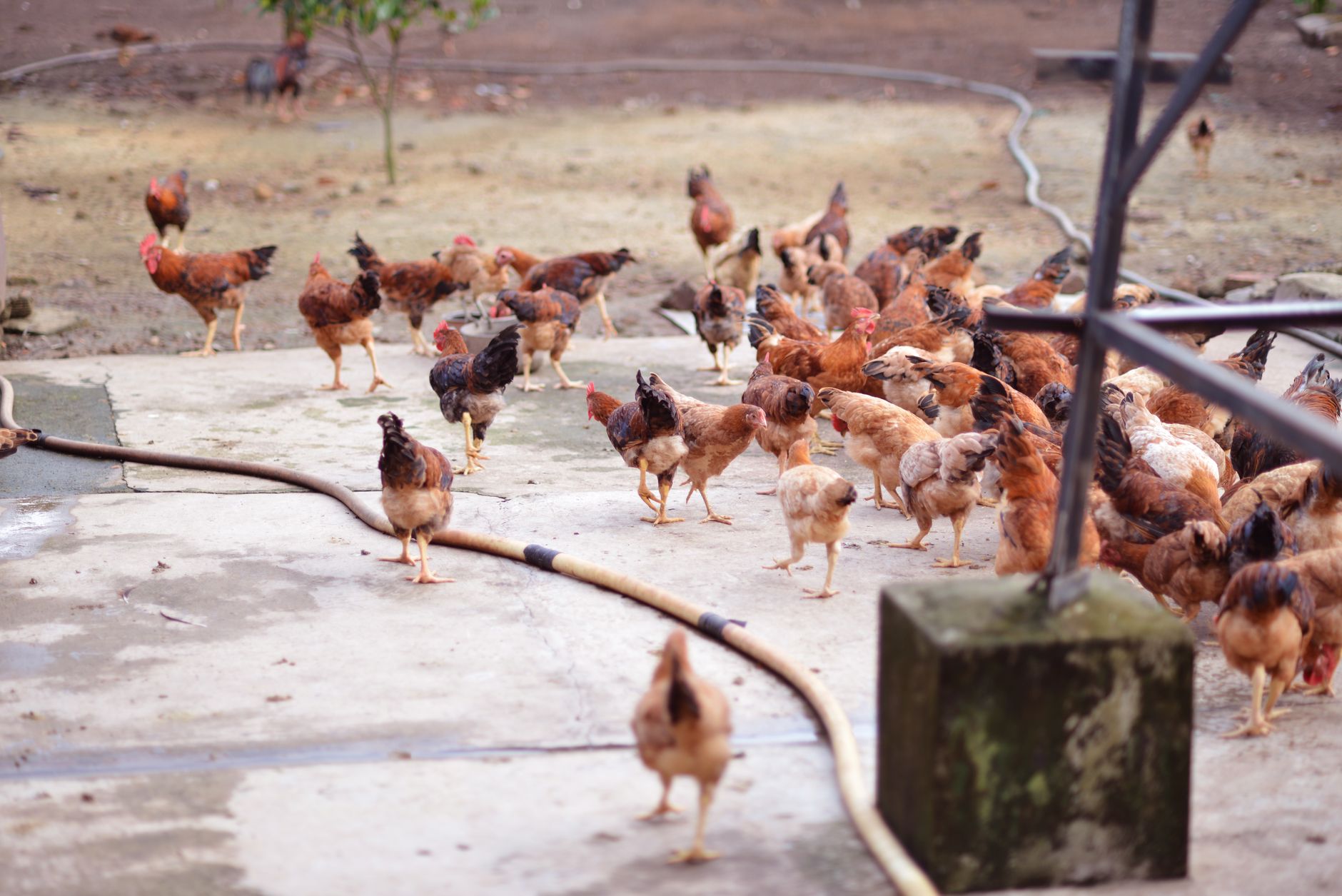
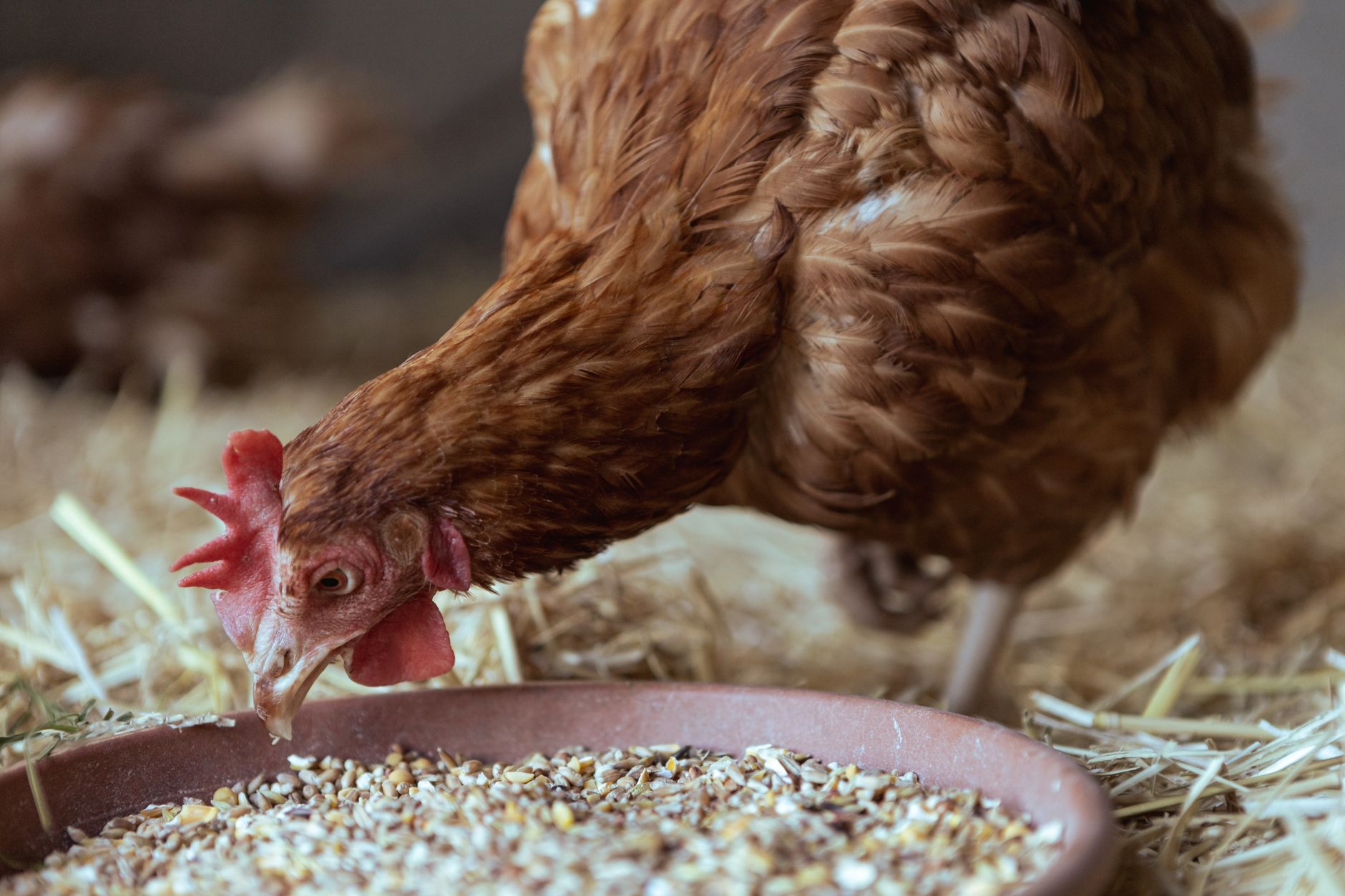
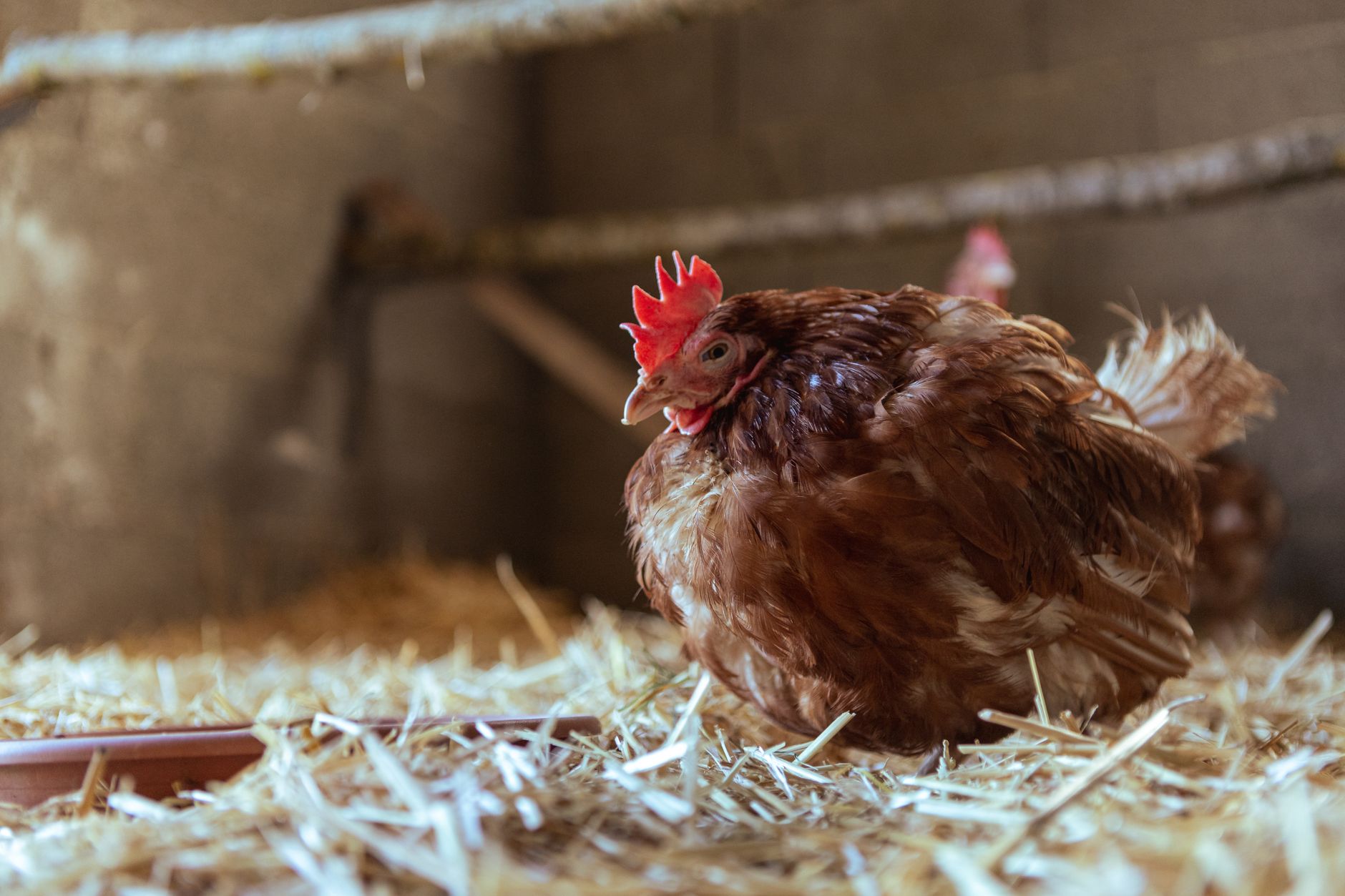
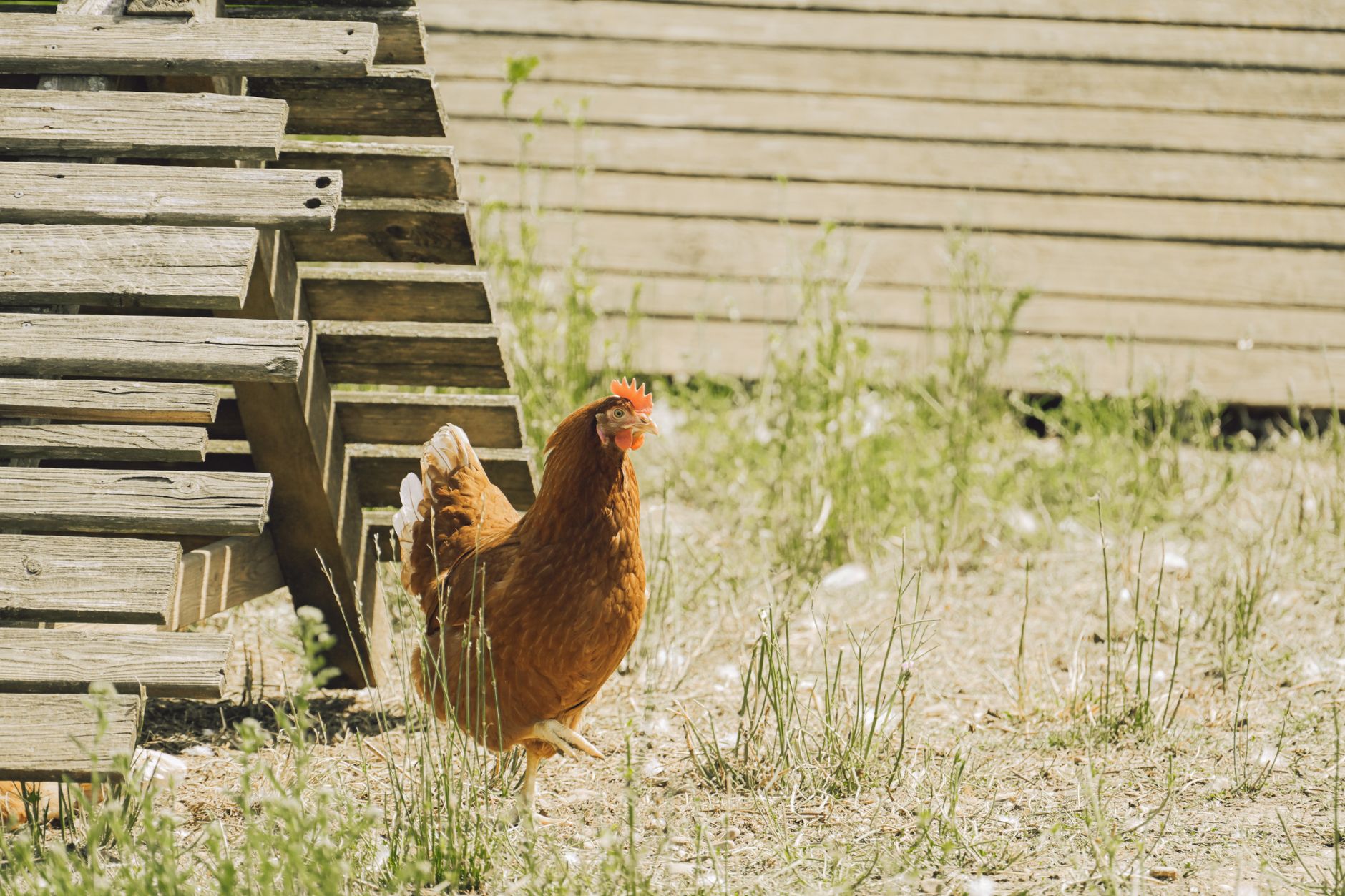
    If you’re anything like me, you started keeping backyard chickens because you wanted fresh eggs, a little homesteading magic, and maybe a living science lesson for your kids. What you might not have anticipated was becoming a full-time chicken butler — running out at dusk to close the coop, refilling waterers in the Florida heat three times a day, and wondering why on earth you thought adding six more living creatures to your already-full plate was a good idea.

    Friend, I’ve been there. And I’m here to tell you that chicken keeping doesn’t have to feel like another full-time job. With a few smart automation upgrades and some intentional systems, you can get back to enjoying your flock instead of just managing them.

    Why Automation Isn’t Cheating — It’s Wisdom

    Let me be honest: when I first heard about automatic coop doors and fancy waterers, I felt a little twinge of guilt. Wasn’t the whole point of this slower, more intentional lifestyle to do things the old-fashioned way?

    But here’s what I’ve learned after a few years of keeping chickens while homeschooling elementary-age kids, training a very enthusiastic mini labradoodle, and trying to maintain some semblance of sanity: automation isn’t about cutting corners. It’s about protecting your time and energy for the things that actually matter.

    I’d rather spend an extra twenty minutes doing nature study with my kids than racing outside at sunset because I forgot to close the coop. Again.

    The Automatic Coop Door: A Total Game-Changer

    If you only automate one thing, make it your coop door. I cannot overstate how much an automatic chicken coop door has changed our daily rhythm.

    Before we had one, I was that mama setting phone alarms for dusk, interrupting evening read-alouds, and occasionally dragging kids out in their pajamas because I’d lost track of time. In Florida, our sunset times shift pretty dramatically throughout the year, and keeping up with it was genuinely stressful.

    Now? The door opens at dawn and closes at dusk automatically. The chickens put themselves to bed (they’re surprisingly punctual), and I don’t have to think about it. We’ve had ours for over a year with zero issues.

    Most automatic doors run on batteries or solar, and you can set them by light sensor or timer. I prefer the light sensor option since it adjusts naturally with the seasons — no reprogramming needed when daylight savings hits.

    Upgrading Your Watering System

    If you’ve ever kept chickens through a Florida summer, you know the struggle. That red plastic waterer from the feed store? It’s full of algae by noon, knocked over by 2 PM, and bone dry by dinner.

    Switching to a nipple waterer system was one of the best decisions we made. The chickens learn to use it quickly (honestly, they’re smarter than we give them credit for), and the water stays clean because it’s enclosed.

    We use a 5-gallon bucket with horizontal nipples attached near the bottom. I fill it once every few days instead of twice daily, and the water stays fresh because there’s no open surface for algae, debris, or chicken feet.

    Pro tip: in the summer heat, I’ll toss a frozen water bottle into the bucket to keep things cool. The girls appreciate it, and happy chickens lay better eggs.

    Managing Pests Without the Hassle

    Here in Northwest Florida, we deal with our fair share of mites, flies, and mosquitoes. Staying on top of coop pests used to feel like a constant battle until I simplified my approach.

    I sprinkle food-grade diatomaceous earth in the nesting boxes and dust bath area about once a week. It’s natural, non-toxic, and helps keep mites and lice at bay. The chickens do most of the work themselves when they take their dust baths — they’re literally treating themselves.

    For flies and mosquitoes around the coop, I use Wondercide spray. It’s plant-based and safe to use around the kids, the dog, and the flock. I spray down the coop area every week or so, more often during our humid summers.

    Simple Feeding Tweaks That Save Time

    We haven’t gone fully automatic with feeding yet, but a few small changes have made a big difference:

    Larger feeders. We switched from a small hanging feeder to a larger capacity one that holds about a week’s worth of feed. Less refilling, less thinking about it.

    Scheduled kitchen scraps. Instead of randomly tossing scraps to the chickens throughout the day, we have one designated “chicken scrap time” in the afternoon. The kids love being in charge of it, and it’s become part of our homeschool rhythm — a natural break between subjects.

    Fermented feed. This takes a little setup, but fermenting your chicken feed improves nutrition and means they actually eat less because they’re getting more from it. I do a batch every few days in a big jar on the counter.

    Making Chicken Keeping Part of Your Homeschool

    Here’s where automation really pays off: when you’re not constantly stressed about chicken chores, you can actually enjoy them as a family.

    Our chicken keeping has become genuine nature study. The kids observe the flock, notice behaviors, and ask questions. We’ve learned about molting cycles, egg production, and the pecking order — all from our backyard.

    If your kids are interested in learning more, A Kid’s Guide to Keeping Chickens is a wonderful resource. It’s written at an accessible level and covers everything from breeds to health care. My oldest has practically memorized it.

    For us adults, Storey’s Guide to Raising Chickens is the comprehensive reference I turn to whenever something comes up. It’s detailed without being overwhelming.

    A Few More Quick Wins

    • Deep litter method in the coop. Instead of cleaning the coop weekly, I add fresh bedding on top and do a full clean-out just twice a year. The deep litter actually composts in place and keeps things surprisingly fresh.
    • Phone reminders for monthly tasks. Worming, coop deep-cleans, nipple waterer checks — I have recurring calendar reminders so nothing falls through the cracks.
    • Designated chicken shoes. Keeping a pair of slip-on boots by the back door means no more tracking coop mess through the house. Simple, but it matters.

    You Don’t Have to Do It All the Hard Way

    I think sometimes in this homesteading-homeschooling world, we can feel pressure to do everything from scratch, by hand, the way great-grandma did it. And there’s beauty in that, truly. But great-grandma also had a lot fewer demands on her time, and she definitely would have used an automatic coop door if she’d had the option.

    Giving yourself permission to make things easier isn’t giving up on intentional living — it’s protecting it. When chicken keeping is sustainable, it stays joyful. And that’s what I want for our family and for yours.

    So if you’ve been feeling overwhelmed by your flock, I hope these tips help. Start with one change — maybe the automatic door or the waterer upgrade — and see how it shifts things for you. You might just find yourself actually enjoying those morning egg checks again, coffee in hand, kids running barefoot through the yard, chickens clucking contentedly in the background.

    That’s the good stuff, right there.

  • Florida Gulf Coast Shells Identification: A Kid-Friendly Guide for Little Beachcombers

    Florida Gulf Coast Shells Identification: A Kid-Friendly Guide for Little Beachcombers

    This post contains affiliate links. I may earn a small commission at no extra cost to you.

    There’s something almost magical about watching your child spot their first lightning whelk half-buried in the sand, wet and glistening in the morning light. They don’t just see a shell — they see treasure. And honestly? They’re right.

    If you’ve spent any time on the beaches around Pensacola or anywhere along the Florida Gulf Coast, you know our shores are absolutely loaded with shells. But when your kindergartner holds up shell number forty-seven and asks “Mama, what’s THIS one?” — well, let’s just say I got tired of saying “I don’t know, baby” and finally did something about it.

    So here’s everything our family has learned about identifying Gulf Coast shells, plus how we’ve turned beachcombing into real nature study that sticks.

    Why Shell Identification Makes Perfect Nature Study

    In our Charlotte Mason-inspired homeschool, we believe kids learn best when they’re handling real things in real places. There’s no worksheet that can replace the feeling of running your fingers over the ridges of a scallop shell or noticing how a moon snail shell spirals just so.

    Shell hunting teaches observation, patience, and wonder — all things I want my kids to carry with them long after they’ve forgotten what year the War of 1812 started (it’s in the name, y’all).

    And here in Northwest Florida, we have easy access to some of the best shelling beaches in the state. Pensacola Beach, Navarre, Fort Pickens, the whole Gulf Islands National Seashore — these are our classrooms, and admission is free.

    The Shells You’ll Actually Find on Florida Gulf Coast Beaches

    Let me save you some time. You’re not going to find a perfect conch shell just sitting there on Pensacola Beach (I know, I was disappointed too at first). But what you WILL find is honestly just as interesting once you know what you’re looking at.

    Bivalves (Two-Shelled Creatures)

    Scallops — These are the ones with the fan-shaped ridges. We find calico scallops constantly, usually in pieces but sometimes whole. The kids love how they come in different colors.

    Coquinas — Tiny, colorful, and if you catch them at the right time, you’ll see them burrowing back into the wet sand. My kids call them “butterfly shells” because of how they look when open.

    Arks — Look for thick, ribbed shells that are often a bit lopsided. Turkey wings (a type of ark) are especially pretty with their brown and white stripes.

    Cockles — Heart-shaped when viewed from the side, with pronounced ridges. We find giant Atlantic cockles fairly often after storms.

    Oysters — Not glamorous, but everywhere. Good for talking about how creatures adapt to their environment.

    Gastropods (Single-Spiral Shells)

    Lightning Whelks — The crown jewel of Gulf shelling. These spiral “backwards” (left-handed) compared to most shells. Finding a whole one with good color is a BIG deal in our house.

    Pear Whelks — Smaller and more pear-shaped than lightning whelks. Still exciting!

    Moon Snails — Round, smooth, and often a pretty grayish-blue. These are the creatures responsible for those perfectly drilled holes you see in other shells.

    Murex — Spiky and dramatic. We don’t find these as often, but when we do, the kids lose their minds.

    Olive Shells — Smooth, shiny, and cylindrical. These feel like polished stone.

    How We Document Our Finds

    Here’s where homeschool magic happens. We don’t just collect shells and dump them in a bucket (okay, sometimes we do). But our best beach days include a little documentation.

    We bring a simple nature journal and some Faber-Castell watercolor pencils for sketching shells right there on the beach. Watercolors are forgiving, and even my youngest can capture the basic shape and colors of what we find.

    Sometimes we bring a pocket microscope to look at shell textures up close. The tiny ridges and patterns are wild when magnified, and it gets the kids thinking about WHY shells have the structures they do.

    Making Beach Days Work (Practically Speaking)

    Okay, real talk. Taking elementary-age kids to the beach for “nature study” can devolve into chaos pretty quickly. Here’s what helps us actually accomplish something:

    Go early. We try to hit the beach by 8 AM. The shells are better (fewer people have picked through), the heat is manageable, and everyone’s in a better mood.

    Bring a mesh bag. Dollar store finds work great. We each get one so there’s no fighting over who found what.

    Wear protective footwear. Broken shells are sharp, and Florida sand gets scorching hot by midday. Good rain boots actually work surprisingly well for wet sand and tidepools.

    Sunscreen matters. We slather everyone in non-toxic sunscreen before we leave the house. Reapplying at the beach is a sandy nightmare, so front-load that protection.

    Don’t forget water and snacks. Hungry kids don’t care about gastropods.

    The Science Behind the Shells

    For older elementary kids, shells open up great conversations about marine biology. We talk about:

    • How shells form — Creatures build them from calcium carbonate, adding layers as they grow
    • Predator/prey relationships — Those drill holes mean a moon snail ate somebody’s lunch
    • Habitats — Why certain shells show up after storms (they’re washing in from deeper water)
    • Classification — Sorting shells into bivalves vs. gastropods is real taxonomy work

    This is living science, the kind Charlotte Mason talked about. No textbook needed — just attention and curiosity.

    Creating a Shell Collection at Home

    We keep our best finds in a shadow box in our school room. Each shell gets labeled with what it is, where we found it, and the date. It’s become a visual timeline of our beach adventures.

    Fair warning: shells can smell. Soak anything questionable in a diluted bleach solution outside for a day, then let it dry completely in the sun. Your future self will thank you.

    Resources We Love

    We don’t use a formal curriculum for shell study, but a few things have helped:

    • Local field guides from the library (the Audubon Society has good ones)
    • The Bailey-Matthews National Shell Museum website has great ID resources
    • Rainbow Resource carries nature study guides if you want something more structured

    Honestly though? The best teacher is repetition. The more beaches you visit, the more you start recognizing shells instantly.

    It’s About More Than Shells

    I think about how I spent summers as a kid in the 90s — no phones, no schedules, just hours of unstructured exploration. My parents weren’t teaching me anything “official” when we walked the beach. They were just… there. Present. Letting me discover.

    That’s what I want for my kids. Yes, we’re homeschoolers. Yes, I care about education. But some of the best learning happens when we put away the plans and just see what the tide brought in.

    So grab your bucket, pack your sunscreen, and get out there. The Gulf is waiting, and so are about a thousand shells your kids are dying to show you.

    What’s the best shell your family has ever found? I’d love to hear about it — come share with us!

  • Best Nature-Based Preschool Activities at Home: Simple Ways to Learn Outside

    Best Nature-Based Preschool Activities at Home: Simple Ways to Learn Outside

    If you’ve ever watched your three-year-old spend forty-five minutes completely mesmerized by a roly-poly bug, you already know something important: little kids don’t need fancy curriculum. They need dirt, sticks, bugs, and time.

    This post contains affiliate links. I may earn a small commission at no extra cost to you.

    When I started homeschooling my oldest during the preschool years, I felt this pressure to have a structured “school” setup. The tiny desk. The laminated alphabet cards. The worksheet packets. But every time I tried to pin my wiggly kid down for “circle time,” it felt forced. Meanwhile, they’d spend hours outside watching our chickens scratch around or collecting acorns in a bucket.

    That’s when I realized: nature IS the curriculum at this age. And honestly? It’s better than anything I could buy.

    Here in Northwest Florida, we’re blessed with mild winters and a whole lot of outdoor days. But these activities work whether you’ve got a big backyard, a small patio, or just a nearby park. The goal isn’t perfection — it’s presence.

    Why Nature-Based Learning Works for Preschoolers

    There’s real science behind why outdoor play is so powerful for little ones. Preschoolers learn best through their senses — touching, smelling, listening, watching. Nature delivers all of that without any batteries required.

    Charlotte Mason, whose educational philosophy guides a lot of how we homeschool, believed young children should spend the majority of their time outdoors. She called it “education by atmosphere” — the idea that being in nature teaches children things no textbook ever could.

    And let’s be honest: when kids are outside, they’re happier. They sleep better. They argue less. I don’t know the exact science there, but I know it’s true in our house.

    Simple Nature-Based Preschool Activities to Try at Home

    You don’t need a nature center membership or expensive supplies. Most of these activities use things you already have (or can find in your yard).

    Nature Walks with a Purpose

    We take a lot of walks, but giving preschoolers a simple “mission” makes it feel like an adventure. Try:

    • Finding five different leaf shapes
    • Listening for three different bird sounds
    • Collecting small treasures in a bucket (pine cones, interesting rocks, fallen flowers)
    • Looking for animal tracks after rain

    My kids love having a little bug catcher kit to bring along. We catch, observe, and release — it’s become a whole ritual. A pocket microscope is another favorite for looking at leaves, bark, and (yes) dead bugs up close.

    Mud Kitchen Play

    If you don’t have a mud kitchen yet, you can set one up in about ten minutes with some old pots from the thrift store and a water source. That’s it. Kids will do the rest.

    Mud kitchens teach measuring, pouring, mixing, and sensory exploration. They also teach kids that getting dirty is perfectly okay — something I think our generation of kids really needs to hear.

    We keep ours near the chicken run, which means the kids inevitably end up “cooking” for the hens. The chickens are not impressed by the mud pies, but the kids don’t seem to mind.

    Nature Journaling (Yes, Even for Preschoolers)

    Now, I know what you’re thinking — my preschooler can barely hold a crayon. But nature journaling at this age isn’t about perfect drawings. It’s about observation.

    Give your little one a simple nature journal and some quality watercolor pencils. Let them scribble what they see. Press flowers between the pages. Tape in a interesting leaf. You can write their words for them: “I found a black beetle. It was shiny.”

    This builds the habit of noticing — which is the foundation of all nature study. We keep our journals in a basket by the back door so they’re always ready to grab.

    Backyard Bird Watching

    Here in Florida, we get some beautiful birds year-round. Cardinals, blue jays, mockingbirds, and the occasional hawk circling overhead. Preschoolers love spotting birds, especially if you make it a game.

    We hung a simple feeder where we can see it from the kitchen window. Now my kids yell “BIRD!” approximately seven hundred times a day, which is chaotic but also wonderful.

    Keeping a Sibley bird guide nearby lets us look up what we see together. Even if your preschooler can’t read, they can match the pictures — and they will absolutely remember “that’s a tufted titmouse” forever.

    Chicken Chores as Learning

    If you have backyard chickens (or are thinking about it), the daily chores are genuinely educational for preschoolers. Counting eggs. Filling waterers. Noticing which hen is molting. Watching the pecking order in action.

    My kids have learned so much about life cycles, responsibility, and animal behavior just from our small flock. If you’re curious about starting chickens with little ones, A Kid’s Guide to Keeping Chickens is a sweet resource that’s actually written for children.

    Sensory Bins with Natural Materials

    Skip the dyed rice and plastic scoops. Fill a bin with sand, dried beans, pine needles, shells, or even just dirt. Add some cups, spoons, and little animal figurines. Done.

    Natural sensory play is calming, open-ended, and doesn’t leave glitter all over your house. We do a lot of these on the back porch during Florida’s hot afternoons when direct sun isn’t an option.

    Rainy Day Nature Play

    Don’t skip outdoor time just because it’s raining. Some of our best nature moments have happened in drizzly weather. Earthworms come out. Puddles form. The whole yard smells different.

    A good pair of kids’ rain boots makes all the difference. Let them stomp, splash, and get muddy. Rinse them off with the hose afterward. Childhood is short — let them have the puddles.

    What About “Academics”?

    I get this question a lot. “But when do you teach letters and numbers?”

    Here’s the thing: nature-based learning IS teaching letters and numbers. Counting acorns is math. Tracing letters in sand is phonics. Sorting leaves by size and color is pre-reading logic.

    At the preschool stage, formal academics aren’t necessary. What’s necessary is building curiosity, attention span, and a love of learning. Nature does all of that beautifully.

    When my kids hit kindergarten age, we do add more structure — a gentle Charlotte Mason approach with short lessons and lots of living books. But even then, we spend most of our time outside.

    Keep It Simple, Mama

    The best nature-based preschool activities aren’t complicated. They don’t require Pinterest-perfect setups or expensive subscriptions. They just require you to open the back door and let your kid explore.

    Some days, that looks like an organized nature walk with a checklist. Other days, it’s just sitting on the porch watching the chickens while your preschooler digs holes for no apparent reason.

    Both count. Both matter.

    I think about how I grew up in the 90s — riding bikes until dark, catching fireflies, building forts out of sticks. That kind of childhood felt magical, and it didn’t require a curriculum guide. Our kids can have that too. We just have to be intentional about making space for it.

    So lace up those muddy shoes, grab a bucket, and head outside. Your preschooler’s classroom is waiting — and it has better lighting than any Pinterest playroom ever could.

  • How to Teach Kids to Bake from Scratch: A Homestead Mama’s Guide

    How to Teach Kids to Bake from Scratch: A Homestead Mama’s Guide

    This post contains affiliate links. I may earn a small commission at no extra cost to you.

    There’s flour on the floor, eggshell in the bowl (again), and my youngest is elbow-deep in butter. This is not a Pinterest moment. But you know what? This is exactly what teaching kids to bake from scratch looks like on a real homestead — messy, slow, and absolutely worth it.

    If you’ve been wanting to get your kids more involved in the kitchen but feel overwhelmed by the chaos, I get it. I’ve been there, standing in my Florida kitchen wondering if it would just be faster to do it myself. (It would be. But that’s not the point.) The point is raising kids who know where their food comes from, who can follow instructions, who understand that good things take time and effort. The point is building humans, not just baking bread.

    Why Baking From Scratch Matters for Homestead Kids

    On our little homestead here in Northwest Florida, we’re trying to raise kids the way many of us grew up in the ’90s — with more hands-on experiences and fewer screens. Baking from scratch fits right into that vision. It’s tactile. It requires patience. And honestly? It’s one of the best ways I’ve found to sneak in some real-world learning without anyone realizing they’re being educated.

    When my kids crack eggs from our backyard chickens into a mixing bowl, they’re connecting dots that most adults never think about anymore. They watched those hens grow from fluffy chicks. They collected those eggs that morning. And now those eggs are becoming banana bread. That’s a full-circle moment you just can’t manufacture.

    Start Where They Are (Not Where You Think They Should Be)

    Here’s the thing about teaching kids to bake: you have to meet them where they are developmentally. A kindergartener isn’t going to measure flour accurately, and that’s okay. An older elementary kid might be ready to read a recipe independently but still need help with the oven.

    Ages 4-6: The Dumpers and Stirrers

    Little ones are perfect for:

    • Dumping pre-measured ingredients into bowls
    • Stirring (with supervision and a good grip on the bowl)
    • Washing fruits or vegetables
    • Pressing cookie cutters
    • Cracking eggs (with lots of practice and patience)

    At this age, it’s less about the end product and more about the sensory experience. Let them feel the flour, smell the vanilla, taste the batter (I know, I know — we use pastured eggs and take our chances).

    Ages 7-10: Building Real Skills

    This is where it gets fun. Kids in this range can start:

    • Reading simple recipes
    • Measuring ingredients themselves
    • Learning fractions through real application
    • Using the mixer with supervision
    • Beginning to understand oven safety

    I’ll be honest — this is where baking has become one of our secret weapons for math. When my kids are doubling a recipe or figuring out what half of ¾ cup is, they’re doing the kind of practical math that actually sticks. We use hands-on learning for most of our math instruction (we love Math-U-See for this reason), and baking reinforces those concepts beautifully.

    Essential Skills to Teach Along the Way

    Reading and Following Instructions

    Charlotte Mason talked about training habits of attention, and baking is perfect for this. A recipe requires you to focus, follow steps in order, and not skip ahead. These are life skills disguised as chocolate chip cookies.

    I have my kids read the entire recipe out loud before we start. We talk about what we’re going to do, gather all our ingredients (mise en place, fancy folks call it), and then begin. This prevents the mid-recipe panic of realizing you’re out of baking powder.

    Kitchen Safety

    We talk about hot surfaces, sharp tools, and hand washing constantly. Not in a fearful way — in a matter-of-fact, “this is how we work in a kitchen” way. Kids rise to expectations when we give them real responsibility paired with real instruction.

    Cleanup as Part of the Process

    This might be the most important lesson of all. Baking isn’t done when the cookies come out of the oven. It’s done when the kitchen is clean. We’re raising adults here, not just little bakers.

    Our Favorite Starter Recipes

    Not all recipes are created equal when you’re teaching kids. Here are some that have worked well for our family:

    For beginners:

    • Banana bread (very forgiving)
    • Drop biscuits (no rolling required)
    • Muffins (individual portions = instant gratification)

    For kids building confidence:

    • Simple yeast bread (teaches patience like nothing else)
    • Homemade pizza dough (kneading is great for sensory input)
    • Sugar cookies (decorating is half the fun)

    For your more experienced little bakers:

    • Pie crust from scratch (a true skill)
    • Cinnamon rolls (weekend project)
    • Quick breads with mix-ins they choose themselves

    Connecting Baking to Your Homestead Life

    One thing I love about homestead baking is how it ties into everything else we’re doing. Those eggs from our chickens? We know exactly what those hens eat and how they live. If you’re interested in getting started with backyard chickens, Storey’s Guide to Raising Chickens is an excellent resource for beginners, and there’s even a kid-friendly version that my kids have enjoyed.

    We talk about where our ingredients come from — which ones we could grow ourselves, which ones we buy, and why. This naturally leads to conversations about seasons, agriculture, and making intentional choices about our food.

    Making It Work in a Florida Kitchen

    I’ll be real with you: baking in Florida during summer requires some creativity. Our kitchen gets warm, and butter softens faster than you can say “pie crust disaster.” We do a lot of our from-scratch baking in the cooler months, or we start early in the morning before the heat builds.

    This is actually a great lesson in seasonal living. We don’t have to have everything all the time. Summer here is for no-bake treats, smoothies, and ice cream. Fall and winter? That’s when we break out the sourdough starter and make the house smell amazing.

    The Charlotte Mason Connection

    If you’re familiar with Charlotte Mason’s approach to education, you know she valued “the science of relations” — helping children make connections between different areas of life and learning. Baking is rich with these connections:

    • Science: What does yeast do? Why do we sift flour? What happens when baking soda meets acid?
    • Math: Fractions, measurement, doubling and halving
    • Reading: Following written instructions
    • History: Where did this recipe originate? What did people eat 100 years ago?
    • Life skills: Feeding yourself and others is fundamental

    We often record our baking adventures in nature journals, which might seem odd, but hear me out. My kids sketch the process, note what worked and what didn’t, and paste in recipes they want to remember. We use simple nature journals for this, and they’ve become little keepsakes of our homeschool years.

    Embrace the Mess (And the Failures)

    I want to leave you with this encouragement: it will be messy. Recipes will flop. There will be tears (maybe yours, maybe theirs). The bread might not rise, the cookies might burn, and someone will definitely spill the vanilla extract all over the counter.

    But here’s what I’ve learned watching my kids grow into confident little bakers — they remember the failures almost as fondly as the successes. The flat birthday cake we frosted anyway. The bread that could have doubled as a doorstop. The time we forgot the sugar entirely.

    These are the stories they’ll tell their own kids someday. And more importantly, they’re learning that mistakes are part of the process. That you can try again. That sometimes the best things in life require a little patience and a lot of practice.

    So grab your apron, gather your helpers, and make something delicious together. Your kitchen might be a disaster by the end, but your kids will be learning skills that last a lifetime. And really, isn’t that what this whole homestead life is about?

    Now if you’ll excuse me, someone’s calling me to come see if the bread has risen yet. For the fourteenth time in twenty minutes. Patience, friends. We’re all learning together.

  • Non-Toxic Window Cleaner: A Safe DIY Recipe That Actually Works

    Non-Toxic Window Cleaner: A Safe DIY Recipe That Actually Works

    This post contains affiliate links. I may earn a small commission at no extra cost to you.

    If you’ve ever stood in the cleaning aisle, squinting at ingredient labels and wondering why a simple glass cleaner needs seventeen unpronounceable chemicals, you’re my people. I remember the moment I really started paying attention — my youngest was maybe three, pressing her little nose against the sliding glass door to watch the chickens, and I realized she was basically inhaling whatever I’d just sprayed on that glass. That was the day I started making my own non-toxic window cleaner, and I haven’t looked back since.

    Here in Florida, between the humidity, the pollen, and the fact that my kids treat our windows like a canvas for their sticky fingerprints, I clean glass a lot. I needed something that actually worked, not just something that made me feel virtuous while leaving streaks everywhere. After years of tweaking, I’ve landed on a recipe that genuinely does the job — and I can let my kids help without worrying about what they’re breathing in.

    Why Ditch the Store-Bought Stuff?

    Most conventional glass cleaners contain ammonia, synthetic fragrances, and a cocktail of chemicals that can irritate respiratory systems, trigger headaches, and contribute to indoor air pollution. And here’s the thing that got me: indoor air quality is often worse than outdoor air, especially in our homes where we’re trying so hard to create healthy environments for our families.

    When you’re homeschooling — and let’s be honest, when your kids are home all day — what’s in your air matters. We open our windows as much as Florida’s heat allows, but I still want to know that what I’m using to clean isn’t working against all our other efforts.

    Plus, if you’re already shopping at places like Grove Collaborative for cleaner household products (I love them for dish soap and hand soap), making your own glass cleaner is just the natural next step. It’s cheaper, simpler, and honestly? It works better than anything I’ve bought.

    The Recipe: Simple, Safe, and Streak-Free

    Here’s what I use:

    Ingredients

    • 1 cup distilled water
    • 1 cup white vinegar
    • 1 tablespoon rubbing alcohol (70% or higher)
    • Optional: 3-5 drops essential oil (I like lemon or peppermint)

    Instructions

    1. Combine all ingredients in a clean spray bottle

    2. Shake gently before each use

    3. Spray onto glass and wipe with a lint-free cloth or newspaper

    4. That’s it. Seriously.

    Why These Ingredients Work

    Distilled water prevents mineral deposits and streaking. If you’ve ever used tap water and ended up with spots, that’s the minerals. Distilled water is cheap and makes a real difference.

    White vinegar cuts through grease, grime, and hard water spots. The smell dissipates quickly, I promise — within a few minutes, you won’t notice it at all.

    Rubbing alcohol helps the solution evaporate quickly, which is key for a streak-free finish. It also boosts the cleaning power.

    Essential oils are totally optional, but a few drops of lemon oil makes the whole experience a little nicer and adds some extra grease-cutting power.

    Tips for the Best Results

    I learned a few things the hard way, so let me save you the trial and error:

    Don’t Clean in Direct Sunlight

    This is especially important here in Northwest Florida where the sun is intense. If you spray your windows while they’re in full sun, the solution evaporates too fast and you’ll end up with streaks. Early morning or late afternoon works best, or just hit the shaded windows first.

    Use the Right Cloth

    Microfiber cloths work beautifully, but so does crumpled newspaper if you want to go really old-school (and save money). Avoid paper towels — they leave lint behind and you’ll end up frustrated.

    Clean the Frames Too

    I use the same solution on our window frames and tracks. With Florida’s humidity, mold loves to creep into those corners. A quick spray and wipe keeps things fresh. I also sprinkle a little food-grade diatomaceous earth into the tracks occasionally — it helps with any tiny bugs that try to make their way in, completely naturally.

    Getting the Kids Involved

    One of the unexpected joys of non-toxic cleaning is that I can actually let my kids help. My oldest loves spraying things (what kid doesn’t?), and window cleaning has become one of her regular contributions to our household rhythm. She’s old enough now to do the lower windows herself, and she takes genuine pride in making them sparkle.

    This is part of what we’re trying to cultivate, right? Kids who know how to take care of a home, who feel capable and useful, who understand that real life involves real work. It’s very Charlotte Mason — the whole idea of habit training and contributing meaningfully to family life. Plus, it frees me up to tackle other things, like keeping our chicken coop clean or planning next week’s nature study.

    Speaking of nature study — clean windows matter when you’re trying to do bird watching from your kitchen table. We keep Sibley’s bird guide near the back door, and there’s nothing more frustrating than trying to identify a bird through smudgy glass while it flies away.

    Beyond Windows: Other Uses for This Recipe

    This same solution works beautifully on:

    • Mirrors
    • Glass picture frames
    • Glass-top tables
    • Stainless steel appliances (spray on cloth first, then wipe)
    • The inside of your car windshield

    I keep a bottle under the kitchen sink and another in the bathroom. It lasts for months since the ingredients are so inexpensive.

    What About Really Tough Jobs?

    For seriously grimy windows — like after a Florida storm kicks up dirt and debris — I sometimes do a two-step process. First, I wipe down with a damp cloth to remove the heavy stuff, then follow up with the DIY cleaner for the finishing touch. It sounds like more work, but it actually goes faster because you’re not pushing around all that grime.

    For hard water stains (a real issue here with our well water), let the vinegar solution sit for a minute or two before wiping. The acetic acid needs a little time to dissolve those mineral deposits.

    A Simpler, Safer Home

    Switching to homemade cleaners was one of the first steps in our journey toward a more intentional home. It wasn’t about being perfect or crunchy or earning some kind of natural-mama badge. It was about looking at the small, everyday choices and asking, “Is there a better way?”

    Most of the time, there is. And most of the time, it’s simpler and cheaper than what we were doing before.

    Our home isn’t Instagram-perfect. There are chicken feathers that drift in when we open the back door, and the dog tracks in sand from the yard, and my kids’ nature collections take up more shelf space than I’d like to admit. But the glass is clean, the air is fresh, and I don’t worry about what my family is breathing while they press their noses against the window to watch a mockingbird.

    That feels like enough.

    If you’re just starting to transition toward a non-toxic home, this is a perfect first project. It takes five minutes, costs almost nothing, and gives you an immediate win. And once you see how easy it is, you’ll start wondering what else you can simplify.

    That’s the beauty of this whole thing — it builds on itself, one small choice at a time.

  • Best Automatic Chicken Feeders Reviewed 2026: A Florida Backyard Keeper’s Honest Guide

    Best Automatic Chicken Feeders Reviewed 2026: A Florida Backyard Keeper’s Honest Guide

    This post contains affiliate links. I may earn a small commission at no extra cost to you.

    If you’re anything like me, you got backyard chickens because you wanted fresh eggs, a little slice of homestead life, and a way for your kids to learn responsibility and where food actually comes from. What you probably didn’t sign up for was becoming a personal chef to every squirrel, rat, and raccoon in your zip code. Or refilling feeders every single day in the Florida heat while mosquitoes treat you like a buffet.

    After three years of keeping chickens in Northwest Florida — through hurricanes, humidity that could drown a fish, and more wildlife encounters than I can count — I’ve learned that a good automatic feeder isn’t a luxury. It’s sanity preservation. So let’s talk about what’s actually working in 2026 and what’s just marketing hype.

    Why We Switched to Automatic Feeders

    Honestly? I resisted for a while. Part of me felt like “real” chicken keeping meant doing everything by hand, the old-fashioned way. But here’s the thing — our grandparents would have absolutely used automatic feeders if they’d had access to them. They were practical people. They didn’t romanticize unnecessary work.

    The breaking point for us came when I realized we were going through feed twice as fast as we should have been. Turns out, we were running a 24-hour diner for the local rodent population. Not ideal when you’re trying to keep a clean, intentional homestead — and definitely not great when you have little ones running around barefoot.

    Now our mornings are simpler. The kids can help with chicken chores without me hovering, and I’m not constantly worrying about pests or wasted feed.

    What to Look for in an Automatic Chicken Feeder

    Before I get into specific recommendations, let’s talk about what actually matters — especially here in Florida where the humidity and critters present unique challenges.

    Pest Control Features

    This is non-negotiable. If your feeder doesn’t keep out rats, mice, squirrels, and wild birds, you’re just throwing money away (literally). Look for treadle-style feeders that only open when a chicken steps on the platform, or feeders with weighted lids that require a certain amount of pressure to access.

    Weather Resistance

    Florida weather is no joke. Between afternoon thunderstorms, tropical humidity, and the occasional hurricane, your feeder needs to keep feed dry and mold-free. Metal construction tends to hold up better than plastic in our climate, though it can get hot in direct sun.

    Capacity

    For our small flock, I wanted something that could hold at least a week’s worth of feed. This means fewer refills and the ability to actually leave for a weekend without begging a neighbor to come over.

    Ease of Cleaning

    If it’s hard to clean, it won’t get cleaned. And in our humidity, dirty feeders become moldy feeders fast. Look for designs that come apart easily.

    Our Top Automatic Chicken Feeder Picks for 2026

    Best Overall: Grandpa’s Feeders Automatic Chicken Feeder

    This is what we use, and after two years, I’m still impressed. It’s a treadle-style feeder made from galvanized steel, which holds up beautifully in Florida’s moisture. The chickens figured it out within a day or two (yes, even our more… intellectually challenged hens), and we haven’t had a single pest problem since installing it.

    The 20-pound capacity means I’m refilling maybe once a week for our six hens. It’s pricier upfront, but the feed savings alone paid for it within a few months. Plus, it’s made to last decades, not seasons.

    Best Budget Option: RentACoop Automatic Feeder

    If you’re not ready to invest in a premium feeder, this is a solid middle-ground. It’s also treadle-operated and reasonably weather-resistant. The plastic construction won’t last forever, but for the price point, it’s a great way to test whether automatic feeding works for your flock.

    I’d recommend keeping this one under cover if possible — a coop overhang or covered run area. Direct Florida sun will degrade plastic faster.

    Best for Small Flocks: Tap Farm Chicken Feeder

    If you only have three or four chickens and limited space, this compact option works well. It’s a step-activated design with a smaller footprint. The capacity is lower, so you’ll refill more often, but for urban or suburban setups where space is tight, it’s worth considering.

    Best High-Tech Option: Smart Coop Feeders with App Monitoring

    I’ll be honest — this feels like overkill for our little homestead, but I know some of y’all love your smart home setups. There are now feeders that connect to apps, letting you monitor feed levels and even dispense food remotely. If you travel frequently or just love data, this might be your thing.

    Personally, I’d rather spend that budget on an automatic coop door, which has been genuinely life-changing for us. Our chickens are protected at night, and I don’t have to rush out at dusk every single evening.

    Other Chicken-Keeping Essentials We Love

    Since we’re talking about making chicken care easier, here are a few other things that have simplified our routine:

    A good chicken waterer with nipples keeps water cleaner than open containers — important in our sandy, buggy Florida environment. And I always keep food-grade diatomaceous earth on hand for natural pest control in the coop and dust bath areas.

    If your kids are as chicken-obsessed as mine, Storey’s Guide to Raising Chickens is an excellent reference for the whole family. We also love A Kid’s Guide to Keeping Chickens, which is perfect for elementary-age kids who want to take ownership of their chicken chores.

    Chickens as Part of Our Homeschool Life

    I can’t talk about our chickens without mentioning how much they’ve become part of our Charlotte Mason-style learning. There’s so much science happening right in the backyard — life cycles, animal behavior, biology, even a bit of economics when we talk about feed costs versus egg production.

    My kids have learned more about responsibility from those hens than from any chore chart I could create. And there’s something beautiful about watching them observe the flock, notice patterns, and ask questions. That’s the kind of education you can’t buy from a curriculum.

    We do keep a nature journal, and the chickens make regular appearances alongside our bird sightings and backyard discoveries. If you’re looking for a simple way to start nature journaling, a basic nature journal and some good colored pencils are all you need.

    Final Thoughts from Our Backyard to Yours

    Listen, keeping chickens doesn’t have to be complicated. The right tools — whether that’s an automatic feeder, a reliable waterer, or a coop door that does the remembering for you — these things free you up to actually enjoy your flock instead of just maintaining them.

    Our chickens are out there right now, doing their chicken thing while I write this and my kids build some kind of elaborate stick fort nearby. The dog is supervising everyone (or napping, more likely). This is the life I wanted when we started this whole backyard homestead journey — simple, slow, and grounded in real things.

    If an automatic feeder helps you get there too, I’d say it’s worth every penny.

    Happy chicken keeping, friends. 🐔

  • How to Build a Raised Garden Bed Kids Can Help With (The Simple Way)

    How to Build a Raised Garden Bed Kids Can Help With (The Simple Way)

    This post contains affiliate links. I may earn a small commission at no extra cost to you.

    If you’ve been dreaming about a garden where your kids can dig in the dirt, watch seeds sprout, and maybe — just maybe — get excited about eating vegetables they grew themselves, you’re in the right place. Building a raised garden bed doesn’t have to be complicated, and honestly? The simpler the project, the more your kids can actually participate.

    We built our first raised bed three years ago, and I’ll be the first to admit I overthought it. Pinterest had me convinced I needed cedar planks, corner brackets, landscape fabric, and some kind of fancy irrigation system. What we actually needed was a Saturday morning, some basic lumber, and kids who wanted to help swing a hammer.

    Let me walk you through how we do it now — the uncomplicated version that gets little hands involved from start to finish.

    Why Raised Beds Work So Well for Families

    Better Soil, Less Frustration

    Here in Northwest Florida, our native soil is basically sand with a side of more sand. Trying to grow tomatoes directly in the ground meant endless amending, constant watering, and mediocre results. Raised beds let you start fresh with good soil — and in our humid climate, the improved drainage helps prevent the root rot that claims so many summer gardens.

    Kid-Height Access

    There’s something magical about a garden bed that meets your kindergartener at waist level. No bending down into fire ant territory, no accidentally stepping on seedlings. My kids can weed, water, and harvest without me hovering over them worried about what they’re squashing.

    Perfect for Nature Study

    If you follow a Charlotte Mason approach like we do, a raised bed becomes an outdoor classroom. We’ve spent entire mornings watching bees move between squash blossoms, sketching the stages of bean germination, and yes — observing the circle of life when a hornworm finds our tomatoes. Our nature journals are full of garden sketches at this point.

    Gathering Your Materials

    Here’s what you’ll need for a basic 4×4 foot raised bed:

    • Four 4-foot boards (2×10 or 2×12 untreated pine or cedar)
    • Sixteen 3-inch exterior wood screws
    • A drill
    • A level (helpful but not essential)
    • Quality garden soil and compost mix

    That’s it. I promise.

    We grab our lumber from the local hardware store — nothing fancy. Cedar lasts longer but costs more. Untreated pine works fine for several seasons and keeps the budget reasonable, especially if you’re building multiple beds.

    A note on treated lumber: We avoid it for vegetable gardens. The newer treatments are supposedly safer than the old arsenic-based ones, but I’d rather not take chances with something my kids are eating from.

    Step-by-Step: Building Together

    Step 1: Pick Your Spot

    This is a great job for kids. Walk around your yard together and talk about what plants need — sunlight, water access, maybe some afternoon shade in our brutal Florida summers. We learned the hard way that full blazing sun all day will cook lettuce by April.

    Let your kids help measure and mark the corners with sticks. Even my youngest can handle this part.

    Step 2: Assemble the Frame

    Lay two boards parallel on the ground. Have your child hold one end board in place while you drive in the screws. Then repeat on the other side. Flip it over and add screws from the opposite direction for extra stability.

    My elementary-age kids can handle the drill with supervision. The younger ones? They’re on “board holding duty” and take the job very seriously.

    Step 3: Level and Fill

    Place your frame where you want it. You can set it directly on grass — the grass underneath will die back. If you want to suppress weeds, lay down cardboard first (another excellent kid task — stomping cardboard flat is very satisfying when you’re six).

    Now comes the fun part: filling it up. This is all-hands-on-deck time. Shoveling soil, mixing in compost, smoothing it out. Don’t forget your rain boots — this gets messy and somehow always turns into mud play.

    Step 4: Plan and Plant

    Once filled, let the soil settle overnight. Then grab some graph paper and plan your layout together. We usually do one large crop per bed — this year it’s peppers in one, herbs in another, and cherry tomatoes in the third.

    This is living math, by the way. Spacing plants, calculating how many will fit, measuring rows — it reinforces what they’re learning without worksheets. (Speaking of which, if you use manipulatives for math like Math-U-See, garden planning is a great real-world extension.)

    What We’ve Learned Along the Way

    The Chickens Will Find It

    If you have backyard chickens, they will discover your raised beds and consider them a personal salad bar and dust bath combo. We ended up adding simple frames with hardware cloth on top of our beds until plants are established. The girls are helpful for pest control, but only when supervised.

    Florida Timing Matters

    Our planting calendar is weird compared to the rest of the country. Fall is actually our prime growing season for many vegetables. We plant tomatoes in late February, again in August. Lettuce goes in around October. If you’re new to gardening here, the UF IFAS Extension has Florida-specific guides that have saved me a lot of trial and error.

    Imperfect Is Fine

    Our first raised bed is definitely not level. One corner is slightly higher than the others. It’s been producing vegetables for three years and nobody cares. Don’t let perfectionism keep you from starting.

    Tools That Make It Even Better

    A few things have made our garden time more educational and fun:

    Growing Something More Than Vegetables

    Here’s the thing about building a raised bed with your kids: the garden is almost secondary. What you’re really building is competence. Patience. The understanding that good things take time and effort and sometimes fail anyway — and that’s okay.

    My kids have experienced the disappointment of a crop that didn’t make it and the absolute joy of picking a sun-warm cherry tomato and eating it right there in the yard. Both lessons matter.

    This is the kind of childhood I wanted for them — hands in the dirt, learning by doing, spending more time outside than in front of screens. It’s how I grew up, and it’s how I want them to grow up too.

    So grab some boards this weekend. Let the measurements be slightly off. Let your six-year-old hammer a nail crooked. Build something together.

    That’s where the real growing happens.

  • Florida Panhandle Homeschool Resources Directory: A Local Mama’s Guide to Finding Your People

    Florida Panhandle Homeschool Resources Directory: A Local Mama’s Guide to Finding Your People

    This post contains affiliate links. I may earn a small commission at no extra cost to you.

    If you’ve just pulled your kids from traditional school—or you’re brand new to this whole homeschool journey—let me tell you something: you are not alone out here. I know it can feel that way at first. You’re Googling things at midnight, wondering if there are any other homeschool families in Pensacola, Navarre, or Fort Walton who actually get it. Who want their kids outside more than inside. Who aren’t afraid of a little mud, a few chickens, and a slower pace.

    The Florida Panhandle homeschool community is bigger and more active than you might think. It just takes a little digging to find your people. So I’m putting together the directory I wish I’d had when we started—a real, honest roundup of resources for Northwest Florida homeschool families.

    Why a Local Directory Matters

    Sure, you can find national homeschool resources anywhere. But when you’re trying to figure out where to meet other families for a nature hike, which co-ops are Charlotte Mason-friendly, or where to buy curriculum locally, you need local knowledge. The Panhandle has its own rhythm—we deal with hurricane days instead of snow days, we’ve got access to incredible state parks and beaches, and yes, we homeschool year-round because summer here is just too hot to be stuck inside anyway.

    Having a go-to list of Florida Panhandle homeschool resources makes everything easier. Trust me.

    Homeschool Co-ops and Groups in Northwest Florida

    Pensacola Area

    Pensacola has a surprisingly robust homeschool scene. You’ll find everything from relaxed nature groups to more structured classical co-ops. A few places to start:

    • Pensacola Homeschool Network – A great umbrella group that posts events, field trips, and connects families across different homeschool styles.
    • Classical Conversations – There are multiple CC communities in the Pensacola area if you’re looking for a more structured, classical approach.
    • Wild + Free Pensacola – If you lean nature-based and Charlotte Mason (like we do), this is a wonderful group for outdoor meetups and like-minded mamas.

    Navarre, Gulf Breeze, and Santa Rosa County

    Santa Rosa County families have been building community too:

    • Santa Rosa County Homeschoolers – An active Facebook group for local events and support.
    • Navarre Nature Homeschoolers – Perfect for families who want beach days, nature study, and kids who come home with sand in their shoes and shells in their pockets.

    Fort Walton Beach, Destin, and Okaloosa County

    Further east along the Emerald Coast:

    • Emerald Coast Homeschool Community – Covers the Destin and FWB area with regular park days and field trips.
    • Homeschool groups at local churches – Many churches in Okaloosa County host co-ops or enrichment classes. Worth calling around to your local congregations.

    Florida-Specific Homeschool Support

    The Florida PEP Scholarship

    If you haven’t looked into the Florida Personalized Education Program (PEP), now’s the time. This scholarship gives homeschool families funds to spend on approved curriculum, tutoring, and educational resources. We use ours for curriculum from places like Rainbow Resource and Timberdoodle—both of which have fantastic options for Charlotte Mason and nature-based families.

    The PEP scholarship has been a game-changer for our family, especially when it comes to hands-on math curriculum and quality nature study supplies.

    Florida Homeschool Laws

    Florida is a pretty homeschool-friendly state, but you do need to register with your county, keep a portfolio, and have your child evaluated annually. The HSLDA website has a good breakdown of Florida requirements, and local homeschool groups can walk you through the process if you’re just starting out.

    Curriculum Resources We Love (and Where to Find Them)

    One of the most common questions I get from new homeschool mamas is: where do you even buy this stuff?

    Here’s what works for us:

    • Rainbow Resource Center – My go-to for almost everything. They carry Charlotte Mason-friendly curriculum, nature study guides, and hands-on learning tools.
    • Timberdoodle – Great for curated curriculum kits and STEM resources.
    • Local library – Don’t sleep on the West Florida Public Libraries system. We use interlibrary loan constantly for living books and nature guides.

    For nature study specifically, we keep a few essentials on hand. A good nature journal and quality watercolor pencils are worth every penny. We also have the Sibley Birds guide on our bookshelf—Florida birding is incredible, and the kids can identify more species than I ever could at their age.

    Nature Study and Outdoor Learning in the Panhandle

    This is where we really shine, y’all. The Florida Panhandle is made for nature-based homeschooling.

    State Parks Worth Visiting

    • Big Lagoon State Park – Perfect for birdwatching, kayaking, and quiet nature walks.
    • Blackwater River State Park – One of the purest sand-bottom rivers in the country. We’ve spent countless mornings here with the kids catching crayfish and sketching wildflowers.
    • Henderson Beach State Park – Coastal dune ecosystems and sea turtle nesting season make this a science lesson waiting to happen.

    Backyard Learning

    Of course, not every day is a field trip day. Some of our best nature study happens right in the backyard—watching the chickens, observing bugs with a pocket microscope, or just letting the kids run barefoot while the dog chases squirrels.

    That 1990s-style childhood we’re all craving? It’s available. We just have to be intentional about creating space for it.

    How to Connect with Other Homeschool Families

    Here’s my honest advice: start small. Pick one park day or one co-op event and just show up. Homeschool mamas are some of the most welcoming people you’ll meet because we all remember that first awkward season of wondering if we made the right choice.

    Facebook groups are helpful for finding local events, but don’t underestimate word of mouth. Strike up a conversation at the library, the farmers market, or the park. You’d be surprised how many families in Northwest Florida are homeschooling—they’re just not always loud about it.

    A Few More Resources to Bookmark

    • Florida Homeschool Convention – Usually held in Orlando, but worth the drive for curriculum shopping and workshops.
    • Homeschool Buyers Co-op – Group discounts on popular curriculum.
    • Your local county extension office – They often have free or low-cost classes on gardening, wildlife, and more. Great for homeschool enrichment.

    You’ve Got This, Mama

    Building your Florida Panhandle homeschool resources directory takes a little time, but once you find your people and your rhythm, everything clicks into place. Our family has been at this for a few years now, and I still remember those early days of feeling completely lost. Now? The kids are thriving. They’re outside more than in, they know their birds and their bugs, they help with the chickens, and they’re learning at their own pace.

    This slower, more intentional life is possible—even in 2024, even in Florida, even with all the chaos of the world around us. You just have to take the first step.

    If you’re local to the Pensacola area and want to connect, feel free to reach out. I’d love to hear from you.

    Happy homeschooling, friend. 🌿

  • Best Homeschool Foreign Language Curriculum for Kids: What’s Actually Working for Our Family

    Best Homeschool Foreign Language Curriculum for Kids: What’s Actually Working for Our Family

    This post contains affiliate links. I may earn a small commission at no extra cost to you.

    If you’ve ever stood in your kitchen, coffee in hand, wondering how on earth you’re supposed to teach your kids Spanish when you barely passed high school French — hi, friend. Pull up a chair. I’ve been right there with you, probably while simultaneously breaking up a sibling squabble and checking on whether the chickens had water.

    Foreign language is one of those subjects that can feel really intimidating in our homeschool, especially if you didn’t grow up bilingual yourself. But here’s what I’ve learned after several years of trial and error: there are some genuinely wonderful options out there, and finding the best homeschool foreign language curriculum for kids doesn’t have to mean expensive tutors or programs that feel like digital babysitters.

    Why We Prioritize Foreign Language (Even in Elementary)

    I’ll be honest — when we first started homeschooling, foreign language felt like something we’d “get to eventually.” But the research is pretty clear: young children’s brains are wired for language acquisition in ways that become harder as they get older. Those elementary years? They’re kind of golden for this.

    Plus, in Florida, we hear Spanish everywhere — at the farmers market, at the beach, in our community. It just makes sense for our kids to have at least a foundation. And from a Charlotte Mason perspective, language learning fits beautifully into the idea of spreading a wide feast. We’re not just teaching vocabulary; we’re opening doors to other cultures, literature, and ways of seeing the world.

    What to Look for in a Foreign Language Curriculum

    Before I share what’s working for us, let me tell you what I was looking for:

    Living, Natural Approach

    Charlotte Mason emphasized learning languages the way we learn our mother tongue — through immersion, songs, conversation, and real use. I wanted something that felt alive, not just worksheets and conjugation charts (at least not yet).

    Age-Appropriate for Elementary

    So many programs are designed for older students or adults. I needed something my kindergartener and elementary kids could actually engage with joyfully.

    Parent-Friendly

    I don’t speak Spanish fluently. I needed a curriculum that wouldn’t require me to already know the language to teach it well.

    Minimal Screen Time

    This was a big one for us. I’m not anti-technology, but I didn’t want foreign language to become another excuse for screen time. We’re trying to raise kids the way we grew up — more outside, more hands-on, less glowing rectangles.

    Our Favorite Foreign Language Curriculum Options

    Song School Spanish (or Latin) by Classical Academic Press

    This has been our go-to for the younger elementary years, and I can’t recommend it enough. It uses songs, chants, and simple activities to teach vocabulary and basic phrases. My kids will randomly break into the songs while we’re outside doing nature study or collecting eggs from the coop. It’s stuck with them in a way that feels natural, not forced.

    The parent involvement is minimal — you’re essentially learning alongside them, which I actually love. And there’s a workbook component that feels gentle, not overwhelming.

    Getting Started with Spanish (or French) by Armfield Academic Press

    This is a Charlotte Mason-aligned option that uses the “Gouin Method” — basically, learning language through connected series of actions. Think: narrating what you’re doing as you do it. “I walk to the door. I open the door. I go outside.” It sounds simple, but it’s incredibly effective for young children.

    You can find resources for this approach through Rainbow Resource, which is where I order most of our curriculum anyway. They have a fantastic selection of foreign language materials for all ages and approaches.

    Duolingo (With Major Caveats)

    Okay, I know I said minimal screens. But I’d be lying if I said we never use Duolingo. For my older elementary kiddo, it’s a supplement — maybe 10-15 minutes a few times a week. It’s gamified, which has pros and cons, but it does reinforce vocabulary in a way that feels low-pressure.

    I don’t rely on it as our primary curriculum, though. It’s more like the dessert, not the main course.

    Teach Them Spanish by Winnie Weasel

    Another Rainbow Resource find! This is a simple, straightforward program that uses games, activities, and reproducible worksheets. It’s nothing fancy, but sometimes simple is exactly what you need. I’ve used pages from this during our morning basket time.

    Making Foreign Language Feel Natural

    Here’s the thing — curriculum is just a tool. What’s made the biggest difference for us is weaving language into our everyday life:

    • Labeling things around the house in Spanish (the kids love making the labels)
    • Counting in Spanish while we collect eggs or count how many birds we see during nature study
    • Spanish picture books from the library
    • Music — we have a playlist of Spanish children’s songs that plays during lunch sometimes

    When we’re outside doing nature journaling with our watercolor pencils, we’ll sometimes label our drawings in Spanish too. “La mariposa.” “El pájaro.” It doesn’t have to be complicated.

    I keep our Sibley bird guide and nature journals handy for nature study anyway, so adding a language component has been a natural extension of what we’re already doing.

    A Note on the Florida PEP Scholarship

    If you’re using the Florida PEP homeschool scholarship like we are, foreign language curriculum is an approved expense. Song School Spanish, materials from Timberdoodle, and other language programs can be purchased with those funds. Just keep your receipts and make sure what you’re buying aligns with the approved categories.

    What About Latin?

    I’d be remiss not to mention Latin, especially for Charlotte Mason homeschoolers. We haven’t started it yet, but it’s on my radar for the upper elementary years. Song School Latin (same publisher as the Spanish version) is supposed to be wonderful, and Latin provides such a strong foundation for English vocabulary, Romance languages, and even science terminology.

    Start Simple, Stay Consistent

    If you’re feeling overwhelmed, here’s my encouragement: just start. Pick one program, commit to 10-15 minutes a few times a week, and be consistent. You don’t need to be fluent yourself. You don’t need the perfect curriculum. You just need to begin.

    Our kids are absorbing more than we realize. Just yesterday, my youngest called the dog over using the Spanish command we’d been practicing, and honestly? It made my whole week.

    Foreign language doesn’t have to be stressful or screen-heavy or expensive. It can be songs in the kitchen, labels on the chicken coop, and counting mariposas in the backyard. That’s the kind of learning that sticks — the kind woven into real life, in the Florida sunshine, with dirt under our fingernails and wonder in our hearts.

    You’ve got this, mama.

  • How to Teach Latin the Charlotte Mason Classical Way (Without Losing Your Mind)

    This post contains affiliate links. I may earn a small commission at no extra cost to you.

    If you’ve ever stared at a Latin curriculum and thought, “How in the world am I supposed to teach this when I never learned it myself?” — friend, I have been right there with you. Standing in my kitchen, coffee getting cold, flipping through a Latin primer while my kids fed scraps to the chickens outside. It felt impossibly academic, like something reserved for families with tweed jackets and libraries with rolling ladders.

    But here’s what I’ve learned after a few years of doing this: teaching Latin the Charlotte Mason way isn’t about being a scholar. It’s about planting seeds — slowly, gently, the same way we approach nature study or living books. And honestly? It fits beautifully into the kind of unhurried, wonder-filled education we’re already trying to build.

    Why Latin Even Matters in a Charlotte Mason Homeschool

    Charlotte Mason herself included Latin in her curriculum, and not just for the intellectual rigor (though that’s certainly part of it). She believed that learning Latin helped children understand the roots of their own language — English is absolutely riddled with Latin origins — and it trained the mind in careful, attentive work.

    But beyond the academic benefits, there’s something almost meditative about Latin study. It slows us down. It asks us to pay attention to endings and structure and meaning in a way that feels refreshing in our fast-paced, notification-heavy world. In a lot of ways, teaching Latin fits right alongside our 1990s-style approach to childhood — less rushing, more depth.

    And practically speaking? Latin builds vocabulary, strengthens grammar understanding, improves reading comprehension, and lays groundwork for other Romance languages. For a homeschool mama who wants her kids to be strong readers and clear thinkers, that’s a pretty solid return on investment.

    The Charlotte Mason Approach to Latin: What Makes It Different

    If you’ve looked at classical Latin programs, you may have noticed they can be… intense. Lots of memorization, paradigm charts, and grammar drills. And while there’s a place for that, Charlotte Mason took a gentler road — especially in the early years.

    Start Slow and Start Late (Ish)

    Mason didn’t introduce formal Latin until around age 10, give or take. Before that, children were building a rich foundation in their mother tongue through copywork, narration, and living books. The idea is that a child who has a strong grasp of English grammar will find Latin grammar much more intuitive.

    So if your elementary-age kids aren’t conjugating verbs yet, breathe easy. You’re not behind. You’re building the foundation.

    Use Living Methods, Not Just Workbooks

    Charlotte Mason favored what she called “living” methods — real sentences, meaningful context, and oral work over endless written drills. Think of it like nature study for language. You’re not just dissecting; you’re observing, connecting, and gradually understanding the whole.

    This might look like:

    • Reading simple Latin sentences aloud together
    • Learning vocabulary through actual usage, not just flashcards
    • Translating short passages from real (or adapted) Latin texts
    • Oral recitation of verb forms and noun endings — yes, a little memorization, but kept short and lively

    Keep Lessons Short

    This is classic Mason and it absolutely applies to Latin. Ten to fifteen minutes a day for younger students is plenty. We’re going for consistency over marathon sessions. The kind of steady, patient work that compounds over time — like watching a garden grow.

    How We’re Making It Work in Our Florida Homeschool

    I’ll be honest — we’re still in the early stages of this journey. My oldest is just getting into formal Latin, and we’re taking it slow. Here’s what our approach looks like right now:

    Building the Foundation First

    Before we cracked open a Latin curriculum, we spent a lot of time on English grammar basics. Copywork from good books, narration practice, and grammar lessons that focused on parts of speech and sentence structure. I wanted my kids to know what a noun and verb actually do before asking them to learn new endings for each.

    We also did a lot of word study — talking about Latin roots when we came across them in our reading or nature study. “Did you know ‘aqua’ means water? That’s why we call a fish tank an aquarium!” Those little connections add up.

    Choosing a Curriculum That Fits

    For formal study, I looked for something that aligned with Charlotte Mason principles: not too heavy on busywork, focused on reading and understanding real Latin, and appropriate pacing for the elementary years. There are several options out there, and I’d encourage you to flip through samples before committing.

    I’ve also found that supplementing with resources from Rainbow Resource helps me compare different programs side by side — they carry just about everything, and the descriptions are actually useful.

    Weaving It Into Our Day

    We do Latin after our morning time, usually right before nature study. It’s a short lesson — maybe 10 minutes of oral work, some vocabulary review, and reading a simple sentence or two together. Then we head outside, and the mental shift feels good. From the structure of language to the freedom of the backyard.

    Sometimes my youngest tags along and just listens. That’s fine with me. Exposure matters, even when they’re not formally studying yet.

    Practical Tips for Teaching Latin the Charlotte Mason Way

    1. Don’t Rush the Grammar Foundation

    Seriously. If your child doesn’t have a solid grasp of English parts of speech, Latin will feel like trying to build a house on sand. Spend the time now — it pays off later.

    2. Keep It Oral as Long as Possible

    Mason emphasized oral work, especially in the beginning. Chanting endings, reciting vocabulary, translating aloud. Save the written work for when they’re ready. This keeps it light and prevents burnout.

    3. Connect Latin to Real Life

    Point out Latin roots in everyday words. Notice them in science terms (we talk about this a lot during nature study — Corvus for crows, Quercus for oaks). Look for Latin phrases in books or even on buildings. Make it feel relevant, not like a dead language.

    4. Pair It With Other Living Subjects

    Latin doesn’t have to live in isolation. We often tie it into our history readings from the ancient world, or notice connections when we’re studying birds with our Sibley Field Guide. Scientific names are Latin, after all — suddenly those bird names have meaning.

    5. Embrace the Long Game

    Latin isn’t mastered in a year. Or two. Charlotte Mason spread it out over several years of a child’s education, adding complexity gradually. We’re planting seeds here, not harvesting a full crop by June.

    Resources That Might Help

    If you’re looking to round out your homeschool day with other Charlotte Mason-friendly tools, I’ve found a few things that work well alongside our slow, intentional approach:

    All of this fits together in a homeschool that values depth over speed, wonder over worksheets.

    Give Yourself Grace

    Here’s the thing I keep coming back to: Charlotte Mason education is about relationship. Relationship with ideas, with nature, with God, with each other. Latin is just one thread in that tapestry. If it’s not clicking this year, set it aside and try again later. If you’re learning alongside your kids, that’s actually beautiful — they get to see you as a fellow learner, not just the teacher.

    We’re out here doing our best, one short lesson at a time, with chickens clucking in the background and the Florida sun streaming through the windows. And that’s enough. It really is.

    You’ve got this, mama.