Category: Homesteading & Simple Living

  • Raising Kids Without Constant Screens: Practical Tips That Actually Work for Real Families

    Raising Kids Without Constant Screens: Practical Tips That Actually Work for Real Families

    Raising Kids Without Constant Screens: Practical Tips That Actually Work for Real Families

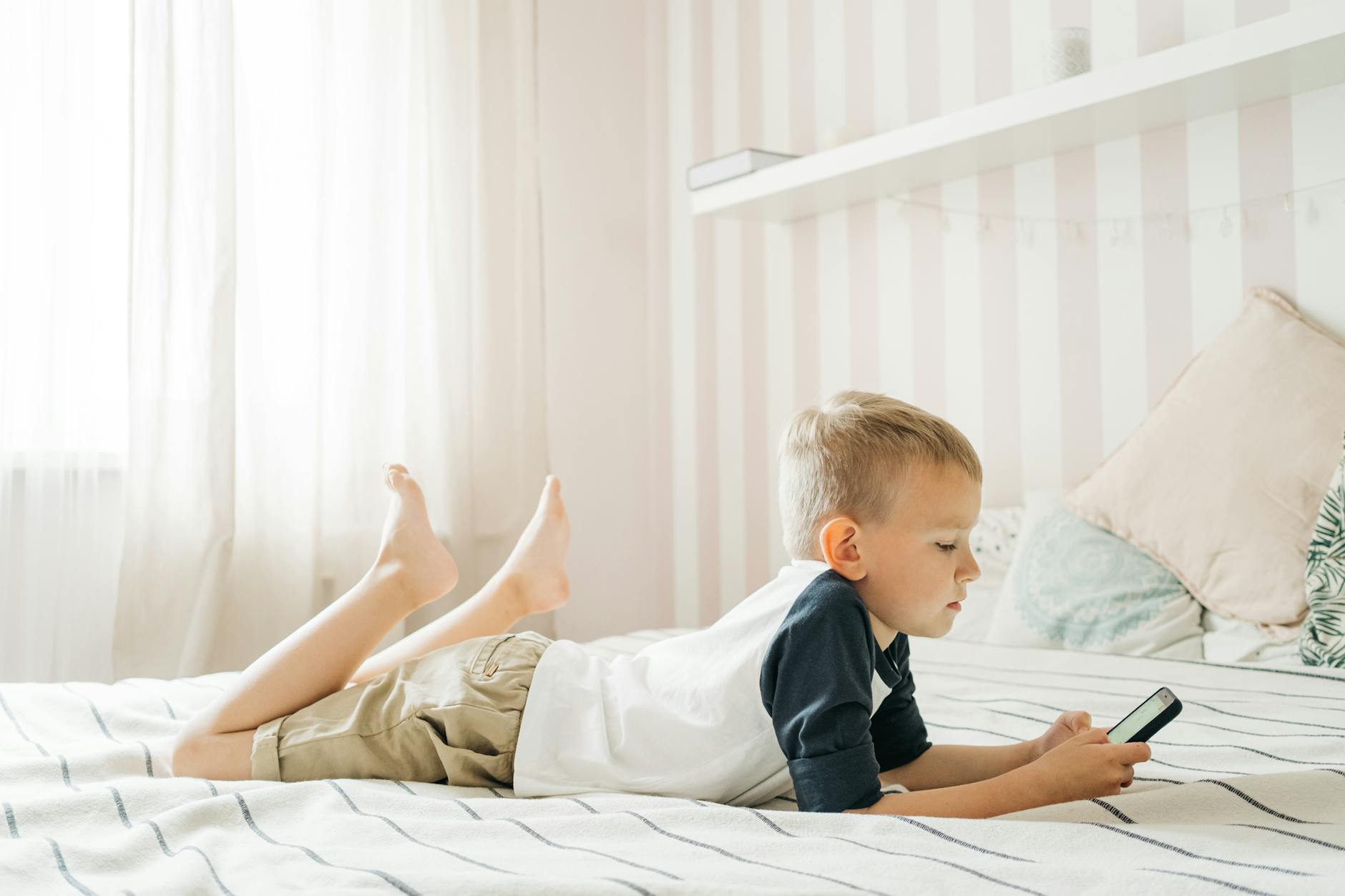
    🌿 The Short Version: Raising kids without constant screens doesn’t mean being the fun police — it means filling their days with so much good stuff that screens stop being the default. This post shares the real, everyday habits our family uses to make low-screen living feel natural, not like a battle.

    This post contains affiliate links. I may earn a small commission at no extra cost to you.

    Somewhere between the third time my kid asked to watch YouTube and the moment I found myself handing over my phone just to get five minutes of peace, I decided something had to change. Not in a dramatic, throw-every-device-in-the-trash way. Just… a quiet decision that we were going to do things differently.

    I grew up in the ’90s. We had one TV, no internet, and a neighborhood full of kids who spent summers building forts, catching fireflies, and riding bikes until the streetlights came on. Nobody organized it. Nobody scheduled it. It just happened — because there was nothing else competing for our attention.

    That’s the part I keep coming back to. Screens aren’t inherently evil. But they’re really, really good at winning the attention competition. And if we want our kids to choose dirt over devices, we have to make the alternative genuinely compelling.

    Here’s what’s actually worked for our family.


    Start With the Environment, Not the Rules

    The biggest shift we made wasn’t setting a screen time limit. It was changing what our kids encountered first when they were bored.

    When boredom hits and the first thing a kid sees is a tablet on the counter, you already know how that ends. But if the first thing they see is a bug collection kit on the back porch, a nature journal open on the table, or a jar waiting to be filled with something interesting — suddenly the day looks different.

    We keep a dedicated “go outside” basket by the back door. It has kids’ rain boots (because Florida), a pocket microscope, a magnifying glass, and whatever nature study materials we’re currently using. My kids walk past that basket every single morning. It plants a seed.

    Devices, on the other hand, live in a drawer in our room. Out of sight really is out of mind — especially for younger kids.


    Give Them Real Work to Do

    Kids who have genuine responsibilities don’t have as much empty time to fill with screens. This sounds obvious, but I think we underestimate how capable our kids actually are.

    Our backyard chickens have been one of the best screen-time antidotes we’ve stumbled into. My kids help collect eggs every morning, refill the chicken waterer, and scatter scratch. It takes maybe fifteen minutes, but it anchors the morning in something real. Something living depends on them. That’s a different feeling than anything a screen can offer.

    Garden tasks work the same way. Pulling weeds, watering seedlings, checking on a seed starting kit on the windowsill — these are small jobs that give kids ownership over something tangible. If you’re just getting started, our post on Starting a Vegetable Garden With Kids is a good place to begin.


    Build a Rhythm, Not a Schedule

    Charlotte Mason had it right: rhythm is more sustainable than rigid scheduling, especially with little kids. We don’t have a clock-based screen time rule in our house. We have a rhythm — and screens just aren’t part of it until the evening.

    Our mornings are for school, outside time, and chores. Afternoons are free play, creative work, or nature study. Evenings are when screens are allowed if everything else is done — but honestly, by then the kids are usually worn out from actually living their day and don’t even ask.

    The key is making sure the rhythm is full enough that there’s no gaping hole where boredom turns desperate. This doesn’t mean every moment is programmed. It means the day has a shape that kids can feel.


    Make Outside Time the Default, Not the Reward

    We never use outside time as a reward for good behavior or finished schoolwork. That accidentally frames the outdoors as something special and rare — and screens as the baseline normal.

    Flip it. Outside is just what we do. It’s not earned. It’s not optional. In Pensacola, we are genuinely lucky — even our winters are mild enough that we’re outside almost every day. (If you need ideas for the cooler months, I’ve got you: Outdoor Activities for Kids in Florida’s Winter Months.)

    The summer heat is a real hurdle, I won’t pretend otherwise. We do morning outside time before 10 a.m. and keep non-toxic sunscreen at the door so there’s no friction. Even twenty minutes of backyard time before the heat sets in is enough to reset a kid’s whole mood.


    Stock Their Hands, Not Their Screens

    If my kids’ hands are busy, their brains aren’t looking for a screen. This is just true. Creative materials that are always accessible — not tucked away in a cabinet — make a huge difference.

    We keep Faber-Castell watercolors and a stack of nature journals on the kitchen table. Always. My kids will sit and paint for an hour if the supplies are just there. If I had to get them out every time, it would never happen.

    Other things we keep accessible: Legos, art supplies, kids’ garden gloves and tools, and a bin of nature finds (feathers, shells, seed pods, rocks). We also have a set of walkie talkies that my kids absolutely love for backyard adventures and imaginative play. Old school and still magical.


    Let Boredom Breathe

    This one is uncomfortable for a lot of parents — including me, at first. But boredom is not a problem to solve. It’s a doorway.

    When my kids say “I’m bored” and I resist the urge to fix it, something interesting always happens within about fifteen minutes. Someone starts building something. Someone goes outside. Someone decides to see what the chickens are doing. The creative brain needs that uncomfortable gap to activate.

    I’m not going to pretend this is always peaceful. Sometimes there’s whining. Sometimes I have to say “I trust you to figure it out” three times before they believe me. But kids who are allowed to be bored regularly become kids who are genuinely good at entertaining themselves. And that is a life skill.


    Have an Honest Conversation With Your Kids

    Even with elementary-age kids, we can be honest about why we make the choices we make. I don’t frame screens as “bad.” I frame them as something that’s easy to do too much of, kind of like candy — fine sometimes, but not something we want running the whole day.

    My kids know that our family values real-life experiences. They know we watch for birds in the backyard (our Florida Backyard Birds guide has helped so much with this), that we care about our chickens, that we like to learn things by actually doing them. When they understand the why, low-screen living becomes part of their identity — not just a rule imposed on them.


    You Don’t Have to Be Perfect

    Listen. There are days when screens happen more than I’d like. Travel days. Sick days. The days when mama has a migraine and just needs everyone to be quiet for two hours. Those days are real and they happen.

    This isn’t about perfection. It’s about the general direction of your family culture. If screens are the exception rather than the constant hum of your household, you’re doing it. Give yourself grace and keep going.

    Raising kids without constant screens is less about what you’re taking away and more about what you’re building in its place — a childhood full of real things, dirty hands, living creatures, outdoor discoveries, and the kind of boredom that sparks imagination. That’s the goal. And honestly? It’s a really beautiful one to work toward.


    📖 You Might Also Like:

    Frequently Asked Questions

    How do I get my kids to stop asking for screens all day?

    The most effective approach isn’t saying no more — it’s making the alternatives genuinely accessible and appealing. Keep creative supplies, outdoor tools, and nature materials visible and easy to reach. When kids have interesting things available to them without effort, they stop defaulting to screens as the only option. It also helps to establish a daily rhythm where screens simply aren’t part of the morning or afternoon routine.

    What are good screen-free activities for elementary-age kids?

    For elementary-age kids, some of the best screen-free activities include nature journaling, backyard exploration with a bug catcher or pocket microscope, watercolor painting, building with Legos or blocks, gardening, caring for animals, free outdoor play, and simple imaginative games. The key is keeping supplies accessible so kids can dive in without waiting for you to set everything up.

    Is it realistic to raise kids with very little screen time today?

    Yes — it’s realistic, but it works best when you focus on building a lifestyle rather than just enforcing rules. Families who successfully limit screens tend to have strong outdoor habits, hands-on hobbies, and a home environment where creative materials are always available. It’s also important to give yourself grace; the goal isn’t zero screens forever, it’s making sure screens aren’t the default way your kids spend their time.

    How do I handle screen time when I need a break as a parent?

    This is real life, and every parent needs a break sometimes. Having a short list of independent activities your kids can do without you — audiobooks, art supplies, outdoor free play, or a special toy they only get occasionally — can give you breathing room without turning to screens every time. That said, there’s no shame in using screens strategically when you genuinely need the help. The goal is balance over time, not perfection every day.

    At what age should I start limiting screen time for kids?

    Most child development experts recommend very minimal to no screen time for children under 2, and limited, intentional use for ages 2-5. For elementary-age kids, the quality and context of screen use matters just as much as the quantity. Starting low-screen habits early is much easier than walking them back later, so building a screen-light home culture from toddlerhood gives you a strong foundation as kids grow.
  • Florida Backyard Birds Identification Guide for Kids (What We’ve Actually Spotted From Our Own Yard)

    Florida Backyard Birds Identification Guide for Kids (What We’ve Actually Spotted From Our Own Yard)

    Florida Backyard Birds Identification Guide for Kids (What We’ve Actually Spotted From Our Own Yard)

    🌿 The Short Version: Florida backyards are packed with incredible birds year-round — and teaching kids to identify them is one of the easiest, most rewarding nature studies you can do. This guide covers the most common birds we’ve spotted right here in Northwest Florida, with simple descriptions kids can actually use, plus tips for turning it into a real Charlotte Mason nature study.

    This post contains affiliate links. I may earn a small commission at no extra cost to you.

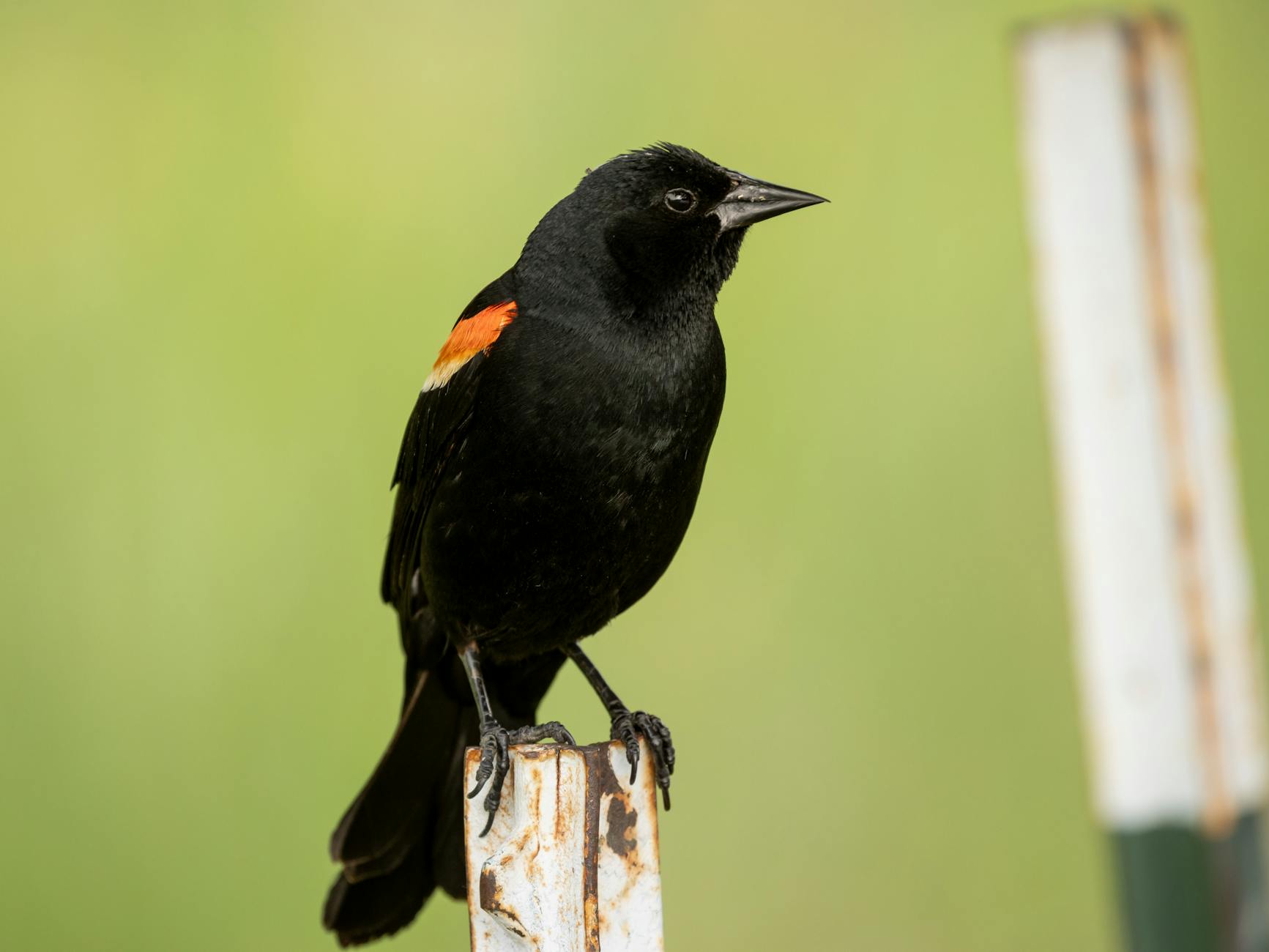
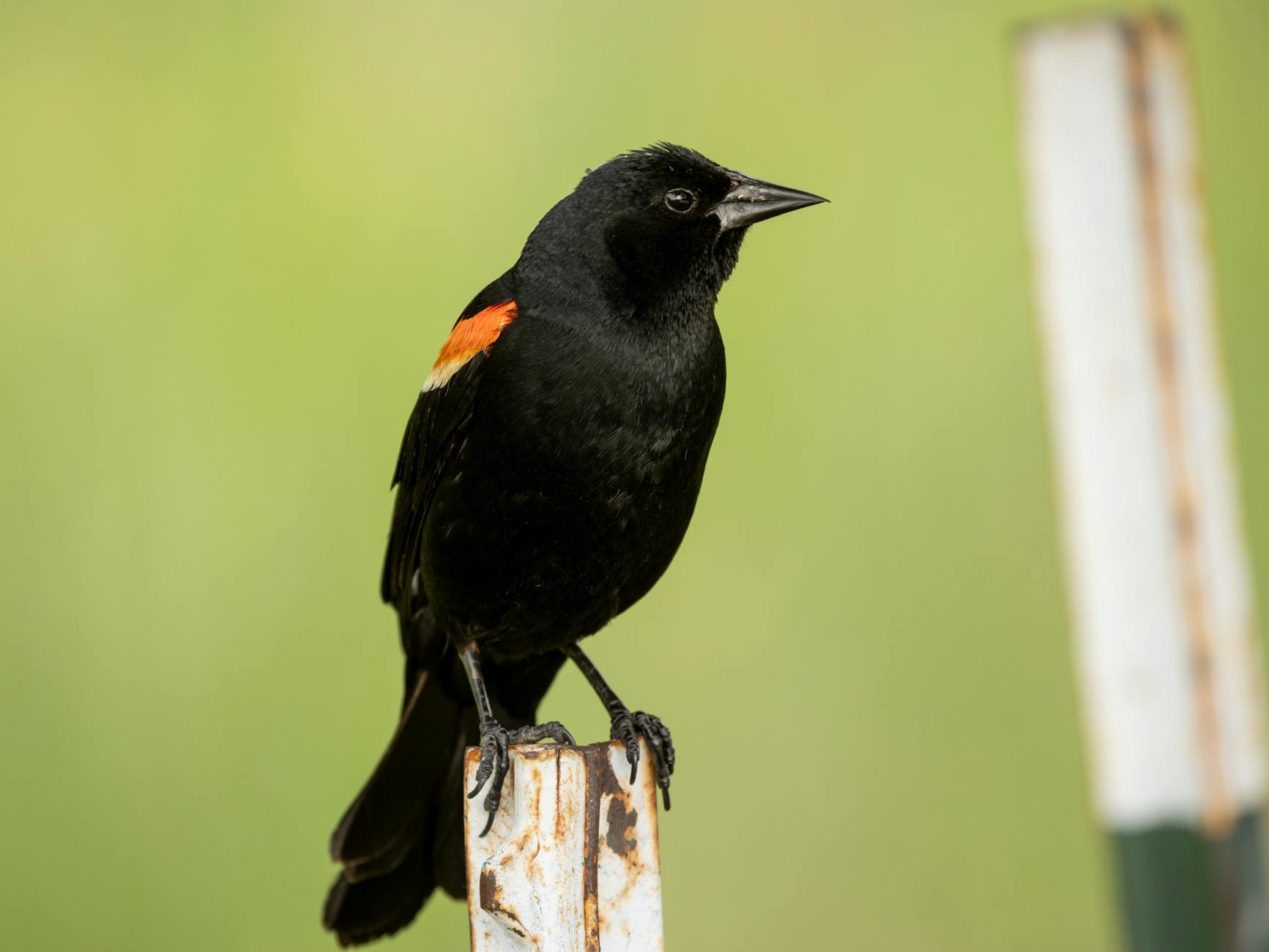
    Some of our best school mornings start before we ever open a book. One of the kids will be out feeding the chickens and come running back in — “Mama, there’s a huge red bird on the fence!” — and just like that, we’ve got a science lesson on our hands.

    Living in Northwest Florida, we are genuinely spoiled when it comes to backyard birds. The mix of coastal habitat, pine flatwoods, and live oak canopy means we get an incredible variety of species right outside our back door — year-round residents, winter visitors, and migratory birds just passing through. And honestly? Helping kids learn to identify birds might be the most natural, low-prep, high-reward nature study there is.

    You don’t need a fancy setup. You need your eyes, maybe a good field guide, and a little patience. Here’s what we’ve actually found in our own Pensacola-area backyard and how we’ve turned it into real learning for our elementary kids.


    Why Bird Identification Is Perfect for Charlotte Mason Nature Study

    Charlotte Mason believed that children learn best through direct observation of the living world — not worksheets about it. Birds are honestly a perfect entry point for this. They’re everywhere, they’re active, they’re visually interesting, and they behave in ways kids naturally want to talk about.

    We keep a nature journal on the kitchen table, and drawing a bird from observation — really looking at the shape of the beak, the color of the wing bars, the way it holds its tail — is exactly the kind of slow, attentive learning that Charlotte Mason championed. Add a written or narrated description, and you’ve covered science, language arts, and fine motor all before lunch.

    If your kids like to paint what they see (mine absolutely do), a set of Faber-Castell watercolors is perfect for nature journal illustrations. The colors are vibrant enough to capture a painted bunting, which — I’m telling you — is a spiritual experience when you see one for the first time.

    For a real field guide that works for this age, we love the Sibley Birds guide. It’s detailed without being overwhelming, and my kids have spent hours just flipping through the illustrations.


    Common Florida Backyard Birds Kids Can Learn to Identify

    The Ones You’ll See Almost Every Single Day

    Northern Cardinal — The one my kids spotted on the chicken fence. The male is that unmistakable all-red bird with the crest on top of his head. The female is a warm brown with red highlights — equally beautiful, just more subtle. Cardinals love sunflower seeds and will come to a feeder reliably. A great starter bird because they’re so recognizable.

    Carolina Wren — Tiny, loud, and bossy. These little brown birds with the upturned tail have a surprisingly huge voice. We have a pair that nests near our back porch every spring. Kids love how much sound comes out of such a small bird.

    Mourning Dove — Soft gray-brown with a gentle, cooing call. They forage on the ground under feeders and are calm enough that you can watch them for a while without them spooking. Great for early bird watchers because they move slowly and stay put.

    Blue Jay — Loud, flashy, opinionated. Blue jays are bossy at the feeder and fascinating to watch. My kids have strong feelings about them (half love them, half think they’re too aggressive), which makes for great nature journaling — observations and opinions.

    Red-bellied Woodpecker — This one always confuses kids at first because the red part is actually mostly on the head, not the belly. They’re regulars on our oak trees and have a distinctive churring call. A pocket microscope is a fun way to look at a feather up close if you ever find one on the ground.

    American Crow — Big, black, smart as a whip. Crows are genuinely one of the most intelligent bird species, and there’s so much to learn about their behavior. We’ve watched them use tools and solve problems right in the yard. Great conversation starter.

    Seasonal and Special Visitors

    Painted Bunting — If you’ve never seen one, prepare yourself. The male is arguably the most colorful bird in North America — electric blue head, red chest, green back. They show up in our area in fall and winter, and every single time my kids see one at the feeder, someone gasps. This is the bird that turns kids into birders.

    Ruby-throated Hummingbird — Summer visitors that pass through during migration. They’re attracted to red tubular flowers — plant native salvia or firebush in your yard and you’ll see them regularly. Kids are always amazed by how small and fast they are.

    Yellow-rumped Warbler — A common winter visitor in Northwest Florida. Small, active, and they flit around constantly. Look for the yellow patch on the rump (yes, that’s what it’s named for — kids find this hilarious). Great for teaching about migration.

    Osprey and Red-tailed Hawk — We see these regularly soaring overhead. Hawks and ospreys offer a great lesson on raptors versus songbirds — different body shapes, different hunting strategies, different habitats. If you’re near the coast or any water body, osprey are almost guaranteed.

    American Robin — Up north they’re the first sign of spring, but in Florida we see them in winter flocks. Big flocks of robins rolling through the yard always get the kids excited.


    How We Actually Do Bird Study With Elementary Kids

    Honestly, the 1990s approach works best here. No structured lesson plan. No app doing the work for them. Just: go outside, look, wonder, come back and figure it out.

    Here’s the loose rhythm that works for our family:

    Morning observation time. Before structured school starts, kids spend 10-15 minutes in the yard or watching from the porch. They’re already out there doing chicken chores anyway — we’ve got a nipple waterer that makes that quick — so bird watching happens naturally while they’re already outside.

    Sketch and narrate. Come inside and draw what they saw. Describe it in words. What color was it? How big? What was it doing? This is straight Charlotte Mason narration, and it builds real observational skills over time.

    Look it up together. Pull out the Sibley guide and find it. This is the exciting part — flipping through pages, comparing illustrations, arguing about whether it had one wing bar or two.

    Record it. Add it to the nature journal with the date and any notes. Over a year, kids can see patterns — “We always see yellow-rumped warblers in December” — and that’s real science happening.

    For our Florida Backyard Wildlife Identification Guide for Families (What We’ve Actually Found in Our Yard), I go deeper on all kinds of backyard wildlife beyond birds — worth checking out if your kids are curious about everything, not just birds.

    Also, if wildflowers and plants are starting to interest them too, our Florida Wildflowers Kids Identification Guide is a great companion to this one — the two studies overlap naturally when you’re out in the yard together.


    Simple Ways to Attract More Birds to Your Yard

    • Plant natives. Firebush, beautyberry, and native oaks attract more birds than a feeder ever will. They provide food and shelter.
    • Put out a simple feeder. Black oil sunflower seeds attract the widest variety of birds. Cardinals, chickadees, finches, wrens — they all love it.
    • Add a birdbath. Moving water is especially attractive. Even a basic shallow dish refreshed daily makes a difference.
    • Leave the leaf litter. I know it looks messy, but ground-feeding birds like towhees and thrushes are working that leaf litter for insects. Let it be.
    • Reduce pesticide use. This one matters a lot. Insects are the base of the food chain for most birds, especially during nesting season. We use Wondercide around the yard and coop because it keeps things safe for our chickens, the kids, and yes — the birds too.

    Making Bird Study Feel Like Childhood, Not School

    Here’s the thing I keep coming back to: kids who spent their childhoods outside in the 80s and 90s just knew birds. Not because someone taught them in a formal way, but because they were out there long enough to notice things. That’s what we’re trying to recreate.

    Give your kids the tools — a good journal, a field guide, maybe a bug collection kit for the days they want to go deeper on the ecosystem as a whole — and then get out of the way. Let them be curious. Let them be wrong sometimes. Let them argue about whether that was a fish crow or an American crow (spoiler: it’s harder to tell than you’d think).

    Bird identification is one of those skills that compounds over time. A kid who learns to really see a cardinal — to notice the crest, the thick seed-cracking beak, the way the female’s colors echo the male’s — is building the same careful observation skills that will serve them in every area of learning for the rest of their life.

    And on the days when school feels hard and nobody wants to sit at the table? Go outside. Watch the birds. Draw what you see. That counts. It always counts.


    📖 You Might Also Like:

    Frequently Asked Questions

    What birds are most common in Florida backyards for kids to identify?

    Some of the easiest and most common Florida backyard birds for kids to start with are the Northern Cardinal, Carolina Wren, Mourning Dove, Blue Jay, and Red-bellied Woodpecker. These species are present year-round in most of Florida, including the Pensacola and Northwest Florida area, and are visually distinctive enough for young kids to recognize with a little practice.

    What is the best bird field guide for kids?

    The Sibley Birds guide is one of our favorites for family nature study — it’s detailed and accurate but very visual, which works well for elementary-age kids. For younger children, look for regional or beginner guides with large illustrations. The key is having a physical book kids can flip through themselves rather than relying on an app to do the identifying for them.

    How do I teach bird identification to elementary-age kids using Charlotte Mason methods?

    Charlotte Mason bird study is beautifully simple: go outside and observe, then come in and narrate or sketch what you saw, then look it up together in a field guide. Keep a nature journal where kids draw and describe birds they’ve spotted, noting the date, location, and behavior. Over time, this builds real observational skills and a growing knowledge of local species — no worksheets required.

    When is the best time to see birds in a Florida backyard?

    Early morning is generally the best time for bird activity in Florida backyards — birds are most active in the first hour or two after sunrise. Florida also has the advantage of great birding year-round, with winter bringing migratory visitors like painted buntings, yellow-rumped warblers, and American robins that you won’t see in summer. Fall migration (September–November) is particularly exciting in Northwest Florida.

    How can I attract more birds to my Florida backyard?

    The most effective ways to attract birds to a Florida backyard are planting native plants (firebush, beautyberry, and native oaks are excellent choices), putting out a feeder stocked with black oil sunflower seeds, adding a shallow birdbath with fresh water, and leaving leaf litter on the ground for foraging birds. Reducing pesticide use is also important since insects are the primary food source for most birds, especially during nesting season.

  • Florida Wildflowers Kids Identification Guide (What We’ve Found Blooming in Our Own Backyard)

    Florida Wildflowers Kids Identification Guide (What We’ve Found Blooming in Our Own Backyard)

    Florida Wildflowers Kids Identification Guide (What We’ve Found Blooming in Our Own Backyard)

    🌿 The Short Version: Florida is packed with beautiful wildflowers that kids can learn to identify right in their own yard, neighborhood, or on a trail. This guide covers the most common ones we’ve found here in Northwest Florida — with simple descriptions, what to look for by season, and how to turn it all into a living nature study your kids will actually remember.

    This post contains affiliate links. I may earn a small commission at no extra cost to you.

    Somewhere between letting the chickens out and pouring my first cup of coffee, one of my kids called out from the backyard: “Mama, what’s this purple flower?”

    And honestly? I had no idea.

    That moment sent us down a rabbit hole — in the best possible way. We started noticing wildflowers everywhere. On the edges of our yard, along the road when we’d go on our morning walks, in the field behind our neighborhood. Florida is full of wildflowers, and most of us just walk right past them without a second glance.

    If you’ve got kids who love being outside (or kids you’re trying to get outside), wildflower identification is one of those nature study activities that sounds fancy but is really just… looking. Paying attention. And that? That’s something we can all do.

    Here’s what we’ve found, what we use to learn, and how we’ve woven it into our homeschool days.


    Why Wildflower Identification Is Such a Good Fit for Kids

    Charlotte Mason was big on “living education” — the idea that children learn best when they’re interacting with real, beautiful, living things rather than just reading about them in a textbook. Wildflowers are a perfect example of that. You can’t fake the experience of crouching down next to a patch of blue-eyed grass and really looking at it.

    This is also the kind of thing kids in the 1990s just did naturally — wandered around, noticed stuff, picked things up, asked questions. We’re just giving it a little more intention now.

    A good nature journal is the starting point for us. My kids sketch what they find, write the name (or a guess), and sometimes press a small clipping inside. Add a set of Faber-Castell watercolors and you’ve got a full-on nature study session that covers science, art, and writing — all outside, all real.


    Florida Wildflowers You’re Likely to Spot (By Season)

    One thing I love about Florida is that wildflowers aren’t just a spring thing here. We get blooms almost year-round if you know what to look for. Here’s a breakdown of what we’ve actually found in and around the Pensacola area.

    Spring (March–May)

    Wild Blue Phlox — This one shows up in wooded areas and roadsides in early spring. Pale lavender-blue clusters on thin stems. My youngest thinks it looks like a fairy flower, and honestly, same.

    Lanceleaf Coreopsis — Florida’s state wildflower, and for good reason. Cheerful yellow petals with a darker center. It pops up in open fields and roadsides and is almost impossible to miss.

    Spiderwort — Three purple petals, early morning bloomer. By afternoon it often closes up, which makes it a great one for talking about how different flowers behave at different times of day.

    Carolina Wild Petunia — Lavender blooms that look like petunias but are entirely wild. Grows along roadsides and woodland edges. Native bees love it.

    Summer (June–August)

    Okay, yes — summer in Florida is brutal. But wildflowers don’t care. They’re out there. We just find them on early morning walks before the heat hits.

    Partridge Pea — Bright yellow flowers with distinctive reddish stamens. The compound leaves fold up when touched, which is endlessly entertaining for kids. Butterflies and bees absolutely flock to this one. If you’re working on a butterfly garden, this plant belongs in it.

    Daylily (Native/Naturalized) — Tawny orange blooms on tall stalks. Each flower only lasts a single day, which is a great lesson all by itself.

    Elderflower — Technically a shrub, but those flat-topped clusters of tiny white flowers are gorgeous and easy to spot. Berries come later in the season. (We always remind the kids: look, don’t eat unless an adult confirms it’s safe.)

    Buttonbush — Round white flower clusters that look like little pincushions. Grows near water, and if you live near a pond or wetland area, you’ve probably seen it.

    Fall (September–November)

    Goldenrod — Those tall golden plumes that show up everywhere in fall? That’s goldenrod. It gets blamed for allergies a lot, but it’s actually wind-pollinated ragweed that’s the culprit. Goldenrod is an incredible pollinator plant.

    Blazing Star (Liatris) — Purple spikes that bloom from the top down. Monarch butterflies love this one during their fall migration, which makes it extra exciting if you’re doing any butterfly watching.

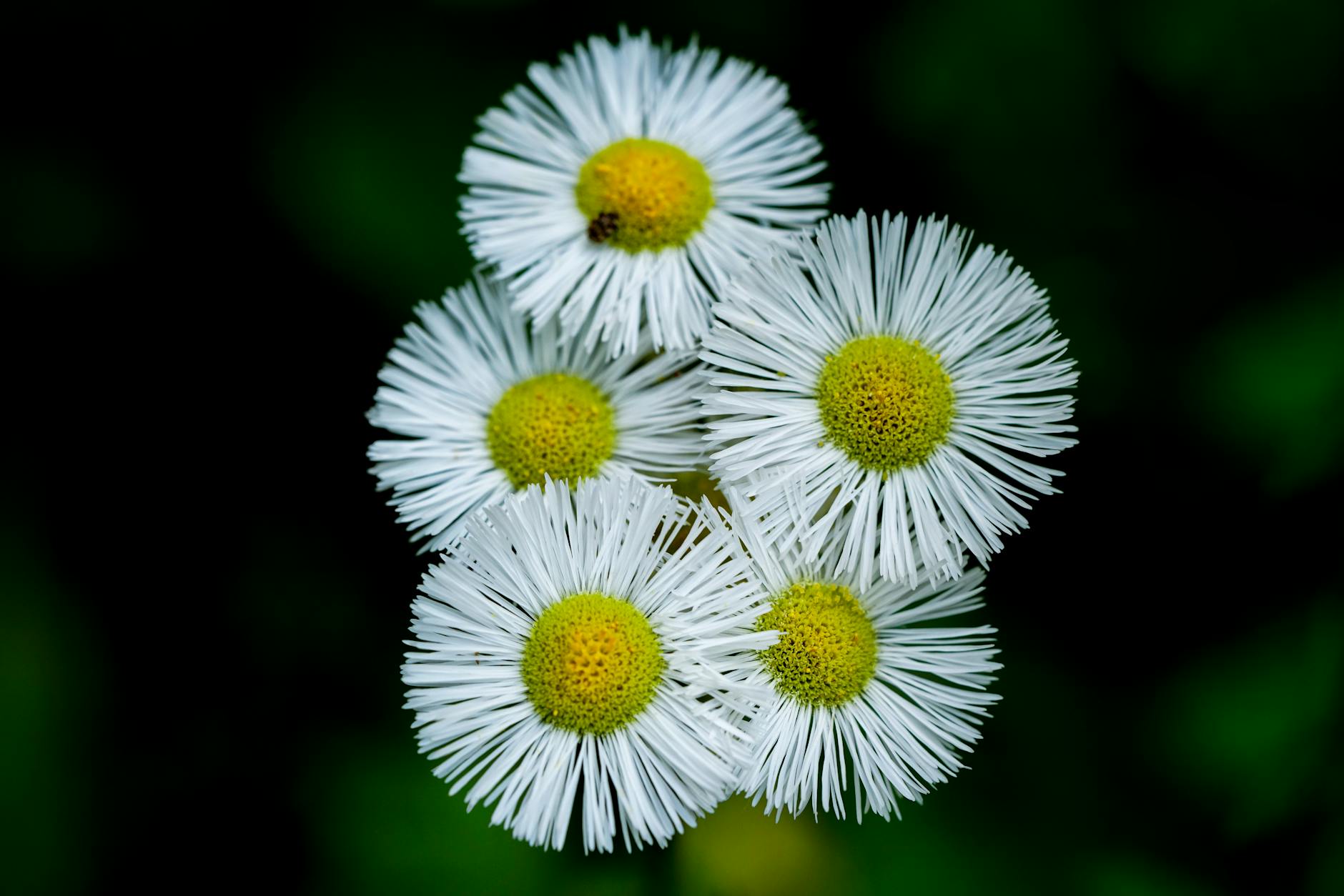
    Saltmarsh Fleabane — Pink fluffy flowers that show up in moist areas. Common near coastal areas, so if you’re heading to any of our local spots near Pensacola Bay or the Gulf, keep an eye out.

    Winter (December–February)

    This is actually our favorite time to get outside here in Northwest Florida — the weather finally cooperates! And yes, there are still flowers.

    Henbit — Small pink-purple flowers on low-growing stems. Technically a weed by most people’s standards, but it’s charming and one of the first bloomers after cold snaps.

    Florida betony — White tubular flowers and square stems. The kids always notice the square stems because it feels like a trick of nature.

    For more on what we do outside during our cooler months, check out our favorite outdoor activities for kids in Florida’s winter months.


    How We Actually Do Wildflower Study (Without Making It Feel Like School)

    The key is keeping it loose. We don’t sit down and quiz the kids on flower names. We just… go outside and notice things together.

    Here’s what a typical wildflower walk looks like for us:

    1. We head out in the morning, sometimes with the dog, sometimes while the chickens free-range in the yard.
    2. Someone spots something — a new bloom, a weird seedpod, a bug on a flower. We stop and look.
    3. We use a field guide or a simple plant ID app (iNaturalist is our favorite — totally free) to figure out what it is.
    4. Back inside, my older kids sketch it in their nature journals and write a few notes.

    That’s it. Fifteen to thirty minutes, mostly outside, totally engaging.

    For the sketching and painting, those Faber-Castell watercolors we mentioned are our go-to — they’re quality enough to actually mix colors well, and they hold up to kid use without being expensive to replace.

    We’ve also been slowly working our way through the Sibley Birds guide for bird ID on those same walks — and honestly, wildflowers and bird watching go hand-in-hand beautifully. You start noticing which birds visit which flowers, which flowers attract which butterflies, and suddenly you’ve got a whole ecosystem study happening in your front yard.

    For a full list of what we’ve found, check out our Florida backyard wildlife identification guide — it goes way beyond flowers.


    A Note on Toxicity (Because Kids Touch Everything)

    This is a real thing. Before we started our wildflower study, I made it a point to look up any potential toxicity concerns for common plants in our area. Some beautiful wildflowers — like nightshade and certain buttercup varieties — can cause skin irritation or worse if ingested.

    Our family rule: look, smell (carefully), sketch, photograph. We don’t eat anything without verification from a trusted field guide or adult who actually knows plants.

    Make it a fun rule, not a scary one. “We’re scientists — scientists observe first” has worked pretty well around here.


    What You Actually Need to Get Started

    You don’t need much. Truly.

    • A nature journal and pencil
    • Watercolor paints for illustrating findings
    • A plant ID app like iNaturalist (free)
    • A pocket microscope for looking at pollen and tiny flower structures up close — this one alone will blow your kids’ minds
    • A good pair of kids’ rain boots if you’re exploring wet areas or meadows after summer storms

    That’s honestly it. Florida is your classroom. You just have to walk out the back door.

    And if wildflower walks lead to bigger curiosity about gardening, we’ve got you covered there too — our guide on starting a vegetable garden with kids is a great next step.


    Start Where You Are

    You don’t have to know all the names before you start. We sure didn’t. We started with that one purple flower in the backyard, wrote “purple flower — looks like phlox?” in the nature journal, and went from there.

    Now my kids will stop mid-sentence on a walk to point something out. They argue (lovingly) about whether something is goldenrod or dog fennel. They notice the bees. They care about what’s growing. That’s the whole point, really — not building a perfect botanical database, but growing kids who pay attention to the world around them.

    And in a world that really wants our kids staring at screens, a child crouching in the grass to sketch a wildflower feels like a quiet little act of resistance. The best kind.


    📖 You Might Also Like:

    Frequently Asked Questions

    What wildflowers are common in Florida backyards?

    Florida backyards and roadsides are home to many beautiful wildflowers, including Lanceleaf Coreopsis (the state wildflower), Spiderwort, Wild Blue Phlox, Partridge Pea, Goldenrod, and Blazing Star. The specific flowers you’ll see depend on your region — North and Northwest Florida tend to have more variety thanks to the temperate climate, especially in spring and fall.

    How do I teach kids to identify wildflowers without a botany background?

    You don’t need a botany degree — just curiosity and a few simple tools. Start with a free plant ID app like iNaturalist, which lets kids photograph a flower and get an instant identification. Pair that with a nature journal where they sketch and write what they find. Field guides written for beginners also help, and the learning happens naturally over time just by getting outside regularly and paying attention.

    Are any Florida wildflowers dangerous or toxic to kids?

    Yes, some Florida wildflowers and look-alikes can be toxic or cause skin irritation — including species in the nightshade family, certain buttercups, and water hemlock near wetlands. A good rule of thumb for kids: observe, sketch, and photograph, but never taste or eat anything without adult verification from a trusted field guide. Teaching this as a ‘scientist rule’ rather than a fear-based restriction works well with younger children.

    What season has the most wildflowers in Florida?

    Spring (March through May) is the most spectacular season for wildflowers in Florida, especially in North and Northwest Florida where the climate is more temperate. However, Florida has blooms in every season — fall brings goldenrod and liatris, summer has partridge pea and elderflower, and even winter has small bloomers like henbit. One of the perks of homeschooling in Florida is that nature study can happen outdoors almost year-round.

    How do I use wildflower identification as part of a Charlotte Mason nature study?

    Charlotte Mason’s approach to nature study is all about direct observation and narration — and wildflowers are a perfect subject. Take kids outside with a nature journal, let them choose a flower to sketch, and encourage them to write or narrate what they notice (color, shape, smell, what insects visited it). Over time these journals become a beautiful record of what they’ve learned. Add watercolor illustrations, pressed flower specimens, and seasonal observation notes to deepen the study naturally.

  • Florida Backyard Wildlife Identification Guide for Families (What We’ve Actually Found in Our Yard)

    Florida Backyard Wildlife Identification Guide for Families (What We’ve Actually Found in Our Yard)

    Florida Backyard Wildlife Identification Guide for Families (What We’ve Actually Found in Our Yard)

    🌿 The Short Version: Florida backyards are honestly teeming with wildlife if you know what to look for — and identifying it together is one of the best nature study activities you can do with kids. This guide walks you through the most common critters we’ve spotted right here in Northwest Florida, plus simple tools to help your family start observing and recording what you find.

    This post contains affiliate links. I may earn a small commission at no extra cost to you.

    I didn’t grow up calling myself a naturalist. I grew up a kid in the 90s who spent a lot of time outside turning over rocks, chasing lizards, and shrieking at things in the grass. Turns out, that’s basically the same thing.

    Now I have kids of my own, and we homeschool, and one of my absolute favorite parts of our days is just… going outside and paying attention. Florida — especially up here in the Pensacola area — is genuinely one of the most biodiverse places you can raise a family. Our backyard is small. Our wildlife list is not.

    Whether you’re new to nature study, just getting your Charlotte Mason legs under you, or you’ve got a kid who’s been obsessed with bugs since birth (hi, same), this guide is for you. Let’s talk about what’s actually out there in your Florida backyard and how to start identifying it together.


    Why Backyard Wildlife ID Is Such Great Nature Study

    Charlotte Mason was big on the idea that children should have a living, breathing relationship with the natural world — not just textbook facts, but real observation. Backyard wildlife identification is that in its purest form. You’re not driving anywhere. You’re not buying a curriculum. You’re just stepping outside and asking, what is that?

    It builds observation skills, vocabulary, patience, and genuine wonder. And honestly? It’s as good for us mamas as it is for the kids.

    We keep a nature journal on the kitchen counter so that when someone spots something interesting, we can sketch it and write down what we noticed — wing color, behavior, where it was, what time of day. Over months, patterns start to emerge. That’s real science happening at your kitchen table.

    If you want more ways to bring this kind of learning outside, check out our Easy Outdoor Science Experiments for Kids in the Backyard (No Lab Required) — lots of overlap with this kind of nature observation work.


    Common Florida Backyard Birds (And How to Tell Them Apart)

    Birds are the easiest entry point for wildlife ID with kids because they’re visible, they move during the day, and there are great tools to help.

    Here’s what we see regularly in our Northwest Florida yard:

    Year-Round Residents

    • Northern Mockingbird — Florida’s state bird, and it earns it. This bird will sing at 2am and has opinions about your cat.
    • Carolina Wren — tiny, loud, brown, and absolutely convinced it owns your porch.
    • Blue Jay — bold, beautiful, and a bit of a bully at the feeder.
    • Red-bellied Woodpecker — despite the name, the red is on the head. Classic Florida confusion.
    • Eastern Towhee — loves scratching around in leaf litter; black, white, and rufous coloring.

    Winter Visitors

    • Yellow-rumped Warbler — one of the most common winter warblers up here, they flock to wax myrtle berries.
    • American Goldfinch — in winter plumage they’re olive-yellow, not the bright gold you might expect.
    • Ruby-crowned Kinglet — tiny and hyperactive, flicking wings constantly.

    We use the Sibley Birds guide and it has been genuinely worth every penny. The illustrations are beautiful and it’s organized in a way that actually makes sense when you’re trying to figure out what just flew past your head.


    Reptiles and Amphibians: Florida’s Most Underappreciated Backyard Residents

    Okay, real talk — Florida reptiles get a bad reputation and I think it’s wildly unfair.

    Lizards

    • Green Anole — native, changes color based on temperature and mood (not background, despite the myth). Males do little push-ups with a pink dewlap. Kids are obsessed.
    • Brown Anole — non-native but everywhere. Competes with the green anole, unfortunately.
    • Six-lined Racerunner — fast as lightning, usually in sunny open areas.

    Skinks

    • Broadhead Skink — big, shiny, and the males have striking orange heads. Lives in oak trees.
    • Five-lined Skink — juveniles have vivid blue tails. My kids have chased these for years.

    Frogs and Toads

    • Green Tree Frog — Florida’s other state animal (the frog, officially). Shows up on windows at night hunting bugs near lights.
    • Squirrel Tree Frog — similar but smaller, with variable patterns.
    • Southern Toad — common in yards, eats fire ants, absolutely a friend.
    • Eastern Narrowmouth Toad — tiny, secretive, and often under boards or rocks.

    The Ones That Deserve Respect (Not Fear)

    • Eastern Fence Lizard — not super common in our area but worth knowing.
    • Black Racer Snake — nonvenomous, fast, eats rodents. We leave ours alone.
    • Gopher Tortoise — a keystone species. If you have one, you’re lucky. Do not disturb.

    Insects and Bugs: The Overlooked Stars of Your Yard

    This is where my bug-kid really shines. Florida has an extraordinary insect population, and honestly, once you start paying attention, you can’t stop.

    We love using a pocket microscope for close-up looks at wing scales, compound eyes, and leg structures — the kids are absolutely riveted. Pair it with a bug collection kit for catching, observing, and releasing without harm.

    What we find regularly:

    • Lubber Grasshoppers — enormous, colorful, and slow. Very easy to catch and observe.
    • Gulf Fritillary Butterfly — brilliant orange, passionate about passionvine. (If you want to attract more, we have a whole post on How to Start a Butterfly Garden in Florida With Kids.)
    • Wheel Bug — assassin bug, looks prehistoric, fascinating.
    • Fireflies — we do still have them in Northwest Florida, particularly in early summer near wooded edges. Magic.
    • Orb Weaver Spiders — the big gorgeous ones in the fall. Totally harmless, incredible architects.
    • Cicadas — loud doesn’t begin to cover it, but finding a shed exoskeleton is a genuine treasure for kids.

    Backyard Mammals: More Than Just Squirrels

    • Eastern Gray Squirrel — classic, chaotic, always plotting against your bird feeder.
    • Eastern Cottontail — we see these at dusk, especially near garden beds. (A good reason to fence your vegetable garden.)
    • Armadillo — the yard aerator nobody asked for. Fascinating ancient-looking creatures.
    • Opossum — underrated. They eat ticks. A lot of ticks. Be kind to opossums.
    • Raccoon — smart, dexterous, and absolutely a threat to our chicken coop. We use an automatic coop door partly because of these guys.

    Simple Tools for Getting Started With Wildlife ID

    You don’t need a lot. Here’s what we actually use:

    • A good field guide — Sibley Birds for birds, iNaturalist app for everything else (free and incredible)
    • A nature journal — this one holds up well outside and has blank pages for sketching
    • Faber-Castell watercolors — for nature journaling, because sketching is one thing but adding color is what makes it stick
    • A pocket microscope — for small finds like insects, feathers, or shed skins
    • Kids’ rain boots — because Florida and mud go together always

    Making It a Regular Practice

    The secret to good nature study isn’t a fancy curriculum. It’s just going outside consistently and being curious together. We do a slow morning loop around the yard most days — check the chicken run, look at what’s blooming, see who’s visiting the bird bath. It takes ten minutes and it has produced some of our best school conversations.

    Grab your journals. Go slow. Let the kids lead. Florida will do the rest — I promise, it always shows up.


    📖 You Might Also Like:

    Frequently Asked Questions

    What wildlife is commonly found in Florida backyards?

    Florida backyards are home to a surprising variety of wildlife including birds like Northern Mockingbirds, Blue Jays, and seasonal warblers; reptiles like Green Anoles, skinks, and Black Racer snakes; amphibians like Green Tree Frogs and Southern Toads; insects like Gulf Fritillary butterflies, cicadas, and Lubber Grasshoppers; and mammals like armadillos, opossums, and Eastern Cottontails. The diversity is genuinely one of the best things about raising kids in Florida.

    What is the best app for identifying Florida backyard wildlife?

    iNaturalist is hands-down the best free app for identifying Florida wildlife. You take a photo, it suggests an ID based on visual AI and community verification, and your observations get added to a global database. Kids love submitting their own observations. For birds specifically, Merlin Bird ID by Cornell Lab is excellent and even identifies birds by sound.

    Are there dangerous animals I should watch for in a Florida backyard?

    Florida does have venomous snakes — including the Eastern Diamondback Rattlesnake, Cottonmouth (Water Moccasin), and Coral Snake — but encounters in a typical suburban backyard are uncommon. The most important rule is to teach kids never to pick up a snake they can’t identify. Most snakes seen in Florida yards are nonvenomous and beneficial. Fire ants are a more everyday concern, especially for young children, so check play areas regularly.

    How do I start nature journaling with my kids?

    Start simple — a blank notebook, a pencil, and time outside is all you need. Encourage kids to sketch what they observe (not what they think it should look like) and write down details: color, size, behavior, location, time of day. Adding watercolor is a natural next step that makes journaling feel like art. The habit matters more than the quality of the drawings, especially at first.

    What are the best field guides for Florida wildlife identification with kids?

    For birds, the Sibley Birds guide is excellent for all ages. For a broader Florida focus, the Peterson Field Guide to Reptiles and Amphibians of Eastern and Central North America is very thorough. The iNaturalist app is a fantastic digital companion for everything. For younger children, DK Eyewitness nature books offer beautiful visuals that are very kid-friendly as a starting point.

  • Starting a Vegetable Garden With Kids: A Beginner’s Guide for Families Who Want to Actually Enjoy It

    Starting a Vegetable Garden With Kids: A Beginner’s Guide for Families Who Want to Actually Enjoy It

    Starting a Vegetable Garden With Kids: A Beginner’s Guide for Families Who Want to Actually Enjoy It

    🌿 The Short Version: You don’t need a big yard, a big budget, or a green thumb to start a vegetable garden with your kids. This guide walks you through exactly how to begin — what to plant, how to involve your children at every age, and how to make it a real learning experience without turning it into a chore.

    This post contains affiliate links. I may earn a small commission at no extra cost to you.

    Somewhere between the chicken coop and the back fence, we found a little patch of dirt that changed everything. It wasn’t pretty at first — just a raised bed my husband threw together from some scrap lumber and a bag of garden soil from the hardware store. But the morning my oldest pulled her first cherry tomato off the vine and popped it straight into her mouth, eyes wide, I knew we were onto something good.

    That’s really what starting a vegetable garden with kids is about. Not the harvest. Not the Pinterest-worthy garden beds. It’s that moment when a child realizes food comes from the ground — that they can grow it, that they helped, and that it tastes better than anything from a plastic bag at the grocery store.

    If you’ve been wanting to try gardening with your kids but feel overwhelmed before you even start, I’m here to tell you: start small, start messy, and just start.

    Why Gardening Is One of the Best Things You Can Do With Your Kids Right Now

    I grew up in the ’90s with a grandma who had a garden every single summer. We dug in the dirt, we ate tomatoes off the vine, we got muddy and sunburned and didn’t care. That kind of hands-in-the-earth childhood shaped how I see the world, and I want that for my kids too.

    Beyond the nostalgia, though? Gardening hits almost every subject in our Charlotte Mason homeschool without even trying. Science (plant life cycles, soil composition, insects), math (measuring rows, counting seeds, tracking growth), language arts (nature journaling, research), and even character — patience, responsibility, and the satisfaction of doing hard things.

    We use our nature journal to sketch seedlings as they sprout, observe which beds get more sun, and record when things first bloom. It’s living science, and it’s free once you’ve got some seeds in the ground.

    Starting a Vegetable Garden With Kids: Where to Actually Begin

    Step 1: Pick One Small Spot (Seriously, Just One)

    Don’t let this be the thing that stops you. You don’t need raised beds with perfect lumber. You don’t need a tiller. You need a sunny spot — at least 6 hours of direct sun per day — and some decent soil.

    For beginners with kids, I’d honestly recommend starting with just a 4×4 raised bed or even a few large containers on a patio. The smaller the space, the more manageable it is, and the more your kids can actually take ownership of it.

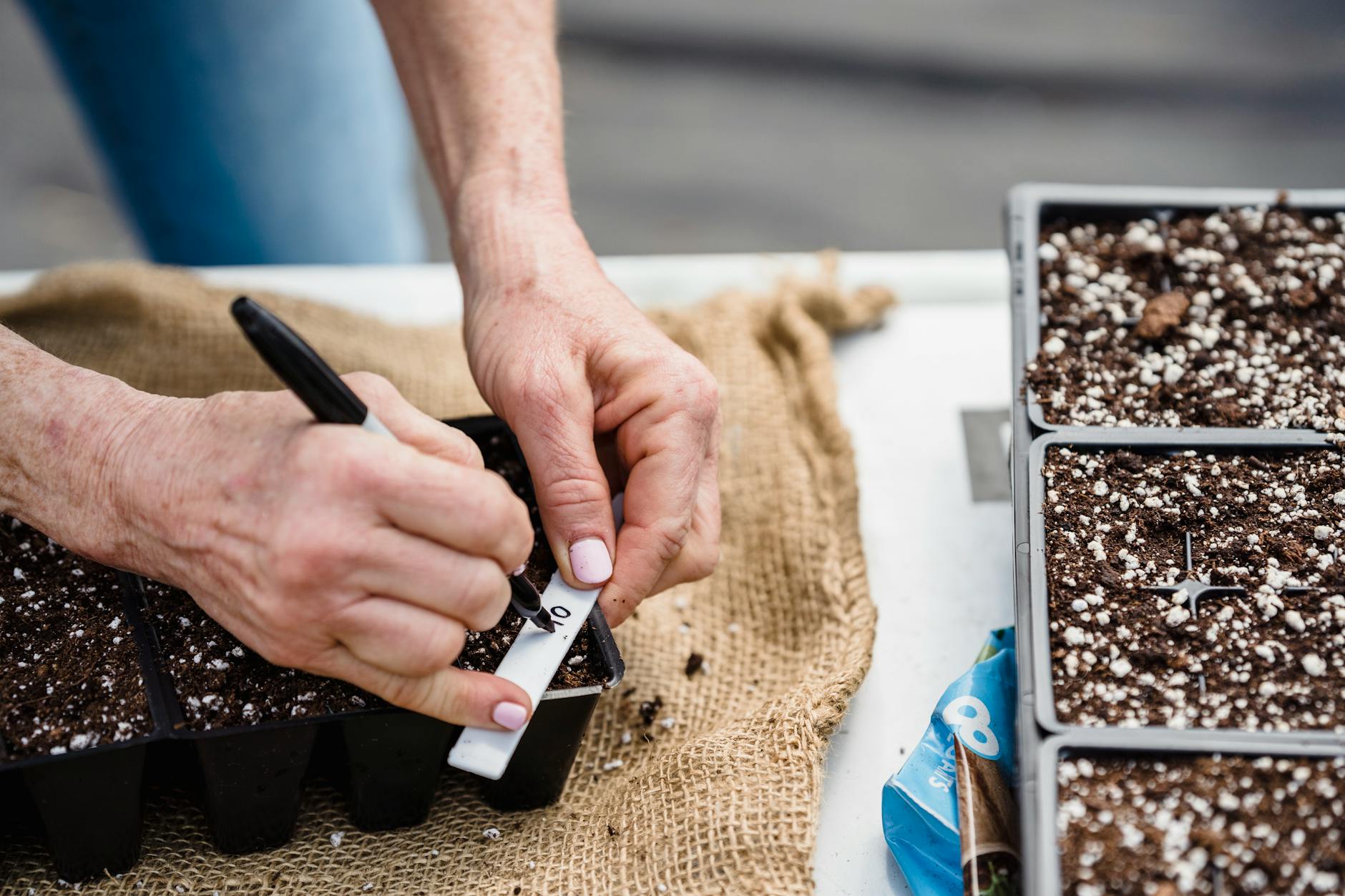
    If you want to start seeds indoors before transplanting (which gives you a big head start, especially with Florida’s weird shoulder seasons), a simple seed starting kit makes the whole process so much easier and more successful.

    Step 2: Know Your Florida Planting Windows

    This is where so many Florida beginners go wrong — they plant on a Northern schedule and wonder why everything dies or bolts. Here in Northwest Florida, we have two main growing seasons:

    • Fall/Winter garden: September through February is actually prime time for cool-season crops. Lettuce, kale, broccoli, carrots, snap peas, spinach. This is genuinely some of the best gardening weather we get.
    • Spring garden: March through May before the heat and humidity shut everything down. Tomatoes, cucumbers, squash, beans, peppers.

    Summer here is brutal, and trying to fight it with a full veggie garden is a recipe for frustration. Stick to a few heat-tolerant herbs like basil and sweet potatoes, and give yourself grace.

    Step 3: Choose Kid-Friendly Crops

    Not all vegetables are created equal when kids are involved. You want things that:

    • Grow fast enough to hold a child’s attention
    • Are easy to harvest (little hands need to succeed)
    • Taste good eaten right off the plant

    Best beginner crops for kids in Florida:

    • Cherry tomatoes — they’re practically foolproof and kids love hunting for ripe ones
    • Snap peas — sweet, fast, and fun to pick
    • Radishes — ready in as little as 25 days, which feels like magic to a 6-year-old
    • Sunflowers — technically not a vegetable but the seeds are edible and kids go absolutely wild for giant sunflowers
    • Lettuce — cut-and-come-again varieties are satisfying because you get results fast
    • Herbs like basil, mint, and chives — low maintenance and great for little ones to smell and taste

    Step 4: Get Kids Involved From the Very Beginning

    This is the whole point, right? Don’t just let them water occasionally. Let them be actual gardeners.

    By age:

    • K-1st grade: Digging holes, dropping seeds, watering, pulling weeds (with supervision), harvesting
    • 2nd-3rd grade: Reading seed packets, measuring spacing, keeping a garden journal, identifying beneficial insects
    • 4th-5th grade: Planning the layout, researching companion planting, tracking data, researching pests

    For the research and observation side of things, a pocket microscope is one of those tools that never gets old. Looking at soil, examining a diseased leaf up close, checking out root structures — kids who might not sit still for a worksheet will happily spend 20 minutes with that thing.

    Grab a pair of kids’ garden gloves so your littles feel like real gardeners (also helpful for keeping hands away from fire ants, which are very much a Florida gardening reality).

    Connecting the Garden to Your Homeschool

    If you’re homeschooling, the garden is basically a free curriculum supplement. Here’s how we weave it in without making it feel forced:

    • Nature journaling: Sketch plants at different growth stages using Faber-Castell watercolors. Record observations, ask questions, make predictions.
    • Bug study: The garden brings bugs, and bugs are fascinating. A bug collection kit takes the observation to another level. Identify what you find — some are helpers, some are pests.
    • Life cycles: Watching a seed become a plant that flowers and fruits and drops seeds again is the most concrete life cycle lesson a child can get. No worksheet needed.
    • Math: Measure plant height weekly, calculate how many seeds fit in a row, track harvest totals.

    This pairs so naturally with our Easy Outdoor Science Experiments for Kids in the Backyard (No Lab Required) — the backyard really is the best classroom.

    The Chicken Connection (Because Of Course)

    If you have backyard chickens like we do, your garden and your flock can actually work together beautifully — with some important boundaries. Our girls are absolute demolition machines in the garden beds, so free-ranging near anything we’re actually growing requires supervision.

    But the relationship is genuinely symbiotic: chickens eat garden scraps and bugs, their manure (composted, not fresh) is incredible fertilizer, and they’ll help you turn beds at the end of a season. We keep a kitchen compost bin on the counter for veggie scraps — what the chickens don’t eat goes to the compost pile, and what comes out of the compost pile feeds the garden. It’s a real loop, and watching kids understand that cycle is worth more than any textbook chapter on ecosystems.

    Keeping It Non-Toxic in the Garden

    We don’t use synthetic pesticides anywhere near where our kids play or our chickens forage, and that goes double for the food garden. Diatomaceous earth (food grade) is our go-to for pests like slugs and beetles — safe for kids, safe for chickens, and genuinely effective.

    For pest and weed pressure, sometimes the best tool is just a child with curious hands and a jar. Send them out to pick hornworms off the tomatoes. Make it a challenge. They’ll do it happily.

    This fits right in with how we approach the rest of our home — if you’re newer to reducing toxins and want a starting place, I wrote a whole guide on Switching to a Non-Toxic Home But Don’t Know Where to Start? Read This First.

    You Don’t Have to Do It Perfectly

    Some things will die. You’ll forget to water during a heat wave. The squirrels will find your strawberries before your kids do. That’s gardening. That’s also life.

    What matters is that your children got their hands in the dirt, that they watched something grow, that they ate something they grew themselves, and that they learned that food doesn’t just appear in a store — it takes patience and work and a little bit of faith.

    We started with one sad raised bed and a handful of cherry tomato seedlings. Now we’ve got a real little kitchen garden that my kids argue over who gets to water. That’s a win in my book, and I think it’ll be one in yours too.

    Start small. Involve them early. Let it be messy. The harvest will come.


    📖 You Might Also Like:

    Frequently Asked Questions

    What vegetables are easiest to grow with kids for beginners?

    Cherry tomatoes, snap peas, radishes, lettuce, and sunflowers are all fantastic starter crops for kids. They grow relatively quickly, are satisfying to harvest, and taste great eaten straight from the garden — which is the best motivator for any child.

    When should I start a vegetable garden with kids in Florida?

    In Northwest Florida and the Pensacola area, you actually have two great growing windows: fall through winter (September–February) for cool-season crops like lettuce, kale, and carrots, and early spring (March–May) for tomatoes, cucumbers, and beans. Avoid trying to grow most vegetables through the peak of summer heat.

    How do I get young kids interested in gardening?

    Let them own it from the very beginning — picking what to plant, pressing seeds into soil, and doing the actual watering. Children are far more invested when they’re genuine participants, not just observers. Fast-growing crops like radishes and cherry tomatoes help too because kids can see real results quickly.

    How can gardening count as homeschool education?

    Gardening naturally covers science (plant life cycles, soil biology, insects), math (measuring, counting, tracking growth), language arts (journaling and research), and character development (patience and responsibility). Paired with a nature journal and some simple observation tools, it’s one of the richest hands-on learning experiences you can give your kids.

    How do I garden with kids without using toxic pesticides?

    Food-grade diatomaceous earth is great for common garden pests and is safe around kids and chickens. You can also hand-pick many pests like hornworms and aphids — kids actually enjoy the bug-hunting aspect. Companion planting (like basil near tomatoes) can also naturally deter certain pests without any sprays at all.

  • Nature Crafts for Kids Using Backyard Materials (No Store Trip Required)

    Nature Crafts for Kids Using Backyard Materials (No Store Trip Required)

    Nature Crafts for Kids Using Backyard Materials (No Store Trip Required)

    🌿 The Short Version: You don’t need a craft store haul to make something beautiful — your backyard is already full of materials. This post walks you through our favorite nature crafts using sticks, leaves, feathers, seed pods, and whatever else your kids can find outside.

    This post contains affiliate links. I may earn a small commission at no extra cost to you.

    Some of my favorite childhood memories involve a pile of sticks, a handful of acorns, and absolutely no adult supervision. Nobody was guiding me toward a “learning objective.” I was just outside, making something, because that’s what kids do when you let them.

    These days I try hard to give my kids that same kind of childhood — the kind where the backyard is a supply cabinet and a Saturday afternoon is enough. We homeschool with a Charlotte Mason approach, so nature is already woven into our days, but honestly these crafts aren’t just for homeschoolers. They’re for any family who wants to spend less time at the craft store and more time outside.

    Here in the Florida Panhandle, we’ve got a ridiculous amount of good material to work with year-round — pine cones the size of your fist, Spanish moss, bay leaves, magnolia pods, chicken feathers from our little backyard flock, and enough sticks after a summer storm to build a small village. If you’re in Northwest Florida, you know exactly what I mean.

    Let’s get into it.


    First: Make Collecting Part of the Craft

    Before you even sit down to make anything, send the kids outside with a mission. This part matters just as much as the actual crafting — maybe more.

    Give them a basket or paper bag and ask them to find:

    • 5 different kinds of leaves
    • Sticks of different sizes
    • Anything interesting on the ground (seed pods, bark, pebbles, feathers)
    • Something that smells good
    • Something that surprised them

    That last one always leads to the best conversations. One of my kids came in last fall with a shed cicada shell and was absolutely beside himself about it. That’s Charlotte Mason nature study happening in real time — no worksheet needed.

    If your kids are old enough to start noticing what they’re finding (not just grabbing everything), a nature journal is a beautiful addition to this routine. Mine sketch and label what they collected before we start crafting. It takes maybe ten minutes and it makes the whole thing feel more intentional.


    Nature Crafts That Actually Work (And Hold Together)

    Leaf and Feather Sun Catchers

    This one is simple enough for kindergarteners and pretty enough that I’ve kept a few on our windows for months.

    What you need: Fresh leaves, small feathers, contact paper (two pieces), scissors

    Peel the backing off one piece of contact paper and lay it sticky-side-up on the table. Kids arrange their leaves, feathers, and any small flat finds on top. Then you press the second piece of contact paper over it, sticky sides together, trim the edges into a shape (circle, sun, whatever), and hang it in a window.

    The light coming through pressed magnolia leaves or Florida bay leaves is genuinely beautiful. And if you’ve got backyard chickens like we do, those pretty feathers your hens leave in the run? Perfect for this. We’ve used feathers from our Buff Orpingtons and the colors are just gorgeous.

    Stick Frame Nature Art

    Find four similarly-sized sticks and tie them into a square or rectangle frame using twine or thin strips of bark. Then weave leaves, grasses, or Spanish moss through the frame — or use it as a “canvas” to attach small nature finds with a dab of hot glue.

    This is a great one for older elementary kids (think 3rd–5th grade) who want something more structured. My son spent a whole afternoon on one of these last spring and it’s still hanging on his bedroom wall.

    Charlotte Mason tie-in: Have them narrate what they chose and why. What story does the frame tell about your yard right now, in this season?

    Pine Cone Bird Feeders (The Classic, For Good Reason)

    Roll a pine cone in peanut butter (or sunflower seed butter if you’re nut-free), then in birdseed, and hang it from a tree branch with twine. Simple. Effective. Kids love it every single time.

    The real magic is what happens next — grab your Sibley Birds guide and see who comes to visit. We’ve spotted Carolina wrens, blue jays, and the occasional red-bellied woodpecker right off our back porch. For kids who are in that curious “what’s that bird?” phase, this turns into an ongoing nature study all on its own.

    Pressed Leaf Watercolor Cards

    This one combines nature collection with a little art lesson.

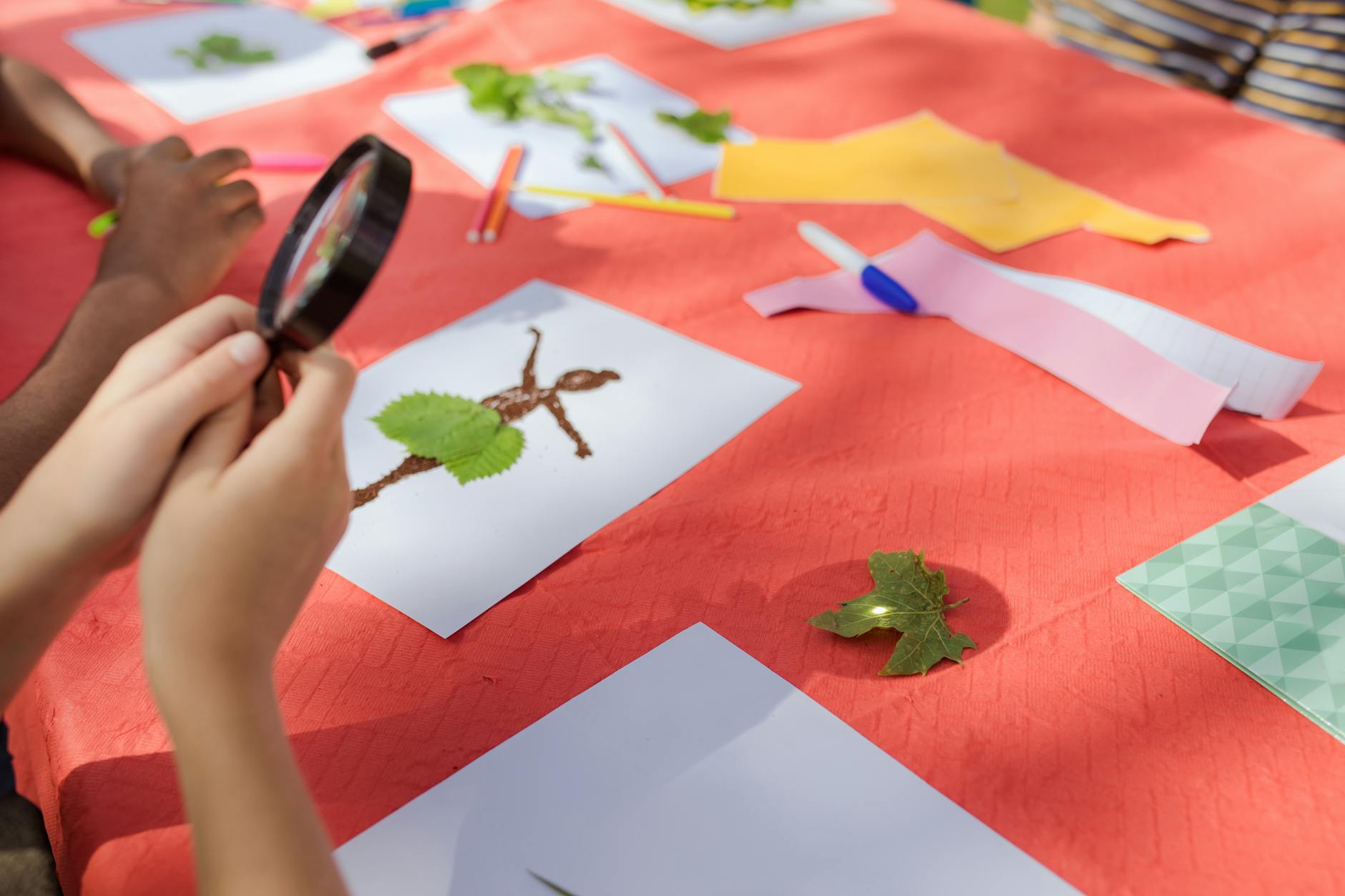
    Have the kids arrange leaves on watercolor paper and press down firmly, then paint over and around the leaves with watercolors. Lift the leaves while the paint is still slightly wet — they leave behind a perfect silhouette. It looks like something you’d see in a boutique, and it takes about 20 minutes.

    We use Faber-Castell watercolors because they’re non-toxic and the colors stay vibrant even on cheaper paper. My kids have made these as birthday cards, thank-you notes, and just for fun.

    Mud Paint and Bark Canvases

    Okay, this one requires a bit of a “yes” mindset from the grown-up, but stay with me.

    Dig up a little dirt, add just enough water to make a thick paste, and let the kids paint with it on pieces of bark or flat rocks using sticks, pine needles, or their fingers as brushes. Add berry juice or crushed flower petals if you want more color.

    This is pure 1990s backyard energy. No instructions needed. Just step back and watch what they make. We tie this into our Easy Outdoor Science Experiments for Kids in the Backyard (No Lab Required) days when we want a longer outdoor block — the kids naturally start asking questions about soil color, texture, and why wet dirt looks different than dry dirt.

    Seed Pod and Twig Sculptures

    Collect a mix of seed pods (magnolia pods are incredible for this in Florida), acorns, small pine cones, and twigs. Use a low-temp hot glue gun (with supervision) or even just press into a ball of air-dry clay as a base.

    Kids can make little forest creatures, abstract sculptures, or tiny imaginary scenes. My daughter made a “fairy house” village last winter that kept her busy for an entire rainy afternoon.

    For kids who need a little more guidance getting started, Timberdoodle has some wonderful open-ended craft kits that pair beautifully with natural materials if you want to supplement.


    A Few Practical Notes

    Bug check: We live in Florida. Before bringing materials inside, give everything a quick shake outside and check for fire ants, especially on anything that was on the ground. A bug catcher kit is actually handy here — some kids would rather study what they find than toss it, and that’s a win.

    Preserve your finds: Press leaves between heavy books for a few days before using them in crafts — they hold up much better and don’t curl or crumble as quickly.

    Chicken connection: If you have backyard chickens, get the kids in the habit of collecting shed feathers for crafts. It’s a sweet way for them to feel connected to the flock. Our kids know which feathers belong to which hen, and it makes the crafts feel more personal. If you’re just getting started with chickens, the Storey’s Guide to Raising Chickens is the one I always recommend, and the Kid’s Guide to Chickens is wonderful for getting the kids involved in the actual care side of things.


    You Already Have Everything You Need

    I really do believe that one of the kindest things we can do for our kids is resist the urge to make childhood so curated. The best nature crafts don’t come from a kit — they come from twenty minutes outside with a paper bag and a curious kid.

    If you want more ideas for getting outside with your crew, check out Screen-Free Summer Activities for Florida Kids (When They Say They’re Bored) — it pairs perfectly with a nature crafting afternoon. And if you’re heading to the coast anytime soon, Educational Florida Beach Activities for Kids (That Don’t Feel Like School) has some great ideas for collecting and observing on the beach too.

    Now go send your kids outside. The backyard is waiting.


    📖 You Might Also Like:

    Frequently Asked Questions

    What are the best backyard materials for nature crafts with kids?

    Sticks, leaves, pine cones, seed pods, feathers, bark, pebbles, and dried grasses are all fantastic. In Florida specifically, magnolia pods, Spanish moss, and large pine cones are especially fun to work with. The key is to let kids collect freely — they’ll find things you never would have noticed yourself.

    How do I preserve leaves and natural materials for crafts?

    Press fresh leaves between two heavy books for 3–5 days before using them in crafts. This flattens them and removes moisture so they don’t curl, crack, or mold. For seed pods and pine cones, just let them air dry completely before storing or using them in projects.

    Are nature crafts a good fit for Charlotte Mason homeschooling?

    Absolutely — Charlotte Mason placed enormous value on nature study and hands-on observation, and nature crafts fit beautifully into that philosophy. Pairing crafting with nature journaling, narration, or bird/plant identification turns a fun afternoon into rich, living education without it feeling like school.

    What age are nature crafts with backyard materials good for?

    Most of these crafts work well for kids ages 4–12, with some adaptation. Younger kids (K–1) love the sensory aspects like mud paint and leaf sun catchers. Older kids (grades 3–5) tend to enjoy more structured projects like stick frames and seed pod sculptures. The collecting and exploring part works for every age.

    Can backyard chicken feathers be used in nature crafts?

    Yes! Shed feathers from backyard chickens are wonderful for crafts — they’re free, unique to your own flock, and kids love the personal connection. Give feathers a gentle shake to remove debris, and let them air out before using. They work especially well in sun catchers, collages, and decorative wreaths.

  • Educational Florida Beach Activities for Kids (That Don’t Feel Like School)

    Educational Florida Beach Activities for Kids (That Don’t Feel Like School)

    Educational Florida Beach Activities for Kids (That Don’t Feel Like School)

    🌿 The Short Version: The Florida Gulf Coast is basically a living classroom, and you don’t need a lesson plan to use it. This post walks through simple, genuinely fun beach activities that build real science, nature study, and observation skills in elementary-age kids — no worksheets required.

    This post contains affiliate links. I may earn a small commission at no extra cost to you.

    If you live anywhere near the Pensacola area, you already know that the beach is basically in our backyard. White sand, emerald water, and a whole ecosystem’s worth of stuff to discover — and honestly, it’s one of the best classrooms we’ve ever stepped foot in. No projector needed.

    I’m not one of those mamas who prints out a 12-page beach lapbook and calls it a field trip. But I do believe deeply that a well-spent morning at the Gulf teaches kids more than a lot of what happens at a desk. Charlotte Mason called it “living education,” and I call it Tuesday.

    If you’re a Florida homeschool family trying to squeeze genuine learning out of a beach day — without making it feel like school — here’s what we actually do.


    Why the Beach Is Perfect for Nature-Based Learning

    Our whole homeschool philosophy leans on real observation, real questions, and real materials. The beach checks every single one of those boxes. The Gulf Coast alone has multiple ecosystems in one stretch: intertidal zones, dune habitats, seagrass flats, open water. For elementary kids especially, that kind of sensory-rich environment does something that no curriculum can replicate.

    It also builds the habit of noticing — which is honestly the foundation of everything we’re trying to do with a Charlotte Mason approach.


    What to Bring for an Educational Beach Day

    You don’t need to haul a lot. But a few things genuinely elevate the experience:

    That’s it. Throw it all in a bag and go.


    Educational Beach Activities by Category

    Nature Study & Observation

    Shell sorting and identification. This sounds simple, but it’s legitimately rich. Collect a small pile of shells, then sort them by shape, color, size, or type of animal that made them. Talk about what a bivalve is versus a gastropod. Older kids can sketch what they find in their nature journals. Younger kids are just deeply engaged with the sorting itself — and that is learning.

    Shorebird watching. The Gulf Coast is incredible for birds year-round, but especially during migration season. Bring the Sibley guide and see how many species you can identify. We’ve spotted royal terns, black skimmers, Wilson’s plovers, and brown pelicans in a single morning at Pensacola Beach. My kids started keeping a running life list, and now they get genuinely competitive about it.

    Sketch the dunes. Dune ecosystems are fragile and fascinating. Sea oats, railroad vine, ghost crabs — there’s so much to observe and draw. Grab those watercolors and set a 10-minute nature sketching timer. Even my kindergartner produces something beautiful.


    Hands-On Science

    Tide pool exploration. Even on the Gulf side, you can find small pockets of water at low tide full of hermit crabs, mole crabs, and tiny fish. This is where the bug catcher really shines — catch, observe, release. Talk about food chains, camouflage, and adaptation. My kids have asked better science questions in tide pools than I could ever script into a lesson.

    Sand under the microscope. Pull out the pocket microscope and look at a pinch of sand. You’ll see tiny shell fragments, quartz crystals, and occasionally bits of coral. Gulf Coast sand is different from Atlantic sand — it’s made up of more quartz, which is why it’s so white and squeaky. This naturally leads into conversations about geology, erosion, and how beaches are formed. You don’t have to prompt them — they just start asking.

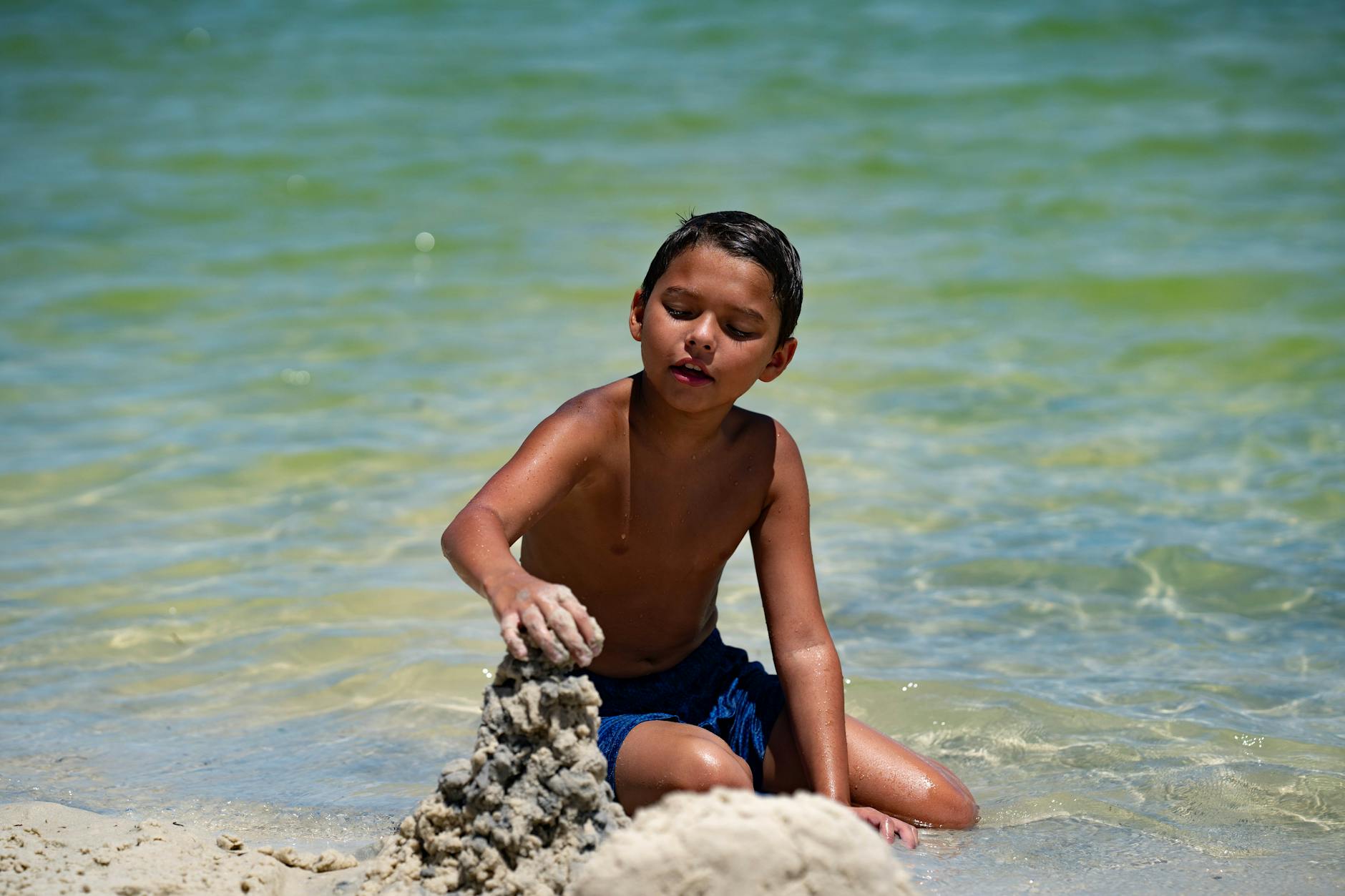
    Wave patterns and water movement. Watch the waves. Talk about what makes them. Dig a channel in the wet sand and watch how water fills it. Build a small berm and see how long it holds. This is physics. It’s also just deeply satisfying for kids who love to dig, which is every kid I’ve ever met.

    For more ideas like these, I have a whole post on easy outdoor science experiments for kids in the backyard — a lot of those concepts translate beautifully to the beach too.


    Art and Language Arts

    Beach nature journaling. I already mentioned the journals, but I want to say it again because it’s that good. There’s something about the combination of fresh air, real subject matter, and a blank page that unlocks creativity in kids who otherwise resist writing. My daughter has filled more pages at the beach than anywhere else. Have them write one observation sentence, sketch one thing they found, and label it. That’s it. That’s a complete Charlotte Mason nature study lesson.

    Storytelling walks. On the drive home or during a shady break, ask your kids to tell you the story of one creature they saw. Where did it come from? What did it eat today? What’s it afraid of? This is oral narration — another Charlotte Mason cornerstone — dressed up as play.


    Life Skills and Character

    Leave No Trace practice. We always do a quick scan before we leave — pick up any trash we brought, make sure we haven’t disturbed any nesting areas, put back anything we moved. This is environmental stewardship in action, not as a lecture but as a habit.

    Real responsibility. Let kids carry their own gear, keep track of their nature journal, manage their water bottle. It sounds small, but it’s part of raising capable, self-sufficient kids. The same way our kids have real chores with the chickens at home, they have real roles on a beach day.


    Making It Count for Your Homeschool Records

    If you’re on the Florida PEP scholarship like we are, you already know that documentation matters. Beach days absolutely count — log them under science (marine biology, earth science), nature study, or physical education. Take a few photos, have kids narrate what they learned, and jot down a sentence or two about what you covered. Done. It’s a legitimate school day, and honestly one of the best ones you’ll have all year.

    And if you’re looking for more ideas for getting outside with your kids in our Florida climate, check out outdoor activities for kids in Florida’s winter months — because yes, our “winter” beach days are some of our absolute favorites.


    One Last Thing

    I grew up in the ’90s making up games in the yard, catching critters, and spending whole summers without a structured plan — and I turned out just fine. More than fine, honestly. I think about that a lot when I’m tempted to over-engineer our beach days. The beach already has everything. The sand, the water, the birds, the weird little creatures — it’s all there. Our job is mostly just to show up, put the phones away, and let them discover.

    That’s the whole thing, really. Show up. Notice together. Go home sandy and tired and full.

    That’s a good school day.


    📖 You Might Also Like:

    Frequently Asked Questions

    What are the best educational beach activities for elementary-age kids in Florida?

    Some of the best options include shell identification and sorting, shorebird watching with a field guide, tide pool exploration, sand observation with a pocket microscope, and nature journaling with watercolors. These activities build real science and observation skills without feeling like structured school.

    Can a beach field trip count toward our Florida homeschool PEP scholarship requirements?

    Yes! Beach days can absolutely be documented as school time. Log them under science (marine biology, earth science, ecology), nature study, or physical education. Take photos, have kids do a short oral or written narration of what they observed, and note what topics you covered. It’s a legitimate and valuable school day.

    What should I bring to the beach for a Charlotte Mason nature study day?

    A nature journal and pencils, watercolor paints, a pocket microscope, a field guide (like Sibley’s for birds), a bug catcher for observing tide pool creatures, non-toxic sunscreen, and reusable water bottles. You really don’t need much — the beach provides the curriculum.

    What’s the best time of year to do educational beach activities with kids in Florida?

    Honestly, any time — but Florida’s fall and winter months (October through March) are especially wonderful because the weather is mild, the beaches are less crowded, and shorebird populations are at their peak during migration season. Summer works too, but plan for early mornings before the heat peaks.

    How do I turn a regular beach trip into a nature study lesson without it feeling forced?

    Keep it simple and follow your child’s curiosity. Bring a journal and field guide, but don’t force a structure. Ask open-ended questions like ‘What do you notice?’ or ‘I wonder why that bird keeps doing that?’ Let them collect, sort, sketch, or just dig — observation naturally follows when kids are in a rich environment and given the space to explore.

  • Grove Collaborative Honest Review: Is It Actually Worth It for Real Families?

    Grove Collaborative Honest Review: Is It Actually Worth It for Real Families?

    Grove Collaborative Honest Review: Is It Actually Worth It for Real Families?

    🌿 The Short Version: Grove Collaborative is a solid option for families trying to swap out conventional cleaning and household products for cleaner alternatives — but it’s not magic, and it’s not for everyone. Here’s exactly what we use, what we skip, and whether the membership is actually worth the cost.

    This post contains affiliate links. I may earn a small commission at no extra cost to you.

    If you’ve ever stood in the cleaning aisle at Target, flipping bottles over and squinting at ingredient labels you can’t pronounce, wondering if any of this is actually safe for your kids and your dog and your backyard chickens — then you already know the problem. Conventional cleaning products are full of stuff I don’t want anywhere near my family.

    When we first started seriously switching to a non-toxic home, one of the first places I landed was Grove Collaborative. I’d seen it all over Pinterest and in other intentional-living spaces, and honestly? I was skeptical. It felt like it might be one of those things that looks good on the surface but doesn’t actually deliver.

    I’ve now been ordering from Grove on and off for a few years. I have real opinions. Let’s get into it.


    What Is Grove Collaborative, Exactly?

    Grove is an online marketplace that focuses specifically on natural, non-toxic household and personal care products. Think cleaning supplies, dish soap, laundry products, personal care, baby stuff — all curated with stricter ingredient standards than what you’d find at a typical big box store.

    You can shop without a membership, but they also offer a VIP membership (currently around $4.99/month or $19.99/year) that gets you free shipping, free products, and exclusive sales.

    The model is a little like a subscription box meets an online store. You can set up auto-ship orders or just shop one-time whenever you need something.


    What We Actually Order from Grove

    Okay, here’s where I get real with you. Not everything on Grove is a winner. Some products I’ve tried and quietly let run out without reordering. But there are a handful of things we genuinely keep coming back to.

    Cleaning Concentrates and Refillable Bottles

    This is honestly where Grove shines. Their refillable glass spray bottles with concentrated cleaning tablets are exactly the kind of thing I want in my home. Less plastic, fewer trips to the store, and ingredients I can actually feel okay about. Our whole cleaning-cabinet situation is tidier and more intentional because of this.

    If you’re working through a full home detox, I’ve written a whole room-by-room checklist here that might help you figure out where to start.

    Dish Soap and Hand Soap

    We go through dish soap at an embarrassing rate — between cooking from scratch, the kids’ constant handwashing after chicken chores, and general Florida-summer-sweatiness, we use a lot. Grove’s dish soap options (especially the Meliora and Branch Basics concentrates they carry) are genuinely good. They actually cut grease, which I cannot say for all natural soaps I’ve tried.

    Laundry Products

    This one’s situational. We’ve had good luck with some of Grove’s laundry options, but I’ll be honest — if you have really hard water or extra-dirty farm-kid laundry (and if you have backyard chickens, you know exactly what I mean), you may need to experiment. I’d also point you to our honest review of non-toxic laundry detergents for a deeper look at what’s actually worked for us.

    Wool Dryer Balls

    Grove carries these, and they’re genuinely worth having. We’ve been using wool dryer balls for years to replace dryer sheets — no fragrance, no synthetic coating on our clothes, and they actually work. You can also find good ones on Amazon if you want to compare.

    Beeswax Wrap

    Grove usually has beeswax wraps available, and they make a great swap for plastic wrap in the kitchen. We use these constantly — over bowls, around cheese, wrapping snacks for nature study days outside. It’s one of those small swaps that just becomes normal really fast.


    What I Skip on Grove

    Not everything is worth the price point. Here’s what I’ve tried and moved on from:

    • Some of the personal care products — Grove carries a lot of brands, and ingredient quality varies more than you’d think. I always check the EWG Skin Deep database before buying anything new.
    • The paper products — Overpriced compared to what you can find elsewhere, in my opinion.
    • Anything fragrance-forward — Even “natural” fragrance can be tricky for sensitive people, and some of Grove’s offerings lean heavily into that. I tend to stick with fragrance-free when I can.

    Is the Grove VIP Membership Worth It?

    Honestly — only if you order consistently. Here’s my take:

    It’s worth it if:

    • You order at least once every 6-8 weeks
    • You value the free shipping threshold being lower
    • You like getting first access to sales and free product offers (which can be genuinely good)

    It’s NOT worth it if:

    • You only want to try a few things one time
    • You prefer to shop locally or mix-and-match from multiple sources

    I’ll add — if you’re just getting started with Grove, the new customer deals are usually really good. You can often get a starter set of products free with your first order, which makes it a low-risk way to try things out. You can check the current offer here.


    How Grove Fits Into Our Bigger Non-Toxic Home Picture

    Grove is one tool in our toolkit, but it’s not the whole thing. Here’s the honest picture of how we use it alongside other resources:

    • For pest control (including around the chicken coop and yard), we rely heavily on Wondercide — Grove doesn’t cover that space well.
    • For cleaning products specifically, I’d also check out our full best non-toxic cleaning products roundup — there are some things I buy from Grove and some I get elsewhere.
    • Diatomaceous earth for the chicken coop is something I buy separately — Grove doesn’t carry that, but it’s one of my most-used natural products.

    Living intentionally down here in the Florida heat — with kids running in and out, a mini labradoodle tracking in sand, and chickens free-ranging in the afternoons — means I care a lot about what’s on the floors, counters, and surfaces my family touches every day. Grove has made that easier, even if it’s not a perfect one-stop shop.


    Final Verdict: Is Grove Collaborative Worth It?

    For our family? Yes — with realistic expectations. It’s not a magic wand, and not every product they carry is a home run. But the convenience of having cleaner options show up at my door, the refillable systems, and the curation of brands I’d have to hunt for otherwise? That’s real value.

    If you’ve been wanting to swap out your conventional cleaning products but feel overwhelmed by where to start, Grove is genuinely a low-friction way to make some solid swaps. Start with the new customer offer, grab a few things you already know you need (dish soap, a spray cleaner, maybe some dryer balls), and see how it feels before committing to the membership.

    That’s how I’d do it all over again.

    Give Grove a try here — and let me know in the comments what products you love most. I’m always looking for new things to test for y’all.


    📖 You Might Also Like:

    Frequently Asked Questions

    Is Grove Collaborative actually non-toxic?

    Grove has stricter ingredient standards than most conventional retailers, but ‘non-toxic’ isn’t a regulated term, so it’s still worth doing your own research. They do ban hundreds of questionable ingredients, and many of the brands they carry score well on the EWG Skin Deep database. That said, not every product they sell is fragrance-free or perfect for the most chemically sensitive families — always read labels and check ingredients yourself.

    Is the Grove VIP membership worth it?

    It depends on how often you order. If you shop from Grove regularly — at least every 6-8 weeks — the free shipping and free product perks can easily pay for the membership fee. If you only want to make a one-time order or try a few things, you can shop without a membership and just pay shipping. New customer deals are often the best value entry point.

    Can I cancel Grove VIP easily?

    Yes. Grove VIP can be cancelled through your account settings at any time. It’s not one of those subscriptions that requires a phone call or a battle — you can manage it entirely online. Just make sure to cancel before your renewal date if you decide it’s not for you.

    How does Grove Collaborative compare to buying non-toxic products at the store?

    The main advantages of Grove are convenience, curation, and access to refillable/concentrated products that most stores don’t carry. You’re not going to find glass refillable spray bottles with concentrate tablets at most grocery stores. The prices are competitive for the product quality, though you can sometimes find individual products cheaper elsewhere. The value is really in having everything in one place with vetting already done.

    Does Grove ship to Florida and is it worth ordering in the summer heat?

    Yes, Grove ships to Florida. For most cleaning and household products, heat during shipping isn’t a concern. If you order personal care products like certain balms or wax-based items during Florida summer, just be aware they may arrive soft — bring them inside quickly. Cleaning concentrates, dish soap, and laundry products ship just fine year-round.

  • Natural Remedies for Kids’ Common Colds: What Actually Works (From a Real Mama Who’s Tried It All)

    Natural Remedies for Kids’ Common Colds: What Actually Works (From a Real Mama Who’s Tried It All)

    Natural Remedies for Kids’ Common Colds: What Actually Works (From a Real Mama Who’s Tried It All)

    🌿 The Short Version: When the sniffles hit our house, we skip the drugstore aisle and reach for simple, time-tested natural remedies that actually support the body through a cold — not just mask the symptoms. This post covers what we genuinely use, what works for our kids, and a few things that sound good but didn’t move the needle for us.

    This post contains affiliate links. I may earn a small commission at no extra cost to you.

    Every fall — and honestly, every time the Florida weather decides to do that thing where it drops twenty degrees overnight and then shoots back up to eighty — somebody in our house ends up with a runny nose. Homeschooling means we’re together all day, which is a beautiful thing right up until one kid sneezes on the nature journal and by Thursday everyone is stuffy and cranky.

    I grew up in a house where the answer to a cold was orange juice, chicken soup, and rest. No urgent care visit. No cabinet full of syrups with ingredient lists that require a chemistry degree. Just basic, boring, effective care. That’s still my philosophy now, and over the years I’ve layered in a few things that have made a real difference for our family.

    Here’s what we actually do when a cold comes through.


    First, a Mindset Shift: The Cold Is Doing Its Job

    I know it’s hard when your kid is miserable. But a cold is the immune system working — not failing. Our goal isn’t to stop every symptom. It’s to support the body, keep kids comfortable, and not accidentally slow down the healing process with stuff that suppresses rather than supports.

    That shift alone changed how I approach sick days. Less panic, more soup.


    What Actually Works in Our House

    Raw Honey — The Real MVP

    If I had to keep only one thing in the cabinet for colds, it would be raw local honey. The research on honey for cough and throat irritation in kids is genuinely solid — it outperforms most OTC cough syrups in studies, and it tastes like something kids will actually take without a battle.

    We do a spoonful on its own, or stir it into warm water with a squeeze of lemon. Just remember — no honey for babies under one year old.

    Finding local raw honey here in Northwest Florida is easy. Check your farmers market or a local farm stand. That local pollen exposure is a bonus for seasonal allergy support too.

    Homemade Chicken Broth (Yes, From Our Chickens)

    This one’s personal. When our girls are laying well and we have a good supply, I keep homemade broth in the freezer specifically for sick days. There’s actual science behind why chicken soup works — it has anti-inflammatory properties, helps with congestion, and keeps sick kids hydrated when they don’t want to eat much.

    If you have your own backyard flock, you already know there’s something deeply satisfying about feeding your family from your own yard. If you’re just getting started with chickens, the Backyard Chicken Starter Guide: Everything a Complete Beginner Actually Needs to Know is the best place to begin.

    No homegrown broth? Store-bought bone broth works too. Just read the label and skip anything with a lot of additives.

    Steam and a Warm Compress

    This is pure 1990s-mama magic and I will never give it up. A steamy bathroom (just run the shower hot, no need to get in), a warm damp cloth on the sinuses, and sitting quietly for ten minutes does more for congestion than most things I’ve tried. We often pair this with a few drops of eucalyptus on the shower floor — not on the kids’ skin, just in the steam.

    For little ones who won’t sit still for steam, a stainless steel water bottle filled with warm (not hot) water held against the cheeks or forehead can be soothing while they rest.

    Elderberry — With Caveats

    Elderberry syrup is everywhere in natural parenting circles, and honestly, we do use it — but as a preventive during cold season more than a treatment once symptoms hit. The research is encouraging but still developing, and some practitioners advise caution about using it once you’re already sick (there’s some theoretical concern about overstimulating the immune response). We take a small daily dose from October through March and call it good.

    You can make it at home or buy it — just look for one without a lot of added junk.

    Garlic

    Old-school and real. Garlic has antimicrobial properties and it’s been used for centuries for good reason. I add extra to everything when someone’s sick — soups, broths, roasted vegetables. Getting it into food is the easiest way with kids who might balk at it straight.

    Some families do raw garlic in honey (called oxymel). We’ve tried it. My kids tolerate it. Your results may vary.

    Saline Rinse for Congestion

    For older kids, a simple saline nasal rinse or spray works wonders for flushing out congestion and keeping the nasal passages moist. Nothing fancy — just saline. We keep a bottle in the bathroom and use it at the first sign of stuffiness.

    Vitamin D and Getting Outside

    Here’s something Florida families actually have going for us — sunshine in January. On mild sick days when a kid has a low-grade cold but otherwise feels okay, I send them outside. Sunshine, fresh air, light movement. Not running around like crazy, but sitting on the back porch watching the chickens scratch around, or doing a quiet nature observation.

    We keep a nature journal on the porch table, and sick days often turn into slow observation days — watching birds, drawing what they see, noticing things they usually zip past. It’s gentle, it’s peaceful, and it keeps the Charlotte Mason spirit alive even when we’re not doing formal lessons.

    Our Sibley Birds guide lives out there too. Sick-day bird watching from a porch chair is genuinely restorative.


    What We Keep Non-Toxic Even When Kids Are Sick

    It’s worth saying — sick days aren’t a reason to throw out your non-toxic principles. We keep our cleaning products the same (if anything, I clean more and use Grove Collaborative for refills on our go-to non-toxic sprays). We’re not sanitizing with harsh chemicals around sick kids whose immune systems are already working hard.

    If you’re thinking about reducing the toxic load in your home in general, How to Detox Your Home Room by Room: A Real Family’s Checklist is a great starting point.


    What Didn’t Work as Well as We Hoped

    In the spirit of keeping it real — a few things I’ve tried that didn’t make a big difference for our kids:

    • Essential oil diffuser blends marketed for immunity: Some are lovely for ambiance, but I haven’t noticed a real difference in cold duration.
    • High-dose vitamin C supplements: We do include vitamin C-rich foods, but the megadose supplement approach didn’t seem to shorten anything for us.
    • Herbal teas for young kids: Older kids love them; my youngest thinks they taste like lawn clippings and refuses. Pick your battles.

    The Most Important Thing: Rest and No Rush

    We are a homeschool family. We have the gift of flexibility. When someone is sick, we stop. We read aloud from the couch. We watch something calm and educational if needed. We sleep in. We don’t push through a full school day with a sick kid because we’re worried about falling behind — that’s one of the real blessings of this life.

    The body heals fastest when it isn’t fighting for energy in ten directions. Give kids permission to truly rest, and they bounce back faster. Every single time.


    Sick days used to stress me out. Now they feel like a reset — a slower day, extra snuggles, a pot of broth on the stove, the sound of the chickens outside the window. It’s not fun when your kids feel bad, but there’s something grounding about knowing you have a simple, non-toxic toolkit that actually works and doesn’t require a pharmacy run at 10 p.m.

    I hope something here helps your family get through cold season a little easier. Take care of those babies — and yourself. You’re doing great.


    📖 You Might Also Like:

    Frequently Asked Questions

    What natural remedies actually help kids get over a cold faster?

    The most evidence-backed natural remedies for kids’ colds include raw honey for cough and throat irritation, chicken broth for hydration and inflammation support, saline nasal rinses for congestion, adequate rest, and extra fluids. There’s no magic cure, but these approaches genuinely support the body’s healing process rather than just masking symptoms.

    Is elderberry safe to give kids when they have a cold?

    Elderberry is generally considered safe for kids in normal doses, but some practitioners suggest using it more as a preventive during cold season rather than a treatment once symptoms are present. This is due to theoretical concerns about overstimulating the immune response. As always, check with your child’s doctor, especially for young children or kids with immune conditions.

    Can I give my toddler honey for a cough?

    Raw honey is a safe and effective natural cough remedy for children over one year old. It should never be given to babies under 12 months due to the risk of infant botulism. For kids over one, a small spoonful of raw local honey — on its own or stirred into warm water with lemon — can be very soothing for cough and sore throat.

    When should I take my child to the doctor for a cold?

    Most common colds resolve on their own in 7-10 days with supportive care. See a doctor if your child has a fever over 104°F, difficulty breathing, symptoms that significantly worsen after day 5, ear pain, or if they are very young (under 3 months, see a doctor at the first sign of illness). Trust your gut — you know your child, and it’s always okay to call your pediatrician with questions.

    How do I keep the rest of the family from getting sick when one kid has a cold?

    Frequent handwashing is the single most effective step. Avoid sharing cups, towels, or utensils. Wash bedding and commonly touched surfaces with non-toxic cleaners. Keep the sick child resting and comfortable rather than running around the house spreading germs. Some families also use preventive elderberry or vitamin D supplementation during cold season to support overall immune health.

  • Best Water Filter for a Family Home in Florida (What We Actually Use and Why)

    Best Water Filter for a Family Home in Florida (What We Actually Use and Why)

    Best Water Filter for a Family Home in Florida (What We Actually Use and Why)

    🌿 The Short Version: Florida tap water has some real challenges — hard water, chlorine, and agricultural runoff among them — and not every filter handles all of it. This post walks you through what the different filter types actually do, what Florida families specifically need to look for, and what we personally use in our home.

    This post contains affiliate links. I may earn a small commission at no extra cost to you.

    If you’ve lived in Florida longer than a hot minute, you already know our water is… a situation. It smells like chlorine, it leaves white crusty buildup on every faucet, and if you’ve ever had your water tested, the results can make you want to take a long nap and then never drink tap water again.

    When we started getting serious about cleaning up our home — you can read the whole story in How to Detox Your Home Room by Room: A Real Family’s Checklist — water was one of the first places I landed. Because we’re drinking it, cooking with it, bathing in it, and washing everything with it. My kids are drinking it all day long. The dog is drinking it. Honestly, even the chickens get filtered water at this point.

    So let me share what I’ve learned after a lot of research and a few trial-and-error purchases.


    Why Florida Water Is a Whole Different Problem

    This isn’t a “well just get a Brita” situation. Florida water pulls from the Floridan Aquifer, which is naturally high in limestone. That means hard water is just the baseline here. On top of that, municipal water in most areas of Northwest Florida is treated with chlorine or chloramine, and depending on where you live, you may also be dealing with:

    • Fluoride (added by most municipalities)
    • Agricultural runoff (especially nitrates in some areas)
    • Disinfection byproducts like trihalomethanes (THMs)
    • Lead from older pipes in certain neighborhoods
    • Sulfur if you’re on well water (that rotten egg smell — we’ve all experienced it)

    This is why the filter type genuinely matters. A basic pitcher filter handles some things. It does not handle everything. And if you’re trying to run a non-toxic home, knowing what you’re actually filtering is the whole game.


    The Main Types of Water Filters (and What They Actually Do)

    Pitcher Filters (Like Brita or ZeroWater)

    Pitcher filters are the most accessible starting point. ZeroWater, in particular, actually does reduce a wider range of contaminants than standard Brita, including some heavy metals. But the filter replacements get expensive fast, and you’re limited to filtered drinking water only — your shower, your cooking water, your chicken waterer, none of that gets filtered.

    Good for: Renters, tight budgets, or a quick start while you figure out the bigger picture.

    Not great for: Whole-home coverage or heavy Florida water issues.

    Under-Sink Filters

    This is where a lot of intentional families land first. You get clean water straight from your kitchen tap, which covers drinking and cooking. A good under-sink reverse osmosis (RO) system removes chlorine, chloramine, fluoride, nitrates, heavy metals, and most disinfection byproducts. That’s a serious upgrade.

    The trade-off is that RO systems waste some water during filtration, and the water can taste a little flat because it also removes minerals. Some families add a remineralization stage to put beneficial minerals back in.

    Good for: Clean drinking and cooking water for the whole family without breaking the bank on a whole-home system.

    Whole-House Filters

    This is the gold standard if you can swing it. A whole-house system filters every drop of water that comes into your home — showers, laundry, dishes, the dog bowl, everything. For Florida families dealing with chlorine, hard water scale, and skin issues, a whole-house filter can genuinely be life-changing. We noticed a real difference in our kids’ skin and hair after making this switch.

    Most whole-house setups use a multi-stage approach: a sediment pre-filter, a carbon block or KDF filter for chlorine and chemicals, and sometimes a water softener or descaler for hardness.

    Good for: Comprehensive coverage, especially if you have well water, hard water damage, or skin sensitivities.

    Countertop and Gravity Filters (like Berkey)

    Berkey filters have a loyal following in the non-toxic home community for good reason. They don’t require installation, they filter a wide range of contaminants including fluoride (with the add-on filters), and they’re not dependent on water pressure. They’re big and they sit on your counter, but they work really well. If you’re a renter or just not ready for a whole-house system, a gravity filter is a solid middle ground.


    What We Actually Use in Our Home

    We run a two-part system: a whole-house carbon filter to handle the chlorine and sediment coming into the house, plus an under-sink reverse osmosis unit at the kitchen sink for our drinking and cooking water. That combination handles the widest range of issues for our specific situation here in Northwest Florida.

    For our cleaning products and laundry, removing the chlorine from the source water has made a real difference — we use fewer products overall, and the Grove Collaborative concentrates we love actually go further with cleaner water. If you want to see our full cleaning product lineup, I wrote about it in Best Non-Toxic Cleaning Products for Families in 2026 (What We Actually Use).

    And yes, the chickens get the filtered water too. I run a line from our filtered kitchen tap to fill their chicken waterer — chlorinated water can affect gut bacteria in chickens just like it can in us, so it was an easy call.


    What to Look for When Shopping

    Check NSF Certifications

    This is the most important thing most people skip. NSF/ANSI certifications tell you what a filter has actually been tested to remove. Look for:

    • NSF 42 — aesthetic issues like chlorine and odor
    • NSF 53 — health contaminants like lead and VOCs
    • NSF 58 — reverse osmosis systems
    • NSF 401 — emerging contaminants like pharmaceuticals

    A filter can claim a lot on the box. The NSF certification is what actually backs it up.

    Get Your Water Tested First

    Before you spend money, know what you’re dealing with. Your county utility should publish an annual water quality report (Consumer Confidence Report) online. If you’re on well water, you’ll want to actually test your water — you can order a kit or contact your county extension office. Knowing your specific contaminants helps you choose the right filter rather than just the most expensive one.

    Think About Your Whole Home

    If you’re only filtering your drinking water, your kids are still absorbing chlorine through their skin every bath and shower. That’s worth thinking about, especially for little ones with sensitive skin. We use Wondercide for pest control and non-toxic sunscreen when we’re outside — we try to reduce the overall chemical load wherever we can, and shower water is part of that picture.

    For more on reducing the overall toxic load in your home, our post on Natural Ways to Keep Ants Out of Your House in Florida covers a similar approach — looking at the whole picture instead of one product at a time.


    A Quick Budget Breakdown

    | Option | Upfront Cost | Ongoing Cost | Coverage |

    |—|—|—|—|

    | Pitcher Filter | $30–$60 | $50–$100/yr | Drinking only |

    | Countertop/Gravity | $300–$450 | $50–$100/yr | Drinking only |

    | Under-Sink RO | $150–$400 | $50–$100/yr | Drinking + cooking |

    | Whole-House System | $500–$2,000+ | $100–$200/yr | Everything |

    You don’t have to do everything at once. We started with an under-sink filter and added the whole-house system a couple of years later when we could budget for it. Start somewhere. Clean water for drinking is a meaningful first step.


    The Bottom Line

    Florida water needs a real filter — not a maybe, not eventually. Between the hardness, the chlorine, and the other stuff that shows up in our water supply down here, this is one of those home investments that quietly does a lot of good every single day. Whether you start with a countertop gravity filter or go straight to a whole-house system, you’ll notice the difference, and so will your family.

    We talk a lot around here about raising kids the way we were raised — more outside, less stuff, real food, clean environment. Good water is just part of that foundation. It’s not glamorous, but neither was the 1990s childhood we’re chasing, and that turned out pretty great.

    Fill up those stainless steel water bottles, send the kids outside, and rest a little easier knowing what’s coming out of your tap. You’ve got this.


    📖 You Might Also Like:

    Frequently Asked Questions

    What is the best water filter for Florida tap water?

    For most Florida families, a reverse osmosis under-sink filter handles the widest range of contaminants including chlorine, fluoride, nitrates, and heavy metals. If budget allows, pairing it with a whole-house carbon filter gives you cleaner water from every tap in your home. Look for NSF 53 and NSF 58 certifications when you’re shopping.

    Does Florida tap water need to be filtered?

    Florida municipal water is treated and technically safe to drink by EPA standards, but it often contains chlorine or chloramine, fluoride, disinfection byproducts like trihalomethanes, and mineral hardness from the Floridan Aquifer. Many families choose to filter for taste, health, and reducing the overall chemical load in their home — especially households with young children.

    Is a Berkey water filter good for Florida water?

    Yes, Berkey gravity filters are a solid option for Florida families, especially renters or those not ready for an installed system. With the fluoride add-on filters (PF-2), they address a wide range of contaminants. The main limitation is that they only filter the water you pour through them — your shower and laundry water won’t be covered.

    Should I get a whole-house water filter or an under-sink filter?

    Both are good — it depends on your budget and priorities. An under-sink reverse osmosis system gives you the cleanest possible drinking and cooking water. A whole-house filter covers chlorine and sediment for your showers, laundry, and dishes too. Many Florida families do both: a whole-house carbon filter as the first stage and an RO unit at the kitchen sink for drinking water.

    What water filter removes fluoride in Florida?

    Standard carbon filters do not remove fluoride. To remove fluoride, you need a reverse osmosis system (look for NSF 58 certification) or a gravity filter like Berkey with the PF-2 fluoride filter add-ons. Activated alumina filters also remove fluoride but are less commonly found in home systems.