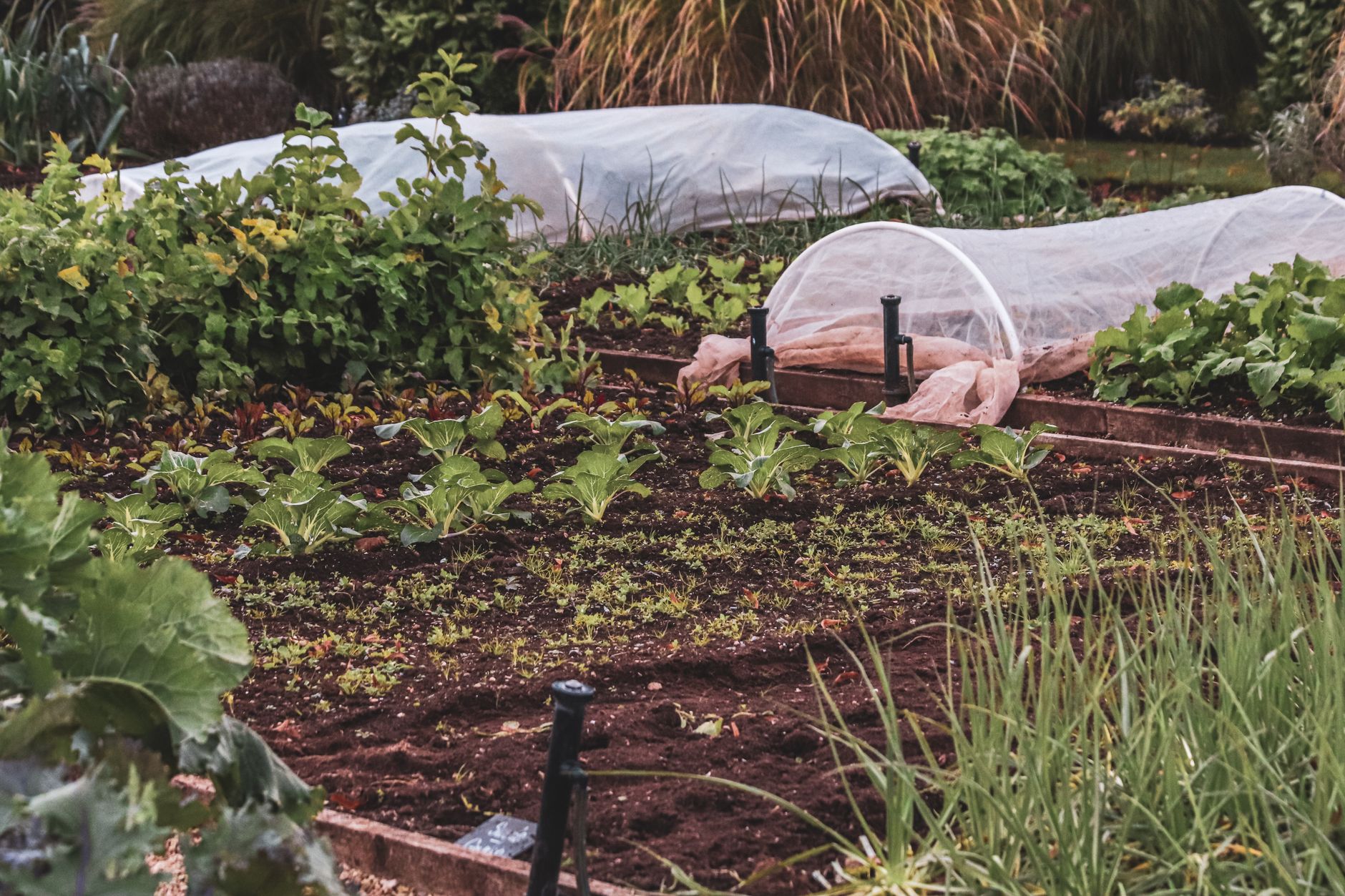
Best Raised Bed Soil Mix for Florida Gardens (What Actually Works in Our Sandy Southern Soil)
This post contains affiliate links. I may earn a small commission at no extra cost to you.
If you’ve ever dumped a bag of garden soil into a raised bed, planted your seedlings with all the hope in the world, and then watched them just… sit there looking sad in the Florida heat — you are not alone. I have been there. More than once.
Gardening in Florida is its own thing. We’ve got sandy soil that drains faster than you can water it, summers that feel like standing inside an oven, and a humidity level that makes everything feel swampy. Regular gardening advice from the internet (usually written by folks gardening in the Midwest or Pacific Northwest) does not always translate down here. And when it comes to raised beds specifically, what you fill them with makes or breaks the whole operation.
We’ve been doing raised bed gardening at our place outside Pensacola for a few years now, and I’ve learned a lot through trial, error, dead tomato plants, and a whole lot of reading. So let me share what we’ve landed on — and why it works for our Florida conditions.
Why Raised Beds Are the Right Move for Florida in the First Place
Our native soil here in Northwest Florida is basically glorified sand. It’s low in organic matter, drains extremely fast, and has very little natural nutrient content. You can amend in-ground beds over time, and we do work on that too (our chickens help a lot with that — more on that in a second), but raised beds give you total control over your growing environment from day one.
Raised beds also warm up faster in late winter, which matters when you’re trying to get an early spring start before the heat shuts everything down in May. And they drain well enough to avoid the waterlogging that can happen during our summer monsoon season — while also holding moisture better than pure Florida sand ever would on its own. It’s a balance, and a good soil mix is how you find it.
If you’re just getting started with your Florida homestead garden, I wrote a whole post on How to Start a Homestead Garden in Florida for Beginners (What Actually Works Down Here) that might be a helpful starting point before you even dig into soil mixes.
The Basic Raised Bed Soil Formula We Use
The classic starting point for raised bed soil — made famous by Mel Bartholomew’s Square Foot Gardening method — is equal thirds:
- 1/3 compost
- 1/3 peat moss or coconut coir
- 1/3 coarse vermiculite
This is a solid formula and we’ve used it. But Florida adds some nuances. Here’s how we tweak it.
Go Heavy on the Compost
In Florida’s heat, organic matter breaks down fast. Like, really fast. What that means practically is that your raised bed mix is going to settle and lose volume over each growing season. The solution is to start with more compost than you think you need and plan to top-dress every season.
We use a mix of purchased compost and our own homemade stuff. Our backyard chickens are genuinely the best composting partners I’ve ever had — their manure mixed into our compost pile breaks down beautifully and adds serious nutrients. If you have chickens or are thinking about it, composting with them is one of the most practical homestead habits you can build. (We also keep a kitchen compost bin on the counter to collect scraps before they go out to the pile.)
Aim for 40-50% compost in your Florida raised bed mix, rather than the standard 33%.
Choose Coconut Coir Over Peat Moss
Traditional mix recipes call for peat moss, and it works fine — but coconut coir is a better fit for Florida for a couple of reasons. First, it’s more sustainable (coir is a byproduct of coconut processing). Second, and more practically, coir actually rehydrates more easily than peat moss, which can get hydrophobic in dry conditions. Given how fast our Florida soil dries between waterings, that matters. Coir also has a more neutral pH, which is helpful since peat tends to be quite acidic.
Aim for about 25-30% coir in your mix.
Don’t Skip the Vermiculite
Vermiculite is what keeps your mix from compacting into a brick over time. It’s light, it holds moisture and nutrients without waterlogging, and it keeps good air pockets in the soil for root growth. In Florida’s heat, roots need room to breathe. Keep this at around 20-25% of your mix.
Add Perlite for Extra Drainage
This is our Florida-specific add. During summer rainy season in Pensacola, we can get several inches of rain in a single afternoon storm. Adding 10-15% perlite to your mix gives you a little extra insurance against waterlogging while still holding nutrients. Think of it as your raised bed’s drainage valve.
What to Add Each Season
Because Florida heat burns through organic matter so quickly, you’ll want to refresh your beds before each new growing season. Here’s what we do:
Before fall planting (our most productive season here):
- Top-dress with 2-3 inches of finished compost
- Mix in a scoop of aged chicken manure if we have it
- Add a light dusting of food grade diatomaceous earth around the bed edges — it’s our non-toxic first defense against pest pressure
Before spring planting:
- Another compost top-dress
- Check and refill any settled areas with fresh mix
We use our Storey’s Guide to Raising Chickens as a general homestead reference, and it has great information on how to use chicken manure effectively in the garden without burning your plants. The key is making sure it’s well-composted first — fresh manure is too hot and will damage roots.
Getting the Kids Involved (This Is School, After All)
One of my favorite things about garden work is how naturally it fits into our homeschool days. Mixing raised bed soil is basically a hands-on science lesson in decomposition, soil biology, drainage, and plant nutrition. My kids don’t even realize how much they’re learning when they’re helping scoop compost and mix layers.
We keep a nature journal going throughout the growing season — the kids sketch what they plant, note when seeds sprout, draw the bugs they find, and record what thrived or flopped. It’s pure Charlotte Mason in action, and it builds a real record of our garden over time that we actually love looking back on.
For the younger ones, a bug collection kit turns every garden session into a nature study. Florida raised beds are surprisingly alive — earthworms, pill bugs, beetles, the occasional frog — and my kids have learned more about soil health and ecosystems from just watching our garden beds than from any worksheet ever could have taught them.
If you want more ideas for weaving the natural world into your homeschool, check out our post on Florida Homeschool Art Curriculum Charlotte Mason Style (What We Actually Do and Why It Works) — a lot of those same principles apply right out in the garden.
A Word on Buying Bagged Soil
If you’re filling a large number of beds and mixing your own isn’t realistic, bagged mixes can work — but read the labels carefully. A lot of big-box store garden soils are mostly wood chips or bark with very little actual nutrition. Look for mixes that list compost, aged bark fines, and perlite or vermiculite. Avoid anything that smells sour (anaerobic decomposition — not good) or feels heavy and wet in the bag.
We still supplement any bagged mix with additional compost and perlite before we consider it ready to plant in Florida.
For more on what grows well once your beds are ready, our post on Best Container Vegetable Garden for Florida Summer Heat (What Actually Grows When It’s 95 Degrees Outside) covers the variety selection side of things, which is honestly just as important as the soil.
The Simple Version to Remember
If I had to distill everything into a quick formula for a Florida raised bed:
- 40-50% compost (the more the better)
- 25% coconut coir
- 15% vermiculite
- 10-15% perlite
- Top-dress every season, no exceptions
That’s it. It doesn’t have to be complicated. Gardening in Florida requires a little more intention than in other climates, but once you get your beds filled right, you will be genuinely amazed at what grows here — especially in the fall and winter, when the rest of the country is buried in snow and we’re out here harvesting kale in January in flip flops.
This is one of those things I wish someone had just told me plainly when I started. Hopefully this saves you at least one season of guessing. Now go fill those beds — and let the kids help. There’s no better dirt to get your hands into than the kind that grows your own food.
📖 You Might Also Like:
- Seasonal Living Ideas for Families: Simple Ways to Celebrate Every Season Year-Round
- How to Teach Kids to Cook Basic Skills by Age (A Real Kitchen Guide for Homeschool Families)
- How to Introduce Goats to a Small Florida Homestead (Without Losing Your Mind or Your Garden)
Frequently Asked Questions
What is the best soil mix for raised beds in Florida?
In Florida, the best raised bed soil mix is heavier on compost than standard recipes suggest — aim for 40-50% compost, 25% coconut coir, 15% vermiculite, and 10-15% perlite. Florida’s heat breaks down organic matter quickly, so more compost upfront and regular top-dressing each season is key to keeping your beds productive.
Can I use bagged garden soil in Florida raised beds?
You can, but most bagged garden soils from big-box stores are too low in nutrients and too high in wood filler to perform well on their own in Florida. Always supplement bagged mixes with extra compost and perlite before planting, and check that the bag lists compost and vermiculite or perlite among its main ingredients.
How often should I add compost to raised beds in Florida?
At minimum, top-dress your Florida raised beds with 2-3 inches of finished compost before each growing season — which typically means before your fall planting and again before spring. Florida’s heat and humidity accelerate organic matter breakdown, so beds need refreshing more often than in cooler climates.
Is peat moss or coconut coir better for Florida raised beds?
Coconut coir is generally the better choice for Florida. It rehydrates more easily than peat moss (which can become water-repellent when dry), has a more neutral pH, and is a more sustainable material. Both will work in a pinch, but coir performs better in Florida’s drying heat between waterings.
How do I improve my Florida garden soil naturally?
The best natural ways to improve Florida garden soil are to add large amounts of finished compost, use cover crops like cowpeas or buckwheat in the off-season, mulch heavily to retain moisture and build organic matter as it breaks down, and if you have backyard chickens, compost their manure to use as a rich soil amendment. Raised beds also give you control over your growing medium so you’re not fighting native sand at all.
Leave a Reply