Best Container Vegetable Garden for Florida Summer Heat (What Actually Grows When It’s 95 Degrees Outside)
This post contains affiliate links. I may earn a small commission at no extra cost to you.
If you’ve ever tried to grow a garden in a Florida summer and watched everything bolt, wilt, or just give up by July, you are not alone. I have killed more tomato plants than I care to admit. The heat index hits 105, the afternoon thunderstorms flood the beds, and somehow the bugs find every single thing you planted with love.
But here’s what I’ve figured out after a few seasons of trial and error in our little Pensacola backyard: container gardening is actually a gift in Florida summer heat. You can move things. You can control the soil. You can tuck pots up under the porch overhang when a tropical storm rolls through the Gulf. And when the kids are helping you tend the garden between morning lessons and chicken chores, containers are the perfect size for small hands to manage.
This isn’t a perfect-garden post. It’s a real-life, what-actually-survived post. Let’s get into it.
Why Container Gardening Works So Well in a Florida Summer
In-ground gardening in Florida summer is a whole thing. Our soil in the Panhandle can be sandy and nutrient-poor, drainage is unpredictable, and the afternoon heat radiating off the ground can cook roots from below. Containers let you sidestep a lot of that.
Here’s why we love growing in containers during the hot months:
- Drainage control. You can set up a mix that doesn’t waterlog after our daily 3pm thunderstorm.
- Mobility. If a spot gets too much afternoon sun, you move the pot. Done.
- Soil quality. You fill it yourself. No fighting our native sand.
- Kid-sized gardening. My kids each have their own pot or two. It’s theirs to tend, observe, and harvest. Very Charlotte Mason, very 1990s — go outside, grow something, take care of it.
If you’re just getting started with growing food in Florida, I’d also point you to my post on How to Start a Homestead Garden in Florida for Beginners (What Actually Works Down Here) — it covers a lot of the foundational stuff that applies to containers too.
The Best Vegetables to Grow in Containers During Florida Summer
Not everything survives our summers. But some things genuinely thrive — and those are the ones we focus on. Here’s our actual list.
1. Sweet Potatoes
This is our number one summer container crop. Sweet potatoes love heat, tolerate drought once established, and produce like crazy in Florida. Use a large container — we’re talking at least a 15-gallon pot or a fabric grow bag — and let the vines spill over the sides. The leaves are actually edible too, which our kids think is wild.
2. Southern Peas (Cowpeas / Black-Eyed Peas)
These are made for the South. Heat-tolerant, drought-tolerant, and they fix nitrogen. Grow them in a deep 5-gallon container and they’ll keep producing through the worst of summer. We’ve had great luck with Iron and Clay and Zipper Cream varieties.
3. Okra
Okra in a container sounds a little ambitious, but honestly? It works. Use a 5-gallon pot minimum and a full-sun spot. Okra is basically a Florida summer weed — in the best way. My kids love picking it before it gets too big and woody.
4. Cherry Tomatoes (Heat-Tolerant Varieties Only)
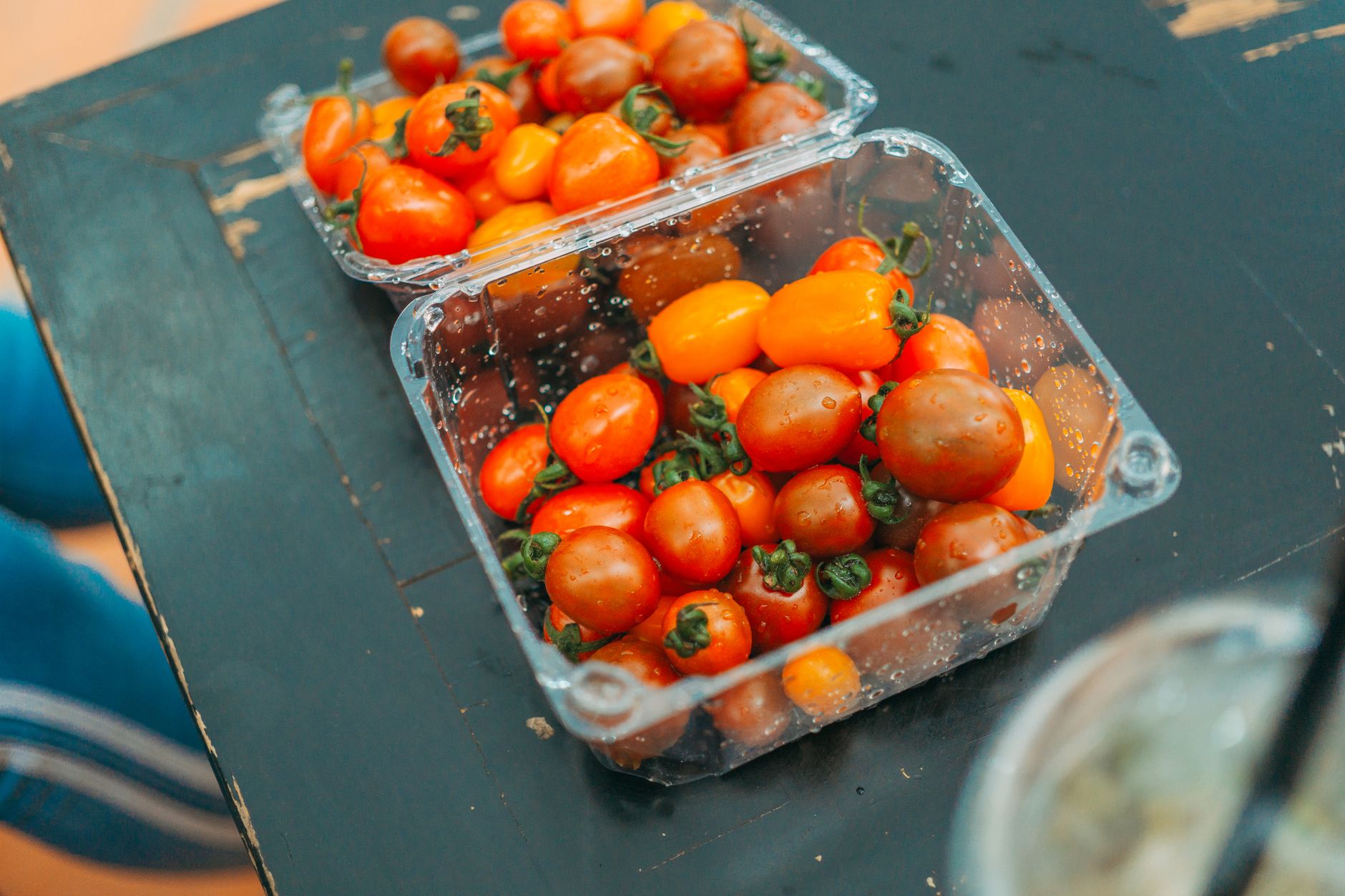
Regular tomatoes basically tap out in Florida summer, but heat-tolerant cherry tomatoes like Solar Fire, Sweet 100, or Florida 91 will keep going if you give them afternoon shade, consistent watering, and good airflow. A large container (10+ gallons) is a must.
5. Herbs — Especially Basil, Lemongrass, and Rosemary
Herbs in containers are a summer win. Basil loves the heat. Lemongrass grows enormous and you can use it in cooking and keep the mosquitoes guessing. Rosemary is drought-tolerant once established. We keep herb pots right by the back door so the kids can snip things while I’m cooking.
6. Peppers
Peppers are slower to produce but they are genuinely summer-hardy in Florida. Hot peppers especially. Once established, they can handle the heat better than almost anything else. Keep them in at least a 5-gallon pot with good drainage.
7. Malabar Spinach
This is not your grocery-store spinach. Malabar spinach is a tropical climbing vine that thrives in heat and humidity — totally unlike regular spinach which bolts immediately down here. It’s great in stir-fries and the kids love watching it climb a small trellis in a container.
Tips for Keeping Container Vegetables Alive in Florida Heat
Water Deeply and Consistently
Containers dry out fast — especially dark-colored pots sitting in full sun. In peak summer, we water morning and evening. A thick layer of mulch on top of the soil (yes, even in a container) helps hold moisture. A stainless steel kids water bottle for the kids doubles as their personal watering tool for their own pots — they take that job seriously.
Choose the Right Container Size
When in doubt, go bigger. Larger containers hold moisture longer and give roots more room to stay cool. Fabric grow bags are actually fantastic for drainage and air pruning roots. We use them constantly.
Use a Quality Potting Mix
Don’t use straight garden soil in containers — it compacts and doesn’t drain well. We use a quality potting mix and amend with compost. Speaking of compost, our kitchen compost bin feeds straight into our garden soil amendments. Nothing wasted.
Strategic Sun and Shade
Morning sun, afternoon shade is the sweet spot for most summer vegetables in Florida. That harsh 2-5pm western sun will stress plants hard. Move containers accordingly — this is the biggest advantage containers have over in-ground beds.
Feed Regularly
Because you’re watering so much, nutrients leach out of containers faster. A balanced organic liquid fertilizer every couple of weeks keeps things going.
Making the Garden a Learning Space for Kids
This is genuinely one of my favorite parts of container gardening with kids — it’s so approachable. Each child can have ownership over one or two pots. They plant it, water it, observe it, sketch it in their nature journal, and eventually harvest from it.
We’ll often do a simple nature study around what’s growing — drawing the flowers, looking at the roots when we repot something, noticing the insects that visit (good and bad). A pocket microscope is amazing for looking at leaves up close, checking for pests, or examining soil structure. My kids have spent a solid 45 minutes examining one tomato hornworm. No curriculum required.
Our chickens also benefit from the garden — they love any extras we pull. Spent okra pods, overgrown basil, bolted anything. It’s a whole little ecosystem back there and the kids see all of it connecting. That’s the kind of learning I’m after.
If you want ideas for getting kids more involved in the backyard and garden space in general, my post on How to Involve Kids in Homestead Chores by Age (Without the Meltdowns or Doing It All Yourself) is worth a read.
And if your kids want to do the actual planting and digging, a good pair of kids garden gloves goes a long way — especially when okra leaves get prickly or fire ants show up (because they always show up).
Don’t forget the sunscreen if you’re out there during the day. We use non-toxic sunscreen and reapply constantly because Northwest Florida sun is no joke even before 10am.
A Few Things That Haven’t Worked for Us (So You Don’t Have to Find Out the Hard Way)
- Cucumbers in summer — they hate the heat and humidity combo and mildew takes over fast
- Zucchini — same issue, plus squash vine borers are relentless down here
- Lettuce and regular spinach — gone by May, don’t even try in a Florida summer
- Standard tomato varieties — they’ll produce for a minute and then just stop setting fruit once temps are consistently above 90
Save your energy and focus on what loves the heat. You’ll have a much better summer.
You Don’t Have to Do It All at Once
Start with one or two containers. One sweet potato grow bag. One pot of cherry tomatoes on the porch. One herb cluster by the back door. See what works in your specific yard, with your specific sun exposure and water habits. Florida gardening has a learning curve and every yard is different — even within the same neighborhood.
The goal isn’t Instagram-perfect rows of produce. It’s connection — kids who know where food comes from, who helped grow it, who watched a seed turn into something edible. That’s the whole thing. That’s worth every wilted plant and fire ant encounter.
If this sparked some ideas for your backyard, I’d love to know what you end up growing. Drop a comment below or come find me over on Pinterest. Happy gardening, friends — and drink water. It’s hot out there.
📖 You Might Also Like:
- How to Start a Homestead Garden in Florida for Beginners (What Actually Works Down Here)
- Wild Edibles in Florida: What to Look for on Your Next Family Walk
- How to Involve Kids in Homestead Chores by Age (Without the Meltdowns or Doing It All Yourself)
Frequently Asked Questions
What vegetables grow best in containers in Florida summer heat?
The best bets for container gardening in Florida summer are sweet potatoes, southern peas (cowpeas), okra, heat-tolerant cherry tomatoes, peppers, Malabar spinach, and herbs like basil and lemongrass. These crops are adapted to high heat and humidity and will outperform cool-season vegetables that bolt and fail in the summer months.
How do I keep container vegetables from drying out in Florida heat?
Water deeply morning and evening during peak summer, mulch the top of the soil in your containers, choose larger pots that hold moisture longer, and position containers to get morning sun with afternoon shade. Fabric grow bags also help regulate soil temperature and drainage, which makes a big difference in the Florida heat.
Can you grow tomatoes in containers in Florida summer?
Yes, but you need to choose heat-tolerant varieties specifically. Look for Solar Fire, Sweet 100, or Florida 91 tomatoes. Standard varieties stop setting fruit when temperatures are consistently above 90°F. Give them a large container (10+ gallons), afternoon shade, and consistent watering for the best chance of success.
What size containers do I need for a Florida summer vegetable garden?
Bigger is almost always better in Florida because larger containers hold moisture longer and keep roots cooler. Aim for at least 5 gallons for peppers and herbs, 10+ gallons for tomatoes, and 15-gallon fabric grow bags for sweet potatoes. Smaller containers dry out too quickly in Florida’s summer heat.
Is it worth gardening in Florida during summer or should I wait until fall?
It depends on what you want to grow. Florida’s best gardening seasons are fall and spring, but summer container gardening absolutely works if you stick to heat-loving crops like sweet potatoes, okra, southern peas, and peppers. Many Florida gardeners take a partial summer break and then go big again in September and October when temperatures start to drop.
Leave a Reply