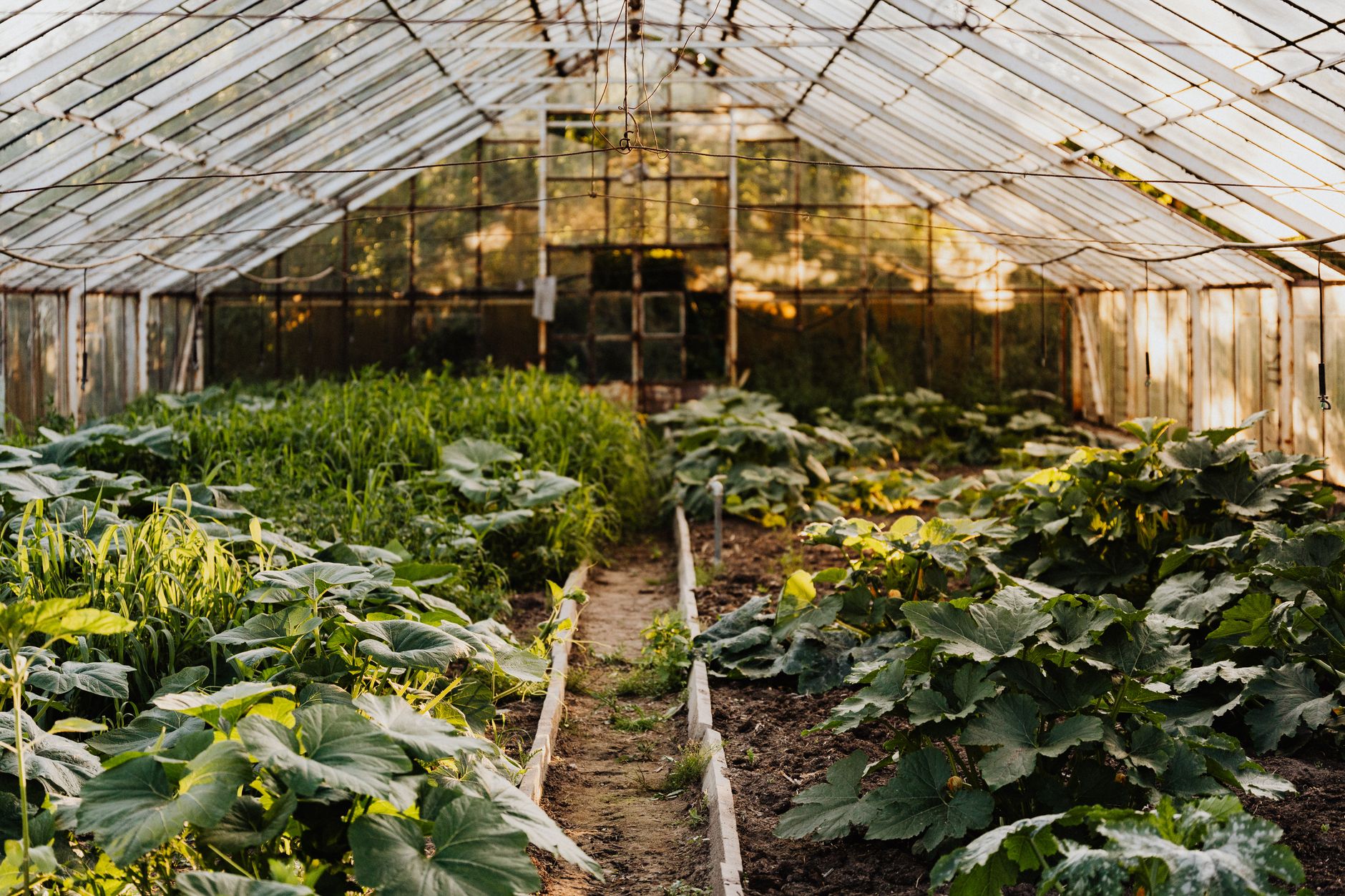
How to Start a Homestead Garden in Florida for Beginners (What Actually Works Down Here)
This post contains affiliate links. I may earn a small commission at no extra cost to you.
If you’ve been standing in your backyard, staring at a patch of scraggly St. Augustine grass and thinking I really want to grow food back here — hi, me too. That was us a few years ago. We had a vague dream of a homestead garden, a very sandy yard, absolutely zero idea what we were doing, and a flock of chickens who were already way more prepared for this life than we were.
The thing nobody tells you when you start Googling “how to start a garden” is that almost everything you find is written for somewhere that is decidedly not Florida. We are not Zone 5. We do not get a hard frost. And planting tomatoes in May is basically a death sentence down here.
So this is the post I wish I’d had when we started — practical, Florida-specific, and real about what it takes to actually grow food in the Panhandle.
First, Forget Everything You Know About Garden Seasons
This is the single biggest mindset shift for Florida beginner gardeners. Our growing seasons are essentially flipped compared to most of the country.
In Northwest Florida, your two main growing windows are:
- Fall/Winter garden: September through March — this is your prime time. Greens, root vegetables, brassicas, herbs. This is when Florida gardening feels magical.
- Spring garden: February through May — tomatoes, peppers, squash, beans. Short window before the heat shuts everything down.
- Summer: Unless you’re growing sweet potatoes, okra, or some serious heat-lovers, summer is mostly a break. It’s brutal. Give yourself grace.
Once that clicks, everything else starts to make more sense.
Start Small. Like, Really Small.
I cannot stress this enough. Do not till up half your backyard in year one. Start with one raised bed, or even just a few containers on your back porch. Learn the rhythms, learn your space, learn what the Florida sun actually does to your plants before you go all in.
We started with two 4×8 raised beds and thought we were heroes. By year two we added two more. Now we have a real system — but it took building up slowly.
If you have kids helping (which I hope you do — more on that in a second), smaller beds are also just way more manageable. My kids have a sense of real ownership over our garden, and that only works because it’s not overwhelming.
Fix Your Soil First — Florida Soil Is Not Your Friend (Yet)
Florida native soil is basically sugar sand with some wishful thinking mixed in. It drains fast, it doesn’t hold nutrients, and plants are not impressed by it.
For raised beds, we fill ours with a mix of:
- Good quality garden soil
- Aged compost (we compost kitchen scraps year-round — a simple kitchen compost bin on the counter makes this easy)
- Aged chicken manure from our own flock
That last one is a game-changer, y’all. Our chickens work for us. Their aged manure is some of the best fertilizer you can put in a garden bed — it’s one of those things where having backyard chickens starts to feel like the best decision we ever made. (If you’re just getting into chickens too, Storey’s Guide to Raising Chickens is the book I recommend to every beginner.)
We also dust our garden beds and coop area with food-grade diatomaceous earth to help with pests naturally — it’s part of our non-toxic approach to pest control across the whole property.
What to Actually Plant (For Beginners in the Florida Panhandle)
Here are the crops that have been most successful for us as beginners in Northwest Florida:
Fall/Winter (plant September–November):
- Lettuce, spinach, kale, Swiss chard
- Radishes and turnips (fast and easy — great for kids)
- Carrots (need loose, amended soil)
- Broccoli and cabbage
- Herbs: basil (in summer), parsley, cilantro, dill
Spring (plant February–April):
- Tomatoes — get them in by early March
- Peppers
- Squash and zucchini
- Green beans
- Cucumbers
A seed starting kit is really helpful for getting a jump on your spring garden indoors before the last cool nights pass.
Get Your Kids Involved — This Is the Real Point
Okay, I have to say this because it’s genuinely why we garden in the first place. Yes, we want to grow real food. Yes, we want to reduce our grocery bill. But mostly? We want our kids to know where food comes from, to put their hands in the dirt, to learn patience and observation and the deeply satisfying feeling of eating something you grew yourself.
This is Charlotte Mason gardening. Nature study with dirt under your fingernails.
Our kids have their own small garden plot. They plant what they want (within reason — last year it was mostly sunflowers and cherry tomatoes, which honestly was perfect). They keep a nature journal where they sketch what they’re observing — changes in the plants, bugs they find, what the soil looks like after rain. My youngest uses Faber-Castell watercolors to paint what she sees. It’s slow, it’s messy, it’s exactly the kind of childhood I want them to have.
For the bug-obsessed kids (and there’s always at least one), a bug collection kit or pocket microscope turns the garden into a full science classroom. We’ve identified more insects and critters in our garden than I ever expected to find in a suburban Pensacola backyard.
For more on getting kids involved in real homestead work, check out How to Involve Kids in Homestead Chores by Age (Without the Meltdowns or Doing It All Yourself).
A Few Florida-Specific Tips Nobody Else Will Tell You
Water deeply, not constantly. The heat here makes you want to water every day, but daily shallow watering grows shallow roots. Water deeply every 2-3 days and let those roots go looking for moisture.
Mulch like your garden depends on it — because it does. A thick layer of mulch keeps the soil cool, holds moisture, and is non-negotiable in a Florida summer. Pine straw is free and plentiful here and works beautifully.
Watch for pests in warm weather. Aphids, whiteflies, and caterpillars love a Florida garden. We use Wondercide for pest control — it’s plant-safe and non-toxic, which matters a lot to us with kids and a dog running through the garden constantly.
Shade cloth is your summer friend. If you want to try growing anything through the hotter months, a 30-40% shade cloth can make the difference between survival and scorched plants.
What About the Budget?
Starting a garden does have some upfront costs, but it doesn’t have to be expensive. We’ve saved significantly on groceries since our garden hit its stride — especially in the fall and winter when our beds are overflowing with greens.
If you’re using the Florida PEP scholarship, some garden and nature study supplies may count toward your educational expenses. It’s worth checking what your scholarship account covers — and if you’re new to homeschooling in Florida, take a look at Florida Homeschool Graduation Requirements: What You Actually Need to Know to get a fuller picture of how homeschool life works here.
For more on managing a real food budget, How to Reduce Your Grocery Bill Eating Whole Foods has a lot of practical overlap with what a productive garden makes possible.
Just Start. Imperfectly. This Week.
You don’t need the perfect setup. You don’t need to know everything. You need one raised bed, decent soil, seeds suited for your season, and a willingness to learn from your mistakes — because you will make them, and that is absolutely fine.
Our best garden lessons have come from things that didn’t work. The tomatoes we planted too late. The kale the caterpillars demolished. The bed we forgot to water through a dry spell. Every failure taught us something, and the kids were right there learning alongside us.
That’s the 1990s way of doing it, honestly. You figure it out by doing it. You get dirty. You try again. And eventually you’re standing in your backyard in October, handing a kid a just-picked cherry tomato still warm from the sun, and it tastes better than anything from a grocery store ever could.
That’s the whole point.
📖 You Might Also Like:
- Best Kids Garden Tools That Actually Work (No Flimsy Plastic Junk Here)
- How to Create a Nature Play Yard in Your Backyard (That Kids Actually Use)
- Wild Edibles in Florida: What to Look for on Your Next Family Walk
Frequently Asked Questions
When should I start a vegetable garden in Florida?
In Northwest Florida and the Panhandle, your best planting windows are fall (September–November) for cool-season crops like greens, carrots, and broccoli, and early spring (February–April) for tomatoes, peppers, and squash. Summer is generally too hot for most vegetables — okra and sweet potatoes are notable exceptions.
What vegetables grow best in Florida for beginners?
For beginners in Florida, start with easy cool-season crops like lettuce, kale, Swiss chard, radishes, and herbs in the fall. In spring, cherry tomatoes, green beans, and squash tend to be forgiving and rewarding. Avoid planting warm-season crops too late — Florida’s heat arrives fast.
Why is Florida soil bad for gardening and how do I fix it?
Florida’s native soil is mostly sandy, which means it drains quickly and doesn’t hold nutrients well. The best fix is to build raised beds filled with a mix of quality garden soil, compost, and aged manure. Top-dressing with compost each season and mulching heavily will continue to improve your soil over time.
Can I homestead in Florida on a small suburban lot?
Absolutely. Many Florida families are homesteading on smaller suburban properties with raised bed gardens, backyard chickens, composting, and fruit trees. You don’t need acreage to grow a meaningful portion of your family’s food — you just need a plan that works for your space and Florida’s unique climate.
How do I keep pests out of my Florida garden without chemicals?
Florida’s warm climate means pest pressure is real year-round. Non-toxic options that work well include food-grade diatomaceous earth for soil-level pests, plant-safe sprays like Wondercide for aphids and whiteflies, physical barriers like row covers, and encouraging beneficial insects by planting flowers near your vegetable beds. Chickens can also help patrol for bugs around the garden edges.
Leave a Reply