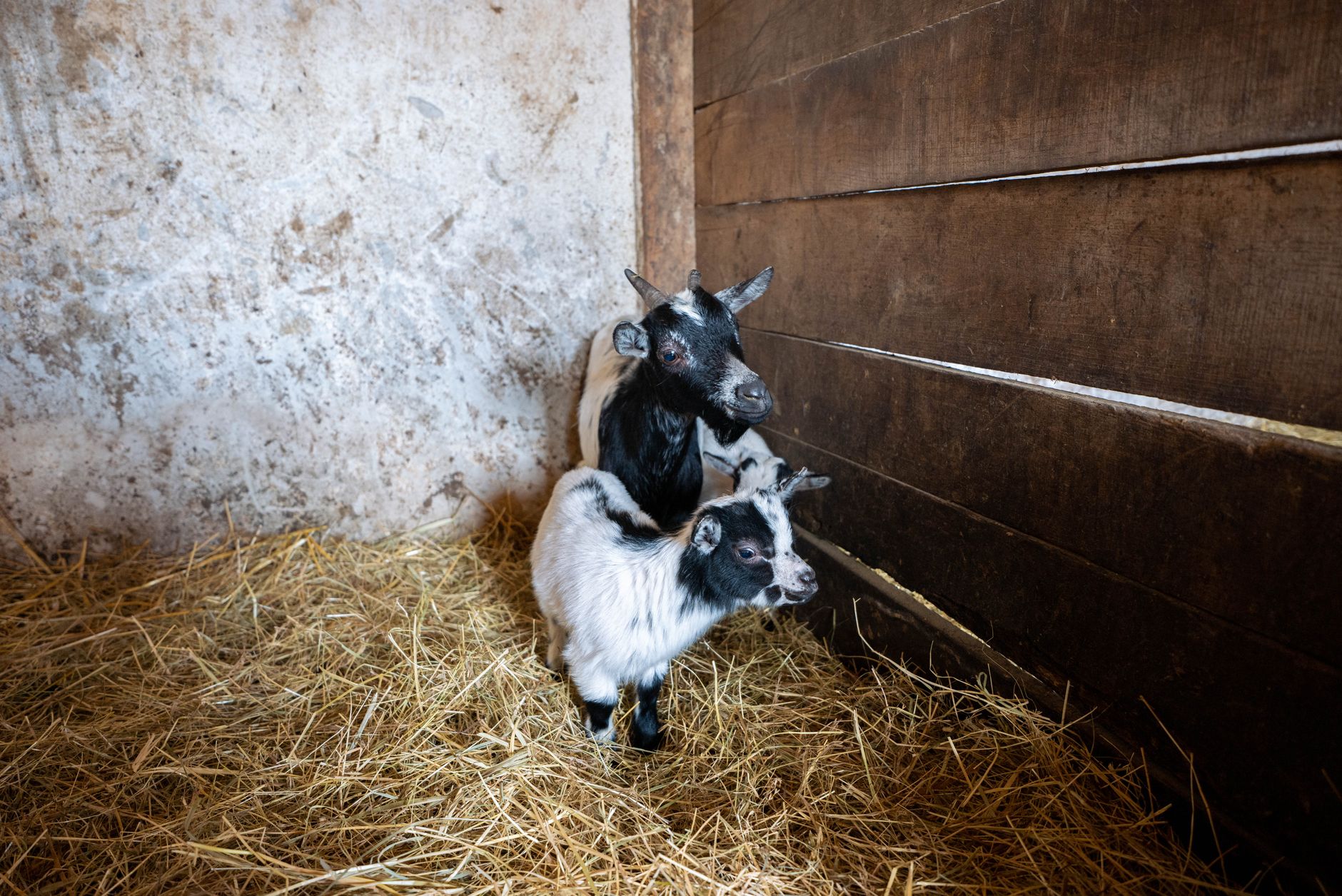
How to Introduce Goats to a Small Florida Homestead (Without Losing Your Mind or Your Garden)
This post contains affiliate links. I may earn a small commission at no extra cost to you.
I’m going to be honest with you — the goat conversation in our house started the same way a lot of things do around here. One kid saw a YouTube video, another one heard about a friend’s goat, and suddenly everyone was in agreement that we absolutely needed goats and life would be incomplete without them.
So I did what I always do. I slowed way down, researched way too much, and then eventually said yes — but on our terms, with a real plan.
If you’re somewhere in that same middle space — curious, maybe a little nervous, wondering if a small Florida yard can actually handle goats — this one’s for you. We’re in the Pensacola area, and what works in the Pacific Northwest or even Central Florida sometimes looks real different up here in the Panhandle. So I’m going to share what I’ve actually learned, not just what sounds nice on paper.
Are Goats Actually Realistic for a Small Florida Homestead?
Short answer: yes, with the right breed and setup.
Long answer: goats are not low-maintenance. They are clever, social, escape-prone, and they will absolutely eat your blueberry bushes if you give them half a chance. (Ask me how I know.) But they are also endlessly entertaining, genuinely useful, and honestly one of the best things we’ve ever added to our backyard homestead.
For small properties — we’re talking under an acre — the key is choosing the right breed from the start.
Best Goat Breeds for Small Florida Homesteads
Nigerian Dwarfs
This is where most small homesteaders should start, and for good reason. Nigerian Dwarfs are compact, friendly, and honestly great with kids. They produce a surprising amount of rich, high-butterfat milk for their size, which is wonderful if you’re interested in raw milk, cheese, or soap-making. They also handle Florida’s heat and humidity reasonably well as long as they have shade and fresh water.
Pygmy Goats
If milk isn’t your goal and you mostly want personality and a backyard companion (and a nature-study animal your kids will be obsessed with), Pygmy goats are a solid pick. They’re stocky, playful, and easy to manage for beginners.
Kinder or Mini-Nubian
If you want a little more milk production but still need a manageable size, Mini-Nubians are worth looking into. They’re a cross between Nigerian Dwarf and Nubian, so you get a mid-sized goat with good milk and those adorable floppy ears.
Whatever breed you choose, get at least two. Goats are herd animals and a single goat will be miserable — and loud about it.
Fencing: The Non-Negotiable
I cannot stress this enough: your fencing will make or break your goat experience. Goats will test every weak spot. They’ll climb on things, lean on things, and figure out latches faster than you’d expect.
For small homesteads in Florida, we recommend:
- 4-foot welded wire or cattle panel — strong and visible enough to actually contain them
- T-posts every 6-8 feet at minimum
- A real latch on every gate — the kind that requires two steps to open
- No climbable objects near the fence line — they will use that old pallet as a launching pad
Also? Check your local ordinances. Some Florida counties and municipalities have specific rules about goats on residential properties, especially does vs. bucks. Bucks (intact males) can be smelly and loud, so most small homesteaders stick with does or a wether (castrated male) for companionship.
Shelter and Setup in the Florida Climate
Goats actually don’t love rain — which is a little funny given how much it rains here in Northwest Florida from May through September. They need a dry, well-ventilated shelter they can retreat to. It doesn’t have to be fancy. A three-sided structure with a roof is enough for most of the year.
What matters most in our climate:
- Shade, shade, shade — afternoon shade is essential in summer
- Airflow — a closed-up stuffy shelter is worse than a simple open one
- Dry bedding — pine shavings work well; just refresh it regularly to avoid moisture buildup and hoof issues
- Elevated sleeping area — goats love to be off the ground
For pest control around the shelter area (we deal with the same with our chickens), Wondercide has been our go-to for keeping flies and mosquitoes down without bringing harsh chemicals onto our property.
Feeding Your Goats: Keeping It Simple
Goats need:
- Quality grass hay (coastal bermuda or orchard grass works well here) — this should be the foundation of their diet
- Fresh water always — seriously, they drink more than you’d think
- Loose minerals specifically formulated for goats (not sheep minerals — copper levels differ)
- Limited grain — mostly for lactating does or growing kids
They’ll also browse on whatever you let them near, which is why our garden is firmly off-limits. If you’re growing a food forest or working on a homestead garden, you’ll want to make sure goat grazing areas are clearly separate. If you’re curious about what we’re growing, I share more in our Florida Food Forest Beginner Guide.
Basic Goat Health: What You Need to Know Before You Bring Them Home
Goats are hardier than their dramatic personalities suggest, but they do have some specific health needs:
- CDT vaccine — this is the one core vaccine all goats need, given annually
- Hoof trimming every 6-8 weeks (more in wet Florida seasons)
- FAMACHA scoring — a simple way to monitor for barber pole worm, which is a real issue in our warm, humid climate
- Find a large animal vet before you need one — not every vet sees goats, so have that contact ready
For natural pest and parasite management around the animals, we use food grade diatomaceous earth in the bedding and around the shelter perimeter. It’s the same thing we use with our chickens — if you’re curious how we manage a backyard flock alongside other animals, our post on Raising Meat Chickens at Home covers a lot of that overlap.
Bringing Kids Into It: Goats as a Homeschool Experience
This is honestly one of my favorite parts. Goats fit so naturally into a Charlotte Mason, nature-based homeschool rhythm. There’s real, living science happening every single day.
Our kids have learned:
- Animal behavior and herd dynamics (social studies meets biology)
- Basic anatomy and health observation
- Responsibility and consistency — animals don’t care if it’s Saturday or if you’d rather read a book
- Record-keeping — we track feed, health notes, and milk production in a simple notebook
A good nature journal is perfect for sketching the goats, recording observations, and even pressing the occasional plant they like to browse. My kids have filled pages just watching and drawing. It’s the kind of slow, attentive observation that Charlotte Mason was talking about — and it costs nothing once you’re already out there doing morning chores.
For younger kids who want to understand more about what they’re caring for, Storey’s Guide to Raising Dairy Goats is the reference book I reach for, and there’s also a Kid’s Guide to Keeping Chickens that — while chicken-focused — covers a lot of the same animal husbandry concepts in language that works for elementary-age kids.
And honestly? Watching my kids do morning chores barefoot, talking to the goats, filling water buckets, and just being outside before we even open a book — that’s the 1990s childhood I’m trying to give them. No screens, no schedule pressure. Just kids and animals and a Florida morning.
For more on building that kind of daily rhythm into your homeschool life, I share a lot in our post on How to Involve Kids in Homestead Chores by Age — it’s one of the most-read things on this whole site.
One Last Thing Before You Bring Goats Home
Start small. Two does. A solid fence. A simple shelter. Give yourself a full season to learn their rhythms before you expand.
Goats will surprise you — sometimes with how much joy they bring, and sometimes with how they’ve dismantled the thing you built last weekend. But if you go in with realistic expectations and a real plan, they will absolutely become one of the best parts of your homestead.
We’re still learning over here, and that’s okay. That’s kind of the whole point, isn’t it?
If you’re adding goats alongside chickens or thinking about expanding your backyard flock at the same time, you might also enjoy our post on Best Duck Breeds for a Florida Backyard Flock — because apparently we can’t stop adding animals around here, and maybe you can’t either.
Welcome to the goat side. It’s wonderfully chaotic.
📖 You Might Also Like:
- Raising Meat Chickens at Home: A Beginner’s Guide to Getting Started (And Actually Following Through)
- How to Preserve Your Summer Harvest: Canning, Freezing, and Fermenting for Real Families
- Seasonal Living Ideas for Families: Simple Ways to Celebrate Every Season Year-Round
Frequently Asked Questions
Can you have goats on a small lot in Florida?
Yes, in many parts of Florida you can keep goats on a small property, but it depends on your county and municipality. Always check local ordinances first — some areas allow does and wethers but not intact bucks. Nigerian Dwarf goats are ideal for smaller lots because of their compact size and manageable needs.
How many goats do I need to start?
Always start with at least two. Goats are herd animals and a single goat will be stressed, vocal, and generally unhappy. Two does or a doe and a wether (castrated male) is a great beginner setup for a small homestead.
What do goats eat in Florida?
Goats in Florida do well on quality grass hay (coastal bermuda or orchard grass), fresh water, and loose goat-specific minerals. They’ll also browse on brush and weeds, which can be helpful — just make sure your garden is fenced off separately. Limit grain unless you have a lactating doe or young kids.
Are goats hard to keep in the Florida heat and humidity?
Goats can handle Florida’s climate reasonably well as long as they have access to shade, fresh water, and good airflow in their shelter. The bigger concern in humid climates is internal parasites like barber pole worm — learning FAMACHA scoring and working with a vet familiar with goats will help you stay ahead of that.
What’s the best goat breed for a first-time homesteader?
Nigerian Dwarf goats are widely considered the best starter breed for small homesteads. They’re small, friendly, good with children, and produce rich milk despite their size. Pygmy goats are another great option if milk production isn’t a priority and you’re mainly looking for a backyard companion animal.
Leave a Reply