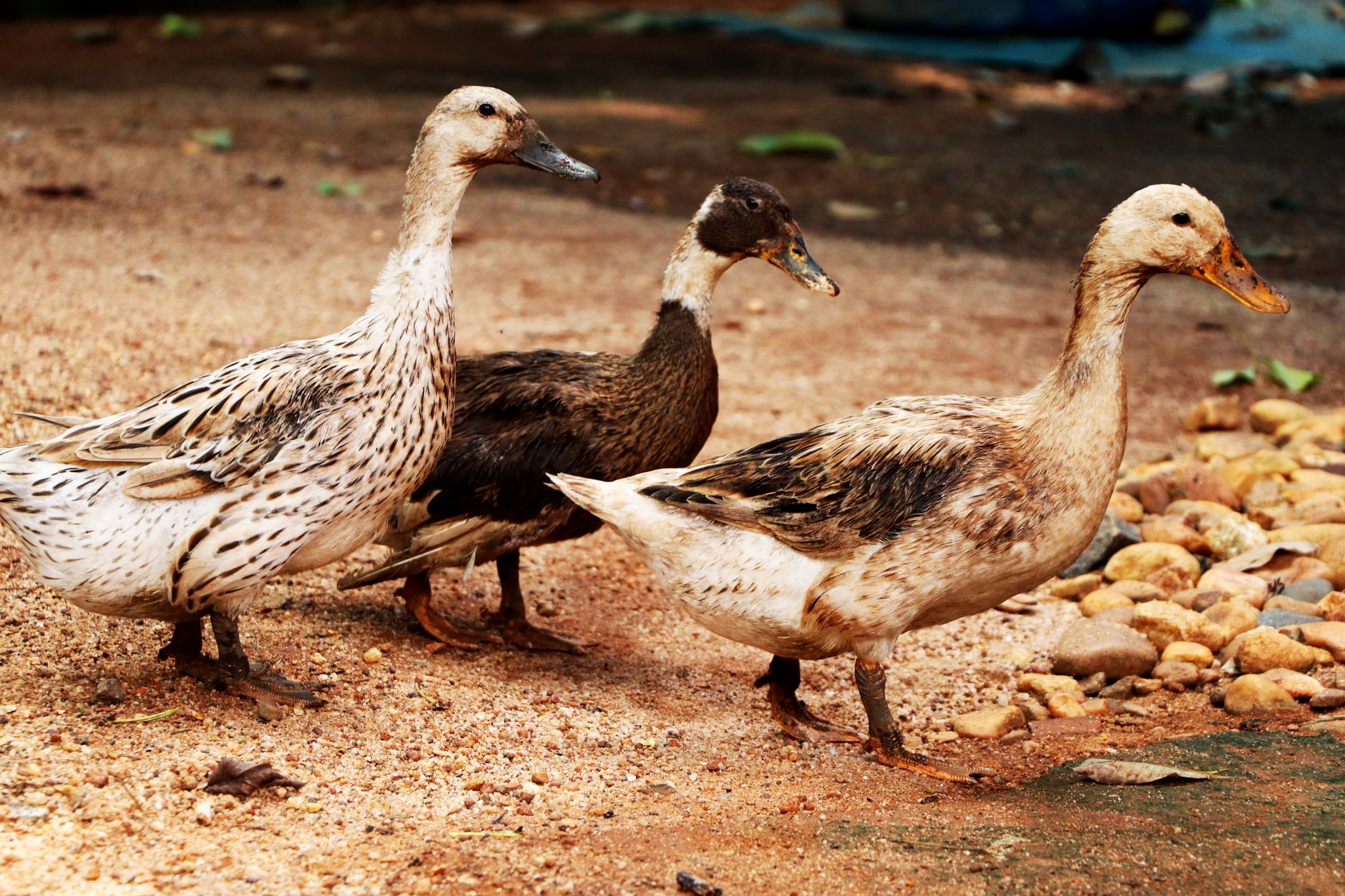
Best Duck Breeds for a Florida Backyard Flock (What Actually Thrives Down Here)
This post contains affiliate links. I may earn a small commission at no extra cost to you.
So you’ve got chickens. Maybe a little garden going. And now someone in your house (possibly someone under four feet tall) has decided that ducks need to happen.
Same.
We’ve been raising backyard chickens for a few years now, and adding ducks to our little Northwest Florida homestead was honestly one of the best decisions we made. But I’ll be upfront — ducks are different. They’re messier, louder (depending on the breed), and they have very strong opinions about water. And when you’re living in Pensacola where it’s 90 degrees and sticky by 9am from May through October, breed selection actually matters a lot.
I did a ton of research before we brought our first ducklings home, and I want to save you some of the legwork. Here’s what we’ve learned about the best duck breeds for a Florida backyard flock — from heat tolerance to personality to how well they work for a homeschool family that wants kids genuinely involved in the process.
Why Ducks Work So Well in Florida
Here’s the thing about Florida — it’s wet. Like, persistently, enthusiastically wet. We get afternoon thunderstorms half the year, standing puddles in the yard, and humidity that would make a duck feel right at home. And honestly? Ducks are right at home here.
They’re also surprisingly good for pest control. Our girls go absolutely wild over slugs, mosquito larvae, and all the creepy-crawlies that thrive in a Florida yard. If you’re already doing nature study with your kids — keeping a nature journal and watching backyard wildlife — ducks add a whole new layer of observation and wonder. My kids have learned more about animal behavior from watching our ducks figure out a puddle than from any curriculum page.
If you’re also raising chickens, check out our post on Raising Meat Chickens at Home — a lot of the same beginner mindset applies to ducks.
What to Look for in a Florida Duck Breed
Before we get into specific breeds, here’s what I was evaluating:
- Heat tolerance — This is non-negotiable. If a breed struggles above 85°F, it’s not the right fit for us.
- Temperament — We have kids K through 5th grade helping with chores. We need calm, handleable birds.
- Egg production — We’re not running a farm, but we do want eggs. Duck eggs are incredible for baking.
- Noise level — We’re in a neighborhood. Enough said.
- Water needs — All ducks need water, but some are far more demanding than others.
The Best Duck Breeds for Florida Backyards
1. Khaki Campbell
If you want eggs — and I mean a lot of eggs — Khaki Campbells are your bird. They can out-lay most chickens, regularly producing 250-340 eggs per year. They’re medium-sized, active, and handle Florida heat reasonably well as long as they have shade and fresh water.
The one thing I’ll warn you about: Khaki Campbell females can be loud. Not aggressive, just vocal. If you’ve got close neighbors, that’s worth knowing upfront. That said, they are wonderful for kids who want to observe genuinely busy, interesting birds.
2. Pekin
Pekins are the classic white fluffy duck that most kids picture when they think “duck.” They’re big, friendly, calm, and surprisingly good-natured with children. Our kids can sit near them without the ducks running off in a panic, which matters when you’re trying to make morning chores feel like a pleasure instead of a battle.
Pekins aren’t the highest egg producers, but they’re solid — and they’re excellent meat birds if that’s part of your homestead plan. They do need extra attention to shade and cool water in peak Florida summer heat because of their size, but nothing a good setup can’t handle. A reliable chicken waterer works great for ducks too, especially the nipple-style ones that stay cleaner.
3. Muscovy
Okay, Muscovies are a little polarizing because of the red caruncles on their face — they’re not the prettiest bird at first glance. But hear me out: Muscovies are made for Florida. They are one of the most heat-tolerant domestic ducks you can find, they’re actually native to South and Central America, and they’re genuinely quiet. The females make a soft hissing sound instead of a quack. Neighbors will never know.
They’re also excellent foragers, great mothers if you want to hatch eggs, and their meat is considered the best of any domestic duck — leaner and more flavorful than Pekin. We have a soft spot for our Muscovies. They’re a little wild, a little independent, and very Florida.
4. Welsh Harlequin
This is my personal favorite for a family-focused flock. Welsh Harlequins are calm, beautiful (they have this lovely mottled brown and cream coloring), excellent layers, and genuinely friendly. They’re not as common as Pekins or Khaki Campbells, but they’re worth seeking out.
They handle heat well, they’re not overly loud, and because they’re lighter-weight than Pekins, they stay a little more comfortable in humidity. For a Charlotte Mason-style nature study approach, Welsh Harlequins are stunning to sketch and observe — my daughter has filled half her nature journal with duck drawings this year alone.
5. Swedish (Blue or Black)
Swedish ducks are calm, sturdy, good layers, and wonderfully docile. They’re considered a heritage breed, which I appreciate from a small-homestead perspective. They do fine in Florida heat with proper shade and water, and they’re a good middle ground if you want a dual-purpose bird that’s also just genuinely pleasant to be around.
Kids love Swedish ducks because they’re not flighty or aggressive. My kindergartner has sat next to ours during quiet reading time without the ducks batting an eye.
Setting Up Your Florida Duck Space
A few quick notes on setup, because Florida throws some curveballs:
Predators are real. We’ve got raccoons, possums, hawks, and the occasional coyote in our area. An automatic coop door has been a game-changer for us — it locks up at dusk without us having to remember every night.
Mites and lice love the humidity. We use food-grade diatomaceous earth in our coop bedding, and Wondercide for yard pest control around the perimeter. Keeping it non-toxic matters to us, especially with kids and a dog out there daily.
Water management is the big one. Ducks will make a mud pit out of anything. We keep their water station in a designated area with gravel or pavers underneath, and we change it out daily. In our Florida heat, standing water gets nasty fast and can become a mosquito situation quickly.
For more reading on managing a backyard flock, Storey’s Guide to Raising Chickens has a solid duck chapter, and the Kid’s Guide to Keeping Chickens is great for getting your children bought in and understanding animal care at their level.
Ducks as Living Nature Study
One of the things I love most about raising ducks in a homeschool context is how much natural learning happens without any planning on my part. My kids have watched clutches of eggs, observed preening behavior, tracked molting seasons, and noticed how ducks respond to barometric pressure changes before a storm rolls in (they go absolutely bonkers — it’s like a free weather forecast).
Pair duck keeping with a good field guide like Sibley Birds and a pocket microscope for examining feathers and eggs up close, and you’ve got weeks of Charlotte Mason nature study without cracking a single textbook. That’s the kind of 1990s-style outdoor education I grew up with and want for my own kids.
Also — How to Involve Kids in Homestead Chores by Age is a post I come back to constantly when I’m figuring out what my kids can realistically take ownership of. Duck chores fit right in.
Our Honest Recommendation
If I had to pick just one breed to recommend for a Florida family just getting started? Muscovy for heat tolerance and quiet, Welsh Harlequin for beauty and temperament, Khaki Campbell if eggs are your priority. We have a mix, and honestly, I wouldn’t change it.
Ducks have added so much to our backyard — the sounds, the silliness, the way they make even the most ordinary Tuesday morning feel like something worth paying attention to. In a world that’s constantly pulling our kids toward screens, there is nothing quite like a flock of ducks to make a child stop, crouch down, and just watch.
That’s the whole point, isn’t it?
📖 You Might Also Like:
- Wild Edibles in Florida: What to Look for on Your Next Family Walk
- How to Involve Kids in Homestead Chores by Age (Without the Meltdowns or Doing It All Yourself)
- Meal Planning for Large Families on a Whole Food Budget (What Actually Works for Us)
Frequently Asked Questions
What is the best duck breed for Florida’s heat and humidity?
Muscovy ducks are widely considered the best duck breed for Florida because they are native to tropical climates, incredibly heat-tolerant, quiet, and excellent foragers. Khaki Campbells and Welsh Harlequins are also solid choices that handle Florida’s heat well with proper shade and fresh water.
Can ducks and chickens live together in the same backyard?
Yes, ducks and chickens can share a yard and even a coop, but there are a few things to watch. Ducks make a mess of water sources, which can create muddy, unsanitary conditions for chickens. It’s best to keep their water stations separate and ensure the coop has good ventilation. Most backyard keepers find the two get along fine with minimal management.
How many eggs do backyard ducks lay?
It depends on the breed. Khaki Campbells are egg-laying powerhouses, producing up to 300+ eggs per year. Welsh Harlequins and Swedish ducks lay a respectable 150-200+ eggs annually. Muscovies lay fewer eggs (around 60-120 per year) but are excellent mothers and valued more for meat. Duck eggs are larger than chicken eggs and prized by bakers for their rich yolks.
Do ducks need a pond or pool in Florida?
Ducks don’t require a full pond, but they do need access to enough water to submerge their heads and splash around — it’s essential for their eye and nostril health. A large rubber tub or small kiddie pool works perfectly for a backyard flock. In Florida’s heat, you’ll want to change the water daily since it gets warm and can become a mosquito breeding ground quickly.
Are ducks good for kids and family homesteads?
Absolutely. Ducks — especially calm breeds like Pekins, Welsh Harlequins, and Swedish ducks — are wonderful with children. They’re entertaining, curious, and relatively easy to care for once their setup is established. For homeschool families, ducks offer incredible hands-on nature study opportunities: observing behavior, tracking egg production, learning animal husbandry, and simply spending time outdoors in meaningful, screen-free ways.
Leave a Reply