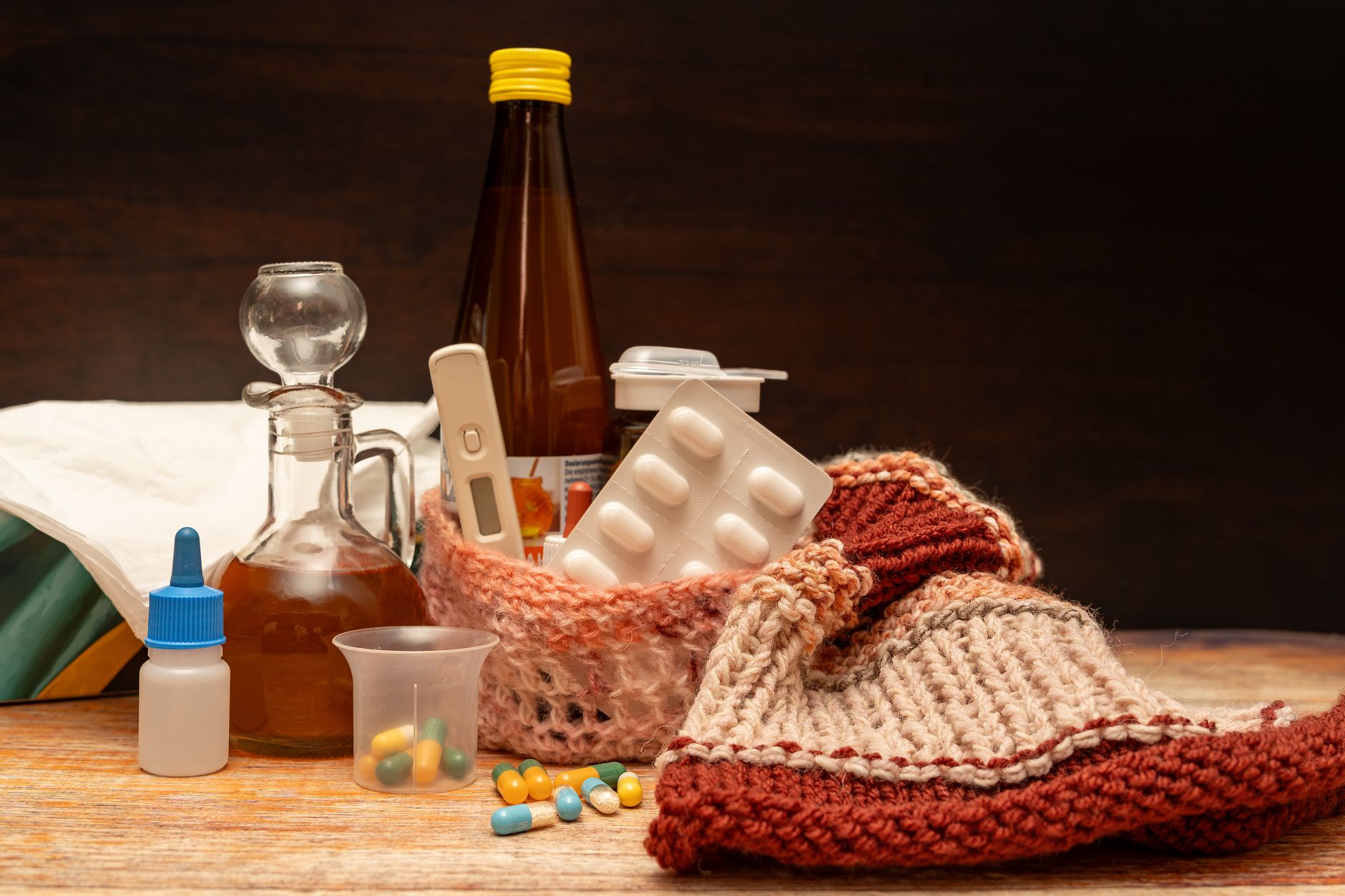
Natural Remedies for Kids’ Cough and Cold This Florida Winter (What We Actually Use)
This post contains affiliate links. I may earn a small commission at no extra cost to you.
You know how it goes. It’s January in Pensacola, it’s 68 degrees and gorgeous one day, then 42 and drizzly the next, and somehow that is exactly when somebody in the house starts with the sniffles. We’re not talking blizzard weather. But Florida winters are sneaky. The temperature swings, the dry indoor air from running the heat for two weeks out of the year, kids playing outside in wet grass — it all adds up.
And when you’re a homeschool mama who’s made a real effort to clean up your home and your medicine cabinet, you don’t just want to grab the bright red syrup off the shelf anymore. I’ve been down that road of reading ingredient labels and feeling like I needed a chemistry degree, and no thank you.
So over the years, I’ve put together a little rhythm of what we actually do when coughs and colds roll through our house — things that are simple, real, and genuinely help. This isn’t a substitute for your pediatrician (always call your doctor if something seems serious), but these are the natural remedies that live in our pantry and actually get used.
First: Florida Winter Colds Are a Real Thing (Even if Northerners Laugh at Us)
I know. I know. We complain about being cold when it’s 55 degrees and our neighbors up north are shoveling snow. But the truth is, our kids’ immune systems still have to navigate seasonal changes, shared germs, and the weird humidity fluctuations that come with Gulf Coast winters.
Our kids spend a lot of time outside — that’s kind of the whole point of how we school. They’re in the garden, checking on the chickens, catching bugs, climbing things. Outdoor kids are healthy kids, mostly. But they’re also outside in the wet and the wind, and sometimes a bug finds its way in.
When it does, here’s what we reach for.
What We Keep On Hand All Winter
Raw Honey
This is our number one. Raw local honey — and if you can find it from a Florida beekeeper, even better — is genuinely one of the most well-researched natural remedies for kids’ coughs. Studies actually back this one up. A small spoonful before bed can calm a nighttime cough better than some OTC products, and kids actually want to take it.
We do honey in warm water with a squeeze of lemon, honey stirred into chamomile tea, or just straight off the spoon. Note: Never give honey to babies under 12 months.
Bone Broth
This one sounds old-fashioned because it is — and it works. When someone is under the weather, a warm mug of homemade bone broth is the first thing I make. It’s nourishing, easy to get down even when nobody feels like eating, and it’s genuinely supportive for the immune system. If you haven’t started making your own yet, I wrote a whole post about it: Making Bone Broth at Home: Why Our Family Does It and the Easiest Recipe You’ll Ever Try.
We use broth from our own chickens when we have it. Knowing exactly where that food came from and what went into it is a whole different feeling.
Elderberry Syrup (Homemade or Store-Bought)
Elderberry has become pretty trendy, but it’s been used for centuries for good reason. We make our own during cold season — it’s easier than it sounds and way cheaper. The kids take it daily as a preventive and we increase the dose if someone actually gets sick. Look for a recipe that includes raw honey, cloves, ginger, and cinnamon for extra immune support.
Ginger and Turmeric
Fresh ginger tea with honey is soothing for sore throats and helps with congestion. I’ll also add fresh ginger to broth or make a simple golden milk with turmeric, ginger, and coconut milk for the kids before bed. My youngest calls it “yellow milk” and asks for it even when he’s healthy, so that’s a win.
Steam and Humidity
Florida humidity is legendary in summer, but once we’re running heat in January, the air inside gets dry fast. A cool-mist humidifier in the bedroom makes a real difference for nighttime congestion and coughs. We also do old-fashioned steam — sit in a warm bathroom with the shower running for a few minutes, sometimes with a few drops of eucalyptus oil on a washcloth near (not in) the water.
Non-Toxic Products We Actually Trust
Sometimes you need something beyond the pantry, and that’s okay. Here’s what we reach for when we want a little extra support without the artificial stuff.
Wondercide is our go-to for so many things around the house and yard, and they have wellness products I trust for the same reason — they’re transparent about ingredients. You can browse their line at Wondercide.
For cleaning products that don’t add to our indoor air problem when someone is already congested and struggling to breathe, we order through Grove Collaborative. Real ingredients, nothing sketchy, and they deliver — which is great when you don’t want to drag a sick kid to the store.
Rest, Slowness, and the 1990s Approach
Here’s something I really believe: we have way over-complicated sick days.
When I was a kid, being sick meant you stayed home, you watched a little daytime TV (the low-bar kind), you ate soup, and you slept. Nobody was trying to push through. Nobody was optimizing. You just rested.
That’s still the best medicine, honestly. When someone is sick in our house, we slow everything down. School pauses. We read aloud more, do quiet puzzles, maybe watch something simple together. Our daily rhythm shifts to accommodate rest, and that matters.
If you’re thinking about how rhythm and routine play into family health and homeschool life, I wrote about that here: Family Rhythm vs. Routine: What Actually Works for Real Homeschool Life.
What About Herbal Support?
A few herbal allies we’ve added over the years:
- Mullein leaf tea — wonderful for chest congestion and coughs. You can find dried mullein at most health food stores.
- Echinacea — we use this at the first sign of illness, not throughout. Short-term use seems to be where it shines.
- Thyme tea with honey — thyme is genuinely antimicrobial and has been studied specifically for coughs. It tastes fine with honey.
- Garlic — I know, I know. But a tiny bit of raw garlic in broth or on food when someone is sick is something our grandmothers knew and modern research is starting to validate.
We also love spending time in our Florida yard and garden even in winter — fresh air still matters. And interestingly, nature study walks are a gentle way to keep kids from being totally stir-crazy during a mild sick day. Something about watching the chickens or spotting birds in the yard feels restorative for everybody.
If you love connecting nature to your homeschool days (even sick days), a nature journal and some Faber-Castell watercolors for gentle, quiet nature drawing from the window can be a sweet way to spend a slow day without screens.
A Note on When to Call the Doctor
All of this assumes we’re dealing with a run-of-the-mill cold or cough — the kind that comes, lingers for a week, and passes. If your child has a high fever that’s not coming down, trouble breathing, seems to be getting significantly worse after a few days, or anything feels off to your gut as a mama — call your pediatrician. Always. Natural remedies are supportive, not a replacement for medical care when it’s genuinely needed.
Keeping Immunity Strong Year-Round
The best cold remedy is the one you never need. We’ve found that kids who spend real time outside, eat whole foods, get enough sleep, and aren’t over-scheduled tend to get sick less often and bounce back faster.
Things that have made a real difference for us beyond the sick-day remedies:
- Consistent outdoor time, even in Florida’s chilly weeks
- Whole food diet with minimal processed food (meal planning on a whole food budget has helped us make this sustainable)
- Limiting sugar, especially during cold season
- Fresh air and unstructured outside time every single day
That’s the 1990s childhood approach, and it still holds up.
I hope this gives you some real, practical options to reach for this winter — without the overwhelm or the mystery ingredients. You don’t need a fully stocked apothecary to take good care of your family. Just some honest staples, a slow-down mentality, and the confidence that you know your kids best.
Here’s to a healthy, low-key Florida winter, y’all. 🍋
📖 You Might Also Like:
- Making Bone Broth at Home: Why Our Family Does It and the Easiest Recipe You’ll Ever Try
- Family Rhythm vs. Routine: What Actually Works for Real Homeschool Life
- Florida Food Forest Beginner Guide: What to Plant (And How to Actually Make It Work Down Here)
Frequently Asked Questions
What natural remedies actually help kids’ coughs?
Raw local honey is one of the most research-backed natural options for children’s coughs — a small spoonful before bed can calm nighttime coughing effectively. Other supportive remedies include thyme tea with honey, steam inhalation, mullein leaf tea for chest congestion, and homemade bone broth for overall immune support. Always make sure your child is getting plenty of rest and fluids, and consult your pediatrician if symptoms worsen or a high fever develops.
Can I give honey to my toddler for a cough?
Honey is safe and effective for children over 12 months old, but should never be given to babies under one year due to the risk of infant botulism. For kids over one, a half to one teaspoon of raw honey — especially local raw honey — before bedtime can help soothe a cough naturally.
Do kids in Florida still get colds in winter?
Yes! Even though Florida winters are mild compared to northern states, the temperature swings — especially in Northwest Florida — combined with dry indoor air from heating systems and close contact with other kids can absolutely lead to colds and coughs. Florida kids are not immune to winter bugs just because it doesn’t snow.
Is elderberry syrup safe for kids?
Elderberry syrup is generally considered safe for children when properly prepared (raw elderberries must be cooked) and used in age-appropriate amounts. Many families use it both as a daily preventive during cold season and at higher doses at the first sign of illness. Check with your child’s pediatrician if you have specific health concerns, and avoid giving it to very young infants without guidance.
What can I do to help prevent colds in my kids naturally?
The best natural prevention is a lifestyle approach: daily outdoor time in fresh air, a whole-food diet low in sugar, adequate sleep, and minimizing unnecessary stress and over-scheduling. Immune-supportive foods like garlic, ginger, turmeric, and fermented foods all contribute to resilience over time. Daily elderberry syrup, vitamin D (especially in winter when kids are indoors more), and reducing exposure to toxic cleaning chemicals in the home can also make a meaningful difference.
Leave a Reply