Blog

  • Natural Remedies for Kids’ Common Colds: What Actually Works (From a Real Mama Who’s Tried It All)

    Natural Remedies for Kids’ Common Colds: What Actually Works (From a Real Mama Who’s Tried It All)

    Natural Remedies for Kids’ Common Colds: What Actually Works (From a Real Mama Who’s Tried It All)

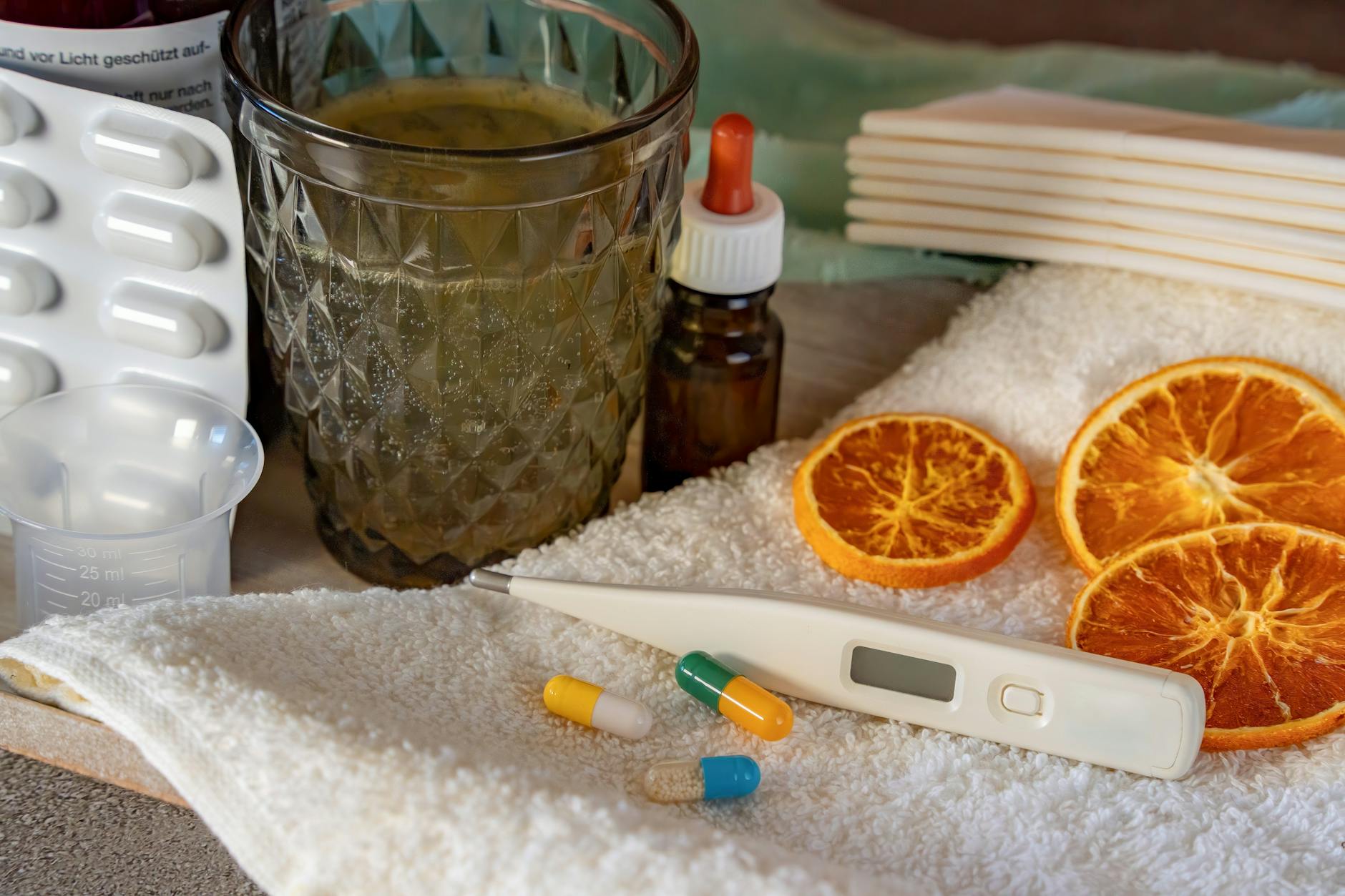
    🌿 The Short Version: When the sniffles hit our house, we skip the drugstore aisle and reach for simple, time-tested natural remedies that actually support the body through a cold — not just mask the symptoms. This post covers what we genuinely use, what works for our kids, and a few things that sound good but didn’t move the needle for us.

    This post contains affiliate links. I may earn a small commission at no extra cost to you.

    Every fall — and honestly, every time the Florida weather decides to do that thing where it drops twenty degrees overnight and then shoots back up to eighty — somebody in our house ends up with a runny nose. Homeschooling means we’re together all day, which is a beautiful thing right up until one kid sneezes on the nature journal and by Thursday everyone is stuffy and cranky.

    I grew up in a house where the answer to a cold was orange juice, chicken soup, and rest. No urgent care visit. No cabinet full of syrups with ingredient lists that require a chemistry degree. Just basic, boring, effective care. That’s still my philosophy now, and over the years I’ve layered in a few things that have made a real difference for our family.

    Here’s what we actually do when a cold comes through.


    First, a Mindset Shift: The Cold Is Doing Its Job

    I know it’s hard when your kid is miserable. But a cold is the immune system working — not failing. Our goal isn’t to stop every symptom. It’s to support the body, keep kids comfortable, and not accidentally slow down the healing process with stuff that suppresses rather than supports.

    That shift alone changed how I approach sick days. Less panic, more soup.


    What Actually Works in Our House

    Raw Honey — The Real MVP

    If I had to keep only one thing in the cabinet for colds, it would be raw local honey. The research on honey for cough and throat irritation in kids is genuinely solid — it outperforms most OTC cough syrups in studies, and it tastes like something kids will actually take without a battle.

    We do a spoonful on its own, or stir it into warm water with a squeeze of lemon. Just remember — no honey for babies under one year old.

    Finding local raw honey here in Northwest Florida is easy. Check your farmers market or a local farm stand. That local pollen exposure is a bonus for seasonal allergy support too.

    Homemade Chicken Broth (Yes, From Our Chickens)

    This one’s personal. When our girls are laying well and we have a good supply, I keep homemade broth in the freezer specifically for sick days. There’s actual science behind why chicken soup works — it has anti-inflammatory properties, helps with congestion, and keeps sick kids hydrated when they don’t want to eat much.

    If you have your own backyard flock, you already know there’s something deeply satisfying about feeding your family from your own yard. If you’re just getting started with chickens, the Backyard Chicken Starter Guide: Everything a Complete Beginner Actually Needs to Know is the best place to begin.

    No homegrown broth? Store-bought bone broth works too. Just read the label and skip anything with a lot of additives.

    Steam and a Warm Compress

    This is pure 1990s-mama magic and I will never give it up. A steamy bathroom (just run the shower hot, no need to get in), a warm damp cloth on the sinuses, and sitting quietly for ten minutes does more for congestion than most things I’ve tried. We often pair this with a few drops of eucalyptus on the shower floor — not on the kids’ skin, just in the steam.

    For little ones who won’t sit still for steam, a stainless steel water bottle filled with warm (not hot) water held against the cheeks or forehead can be soothing while they rest.

    Elderberry — With Caveats

    Elderberry syrup is everywhere in natural parenting circles, and honestly, we do use it — but as a preventive during cold season more than a treatment once symptoms hit. The research is encouraging but still developing, and some practitioners advise caution about using it once you’re already sick (there’s some theoretical concern about overstimulating the immune response). We take a small daily dose from October through March and call it good.

    You can make it at home or buy it — just look for one without a lot of added junk.

    Garlic

    Old-school and real. Garlic has antimicrobial properties and it’s been used for centuries for good reason. I add extra to everything when someone’s sick — soups, broths, roasted vegetables. Getting it into food is the easiest way with kids who might balk at it straight.

    Some families do raw garlic in honey (called oxymel). We’ve tried it. My kids tolerate it. Your results may vary.

    Saline Rinse for Congestion

    For older kids, a simple saline nasal rinse or spray works wonders for flushing out congestion and keeping the nasal passages moist. Nothing fancy — just saline. We keep a bottle in the bathroom and use it at the first sign of stuffiness.

    Vitamin D and Getting Outside

    Here’s something Florida families actually have going for us — sunshine in January. On mild sick days when a kid has a low-grade cold but otherwise feels okay, I send them outside. Sunshine, fresh air, light movement. Not running around like crazy, but sitting on the back porch watching the chickens scratch around, or doing a quiet nature observation.

    We keep a nature journal on the porch table, and sick days often turn into slow observation days — watching birds, drawing what they see, noticing things they usually zip past. It’s gentle, it’s peaceful, and it keeps the Charlotte Mason spirit alive even when we’re not doing formal lessons.

    Our Sibley Birds guide lives out there too. Sick-day bird watching from a porch chair is genuinely restorative.


    What We Keep Non-Toxic Even When Kids Are Sick

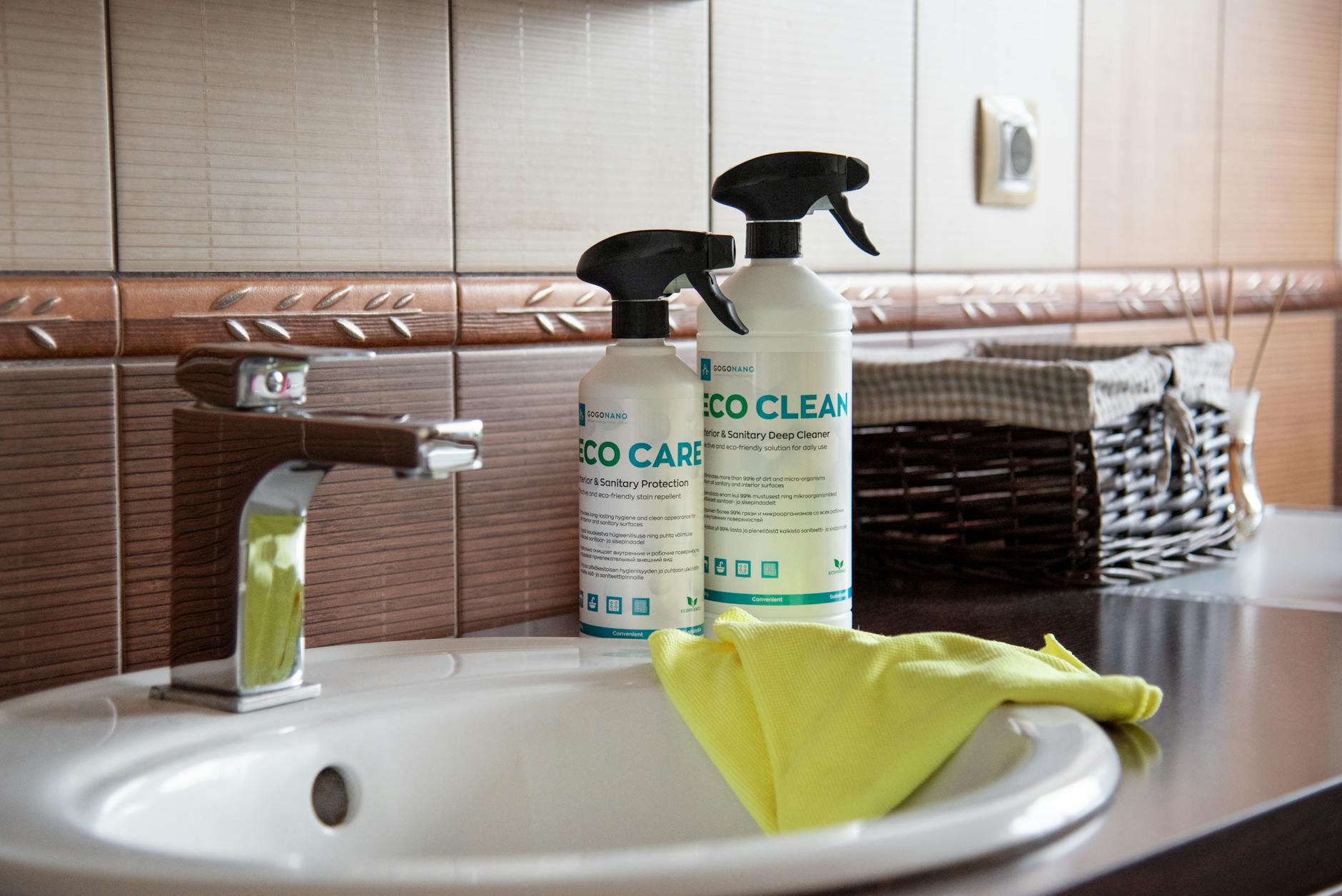
    It’s worth saying — sick days aren’t a reason to throw out your non-toxic principles. We keep our cleaning products the same (if anything, I clean more and use Grove Collaborative for refills on our go-to non-toxic sprays). We’re not sanitizing with harsh chemicals around sick kids whose immune systems are already working hard.

    If you’re thinking about reducing the toxic load in your home in general, How to Detox Your Home Room by Room: A Real Family’s Checklist is a great starting point.


    What Didn’t Work as Well as We Hoped

    In the spirit of keeping it real — a few things I’ve tried that didn’t make a big difference for our kids:

    • Essential oil diffuser blends marketed for immunity: Some are lovely for ambiance, but I haven’t noticed a real difference in cold duration.
    • High-dose vitamin C supplements: We do include vitamin C-rich foods, but the megadose supplement approach didn’t seem to shorten anything for us.
    • Herbal teas for young kids: Older kids love them; my youngest thinks they taste like lawn clippings and refuses. Pick your battles.

    The Most Important Thing: Rest and No Rush

    We are a homeschool family. We have the gift of flexibility. When someone is sick, we stop. We read aloud from the couch. We watch something calm and educational if needed. We sleep in. We don’t push through a full school day with a sick kid because we’re worried about falling behind — that’s one of the real blessings of this life.

    The body heals fastest when it isn’t fighting for energy in ten directions. Give kids permission to truly rest, and they bounce back faster. Every single time.


    Sick days used to stress me out. Now they feel like a reset — a slower day, extra snuggles, a pot of broth on the stove, the sound of the chickens outside the window. It’s not fun when your kids feel bad, but there’s something grounding about knowing you have a simple, non-toxic toolkit that actually works and doesn’t require a pharmacy run at 10 p.m.

    I hope something here helps your family get through cold season a little easier. Take care of those babies — and yourself. You’re doing great.


    📖 You Might Also Like:

    Frequently Asked Questions

    What natural remedies actually help kids get over a cold faster?

    The most evidence-backed natural remedies for kids’ colds include raw honey for cough and throat irritation, chicken broth for hydration and inflammation support, saline nasal rinses for congestion, adequate rest, and extra fluids. There’s no magic cure, but these approaches genuinely support the body’s healing process rather than just masking symptoms.

    Is elderberry safe to give kids when they have a cold?

    Elderberry is generally considered safe for kids in normal doses, but some practitioners suggest using it more as a preventive during cold season rather than a treatment once symptoms are present. This is due to theoretical concerns about overstimulating the immune response. As always, check with your child’s doctor, especially for young children or kids with immune conditions.

    Can I give my toddler honey for a cough?

    Raw honey is a safe and effective natural cough remedy for children over one year old. It should never be given to babies under 12 months due to the risk of infant botulism. For kids over one, a small spoonful of raw local honey — on its own or stirred into warm water with lemon — can be very soothing for cough and sore throat.

    When should I take my child to the doctor for a cold?

    Most common colds resolve on their own in 7-10 days with supportive care. See a doctor if your child has a fever over 104°F, difficulty breathing, symptoms that significantly worsen after day 5, ear pain, or if they are very young (under 3 months, see a doctor at the first sign of illness). Trust your gut — you know your child, and it’s always okay to call your pediatrician with questions.

    How do I keep the rest of the family from getting sick when one kid has a cold?

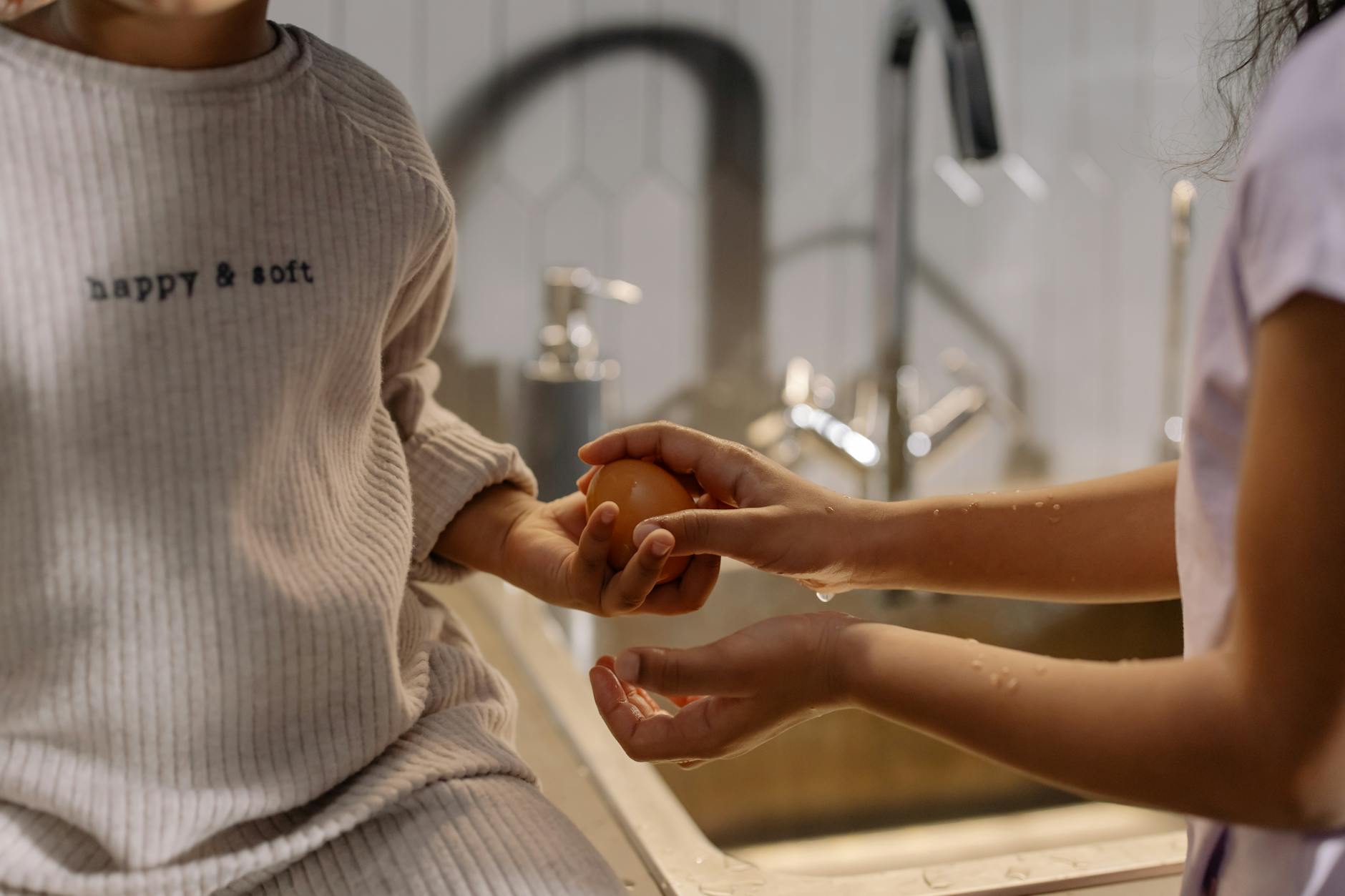
    Frequent handwashing is the single most effective step. Avoid sharing cups, towels, or utensils. Wash bedding and commonly touched surfaces with non-toxic cleaners. Keep the sick child resting and comfortable rather than running around the house spreading germs. Some families also use preventive elderberry or vitamin D supplementation during cold season to support overall immune health.
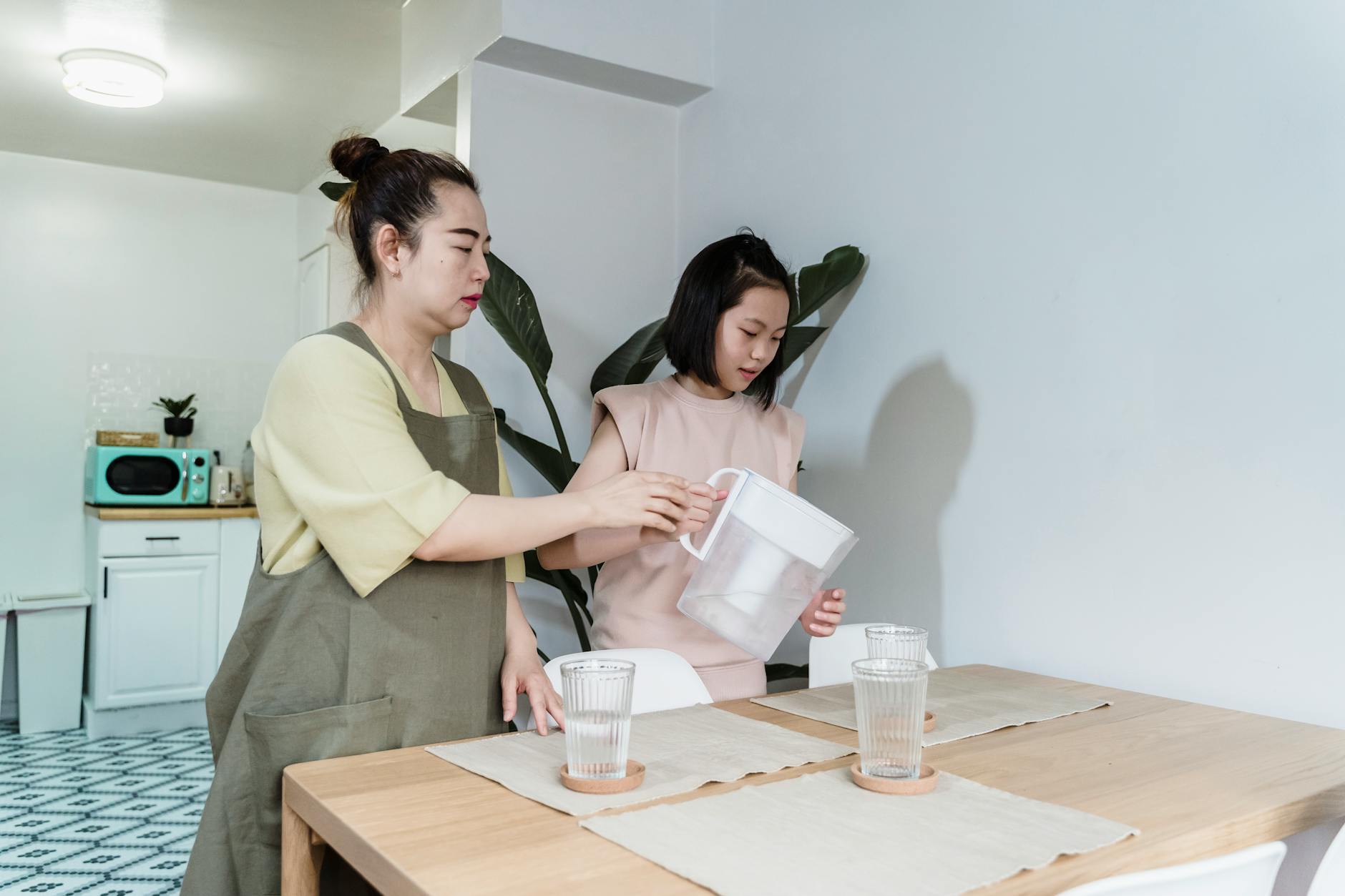

  • Best Water Filter for a Family Home in Florida (What We Actually Use and Why)

    Best Water Filter for a Family Home in Florida (What We Actually Use and Why)

    Best Water Filter for a Family Home in Florida (What We Actually Use and Why)

    🌿 The Short Version: Florida tap water has some real challenges — hard water, chlorine, and agricultural runoff among them — and not every filter handles all of it. This post walks you through what the different filter types actually do, what Florida families specifically need to look for, and what we personally use in our home.

    This post contains affiliate links. I may earn a small commission at no extra cost to you.

    If you’ve lived in Florida longer than a hot minute, you already know our water is… a situation. It smells like chlorine, it leaves white crusty buildup on every faucet, and if you’ve ever had your water tested, the results can make you want to take a long nap and then never drink tap water again.

    When we started getting serious about cleaning up our home — you can read the whole story in How to Detox Your Home Room by Room: A Real Family’s Checklist — water was one of the first places I landed. Because we’re drinking it, cooking with it, bathing in it, and washing everything with it. My kids are drinking it all day long. The dog is drinking it. Honestly, even the chickens get filtered water at this point.

    So let me share what I’ve learned after a lot of research and a few trial-and-error purchases.


    Why Florida Water Is a Whole Different Problem

    This isn’t a “well just get a Brita” situation. Florida water pulls from the Floridan Aquifer, which is naturally high in limestone. That means hard water is just the baseline here. On top of that, municipal water in most areas of Northwest Florida is treated with chlorine or chloramine, and depending on where you live, you may also be dealing with:

    • Fluoride (added by most municipalities)
    • Agricultural runoff (especially nitrates in some areas)
    • Disinfection byproducts like trihalomethanes (THMs)
    • Lead from older pipes in certain neighborhoods
    • Sulfur if you’re on well water (that rotten egg smell — we’ve all experienced it)

    This is why the filter type genuinely matters. A basic pitcher filter handles some things. It does not handle everything. And if you’re trying to run a non-toxic home, knowing what you’re actually filtering is the whole game.


    The Main Types of Water Filters (and What They Actually Do)

    Pitcher Filters (Like Brita or ZeroWater)

    Pitcher filters are the most accessible starting point. ZeroWater, in particular, actually does reduce a wider range of contaminants than standard Brita, including some heavy metals. But the filter replacements get expensive fast, and you’re limited to filtered drinking water only — your shower, your cooking water, your chicken waterer, none of that gets filtered.

    Good for: Renters, tight budgets, or a quick start while you figure out the bigger picture.

    Not great for: Whole-home coverage or heavy Florida water issues.

    Under-Sink Filters

    This is where a lot of intentional families land first. You get clean water straight from your kitchen tap, which covers drinking and cooking. A good under-sink reverse osmosis (RO) system removes chlorine, chloramine, fluoride, nitrates, heavy metals, and most disinfection byproducts. That’s a serious upgrade.

    The trade-off is that RO systems waste some water during filtration, and the water can taste a little flat because it also removes minerals. Some families add a remineralization stage to put beneficial minerals back in.

    Good for: Clean drinking and cooking water for the whole family without breaking the bank on a whole-home system.

    Whole-House Filters

    This is the gold standard if you can swing it. A whole-house system filters every drop of water that comes into your home — showers, laundry, dishes, the dog bowl, everything. For Florida families dealing with chlorine, hard water scale, and skin issues, a whole-house filter can genuinely be life-changing. We noticed a real difference in our kids’ skin and hair after making this switch.

    Most whole-house setups use a multi-stage approach: a sediment pre-filter, a carbon block or KDF filter for chlorine and chemicals, and sometimes a water softener or descaler for hardness.

    Good for: Comprehensive coverage, especially if you have well water, hard water damage, or skin sensitivities.

    Countertop and Gravity Filters (like Berkey)

    Berkey filters have a loyal following in the non-toxic home community for good reason. They don’t require installation, they filter a wide range of contaminants including fluoride (with the add-on filters), and they’re not dependent on water pressure. They’re big and they sit on your counter, but they work really well. If you’re a renter or just not ready for a whole-house system, a gravity filter is a solid middle ground.


    What We Actually Use in Our Home

    We run a two-part system: a whole-house carbon filter to handle the chlorine and sediment coming into the house, plus an under-sink reverse osmosis unit at the kitchen sink for our drinking and cooking water. That combination handles the widest range of issues for our specific situation here in Northwest Florida.

    For our cleaning products and laundry, removing the chlorine from the source water has made a real difference — we use fewer products overall, and the Grove Collaborative concentrates we love actually go further with cleaner water. If you want to see our full cleaning product lineup, I wrote about it in Best Non-Toxic Cleaning Products for Families in 2026 (What We Actually Use).

    And yes, the chickens get the filtered water too. I run a line from our filtered kitchen tap to fill their chicken waterer — chlorinated water can affect gut bacteria in chickens just like it can in us, so it was an easy call.


    What to Look for When Shopping

    Check NSF Certifications

    This is the most important thing most people skip. NSF/ANSI certifications tell you what a filter has actually been tested to remove. Look for:

    • NSF 42 — aesthetic issues like chlorine and odor
    • NSF 53 — health contaminants like lead and VOCs
    • NSF 58 — reverse osmosis systems
    • NSF 401 — emerging contaminants like pharmaceuticals

    A filter can claim a lot on the box. The NSF certification is what actually backs it up.

    Get Your Water Tested First

    Before you spend money, know what you’re dealing with. Your county utility should publish an annual water quality report (Consumer Confidence Report) online. If you’re on well water, you’ll want to actually test your water — you can order a kit or contact your county extension office. Knowing your specific contaminants helps you choose the right filter rather than just the most expensive one.

    Think About Your Whole Home

    If you’re only filtering your drinking water, your kids are still absorbing chlorine through their skin every bath and shower. That’s worth thinking about, especially for little ones with sensitive skin. We use Wondercide for pest control and non-toxic sunscreen when we’re outside — we try to reduce the overall chemical load wherever we can, and shower water is part of that picture.

    For more on reducing the overall toxic load in your home, our post on Natural Ways to Keep Ants Out of Your House in Florida covers a similar approach — looking at the whole picture instead of one product at a time.


    A Quick Budget Breakdown

    | Option | Upfront Cost | Ongoing Cost | Coverage |

    |—|—|—|—|

    | Pitcher Filter | $30–$60 | $50–$100/yr | Drinking only |

    | Countertop/Gravity | $300–$450 | $50–$100/yr | Drinking only |

    | Under-Sink RO | $150–$400 | $50–$100/yr | Drinking + cooking |

    | Whole-House System | $500–$2,000+ | $100–$200/yr | Everything |

    You don’t have to do everything at once. We started with an under-sink filter and added the whole-house system a couple of years later when we could budget for it. Start somewhere. Clean water for drinking is a meaningful first step.


    The Bottom Line

    Florida water needs a real filter — not a maybe, not eventually. Between the hardness, the chlorine, and the other stuff that shows up in our water supply down here, this is one of those home investments that quietly does a lot of good every single day. Whether you start with a countertop gravity filter or go straight to a whole-house system, you’ll notice the difference, and so will your family.

    We talk a lot around here about raising kids the way we were raised — more outside, less stuff, real food, clean environment. Good water is just part of that foundation. It’s not glamorous, but neither was the 1990s childhood we’re chasing, and that turned out pretty great.

    Fill up those stainless steel water bottles, send the kids outside, and rest a little easier knowing what’s coming out of your tap. You’ve got this.


    📖 You Might Also Like:

    Frequently Asked Questions

    What is the best water filter for Florida tap water?

    For most Florida families, a reverse osmosis under-sink filter handles the widest range of contaminants including chlorine, fluoride, nitrates, and heavy metals. If budget allows, pairing it with a whole-house carbon filter gives you cleaner water from every tap in your home. Look for NSF 53 and NSF 58 certifications when you’re shopping.

    Does Florida tap water need to be filtered?

    Florida municipal water is treated and technically safe to drink by EPA standards, but it often contains chlorine or chloramine, fluoride, disinfection byproducts like trihalomethanes, and mineral hardness from the Floridan Aquifer. Many families choose to filter for taste, health, and reducing the overall chemical load in their home — especially households with young children.

    Is a Berkey water filter good for Florida water?

    Yes, Berkey gravity filters are a solid option for Florida families, especially renters or those not ready for an installed system. With the fluoride add-on filters (PF-2), they address a wide range of contaminants. The main limitation is that they only filter the water you pour through them — your shower and laundry water won’t be covered.

    Should I get a whole-house water filter or an under-sink filter?

    Both are good — it depends on your budget and priorities. An under-sink reverse osmosis system gives you the cleanest possible drinking and cooking water. A whole-house filter covers chlorine and sediment for your showers, laundry, and dishes too. Many Florida families do both: a whole-house carbon filter as the first stage and an RO unit at the kitchen sink for drinking water.

    What water filter removes fluoride in Florida?

    Standard carbon filters do not remove fluoride. To remove fluoride, you need a reverse osmosis system (look for NSF 58 certification) or a gravity filter like Berkey with the PF-2 fluoride filter add-ons. Activated alumina filters also remove fluoride but are less commonly found in home systems.

  • Best Non-Toxic Cookware: What We Actually Use in Our Florida Kitchen

    Best Non-Toxic Cookware: What We Actually Use in Our Florida Kitchen

    Best Non-Toxic Cookware: What We Actually Use in Our Florida Kitchen

    🌿 The Short Version: After years of slowly replacing our kitchen, we’ve landed on cast iron, stainless steel, and enamel-coated cookware as our non-toxic go-tos — and I’m breaking down exactly what we use, why we trust it, and what we’d skip. If you’re ready to stop cooking on scratched Teflon, this is where to start.

    This post contains affiliate links. I may earn a small commission at no extra cost to you.

    If you’ve ever stood over a hot pan watching the coating flake off into your scrambled eggs and thought surely this isn’t fine — you’re not alone. That was me a few years back, stirring breakfast with a scratched-up nonstick skillet while my kids watched from the kitchen table. Something about it just didn’t sit right.

    We were already working through detoxing our home room by room when it hit me that the kitchen — where I literally cook the food that goes into my children’s bodies — was still full of questionable stuff. PFAS coatings, aluminum with no barrier, old nonstick pans that had seen better days. So I started researching, and then slowly, practically, we started replacing things.

    This isn’t a post about buying a whole new kitchen at once. That’s not real life. This is what we actually switched to, in what order, and why it’s working for our family.


    Why Non-Toxic Cookware Actually Matters

    Conventional nonstick cookware — especially older Teflon — is coated with PFAS chemicals (per- and polyfluoroalkyl substances), sometimes called “forever chemicals.” When pans are overheated or scratched, those chemicals can off-gas or leach into food. Studies have linked PFAS exposure to hormonal disruption, thyroid issues, and developmental problems in kids.

    For our family — where we’re already intentional about what cleaning products we use, what sunscreen goes on our kids, what pest control is safe around our chickens — it made sense to look just as hard at what we cook in.

    And here’s the thing: non-toxic cookware doesn’t have to be complicated or expensive. Most of what we use is genuinely affordable and lasts for decades.


    What We Actually Cook With

    Cast Iron — Our Most-Used Pan, Hands Down

    If I could only keep one piece of cookware, it would be cast iron. I use our Lodge cast iron skillet almost every single day — eggs from our backyard flock in the morning, cornbread at dinner, sautéed veggies, you name it. It heats evenly, it’s naturally nonstick when properly seasoned, and it will literally outlive me.

    The benefits go beyond just being non-toxic. Cast iron actually adds a small amount of dietary iron to food, which is a genuine plus. And there’s something really satisfying about using a pan that’s been around for generations — very on brand for the way we try to do things around here.

    What I tell people who are new to cast iron: Just use it. The learning curve is small. Don’t soak it, dry it promptly, rub it with a little oil after washing, and it’ll take care of you.

    We have a 10-inch skillet for everyday use, a 12-inch for bigger meals, and a small cast iron griddle the kids love for pancakes on school mornings.

    Stainless Steel — For Everything Else

    Stainless steel is my workhorse for soups, pasta, sauces, and anything that needs a bigger vessel. It’s completely inert, meaning nothing leaches into your food, and it’s incredibly durable. Look for 18/10 stainless if you can — that’s the grade with the most nickel content, which makes it more corrosion-resistant and less reactive.

    I know stainless gets a reputation for food sticking, but honestly, once you learn to let the pan fully preheat before adding oil, it’s really not a problem. There are tons of YouTube videos that walk you through the technique. It clicked for me pretty quickly.

    Enamel-Coated Cast Iron — For Slow Cooking and Braising

    We have one enameled Dutch oven that I reach for constantly — especially in the fall and winter when we’re making big pots of bean soup or chicken and rice. The enamel coating means no seasoning required, and it’s completely non-reactive, so you can cook acidic foods like tomatoes without any issue.

    These pieces are an investment, but they last forever. I bought mine secondhand and it’s been going strong for five years.


    What We Got Rid Of (And Why)

    Conventional Nonstick (Teflon-Style)

    This was the first thing to go. Once I started digging into PFAS research, I couldn’t un-read it. Even “PFOA-free” nonstick pans often still contain other fluoropolymer compounds that aren’t well-studied yet. We just decided it wasn’t worth it.

    Old Aluminum Pans

    We had a couple of thin aluminum pots that I used for boiling things. Uncoated aluminum can leach into food, especially with acidic ingredients. They went in the donate pile.

    Scratched Anything

    Honestly, if it’s scratched, the coating — whatever it is — is compromised. We got rid of anything that was visibly worn down.


    A Note on “Ceramic” Nonstick

    I get asked about ceramic nonstick pans a lot. They are a step up from traditional Teflon — they don’t contain PFAS coatings — but I’ve personally found them to lose their nonstick quality pretty quickly. After six months to a year, most ceramic nonstick pans are sticking just as badly as the scratched Teflon they replaced.

    If you’re in a season of life where cast iron feels like too much to manage (I’ve been there — newborn stage, I see you), a ceramic nonstick pan is a reasonable bridge. Just know it’s not forever cookware the way cast iron and stainless are.


    How We’re Teaching the Kids Through All of This

    One thing I love about our Charlotte Mason approach is that everything in daily life can become a learning moment — and the kitchen is no exception. My older kids know why we don’t use certain pans, in an age-appropriate way. They understand that some things that look fine on the outside aren’t actually safe, and that it’s worth slowing down to ask questions.

    It ties right into the kind of thinking we want them to develop — curious, observant, willing to look a little deeper. The same instinct that drives them to look more closely at a bug with their pocket microscope on a nature walk is the same one that eventually helps them make good choices about what goes into their bodies.

    My kids also love cooking with me, and cast iron especially is something they can feel the weight and substance of. It’s real, it’s tangible, and it connects to the idea that good things are built to last.


    Practical Tips for Making the Switch

    • Don’t try to replace everything at once. Start with whatever you use most. For most families, that’s a skillet.
    • Buy secondhand when you can. Cast iron and stainless steel are both incredible finds at thrift stores and estate sales. Cast iron especially cleans up beautifully.
    • Learn the techniques. Non-toxic cookware does require slightly different cooking habits than nonstick. A little YouTube time is worth it.
    • Use the right tools. Wooden spoons and silicone spatulas are gentler on every surface and don’t scratch.

    We also switched over our food storage while we were at it — swapping plastic wrap for beeswax wrap and making sure our kids are using stainless steel water bottles instead of plastic ones. The kitchen transition becomes a whole thing once you start, but in a good way.


    The Bottom Line

    You don’t need a fancy kitchen overhaul to cook non-toxically. A well-seasoned cast iron skillet, a solid stainless steel pot, and an enamel Dutch oven will take you through almost everything. These are tools your kids will inherit someday, which is about as far from disposable culture as you can get — and that feels really right for the way we’re trying to live.

    We cook our backyard eggs in cast iron. We make bone broth in stainless. We simmer big pots of soup in enamel. Simple, real, and genuinely safe. That’s the goal.

    If you’re just starting to look at this stuff, don’t get overwhelmed. Pick one pan to replace. Start there. You’ve got this.


    📖 You Might Also Like:

    Frequently Asked Questions

    What is the safest non-toxic cookware for everyday family cooking?

    Cast iron, stainless steel, and enamel-coated cast iron are widely considered the safest options for everyday cooking. They don’t contain PFAS coatings, they’re durable, and they don’t leach harmful chemicals into food under normal cooking conditions.

    Is ceramic nonstick cookware actually non-toxic?

    Ceramic nonstick pans are generally free from PFAS coatings, which makes them safer than traditional Teflon-style nonstick. However, the ceramic coating tends to degrade relatively quickly with regular use, and many people find they need to be replaced within a year or two. They can be a good transitional option but aren’t as durable or long-lasting as cast iron or stainless steel.

    Does cast iron really leach iron into food — and is that safe?

    Yes, cast iron does transfer small amounts of dietary iron into food, and for most people this is actually a benefit rather than a concern. It’s particularly helpful for anyone who runs low on iron. The amount transferred is generally considered safe and even nutritionally useful for families eating a balanced diet.

    How do I season and care for a cast iron skillet?

    After washing cast iron with mild soap and warm water, dry it thoroughly — either with a towel immediately or briefly over low heat on the stove. While still warm, rub a very thin layer of oil (flaxseed, vegetable, or shortening all work) over the entire surface with a paper towel. Store it in a dry place. The more you cook with it — especially with fats — the better the seasoning becomes over time.

    What cookware should I avoid if I’m trying to reduce toxins in my kitchen?

    The main things to avoid are scratched or degraded nonstick pans coated with PFAS (including older Teflon and some newer ‘PFOA-free’ formulas), uncoated aluminum pots especially for acidic foods, and heavily worn or chipped enamel. When in doubt, if a coating is visibly compromised, it’s time to replace the pan.

  • Natural Ways to Keep Ants Out of Your House in Florida (What Actually Works for Our Family)

    Natural Ways to Keep Ants Out of Your House in Florida (What Actually Works for Our Family)

    Natural Ways to Keep Ants Out of Your House in Florida (What Actually Works for Our Family)

    🌿 The Short Version: Florida ants are relentless, but you don’t need toxic sprays to fight back. This post covers the natural, non-toxic methods our family actually uses — from barrier ingredients to coop-safe outdoor treatments — that keep ants out without chemicals we don’t want around our kids or animals.

    This post contains affiliate links. I may earn a small commission at no extra cost to you.

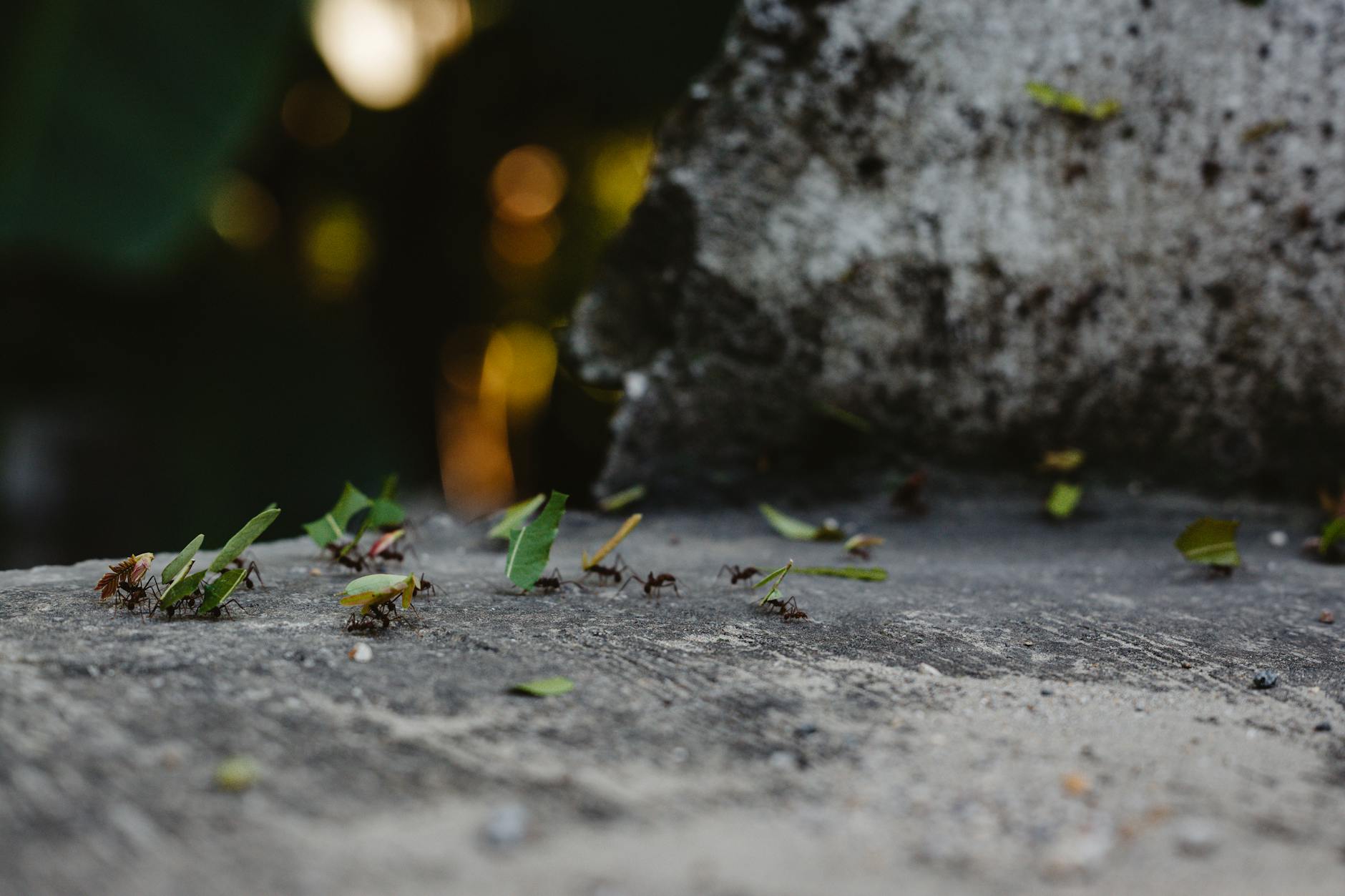
    If you live in Florida, you already know. You set a single crumb on the counter and within twenty minutes there’s a whole ant highway running across your kitchen. It doesn’t matter how clean your house is. It doesn’t matter what season it is. Down here in Northwest Florida, ants are just… a fact of life. Especially in summer when the rain drives them inside looking for dry ground.

    For a long time I just dealt with it — or I’d grab whatever was under the sink and spray, not really thinking about what was in it. Then I started paying more attention to what we were bringing into our home, and I realized I didn’t want to use harsh chemical pesticides around my kids, our mini labradoodle, or especially our backyard chickens who free range near the house. So I started researching and testing. Some things flopped. Some things actually worked.

    Here’s what we’ve landed on.


    Why Florida Ants Are Especially Stubborn

    We’re not dealing with one species here. Florida has fire ants, ghost ants, carpenter ants, Argentine ants, and the infamous crazy ants — and they all behave a little differently. Ghost ants are the tiny ones that swarm your kitchen counters. Fire ants build those sandy mounds in the yard that your kids inevitably step in barefoot. Carpenter ants go after wood (which is very much not what you want in a Florida home).

    The other thing working against us is our climate. The heat and humidity that Florida is famous for creates the perfect environment for ants to thrive year-round. After heavy rains — which we get plenty of from May through October — colonies move to higher, drier ground. That often means inside your walls or under your floors.

    All of that to say: this isn’t a one-and-done situation. It’s an ongoing habit of small, consistent actions. But they genuinely work.


    The Natural Methods We Actually Use

    Diatomaceous Earth — Our Biggest Win

    This is hands-down our most-used tool. Food-grade diatomaceous earth is a fine powder made from fossilized algae, and it works mechanically — not chemically. It damages the exoskeleton of insects so they dry out and die. It’s completely safe around kids, dogs, and importantly for us, our chickens. We actually use it in the coop too for pest control.

    We apply a thin line of it along baseboards, around door frames, under appliances, and anywhere we see ant trails starting. Outside, we dust it around the foundation of the house after dry weather. (It loses effectiveness when wet, so reapply after rain.)

    If you’re curious about how we use it in the chicken yard too, check out Non-Toxic Pest Control for Florida Homes: What’s Actually Safe for Kids, Chickens, and Pets — I go into a lot more detail there.

    Peppermint Oil and Other Essential Oil Barriers

    Ants navigate by scent trails. Disrupting those trails with strong smells throws them off. We mix about 15-20 drops of peppermint essential oil with water in a spray bottle and wipe down counters, window sills, and door thresholds regularly. It actually smells really good in the kitchen, which is a bonus.

    Other oils that work similarly: tea tree, clove, and cinnamon. I rotate them so the ants don’t adapt. Cinnamon powder itself sprinkled along entry points also acts as a physical deterrent — they won’t cross it.

    White Vinegar for Counters and Trails

    When I see an active trail, I spray undiluted white vinegar directly on it. This destroys the pheromone trail so other ants can’t follow. Then I wipe it clean. It smells strong for a minute but dissipates quickly and leaves no residue I’m worried about on food prep surfaces.

    For ongoing cleaning, we use Grove Collaborative products for our everyday counters — their concentrates are non-toxic and we’ve found the clean surfaces genuinely reduce ant interest in the kitchen.

    Wondercide for the Perimeter

    Wondercide is something I recommend to every Florida mama in our homeschool co-op. It’s a plant-based pest spray that’s safe to use around kids, pets, and chickens. We spray it around the foundation of our house, on the porch, and along the fence line every few weeks — especially heading into rainy season. It handles ants but also mosquitoes and other pests, which is a huge deal down here in Pensacola where the bugs come in waves.

    I actually wrote more about how we handle bugs outside in Natural Mosquito Repellent That’s Actually Safe for Kids in Florida if you want the full outdoor pest picture.

    Borax Bait for Serious Infestations

    Okay, this one requires a little more care because borax shouldn’t be left where toddlers or pets can get into it directly. But in the right spots — inside a bait station, tucked under the fridge or behind the stove — it’s incredibly effective and still far safer than commercial ant killers.

    The recipe is simple: mix 1/2 teaspoon of borax with 8 teaspoons of sugar and enough warm water to dissolve it. Soak a cotton ball and place it inside a small lidded container with tiny holes poked in the sides. Worker ants carry the bait back to the colony and it kills it from the inside out. This works especially well for ghost ants, which are the ones most likely to be all over your kitchen.

    Seal Everything — Seriously, Everything

    This sounds obvious but it made a huge difference for us. We went around the house with clear caulk and sealed every gap we could find around baseboards, pipe entry points, window frames, and door sweeps. Florida homes have a lot of tiny entry points because of how they’re built and how much the wood expands and contracts with our humidity.

    Pair that with keeping food in sealed containers (we use glass jars for pantry staples) and making sure the trash has a tight lid, and you remove a lot of the reason ants want to come inside in the first place.


    Keeping Ants Away From the Chicken Coop Area

    Fire ants are a real problem near chicken coops. They’ll get into feed, swarm chicks, and can actually harm young birds. We keep the area around our coop dry and clean, remove spilled feed promptly, and use diatomaceous earth around the perimeter of the run. We’ve had good luck with it.

    If you’re newer to keeping chickens and want the bigger picture on coop setup and keeping things healthy, our Backyard Chicken Starter Guide covers a lot of this.


    Making It a Learning Moment

    One thing I love about this whole natural pest control approach is that it turns into actual nature study. My kids are fascinated by ants — we’ve spent more than one morning watching a trail with a pocket microscope and sketching what we see in their nature journals. We’ve talked about why ants come inside after rain, how they communicate through pheromones, and why diatomaceous earth works the way it does.

    That’s the thing about living intentionally — even the annoying stuff, like a line of ants across your counter, becomes an opportunity to slow down and actually look. My kids now know more about ant biology than most adults, and we learned it in our kitchen while making breakfast.

    Very 1990s of us, honestly. No app required.


    A Few Quick Reminders

    • Reapply diatomaceous earth after every rain
    • Rotate your essential oils so ants don’t habituate
    • Borax bait is effective but keep it away from very young children and pets
    • Consistency matters more than any single product — make these habits, not one-time fixes
    • Address moisture issues inside and outside your home — ants follow water

    We’re not a pest-free house — this is Florida and that’s probably not realistic. But we’ve gone from full-on ant invasions to occasional scouts that don’t find anything worth reporting back about. And we’ve done it without a single can of chemical spray. That feels really good.

    If you’re just starting to move toward a less-toxic home and feel a little overwhelmed by where to start, my How to Detox Your Home Room by Room checklist is a great first step. Small changes add up faster than you’d think.

    You’ve got this, mama. Even with the ants.


    📖 You Might Also Like:

    Frequently Asked Questions

    What is the most effective natural way to keep ants out of the house in Florida?

    A combination approach works best in Florida’s climate. Food-grade diatomaceous earth applied along baseboards and entry points, peppermint oil sprays on surfaces, and Wondercide around the home’s exterior perimeter together form a strong, non-toxic barrier. Sealing entry points with caulk and keeping food in sealed containers removes the reason ants want to come inside in the first place.

    Is diatomaceous earth safe to use around kids and chickens?

    Yes — food-grade diatomaceous earth is considered safe around children, dogs, cats, and backyard chickens. It works mechanically rather than chemically, damaging insect exoskeletons without leaving toxic residue. Just avoid applying it in a way that creates a large dust cloud that could irritate lungs. A light, targeted application is all you need.

    Why are there so many ants in Florida homes after rain?

    Florida’s heavy rains — especially common from May through October — flood ant colonies in the ground, forcing them to relocate to higher, drier spaces. Your home’s foundation, walls, and kitchen are prime targets. This is why ant pressure increases noticeably after summer storms in Northwest Florida and throughout the state.

    Does peppermint oil actually repel ants?

    Yes, and fairly reliably. Ants navigate using pheromone scent trails, and strong essential oils like peppermint disrupt those trails and deter scouts from marking new paths. Spraying a diluted peppermint oil mixture along windowsills, countertops, and door thresholds is a genuinely effective deterrent, though it needs to be reapplied regularly — especially in Florida’s humidity.

    How do I get rid of fire ants in my yard naturally without harming my chickens?

    For fire ant mounds in the yard, diatomaceous earth dusted directly into and around the mound is a chicken-safe option. Boiling water poured directly into the mound is also effective and leaves no residue. Some families use beneficial nematodes applied to the lawn as a longer-term biological control. Avoid boric acid or chemical fire ant baits in areas where chickens free range.

  • How to Detox Your Home Room by Room: A Real Family’s Checklist

    How to Detox Your Home Room by Room: A Real Family’s Checklist

    How to Detox Your Home Room by Room: A Real Family’s Checklist

    🌿 The Short Version: Detoxing your home doesn’t have to happen all at once — this room-by-room checklist breaks it down into manageable swaps so you can reduce your family’s toxic load without losing your mind or your budget. Start where it matters most and go at your own pace.

    This post contains affiliate links. I may earn a small commission at no extra cost to you.

    I remember standing in the cleaning products aisle at Walmart about four years ago, completely overwhelmed. I’d just gone down a rabbit hole about endocrine disruptors and synthetic fragrance, and suddenly I was staring at every bottle under our sink like it was a crime scene. I didn’t know where to start. Throw it all out at once? Replace things one at a time? Just… pretend I didn’t read any of it?

    If that sounds familiar, this post is for you.

    We didn’t detox our home overnight. We did it room by room, swap by swap, over the course of about two years. And honestly? That’s the only way it actually sticks. This is the checklist I wish I’d had — practical, not perfect, and designed for a real family with kids who track in mud, chickens who occasionally wander where they shouldn’t, and a budget that doesn’t have room for buying everything new all at once.


    Why a Room-by-Room Approach Actually Works

    The all-or-nothing method is how people burn out and give up. When you try to replace your entire home in one weekend, you either spend a fortune or you get decision fatigue and do nothing. Going room by room means you can focus your energy, research what matters most in each space, and make intentional choices instead of reactive ones.

    We started with the kitchen and the kids’ rooms — the places where our family spends the most time and where little bodies are most vulnerable. Then we worked outward from there.


    Kitchen: Where Food and Chemicals Shouldn’t Mix

    The kitchen is a great place to start because so many swaps here are simple and budget-friendly.

    Checklist:

    • Swap plastic food storage for glass or stainless steel
    • Replace plastic wrap with beeswax wrap — our kids think it’s the coolest thing
    • Ditch the non-stick pans with scratched coatings and start building a cast iron skillet collection (Lodge is our go-to, and they last forever)
    • Replace synthetic dish soap and counter sprays with non-toxic alternatives — we order most of ours through Grove Collaborative, which makes it easy to stock up without hunting through labels at the store
    • Start a kitchen compost bin — less waste, better soil for the garden, and our chickens love the scraps
    • Swap out plastic water bottles for stainless steel kids water bottles

    The goal in the kitchen isn’t perfection — it’s reducing daily exposure. You’re touching these surfaces, cooking food on them, drinking from them every single day.


    Laundry Room: The Hidden Fragrance Problem

    This one surprised me. I used to think “clean” smelled like fabric softener. Now I know that synthetic fragrance is one of the worst offenders when it comes to indoor air quality and skin irritation — especially for kids.

    Checklist:

    • Swap conventional detergent for a fragrance-free, non-toxic formula (I’ve written a whole post breaking down what we’ve actually tried: Best Non-Toxic Laundry Detergent for Families)
    • Replace dryer sheets with wool dryer balls — we’ve been using the same set for three years
    • Ditch the dryer sheets entirely — they coat your clothes (and your kids’ pajamas) in fragrance chemicals with every load
    • Wash new clothes before wearing — especially kids’ clothing that comes with that chemical “new” smell

    Bathrooms: Personal Care Is Personal Exposure

    Your skin absorbs what you put on it. That’s the whole premise behind every lotion and sunscreen ever made — and it’s also why the products we use on our kids daily actually matter.

    Checklist:

    • Audit shampoo, conditioner, body wash, and lotion — look for anything with parabens, phthalates, or “fragrance” listed as an ingredient
    • Replace conventional kids’ sunscreen with a non-toxic mineral sunscreen — this is a big one for us as a Florida family that’s outside pretty much year-round
    • Swap out synthetic air fresheners (plug-ins, sprays) for an essential oil diffuser or just open the window
    • Replace conventional cleaning sprays with non-toxic versions — I’ve got a full breakdown in our Best Non-Toxic Cleaning Products post
    • Look at your toothpaste — many kids’ versions have artificial dyes and sweeteners that aren’t necessary

    Kids’ Rooms: Prioritize This One

    Kids spend more hours in their bedrooms than almost anywhere else. They’re sleeping, playing on the floor, breathing air in an often poorly ventilated space. This room is worth prioritizing.

    Checklist:

    • Wash all bedding with non-toxic detergent regularly
    • Avoid synthetic-fragrance plug-ins or air fresheners in bedrooms
    • Reduce plastic toys where possible — wooden, fabric, and natural materials are better choices
    • Open windows daily for fresh air circulation, even here in Florida where it’s hot — mornings are perfect
    • If you’re dealing with bugs (and in Florida, you are), check out our post on Non-Toxic Pest Control for Florida Homes before you reach for the bug spray

    Outdoor Spaces and the Yard

    If you’ve got a backyard, a garden, or chickens — like we do — your outdoor spaces matter too. What you spray on your lawn or garden ends up on little bare feet, in your soil, and in your flock.

    Checklist:

    • Replace conventional pesticides and herbicides with non-toxic alternatives — Wondercide is what we use for yard pest control and it’s safe around our chickens and our dog
    • For the chicken coop specifically, food-grade diatomaceous earth is our go-to for mites and pests without chemicals
    • Avoid chemical fertilizers on areas where kids play barefoot
    • Grab kids’ garden gloves so your little ones can actually help in the garden without hesitation
    • Don’t forget non-toxic mosquito repellent — this is non-negotiable if you’re outside in Florida from about April through October

    A Note on Doing This the Slow Way

    I want to be real with you: we did not do all of this at once. We started with the things that felt most urgent — cleaning products we used every day, what we were putting on our kids’ skin, what was going into their food. Then we kept going, slowly, as products ran out and needed replacing.

    You don’t have to throw everything away tomorrow. In fact, please don’t — that’s wasteful and expensive. Use what you have, and replace it with something better when it’s gone. That’s the 1990s-mom approach to this, honestly. Intentional. Not frantic. Not trend-chasing. Just making better choices, one at a time.

    This kind of home — a little slower, a little simpler, a little less synthetic — is also just a better environment for the kind of childhood we’re trying to give our kids. The same house where we don’t want chemical sprays is the same house where we crack the windows, let the kids run outside with bare feet, keep nature journals on the table, and don’t stress too much about a little dirt. It all fits together.

    Start with one room. Do what you can. And don’t let perfect be the enemy of better.


    📖 You Might Also Like:

    Frequently Asked Questions

    What does it mean to detox your home?

    Detoxing your home means identifying and replacing products that contain harmful or potentially toxic chemicals — things like synthetic fragrances, parabens, phthalates, harsh pesticides, and non-stick coatings — with safer, non-toxic alternatives. It’s not about having a sterile or perfect home. It’s about reducing your family’s daily exposure to chemicals that may affect hormones, skin, air quality, and overall health over time.

    Where should I start when detoxing my home?

    Start with the areas where your family spends the most time and has the most direct contact with products — usually the kitchen and the kids’ bedrooms. Swapping out daily-use cleaning products and personal care items gives you the biggest reduction in exposure for the least amount of effort. From there, work room by room at a pace that fits your budget.

    Do I have to throw everything away at once?

    No — and honestly, that approach tends to backfire. Use what you have, then replace products with non-toxic alternatives when they run out. This approach is both budget-friendly and sustainable. The goal is gradual, intentional change — not a one-weekend overhaul that leaves you overwhelmed and broke.

    What are the most important toxic products to replace first?

    Most experts point to these as high-priority swaps: synthetic-fragrance cleaning products and laundry detergent, conventional pesticides and lawn sprays, non-stick cookware with scratched coatings, plastic food storage (especially for hot foods), and conventional personal care products used daily on kids — like sunscreen, shampoo, and lotion. These are daily-use items with cumulative exposure, so swapping them out makes the biggest difference fastest.

    Is a non-toxic home more expensive to maintain?

    It can cost more upfront for some items, but over time many non-toxic swaps actually save money. Wool dryer balls replace dryer sheets indefinitely. Cast iron pans last decades. Beeswax wraps replace plastic wrap over and over. Concentrated non-toxic cleaners often cost less per use than conventional ones. The key is swapping strategically as things run out, rather than replacing everything at once.

  • Best Non-Toxic Laundry Detergent for Families: An Honest Review of What We’ve Actually Tried

    Best Non-Toxic Laundry Detergent for Families: An Honest Review of What We’ve Actually Tried

    Best Non-Toxic Laundry Detergent for Families: An Honest Review of What We’ve Actually Tried

    🌿 The Short Version: We’ve tested a lot of non-toxic laundry detergents over the years — some smelled amazing and did nothing, some worked great but weren’t as clean as I thought. This post breaks down what we actually use, what flopped, and what’s genuinely worth your money for a real family with real dirt.

    This post contains affiliate links. I may earn a small commission at no extra cost to you.

    If your kids are anything like mine, laundry isn’t just laundry. It’s mud from the backyard. It’s chicken coop shavings somehow embedded in a sock. It’s grass stains from a morning spent belly-down in the yard watching a caterpillar inch across a leaf. It’s sunscreen and sweat and whatever that mystery smear is on the knee of every single pair of pants we own.

    We live in Northwest Florida — which means we’re also dealing with that humid, sweaty, sandy layer that settles on everything from May through October. The laundry situation in a Florida homeschool family is real.

    When I started cleaning up our home a few years ago — swapping out products one at a time — laundry detergent was one of the first things I looked at. And honestly, it took me longer than I expected to find something that actually worked without making me feel like I was compromising my family’s health to get a clean shirt.

    So here’s what I’ve learned. The real version.


    Why I Care About What’s in Our Laundry Detergent

    I know it can sound like a lot — worrying about laundry soap. But here’s the thing: clothes sit against your kids’ skin all day long. Whatever residue is left in that fabric goes with them. For little ones especially, that matters.

    Conventional detergents often contain:

    • Optical brighteners (they make clothes look whiter but leave a chemical coating on fabric)
    • Synthetic fragrances (one of the top skin irritants and endocrine disruptors)
    • 1,4-dioxane (a likely carcinogen that shows up as a byproduct in many foaming agents)
    • Phosphates and surfactants that aren’t great for waterways — or your septic system if you’re on one

    We also have a mini labradoodle who sleeps in our bed on washed sheets, and chickens whose bedding I sometimes toss in with barn clothes. I want to know what we’re washing with.

    If you’re already doing the work of cleaning up other areas of your home, check out our Best Non-Toxic Cleaning Products for Families in 2026 (What We Actually Use) — it’s a good companion to this post.


    What I Look for in a Non-Toxic Laundry Detergent

    Before I get into what we use, here’s my simple criteria:

    1. EWG Verified or an A/B rating on the Environmental Working Group database
    2. No synthetic fragrance (or clearly labeled essential oil scent)
    3. Actually gets things clean — including Florida-summer sweat and chicken coop clothes
    4. Reasonably priced for a family doing daily laundry
    5. Septic-safe (we’re on city water, but I still prefer this)

    The Detergents We’ve Actually Tried

    🌿 Molly’s Suds — Our Current Favorite

    This is the one we keep coming back to. Molly’s Suds is EWG Verified, uses peppermint essential oil for scent (which I actually love — our laundry room smells like a spa), and it works. Like, actually works on the grimy stuff.

    I use the powder formula for most loads and it holds up to our life — which includes nature study mornings in the backyard, afternoon chicken chores, and a dog who thinks mud puddles are swimming pools.

    The only thing: you need slightly more for heavily soiled loads. I just add a scoop and a half and we’re good.

    Where to buy: I order ours through Grove Collaborative, which is where I source most of our non-toxic home staples. Their bundles and auto-ship options make it easy to stay stocked without thinking about it.


    🌿 Branch Basics — Worth It If You’re Ready to Invest

    Branch Basics is a concentrate system — you buy one bottle of concentrate and dilute it for different uses: laundry, all-purpose spray, bathroom cleaner. It’s genuinely brilliant from a reduce-waste standpoint.

    The laundry formula cleans well. Really well. And their ingredients list is about as clean as it gets.

    The catch is the upfront cost. The starter kit isn’t cheap. But if you’re committed to non-toxic living and want one system for your whole house, it’s one of the best investments I’ve seen. We used it for about a year before switching to Molly’s Suds mostly for budget reasons.


    🌿 ECOS — Budget-Friendly and Widely Available

    ECOS is what I recommend to people who are just starting to transition and don’t want to spend a lot. It’s available at most grocery stores, it’s plant-based, and it gets the job done for everyday loads.

    Is it as clean as Molly’s Suds or Branch Basics ingredient-wise? It’s pretty good — EWG gives most of their formulas an A or B. It uses a few more ingredients I’d rather avoid, but compared to Tide or All? Not even close.

    For families just starting out, ECOS is a great first swap.


    ❌ What Didn’t Work for Us

    Seventh Generation — I know, I know. It’s everywhere and it markets itself so well. But it consistently left our clothes smelling a little stale after a day of wear, and some of their fragrance blends use ingredients I wasn’t thrilled about. It’s not a terrible option, but it’s not our pick.

    DIY laundry powder with washing soda and Fels-Naptha — I tried this when we first went non-toxic and read every homesteading blog I could find. The problem: Fels-Naptha contains some ingredients that aren’t as clean as they seem, and the soap scum buildup in our HE washer was real. I gave it a solid six months before moving on.


    A Note on Boosters and Extras

    A few things we add to loads depending on what we’re washing:

    • Wool dryer balls instead of dryer sheets — no synthetic fragrance, reduces static, and cuts dry time. We’ve had the same set for three years.
    • White vinegar in the fabric softener slot — especially for chicken coop clothes. It neutralizes odors without any chemicals.
    • Diatomaceous earth occasionally in the wash for barn clothes — I’ve seen other chicken keepers swear by this and it does seem to help with deep odors. Food-grade only.

    Speaking of chicken stuff — if you’re washing coop clothes regularly and wondering about what you’re tracking into the house, our post on Non-Toxic Pest Control for Florida Homes talks about how we handle that whole ecosystem.


    What About Sensitive Skin?

    If you have a kiddo with eczema or reactive skin (we’ve had our seasons with this), I’d go straight to Molly’s Suds fragrance-free or Branch Basics. Both are genuinely formulated with sensitive skin in mind, not just marketing that way.

    And don’t overlook your dryer sheets and fabric softeners — those are often a bigger culprit than the detergent itself. Switching to wool dryer balls was one of the best things we did for our youngest’s skin.


    The Bottom Line for Our Family

    If you’re just getting started: ECOS. Easy, affordable, available locally.

    If you’re ready to commit: Molly’s Suds through Grove Collaborative. This is where we’ve landed and I genuinely don’t think we’ll switch again.

    If budget isn’t a concern and you want the cleanest option available: Branch Basics all the way.

    The goal isn’t perfection — it’s progress. Swapping your laundry detergent is one of the easiest, highest-impact changes you can make because it touches every piece of clothing, every set of sheets, every kitchen towel in your home. It’s worth getting right.

    Our kids run through life full-tilt — muddy boots, chicken feathers, bug catchers, watercolor-stained sleeves. I want their clothes washed in something I feel good about. That’s really it.

    If you’re in the middle of cleaning up your home product by product, you might also love what we shared in our Natural Mosquito Repellent That’s Actually Safe for Kids in Florida post — same philosophy, different product category.

    Hope this helps you cut through the noise and find something that actually works for your people. 🌿


    📖 You Might Also Like:

    Frequently Asked Questions

    What is the safest laundry detergent for young children?

    The safest options for young children are EWG Verified detergents with no synthetic fragrance, like Molly’s Suds fragrance-free or Branch Basics. Both are formulated without optical brighteners, dyes, or hormone-disrupting chemicals that can irritate sensitive skin or linger in fabric.

    Is ECOS laundry detergent truly non-toxic?

    ECOS is one of the cleaner mainstream options available and earns mostly A and B ratings from the Environmental Working Group. It’s plant-based and free of phosphates, but some formulas include ingredients that more rigorous non-toxic shoppers may want to avoid. It’s a solid starter swap, especially compared to conventional detergents.

    Can I use non-toxic laundry detergent in an HE washing machine?

    Yes — most non-toxic detergents like Molly’s Suds and Branch Basics are safe for HE machines. In fact, they often produce less suds than conventional detergents, which is exactly what HE machines need. Just follow the dosing instructions since you generally need less than you’d think.

    What can I use instead of dryer sheets that’s non-toxic?

    Wool dryer balls are the best swap for dryer sheets. They reduce static, soften clothes naturally, cut down drying time, and last for years. You can add a few drops of essential oil to them for light scent if you miss that freshness. No synthetic fragrance, no coating left on your clothes.

    How do I get really dirty or smelly laundry clean with non-toxic detergent?

    For heavily soiled loads — think farm clothes, sweaty Florida summer gear, or anything that’s been near a chicken coop — use a slightly larger scoop of powder detergent, add a cup of white vinegar to the fabric softener slot, and wash on warm or hot if the fabric allows. Pre-soaking stubborn items for 30 minutes before washing also helps significantly.

  • Natural Mosquito Repellent That’s Actually Safe for Kids in Florida (What We’ve Tested and Trust)

    Natural Mosquito Repellent That’s Actually Safe for Kids in Florida (What We’ve Tested and Trust)

    Natural Mosquito Repellent That’s Actually Safe for Kids in Florida (What We’ve Tested and Trust)

    🌿 The Short Version: Not all natural mosquito repellents hold up in Florida’s brutal heat and humidity — but a few genuinely do. I’m sharing what our family has actually tested in the backyard, on nature walks, and around the chicken coop so your kids can stay outside longer without the toxic chemical load.

    This post contains affiliate links. I may earn a small commission at no extra cost to you.

    If you live in Florida, you already know mosquitoes are not a minor inconvenience. They are a lifestyle. From April through November — honestly sometimes longer here in the Pensacola area — you cannot step into the backyard after 5 PM without getting eaten alive. And if you’re trying to raise your kids the old-fashioned way, outside and in the dirt, that is a real problem.

    For years I just grabbed whatever was on the shelf at Target. Then I started reading labels and realized I was spraying DEET on my kids’ arms multiple times a day, every single day of the Florida summer. That didn’t sit right with me anymore. So I went down the rabbit hole of natural alternatives — tested a lot of them, threw some away, and kept a few. This is what I actually know after several summers of outdoor Charlotte Mason nature walks, backyard chicken chores, and kids who think the best part of summer is catching bugs until dark.

    Why Florida Is a Whole Different Animal

    Here’s the thing about natural mosquito repellent reviews: most of them are written by people in places where mosquitoes are a seasonal annoyance, not a year-round, Biblical-plague situation. Florida humidity and heat break down plant-based oils faster than in drier climates. That essential oil blend that works great for an hour in Tennessee might give you fifteen minutes here before you’re getting bit again.

    So when I say “tested in Florida,” I mean tested during afternoon chicken chores in July when it’s 94 degrees and 90% humidity. That’s my measuring stick.

    What’s Actually in Most Conventional Repellents (And Why I Moved Away)

    The most common active ingredient in conventional repellents is DEET. It works — nobody is arguing that. But the CDC and AAP both recommend using it cautiously on children, and when your kids are outside for hours every day doing nature study, gardening, playing with the chickens, and just being kids, “cautious” starts to feel like a lot. There’s also permethrin, which is effective but is genuinely toxic to cats, and I’ve seen enough warnings about it around chickens to make me nervous using it anywhere near our coop.

    If you want a deeper dive into what’s safe to use around your animals and kids, I wrote about this in more detail in Non-Toxic Pest Control for Florida Homes: What’s Actually Safe for Kids, Chickens, and Pets — that post covers the bigger picture beyond just mosquitoes.

    Natural Ingredients That Actually Work

    Before I get into specific products, here’s what the research (and my personal experience) backs up:

    Picaridin

    Okay, picaridin is synthetic, but it’s worth including here because it’s significantly lower-risk than DEET, approved by the EPA, and recommended by the EWG as a safer alternative. It doesn’t have that greasy DEET feel, it doesn’t melt plastic, and it’s gentle enough that I use it on my younger kids when we’re going to be out for several hours. It’s my “we’re hiking the nature trail” option when I need something heavy duty.

    Oil of Lemon Eucalyptus (OLE)

    This one is CDC-approved for mosquito repellency and it genuinely works — but it is not the same as lemon eucalyptus essential oil. OLE is a refined extract with a concentrated active compound called PMD. It’s not recommended for kids under 3, and I use it on my older elementary kids when we’re spending a lot of time near standing water (which in Northwest Florida is basically everywhere after a rain).

    Citronella, Peppermint, Lavender, and Clove

    These are the ingredients you’ll see in most “all natural” sprays. Citronella is probably the most effective of the bunch, but on its own, it burns off fast in heat. Products that combine several of these oils tend to last longer. Lavender is actually my favorite for the little ones because it’s gentle and smells wonderful.

    Witch Hazel as a Base

    Most quality natural sprays use witch hazel or alcohol as the carrier instead of water, and that matters for how long it clings to skin in humidity. Water-based sprays? They sweat right off. Look for this on the label.

    Specific Products We’ve Actually Used

    Wondercide is what I reach for most often. It’s plant-based, works well around our chickens and our mini labradoodle without worry, and I feel good spraying it on the kids before they head out to collect eggs in the evening. They also make a yard spray that we use around the perimeter of the coop area. You can grab it through Wondercide — I’ve ordered from them several times and always been happy.

    Murphy’s Naturals makes a good picaridin spray that holds up well in Florida conditions. Not fully plant-based, but genuinely low-toxicity and effective for longer outdoor sessions.

    DIY blends — I’ve made my own with witch hazel, distilled water, a little vegetable glycerin, and a combination of citronella, lavender, and peppermint essential oils. Does it work as long as commercial stuff? Honestly, no. But for a quick 30-minute nature walk or backyard play session, it’s fine and the kids love helping make it.

    For application, I use non-toxic sunscreen first, let it absorb, then apply repellent over top. That combo is our warm-weather daily routine from about March through October.

    Making It Part of Our Outdoor Routine

    One thing I’ve learned: natural repellents require a little more intentionality. You have to reapply more often, usually every 60-90 minutes outdoors in peak mosquito hours. We’ve just made it part of our rhythm.

    The kids do their morning nature journaling with their nature journal and Faber-Castell watercolors on the back porch during the cooler part of the morning when mosquitoes are less active. Afternoon chicken chores and free play are when we spray down. Evening bug catching with the bug collection kit is prime mosquito hour, so that’s when we’re most careful about coverage.

    I also keep kids’ rain boots by the back door — bare ankles are mosquito magnets, and after every afternoon thunderstorm there are puddles everywhere. Covered feet make a real difference.

    Around the Coop Specifically

    Standing water is the main mosquito breeding ground, and if you have chickens, you know water management is already something you’re thinking about. We switched to a nipple-style chicken waterer partly for cleanliness and partly because open water dishes were breeding mosquitoes like crazy in summer. That single change made a noticeable difference in the mosquito population right around the coop.

    We also use diatomaceous earth in the run for general pest control — it doesn’t specifically target mosquitoes but it’s part of our overall non-toxic pest management approach out there. For more on keeping things non-toxic around the flock, check out Common Chicken Health Problems in Florida Humidity — and How We Actually Fix Them for context on why we keep the chemical load low around our birds.

    The 1990s Kid Approach to Mosquito Season

    Here’s the honest truth: growing up in the ’90s, we played outside all summer in Florida and got mosquito bites. Our moms would spray us down with OFF and send us back out. I’m not trying to raise kids in a bubble — I want them outside, dirty, free-ranging like our chickens. But I also have more information now than my mama had then, and I’d rather not spray neurotoxins on my kids every day of their childhood if I have a real alternative.

    The goal isn’t perfect protection. It’s reasonable protection with ingredients I understand, so my kids can stay outside as long as they want. That’s the whole point of this intentional life we’re building — more outside time, not less.


    📖 You Might Also Like:

    Frequently Asked Questions

    What is the safest natural mosquito repellent for young kids in Florida?

    For young children (under 3), stick to lavender and citronella-based sprays with a witch hazel carrier, like Wondercide. For kids 3 and up, Oil of Lemon Eucalyptus (OLE) is CDC-approved and effective. For longer outdoor sessions in Florida heat, a low-concentration picaridin spray is a well-tolerated, low-toxicity option that performs better than most plant-only alternatives in high humidity.

    Do natural mosquito repellents actually work in Florida’s heat and humidity?

    Some do, but you have to be realistic about reapplication. Florida’s heat and humidity break down plant-based oils faster than in cooler climates. Most natural sprays last 45–90 minutes rather than several hours. Using a witch hazel or alcohol base (not water) helps them stay on skin longer. Products like Wondercide and Murphy’s Naturals hold up better than DIY water-based blends in Florida conditions.

    Is DEET safe to use on kids every day during Florida summer?

    The CDC and AAP say DEET is safe when used as directed, but both recommend using the lowest effective concentration on children and avoiding daily repeated use when possible. For families spending hours outside every single day — gardening, playing, doing outdoor school — many parents prefer lower-risk alternatives like picaridin or OLE for regular use, reserving DEET for high-exposure situations like hiking near wetlands.

    What natural mosquito repellents are safe around backyard chickens?

    Avoid permethrin around chickens — it’s commonly used in conventional repellents but can be toxic to birds. Wondercide’s plant-based sprays are generally considered safe around poultry and are what many backyard chicken keepers use. Also focus on eliminating standing water near your coop, since that’s where mosquitoes breed. Switching to a nipple-style waterer removes one of the biggest water sources in a chicken run.

    How do I make my own natural mosquito repellent for kids?

    A basic DIY recipe: combine 2 oz witch hazel, 2 oz distilled water, ½ tsp vegetable glycerin, and 20–30 drops of essential oils (citronella, lavender, and peppermint work well together). Shake before each use. This works for shorter outdoor sessions but needs reapplication every 30–45 minutes in Florida heat. It’s a great option for morning nature walks or quick backyard play, but for longer outdoor time you may want a commercial product with better staying power.

  • Non-Toxic Pest Control for Florida Homes: What’s Actually Safe for Kids, Chickens, and Pets

    Non-Toxic Pest Control for Florida Homes: What’s Actually Safe for Kids, Chickens, and Pets

    Non-Toxic Pest Control for Florida Homes: What’s Actually Safe for Kids, Chickens, and Pets

    🌿 The Short Version: Florida bugs are relentless, but you don’t have to choose between a pest-free home and a safe one for your kids and animals. This post walks through the non-toxic methods our family actually uses — from ants to mosquitoes to cockroaches — so you can protect your home without filling it with chemicals.

    This post contains affiliate links. I may earn a small commission at no extra cost to you.

    Y’all. I grew up in the Florida panhandle, so I know the deal. The bugs here are not playing around. Come late spring, the fire ants are building condos in your yard, the palmetto bugs are staging a full takeover of your kitchen, and the mosquitoes are treating your children like a free buffet from roughly April through October.

    For a long time, I just assumed you had to choose: call the pest control company with their synthetic sprays and quarterly contracts, or live with the bugs. Then we got backyard chickens. And kids who literally eat strawberries straight out of the garden with dirt still on them. And a fluffy labradoodle who rolls in everything. And suddenly, the idea of a pest tech spraying the perimeter of our home with chemicals my kids are crawling around in just didn’t sit right with me anymore.

    So I started digging. And over the past few years, I’ve pieced together a real approach to non-toxic pest control in a Florida home — one that actually works, even in our humidity, even with our particular pest pressure, and even with animals and little ones underfoot.

    Here’s what we do.


    Why Florida Is Its Own Beast When It Comes to Pests

    If you’re new here or recently moved to the Pensacola area, let me just prepare you: Florida pest pressure is genuinely intense. Our warm, humid climate means pests don’t really get a winter die-off the way they do up north. Things breed year-round. Cockroaches thrive in moisture. Mosquitoes love standing water, and after any summer rainstorm (which is basically daily June through September), standing water is everywhere.

    We also have unique wildlife considerations — we’re not trying to harm the geckos on our windows, the toads in the garden, or obviously our backyard chickens who eat bugs and scratch around in treated ground. That rules out a lot of conventional pest control products right off the bat.

    The goal is reducing pest pressure without introducing toxic load into our home, our yard, or our food ecosystem.


    Start With Prevention — Seriously, This Does Most of the Work

    Before I get into any products, I want to say this: the most effective thing we’ve done for pest control is tightening up the house itself.

    Inside the house:

    • Seal gaps around pipes, doors, and windows (this eliminated most of our palmetto bug drama)
    • Keep counters wiped clean — food residue is an open invitation
    • Store dry goods in airtight glass or stainless containers
    • Fix any moisture issues promptly; cockroaches and ants are drawn to moisture as much as food

    Outside the house:

    • Empty anything that holds water after rain — buckets, toys, pot saucers
    • Keep the yard mowed and debris cleared
    • Trim shrubs away from the house perimeter so pests have fewer bridges inside

    I know none of that is glamorous, but I promise it cuts your pest load significantly before you ever reach for a product.


    Non-Toxic Products That Actually Work in a Florida Home

    For Ants (Fire Ants and Otherwise)

    Fire ants are a serious Florida problem and not to be messed with, especially with barefoot kids and animals in the yard. Here’s what we use:

    Diatomaceous Earth (food grade): This is probably the single most-used product in our non-toxic pest toolkit. Food-grade diatomaceous earth is a fine powder made from fossilized algae that works mechanically — it damages the exoskeletons of insects and causes them to dehydrate. It’s effective on ants, cockroaches, fleas, and more. We dust it around the base of the coop, along baseboards inside, and around entry points. It’s safe for kids and animals once it settles (just don’t let anyone breathe in the dust while you’re applying it).

    For fire ant mounds specifically, boiling water poured directly into the mound works surprisingly well and costs nothing.

    For Cockroaches and Crawling Insects

    Wondercide: This is my go-to spray for perimeter pest control. Wondercide makes plant-based, EWG-verified pest control sprays that work on roaches, ants, spiders, and more. We spray it around our exterior perimeter and around doorways. I actually feel comfortable with this one — no harsh synthetic residue, and it smells like cedar or rosemary depending on the formula you choose. They also make a yard spray that’s safe around pets and animals, which matters a lot when our chickens are free-ranging.

    For Mosquitoes

    Mosquitoes in Northwest Florida are genuinely one of my biggest parenting struggles in summer. We’ve tried a lot. Here’s what we’ve landed on:

    • Eliminate standing water — this is non-negotiable and the most effective thing you can do
    • Wondercide yard spray — we apply this to the lawn edges and garden beds before outdoor time
    • Non-toxic kids sunscreen + clean bug repellent — look for DEET-free options with picaridin or essential oil-based formulas. We layer this over sunscreen for evening outdoor time
    • Fans on the porch — mosquitoes are weak fliers; a box fan pointed at kids playing outside genuinely helps

    For Fleas and Yard Pests (Especially With Pets)

    Our labradoodle means fleas are always a potential issue. Diatomaceous earth applied to carpets and pet bedding (worked in, left overnight, then vacuumed) has helped a lot. For the yard, Wondercide’s outdoor yard spray is our main tool.

    For keeping our home clean and low-chemical overall, we order most of our household products through Grove Collaborative — their plant-based cleaners and concentrates help us keep surfaces clean without adding to our home’s toxic load, which indirectly reduces pest attractants too. I’ve written more about what we use inside in my post on Best Non-Toxic Cleaning Products for Families in 2026.


    Special Considerations: Backyard Chickens and Pest Control

    If you have a backyard flock, this matters a lot. Many conventional pesticides — including some “natural” ones — can be harmful or even fatal to chickens. Chickens are also incredible natural pest control in themselves. Our girls eat beetles, grasshoppers, larvae, and all manner of bugs during their free-range time. We do not want to poison the bugs they’re eating.

    For the coop area specifically, we use:

    • Food-grade diatomaceous earth dusted in the bedding and nest boxes to control mites and lice
    • Wondercide sprayed on the exterior coop structure (not inside while birds are present)
    • Good coop hygiene — clean bedding, proper ventilation, and a dry environment prevent a huge portion of pest problems

    If you’re dealing with coop-specific pests like mites, check out my post on Common Chicken Health Problems in Florida Humidity — I go deeper into treatment there.


    What About the Kids?

    One reason I got serious about this is that my kids are outside constantly — digging in dirt, catching bugs with their bug catcher kit, doing nature journaling in the yard, splashing through puddles in their rain boots. They’re not sitting inside behind a screen. Which means they’re also in contact with whatever we put on our lawn and around our home.

    That’s actually a feature of the 1990s-style outdoor childhood we’re trying to give them — more dirt, more discovery, more time outside. But it means the products we use have to be ones I’m genuinely comfortable with.

    I also want them to understand why we do things this way. We talk about bugs during our nature study time. My kids know that a dead yard full of pesticide-treated grass is also a yard without butterflies, toads, and lightning bugs. They’ve come to see a few ants as normal, and the ones we need to manage as a problem to solve thoughtfully — not nuke.


    Building a Non-Toxic Home System, Not Just Reacting

    The biggest shift for me was moving from reactive pest control (something appears, I panic and spray) to a proactive system. That looks like:

    1. Seasonal prevention — diatomaceous earth applications at the start of summer, sealing up the house in fall
    2. Consistent cleanliness — not perfect, but intentional
    3. Ready tools — I keep Wondercide under the sink so I can spot-treat immediately instead of reaching for something harsher
    4. Yard management — mowing, clearing debris, dumping standing water after rain

    This isn’t a zero-bug life. It’s Florida. But it is a manageable, genuinely non-toxic one.


    If you’re just starting out switching to a cleaner home, pest control is honestly a great place to begin — the non-toxic alternatives genuinely work, they’re not more expensive over time, and the peace of mind of knowing your kids and animals aren’t crawling through something harmful is so worth it. You don’t have to do it all at once. Start with diatomaceous earth and Wondercide. Tighten up your home. See how much that changes things.

    You’ve got this, mama.


    📖 You Might Also Like:

    Frequently Asked Questions

    What is the safest pest control for homes with young children?

    The safest options are mechanical and physical barriers first (sealing entry points, removing standing water, keeping surfaces clean), followed by products like food-grade diatomaceous earth and plant-based sprays like Wondercide. These are free from synthetic pesticides and safe around children when applied as directed — just avoid letting kids or pets breathe in diatomaceous earth dust during application.

    Is diatomaceous earth safe to use around chickens?

    Food-grade diatomaceous earth is generally considered safe around chickens and is widely used in backyard flocks to control mites and lice in coop bedding. The main precaution is avoiding heavy dust inhalation for both birds and people during application. Once it settles into the bedding or soil, it poses minimal respiratory risk.

    How do I get rid of fire ants naturally in a Florida yard?

    The most effective non-toxic approaches for fire ants in Florida include pouring boiling water directly into mounds, applying food-grade diatomaceous earth around mound perimeters, and using plant-based perimeter sprays like Wondercide. Consistent yard maintenance — keeping grass trimmed and removing debris — also reduces fire ant habitat. No single treatment eliminates them permanently in Florida’s climate, so a routine system works better than one-time fixes.

    Does Wondercide actually work for Florida bugs?

    Many families in Florida — including ours — find Wondercide effective for managing ants, cockroaches, mosquitoes, and other common pests when used consistently. It works best as part of a routine perimeter treatment rather than a one-time emergency spray. It’s plant-based, EWG-verified, and safe to use around kids and pets once dry, making it a popular choice for non-toxic households in humid Southern climates.

    How do I keep mosquitoes away from kids naturally?

    The most effective natural mosquito control strategies include eliminating all standing water in your yard (even small amounts in pot saucers or toys), applying plant-based or picaridin-based bug repellent to exposed skin, using Wondercide yard spray along lawn edges and garden perimeters, and running outdoor fans during evening outdoor time since mosquitoes are weak fliers. In Florida specifically, staying consistent with these habits from late spring through fall makes the biggest difference.

  • Best Non-Toxic Cleaning Products for Families in 2026 (What We Actually Use)

    Best Non-Toxic Cleaning Products for Families in 2026 (What We Actually Use)

    Best Non-Toxic Cleaning Products for Families in 2026 (What We Actually Use)

    🌿 The Short Version: Switching to non-toxic cleaners doesn’t have to be overwhelming or expensive — a handful of reliable products covers almost everything. This post shares what our family actually uses in 2026 to keep a real, lived-in home clean without harsh chemicals around our kids, animals, or homeschool space.

    This post contains affiliate links. I may earn a small commission at no extra cost to you.

    Here’s the thing about non-toxic cleaning: it doesn’t have to be complicated, and it doesn’t have to cost a fortune. But when you first start looking into it — reading ingredient labels, Googling what “fragrance” actually means, falling down an EWG rabbit hole at 10pm — it can feel completely overwhelming.

    I’ve been there. A few years back, I started paying more attention to what we were spraying on our countertops, our floors, and the surfaces my kids eat on and roll around on every single day. We have chickens in the backyard, a fluffy labradoodle who tracks in half of Northwest Florida on his paws, and a house full of kids who are constantly touching everything. I needed things that actually worked — not just felt virtuous.

    So I did the trial and error so you don’t have to. Here’s what we actually use, love, and keep stocked in 2026.


    Why Non-Toxic Cleaning Actually Matters (Especially for Kids)

    Kids are low to the ground. They touch floors, lick hands, press faces into couch cushions. Their bodies are still developing, and they’re more vulnerable to the VOCs and synthetic fragrances that show up in conventional cleaners. Add in the fact that we spend a lot of time at home — homeschooling, doing nature study at the kitchen table, building stuff in the living room — and air quality and surface safety feel more important than ever.

    That’s not me being dramatic. That’s just being a mama who’s paying attention.

    And honestly? The 1990s version of cleaning was a lot simpler. Vinegar, baking soda, some elbow grease. We’ve overcomplicated it by a mile.


    Our Everyday Non-Toxic Cleaning Routine

    All-Purpose Spray: Grove Collaborative Concentrates

    This is the one I recommend to literally everyone who asks. Grove Collaborative carries a really solid line of plant-based concentrates that you mix with water in a reusable glass bottle. You’re not paying to ship water across the country, the bottles are cute and functional, and the formulas are EWG-verified. Their multi-surface spray smells like something a real human would enjoy, not a synthetic lemon factory.

    I use the all-purpose version on kitchen counters, the bathroom sink, the homeschool table after art projects, and literally anything the dog has breathed on.

    Floor Cleaning: Castile Soap + Hot Water

    Our floors get dirty. Between the kids, the dog, and whoever tracked what in from the chicken yard, I mop more than I’d like to admit. A few squirts of unscented castile soap in hot water handles it every time — no residue, no fumes, no worries about the dog licking the floor five minutes later (which he will do).

    Laundry: Wool Dryer Balls + Clean Detergent

    We ditched dryer sheets years ago — the fragrance alone is one of the biggest sources of indoor air pollution most families don’t think about. We switched to wool dryer balls and honestly they work just as well. Clothes dry faster, static is minimal, and there’s nothing sketchy touching our kids’ clothes all day.

    For detergent, I look for fragrance-free, plant-derived formulas. Grove carries a few good ones, and Molly’s Suds is another solid brand if you can find it.

    Food Storage: Beeswax Wrap Instead of Plastic Wrap

    Okay, this isn’t cleaning exactly — but it reduces what you have to clean around and what leaches into your food. We’ve been using beeswax wrap to cover leftovers and wrap snacks for years now. The kids think it’s kind of magical that it seals with just the heat of your hands. It’s one of those small swaps that just sticks.


    Pest and Bug Control (Florida-Specific, Y’all)

    If you live in Northwest Florida, you know. The bugs here are not playing around. Palmetto bugs, fire ants, mosquitoes, and whatever that thing was that flew into my kitchen last June — it’s a lot.

    Conventional pesticide sprays stress me out, especially with kids and animals underfoot. We’ve found two things that actually work:

    Wondercide is our ride-or-die for the yard perimeter and around the coop. Wondercide is plant-based, safe around chickens and pets, and effective against fleas, ticks, and mosquitoes. We spray the yard before the kids go out in the evenings during mosquito season, and it makes a real difference without me worrying about what they’re running through.

    Diatomaceous Earth is what we use inside the chicken coop for mites and in the garden beds. Food-grade diatomaceous earth is one of those old-school solutions that just works — and it’s about as non-toxic as it gets. I also dust a little around baseboards in the house during peak bug season. If you have backyard chickens, check out our full post on Common Chicken Health Problems in Florida Humidity — and How We Actually Fix Them for more on keeping your flock healthy without harsh chemicals.


    The Kitchen: Cooking + Cleaning the Non-Toxic Way

    Cast Iron Instead of Nonstick

    Conventional nonstick pans release fumes when overheated — fumes that are actually toxic to birds (which, yes, matters when you have a chicken yard nearby and windows open in the Florida breeze). We made the switch to a cast iron skillet a couple years ago and haven’t looked back. It cleans up with hot water and a stiff brush — no soap needed, nothing to worry about.

    Compost for Food Scraps

    A kitchen compost bin on the counter keeps us from sending vegetable scraps to the trash where they rot and smell. Ours goes out to the compost pile (and sometimes the chickens, depending on what it is). Less waste, less smell, less cleaning. Win.


    What We Skip and Why

    Just as important as what we use is what we’ve stopped buying:

    • Bleach-based sprays — we don’t need them for everyday cleaning, and the fumes linger in a closed Florida house
    • Anything with “fragrance” listed as an ingredient — that word can hide hundreds of undisclosed chemicals
    • Antibacterial hand soaps with triclosan — regular soap and water does the job just fine, and the research on triclosan is not great
    • Dryer sheets — already covered, but worth repeating

    Non-Toxic Sunscreen, Because That’s a Form of Self-Care Too

    This one falls a little outside “cleaning” but fits right into the non-toxic home conversation: if you’re in Florida, sunscreen is basically a cleaning product — you apply it constantly and it goes directly on your kids’ skin. We use non-toxic kids sunscreen — mineral-based, zinc oxide, no oxybenzone. The EWG Guide to Sunscreens is a great free resource for checking your current brand.


    Keeping It Simple Is the Point

    The whole philosophy here is the same one we bring to our homeschool and our backyard: you don’t need more stuff, you need the right stuff. A clean home doesn’t require twenty different products with ingredient lists longer than a chapter book. It requires a few reliable things you actually use.

    We’re raising our kids in a home where they’re close to the ground, close to the chickens, close to the garden, and close to nature. I want what we clean with to match that life — not work against it.

    If you’re just starting out on this swap, don’t do it all at once. Start with your all-purpose spray and your laundry detergent. Those two changes alone make a big difference. Then keep going as your current products run out. Slow and steady, friend.

    You’ve got this.


    📖 You Might Also Like:

    Frequently Asked Questions

    What are the best non-toxic cleaning products for families with young kids?

    For families with young kids, the best non-toxic cleaners are plant-based, fragrance-free, and EWG-verified. Grove Collaborative concentrates, castile soap, and baking soda cover most household needs safely. Avoid anything listing “fragrance” as an ingredient, as it can hide hundreds of undisclosed chemicals.

    Is Grove Collaborative actually non-toxic?

    Grove Collaborative carries many EWG-verified products and is transparent about ingredients. Their concentrated cleaning line is plant-based, free from synthetic fragrances, and designed to be safer for kids and pets. Always check the individual product rating on the EWG database if you want to be thorough.

    What non-toxic options work for pest control in Florida?

    In Florida’s humid climate, Wondercide is a popular plant-based option for yard and perimeter pest control — it’s safe around kids, chickens, and pets. Food-grade diatomaceous earth works well for indoor baseboards and inside chicken coops. These two together cover most Florida bug situations without harsh chemicals.

    Are wool dryer balls really a good replacement for dryer sheets?

    Yes — wool dryer balls reduce drying time, soften clothes naturally, and cut static without the synthetic fragrance and chemicals found in conventional dryer sheets. They’re reusable for hundreds of loads, which also makes them more economical over time.

    How do I start switching to non-toxic cleaning products without getting overwhelmed?

    Start with just two swaps: your all-purpose spray and your laundry detergent. Those two products touch the most surfaces and fabrics in your home. Then, as your other products run out, replace them one at a time with cleaner alternatives. You don’t have to do it all at once — slow and steady works just fine.

  • Egg Washing and Storage: Safe Methods for Your Home Flock

    Egg Washing and Storage: Safe Methods for Your Home Flock

    Egg Washing and Storage: Safe Methods for Your Home Flock

    🌿 The Short Version: Whether to wash your backyard eggs depends on how dirty they are and how you plan to store them — and the method matters more than most people realize. This post walks you through exactly what we do with our flock’s eggs to keep them safe, fresh, and as natural as possible.

    This post contains affiliate links. I may earn a small commission at no extra cost to you.

    The first time I walked into the coop and pulled out a beautiful, still-warm egg, I had absolutely no idea what to do with it next. Do I wash it? Don’t wash it? Store it on the counter? In the fridge? I went down a rabbit hole that afternoon and came out with more questions than answers — because it turns out, the answer is genuinely “it depends.”

    If you’re new to backyard chickens, this whole egg-handling thing feels like a bigger deal than it probably should. But once you understand why the rules are what they are, it all clicks into place. And honestly? Our kids have learned more about food safety, biology, and where food actually comes from through our little flock than through almost anything else we’ve done. That’s a Charlotte Mason win if I’ve ever seen one.

    Let’s walk through what we actually do — and why.


    Why the Bloom Matters (This Changes Everything)

    Here’s the thing most people don’t know when they start keeping chickens: a freshly laid egg has a natural coating on it called the bloom, or cuticle. This invisible layer seals the pores of the eggshell and protects the egg from bacteria getting inside. It’s genuinely remarkable — and it’s why unwashed eggs can sit on a counter in Europe (and on your kitchen counter at home) for weeks without spoiling.

    When you wash an egg, you remove the bloom. Once the bloom is gone, the egg needs to go in the refrigerator, because those pores are now open and the egg is more vulnerable.

    This is the core of the whole wash-vs.-don’t-wash conversation, and once you get it, the rest makes sense.


    The Golden Rule: Keep Your Nesting Boxes Clean

    Honestly, the best strategy for egg handling starts before the egg is even laid. Clean nesting boxes mean cleaner eggs, which means you often don’t need to wash them at all.

    We use pine shavings in our boxes and refresh them regularly. Our girls are pretty good about laying where they’re supposed to (most of the time — if you’re dealing with a rogue layer, that’s a whole other adventure). If your hens are laying in dirty spots or the coop bedding is consistently soiled, that’s worth addressing at the source. Check out our Backyard Chicken Starter Guide if you’re still getting your setup dialed in.

    When eggs come out clean or just lightly dusty, we leave the bloom intact and store them right on the counter in a basket. They’ll keep well for 2–3 weeks at room temperature. Here in Florida where our kitchen stays warm, I tend to use counter eggs within 1–2 weeks just to be safe — our summers are no joke.


    When to Wash Eggs (and How to Do It Safely)

    Some eggs come out dirty. That’s just reality. If there’s visible poop, mud, or nesting debris on the shell, you have a couple of options.

    Option 1: Dry Cleaning First

    For lightly soiled eggs, try dry cleaning before you ever introduce water. A dry cloth, fine sandpaper, or a loofah scrubber can remove debris without disturbing the bloom much. This is our first line of defense and works better than most people expect.

    Option 2: Washing When Necessary

    For genuinely dirty eggs, washing is the right call. But the how matters:

    • Use warm water — warmer than the egg itself. This is important. If you use cold water, the egg contracts and can actually pull bacteria through the shell. Warm water causes the egg to expand slightly, keeping bacteria out.
    • No soaking — a quick rinse or gentle scrub under running warm water is all you need.
    • Use a mild, food-safe soap if needed — we skip anything with fragrance or harsh chemicals. Simple dish soap works fine.
    • Dry immediately and thoroughly with a clean cloth.
    • Refrigerate right away — once washed, those eggs go in the fridge within the hour. Bloom is gone, so cold storage is non-negotiable now.

    Washed eggs keep well in the refrigerator for 4–6 weeks, though ours rarely last that long.


    Storage: Counter vs. Fridge

    Here’s the simple breakdown we follow:

    | Egg Condition | Storage | Shelf Life |

    |—|—|—|

    | Clean, bloom intact | Counter or fridge | 2–3 weeks counter / 4–6 weeks fridge |

    | Washed (bloom removed) | Refrigerator only | 4–6 weeks |

    | Cracked | Use immediately | Same day |

    We keep a little egg basket on the counter for the clean, unwashed ones — there’s something so satisfying about a basket of colorful eggs sitting out. The kids get genuinely excited to collect them every afternoon, and I love that they understand why we handle them this way. It’s living science.

    For the fridge eggs, store them pointed end down if you can — this keeps the yolk centered and the air cell at the top where it belongs.


    What About the Float Test?

    You’ve probably heard of the float test — put an egg in water and if it sinks, it’s fresh; if it floats, toss it. This works because eggs develop an air cell as they age, and a floater has a large air cell, meaning it’s old.

    The float test is a helpful sanity check, but keep in mind: once you float-test an egg, you’ve introduced moisture to the shell. If it passes and you want to keep it, dry it off and refrigerate it. Don’t put it back in the counter basket.


    Getting Kids Involved

    This whole process is such a natural fit for our homeschool. My kids collect eggs every day — it’s genuinely their chore and they take it seriously. We talk about the bloom, why we handle the eggs the way we do, and what makes an egg “go bad.”

    We’ve done simple experiments comparing egg freshness over time and recorded observations in their nature journals. That kind of real, hands-on learning sticks in a way that a worksheet never could. If you want more on weaving chicken keeping into your nature study, How to Start Nature Journaling with Kids has a lot of practical ideas.

    For younger kids especially, I love the Kid’s Guide to Chickens — it explains flock care (including eggs) in a way that actually makes sense to a six-year-old. And if you want a solid reference on the deeper chicken-keeping side of things, Storey’s Guide to Raising Chickens has a whole section on egg handling that goes into more detail than I’ll ever need.


    A Note on Florida Heat

    Living in the Pensacola area means our eggs are laid in a warm environment year-round. During summer especially, I’m a little more conservative — even with bloom-intact eggs, I prefer the fridge once we hit peak heat months. Our coop stays ventilated (that was a hard-won lesson — read more about that in our post on Backyard Chicken Coop Ventilation in a Hot Climate), but a warm coop plus a warm house means eggs age a little faster. Use your judgment and when in doubt, refrigerate.

    Also: if your production has been inconsistent and you’re not sure how old a particular egg is, float test it. No shame in that.


    The Bottom Line

    Egg washing and storage don’t have to be complicated. Keep your nesting boxes clean, dry-clean lightly dirty eggs when you can, wash only what actually needs washing — and always with warm water — and match your storage method to whether the bloom is intact or not. That’s really it.

    Our family has been doing this long enough now that it’s second nature. The kids know the routine, they understand the why, and we’ve never had a bad egg situation (knock on wood). There’s something really grounding about knowing exactly where your food comes from and how to handle it with care. That’s the kind of thing I want my kids to carry with them — not as a rule they memorized, but as knowledge they actually own because they lived it.

    Happy egg collecting, y’all. 🥚


    📖 You Might Also Like:

    Frequently Asked Questions

    Should I wash backyard chicken eggs before storing them?

    Not necessarily. Fresh backyard eggs have a natural protective coating called the bloom that keeps bacteria out and allows them to be stored safely at room temperature for 2–3 weeks. Only wash eggs that are visibly dirty, and if you do wash them, refrigerate immediately since washing removes the bloom.

    How long do unwashed backyard eggs last on the counter?

    Unwashed eggs with the bloom intact can last 2–3 weeks at room temperature in most climates. In warm climates like Florida, it’s wise to use counter-stored eggs within 1–2 weeks or refrigerate them, especially during hot summer months.

    What is the correct way to wash backyard chicken eggs?

    Use water that is warmer than the egg — never cold water, which can cause the egg to contract and draw bacteria inward. Rinse or gently scrub under warm running water, use a mild soap only if needed, dry immediately with a clean cloth, and refrigerate right away. Don’t soak eggs.

    How do I know if a backyard egg has gone bad?

    The float test is the easiest method: place the egg gently in a bowl of water. A fresh egg sinks and lies flat; a slightly older egg may tilt upward; a bad egg floats. You can also crack it into a separate bowl before using — a bad egg will smell immediately. If in doubt, throw it out.

    Do I need to refrigerate backyard chicken eggs?

    It depends on whether the bloom is intact. Unwashed eggs with the natural bloom can be stored safely at room temperature. Washed eggs must be refrigerated since the bloom has been removed. Once you start refrigerating eggs, keep them refrigerated — the temperature change can cause condensation that introduces bacteria.