How to Integrate New Chickens Into an Existing Flock (Without the Drama)
This post contains affiliate links. I may earn a small commission at no extra cost to you.
Okay, so you did the thing. You went to the feed store “just to look” and came home with four more baby chicks. Or maybe you found someone rehoming a couple of older hens and couldn’t say no. Either way — welcome to the club. We’ve been there more than once.
Here’s what nobody tells you upfront: adding new chickens to an existing flock is genuinely one of the trickier parts of backyard chicken keeping. It’s not hard, exactly, but it takes a real plan. Toss new birds straight into your coop and you’re asking for trouble. Chickens are territorial little creatures, and your established hens have a pecking order they take very seriously. New birds are an immediate threat in their eyes.
We’ve made mistakes, learned from them, and now we actually look forward to the integration process — because when it goes smoothly, it’s one of those beautiful moments of backyard farm life that the kids absolutely love to watch unfold.
Here’s what actually works for our family.
Why the Pecking Order Is a Big Deal (And Why You Can’t Rush It)
Chickens establish social hierarchy from the time they’re young. Every bird in your flock knows its place — who eats first, who gets the best roost spot, who gets out of whose way. When you introduce strangers, that whole system gets challenged.
The goal isn’t to avoid all conflict. A little chasing and squabbling is completely normal and necessary. The goal is to minimize serious injury and stress while the birds slowly establish a new order together.
If you want a solid foundation on flock dynamics and general chicken care, Storey’s Guide to Raising Chickens is the one book I’d recommend every backyard flock keeper have on their shelf. It’s thorough without being overwhelming.
Step One: Quarantine First — Non-Negotiable
Before your new birds get anywhere near your existing flock, they need to be quarantined in a completely separate space for a minimum of 30 days. I know that feels like forever. It’s not. This step protects your whole flock from respiratory illness, mites, lice, and other things you really don’t want to deal with.
Keep new birds in a separate coop or enclosed pen — ideally out of sight and smell of your existing flock. Watch them closely. Are they eating and drinking well? Any runny eyes, sneezing, lethargy? If everyone looks healthy after 30 days, you’re cleared to move to the next phase.
For more on what to watch for health-wise down here in the humidity, check out our post on Common Chicken Health Problems in Florida Humidity — and How We Actually Fix Them. Florida adds its own layer of complexity to flock health, and it’s worth knowing what you’re looking for.
Step Two: The “See But Don’t Touch” Phase
This is the step most beginners skip, and it makes all the difference. Once quarantine is done, move your new birds into a space where your existing flock can see them through a barrier — chicken wire, hardware cloth, a temporary pen set up inside or adjacent to the main run.
Leave them like this for at least one to two weeks. The birds will get used to each other’s presence. There will be some posturing through the wire — that’s fine. Let them work out their feelings from a safe distance.
During this phase, we love letting the kids observe and draw what they see. It turns into a natural science lesson without any effort. My kids have filled pages of their nature journals with sketches of the chickens side-eyeing each other through the fence, noting behaviors, guessing who the “boss hen” would turn out to be. That’s living science right there.
Step Three: Supervised Free-Range Time Together
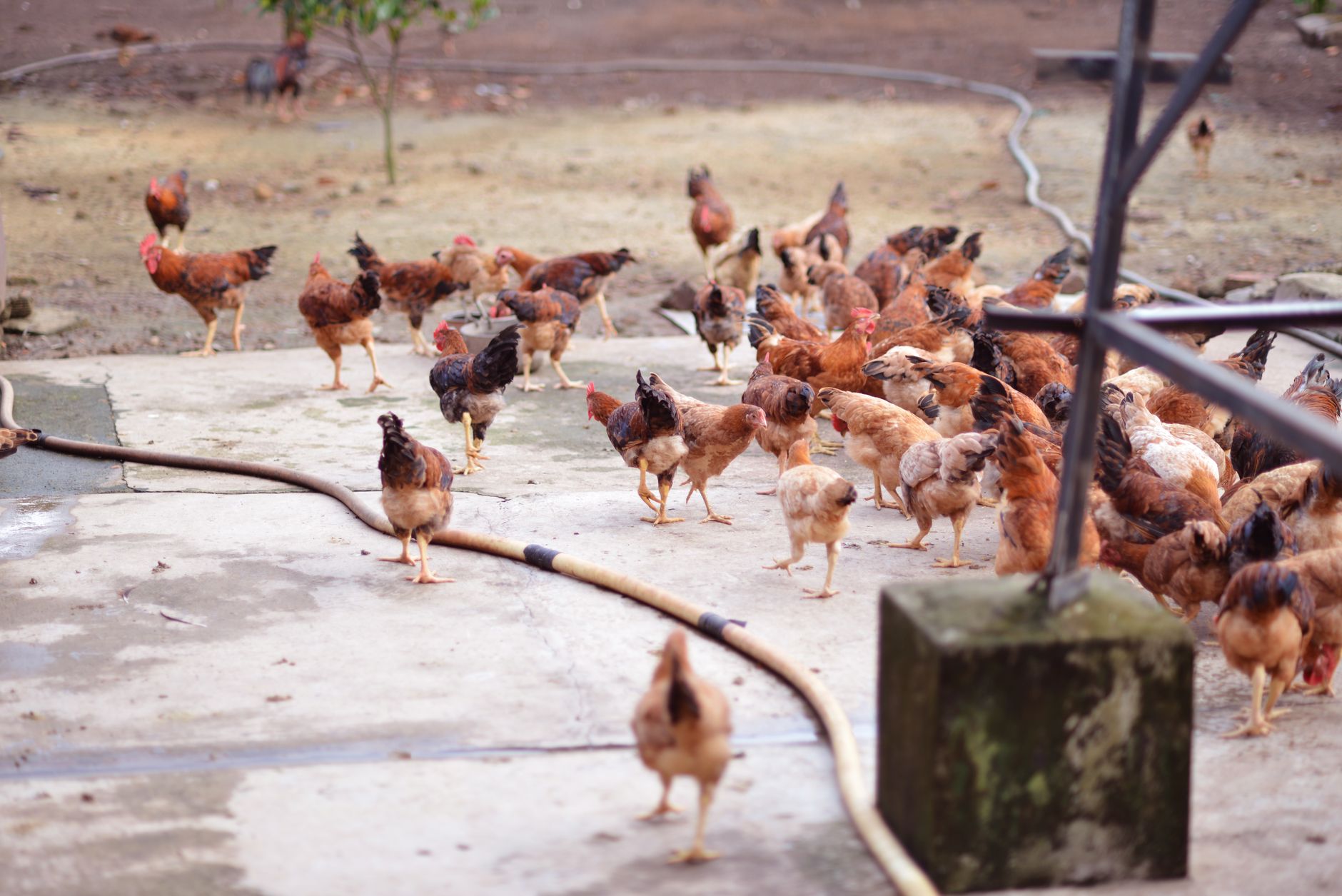
Before fully merging everyone into the same coop, let them free-range together in an open space where there’s plenty of room to run away from confrontation. A big backyard works great for this. The open space takes the pressure off — no one’s cornered, everyone can spread out.
Do this for several days in a row, supervised. Watch for bullying that goes beyond normal pecking order behavior. A little chasing is fine. Relentless targeting of one bird, drawing blood, or a new bird cowering and refusing to eat — those are signs you need to slow down and give more time.
This is honestly a wonderful excuse to be outside with your kids more. We’d bring out a blanket, some snacks, and just watch for a while. Old-fashioned observation. The best kind of learning.
Step Four: Merging Into the Coop
When supervised free-range sessions are going reasonably well, it’s time to merge into the coop. A few things that help:
Add Extra Feeding and Watering Stations
Dominant hens will guard resources. If there’s only one feeder, the new birds may not be able to eat. Add at least one extra feeder and waterer during the integration period. We love nipple-style chicken waterers because they stay cleaner and it’s easy to have multiples set up.
Rearrange the Coop a Little
This sounds silly, but it works. Moving things around slightly disrupts the existing hierarchy just enough to level the playing field a little. Everyone’s a tiny bit confused, which oddly helps.
Add Hiding Spots
Extra roost bars, a crate or cardboard box inside the run, something to break sightlines — these give lower-ranking birds places to escape tension.
Do the First Full Night Together
Put the new birds in the coop after dark. Chickens are calmer and less reactive at night, and they’ll wake up as if they’d always been there together. It’s not magic, but it genuinely smooths the transition.
What’s Normal vs. What’s a Problem
Normal integration behavior:
- Chasing, pecking, and minor squabbles
- New birds eating last and roosting in lower spots
- Some feather pulling in the first week or two
Signs you need to intervene:
- Blood drawn and others are pecking at the wound (this escalates fast — remove the injured bird immediately)
- One bird being completely excluded from food and water for more than a day
- Extreme stress behaviors like hiding, not moving, or constant screaming
If things get rough, separating birds temporarily with a wire barrier — so they can see each other but not make contact — and restarting the process more slowly is always an option. There’s no shame in going back a step.
A Note on Age and Size Differences
If you’re integrating chicks you raised from babies into an adult flock, wait until the young ones are close to the same size as your hens — usually around 16–18 weeks. Young chicks are too small and vulnerable before that point.
If you’re mixing adult birds of very different sizes, keep a close eye out. Our bigger girls have never been intentionally mean, but size differences do affect the dynamics.
For help picking breeds that tend to have gentler temperaments and do well in mixed flocks here in Florida, this post on Best Chicken Breeds for Florida Heat and Humidity has been one of our most-read resources.
Make the Process Part of Your Homeschool
Honestly, some of our best nature study has happened during chicken integration weeks. The kids are naturally curious, and watching flock dynamics play out in real time covers animal behavior, social hierarchy, instinct versus learned behavior — all of it, without a single worksheet.
We’ve used a pocket microscope to look at feathers up close during this time, done sketches with Faber-Castell watercolors, and talked through what we’re observing during our morning school time. Charlotte Mason would absolutely approve.
If you’re looking to build more of this kind of living nature study into your days, our post on How to Start Nature Journaling with Kids is a great starting point.
Integrating new chickens is one of those things that sounds intimidating before you do it, and then becomes almost routine once you’ve been through it a couple of times. Take it slow, give everyone space, and trust the process. Your flock will find its new normal — and your kids will have watched something genuinely amazing happen right in your own backyard. That’s what this whole backyard chicken life is about.
📖 You Might Also Like:
- Best Chicken Breeds for Florida Heat and Humidity (What Actually Thrives Down Here)
- Raising Backyard Chickens with Young Kids Safely: What Actually Works for Our Family
- Charlotte Mason Nature Table Ideas by Season (What We Actually Keep on Ours)
Frequently Asked Questions
How long does it take to integrate new chickens into an existing flock?
Plan on 4–6 weeks total when you include the initial quarantine period (30 days) plus the gradual introduction phases. Rushing the process is the most common reason integrations go badly. The slow approach really does work.
Can I just put new chickens straight into the coop with my existing flock?
It’s not recommended. Skipping the quarantine and introduction steps can introduce disease to your flock and result in serious injury or death from fighting. Even the most docile hens will defend their territory against strangers placed directly into their space.
How do I stop my older hens from bullying new chickens?
Make sure there are multiple feeding and watering stations so new birds aren’t blocked from resources. Add hiding spots and extra roost bars. If one hen is especially aggressive, temporarily separating her for a few days can reset the dynamic. Some squabbling is normal — sustained, bloody attacks are not.
At what age can I introduce chicks to my adult flock?
Wait until chicks are at least 16–18 weeks old and close in size to your adult hens before full integration. Young chicks are too small and vulnerable before that point. You can still do the see-but-don’t-touch phase earlier to get them used to each other.
Why are my new chickens not eating or drinking after being introduced to the flock?
This is usually because dominant hens are guarding the feeders and waterers. Add extra stations in different spots around the run so lower-ranking birds can access food and water without confrontation. If a bird goes more than a day without eating or drinking, separate her temporarily and reintroduce more slowly.
Leave a Reply