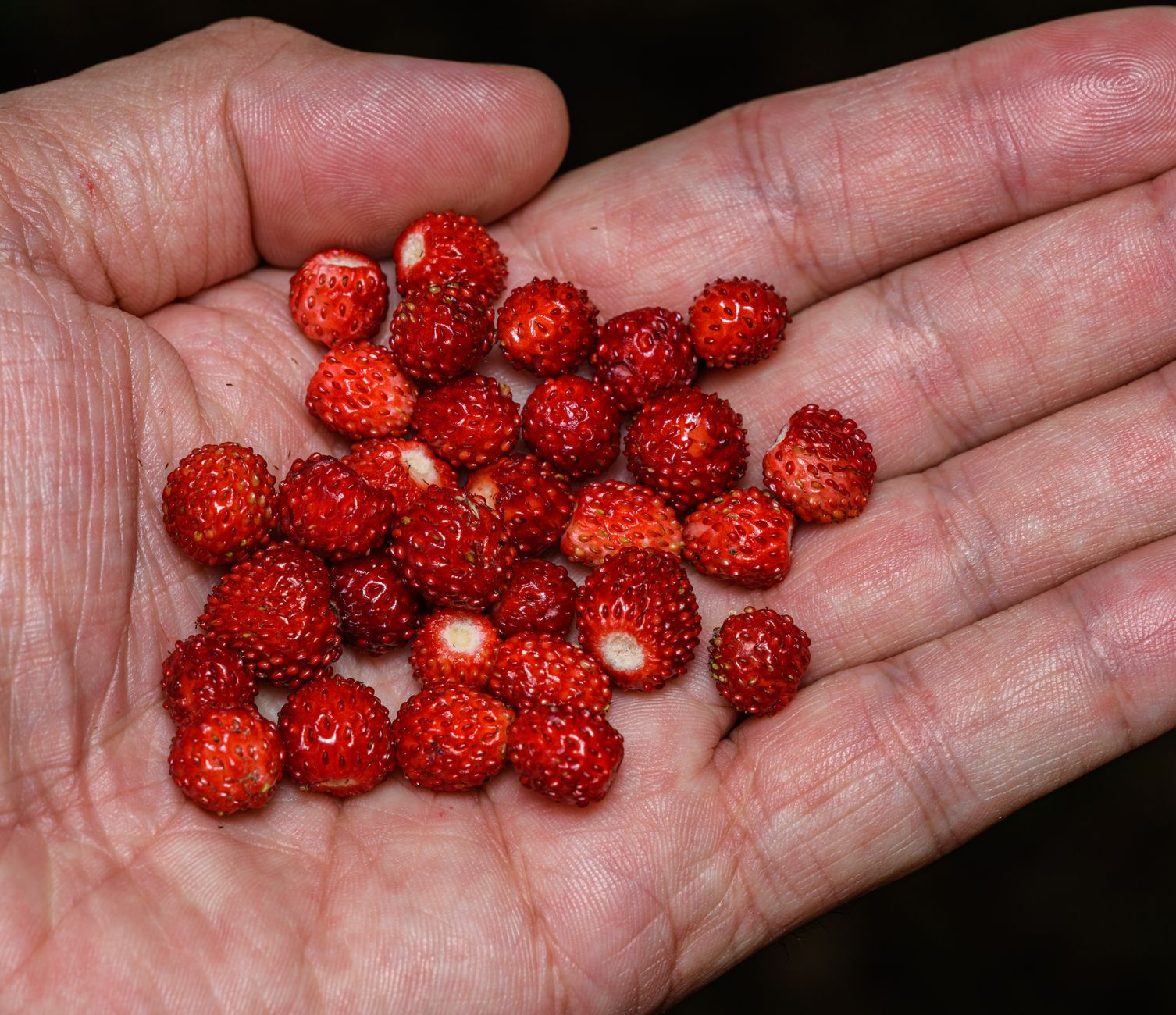
Wild Edibles in Florida: What to Look for on Your Next Family Walk
This post contains affiliate links. I may earn a small commission at no extra cost to you.
Here’s something nobody told me when we moved to the Florida panhandle: this place is basically a giant grocery store if you know where to look.
We were out on one of our morning walks — the kind where the kids have their bug catcher swinging from their wrists and somebody is definitely going to come home with sand in their shoes — when my oldest stopped and asked me what the little purple flowers in the ditch were. I had to be honest with her: I had no idea. But that question sent us down the most wonderful rabbit hole, and now wild edibles are one of our favorite parts of our Charlotte Mason nature walks.
If you’ve ever looked at a field or a roadside and thought, I wonder if any of that is edible, this post is for you. We’re talking beginner-level, genuinely common plants that grow right here in Northwest Florida — things your kids can start recognizing on foot, not just in a field guide.
First, the Golden Rule of Foraging with Kids
Before we get into the good stuff, let me say this clearly: never eat anything unless you are 100% sure of your identification. Florida has some look-alikes that are no joke. We use foraging as a nature study tool first and a food-gathering activity second. The goal isn’t to come home with dinner — it’s to build observation skills, botanical awareness, and that beautiful sense of wonder that comes from realizing the world around you is alive and knowable.
We also have a house rule: we look, we learn, we don’t eat on the trail until Mama has confirmed at home with at least two sources. That keeps it fun and safe.
For deeper plant identification help, our Florida Foraging Guide: Safe Plants for Beginners is a great companion to this post — I’d start there if you’re brand new to this.
What to Bring on a Wild Edibles Walk
You don’t need much. Honestly, that’s the beauty of it.
- A good nature journal for sketching leaves and noting where you found things
- Faber-Castell watercolors for painting what you observe — such a classic Charlotte Mason nature study activity
- A pocket microscope for looking closely at leaf texture or seed structure when you get home
- A small bag for collecting samples to ID later
- Sturdy kids’ rain boots — because Florida ditches are where a lot of the good stuff grows, and ditches are wet
We also keep the Sibley Field Guide to Birds in our bag because honestly, once your kids start paying attention to one thing in nature, they start noticing everything.
Common Wild Edibles to Look for in Northwest Florida
1. Wood Sorrel (Oxalis spp.)
This one is probably already growing in your backyard and you just didn’t know it was edible. Wood sorrel has heart-shaped leaves that look a lot like clover (three leaflets), tiny yellow or pink flowers, and a distinctly sour, lemony taste. My kids call it “the sour plant” and they are absolutely delighted every time they find it.
It’s excellent in salads in small amounts, and identifying it is a wonderful lesson in leaf shape. The shamrock-like leaves make it hard to mistake once you know what you’re looking at. Grow it in Florida? It’s basically everywhere from late fall through spring.
2. Blackberries (Rubus spp.)
This one is a no-brainer for families because most kids already know what a blackberry looks like. Wild blackberries ripen in Florida from about April through June depending on where you are in the state. Up here in the Pensacola area, we find them along trail edges, fence lines, and in open scrubby areas.
Teach kids to look for the canes (thorny!), the distinctive compound leaves, and the white flowers in early spring. Bringing home a cup of wild blackberries and making a simple jam or cobbler? That’s a full school day right there — botany, life skills, math, and the best kind of home economics.
If your kids love learning through doing, check out How to Teach Kids to Cook Basic Skills by Age for how we turn forage-to-table moments into real kitchen lessons.
3. Elderberry (Sambucus canadensis)
Elder grows in moist areas — creek edges, ditchbanks, shaded spots. It gets tall, has opposite compound leaves with serrated leaflets, and produces those iconic flat-topped clusters of tiny white flowers followed by dark purple berries in late summer.
Important note: The raw berries, stems, and leaves contain compounds that can cause nausea. Elderberries need to be cooked before eating. We use ours for elderberry syrup, which is a whole other post — but spotting elder on a walk and being able to say, “That’s elderberry, and here’s why we cook it before we eat it” is a genuinely rich learning moment for kids.
4. Muscadine Grapes (Vitis rotundifolia)
If you’ve walked any trail in the Florida panhandle in late summer, you’ve probably smelled muscadines before you saw them. These native wild grapes ripen from August through October and they are abundant out here. Look for the climbing vines with broad, rounded leaves and clusters of round, thick-skinned grapes.
Muscadines make incredible jelly. They’re also a great bird-watching opportunity — our Sibley guide has helped us identify so many species that come for the fruit.
5. Dandelion (Taraxacum officinale)
Yes, your “weeds” are edible. The entire dandelion plant is edible — leaves, flowers, and roots. Young leaves are less bitter and great in salads. The flowers can be used in fritters or infused into honey. This is one of the most approachable wild edibles for beginners because it’s so recognizable.
Dandelions are also an incredible nature study plant — the seed head alone can turn into a 30-minute observation lesson if you have a curious kid and a pocket microscope at home.
6. Plantain (Plantago major or Plantago lanceolata)
Not the banana kind — the broad-leafed weed that grows in compacted soil, sidewalk cracks, and lawns. Plantain leaves are edible (young ones are best, cooked or raw) and have been used for centuries as a topical herb for bug bites and minor skin irritation. We’ve used a crushed plantain leaf on bee stings more times than I can count.
Teaching kids to recognize plantain gives them a little piece of practical, real-world plant knowledge that feels genuinely empowering.
Turning Wild Edibles Walks into Real Nature Study
This is where the Charlotte Mason magic comes in. A foraging walk isn’t just a foraging walk — it’s botany, it’s ecology, it’s observation training, and it’s the kind of lived experience that sticks with kids for life.
When we get home, the kids draw what they found in their nature journals and paint a detailed illustration of at least one plant using their watercolors. We note the date, the location, what was blooming, what the weather was like. Over time, those journals become the most beautiful record of seasonal plant life in our little corner of Florida.
For ideas on how to build nature exploration into your whole backyard setup, our post on How to Create a Nature Play Yard in Your Backyard has a lot of practical inspiration.
And yes — some of what we find on walks ends up going to the chickens. Dandelion greens, plantain leaves, wood sorrel — our flock loves a foraged treat. It’s a full-circle moment every single time.
A Note on Safety and Sustainable Harvesting
Always harvest away from roadsides (chemical runoff) and areas that might be treated with pesticides or herbicides. We practice the “take only what you’ll use” rule and never harvest more than a third of any plant patch. These are good ecological habits to build into kids from the very beginning — this world is worth taking care of.
And please, double-check every identification. Good resources beyond this blog include the Florida Native Plant Society and a solid regional foraging book. When in doubt, leave it out.
There is something quietly radical about teaching your kids that the world around them — the ditches, the trail edges, the backyard fence line — is full of life worth knowing. This is the 1990s childhood I’m trying to give my kids: less looking at screens, more looking at leaves. Less consuming content about nature, more being in nature with muddy hands and a head full of questions.
We don’t have to go far. We just have to look.
📖 You Might Also Like:
- How to Involve Kids in Homestead Chores by Age (Without the Meltdowns or Doing It All Yourself)
- Composting at Home with Kids: A Real Beginner’s Guide That Actually Gets Done
- How to Build a Simple Chicken Tractor for Your Backyard Flock (Even If You’re Not Handy)
Frequently Asked Questions
What wild edibles are safe for beginners to find in Florida?
Great beginner-friendly wild edibles in Florida include wood sorrel, dandelion, plantain, wild blackberries, muscadine grapes, and elderberry (cooked only). These plants are relatively easy to identify and widely found throughout Northwest Florida. Always confirm your identification with multiple sources before consuming anything.
Is it safe to forage for wild plants with kids in Florida?
Foraging with kids can absolutely be safe when done responsibly. The key rules are: never eat anything you haven’t positively identified, use at least two reliable sources to confirm ID, avoid harvesting near roadsides or treated areas, and teach kids the ‘look but don’t eat without Mama checking’ rule. Treat it as nature study first and food-gathering second.
When is the best time of year to find wild edibles in Northwest Florida?
Florida’s mild climate means there’s something to find nearly year-round. Wood sorrel and dandelion are most abundant in cooler months (fall through spring). Wild blackberries ripen April through June. Muscadine grapes peak August through October. Elderberry flowers in spring and fruits in late summer. Getting out seasonally is the best way to learn what’s available when.
How do I teach my kids to identify plants on nature walks?
Start with just one or two easy-to-recognize plants and learn them really well before moving on. Bring a nature journal and have kids sketch what they find. Use a regional field guide or reliable foraging resource to confirm IDs at home. Over time, kids build a mental library of plants through repeated observation — this is the Charlotte Mason approach to botany and it works beautifully.
Can I feed wild foraged plants to my backyard chickens?
Yes! Many common wild plants are wonderful treats for backyard chickens. Dandelion greens, plantain leaves, wood sorrel, and blackberry leaves are all safe and nutritious for hens. Always avoid feeding chickens plants you haven’t positively identified, and steer clear of elderberry leaves and stems, which can be harmful to poultry. Foraged greens are a great supplement to their regular feed.
Leave a Reply