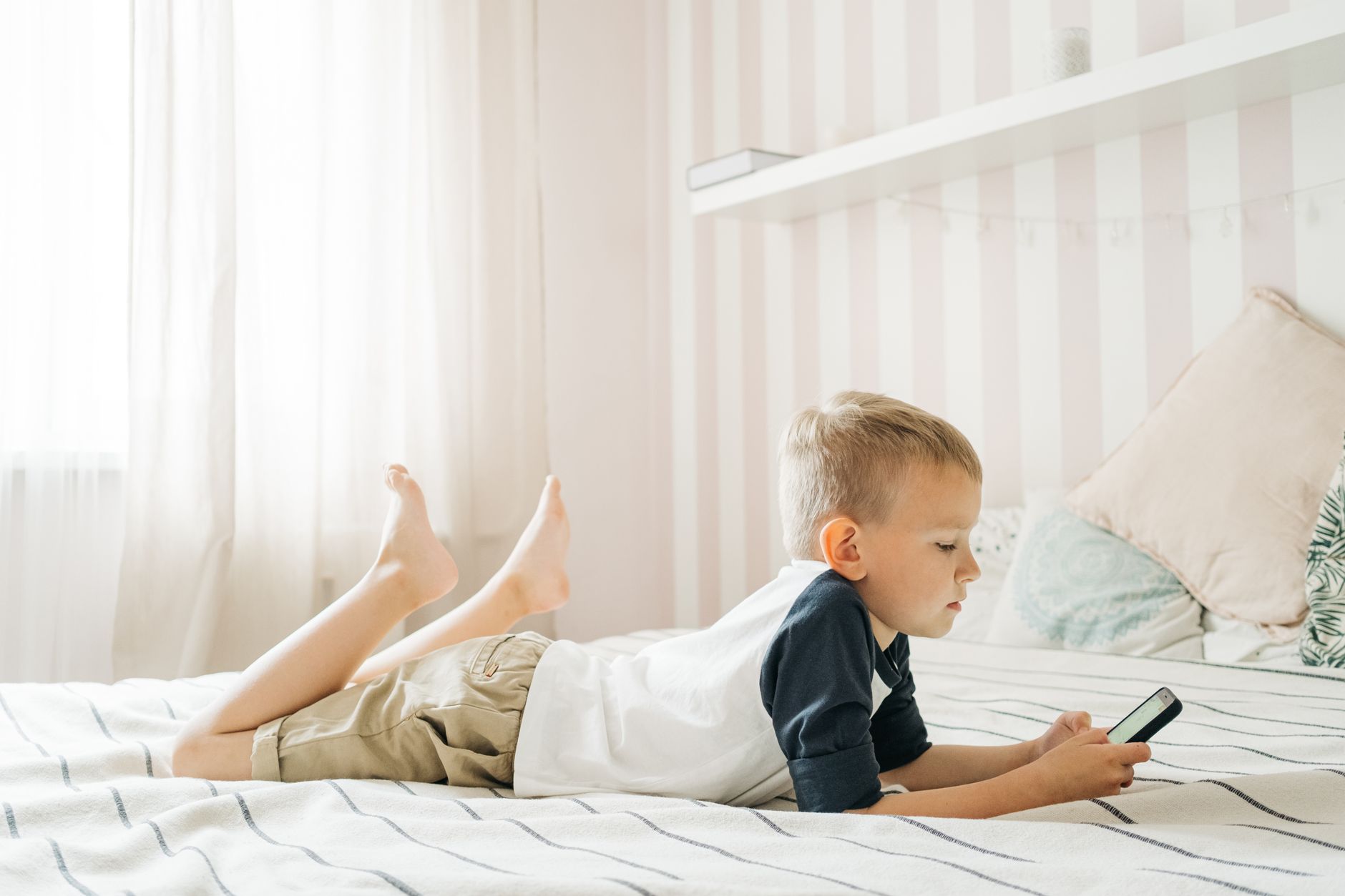
Raising Kids Without Screens: What We Actually Do Every Day
This post contains affiliate links. I may earn a small commission at no extra cost to you.
Somebody asked me the other day how we keep our kids off screens all day. And honestly, my first instinct was to laugh — because it’s not some complicated system we engineered. It’s more like… we just rebuilt what a normal childhood used to look like before everyone had a glowing rectangle in their pocket.
I grew up in the ’90s. I spent summers outside until the streetlights came on. I caught bugs, dug in the dirt, built forts out of whatever I could find, and read books because there was nothing else to do after 8 p.m. That wasn’t deprivation. That was childhood. And I want that for my kids more than just about anything.
Now, are we screen-free? No. I’m not going to sit here and tell you we’ve never turned on a movie or handed someone an iPad during a long car ride. But screens are genuinely rare in our house, and our kids — honestly — don’t miss them that much. Here’s why, and here’s what we actually do instead.
The Real Reason Kids Reach for Screens
Before I get into our day-to-day rhythms, I want to say this: kids reach for screens when they’re bored and nothing better has been set up for them. That’s it. It’s not a character flaw. It’s not laziness. It’s just that screens are the path of least resistance when there’s nothing else pulling at their attention.
So the shift for us wasn’t about removing screens. It was about filling the environment with so many interesting, hands-on, real-life things that screens became… kind of boring by comparison. Which sounds impossible, but I promise you it works.
What Our Days Actually Look Like
Morning: Nature Study Before Anything Else
We start most mornings outside. Even in the Florida heat, the early hours are magic — cool enough to enjoy, and the backyard is full of things to notice. Our kids check on the chickens first thing, which has become this grounding little ritual. They count eggs, freshen the chicken waterer, and just observe. Who’s broody. Who’s acting funny. What bugs are scratching around in the run.
That naturally flows into nature journaling. We keep nature journals on the back porch table, and the kids sketch what they see — a spider web, a feather, a weird mushroom that showed up overnight. My older one has started identifying birds with the Sibley Birds guide, which has turned into a genuine obsession. I wrote more about this in our post on Charlotte Mason Nature Journal Ideas for Kids (What We Actually Do Year-Round in Florida) if you want the full breakdown.
Midmorning: Actual School Time
Our structured homeschool time runs about two to three hours, tops. Charlotte Mason-style means short lessons, living books, real conversations — not workbook after workbook. The kids stay engaged because the lessons are short enough to hold their attention without a screen in sight.
We weave in watercolor nature illustrations using Faber-Castell watercolors, copywork, and read-alouds. When math feels abstract, we take it outside — counting chicken eggs, measuring garden beds, sorting seeds. Concrete and real beats digital every single time for this age.
After Lunch: Free Play (For Real)
This is the part people ask about most. After lunch, we have a chunk of unstructured time. No agenda, no organized activity, no screens. And in the beginning? Yes, my kids were bored. They wandered around and told me there was nothing to do. I’d point at the backyard and say, go figure it out.
Within about a week, they stopped asking. Now they:
- Dig in the garden with their kids’ garden gloves and actually help plant things
- Use their bug catcher kit to find and identify whatever’s crawling around out there (Florida has plenty of material)
- Run around the yard with walkie talkies playing whatever game they invented that week
- Splash through puddles in their rain boots after a Florida afternoon storm — which is approximately every day in summer
- Build, draw, make up stories, bother the dog, argue, make up, and generally just exist like kids are supposed to
The boredom is the point. Boredom is where creativity lives.
Late Afternoon: Chores, Cooking, Real Life
This is where I think we’ve made one of the biggest differences. Our kids have real responsibilities, and those responsibilities eat up time that might otherwise go to screens.
The chickens get checked again in the evening — locked up safe, coop checked over, diatomaceous earth dusted around if needed. My older one can reference our copy of Storey’s Guide to Raising Chickens when she has questions, and my younger one has his own kid-friendly chicken guide that he loves. Caring for animals is one of the most grounding, screen-replacing things I know.
We also cook together most evenings. Not every night — I’m not a saint — but most nights. Kids who are stirring something on the stove or kneading bread dough are not thinking about YouTube. And they’re learning something that will actually matter for their whole lives.
What We Do When They’re Restless Indoors
Florida summer afternoons get hot, and there are absolutely days when we’re stuck inside during a downpour or just hiding from the heat. Here’s what we reach for before we’d ever reach for a screen:
- Art projects — loose parts, watercolor paints, chalk pastels, or whatever’s on the art shelf
- Pocket microscope with things they collected outside — feathers, leaves, pieces of eggshell from the coop
- Board games, card games, LEGOs, audiobooks
- Read-aloud time — I’m always in the middle of a chapter book with each kid
- Baking something, even if it’s just muffins
None of this is fancy. Almost all of it is stuff that existed in 1993.
A Word About Imperfect Days
I want to be real with you: there are days this doesn’t go smoothly. Days someone is sick, or I’m underwater with work, or everyone is just off. On those days, yes — sometimes the TV goes on. I don’t spiral about it.
The goal isn’t perfection. The goal is that screens are the exception, not the default. When your baseline is outdoor play, real books, hands-on work, and living creatures to care for, a movie afternoon here and there doesn’t undo any of it.
And truly — if you’re building a homeschool rhythm that keeps kids genuinely engaged, you might be surprised how little they actually miss it. Check out our Morning Basket Ideas for Charlotte Mason Homeschool Families for more on how we start our school days in a way that sets a good tone before lunch.
If You’re Just Starting Out
If you’re reading this because you want this but don’t know where to begin, start small. You don’t have to overhaul everything at once.
Pick one thing from this list. Get outside for 30 minutes before anyone touches a device. Set up a simple nature journal and let your kids sketch whatever catches their eye. Put a bug collection kit in the backyard and see what happens.
Kids want to be outside. They want to do real things. They want your attention more than any screen. Sometimes we just have to make it easier for them to choose the better thing.
I don’t think we’re doing anything radical. I think we’re just doing what families did for generations before the internet arrived and rearranged everything. Dirt under fingernails, eggs in a basket, a chapter book at bedtime, and kids who know how to be bored and survive it. That’s the whole plan, really. And most days, it works beautifully.
📖 You Might Also Like:
- Charlotte Mason Nature Journal Ideas for Kids (What We Actually Do Year-Round in Florida)
- Morning Basket Ideas for Charlotte Mason Homeschool Families (What We Actually Do Each Day)
- Florida Homeschool Special Needs Resources and Support (What Actually Helps Real Families)
Frequently Asked Questions
How do I get my kids to stop asking for screens all the time?
The most effective thing is to fill their environment with better options before boredom hits. Set up an outdoor space with tools they can actually use — a bug catcher, garden gloves, a nature journal — and establish a rhythm where outside time comes first before any device is even on the table. Most kids stop asking within a week or two once there are genuinely interesting things competing for their attention.
Is it realistic to raise kids without screens in today’s world?
Completely screen-free is a personal choice, but significantly reducing screen time is very realistic. Many families find that screens become much less appealing when kids have real responsibilities (like backyard chickens), unstructured outdoor play, hands-on crafts, and a homeschool rhythm that keeps them genuinely engaged. The goal for most intentional families isn’t zero screens — it’s making screens the exception rather than the default.
What do kids actually do all day without screens?
More than you’d expect. Kids who are given the chance tend to fill their time with outdoor exploration, imaginative play, art, reading, helping with animals or gardening, building things, and inventing games. The key is resisting the urge to fill every quiet moment for them — boredom is the engine of creativity, and kids who learn to sit in it come out the other side with something they made up themselves.
How do I handle screen-free time when it’s too hot to go outside in Florida?
Florida heat is real, and indoor screen-free time is absolutely manageable. Watercolor painting, board games, audiobooks, LEGOs, baking together, and using a pocket microscope to examine things collected outside are all great indoor options. Afternoon indoor time can also be a great opportunity for quiet reading or a longer read-aloud, which naturally replaces the screen without anyone feeling like they’re missing out.
Does less screen time actually help kids focus better for homeschool?
Many homeschool families — including those using the Charlotte Mason approach — find that kids who aren’t overstimulated by screens come to lessons with longer attention spans and more genuine curiosity. Short, engaging lessons are easier to hold attention through when a child’s nervous system isn’t already flooded from hours of fast-paced media. The results aren’t always immediate, but most families notice a real shift within a few weeks of reducing screens consistently.
Leave a Reply