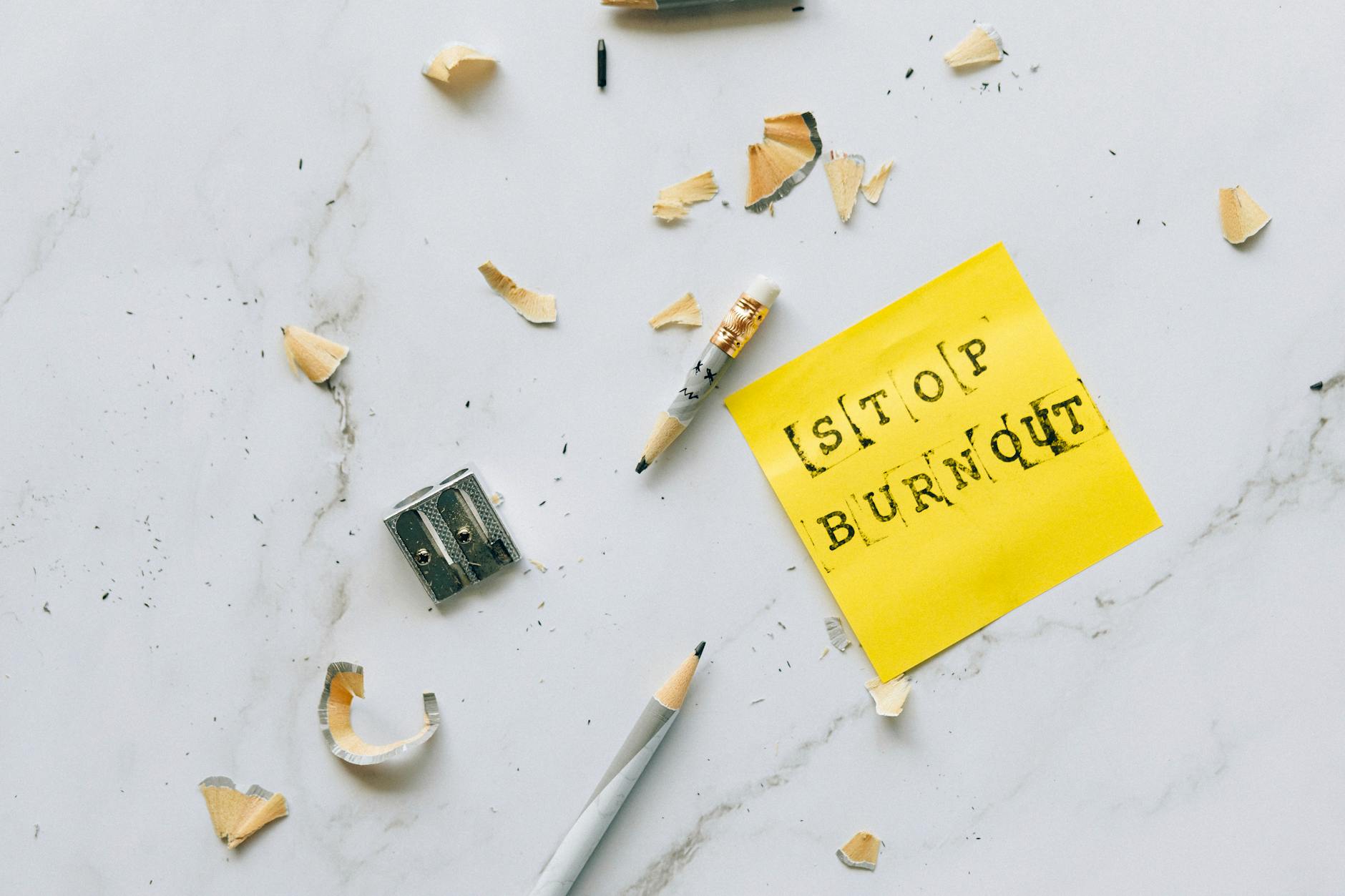
Homeschool Burnout: Signs You’re Headed There and How to Actually Recover
This post contains affiliate links. I may earn a small commission at no extra cost to you.
Let me just say it plainly: there was a Tuesday last spring when I sat down at our kitchen table, looked at the stack of books waiting for us, and just… couldn’t. My youngest was already crying about handwriting. My older one had disappeared to the backyard. The dog was underfoot. The chickens were squawking about something. And I thought, I don’t want to do this today. Maybe any day.
If you’ve been there, you already know that’s not a character flaw. That’s burnout. And in the homeschool world, we don’t talk about it nearly enough — probably because we’re all a little afraid it means we made the wrong choice. It doesn’t. It just means you’re human, and you’ve been pouring out a lot.
Here’s what I’ve learned about recognizing it early and actually recovering — not just white-knuckling through to summer break.
What Homeschool Burnout Actually Looks Like
Burnout doesn’t always look like crying at the kitchen table (though sometimes it does). A lot of times it sneaks up on you slowly, and by the time you recognize it, you’re already deep in it.
Signs It’s Hitting You, Mama
- You dread starting school in the morning — like, genuinely dread it
- You feel resentful of the curriculum you used to love
- Everything feels like a battle, even things that used to go smoothly
- You’re snapping at your kids over small stuff and then feeling terrible about it
- You’ve stopped enjoying the parts of homeschooling that drew you to it in the first place
- You’re constantly second-guessing yourself and comparing your days to what you see online
- You feel like you’re failing, even when you can’t point to anything specific
Signs It’s Hitting Your Kids
Kids burn out too — and it often looks different than mama burnout. Watch for:
- Increased resistance to everything, even subjects they normally enjoy
- Emotional meltdowns that seem out of proportion
- A sudden drop in focus or retention
- Complaints of stomachaches or headaches before school time
- Total loss of curiosity — the kid who used to ask a million questions goes quiet
If your child is showing these signs, it’s worth asking whether the issue is the volume of work, the style of learning, or whether they just need a reset. Sometimes it’s all three.
Why Homeschool Families Are Especially Prone to Burnout
Here’s the thing nobody tells you: when you homeschool, you’re the teacher, the administrator, the curriculum coordinator, the lunch lady, and the parent — all at once. There is no clocking out. There is no “their teacher will handle that.” It all lands on you.
And if you’re anything like me, you care deeply about doing it well. That drive is exactly what makes burnout so sneaky. The more you care, the harder you push, and eventually something gives.
For those of us following a Charlotte Mason or nature-based approach, there’s also this weird guilt that creeps in. Like, shouldn’t this feel gentle and beautiful and peaceful? And when it doesn’t, we assume we’re doing it wrong. But even the most intentional homeschool has hard seasons. That’s just real life.
How to Actually Recover (Not Just Push Through)
1. Give Yourself Permission to Stop — For Real
Not just for the weekend. Actually stop. Take a week (or two) where you do the minimum: read-alouds, outside time, and meals together. That’s it. Call it a nature week, call it a reset week, call it whatever makes you feel better — but give your family room to breathe.
In Florida, we’re lucky because there is almost always somewhere to go outside, even in January. Pack a lunch, head to a local trail, or just let the kids loose in the backyard. Let them help with the chickens. Let them dig. Let them be bored. Boredom is not a problem to be solved — it’s where creativity lives. (I wrote more about this in How to Raise Free-Range Kids in the Modern World if you want to go deeper.)
2. Strip the Schedule Down to Essentials
When we come back from a reset, I don’t try to pick up where we left off. I ask: what are the two or three things we actually need to do right now? For us, that’s usually reading, math, and something hands-on outside.
We use All About Reading for reading instruction and Math-U-See for math — both of which are easy to pick back up after a break because they’re sequential and low-pressure. Everything else can wait until we’re in a better groove.
3. Get Back Outside — With Intention
Nature study is honestly one of the best burnout cures I’ve found, and I say that as someone who came to Charlotte Mason a little skeptically. There’s something about being outside, moving, observing, that resets everyone’s nervous system — including mine.
Grab your nature journal and head out with zero agenda. Let your kids lead. If they want to flip rocks for forty-five minutes, let them. Bring a pocket microscope and look at whatever they find. If birds are their thing right now, our Florida Backyard Birds Identification Guide for Kids is a fun place to start — or grab the Sibley Birds guide and make it a real study.
The Free Florida Nature Scavenger Hunt Printable is also perfect for days when you want something structured but can’t manage much more than that.
4. Reconnect With Why You Started
This one sounds a little woo, but stick with me. When we’re deep in burnout, we’ve usually lost the thread back to our why. Pull it back out.
For us, it was about raising kids who love learning, who know how to be bored without melting down, who can identify a bird call and grow a tomato and read a real book for fun. None of that requires a perfect school day. A lot of it happens in the margins — at the chicken coop, in the garden, on a long walk with the dog.
Think about what your why was when you started. Chances are, you’re closer to it than burnout makes you feel.
5. Let the Kids Lead Something
One of the fastest ways to reignite curiosity — in your kids and honestly in yourself — is to hand them the wheel for a bit. Let them pick the nature topic for the week. Let them decide what to draw in their journal. Give them a bug collection kit and see what they come back with.
This is basically the 1990s childhood model in practice: give kids time, space, and a little equipment, then get out of the way. We wrote about this more in 1990s Childhood Activities We’re Bringing Back — it’s one of my favorite posts on this whole site.
6. Talk to Another Homeschool Mama
Don’t underestimate this one. There is something so grounding about sitting with a friend (or even just texting one) who gets it. Not to compare, not to brag — just to say hey, this week was hard and have someone say same. Find your people. Online communities count too, but in-person is better when you can swing it.
A Word About the PEP Scholarship
If you’re in Florida and using the PEP scholarship like we are, burnout can feel extra loaded — like you have an obligation to show results. I get that. But remember: PEP gives you flexibility to use curriculum and resources that work for your family’s style. If what you’re doing isn’t working, you’re allowed to change it. That’s actually the whole point.
You’re Not Failing. You’re Just Tired.
I want to end with this because I need you to hear it: feeling burned out doesn’t mean homeschooling is wrong for your family. It means you’ve been giving a lot and you need to receive a little. Rest is not the opposite of a good education — it’s part of it.
Give yourself the grace you’d give your kids on a hard day. Take the walk. Skip the worksheet. Sit on the porch and watch the chickens scratch around for a while. The books will be there tomorrow. And so will you — hopefully a little more rested and ready to go.
📖 You Might Also Like:
- Easy Outdoor Science Experiments for Kids in the Backyard (No Lab Required)
- Best Water Filter for a Family Home in Florida (What We Actually Use and Why)
- Free Florida Nature Scavenger Hunt Printable for Kids (Charlotte Mason-Friendly and Actually Fun)
Frequently Asked Questions
How do I know if I’m experiencing homeschool burnout or just having a hard week?
A hard week feels rough but passes on its own — you bounce back and your motivation returns. Burnout lingers. If you’ve been dreading school for several weeks in a row, feeling resentful of your curriculum, snapping at your kids consistently, or losing all enjoyment in the parts you used to love, that’s burnout, not just a bad week. The difference is duration and depth.
Is it okay to take a break from homeschooling when you’re burned out?
Absolutely, and it’s often the most productive thing you can do. Taking a week or two for a reset — focused on low-pressure outdoor time, read-alouds, and life skills — can restore everyone’s motivation far more effectively than pushing through. In most states, including Florida, homeschool families have flexibility in how and when they structure their learning year.
How long does it take to recover from homeschool burnout?
It varies a lot depending on how deep in you are. A mild case might resolve with a long weekend or a week off. More significant burnout can take several weeks of reduced expectations and intentional rest before you feel like yourself again. The key is not rushing back to full speed before you’re actually ready — that usually just leads to burning out again faster.
Can kids experience homeschool burnout too, or is it just parents?
Kids absolutely experience burnout, and it’s easy to miss because it often looks like defiance or emotional dysregulation rather than exhaustion. Watch for increased resistance to subjects they normally enjoy, frequent meltdowns before or during school, complaints of physical symptoms like stomachaches, or a sudden loss of curiosity. When kids show these signs, it’s worth stepping back and evaluating the workload, learning style, and whether they need more unstructured time.
What’s the best way to restart homeschool after a burnout break?
Don’t try to jump back in at full speed. Start with just two or three core subjects and build from there over a week or two. Lean into things that feel light and enjoyable — nature study, read-alouds, hands-on projects — before reintroducing anything that was causing friction. Use the restart as a chance to reassess whether your curriculum and schedule were working, and make changes where needed rather than just resuming the same routine that led to burnout.
Leave a Reply