Category: Uncategorized

  • Backyard Chicken Coop Size Guide: How Big Do You Really Need?

    Backyard Chicken Coop Size Guide: How Big Do You Really Need?

    If you’re standing in your backyard right now, squinting at that corner by the fence and wondering will a coop even fit there? — I’ve been exactly where you are. When we first started talking about getting chickens, I had no idea how much space we actually needed. I just knew I wanted fresh eggs and I wanted our kids to experience the kind of hands-on animal care that seems to be disappearing from modern childhood.

    This post contains affiliate links. I may earn a small commission at no extra cost to you.

    Three years and a whole lot of learning later, I can tell you that coop size is one of the most important decisions you’ll make for your flock. Get it wrong, and you’ll deal with stressed birds, pecking problems, and honestly? More work for you. Get it right, and chicken keeping becomes one of the most rewarding parts of your day.

    Let me walk you through everything I wish someone had told me from the start.

    The Basic Rule of Thumb for Coop Space

    Here’s the number you’ll see everywhere: 3-4 square feet per chicken inside the coop. For the outdoor run, plan on 8-10 square feet per bird.

    But here’s what those basic numbers don’t tell you — they assume ideal conditions. And if you’re in Florida like we are, “ideal” looks a little different than it does for someone in Vermont.

    Let me break it down more specifically.

    Inside the Coop

    The interior of your coop is where your chickens sleep and lay eggs. This is their bedroom, essentially. For standard-sized breeds (think Rhode Island Reds, Buff Orpingtons, or Barred Rocks), you need a minimum of 4 square feet per bird. For bantams or smaller breeds, you can get away with 2-3 square feet.

    So if you’re planning on 4 chickens? You need at least 16 square feet of interior coop space. That’s roughly a 4×4 foot footprint.

    The Outdoor Run

    This is where the real living happens. Your run should give each bird 8-10 square feet minimum. More is always better. For that same 4-bird flock, you’re looking at 32-40 square feet of run space.

    Now, if your chickens free-range during the day like ours do, the run size becomes less critical — but you still need adequate space for those days when you need to keep them contained. Here in Northwest Florida, that means hurricane prep days, the occasional hawk hanging around, or when I just need the garden beds left alone for five minutes.

    Why Bigger Is (Almost) Always Better

    I’m going to be honest with you: the minimum numbers are just that — minimums. And chickens kept at minimum space requirements often develop problems.

    Pecking and bullying increase dramatically in crowded conditions. Chickens establish a pecking order (it’s not just a saying), and when they don’t have room to get away from each other, things can turn ugly. We learned this the hard way our first year when we started with a coop that was technically “big enough.” It wasn’t.

    Disease spreads faster in tight quarters. More birds in less space means more moisture, more ammonia from droppings, and more stress — all of which compromise immune systems.

    Egg production drops when hens are stressed. If you’re keeping chickens partly for eggs, give them room to be happy.

    Our rule now? We size our coop and run for about 50% more birds than we actually have. It gives everyone breathing room, and it means we have flexibility if we want to add a couple of pullets down the road.

    Florida-Specific Considerations

    Okay, let’s talk about what makes chicken keeping in Florida a little different.

    Heat is your biggest enemy. Our chickens deal with months of 90+ degree days with humidity that makes it feel even hotter. This means ventilation is absolutely critical. A coop that might work fine in Minnesota will turn into an oven here in Pensacola.

    We prioritize:

    • Lots of ventilation openings (covered with hardware cloth for predator protection)
    • A shaded run area
    • A good chicken waterer that keeps water clean and cool
    • An automatic coop door so we’re not running outside at dawn and dusk in mosquito season

    Predators are serious business. We have raccoons, possums, hawks, and the occasional neighborhood dog to worry about. Your run needs to be secure — hardware cloth, not chicken wire, and ideally buried or with an apron around the edges.

    Coop Features That Actually Matter

    Beyond square footage, here’s what to consider:

    Roosting Space

    Chickens need about 8-10 inches of roosting bar per bird. They sleep on these bars at night, and they prefer to be up off the ground. Make sure roosts are higher than your nesting boxes, or your hens will sleep in the boxes and make a mess.

    Nesting Boxes

    Plan on one nesting box for every 3-4 hens. They’ll often share favorites anyway. A 12×12 inch box works for most standard breeds.

    Easy Cleaning Access

    This is the thing no one tells you until you’re hunched over inside a tiny coop, trying to scrape out bedding. Get a coop you can actually clean easily. Walk-in coops are wonderful if you have space. At minimum, look for large doors or removable panels.

    We use food-grade diatomaceous earth sprinkled in the bedding and nesting boxes to help control mites naturally — it’s been a game-changer for keeping things fresh without harsh chemicals.

    A Quick Size Chart

    | Flock Size | Minimum Coop (sq ft) | Minimum Run (sq ft) | Recommended Coop | Recommended Run |

    |————|———————|———————|——————|——————|

    | 3-4 birds | 12-16 | 24-40 | 20-24 | 50-60 |

    | 5-6 birds | 20-24 | 40-60 | 30-36 | 75-90 |

    | 7-10 birds | 28-40 | 56-100 | 50-60 | 120-150 |

    Learning Together as a Family

    One of the things I love most about keeping chickens is how much our kids have learned alongside us. The whole experience fits beautifully with our Charlotte Mason approach — it’s real, living learning. Observing chicken behavior, tracking egg production, understanding animal husbandry… these are lessons you can’t get from a textbook.

    If you’re newer to chickens and want a great resource, Storey’s Guide to Raising Chickens is comprehensive and well-written. For the kids, A Kid’s Guide to Keeping Chickens has been wonderful for getting them involved in age-appropriate ways.

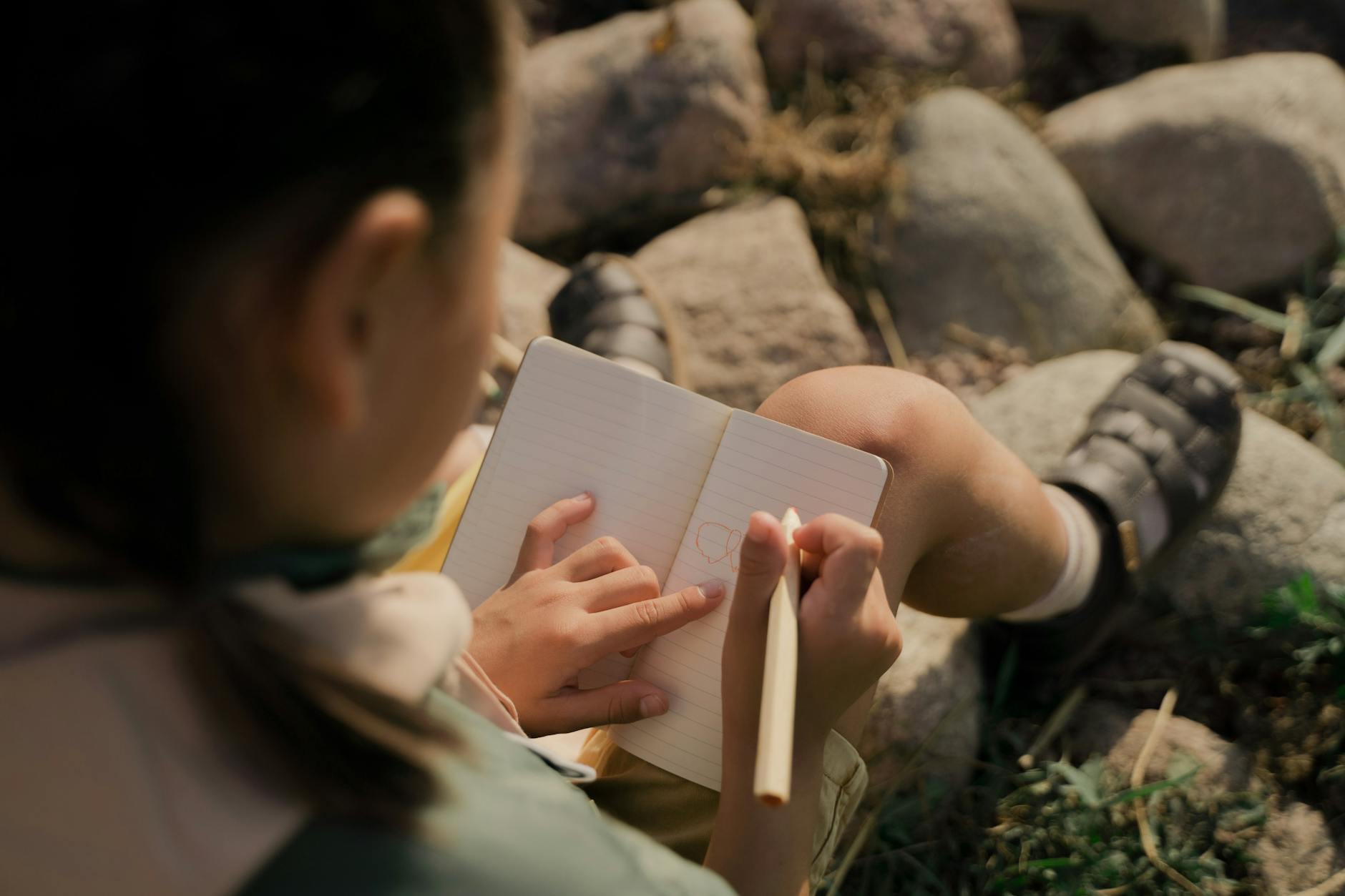
    Our oldest has started keeping a nature journal that includes chicken observations — what they eat, how they act before a storm, which hen is at the top of the pecking order this week. It’s the kind of slow, observational learning that builds real understanding.

    The Bottom Line on Coop Sizing

    When in doubt, go bigger. I know that’s not always possible with budget or yard constraints, but if you can swing it, your future self will thank you. Happy chickens are healthy chickens, and healthy chickens mean less work and more enjoyment for your whole family.

    Start with the minimums if you need to, but design with expansion in mind. And remember — those online coop listings that say “perfect for 6-8 birds” are almost always exaggerating. Read the actual dimensions and do the math yourself.

    We started this chicken journey because I wanted our kids to know where food comes from, to have responsibility for another living thing, and honestly? Because I wanted eggs from hens I could watch scratch around in the sunshine. Three years in, it’s become one of the most grounding parts of our days. Even the dog has learned to coexist (mostly).

    If you’re on the fence about starting a flock, I say go for it. Just give them the space they need to thrive, and they’ll reward you tenfold.

    Have questions about your specific setup? I’d love to hear what you’re planning in the comments!

  • Best Books About Chickens for Elementary Kids: Our Favorites for Young Poultry Lovers

    Best Books About Chickens for Elementary Kids: Our Favorites for Young Poultry Lovers

    This post contains affiliate links. I may earn a small commission at no extra cost to you.

    If you’ve got backyard chickens and elementary-age kids, you already know the magic that happens when little hands collect warm eggs or watch a hen dust-bathe in the Florida sand. But what about when you want to take that fascination indoors? Maybe during our brutal August afternoons when even the chickens are hiding in the shade, or during a rare rainy week when everyone’s getting a little stir-crazy.

    That’s where a good stack of chicken books comes in.

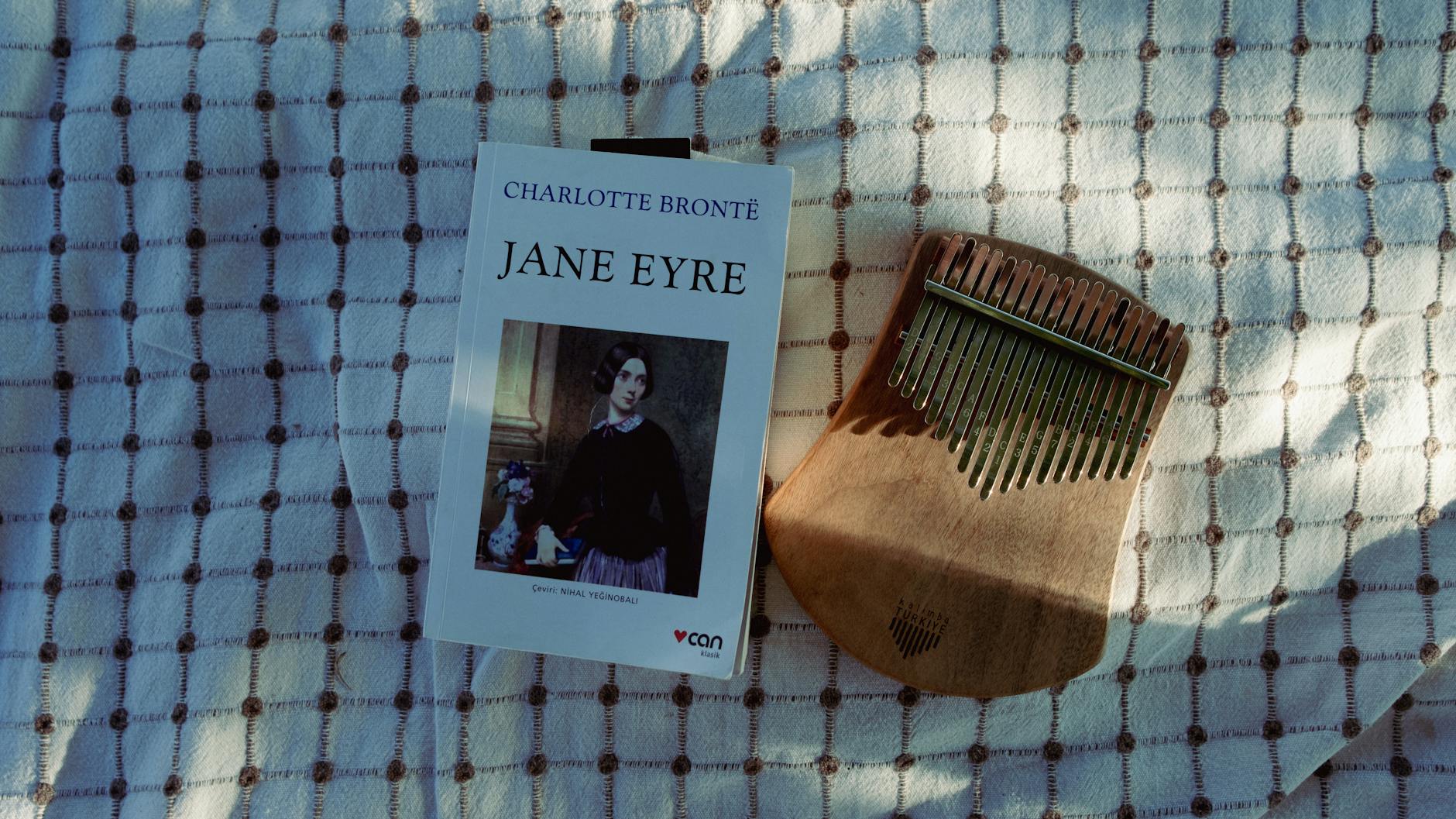
    We’ve been keeping chickens for a few years now, and honestly, some of our best homeschool moments have happened out by the coop. But pairing that hands-on learning with quality books? That’s where the real depth comes in. Charlotte Mason talked about “living books” — books that are written by people who love their subject and bring it to life on the page. And friends, there are some truly wonderful living books about chickens out there for our kids.

    Here are the ones that have earned permanent spots on our shelf.

    Picture Books That Spark Chicken Love

    For Your Youngest Learners (K-2)

    If you’ve got a kindergartner or early elementary kiddo, start with picture books that capture the wonder of chickens without overwhelming them with information.

    “An Egg Is Quiet” by Dianna Aston is absolutely beautiful. The illustrations are stunning — like nature journal pages brought to life — and it covers all kinds of eggs, including chicken eggs. My kids pored over this one for weeks, and it naturally led to us comparing the eggs in our own nesting boxes.

    “The Life Cycle of a Chicken” by Lisa Trumbauer is a simple, straightforward introduction that works well for kids who want to understand where baby chicks come from. It’s not fancy, but it’s accurate and age-appropriate.

    “Tillie Lays an Egg” by Terry Golson is a sweet story about a hen who refuses to lay her eggs in the nesting box. If your kids have ever chased a chicken around the yard (and let’s be honest, whose haven’t?), they’ll relate to this one.

    Books for the Curious Middle-Elementary Reader

    When They Want to Know MORE

    Once your kids hit that 7-9 age range, they often want real information. They’re not satisfied with cute stories anymore — they want to know why the rooster crows at 5 AM and how a hen makes an eggshell.

    A Kid’s Guide to Keeping Chickens by Melissa Caughey is hands-down our favorite for this age group. It’s written directly to kids, covers everything from choosing breeds to collecting eggs, and includes simple projects they can actually do. My oldest has dog-eared about half the pages. This is the book that gets pulled out when someone has a question about chicken behavior or wants to try making treats for the flock.

    “Chicks!” by Elise Gravel is another winner — quirky illustrations, fun facts, and just the right amount of humor. It’s technically for younger readers, but my 8-year-old still picks it up regularly.

    Reference Books Worth Having

    For the Whole Family

    Now, I’ll be honest — some of the best chicken books in our house aren’t technically written for kids. But they’re the ones we use together, the ones that come out when we’re trying to figure out if a hen is molting or sick, or when we’re dreaming about adding a new breed to our flock.

    Storey’s Guide to Raising Chickens is the chicken-keeping bible. It’s comprehensive, well-organized, and I reference it constantly. When my kids have questions I can’t answer, we look it up together. That’s real learning right there — showing them that mama doesn’t know everything, but we can always find out.

    We keep this one on the shelf next to our Sibley Guide to Birds, and honestly, the two get used together more often than you’d think. Chickens have sparked a broader interest in birds around here, and now we’re noticing the wild ones too — the cardinals at the feeder, the sandhill cranes in the neighborhood, the hawks we have to watch out for.

    Using Chicken Books in Your Homeschool

    Making It Count for Learning

    If you’re a Charlotte Mason homeschooler like us, you already know that living books are the heart of a good education. But how do you actually use chicken books in your school day?

    Here’s what works for our family:

    Narration. After reading a section together, I ask the kids to tell me back what they learned. Simple, effective, and you’d be amazed what they retain about chicken digestion when they’re actually interested.

    Nature journaling. We take our nature journals out to the coop regularly. The kids sketch the chickens, note their behaviors, and sometimes press feathers onto the pages. Pairing this with what we’re reading in books creates connections that stick.

    Copywork. I pull quotes from our chicken books for copywork. It beats random sentences, and it reinforces what they’re learning.

    Hands-on extension. After reading about how chickens need grit to digest their food, we went out and watched our hens pecking at the sandy soil. After reading about dust bathing, we made sure our girls had a good spot for it. Books plus real life equals deep understanding.

    If you’re using the Florida PEP scholarship like we are, many of these books qualify for purchase through approved vendors. Check Rainbow Resource or Timberdoodle — both carry great nature study and animal care titles.

    A Note on Fiction vs. Nonfiction

    I want to mention this because it comes up a lot: fiction books about chickens are fun, but they’re not always accurate. If your kid reads a story where chickens are doing very un-chicken-like things, it’s a great opportunity to compare fiction to reality.

    “That was a fun story, but do our chickens actually do that? Let’s go watch and see.”

    That’s the beauty of having real chickens in the backyard. The books come alive because the learning goes both ways — from page to coop and back again.

    Building a Little Poultry Library

    You don’t need a ton of books to get started. If I had to pick just three for an elementary-age chicken lover, I’d grab:

    1. One beautiful picture book for wonder and read-alouds

    2. A Kid’s Guide to Keeping Chickens for hands-on learning

    3. Storey’s Guide to Raising Chickens for the family reference shelf

    That combo covers you from snuggling on the couch to solving real problems in the coop.

    Final Thoughts

    There’s something deeply good about raising kids who know where their food comes from, who aren’t afraid to get dirty, and who understand that caring for animals is both a joy and a responsibility. Books are part of how we pass that knowledge along — not as a replacement for the real thing, but as a companion to it.

    Right now, as I type this, I can hear my kids outside arguing about whose turn it is to check for eggs. In a minute, I’ll call them in, and we’ll probably read a chapter of something together before lunch. Maybe about chickens, maybe not. But either way, I’m grateful for the books that have made our little flock feel like more than just pets — they’ve become part of our education, our rhythm, and our family story.

    Happy reading, friend. And happy chicken keeping. 🐔

  • How to Start Homeschooling in Florida Step by Step: A Real Mom’s Guide

    So you’re thinking about homeschooling in Florida. Maybe you’ve watched your kid come home from school exhausted and overwhelmed. Maybe you’ve seen the spark in their eyes when they’re exploring outside, and you want more of that. Or maybe you just have this gut feeling that there’s a different way — a slower, more intentional way — to raise and educate your children.

    I get it. I’ve been there. And I’m here to tell you: you can absolutely do this.

    This post contains affiliate links. I may earn a small commission at no extra cost to you.

    Starting our homeschool journey a few years ago was one of the best decisions our family ever made. Now our days include nature walks, backyard chicken chores, real books, and so much less rushing. If you’re in Florida and wondering how to actually get started, let me walk you through it — step by step, the way I wish someone had explained it to me.

    Step 1: Understand Florida’s Homeschool Options

    Florida is one of the most homeschool-friendly states in the country, which is such a blessing. You have a few different legal options for homeschooling here:

    Option A: File a Letter of Intent with Your School District

    This is the most common route, and it’s what we do. You simply notify your county superintendent that you intend to establish a home education program. That’s it. No permission needed — just notification.

    You’ll need to:

    • Send a letter of intent within 30 days of beginning your homeschool
    • Maintain a portfolio of your child’s work samples and records
    • Have an annual evaluation done (more on that below)

    Option B: Register with a Private Umbrella School

    Some families prefer to register with a private covering school (sometimes called an umbrella school). This option has fewer requirements — no annual evaluation needed — but you do pay a fee to the umbrella school.

    Option C: Use a Private Tutor

    This option requires a certified teacher to provide instruction, so it’s less common for most homeschooling families.

    For most of us, Option A is the straightforward choice. It gives you complete curriculum freedom while still being legally compliant.

    Step 2: Submit Your Letter of Intent

    Once you’ve decided to go the home education route, you’ll write a simple letter to your county school superintendent. Here in the Pensacola area, that means sending it to the Escambia County or Santa Rosa County school district office.

    Your letter just needs to include:

    • Your name and address
    • Your child’s name and birthdate
    • A statement that you’re establishing a home education program

    That’s really it. No curriculum approval. No explaining your reasons. Just a notification. Florida trusts parents, and that’s something I’m genuinely grateful for.

    Step 3: Choose Your Approach and Curriculum

    This is the fun part — and also where new homeschoolers can feel overwhelmed. There are so many options out there.

    Here’s my encouragement: you don’t have to figure it all out before you start. Start simple. Watch your kids. See what lights them up.

    Our family follows a Charlotte Mason approach, which means we focus on living books, nature study, short lessons, and lots of time outdoors. It fits our lifestyle here in Northwest Florida perfectly — we’re blessed with mild winters, beautiful state parks, and a backyard full of things to explore.

    Some curriculum resources we love:

    • Rainbow Resource is my go-to for comparing curriculum options and finding deals
    • Timberdoodle curates wonderful hands-on learning kits
    • For math, we’ve had great success with Math-U-See — it’s manipulative-based and works so well for kids who need to see and touch to understand

    Don’t feel pressured to buy everything at once. A library card, a good read-aloud, and time outside will take you far in those early days.

    Step 4: Set Up Your Portfolio System

    Florida requires you to keep a portfolio of educational materials and samples of your child’s work. This sounds more intimidating than it is.

    I keep a simple binder for each child with:

    • A reading log
    • Samples of written work throughout the year
    • Art projects and nature journal pages
    • Any certificates or special projects

    Speaking of nature journals — we use simple sketch journals and Faber-Castell watercolor pencils for our nature study. The kids draw birds, insects, leaves, whatever we find. These pages become beautiful portfolio pieces and meaningful keepsakes.

    Step 5: Plan for Your Annual Evaluation

    At the end of each school year, Florida requires an evaluation of your child’s progress. You have several options:

    • A certified teacher reviews your portfolio
    • Your child takes a standardized test
    • A licensed psychologist evaluates progress

    We’ve done both portfolio reviews and testing over the years. Many homeschool co-ops and evaluators here in Northwest Florida offer affordable reviews — just ask around in local homeschool groups.

    Step 6: Look Into the Florida PEP Scholarship

    Here’s something I wish I’d known about sooner: Florida offers the Personalized Education Program (PEP) scholarship for homeschool families. It provides funds that can be used for curriculum, educational materials, and even some extracurricular classes.

    We use PEP funds for curriculum, art supplies, and enrichment classes. It’s been a huge blessing for our family, and the application process is fairly straightforward through the state’s scholarship portal.

    If you’re just starting out, I’d encourage you to look into this early — there are enrollment windows, so timing matters.

    Step 7: Find Your Community

    Homeschooling doesn’t mean doing it alone. Here in the Pensacola area, there are wonderful co-ops, park days, and homeschool groups. Finding other families who share your values makes such a difference — for you and your kids.

    Look for groups that match your style. Some are more academic; others are relaxed and play-focused. We’ve found our people through nature groups and Charlotte Mason circles, and those friendships have been such a gift.

    Step 8: Just Begin

    Here’s the truth nobody tells you: you don’t have to have it all figured out. You just have to start.

    Read good books aloud. Go outside. Let your kids get dirty and curious. Watch them discover a bird they’ve never seen before and look it up together in a field guide. Let them help collect eggs from the chickens and learn responsibility in small, daily ways.

    This is education. It doesn’t have to look like school.

    You’ve Got This, Mama

    I know the beginning feels overwhelming. There’s so much information out there, and it’s easy to second-guess yourself. But you know your kids better than anyone. You see what they need. Trust that.

    Homeschooling in Florida is absolutely doable, and it might just be the best gift you give your family. More time together. More freedom. More space for the kind of childhood you remember — or the kind you always wished you’d had.

    If you have questions, feel free to reach out. I’m cheering you on from my little corner of Northwest Florida, probably with a cup of coffee in hand and a dog at my feet while the kids argue about whose turn it is to fill the chicken waterer.

    You’ve got this.

  • Is a Non-Toxic Mattress for Kids Worth the Investment? A Florida Mama’s Honest Take

    Is a Non-Toxic Mattress for Kids Worth the Investment? A Florida Mama’s Honest Take

    This post contains affiliate links. I may earn a small commission at no extra cost to you.

    If you’ve ever found yourself down the rabbit hole of mattress research at 11 PM—reading about off-gassing, flame retardants, and VOCs while your kids sleep peacefully on whatever hand-me-down mattress they’ve had since toddlerhood—hi, friend. I’ve been there. With a cup of cold coffee and way too many browser tabs open.

    When we started our journey toward a more intentional, non-toxic home, I honestly didn’t think much about mattresses. I was focused on cleaning products, switching to Grove Collaborative for our household essentials, and making sure our sunscreen wasn’t full of junk. But then I started reading about how much time our kids actually spend on their mattresses—like, a third of their entire lives—and it stopped me in my tracks.

    What Even Makes a Mattress “Toxic”?

    Here’s the thing: conventional mattresses can contain a cocktail of chemicals that most of us never think about. Flame retardants, polyurethane foam treated with various chemicals, adhesives, and synthetic fabrics that off-gas volatile organic compounds (VOCs). That “new mattress smell”? It’s not just newness—it’s chemicals releasing into the air.

    For kids, this matters more because their bodies are still developing. They breathe faster than adults, their skin is more permeable, and their detoxification systems aren’t fully mature. When they’re sleeping eight to twelve hours a night with their faces pressed right against that mattress surface, the exposure adds up.

    Now, I’m not here to fear-monger. We can’t control everything, and perfection isn’t the goal. But when I learned about this, it felt like something I could control—and wanted to.

    The Real Cost Breakdown

    Let’s be honest about the elephant in the room: non-toxic mattresses are more expensive. A conventional twin mattress might run you $150-300. A certified organic or non-toxic option? Usually $400-800 for a basic model, and higher-end options can climb from there.

    That’s a real difference, especially if you’re outfitting multiple kids’ rooms like we are.

    But here’s how I started thinking about it: if a mattress lasts 8-10 years, that price difference breaks down to maybe $30-50 more per year. When I compared that to other things we spend money on without blinking—a single theme park day here in Florida, a few months of streaming services, random Amazon purchases—it started to feel more manageable.

    We didn’t do it all at once. We replaced mattresses one at a time, starting with our youngest since smaller bodies are more vulnerable. We asked for contributions toward mattresses instead of toys for birthdays one year. It took us about two years to transition everyone.

    What to Look For (Without Losing Your Mind)

    If you decide to explore non-toxic mattress options, here are the certifications that actually mean something:

    GOTS (Global Organic Textile Standard)

    This covers organic fibers like cotton and wool. It’s one of the most rigorous certifications out there.

    GOLS (Global Organic Latex Standard)

    If you’re looking at latex mattresses, this certification ensures the latex is organic and processed without harmful chemicals.

    CertiPUR-US

    This one is specifically for foam. It means the foam is made without certain harmful chemicals and has low VOC emissions. It’s not as strict as GOTS or GOLS, but it’s a good baseline if you’re going with a foam mattress on a tighter budget.

    GREENGUARD Gold

    This certifies low chemical emissions. It’s especially relevant for kids’ products.

    My advice? Don’t try to find the “perfect” mattress. Look for one or two certifications that matter most to you and work within your budget.

    Our Experience After Making the Switch

    I’ll be honest—I didn’t notice some dramatic overnight change when we switched to non-toxic mattresses. My kids didn’t suddenly sleep twelve hours straight (ha!), and I can’t point to any specific health improvement and say “that was the mattress.”

    But here’s what I did notice: no chemical smell when we unboxed them. That new mattress smell that I’d always associated with, well, new mattresses? It wasn’t there. And that absence told me something.

    I also just sleep better myself knowing that during those long, sweaty Florida summer nights—when the humidity creeps in even with the AC running—my kids aren’t marinating in a chemical soup. Maybe that’s just peace of mind, but peace of mind is worth something too.

    The Bigger Picture of Intentional Living

    For our family, the mattress decision fits into a larger pattern of trying to reduce our overall toxic load. We’re not perfect about it—not even close. But we try to make better choices where we can, especially in areas where exposure is high or prolonged.

    It’s the same reason we use Wondercide for pest control around the house and coop instead of conventional sprays, and why I’m particular about non-toxic sunscreen for the kids when we’re spending hours outside for nature study or just playing in the backyard with the dog and chickens.

    We follow a Charlotte Mason approach to homeschooling, which means lots of time outdoors—way more than the average kid gets these days. My thought process is: if they’re going to get plenty of healthy exposure to dirt, sunshine, fresh air, and all the good stuff (the 1990s childhood we’re trying to recreate), then I want to minimize the unnecessary chemical exposures where I can.

    Practical Tips If You’re Not Ready for a Full Replacement

    Maybe a new mattress isn’t in the budget right now. I get it—we used the Florida PEP scholarship funds for curriculum from places like Rainbow Resource, not mattresses (wouldn’t that be nice though?). Here are some intermediate steps:

    Use an organic mattress protector. This creates a barrier between your child and the mattress surface. It won’t eliminate off-gassing, but it reduces direct contact.

    Air out a new conventional mattress. If you do buy conventional, let it off-gas in a well-ventilated area (garage, covered porch) for several days to a week before bringing it into your child’s room.

    Choose organic bedding. Organic cotton sheets and pillows can reduce overall exposure even if the mattress itself isn’t organic.

    Ventilate the bedroom. Open windows when weather permits. Here in Northwest Florida, those mild spring and fall mornings are perfect for airing out the house.

    So, Is It Worth It?

    My honest answer: yes, if you can make it work financially without stressing your family out. A non-toxic mattress is a long-term investment in an item your child uses every single day for years. The cost-per-use is actually pretty reasonable when you think about it that way.

    But if it’s between a non-toxic mattress and being able to afford the experiences and resources that make childhood rich—the nature journals, the bug catching kits for backyard exploration, the books, the field trips—don’t let mattress guilt steal your joy.

    Do what you can, when you can. That’s what intentional living actually looks like for most of us. It’s not about perfection. It’s about making thoughtful choices, one at a time, that align with the life you’re trying to build for your family.

    And if that means your kids sleep on conventional mattresses with organic sheets while you save up? That’s okay too. You’re doing a good job, mama.

    What about you—have you made the switch to non-toxic mattresses, or is it on your someday list? I’d love to hear where you’re at in the comments.

  • Best Homeschool Science Curriculum Nature Based: What Actually Works for Curious Kids

    Best Homeschool Science Curriculum Nature Based: What Actually Works for Curious Kids

    This post contains affiliate links. I may earn a small commission at no extra cost to you.

    If you’ve been scrolling through curriculum catalogs at midnight, overwhelmed by the sheer number of science options out there, I see you. I’ve been there with a cup of cold coffee in my hand, wondering if I was somehow failing my kids because we weren’t doing elaborate experiments with expensive lab kits.

    Here’s what I’ve learned after years of homeschooling in Northwest Florida: the best science curriculum isn’t always the one with the fanciest packaging. Sometimes it’s the one that gets your kids outside, muddy, and genuinely curious about the world around them.

    Why Nature-Based Science Just Makes Sense

    When I first started our homeschool journey, I bought all the things. The textbooks. The workbooks. The kits with tiny plastic test tubes that got lost within a week. And you know what happened? My kids were bored. They were going through the motions, filling in blanks, but there was no spark.

    Then one afternoon, my oldest found a dead beetle near our chicken coop and wanted to know everything about it. What did it eat? Why was it this color? Did it have a family? That single beetle led to two hours of investigation, drawing, and discussion. No curriculum required.

    That’s when it clicked for me: nature-based science isn’t about replacing rigorous learning with “just playing outside.” It’s about using the real world as your textbook—and trusting that curiosity is the best teacher.

    What Makes a Science Curriculum “Nature-Based”?

    Before I share what works for our family, let me clarify what I mean by nature-based. A good nature-based science curriculum:

    • Prioritizes observation over memorization — Kids learn to see before they learn to label
    • Gets kids outdoors regularly — Not just for recess, but as part of the actual learning
    • Connects concepts to real life — The water cycle isn’t just a diagram; it’s the rain filling our chicken waterer
    • Allows for rabbit trails — When your child wants to spend three weeks studying butterflies, you let them
    • Uses living books over dry textbooks — Stories and narratives stick better than bullet points

    This approach aligns beautifully with Charlotte Mason’s philosophy, which is the foundation of our homeschool. She believed children should spend time outdoors daily and learn from nature firsthand. Living here in Florida, we’re blessed with year-round opportunities for this kind of learning.

    Our Favorite Nature-Based Science Approaches

    Nature Journaling: The Heart of It All

    If you do nothing else, start a nature journal practice. Seriously. It’s transformed our homeschool more than any boxed curriculum ever could.

    Every week (sometimes more), we head outside with our journals and just observe. We might watch the chickens for twenty minutes, noticing how they interact with each other. We might study a single flower. We might track what birds visit our backyard.

    A good nature journal with quality paper makes all the difference—especially if your kids like to add watercolor like mine do. We pair ours with Faber-Castell watercolor pencils and the results are beautiful enough to frame.

    For bird identification, we always have our Sibley Guide to Birds nearby. It’s become one of our most-used books, honestly. Florida has such incredible bird diversity—we’ve spotted everything from painted buntings to great blue herons right in our neighborhood.

    Living Books Over Textbooks

    Charlotte Mason was big on “living books”—real books written by passionate authors, not committee-written textbooks. For science, this means choosing narrative books that tell stories about nature, animals, and scientific discovery.

    Instead of reading a textbook chapter about insects, we read real books about entomologists who devoted their lives to studying bugs. Instead of memorizing ecosystem vocabulary, we read about specific places and the creatures that live there.

    Rainbow Resource has been invaluable for finding these kinds of living books. Their catalog is extensive, and they categorize things in a way that makes it easy to find nature-based options.

    Hands-On Exploration Tools

    We keep a basket by our back door with our “discovery tools.” When something catches our eye outside, we’re ready.

    A pocket microscope has been worth its weight in gold. My kids have examined everything from chicken feathers to pond water to the texture of leaves. Seeing things up close changes how you understand them.

    We also use a bug collection kit for temporary observation. We catch, observe, draw, and release. It’s become a whole ritual.

    Learning From Our Backyard Flock

    I can’t talk about nature-based science without mentioning our chickens. They’ve been our greatest teachers.

    Through our flock, we’ve learned about:

    • Life cycles (from egg to chick to hen)
    • Animal behavior and social hierarchies
    • Nutrition and what makes healthy animals
    • Responsibility and daily rhythms

    If you’re considering chickens for your homeschool, A Kid’s Guide to Keeping Chickens is perfect for elementary-age kids. My children have read it cover to cover multiple times.

    How We Structure Our Week

    I know some of you are thinking, “This sounds great, but how does it actually work day-to-day?”

    Here’s roughly what our nature-based science looks like:

    Monday: Nature walk with journals. We observe, sketch, and discuss what we see.

    Wednesday: Living book reading related to whatever we’re currently interested in. This might be birds, insects, weather, or animal habitats.

    Friday: Hands-on exploration. This could be examining something under the microscope, doing a simple kitchen experiment, or spending time with the chickens documenting their behavior.

    The rest of our days are filled with organic moments—noticing a cool cloud formation, stopping to watch a spider build a web, wondering why the dog dug in that particular spot. Science happens all day when you’re paying attention.

    Making It Work in Florida

    Living in the Pensacola area gives us some unique advantages for nature-based learning. Our mild winters mean we can be outside almost year-round. We have access to beaches, forests, and wetlands all within a short drive.

    But Florida also has challenges—namely, heat and bugs. During summer, we do our nature time early in the morning or late in the evening. We use non-toxic sunscreen liberally and keep Wondercide spray on hand for pest control that I feel good about using around my kids and our animals.

    You Don’t Need Permission to Keep It Simple

    Here’s what I want you to hear: you don’t need a $400 curriculum to give your kids an excellent science education. You need time outside, a few good books, some basic tools, and your own willingness to wonder alongside them.

    The best science lessons we’ve had weren’t planned. They happened because we were paying attention. Because we weren’t rushing from one activity to the next. Because we gave our kids space to be bored, to notice, to ask questions.

    That’s the 1990s childhood I’m trying to recreate—one where kids learn by doing, not just by watching screens. Where they get dirty and catch frogs and know the names of the birds in their backyard.

    If you’re feeling overwhelmed by curriculum choices, take a breath. Grab a nature journal and head outside with your kids. Start there. Everything else will follow.

    And if you need me, I’ll be out back with the chickens, probably covered in mud, watching my kids discover something wonderful.

  • How to Teach Kids About the Chicken Life Cycle in Your Homeschool (With Real Birds)

    How to Teach Kids About the Chicken Life Cycle in Your Homeschool (With Real Birds)

    If you’ve ever stood in your backyard with a cup of coffee, watching your kids chase chickens around while simultaneously learning more about biology than any worksheet could teach them — you know exactly why backyard chickens and homeschooling go hand in hand.

    This post contains affiliate links. I may earn a small commission at no extra cost to you.

    Teaching kids about the chicken life cycle isn’t just a science lesson. It’s one of those beautiful, layered learning experiences where everything clicks — observation, patience, wonder, responsibility, and yes, actual academic content. And the best part? You don’t need a fancy curriculum. You need some chickens, a curious kid, and maybe a good book or two.

    Why the Chicken Life Cycle Is Perfect for Homeschool Science

    Here’s the thing about homeschooling that took me a while to really embrace: the best lessons aren’t always the ones you plan. They’re the ones that unfold right in front of you.

    Chickens give you a front-row seat to the entire circle of life. From egg to fluffy chick to awkward teenager (yes, chickens have an awkward phase too) to full-grown hen laying her own eggs — your kids can witness every single stage. In real time. In your own backyard.

    This is Charlotte Mason nature study at its finest. No textbook can replicate the experience of holding a warm egg that was just laid, or watching a chick pip its way out of a shell over the course of hours. These are the moments that stick with kids forever.

    And here in Florida, we have the advantage of mild winters, which means our hens keep laying pretty consistently year-round. We’ve raised chicks in February and again in late summer, and both times the kids were absolutely captivated.

    The Four Stages of the Chicken Life Cycle

    Let’s break this down into what you’ll actually be teaching (and observing):

    Stage 1: The Egg

    This is where it all begins, and honestly, it’s where some of the best questions come from. Why do some eggs have chicks inside and some don’t? How does the hen know?

    If you have a rooster, you can incubate fertilized eggs and let your kids watch the entire development process. We’ve candled eggs with the kids using just a flashlight in a dark room, and seeing that tiny embryo and network of blood vessels is genuinely magical.

    No rooster? You can still talk about the egg stage using your regular laying hens. Crack an egg open and show them the parts — the yolk, the albumen, the chalazae (those little white strings), and the air cell. It’s all there waiting to be discovered.

    Stage 2: The Embryo (Development Inside the Egg)

    If you’re incubating eggs, this is the stage where patience really comes in. Twenty-one days feels like forever when you’re six years old. But that’s part of the lesson too.

    We keep a simple chart on the fridge where the kids mark off each day and draw what they observed during candling. Around day seven, you can see the embryo moving. By day eighteen, the chick is getting into position for hatching. It’s incredible.

    A pocket microscope is perfect for examining pieces of shell after hatching — the kids can see the membrane layers and the texture of the shell up close.

    Stage 3: The Chick

    Hatching day is absolute chaos in the best way. Plan nothing else. Just be present.

    Watching a chick work its way out of an egg is one of the most profound things I’ve ever witnessed with my kids. It takes hours. It’s exhausting (for the chick and for the tiny humans watching). And when that wet, wobbly little bird finally emerges, everyone cheers like it’s the Super Bowl.

    The first few weeks of a chick’s life are full of changes — the down dries into fluff, feathers start coming in, they grow at an almost alarming rate. This is prime nature journal time. Have your kids sketch the chicks at day one, day seven, day fourteen. They’ll be amazed looking back at the progression.

    We use a simple nature journal for all our observations, and chicken sketches are some of our most treasured pages.

    Stage 4: The Adult Chicken

    Somewhere around eighteen to twenty weeks, your fluffy chick becomes a full-grown chicken. Hens will start laying, and the cycle begins again.

    This is a great time to dive deeper into chicken care and responsibility. Our kids help with daily chores — filling the nipple waterer, checking for eggs, adding fresh bedding. We dust the coop with food-grade diatomaceous earth together and talk about why we do it.

    If you’re looking for a book that covers chicken keeping in a kid-friendly way, A Kid’s Guide to Keeping Chickens is wonderful. It’s written at a level elementary kids can understand, with real information they can actually use.

    Simple Activities to Reinforce the Lesson

    You don’t need to over-complicate this. Some ideas that have worked well for us:

    Keep a chicken life cycle journal. Dedicate a section of your nature journal or start a separate one just for your flock. Date entries, sketch observations, press feathers between pages.

    Create a life cycle wheel. Let your kids draw and label each stage, then attach the wheel with a brad so it spins. This is especially great for younger learners who need that hands-on, visual reinforcement.

    Egg dissection. Crack open a regular (unfertilized) egg and label all the parts. Compare it to a fertilized egg if you have access to one.

    Read living books. Charlotte Mason emphasized real, living books over dry textbooks — and there are some beautiful picture books about chickens and farm life that bring this lesson to life. Check your library or browse Rainbow Resource for recommendations.

    Daily observation time. This might be my favorite. Just… watch the chickens. No agenda. Let your kids narrate what they see. You’ll be amazed at what they notice when they’re given space to observe.

    A Note About Letting Kids Lead

    One of the things I love about teaching the chicken life cycle is how naturally curiosity-driven it is. You don’t have to convince kids to care about fluffy baby chicks. They just do.

    Follow their questions. If your kid wants to know why one chick is bigger than the others, research it together. If they’re fascinated by the different comb shapes on your hens, make that a whole lesson. This is the beauty of homeschooling — we get to follow the wonder.

    Our dog has learned to keep a respectful distance during chicken observation time, though she definitely hasn’t lost interest. It’s become this whole family rhythm — morning coffee, chicken chores, nature time. The kind of slow, connected mornings I dreamed about when we started this homeschool journey.

    Bringing It All Together

    If you’re looking for a meaningful, hands-on way to teach life science in your homeschool, chickens are honestly hard to beat. The lessons they offer go way beyond biology — responsibility, patience, the rhythm of seasons, the miracle of new life.

    If you’re thinking about adding chickens to your homeschool, Storey’s Guide to Raising Chickens is the comprehensive guide that answers pretty much every question you’ll have along the way.

    And if you already have a flock? You’re sitting on a goldmine of learning opportunities. Get outside with your kids. Watch. Sketch. Ask questions. Let them hold a warm egg in their hands and feel the weight of something so simple and so extraordinary.

    This is the stuff childhood memories are made of — and honestly, it’s the stuff mama memories are made of too.

    Happy homeschooling, friend. 🐔

  • Florida Native Plants to Grow with Kids: Easy Picks for Little Gardeners

    Florida Native Plants to Grow with Kids: Easy Picks for Little Gardeners

    This post contains affiliate links. I may earn a small commission at no extra cost to you.

    If you’ve ever watched your kids dig in the dirt with complete focus—the kind of attention they never seem to give to worksheets—you already know something important. There’s magic in getting your hands in the soil. And here in Florida, we’ve got a secret weapon that most families overlook: native plants that practically grow themselves, attract incredible wildlife, and give your kids a front-row seat to real-life science.

    Our family started growing native plants a few years ago, partly because I was tired of fighting our sandy soil and humid summers, and partly because I wanted our little backyard ecosystem to actually work. Now our yard is full of butterflies, bees, and birds—and my kids have learned more about pollination, life cycles, and ecosystems from our garden than any textbook could teach. That’s the Charlotte Mason way, right? Living books, living experiences, living nature.

    Let me share some of our favorite Florida native plants that are perfect for growing with elementary-age kids.

    Why Native Plants Matter (And Why Kids Should Know)

    Before we dig in, here’s the quick version of why native plants are worth your time: they’ve evolved right here in Florida, which means they’re adapted to our heat, humidity, and sandy soil. They need less water, less fuss, and no harsh chemicals to thrive. And because local wildlife evolved alongside them, native plants support way more butterflies, bees, and birds than non-native ornamentals.

    For us homeschool families, that translates to endless nature study opportunities. When you plant a native, you’re not just growing a plant—you’re creating habitat. You’re inviting the whole food web into your backyard.

    This is the kind of hands-on learning I want for my kids. Less screen time, more dirt time. More wonder.

    Easy Florida Native Plants for Kids to Grow

    Milkweed (Asclepias Species)

    If you only plant one native with your kids, make it milkweed. Here in Florida, we can grow several species—butterfly weed (Asclepias tuberosa) with its bright orange flowers is gorgeous, and swamp milkweed (Asclepias incarnata) does great in wetter areas.

    Milkweed is THE host plant for monarch butterflies. That means monarchs lay their eggs on the leaves, and the caterpillars eat the foliage as they grow. My kids have watched the entire metamorphosis cycle happen right in our yard, from tiny egg to fat striped caterpillar to jade-green chrysalis to that breathtaking moment when a butterfly emerges.

    We keep a nature journal on the back porch, and sketching milkweed in different stages has become one of our favorite rituals. Add some watercolor pencils and you’ve got art class and science rolled into one.

    Coontie (Zamia integrifolia)

    This one’s special—coontie is Florida’s only native cycad, and it’s the host plant for the atala butterfly, which was once thought to be extinct. These slow-growing plants look like small palms and are incredibly low-maintenance once established.

    Kids love coontie because it looks prehistoric (because it basically is). It’s a living fossil, y’all. We planted a few near the chicken coop, and the kids love checking the undersides of leaves for bright red atala caterpillars.

    Blanket Flower (Gaillardia pulchella)

    For instant gratification—which let’s be honest, elementary-age kids need sometimes—blanket flower is perfect. These cheerful red and yellow blooms grow fast from seed, tolerate our sandy soil and salt air, and bloom for months. They’re also a pollinator magnet.

    Let your kids direct-sow seeds in a sunny spot and water them in. Within weeks, they’ll have flowers they grew themselves. That pride? You can’t buy it.

    Beautyberry (Callicarpa americana)

    Beautyberry is one of those plants that makes people stop and ask, “What IS that?” In fall, it produces clusters of bright magenta-purple berries that look almost fake. Birds love them, and kids are mesmerized by the color.

    This shrub is low-maintenance and grows well in partial shade—perfect for those spots under oak trees where nothing else wants to live. We planted ours near our bird feeding area, and it’s fun to watch the mockingbirds and cardinals feast. A good bird field guide helps the kids identify who’s visiting.

    Passionflower (Passiflora incarnata)

    Passionflower, or maypop, is a native vine with some of the most intricate, alien-looking flowers you’ll ever see. It’s also the host plant for gulf fritillary butterflies, so you’ll get caterpillars and blooms.

    Fair warning: this vine is vigorous. Plant it where it has room to roam, or where you don’t mind pulling up runners. But the flowers are absolutely worth it for nature study. We’ve spent whole afternoons examining the complex structure with a pocket microscope—the kids are always amazed at what they can see up close.

    Tickseed (Coreopsis species)

    Coreopsis is Florida’s state wildflower, so you really can’t skip it. These sunny yellow flowers bloom prolifically, attract pollinators, and reseed themselves year after year. They’re forgiving of neglect and perfect for kids who want to see quick results.

    We’ve scattered coreopsis seeds along our fence line, and every spring it looks like a little wildflower meadow back there. The chickens aren’t allowed in that area (they’d scratch it all up), but they seem to enjoy watching the butterflies from their run.

    Tips for Gardening with Kids in Florida

    Start Small

    You don’t need a huge garden. A few containers on the porch or a small dedicated bed is plenty. The goal is connection, not perfection.

    Embrace the Mess

    Gardening with kids is muddy, slow, and sometimes chaotic. That’s the point. Put them in some sturdy rain boots and let them get dirty. Some of my favorite memories are of my kids absolutely covered in Florida sand, holding up a earthworm like it’s treasure.

    Make It a Routine

    In our homeschool, we try to spend time outside every morning before it gets too hot. A quick garden check—looking for new growth, caterpillars, or blooms—takes five minutes and grounds us before we start our book work.

    Connect It to Your Studies

    Native plant gardening ties into botany, ecology, entomology, art (nature journaling!), and even Florida history. If you’re using the Florida PEP scholarship, many of these supplies—field guides, art materials, seeds—can count toward your curriculum purchases.

    A Note on Sourcing Native Plants

    Not all plants labeled “native” at big box stores are actually native to Florida, and some may be treated with pesticides harmful to the very pollinators you’re trying to attract. Look for native plant nurseries in your area—here in Northwest Florida, we have some great ones. Many Florida native plant societies also hold sales in spring and fall.

    Growing from seed is another budget-friendly option, and kids love the process of watching seeds sprout.

    Growing Wonder, One Plant at a Time

    When I think about the childhood I want for my kids—the kind I remember from the 90s, full of outside time and curiosity and real experiences—gardening native plants fits right in. It’s slow. It’s unplugged. It teaches patience and observation and care for living things.

    And honestly? Watching my kids get excited about a caterpillar on the milkweed or a butterfly on the blanket flower never gets old. This is the good stuff, y’all. This is what we’re out here doing.

    So grab some native seeds or plants, get your kids outside, and see what grows—both in your garden and in their hearts.

    Happy planting, friends.

  • Best Watercolor Sets for Kids Nature Journaling: Our Real-Life Favorites

    Best Watercolor Sets for Kids Nature Journaling: Our Real-Life Favorites

    This post contains affiliate links. I may earn a small commission at no extra cost to you.

    If you’ve ever handed your kid a cheap dollar-store watercolor set and watched them try to paint a mockingbird, you know the struggle. Muddy colors. Flimsy brushes. Paint that barely shows up on paper. It’s frustrating for them, and honestly? It makes nature journaling feel like a chore instead of a joy.

    I get it. When we first started our Charlotte Mason homeschool journey, I thought watercolors were watercolors. How different could they really be? Turns out — pretty different. And finding the right set has made all the difference in how our kids approach their nature journals.

    Why Quality Watercolors Matter for Nature Study

    Charlotte Mason talked a lot about developing the habit of attention — really seeing the world around us. For kids, nature journaling is one of the best ways to practice this. When they sit down to paint a Gulf fritillary butterfly or sketch the oak tree in our backyard, they’re not just making art. They’re observing. Noticing. Learning.

    But here’s the thing: if the tools are frustrating, the whole experience falls flat. Cheap watercolors that don’t blend well or produce true-to-life colors can make a child feel like they “can’t do it” — when really, it’s the supplies letting them down.

    Good watercolors don’t have to be expensive, but they do need to be functional. Pigments that are vibrant enough to capture the brilliant green of a Florida anole. Brushes that hold their shape. Colors that actually look like colors.

    What to Look for in Kids’ Watercolor Sets

    Before I share our favorites, here’s what I’ve learned to look for when choosing watercolors for nature journaling:

    True, Vibrant Pigments

    You want colors that are rich enough to represent what your child is actually seeing outside. This is especially important here in Florida, where we’re surrounded by vivid greens, bright wildflowers, and those stunning Gulf Coast sunsets. Washed-out pigments just don’t cut it.

    Decent Brushes (Or Plan to Replace Them)

    Many sets come with brushes that fray after a few uses. Some sets are worth buying just for the paints, with the understanding that you’ll upgrade the brushes separately. Others come with surprisingly good brushes that hold up well.

    A Good Range of Colors

    You don’t need 48 colors — in fact, learning to mix colors is a valuable skill. But you do want a solid range of primaries and secondaries, plus a few earth tones for all those tree bark and soil observations.

    Portability

    We do a lot of our nature study outside — on our back porch watching the chickens, at the state parks near Pensacola, or just in the front yard examining whatever bug my youngest has discovered. A set that travels well is worth its weight in gold.

    Our Favorite Watercolor Sets for Kids Nature Journaling

    Best Overall: Faber-Castell Watercolor Set

    This is the set we reach for most often, and it’s the one I recommend to every homeschool mama who asks. The Faber-Castell watercolor set has beautiful, blendable pigments that are vibrant without being overwhelming. The colors are true-to-life, which is exactly what you want for nature journaling.

    The pans are a good size for little hands, and the included brush is actually usable (not always a given with kids’ sets). We’ve used ours for over a year now, and the colors are still going strong. It’s also compact enough to toss in our nature study bag when we head to Big Lagoon State Park or the botanical gardens.

    This set hits the sweet spot between quality and price — it’s not so expensive that you’ll panic when your kindergartner drops it in a puddle, but it’s good enough that your kids will actually enjoy using it.

    For the Youngest Artists

    If you have a preschooler or young kindergartner who’s just getting started, you might want to begin with larger pan watercolors or even liquid watercolors. But honestly? My youngest started with the Faber-Castell set around age 5, and it’s been just fine. I think we underestimate what kids can handle when we give them real tools.

    Pairing Watercolors with the Right Nature Journal

    The best watercolors in the world won’t help much if the paper can’t handle them. Regular copy paper buckles and pills when it gets wet. For watercolor work, you need paper with some weight to it.

    We love using a dedicated nature journal with heavier pages that can handle wet media. It makes such a difference in how the final paintings turn out — and it means your child’s observations are preserved in a way that doesn’t fall apart over time.

    Tips for Nature Journaling with Watercolors

    Start with What’s Right in Front of You

    You don’t need to take a field trip to do nature study. Some of our best journaling sessions happen right in our backyard — painting chicken feathers, sketching the dog napping in the shade, or capturing the colors of the lantana blooming by the fence.

    Use a Field Guide for Reference

    We keep our Sibley bird guide handy during nature journaling time. It helps the kids identify what they’re seeing and gives them a reference for colors and details they might have missed in their initial observation.

    Don’t Aim for Perfection

    This is the hardest lesson for me, honestly. Nature journaling isn’t about creating museum-worthy art. It’s about the practice of looking closely and recording what you see. Some pages in our journals are beautiful. Others are… let’s call them “impressionistic.” And that’s okay. That’s the point.

    Make It a Regular Habit

    We try to do nature journaling at least once a week, though some weeks it happens more organically. The key is making it feel like a normal part of life, not a big production. Watercolors out on the porch, a glass of sweet tea for mama, kids sprawled on the deck — that’s our version of school most days.

    Expanding Your Nature Study Toolkit

    Watercolors are just one piece of the puzzle. If your kids are really getting into nature observation, you might also consider adding a pocket microscope to your supplies. Being able to look closely at a feather, a leaf, or a piece of moss takes observation to a whole new level — and gives them even more to paint.

    Bringing It All Together

    Nature journaling with watercolors has become one of my favorite parts of our homeschool rhythm. There’s something about watching my kids slow down, really look at a flower or a bird or even just the pattern of bark on a tree, that feels like we’re doing something right.

    It’s not fancy. It’s not complicated. It’s just real — dirt under fingernails, paint on the table, and a whole lot of noticing the beauty that’s right here in our own backyard.

    If you’re just getting started, grab a good set of watercolors, find a shady spot outside, and see what happens. You might be surprised at what your kids discover when you give them the tools and the time to really look.

    Happy journaling, friends. 🌿

  • Non-Toxic Candles Safe for Pets and Kids: What I Actually Burn in Our Home

    Non-Toxic Candles Safe for Pets and Kids: What I Actually Burn in Our Home

    This post contains affiliate links. I may earn a small commission at no extra cost to you.

    There’s something about lighting a candle in the evening that just signals “we’re home, we’re safe, and the day is winding down.” Maybe it’s because I grew up in a house where my mama always had something burning on the kitchen counter — usually something vanilla or cinnamon, depending on the season. I wanted to recreate that same cozy feeling for my own kids.

    But here’s the thing: once I started digging into what’s actually in most candles, I got a little horrified. And with elementary-age kids running through the house, a curious mini labradoodle who puts her nose into everything, and a flock of chickens I’m constantly going in and out to check on, I needed to know what we were all breathing.

    So let me share what I’ve learned about finding non-toxic candles safe for pets and kids — and what actually gets lit in our Florida home these days.

    Why Traditional Candles Can Be Problematic

    I’m not here to fear-monger, but I do think it’s worth understanding what you’re bringing into your space. Most conventional candles — the pretty ones at big box stores, the heavily scented ones at the mall kiosks — are made with paraffin wax. Paraffin is a petroleum byproduct, and when it burns, it can release chemicals like toluene and benzene into the air. These are the same compounds found in diesel fuel exhaust.

    Now, is one candle going to cause immediate harm? Probably not. But we’re talking about cumulative exposure in a home where little lungs are developing and where our pets are breathing at floor level where particles settle.

    Then there’s the fragrance issue. “Fragrance” on a label can hide dozens of synthetic chemicals, some of which are known irritants or endocrine disruptors. For kids with allergies, asthma, or sensitivities — and for pets whose systems are smaller and more sensitive than ours — this matters.

    What About the Wicks?

    Older candles (and some cheaper imports) used to contain lead-core wicks, which released lead into the air when burned. While lead wicks have been banned in the U.S. since 2003, you’ll still want to be careful with candles from unknown sources or vintage finds. Look for cotton or wood wicks instead.

    What to Look For in Non-Toxic Candles

    When I’m shopping for candles now — or more often, ordering them online while the kids are doing their afternoon nature journals — here’s my checklist:

    Wax type: Look for 100% soy wax, coconut wax, or beeswax. These burn cleaner than paraffin and don’t release the same harmful compounds. Beeswax actually has the bonus of producing negative ions when burned, which can help purify the air.

    Fragrance: Choose candles scented with essential oils only, or go completely unscented. If a candle just says “fragrance” without specifying, I put it back.

    Wick: Cotton or wood wicks are the safest bet. Some brands specifically note “lead-free wicks,” which is helpful.

    Transparency: The best candle companies will tell you exactly what’s in their products. If they’re vague or evasive, that’s a red flag.

    Brands I Trust for Our Home

    I’ve tried a lot of candles over the years — some wins, some duds that smelled like nothing or tunneled horribly. Here are the types and brands that have made it into our regular rotation:

    Beeswax Candles

    Honestly, plain beeswax candles have become my favorite. They have a subtle, natural honey scent that’s not overpowering, and they burn forever. I love that they’re supporting beekeepers too. You can find them at local farmers markets here in the Pensacola area, or order them online from small makers.

    Soy Candles with Essential Oils

    For something with more scent throw, I look for small-batch soy candles that use real essential oils. There are several Florida-based makers doing this beautifully. I especially love citrus and herb combinations during our long, humid summers — something about lemon and rosemary makes the house feel fresh even when it’s 95 degrees outside.

    Coconut Wax Blends

    Coconut wax is a newer option that burns really cleanly and holds scent well. It’s often blended with soy. Just double-check the other ingredients to make sure there’s no paraffin snuck in.

    Tips for Burning Candles Safely Around Kids and Pets

    Even with the cleanest candle, there are some common-sense practices that keep everyone safe:

    Ventilation matters. I always crack a window or make sure we have some airflow when burning candles. Our Florida evenings are perfect for this — just open the back door and let that breeze come through (after making sure the chickens are secured for the night, of course).

    Keep them out of reach. This goes without saying, but little hands and wagging tails don’t mix with open flames. I keep candles on high shelves or in our main living area where I can supervise.

    Never leave them burning unattended. I blow ours out before we head outside for evening chicken check or bedtime routines upstairs.

    Trim the wick. A trimmed wick (about 1/4 inch) produces less soot and a cleaner burn. This makes a real difference in air quality.

    Watch for pet sensitivities. Dogs and cats can be sensitive to certain essential oils. Our labradoodle has never had issues with the candles we use, but I avoid anything with tea tree, eucalyptus, or peppermint oils in heavy concentrations — those can be irritating to pets. When in doubt, I burn unscented beeswax.

    Alternatives to Candles

    Some days, especially when the kids have friends over or things are just chaotic, I skip the open flame entirely. Here are some other ways I get that cozy ambiance:

    Diffusers with essential oils: A simple diffuser with a few drops of lavender or orange is lovely for quiet reading time.

    Beeswax melts with a candle warmer: You get the scent without the flame.

    Just… opening windows: Honestly, some of the best-smelling evenings in our house are when I’ve got the windows open and can smell the jasmine blooming outside or the rain coming in off the Gulf.

    And of course, keeping a non-toxic home goes beyond just candles. We’ve switched over most of our cleaning products too — Grove Collaborative has been great for finding safer options without having to research every single product. And during the summer months when we’re in and out constantly, I rely on Wondercide for pest control that’s safe around the kids, the dog, and even when I’m headed out to the coop.

    The Bigger Picture

    Finding non-toxic candles safe for pets and kids is really just one piece of creating an intentional home. It’s the same reason we homeschool with a nature-based approach, let the kids get dirty in the backyard, and try to say yes to one more hour outside instead of one more hour of screens. It’s about being thoughtful with the choices we make — not perfect, just thoughtful.

    I still have a few old candles in the back of a closet that I haven’t gotten around to tossing. Progress over perfection, right?

    But when I light a beeswax candle during our evening read-aloud, and the dog is curled up at our feet, and the kids are actually listening for once — that’s the kind of moment I’m trying to create more of. And knowing that what we’re breathing is as clean as I can make it? That’s just peace of mind.

    Here’s to cozy evenings, curious kids, and homes that feel as good as they look.

    — From our wild-rooted family to yours 🌿

  • How to Keep Chickens Safe from Hawks in Florida: What Actually Works in Our Backyard

    How to Keep Chickens Safe from Hawks in Florida: What Actually Works in Our Backyard

    If you’ve ever looked up from weeding your garden to see a red-shouldered hawk circling low over your chicken run, your heart knows that particular kind of drop. I’ve been there—coffee in hand, kids playing nearby, and suddenly I’m sprinting across the yard like my life depends on it.

    This post contains affiliate links. I may earn a small commission at no extra cost to you.

    Keeping chickens in Florida means dealing with hawks pretty much year-round. We don’t get a real winter break from predators the way folks up north do. Our red-shouldered hawks, red-tailed hawks, and Cooper’s hawks are here all twelve months, and they’re smart. Really smart. After three years of keeping a small backyard flock in Northwest Florida, I’ve learned what actually works—and what’s just wishful thinking.

    Understanding Florida’s Hawk Population

    Before we talk solutions, it helps to understand what we’re dealing with. Here in the Pensacola area, the most common chicken predators from the sky are red-shouldered hawks and Cooper’s hawks. Red-tailed hawks are around too, though they tend to prefer open fields.

    The thing about Florida hawks is they’re protected under the Migratory Bird Treaty Act, which means we can’t harm them—nor would I want to. They’re magnificent birds, and honestly, watching them hunt (when it’s not my chickens) has become part of our nature study. We’ve spent many afternoons with our Sibley Guide to Birds identifying the different species that visit our property.

    But magnificent or not, they need to find their meals somewhere other than our backyard.

    Physical Barriers: Your First Line of Defense

    Covered Runs Are Non-Negotiable

    I’ll be honest—when we first got chickens, I had romantic visions of them free-ranging all day across our yard while the kids collected eggs and everyone lived happily ever after. Reality hit about three weeks in when a hawk nearly took our favorite Buff Orpington right in front of my youngest.

    Now our girls have a covered run attached to their coop. We used hardware cloth over the top, secured tightly. It’s not the prettiest setup, but it works. The chickens get supervised free-range time when we’re actively outside with them—which, homeschooling the way we do, is most of the day anyway.

    Strategic Landscaping

    Hawks need a clear flight path to dive and grab prey. By adding natural cover throughout our yard, we’ve made it much harder for them to hunt successfully. We planted several native shrubs near the chicken area and positioned their run under the edge of our big oak tree.

    The chickens have learned to run for cover when something spooks them. Even during free-range time, they stick close to bushes, the porch overhang, or the kids’ play structure. Smart birds.

    Visual Deterrents That Actually Help

    The Rooster Question

    We don’t have a rooster (our neighbors appreciate this choice), but if your situation allows it, a good rooster is genuinely one of the best hawk deterrents. They watch the sky constantly and alert the hens to danger. I’ve seen it work beautifully at friends’ homesteads out in the more rural parts of the county.

    Reflective Objects and Decoys

    Old CDs hanging from fishing line around the run catch the light and create movement that hawks don’t like. We also have a plastic owl that we move every few days. The key word there is move—hawks are smart enough to figure out a stationary owl isn’t real.

    Some folks swear by those reflective tape ribbons or pinwheels. We’ve had moderate success with them, especially during the seasons when hawk activity seems highest.

    Daily Management Practices

    Supervised Free-Range Time

    Our chickens get out of their run when we’re doing school outside, when the kids are playing in the yard, or when I’m gardening nearby. The dog helps too—our mini labradoodle isn’t much of a guard dog, but her presence (and her tendency to chase anything with feathers, including our chickens initially) does seem to make hawks think twice.

    We’ve noticed hawks are most active in the early morning and late afternoon here in Florida. Those are the times we’re most vigilant.

    Consistent Coop Security

    Every evening, our chickens go into their coop. We upgraded to an automatic chicken coop door last year and it’s been one of the best investments we’ve made. It closes at dusk regardless of whether we’re caught up in bedtime chaos inside.

    I also keep their waterer inside the covered run rather than out in the open. No reason to give hawks a nice ambush spot while our girls are getting a drink.

    Learning Alongside Our Kids

    Honestly, dealing with predators has become an unexpected part of our homeschool. We’ve learned so much about hawk behavior, raptor identification, and the food chain. It’s real science, unfolding in our own backyard.

    The kids know to yell and clap if they see a hawk circling low. They’ve learned to identify different species by their calls—the red-shouldered hawk’s distinctive kee-aah is one everyone in our family recognizes now. We keep a nature journal where we sketch and record our wildlife sightings, hawks included.

    For anyone wanting to go deeper into chicken keeping with their kids, A Kid’s Guide to Keeping Chickens has a great section on predator awareness that’s written at an elementary level. My oldest read through it and felt very official about being part of the “chicken safety team.”

    What About Mites and Other Coop Health Issues?

    While we’re talking chicken care—keeping your coop clean helps keep your flock healthy and less vulnerable overall. We use food-grade diatomaceous earth in our dust bath area and sprinkle it in the coop bedding to help with mites and other pests. Healthy chickens are alert chickens, and alert chickens are better at noticing predators.

    The Honest Truth About Hawk Protection

    Here’s what I’ve learned after a few years of this: you can reduce the risk significantly, but you can’t eliminate it entirely if you want your chickens to have any quality of life. A fully enclosed run with a covered top is the closest thing to a guarantee, but even then, determined predators find ways.

    We’ve accepted a certain level of risk in exchange for letting our chickens be chickens—scratching in the dirt, chasing bugs, sunbathing in the grass while the kids play nearby. It’s a balance every chicken keeper has to find for themselves.

    Some seasons the hawks are relentless; other times we’ll go months without seeing one circling our yard. We stay watchful, we maintain our barriers, and we’ve learned to live alongside these predators rather than in constant fear of them.

    If you’re just starting out with chickens or dealing with a new hawk problem, know that it does get easier. You’ll learn your particular hawks’ patterns, your chickens will learn where to run for cover, and your family will develop routines that keep everyone safer. It’s part of the adventure of raising animals—the real, unglamorous, sometimes heart-pounding part that makes it all feel so alive.

    And if you ever want to talk chicken-keeping in Florida, I’m always happy to share what we’ve learned. We’re all figuring this out together.