Category: Uncategorized

  • Homeschool Reading Curriculum the Charlotte Mason Way: How We Teach Reading Without Workbooks

    Homeschool Reading Curriculum the Charlotte Mason Way: How We Teach Reading Without Workbooks

    This post contains affiliate links. I may earn a small commission at no extra cost to you.

    If you’ve ever stood in front of a curriculum display—or scrolled through one online—and felt your eyes glaze over at all the boxed reading programs with their scripted lessons and endless worksheets, you’re not alone. I’ve been there, friend. When we first started homeschooling, I thought reading instruction meant flashcards, phonics drills, and checking boxes. But then I discovered the Charlotte Mason approach, and everything shifted.

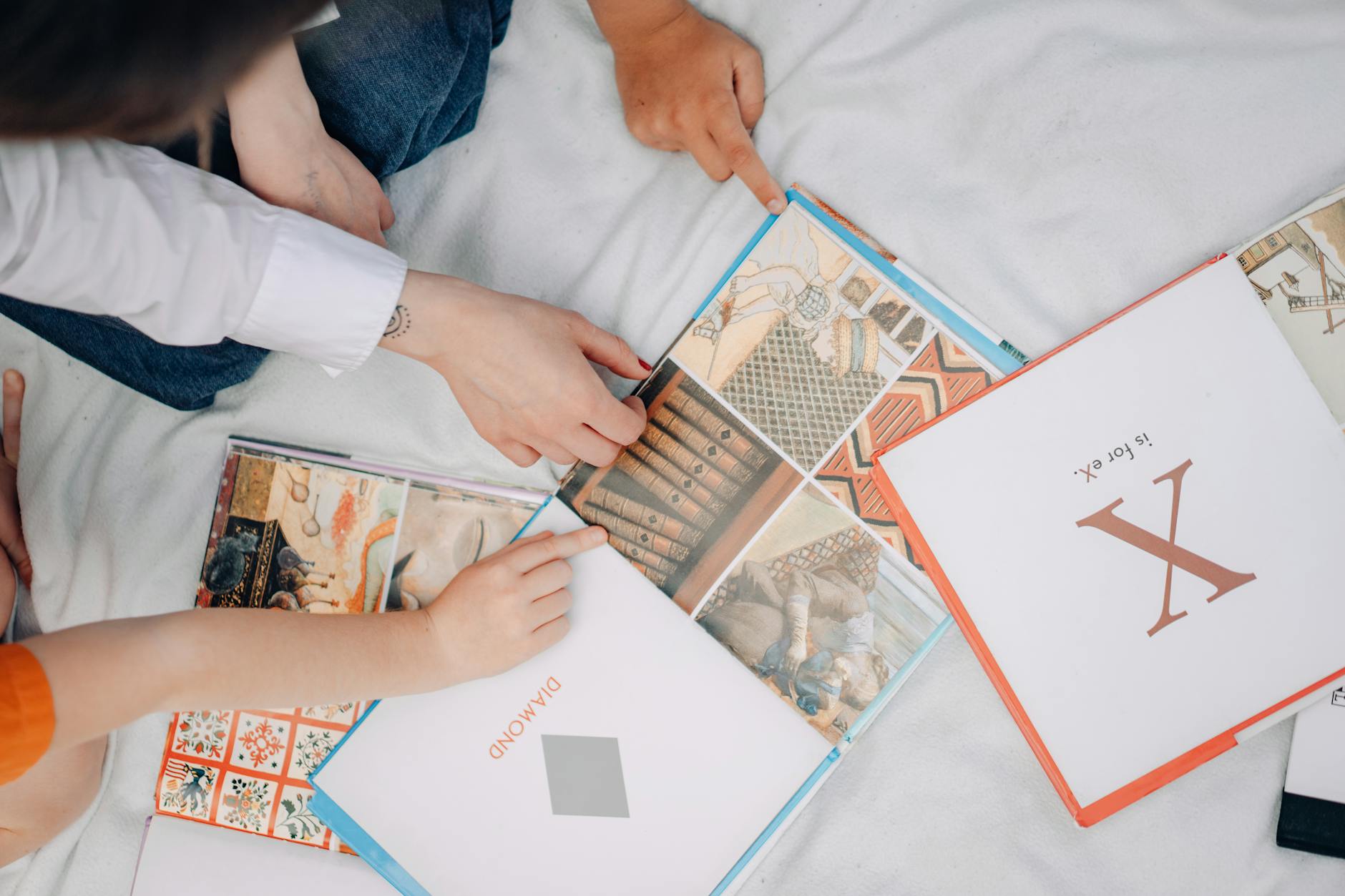
    Now our reading time looks less like school-at-home and more like… well, actual reading. Curled up on the couch. On a blanket in the backyard while the chickens scratch around nearby. In the hammock during those perfect spring mornings we get here in Northwest Florida before the humidity kicks in.

    Let me share what a homeschool reading curriculum looks like when you take the Charlotte Mason approach—and why it might be exactly what your family needs.

    What Makes Charlotte Mason’s Approach to Reading Different?

    Charlotte Mason was a British educator in the late 1800s who believed children deserved real books, not dumbed-down readers. Her philosophy centers on treating children as whole persons capable of engaging with beautiful language and meaningful ideas from the very beginning.

    For reading instruction, this means:

    • Living books over textbooks — Stories written by passionate authors, not committees
    • Short, focused lessons — Quality over quantity
    • Narration — Children retell what they’ve read in their own words
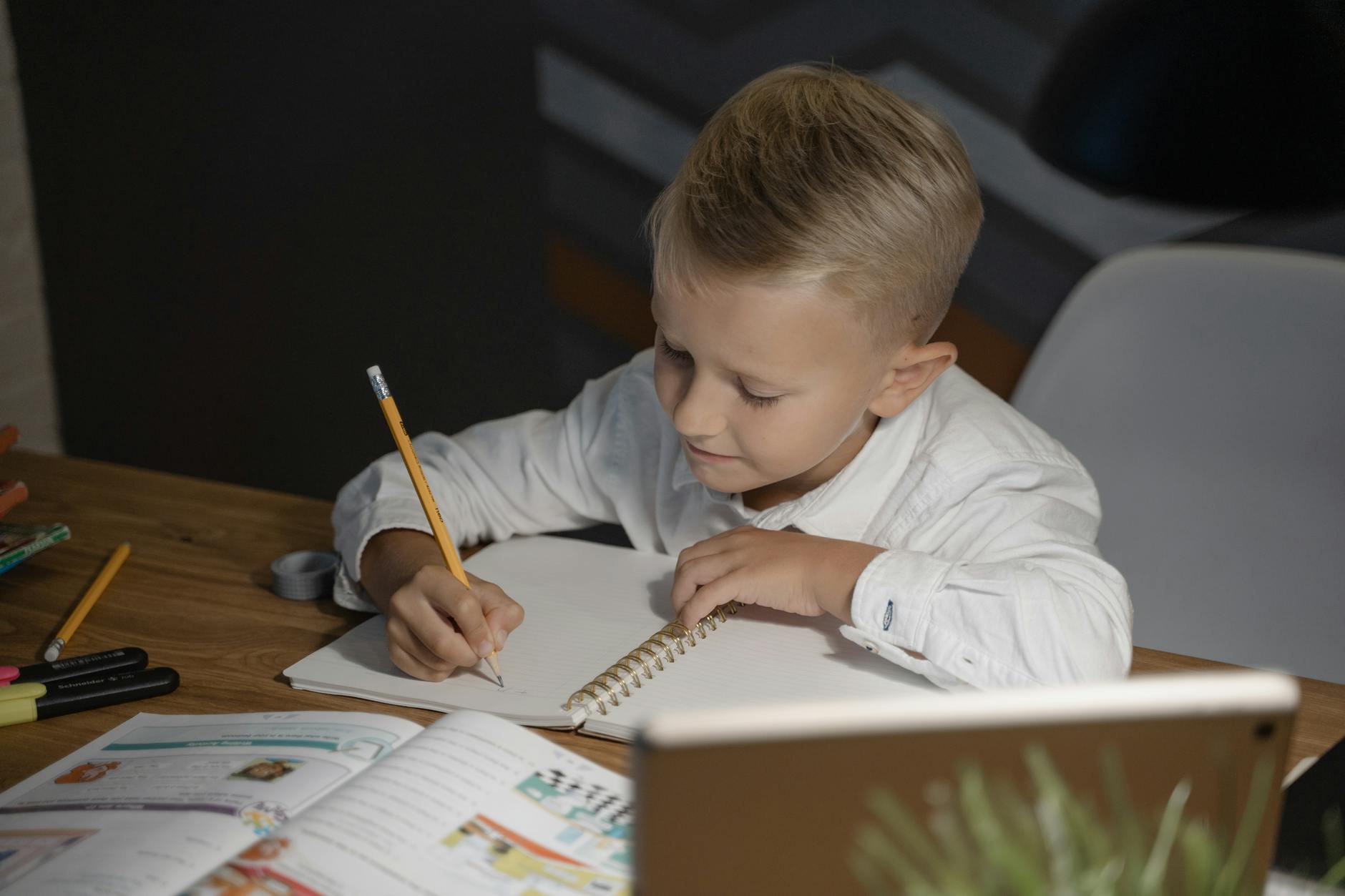
    • Copywork — Handwriting practice using excellent literature
    • No busywork — If it doesn’t serve a purpose, we skip it

    The goal isn’t just decoding words on a page. It’s raising children who love to read—who see books as friends, not assignments.

    Starting with Phonics: Yes, You Still Need It

    I want to be clear about something: Charlotte Mason absolutely taught phonics. Some people hear “no workbooks” and think we’re doing whole language instruction or just hoping kids absorb reading through osmosis. Not quite.

    Mason used systematic phonics instruction, just without the endless drill-and-kill approach. In our home, we spent about 10-15 minutes a day on phonics during the early years—short, focused, and done. We used simple letter tiles and a whiteboard. Nothing fancy.

    The key is keeping lessons brief and then immediately putting those skills to use with real books. Once my kids could sound out basic words, we moved to easy readers—but not the “See Spot run” variety. We looked for readers with actual literary quality.

    Living Books: The Heart of Charlotte Mason Reading

    Here’s where the magic happens. Instead of reading passages written specifically for “reading instruction,” Charlotte Mason families use living books—real literature that feeds the imagination and introduces children to rich vocabulary naturally.

    For early readers, this might mean:

    • Picture books with beautiful, complex language (think Robert McCloskey or Virginia Lee Burton)
    • Classic fairy tales and folk tales
    • High-quality easy readers that don’t talk down to kids
    • Poetry—lots of poetry

    As reading skills grow, we move into chapter books read aloud together, and eventually, independent reading of increasingly challenging material.

    I keep a simple nature journal for each of my kids where they can sketch what we observe and write simple sentences about it. It’s reading and writing practice wrapped into our nature study—very Charlotte Mason.

    How We Structure Our Reading Time

    Our typical day includes several types of reading, but none of them feel like “reading class”:

    Morning Read-Aloud

    I read aloud to all my kids together for about 20-30 minutes. Right now we’re working through some classic children’s literature, and I stop periodically to ask them to narrate—tell back what happened in their own words. This builds comprehension without worksheets.

    Independent Reading

    My older elementary kiddo reads independently for 20-30 minutes. She chooses her own books from our home library or our weekly library haul. No book reports. No comprehension questions. Just reading.

    Phonics/Decoding Practice (for emerging readers)

    Short and sweet. We use letter tiles, a small whiteboard, and whatever easy reader she’s currently working through.

    Nature Study Reading

    We do a lot of learning through observation here—Florida gives us so much to explore year-round. When we spot a bird we don’t recognize, we pull out The Sibley Guide to Birds and look it up together. When questions come up about our chickens, we reference Storey’s Guide to Raising Chickens or the Kid’s Guide to Keeping Chickens that lives on our nature shelf.

    This is real reading with real purpose—not reading to complete an assignment.

    What About Curriculum? Do You Need One?

    Honestly? For reading specifically, I think you need far less curriculum than the homeschool industry wants you to believe.

    What you actually need:

    • A systematic phonics approach for early readers (there are many good ones)
    • A library card
    • A good book list organized by reading level
    • Time and patience

    That said, if you want some structure, Rainbow Resource has a wonderful selection of Charlotte Mason-friendly materials, and you can find curated book lists organized by grade level. Timberdoodle also offers some thoughtful reading resources that align well with a living books approach.

    We use the Florida PEP scholarship, which gives us flexibility to purchase real books instead of being locked into one boxed curriculum. Most of our “reading curriculum” budget goes straight to our local bookstore or online book orders.

    Narration: The Secret Weapon

    If there’s one Charlotte Mason practice that has transformed our homeschool, it’s narration. After reading a passage—whether I’ve read it aloud or my child has read it independently—I simply ask, “Tell me what happened” or “What do you remember?”

    That’s it. No multiple choice. No fill-in-the-blank. Just retelling.

    This simple practice builds comprehension, memory, vocabulary, and oral language skills all at once. My kids remember what they read because they’ve processed it actively, not passively.

    For older elementary students, we add written narration—a paragraph or two summarizing or responding to their reading. Combined with copywork from quality literature, this covers most of our language arts without a single workbook.

    Reading and the Outdoor Life

    One thing I love about the Charlotte Mason approach is how naturally it fits with our outdoor lifestyle. We’re not stuck inside doing reading worksheets when we could be exploring.

    My kids read field guides while we’re actually in the field. They look up insects after catching them in a bug catcher kit. They read poetry on a blanket while the dog naps beside them and the chickens wander the yard.

    Reading isn’t separate from life—it’s woven through it.

    Trust the Process

    Here’s what I want you to know, mama: teaching reading doesn’t have to be complicated. It doesn’t require expensive programs or hours of instruction. Children have been learning to read for centuries with far less than we have available today.

    Give them phonics instruction. Give them real books. Read aloud to them constantly. Let them narrate. And then—this is the hard part—trust the process.

    Some kids read early. Some read later. Charlotte Mason herself said we shouldn’t push formal reading instruction before age six, and many families wait even longer. The research backs this up: early reading instruction doesn’t predict long-term success.

    What does predict a lifelong love of reading? Growing up in a home full of books, with parents who read aloud, where stories are treasured and language is celebrated.

    That’s something we can all do—no curriculum required.

    So grab a stack of library books, find a cozy spot (inside or out—your call), and read together. That’s the Charlotte Mason reading curriculum in its purest form. And friend, it works.

  • Best Chapter Books for Outdoor-Loving Kids in Elementary School

    Best Chapter Books for Outdoor-Loving Kids in Elementary School

    This post contains affiliate links. I may earn a small commission at no extra cost to you.

    If your kids would rather catch frogs than watch TV, if they come inside with pockets full of acorns and interesting rocks, if they ask you questions about bird nests and want to know why lightning bugs glow — you’re in the right place. Finding chapter books that match our outdoor-loving kids’ spirits can be tricky. So much of children’s literature these days is set in schools or cities, and while those stories have their place, I wanted to share the books that have truly captured my kids’ hearts — the ones that make them want to run outside afterward, explore, observe, and wonder.

    These are the books we read aloud on our screened porch here in Northwest Florida, the ones that spark conversations about wildlife and woods and what it means to pay attention to the world around us. They’re perfect for elementary-age readers, whether you’re reading together or they’re curling up solo.

    Why Nature-Rich Books Matter

    In a Charlotte Mason education, we talk a lot about “living books” — books that are written by people who love their subject and tell it in a way that’s alive, not dry or dumbed down. When it comes to nature, this matters so much. A living book about the outdoors doesn’t just teach facts; it invites wonder. It makes kids feel something.

    I’ve watched my own kids become more observant outside because of the books we’ve read together. After finishing My Side of the Mountain, my oldest started looking at hollow trees differently. After The Burgess Bird Book, my youngest could identify a mockingbird’s song before I could. These books do something screens simply can’t — they slow everything down and make space for imagination.

    And honestly? This is the kind of childhood I want for my kids. The 1990s kind, where we spent hours outside making up games, building forts, catching bugs. Books like these feed that spirit.

    Our Favorite Chapter Books for Outdoor Kids

    My Side of the Mountain by Jean Craighead George

    This is the gold standard, in my opinion. Sam Gribley runs away to live in the Catskill Mountains with nothing but a penknife, a ball of cord, and his wits. He learns to forage, makes friends with a falcon, and survives a winter in a hollowed-out tree. The writing is beautiful, the survival skills are real, and it sparks the best conversations about self-reliance and nature.

    We paired this one with time outside practicing observation skills with our nature journals, and it was magic. Even my kindergartener wanted to draw “what Sam would see.”

    Hatchet by Gary Paulsen

    Another survival classic. Thirteen-year-old Brian is stranded in the Canadian wilderness after a plane crash with only a hatchet. It’s gripping, intense, and deeply respectful of nature’s power. This one is better for upper elementary — maybe third grade and up, depending on your child’s sensitivity — but it’s unforgettable.

    The Burgess Bird Book for Children by Thornton W. Burgess

    Okay, this one is technically written in short chapters meant to be read daily, but it’s absolutely perfect for nature study. Each chapter introduces a different bird through a sweet, engaging story. We keep our Sibley Birds field guide nearby and look up each bird as we go. My kids now get genuinely excited when they spot a bird from the book in real life.

    It’s old-fashioned in the best way — gentle, curious, and full of real information wrapped in story.

    Owls in the Family by Farley Mowat

    This memoir about a boy in Saskatchewan who adopts two pet owls is hilarious and heartwarming. It’s a quick read, perfect for younger elementary or as a family read-aloud. The owls get into all kinds of mischief, and it beautifully captures what it’s like to be a kid who just loves animals.

    Reading this one definitely made my kids even more interested in our backyard chickens — they started wondering what it would be like if the hens had the run of the house. (No thank you.)

    Rascal by Sterling North

    A boy adopts a baby raccoon in early 1900s Wisconsin, and what follows is a year of adventures, mishaps, and eventually, a bittersweet goodbye. This book is so rich — it’s about nature, yes, but also about growing up and learning to let go. It’s one of those stories that stays with you.

    The Wind in the Willows by Kenneth Grahame

    The language is more challenging, so this is a great read-aloud for families. Mole, Rat, Toad, and Badger live along the riverbank, and their adventures are cozy, funny, and deeply connected to the English countryside. It’s slower-paced, but that’s part of its charm. Perfect for long summer afternoons or quiet evenings.

    Mrs. Frisby and the Rats of NIMH by Robert C. O’Brien

    A field mouse must move her family before the farmer plows the field, and she discovers an extraordinary community of rats with a secret. This one blends nature, adventure, and thoughtful questions about intelligence and ethics. It’s engaging for the whole elementary range and sparks great discussions.

    How We Use These Books in Our Homeschool

    We follow a Charlotte Mason approach, which means lots of read-alouds and narration. After we finish a chapter, I’ll often ask, “What stood out to you?” or “What would you have done?” There’s no workbook, no quiz — just conversation and connection.

    Many of these books also tie naturally into our nature study time. After reading about birds, we head outside with our field guides. After survival stories, we might practice identifying edible plants in our yard (with supervision, of course — Florida has plenty of things you do not want to eat). Sometimes the kids bring out their watercolor pencils and sketch what they imagine from the story.

    We’ve also used our pocket microscope after reading about insects or forest floors — it makes the books come alive in a different way.

    A Few More Honorable Mentions

    • Paddle-to-the-Sea by Holling C. Holling — technically a picture book, but the depth makes it perfect for elementary read-alouds
    • The Yearling by Marjorie Kinnan Rawlings — set right here in Florida, though better for older elementary due to some heavy themes
    • Island of the Blue Dolphins by Scott O’Dell — survival, solitude, and incredible resilience
    • Julie of the Wolves by Jean Craighead George — another George classic, for upper elementary

    Let the Books Lead Them Outside

    The best books don’t just entertain — they open doors. They make kids want to look more closely at the world, to wonder about the creek behind the house or the hawk circling overhead. They give language to experiences and permission to be curious.

    If you’ve got an outdoor-loving kid, these chapter books will meet them right where they are. Read them on the porch, in a hammock, or under a tree. Let the stories breathe. And then watch what happens when you send them back outside with fresh eyes.

    What are your family’s favorite nature-rich chapter books? I’d love to hear — we’re always looking for the next great read.

  • How to Do Nature Study in Florida Summer Heat (Without Melting)

    How to Do Nature Study in Florida Summer Heat (Without Melting)

    If you’ve ever stepped outside in July in Northwest Florida and immediately felt like you walked into a wet blanket made of fire, you know exactly why this topic matters. The humidity alone can make you question every life choice that led you to this moment — including that beautiful Charlotte Mason nature study routine you built all spring.

    But here’s the thing: summer doesn’t have to mean abandoning nature study. It just means getting a little creative about when and how we do it.

    This post contains affiliate links. I may earn a small commission at no extra cost to you.

    Our family has figured out a rhythm that keeps us connected to the outdoors even when the heat index is flirting with triple digits. And honestly? Some of our best nature discoveries have happened during these hot months — we just had to shift our approach.

    Why We Don’t Take Summer Off From Nature Study

    I know some homeschool families take a complete break in summer, and I respect that. But for us, nature study isn’t really “school” — it’s just how we live. It’s noticing the anole lizards doing their little throat-puff displays on the fence. It’s watching the chickens dust bathe in the afternoon shade. It’s my youngest asking why the cicadas are so incredibly LOUD.

    Charlotte Mason believed that children should spend hours outdoors, forming a relationship with the natural world. She also lived in England, where “hot” means something entirely different than it does here in the Florida Panhandle. So we adapt.

    The goal isn’t to tough it out in miserable conditions. The goal is to keep that thread of curiosity and connection alive, even when summer tries to chase us inside.

    Shift Your Schedule: Early Morning and Evening Windows

    This is the biggest game-changer, and it’s honestly not complicated. We’ve become early risers in summer — not because I love waking up at 6:30 AM (I don’t), but because those first couple hours after sunrise are genuinely pleasant outside.

    The birds are active. The dew is still on the grass. The dog actually wants to walk instead of flopping dramatically in the shade after ten steps.

    We’ll head out with our nature journals and just… be outside. Sometimes we sketch. Sometimes we just observe. My kids have gotten really good at identifying birds by sound during these quiet mornings, and our Sibley bird guide stays on the porch table all summer.

    Evening is another sweet spot. After dinner, when the sun starts dropping and the worst of the heat breaks, we’ll often wander out again. Lightning bugs, sunset colors, the shift in animal activity — there’s so much to notice.

    Embrace Water-Based Nature Study

    Listen, if you’re not incorporating water into summer nature study in Florida, you’re working way too hard.

    We keep a big bin of water outside where the kids can explore — adding pond water, watching mosquito larvae (nature study AND a science lesson about why we dump standing water), or just cooling off while they observe insects around it.

    Beach trips become nature study when you bring a bucket for collecting shells and a curious mindset. We’ve spent hours watching ghost crabs, identifying shore birds, and talking about tides. The Gulf is practically our classroom from June through August.

    Even the backyard hose counts. Wet down an area of the yard and watch what emerges — earthworms, beetles, all sorts of creatures that were hiding from the heat.

    Create Shady Observation Spots

    We’ve been intentional about making our backyard work for us in summer. There’s a big oak tree with a bench underneath where the kids can sit and watch the chickens without baking in full sun. We hung a simple hammock in a shaded corner that’s become a favorite reading and observing spot.

    You don’t need a fancy outdoor classroom setup. You need shade and a reason to be still.

    One of our best summer nature study tools is a simple pocket microscope. The kids collect things — leaves, feathers, interesting bark, chicken feathers (we have plenty of those) — and examine them in the shade or even inside during the hottest part of the day. It bridges outdoor discovery with indoor comfort.

    Let the Chickens Be Your Teachers

    I’ll be honest — our backyard chickens have become central to summer nature study simply because they’re RIGHT THERE and endlessly interesting.

    Watching how they handle heat has taught my kids so much about animal adaptations. They hold their wings out from their bodies. They pant. They dig holes in the dirt and lie in them. They drink constantly. It’s all observable, all teachable, all happening ten feet from our back door.

    We keep our chicken waterer full of cool water, add ice on the worst days, and the kids have taken ownership of making sure the girls are comfortable. If you’re newer to chickens, Storey’s Guide to Raising Chickens has great information about keeping your flock healthy in hot climates.

    The coop area has become an observation station. Who’s molting? Are they laying less because of the heat? Why is that one hen always bossing the others? It’s real, living nature study without leaving the yard.

    Bring Nature Inside During Peak Heat

    From about 11 AM to 4 PM in Florida summer, we’re mostly inside. And that’s okay.

    This is when we work on nature journal entries from our morning observations. The kids might paint what they saw using their watercolor pencils, adding details and notes. We read living books about the animals and plants we’ve been encountering.

    We also do a lot of “indoor nature study” that connects to what’s happening outside:

    • Watching documentaries about Florida ecosystems
    • Researching the bugs we found that morning (what IS that weird beetle?)
    • Pressing flowers and leaves from earlier walks
    • Planning what we want to observe next

    Rainbow Resource has been a great source for nature-focused books and guides that we use during these hot afternoon hours.

    Don’t Forget Sun Protection and Bug Defense

    Practical stuff matters. We can’t enjoy nature study if everyone is sunburned, dehydrated, or covered in mosquito bites.

    We apply non-toxic sunscreen before morning outings, keep water bottles everywhere, and use Wondercide for bug protection that I actually feel good about spraying on my kids.

    Wide-brimmed hats, lightweight long sleeves, and staying hydrated aren’t optional here — they’re what make summer nature study sustainable instead of miserable.

    The Goal Is Connection, Not Perfection

    Some summer days, nature study is a two-hour morning adventure at a local spring. Other days, it’s five minutes watching a spider build a web on the porch before we retreat to the air conditioning.

    Both count.

    What I want my kids to carry into adulthood isn’t a perfect nature journal or an encyclopedic knowledge of Florida wildlife. I want them to feel at home outside. To notice things. To be curious. To understand that they’re part of the natural world, not separate from it.

    That can happen in the summer heat. It just looks a little different than it does in October.

    So if you’re sitting inside right now, wondering if nature study is even possible until fall — it is. Wake up early tomorrow, grab your coffee, send the kids out in their pajamas, and just see what you notice together. That’s enough. That’s everything, really.

    We’ll be out there too, probably watching the chickens and waiting for the mockingbird who’s been visiting our fence. Even in the heat, there’s always something worth seeing.

  • Non-Toxic Baby Products We Switched to After Research: Our Family’s Journey

    When I was pregnant with my first, I did what most new mamas do — I registered for all the things. The cute bottles, the popular lotions, the highly-rated everything. It wasn’t until I started actually reading ingredient labels (thanks, pregnancy insomnia) that I realized how many products marketed to babies contained things I couldn’t even pronounce.

    This post contains affiliate links. I may earn a small commission at no extra cost to you.

    I’m not here to fear-monger or make anyone feel guilty about what’s in their diaper bag right now. Goodness knows we all do the best we can with the information we have. But I wanted to share what our family learned and the switches we made — because sometimes it helps just to hear what another mama figured out through trial, error, and way too many late-night research sessions.

    Why We Started Looking at Baby Product Ingredients

    Honestly? It started with a rash. My oldest had the most sensitive skin, and every “gentle” baby product we tried seemed to make things worse. I finally sat down one evening and started Googling the ingredients in our baby wash, and y’all — I went down a rabbit hole.

    I have a science background, so I know how to read studies and evaluate sources. What I found wasn’t necessarily that everything on the market is poison (it’s not), but that a lot of products contain ingredients that just… don’t need to be there. Fragrances that can irritate. Preservatives with questionable safety profiles. Dyes that serve no purpose except to make things look pretty on a shelf.

    Once I started paying attention, I couldn’t stop. And gradually, we made switches — not all at once, but product by product as things ran out.

    The Products We Changed First

    Baby Wash and Lotion

    This was the big one for us. We ditched anything with fragrance, parabens, and sulfates. I know those words get thrown around a lot, so here’s the simple version: fragrance can mean dozens of undisclosed chemicals, parabens are preservatives that mimic estrogen, and sulfates are what makes things foam but can be really drying.

    We switched to brands that use simple ingredient lists. Castile soap diluted with water became our go-to for a long time. For lotion, plain coconut oil or shea butter worked better than anything in a fancy bottle.

    Sunscreen

    Living in Florida, sunscreen isn’t optional — it’s survival. But traditional sunscreens contain chemical filters that absorb into the skin. We made the switch to mineral sunscreens with zinc oxide as the active ingredient. Yes, they can leave a white cast. Yes, my kids sometimes look like little ghosts at the beach. But it sits on top of the skin instead of absorbing into it, and that matters to me.

    We’ve tried a bunch of brands over the years, and I keep a running list of non-toxic sunscreen options for kids that actually work in Florida humidity without sliding off in five minutes.

    Diapers and Wipes

    This one surprised me. Traditional diapers can contain chlorine, fragrances, lotions, and dyes. We tried cloth for a while (Florida heat made that… interesting), and eventually landed on a fragrance-free, chlorine-free disposable option that worked for our family.

    For wipes, we switched to water wipes or just plain wet washcloths. Simple, effective, and so much gentler on sensitive skin.

    Cleaning Products That Touch Baby Stuff

    Laundry Detergent

    I never thought much about laundry detergent until I realized how much residue stays on fabric — fabric that my baby was sleeping on, wearing, and putting in their mouth. We switched to a fragrance-free, plant-based option and haven’t looked back.

    Grove Collaborative has been a great resource for finding cleaner cleaning products. I love that I can set up a shipment and not have to think about it — one less thing on the mental load.

    Household Cleaners

    Once the babies started crawling, I became hyper-aware of what was on our floors. We moved to simple ingredients: vinegar, castile soap, baking soda. For anything that needed more muscle, I found concentrated plant-based options that I dilute myself.

    This mindset eventually extended beyond just baby products. When we got our chickens a few years later, I applied the same thinking to their care. We use food-grade diatomaceous earth in the coop for pest control instead of chemical treatments, and it works beautifully.

    Bug Spray and Outdoor Protection

    Okay, if you live in Florida, you know that mosquitoes are basically the unofficial state bird. But DEET always concerned me for little ones. We switched to plant-based repellents, and Wondercide has been a game-changer for our family. We use it on ourselves, the kids, and even on our mini labradoodle when she’s being especially delicious to the bugs.

    It smells like lemongrass and cedar instead of chemicals, and it actually works. Which, in Northwest Florida during summer, is saying something.

    What We Learned Along the Way

    Not Everything Matters Equally

    Here’s the thing I wish someone had told me earlier: you don’t have to switch everything overnight. Focus on products that stay on the skin (lotions, sunscreen) before worrying about things that rinse off quickly. Prioritize what baby spends the most time with — bedding, clothing, things that go in their mouth.

    “Natural” Doesn’t Always Mean Safe

    Marketing is sneaky. “Natural” and “gentle” aren’t regulated terms. I learned to flip the bottle and read the actual ingredients instead of trusting the front label. It takes more time at first, but eventually you learn which brands you can trust and shopping gets easier.

    Simple Usually Wins

    The best baby products often have the shortest ingredient lists. This applies to so much of life, honestly — our homeschool philosophy, our approach to toys, the way we spend our days. Less really can be more.

    Raising Kids the Old-Fashioned Way

    This whole journey fits into how we’re trying to raise our kids overall. We want them outside more than inside. Playing in the dirt, collecting bugs with their bug catcher kits, feeding the chickens, exploring the backyard. A childhood that looks more like the 1990s than 2025.

    Part of that, for us, means being thoughtful about what goes on their bodies and in their environment. Not paranoid — thoughtful. There’s a difference.

    We still use sunscreen and bug spray. We still buy things in stores. We’re not living off the grid. We’ve just tried to make more intentional choices where we can, and let go of perfection where we can’t.

    What I’d Tell a New Mama Just Starting This Journey

    Don’t let it overwhelm you. Don’t throw out everything in your house tomorrow. Just start noticing. Start reading labels. Make one switch at a time as products run out.

    And give yourself grace. We’re all just doing our best with what we know. The fact that you’re even thinking about this stuff? That means you’re a good mama.

    If you want to dive deeper into research, the Environmental Working Group (EWG) has a database where you can look up product safety ratings. It’s not perfect, but it’s a good starting point.

    And if you’re standing in a store aisle right now, exhausted and overwhelmed, trying to figure out which baby lotion to buy — just look for the shortest ingredient list with words you recognize. That’s usually a pretty safe bet.

    We’re in this together, friend. One small switch at a time.

  • Best Chicken Coop Bedding Options: Pros and Cons from a Florida Coop

    Best Chicken Coop Bedding Options: Pros and Cons from a Florida Coop

    This post contains affiliate links. I may earn a small commission at no extra cost to you.

    If you’ve ever opened your coop on a humid July morning in Northwest Florida and been hit with that wall of ammonia smell, you know — bedding matters. A lot. Choosing the right coop bedding isn’t just about aesthetics or what’s on sale at Tractor Supply. It affects your flock’s respiratory health, your workload, and honestly, whether you dread or enjoy your morning chicken chores.

    We’ve had backyard chickens for several years now, and I’ve tried just about everything in our coop. Pine shavings, straw, sand, even the deep litter method (which sounds fancy but is really just strategic laziness — my kind of system). So let me share what I’ve learned, because nobody tells you this stuff when you bring home those fluffy chicks from the feed store.

    Why Coop Bedding Actually Matters

    Before we get into the options, let’s talk about what good bedding actually does. It’s not just a soft floor for your hens.

    Good coop bedding:

    • Absorbs moisture from droppings (and here in Florida, from the air itself)
    • Controls ammonia odors that can damage chicken respiratory systems
    • Provides insulation in cooler months
    • Makes cleaning manageable for the human doing the work
    • Helps with pest control when managed well

    If you’re newer to chickens, Storey’s Guide to Raising Chickens is worth having on your shelf. It covers bedding and so much more — I still reference mine regularly.

    Pine Shavings: The Classic Choice

    Pros

    Pine shavings are probably what you picture when you think of coop bedding. They’re widely available, smell pleasant, and absorb moisture reasonably well. They’re lightweight, easy to spread, and compost nicely when you’re done with them.

    For Florida coops, the natural pine scent does help mask odors, and the shavings dry out fairly quickly after our afternoon thunderstorms if any moisture gets tracked in.

    Cons

    The downside? They need to be replaced or refreshed frequently — especially in our humidity. What starts as fluffy shavings can become a compacted, damp mess within a couple of weeks if you’re not staying on top of it. Fine shavings can also get dusty, which isn’t great for chicken (or human) lungs.

    One thing to watch: never use cedar shavings. The oils are too strong and can cause respiratory issues in chickens.

    Sand: The Florida-Friendly Option

    Pros

    Honestly? Sand has become my personal favorite for our main coop floor. It drains well (crucial here), stays cool in summer, and you can scoop droppings like a litter box. The kids actually think it’s fun to help with morning “poop patrol” — I’ll take it.

    Sand doesn’t hold moisture the way organic materials do, which means less ammonia buildup. In our Pensacola humidity, this is huge.

    Cons

    Sand is heavy. Like, really heavy. You’re not casually tossing bags of it into your car. It also doesn’t compost, so you can’t add spent bedding to your garden pile. And it needs to be coarse construction sand or river sand — play sand is too fine and can actually hold moisture and bacteria.

    The initial setup is more expensive and labor-intensive, but for us, the reduced daily maintenance has been worth it.

    Straw: Old-Fashioned but Finicky

    Pros

    Straw is inexpensive and readily available. It provides good insulation for cooler weather (not that we get much of that here, but those random January cold snaps do happen). It composts beautifully and feels very “farmstead.”

    Cons

    Here’s my honest take: straw and Florida humidity don’t mix well. Straw doesn’t absorb moisture — it just sits there getting damp underneath. This creates a perfect environment for mold and mites. We tried straw our first year and dealt with a mite problem that took weeks to resolve.

    If you do use straw, you’ll want to stay vigilant with pest prevention. We dust our coop corners with food-grade diatomaceous earth regularly now, regardless of bedding type.

    The Deep Litter Method: Composting in Place

    Pros

    This is essentially building a composting system right in your coop. You start with several inches of carbon material (pine shavings, dried leaves, etc.) and just keep adding layers as droppings accumulate. The chickens turn it themselves, and over months, it breaks down into compost.

    When it works, it’s genuinely magical. Less frequent cleanouts, built-in nitrogen for your garden, and the decomposition actually generates a bit of warmth.

    Cons

    The deep litter method requires commitment and attention. You need to add carbon material regularly, ensure proper moisture balance, and turn it if your chickens aren’t doing it themselves. Get it wrong, and you’ve got a smelly, ammonia-filled mess.

    In Florida’s humidity, I’ve found this method works better in our cooler months (October through March) than in full summer. You really need the bedding to stay dry enough to decompose properly rather than just rot.

    Hemp Bedding: The Newer Option

    Pros

    Hemp bedding is more absorbent than pine shavings and naturally resistant to pests. It’s low-dust, which is better for respiratory health, and it composts quickly. If you can find it locally, it’s worth trying.

    Cons

    Availability can be spotty, and it’s typically more expensive than pine shavings. It works well, but for most backyard flocks, the cost difference is hard to justify unless you’re dealing with specific respiratory concerns.

    What Actually Works for Our Florida Flock

    After trying different approaches, here’s what we’ve landed on: sand on the coop floor with pine shavings in the nesting boxes. This gives us the easy cleanup of sand where droppings land most, with soft, absorbent material where the hens lay.

    We clean the sand every couple of days with a kitty litter scoop (the kids have turned this into a competition), and refresh the nesting box shavings weekly. We sprinkle diatomaceous earth in corners and along roosts monthly, and do a full deep clean every few months.

    Having a good chicken waterer setup with nipples instead of open water has also helped tremendously with keeping bedding dry. Less splashing means less moisture overall.

    A Few More Tips for Humid Climates

    Ventilation is everything. Our coop has hardware cloth upper walls that let air flow freely. Even the best bedding can’t overcome a poorly ventilated coop in Florida.

    Keep extra bedding on hand. When tropical storms roll through or we get those weeks of daily rain, you’ll want to refresh bedding more often.

    And if you’re just starting out with chickens, A Kid’s Guide to Keeping Chickens is genuinely helpful for the whole family — not just kids. It covers basics in a really accessible way.

    Finding What Works for Your Flock

    There’s no single “best” bedding — it really depends on your climate, your coop setup, and how much maintenance you want to do. What works perfectly for someone in Oregon might be a disaster here in the Panhandle.

    My advice? Start with pine shavings since they’re forgiving and affordable. Pay attention to what’s happening in your coop — how it smells, how quickly things get damp, how your chickens seem to be doing. Then adjust from there.

    Those mornings when you open the coop to happy hens, fresh air, and manageable chores? That’s the goal. It took us some trial and error to get there, but our current system feels sustainable. And honestly, our chicken chores have become one of my favorite parts of the morning — right after coffee, obviously.

  • How to Teach Kids to Garden the Charlotte Mason Way: Hands in the Dirt, Hearts in the Learning

    If you’ve ever watched your child squat down to examine a roly-poly for fifteen minutes straight, you already know something Charlotte Mason understood over a century ago: children are born naturalists. They don’t need flashy curriculum or structured lesson plans to fall in love with the living world—they need time, tools, and a trusted adult who says, “Let’s go see what’s growing.”

    Gardening with kids the Charlotte Mason way isn’t about perfect rows or Pinterest-worthy raised beds. It’s about wonder. It’s about muddy knees and the thrill of pulling up a carrot you planted yourself. And honestly? It’s one of the simplest, most joy-filled parts of our homeschool here in Northwest Florida.

    This post contains affiliate links. I may earn a small commission at no extra cost to you.

    Why Gardening Fits Perfectly Into a Charlotte Mason Education

    Charlotte Mason believed that nature was a child’s first and best teacher. She called it “outdoor hours” and considered time spent outside as essential as reading or arithmetic. Gardening takes this philosophy and gives it roots—literally.

    When your child plants a seed, waters it faithfully, and watches it push through the soil, they’re learning patience, responsibility, and the rhythms of creation. They’re doing science without a worksheet. They’re practicing math when they space seeds six inches apart. They’re building character when the squirrels eat half the strawberries and they have to decide how to respond.

    This isn’t busy work. This is living education.

    Start Small: A Charlotte Mason Garden Doesn’t Have to Be Big

    I know it’s tempting to envision a sprawling vegetable garden with hand-painted markers and a charming little fence. But can I be honest? Start with one pot. One raised bed. One corner of the yard where you’re willing to let the kids dig.

    Here in Florida, we have the gift of a nearly year-round growing season. We can plant cool-season greens in fall and tomatoes by late February. But we also have sandy soil, relentless humidity, and summer heat that can wilt a pepper plant by noon. So we’ve learned to work with what we have—and that’s a lesson in itself.

    Let Them Choose What to Grow

    Charlotte Mason emphasized respecting children as persons with their own ideas and interests. Apply that here. Let your child pick at least one thing to grow, even if it’s not what you would choose.

    My youngest wanted to grow sunflowers because “the chickens will like the seeds.” Was that the most practical choice? Maybe not. But the ownership she felt over those flowers—watering them every morning, measuring their height in her nature journal—made it worth every inch of garden space.

    Incorporate Living Books and Nature Journaling

    A Charlotte Mason approach weaves books into everything, and gardening is no exception. But we’re not talking about textbooks. We’re talking about living books—ones written by people who love their subject and make you love it too.

    For younger kids, picture books about seeds, worms, and growing things are perfect for reading aloud before or after garden time. For older elementary kids, consider books that go deeper into botany or the lives of gardeners and naturalists.

    And then there’s nature journaling. This is where the Charlotte Mason magic really happens.

    After time in the garden, we come inside (or sit right there in the grass) and draw what we observed. A bean sprout. A ladybug on a leaf. The way the tomato plant’s stem feels fuzzy. We use Faber-Castell watercolor pencils because they’re forgiving and beautiful, and the kids feel like real artists.

    This isn’t about creating museum-worthy art. It’s about paying attention. Charlotte Mason called it “the seeing eye”—training children to truly notice the world around them.

    Make It Hands-On and Unhurried

    No Rushing, No Quizzing

    One of the biggest shifts in Charlotte Mason education is moving away from constant testing and toward trust. Trust that your child is absorbing what they experience. Trust that the garden is teaching them, even when you’re not narrating every moment.

    So resist the urge to turn garden time into a pop quiz. Instead of “What’s the life cycle of a plant?” try “I wonder what this seed needs to wake up.” Let them discover. Let them ask the questions.

    Use Real Tools

    Charlotte Mason believed in giving children real, quality tools—not dumbed-down versions. A child-sized trowel? Great. A flimsy plastic thing that breaks on the first dig? Skip it.

    We also keep a pocket microscope in our garden basket. The kids use it to examine seeds, soil, bugs, and leaf veins. It’s one of those tools that turns an ordinary garden moment into a “Whoa, come look at this!” moment.

    Connect the Garden to the Rest of Your Homeschool

    Gardening doesn’t have to be a separate subject. It can weave through your whole day.

    • Science: Observe insects, study plant anatomy, learn about composting. If you’re raising backyard chickens like we are, you’ve already got a built-in lesson on the nitrogen cycle. (Chicken manure + compost pile = garden gold.)
    • Math: Measure garden beds, calculate how many seeds fit in a row, track rainfall in a chart. We love how Math-U-See builds hands-on understanding—and the garden extends that beautifully.
    • Language Arts: Narrate what you observed. Write a poem about spring. Label a diagram.
    • Art: Paint the flowers. Press leaves. Sketch the garden through the seasons.

    This is the integrated, whole-life learning Charlotte Mason envisioned. No compartments. Just life, fully lived.

    Embrace the Imperfection (And the Bugs)

    Let me be real: our garden is not Instagram-perfect. There are weeds. There are mystery plants we can’t identify. There are days when the kids would rather chase the dog than water the tomatoes.

    And that’s okay.

    Charlotte Mason wasn’t aiming for performance. She was aiming for formation—shaping hearts and minds through real experiences. Sometimes that means a failed crop. Sometimes it means discovering a toad living under the basil. Sometimes it means sitting in the dirt together, not talking about anything educational at all, just being.

    Here in Florida, we also deal with pests—fire ants, aphids, the occasional armadillo who thinks our garden is a buffet. We use Wondercide around the yard for pest control because I’m not willing to spray chemicals where my kids play and my chickens roam. It’s one of those choices that feels small but adds up to an intentional home.

    A Note on Connecting Garden and Coop

    If you have backyard chickens, the garden becomes even richer. Our kids toss weeds and bolted lettuce to the hens. They collect eggshells, crush them, and add them back to the compost. They’ve learned that nothing is wasted—that a garden and a flock are part of the same cycle.

    If you’re just starting out with chickens, A Kid’s Guide to Keeping Chickens is a wonderful resource that empowers kids to take ownership. Pair that with garden responsibilities, and you’ve got a child who understands where food comes from—not from a store, but from care, patience, and a whole lot of sunshine.

    Let the Garden Be the Teacher

    At the end of the day, teaching kids to garden the Charlotte Mason way isn’t really about teaching at all. It’s about creating space—physical space in your yard and margin in your schedule—for children to encounter the natural world.

    It’s about less screen time and more soil time. Fewer worksheets and more worms. It’s about raising kids the way many of us were raised in the ’90s: outside until dinner, curious about everything, a little bit wild.

    So grab a trowel. Plant something. Let your kids get dirty. And trust that the garden is doing exactly what it was made to do—growing little people who notice, wonder, and love the world around them.

    We’ll be out back if you need us. Probably picking cherry tomatoes and arguing about whose turn it is to fill the chicken waterer.

  • Florida Backyard Birds Identification Guide for Kids: A Simple Start to Nature Study

    Florida Backyard Birds Identification Guide for Kids: A Simple Start to Nature Study

    If you’ve ever had a kid tug your sleeve and ask, “Mama, what kind of bird is THAT?” while pointing at something fluttering past the window — you know the feeling. That little spark of curiosity is everything. And honestly? Florida backyards are absolutely bursting with birds worth noticing.

    This post contains affiliate links. I may earn a small commission at no extra cost to you.

    We started really paying attention to our backyard birds a couple years ago, mostly because our chickens drew so much other wildlife to our little corner of Northwest Florida. Turns out, once you put out feed and water and create a space where creatures feel welcome, the wild ones show up too. Cardinals perching on the coop. Blue jays stealing scratch grains. Mockingbirds absolutely losing their minds at our dog for existing.

    It became this beautiful, unexpected doorway into nature study — no curriculum required. Just eyes, ears, and a willingness to slow down.

    Why Bird Watching Is Perfect for Florida Kids

    Here’s what I love about birding with elementary-age kids: it meets them right where they are. You don’t need to drive anywhere special. You don’t need fancy equipment. You just need to step outside — and in Florida, there’s almost always something flying, hopping, or singing.

    We’re blessed (or spoiled, depending on how you look at it) with year-round bird activity here. While friends up north are bundled inside for months, our kids can be outside in January watching painted buntings and in July spotting summer tanagers. The mild winters mean many species stick around, and our location on migratory flyways means seasonal visitors too.

    For Charlotte Mason families like ours, bird identification fits perfectly into nature study. It’s observation-based. It builds attention to detail. And it gives kids something real and living to sketch, describe, and wonder about.

    Common Florida Backyard Birds Your Kids Will Actually See

    Let me save you some time and frustration. Instead of overwhelming your kids with a massive field guide, start with the birds they’re genuinely likely to see right in your own yard. Here are our Florida favorites:

    Northern Cardinal

    The bright red male is usually the first bird kids learn to identify — and for good reason. They’re bold, beautiful, and almost always around. The females are more subtle with warm brown feathers and that same distinctive crest. Cardinals love sunflower seeds and often visit feeders in pairs.

    Blue Jay

    Loud, bossy, and brilliant blue. Blue jays are hard to miss. They’re also incredibly smart and will absolutely raid your chicken feed if given the opportunity (ask me how I know). Kids love their bold personalities.

    Northern Mockingbird

    Florida’s state bird! These gray-and-white singers are famous for mimicking other birds — and sometimes car alarms, cell phones, and squeaky gates. Ours has a particular vendetta against our mini labradoodle and dive-bombs her regularly during nesting season.

    Mourning Dove

    That soft, cooing sound in the morning? Probably mourning doves. They’re gentle, ground-feeding birds with a distinctive mournful call that’s actually quite peaceful once you recognize it.

    Carolina Wren

    Tiny but LOUD. These rusty-brown birds with the white eyebrow stripe have an enormous voice for their size. They love nesting in weird places — we’ve found nests in flowerpots, our garage, and once inside a boot left on the porch.

    Red-bellied Woodpecker

    Despite the name, look for the bright red stripe on their head first. The belly is just barely blushed with pink. You’ll often hear them before you see them — that distinctive pecking on trees or wooden fence posts.

    Painted Bunting

    If you see one, you’ll never forget it. Males look like someone took a box of crayons to a bird — blue head, red chest, green back. They’re more common in North Florida than people realize, especially near brushy areas. We usually spot ours in early spring.

    Simple Tools to Get Started

    You don’t need much, but a few intentional tools can transform casual glances into real learning:

    A good field guide makes all the difference. We keep The Sibley Guide to Birds on our kitchen windowsill, and it’s become dog-eared from use. The illustrations are gorgeous and the regional information actually applies to us here in Florida.

    A nature journal turns observations into something lasting. My kids each have a simple sketch journal where they draw what they see and jot down notes. It doesn’t have to be fancy — stick figures with wings absolutely count.

    For adding color to journal entries, we love Faber-Castell watercolor pencils. They’re forgiving for little hands and perfect for capturing that cardinal red or blue jay blue.

    And honestly? A pair of basic binoculars helps, but at the elementary age, I find my kids do better just using their eyes and getting close. Birds at the feeder don’t require magnification — just patience and quiet feet.

    Making It Part of Your Homeschool Rhythm

    We don’t do formal bird study. It’s just… woven in. Part of our morning basket time might include reading from a nature guide. Part of outdoor time might be sitting quietly and watching the feeders. Part of afternoon free play might turn into an impromptu bird count.

    Some practical ways we incorporate it:

    • Morning bird check: First thing after breakfast, someone reports what’s at the feeder. It takes 30 seconds and builds observation habits.
    • Weekly nature journal time: One page, one bird, whatever they want to include. No pressure for perfection.
    • Seasonal bird lists: We keep a running list on the fridge of species we’ve spotted that month. The kids love adding new ones.
    • Chicken-time bonus birds: While we’re out doing coop chores, we watch for wild visitors. Our chickens seem unbothered by most songbirds, so it’s a great time to observe both domestic and wild birds together.

    Tips for Keeping It Fun (Not Forced)

    The quickest way to kill a kid’s interest in birds? Make it feel like school. Keep it light. Keep it optional. Let them lead.

    If your child wants to learn every species in the field guide, beautiful. If they just want to yell “BLUE BIRD!” every time they see a jay and move on with their lives, also beautiful. The goal isn’t to raise ornithologists — it’s to raise humans who notice the world around them.

    Some days my kids are deeply invested in identifying a new visitor. Other days they couldn’t care less because they found a really good stick. Both are valid forms of childhood.

    The Bigger Picture

    I think about the way I grew up — outside until the streetlights came on, noticing things without anyone telling me to, developing my own sense of wonder about the natural world. That’s what I want for my kids.

    Bird watching is just one small piece of that. It’s free, it’s accessible, and it happens right in our own Florida backyard between the chicken coop and the back porch. It requires nothing but presence and attention — two things our overscheduled, overstimulated world tries hard to steal from childhood.

    So grab a field guide, pour yourself some coffee, and sit outside with your people. Watch what shows up. You might be surprised how much there is to see when you actually look.

    Happy birding, friends. 🐦

  • Best Non-Toxic Art Supplies for Elementary Homeschool: What We Actually Use

    Best Non-Toxic Art Supplies for Elementary Homeschool: What We Actually Use

    This post contains affiliate links. I may earn a small commission at no extra cost to you.

    If you’ve ever watched your kindergartener absentmindedly chew on a paintbrush while creating their masterpiece, you understand why non-toxic art supplies matter. I’ve been there—multiple times—and it’s exactly why I started paying closer attention to what we bring into our homeschool space.

    When we shifted to a more intentional, non-toxic home a few years back, art supplies were honestly one of the last things I tackled. I figured, “How bad can crayons be?” Turns out, some conventional art supplies contain ingredients I’d rather not have my kids absorbing through their skin or accidentally ingesting. And let’s be real—elementary kids touch everything, put things near their mouths, and then rub their eyes. It’s just how they’re wired.

    So I’ve spent considerable time researching, testing, and figuring out which non-toxic art supplies actually work well for our Charlotte Mason-style homeschool. Not the watered-down stuff that barely shows up on paper, but real, quality supplies that happen to also be safe.

    Why Non-Toxic Art Supplies Matter for Young Kids

    Here’s the thing: children’s bodies are still developing, and they absorb chemicals at higher rates than adults. Their skin is more permeable, and their hand-to-mouth habits mean they’re ingesting small amounts of whatever they’re handling throughout the day.

    Many conventional art supplies contain heavy metals, synthetic fragrances, and petroleum-based ingredients. Some paints and markers have been found to contain lead, cadmium, and other substances we definitely don’t want anywhere near our kids.

    For our family, choosing non-toxic options just makes sense. We’re already filtering our water, choosing cleaner cleaning products from places like Grove Collaborative, and being thoughtful about what goes on our skin. Art supplies are just another piece of that puzzle.

    Our Favorite Non-Toxic Art Supplies for Elementary Homeschool

    Watercolors That Actually Work

    Watercolors are a staple in any Charlotte Mason homeschool, and for good reason. Nature journaling, wet-on-wet painting, color mixing exploration—these are the kinds of slow, wonder-filled activities that build both skill and attention.

    We’ve tried several brands, but the Faber-Castell watercolor set has been our consistent favorite. The colors are vibrant, they blend beautifully, and they’re made with high-quality pigments. My kids have used these for everything from painting wildflowers we’ve collected to illustrating their nature notebooks.

    The nice thing about good watercolors is they last forever. We’ve had our current set for over a year and still haven’t hit pan on most colors, even with regular use.

    Crayons and Colored Pencils

    For everyday coloring and drawing, we stick with beeswax crayons and quality colored pencils. Beeswax crayons smell amazing (like actual honey), lay down smooth color, and don’t contain the paraffin wax or synthetic additives found in most conventional crayons.

    Faber-Castell also makes excellent colored pencils that are non-toxic and come in beautiful, rich colors. They sharpen well without constantly breaking—which, if you have a five-year-old who presses down like they’re trying to drill through the table, you know is important.

    Nature Journals

    A good nature journal is really the foundation of our art and science time combined. We use these simple hardcover sketchbooks that hold up to watercolors, pressed flowers, and the general enthusiasm of elementary-age hands.

    We take ours outside most mornings—Florida weather permitting, which is honestly most of the year—and the kids sketch whatever catches their attention. Sometimes it’s a detailed drawing of the chickens. Sometimes it’s a quick doodle of a cloud. The point isn’t perfection; it’s observation and connection.

    Clay and Modeling Supplies

    We keep homemade playdough on hand for the younger set (flour, salt, cream of tartar, water, and a little coconut oil), but for more serious sculpting projects, we look for natural clay or beeswax modeling clay.

    The sensory experience of working with clay is so valuable for kids. It strengthens hand muscles for writing, encourages three-dimensional thinking, and honestly just feels good. My kids will spend an hour sculpting little animals while I read aloud, and it’s some of our most peaceful school time.

    Building a Non-Toxic Art Space

    Storage and Organization

    Keeping art supplies accessible encourages kids to create independently. We have a simple art cart in our main learning area with all the basics—paper, crayons, watercolors, scissors, glue sticks—where the kids can grab what they need without asking.

    This kind of setup supports that 1990s childhood vibe I’m always chasing. Remember when we’d just… make things? Without a Pinterest tutorial or a pre-packaged craft kit? Kids are naturally creative when we give them materials and get out of the way.

    Paper Choices

    Don’t overlook paper quality. Thin copy paper works fine for quick drawings, but for watercolor or any wet media, you need something heavier. We keep a stack of mixed media paper on hand for painting days, and the kids’ work actually looks better because the paper doesn’t buckle and warp.

    Integrating Art Into Your Charlotte Mason Homeschool

    In a Charlotte Mason approach, art isn’t an extra—it’s woven throughout learning. Picture study introduces kids to great artists and their techniques. Nature study naturally leads to nature journaling. Handicrafts build patience and fine motor skills.

    We pair our art supplies with good living books and real experiences. After reading about birds, we might head outside with our Sibley bird guide and then come back in to sketch what we saw. The art becomes a way of processing and remembering, not just an isolated activity.

    Honestly, some of our best homeschool moments happen when someone notices something outside—a particularly pretty feather near the coop, an interesting bug, the way the afternoon light hits the Spanish moss—and wants to capture it on paper.

    What to Look For (and Avoid)

    When shopping for non-toxic art supplies, look for:

    • ACMI AP Seal: This indicates the product has been evaluated by a toxicologist and found to contain no materials in sufficient quantities to be toxic or injurious
    • Natural ingredients: Beeswax, plant-based dyes, natural pigments
    • Fragrance-free options: Synthetic fragrances often contain phthalates

    Avoid:

    • Products with strong chemical smells
    • Anything with vague ingredient lists
    • Super cheap imports without safety certifications

    A Final Thought on Creativity and Childhood

    Creating a non-toxic art space for your homeschool doesn’t have to be overwhelming or expensive. Start with the basics—a good set of watercolors, quality crayons, plenty of paper, and maybe some clay—and build from there.

    What matters most isn’t having every supply imaginable. It’s giving our kids the freedom and materials to create, explore, and express themselves. Some of my favorite pieces of “art” from my kids are scribbly drawings of our dog or watercolor chickens that look more like orange blobs. They made them with joy and intention, and that’s what this is really all about.

    So grab some supplies, spread out some newspaper on the kitchen table, and let your kids make something. Even if it’s messy. Especially if it’s messy. That’s childhood, and it’s worth protecting—right down to the art supplies.

  • Non-Toxic Mosquito Repellent Safe for Toddlers: What Actually Works in Florida

    Non-Toxic Mosquito Repellent Safe for Toddlers: What Actually Works in Florida

    This post contains affiliate links. I may earn a small commission at no extra cost to you.

    If you’ve ever tried to take a toddler outside in Florida between April and November, you know exactly why I’m writing this post. The mosquitoes here aren’t just annoying — they’re aggressive, relentless, and seem to have a particular fondness for the sweetest, chubbiest little legs in your household.

    But here’s the thing: I refuse to spray my babies down with chemicals I can’t pronounce just so we can check on the chickens or splash in mud puddles after a summer rainstorm. That 1990s childhood I’m trying to recreate for my kids? It happened outside. And I need a mosquito solution that lets us actually be outside without me worrying about what we’re absorbing through our skin.

    So after years of trial and error (and more bug bites than I’d like to admit), here’s what I’ve learned about keeping Florida mosquitoes away from little ones — the non-toxic way.

    Why I Avoid DEET and Picaridin on My Toddlers

    Let me be clear: I’m not here to mom-shame anyone’s choices. We all do the best we can with the information we have. But for our family, I just couldn’t get comfortable with the conventional options.

    DEET has been around since the 1940s, and while the EPA says it’s safe when used as directed, studies have shown it can be absorbed through the skin and has been linked to neurological concerns in some research — particularly with repeated exposure. Picaridin is newer and generally considered gentler, but it’s still a synthetic chemical, and the long-term data just isn’t there yet.

    With my kids outside multiple times a day — morning nature walks, chicken chores, afternoon mud kitchen sessions — we’re talking about a lot of applications. That adds up. So I went looking for alternatives that I could feel good about using daily.

    What Actually Works: Non-Toxic Options We Use

    Oil of Lemon Eucalyptus (OLE)

    This is the CDC-recommended plant-based alternative, and it genuinely works. Oil of lemon eucalyptus is derived from the eucalyptus tree and has been shown in studies to be nearly as effective as DEET for repelling mosquitoes.

    Important note: OLE is not recommended for children under 3 years old. So for my youngest, I use other methods (keep reading), but for my older elementary kids, this is our go-to.

    Wondercide Spray

    Y’all, I cannot say enough good things about Wondercide. We use their outdoor pest control spray around our yard and their personal insect repellent on the kids. It’s plant-powered (cedarwood and lemongrass are the active ingredients), smells pleasant, and actually works.

    I spray it on clothes and exposed skin before we head out for nature study, and we’ve had great results. They even make products safe for use around pets, which matters when you have a labradoodle who follows the kids everywhere.

    Clothing as Protection

    Sometimes the best non-toxic repellent is just… coverage. Light, loose long sleeves and pants work wonders, especially during dawn and dusk when mosquitoes are worst. We keep a basket of “outside clothes” by the back door — lightweight layers the kids can throw on before heading out to collect eggs or explore.

    And rain boots? They’re not just for puddles. Those little rubber boots protect ankles and feet, which seem to be mosquito magnets on toddlers.

    Creating a Less Mosquito-Friendly Yard

    Prevention is huge. Here’s what we do:

    • Dump standing water religiously. Plant saucers, forgotten buckets, that little dip in the sandbox cover — mosquitoes can breed in a bottle cap’s worth of water.
    • Keep grass trimmed. Mosquitoes rest in tall grass during the heat of the day.
    • Encourage natural predators. Our chickens eat a surprising number of bugs, and we’ve noticed fewer mosquitoes since adding a small backyard bat house.
    • Use fans. Mosquitoes are weak fliers. A simple box fan on the porch makes outdoor time much more pleasant.

    Safe Options for Babies and Toddlers Under 3

    This is where it gets tricky, because most effective repellents aren’t recommended for the littlest ones. Here’s what works for us:

    Physical Barriers First

    For babies, I rely heavily on mosquito netting over strollers and pack-n-plays, long clothing, and timing our outdoor adventures for less buggy parts of the day. Florida mornings between 8-10am tend to be less intense than the evening hours.

    Safe Topical Options

    For toddlers over one year, I look for repellents using only essential oils like citronella, lemongrass, and cedarwood — which is why I love Wondercide. However, I’m careful to apply it to clothing rather than directly on skin when possible, especially for the youngest.

    I also make sure we’re using non-toxic sunscreen alongside any repellent. There’s no point avoiding chemicals in bug spray if we’re slathering on questionable sunscreen, right?

    Managing the Yard Naturally

    Since we spend so much time in our backyard — between the chicken coop, the nature study area, and just general free play — I’ve invested in making the space itself less hospitable to mosquitoes.

    We treat the perimeter of our yard with Wondercide’s outdoor spray, focusing on shady areas where mosquitoes like to hang out. Around the coop, I use food-grade diatomaceous earth which helps with various pests (not specifically mosquitoes, but it’s part of our overall natural pest management approach).

    I also keep cleaning supplies simple with Grove Collaborative products — the fewer synthetic chemicals around our home and yard, the better everything seems to work together.

    When the Bugs Win: Treating Bites Naturally

    Let’s be real: even with the best prevention, bites happen. When they do, we reach for:

    • A baking soda paste (baking soda + water)
    • Raw honey (sounds weird, works great)
    • Lavender essential oil diluted in coconut oil
    • Ice packs for swelling

    And honestly? Sometimes I just let the kids investigate their bites with a pocket microscope. Charlotte Mason would approve — turning an annoyance into a nature study moment.

    The Bigger Picture

    Here’s what I keep coming back to: I want my kids outside. I want them catching bugs with their bug catcher kits, sketching birds in their nature journals, and getting gloriously dirty. The mosquitoes are just part of the deal when you live in Florida and believe in an outdoor childhood.

    But that doesn’t mean we have to accept harsh chemicals as the only solution. With some intentionality — the right products, smart timing, and a yard that doesn’t roll out the welcome mat for pests — we can have both: the wild, free childhood and the peace of mind.

    We’ll keep checking on the chickens at dusk, splashing in rain puddles, and saying yes to one more minute outside. The mosquitoes haven’t won yet, and I don’t plan on letting them.

    Wishing you bug-free adventures and happy little explorers,

    — Your fellow Florida mama

  • How to Collect Eggs from Backyard Chickens with Kids: A Simple Daily Ritual

    How to Collect Eggs from Backyard Chickens with Kids: A Simple Daily Ritual

    This post contains affiliate links. I may earn a small commission at no extra cost to you.

    There’s something almost magical about watching your child lift the lid of the nesting box and discover a warm egg for the first time. That wide-eyed wonder? It never gets old — not for them, and honestly, not for me either. If you’re new to backyard chickens or just trying to figure out how to involve your little ones in the daily egg collection routine, I’m so glad you’re here. This is one of those small, simple rhythms that has become such a sweet part of our homeschool days.

    Why Egg Collecting Is Perfect for Kids

    In a world of screens and scheduled activities, egg gathering is beautifully old-fashioned. It’s the kind of chore kids actually want to do — at least most days. There’s anticipation, a little treasure-hunt energy, and the satisfaction of contributing something real to the family.

    For us, it ties right into our Charlotte Mason approach to learning. We’re not just collecting eggs; we’re observing hen behavior, noticing seasonal changes in laying patterns, and practicing gentle responsibility. It’s nature study and life skills wrapped into one five-minute task.

    Plus, here in Florida, our hens lay pretty consistently year-round thanks to the mild winters. So egg collecting becomes a daily habit that sticks, which is perfect for building that sense of rhythm young kids thrive on.

    Getting Started: What You’ll Need

    You don’t need much to make egg collecting kid-friendly, but a few things help:

    • A small basket or egg carton — Let your child have their own dedicated egg basket. It makes them feel like they have an important job.
    • A step stool — If your nesting boxes are elevated, a sturdy step stool helps little legs reach safely.
    • Patience — Especially in the beginning. Eggs will get dropped. It’s okay.

    If you’re still setting up your coop, I can’t recommend an automatic chicken coop door enough. It’s been a game-changer for our family, especially on those mornings when the kids are mid-lesson and I don’t want to interrupt our flow. The hens let themselves out at dawn, and we collect eggs whenever it fits our schedule.

    How to Teach Kids to Collect Eggs Gently

    Start with Observation

    Before your child ever reaches into a nesting box, spend a few days just watching the hens together. Talk about how the chickens like calm, quiet energy. Point out which hens are more docile and which ones get a little feisty (we’ve got one of those — bless her heart).

    This is a great opportunity to pull out a kid-friendly guide to raising chickens. We’ve read ours so many times the pages are soft. It covers everything from chicken behavior to egg anatomy in a way elementary-age kids can really understand.

    Demonstrate First

    Show your child how to approach the coop calmly, speak softly to the hens, and gently slide a hand under a sitting hen if needed. Most of the time, our girls are off the nest by mid-morning, so we’re just reaching into an empty box — but occasionally someone’s still sitting, and kids need to know how to handle that without startling the hen (or themselves).

    Let Them Practice

    Hand-over-hand guidance works great for little ones. Walk them through picking up the egg with a gentle grip — not too tight, not too loose. Remind them that eggs are fragile but not that fragile. A confident, calm grip is better than a nervous, fumbling one.

    Dropped eggs happen. When they do, we just scoop them up for the dog (she thinks she’s hit the jackpot) and move on. No big deal.

    Making It Part of Your Homeschool Day

    One of the things I love most about backyard chickens is how naturally they fit into a living education. Egg collecting can be a standalone chore, but it can also open up so many learning rabbit trails:

    • Math practice: Count the eggs. Track how many each hen lays per week. Graph production over the month. If you use a hands-on curriculum like Math-U-See, this is real-world application at its finest.
    • Nature journaling: Sketch the eggs, note the colors and sizes, observe and record hen behavior. We keep a simple nature journal for each child — these blank ones are perfect for drawing and writing.
    • Science connections: Talk about how eggs form, why shell color varies, what affects laying. For older elementary kids, this can lead to some fascinating rabbit holes about biology and animal husbandry.

    If you want a deeper reference for yourself, Storey’s Guide to Raising Chickens is the book I turn to whenever I have questions. It’s thorough but readable, and I’ve flagged about a dozen pages at this point.

    Tips for Florida Chicken Keepers

    Our Florida humidity and heat add a few extra considerations to egg collecting:

    • Collect eggs early: In the summer, we try to gather eggs before the heat of the day. Eggs left in a hot nesting box can start to degrade quickly.
    • Check for bugs: Palmetto bugs and ants are no joke down here. Keep your coop clean and consider using food-grade diatomaceous earth in the nesting boxes to deter pests naturally.
    • Hydration for hens: A good nipple waterer system keeps water clean and cool, which keeps your hens healthy and laying well.

    Handling Egg Safety with Kids

    We wash our eggs right before we use them, not right after collecting — that protective bloom on the shell keeps them fresh longer. But I do teach my kids to wash their hands after handling eggs and chickens, every single time. It’s just good practice.

    We also do a quick visual inspection together: any cracks, odd shapes, or soft shells? It’s a simple habit that reinforces observation skills and keeps everyone safe.

    When Things Don’t Go Perfectly

    Some days, there are no eggs. Some days, a hen is broody and grumpy. Some days, your kid drops three eggs in a row and bursts into tears. That’s all part of it.

    What I’ve learned is that the messiness is actually the point. We’re raising kids who know where food comes from, who can handle small failures, and who understand that caring for animals is a real responsibility — not just a cute photo op.

    This is what I think of as that “1990s childhood” we’re trying to protect: less curated, more lived-in. More dirt under the fingernails, more chores that matter, more ordinary moments that somehow become the memories they’ll carry forever.

    A Little Ritual Worth Protecting

    Every morning, after breakfast and before we start our read-alouds, one of the kids heads out to the coop with their basket. The dog follows along (she’s very “helpful”). They come back with eggs and a report: who was sitting where, whether anyone was being dramatic, how many we got.

    It takes five minutes. It’s not complicated. But it’s one of those small rhythms that anchors our days and connects our kids to something real.

    If you’re thinking about adding chickens to your backyard — or if you already have them and want to get your kids more involved — I hope this gives you the confidence to just start. Let them learn by doing. Let it be imperfect. Let it be wonderful.

    Happy egg gathering, friend.