Author: pmorris1620@gmail.com

  • Chicken Molting: What to Expect and How to Help Your Flock Through It

    Chicken Molting: What to Expect and How to Help Your Flock Through It

    This post contains affiliate links. I may earn a small commission at no extra cost to you.

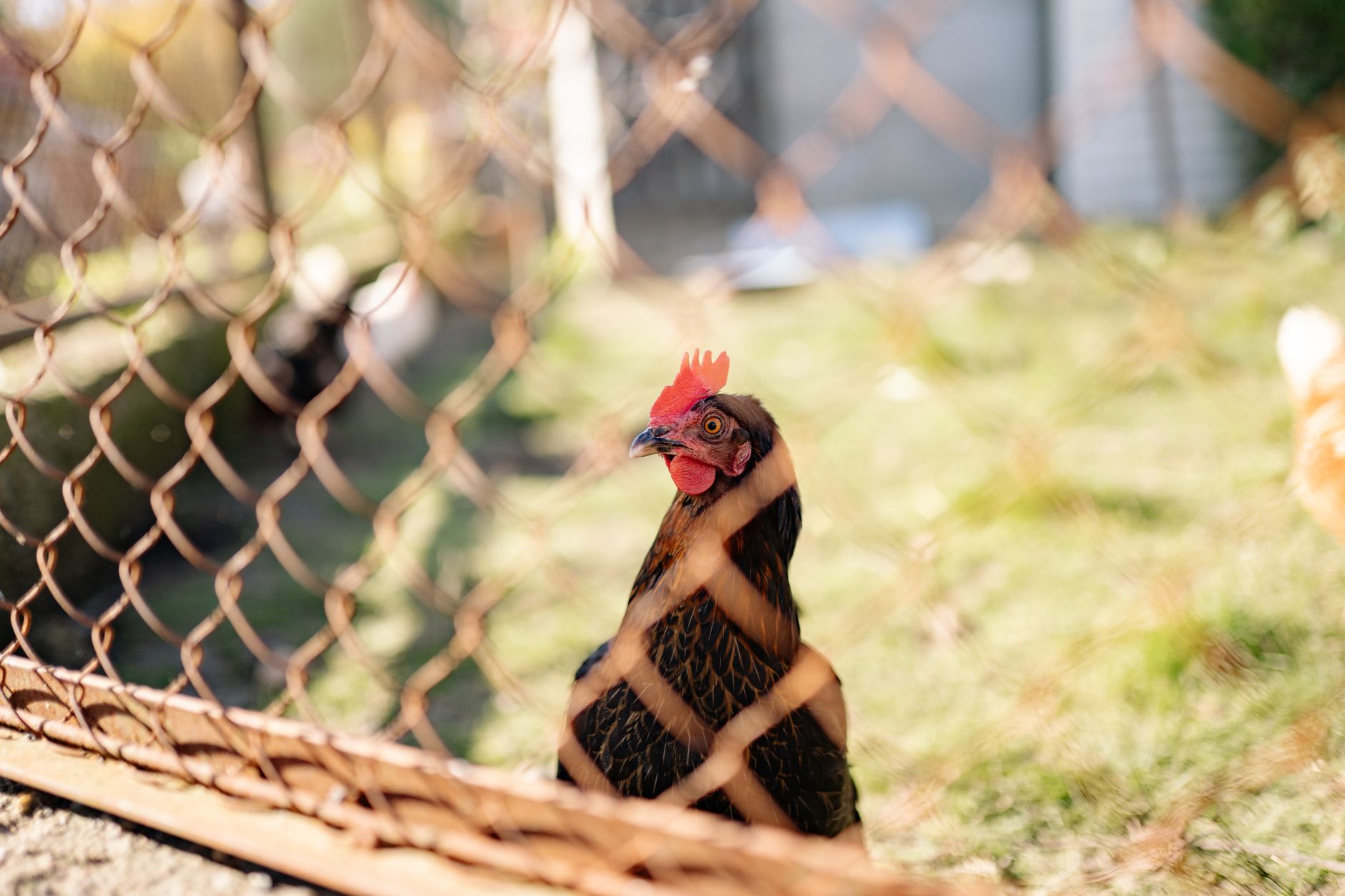
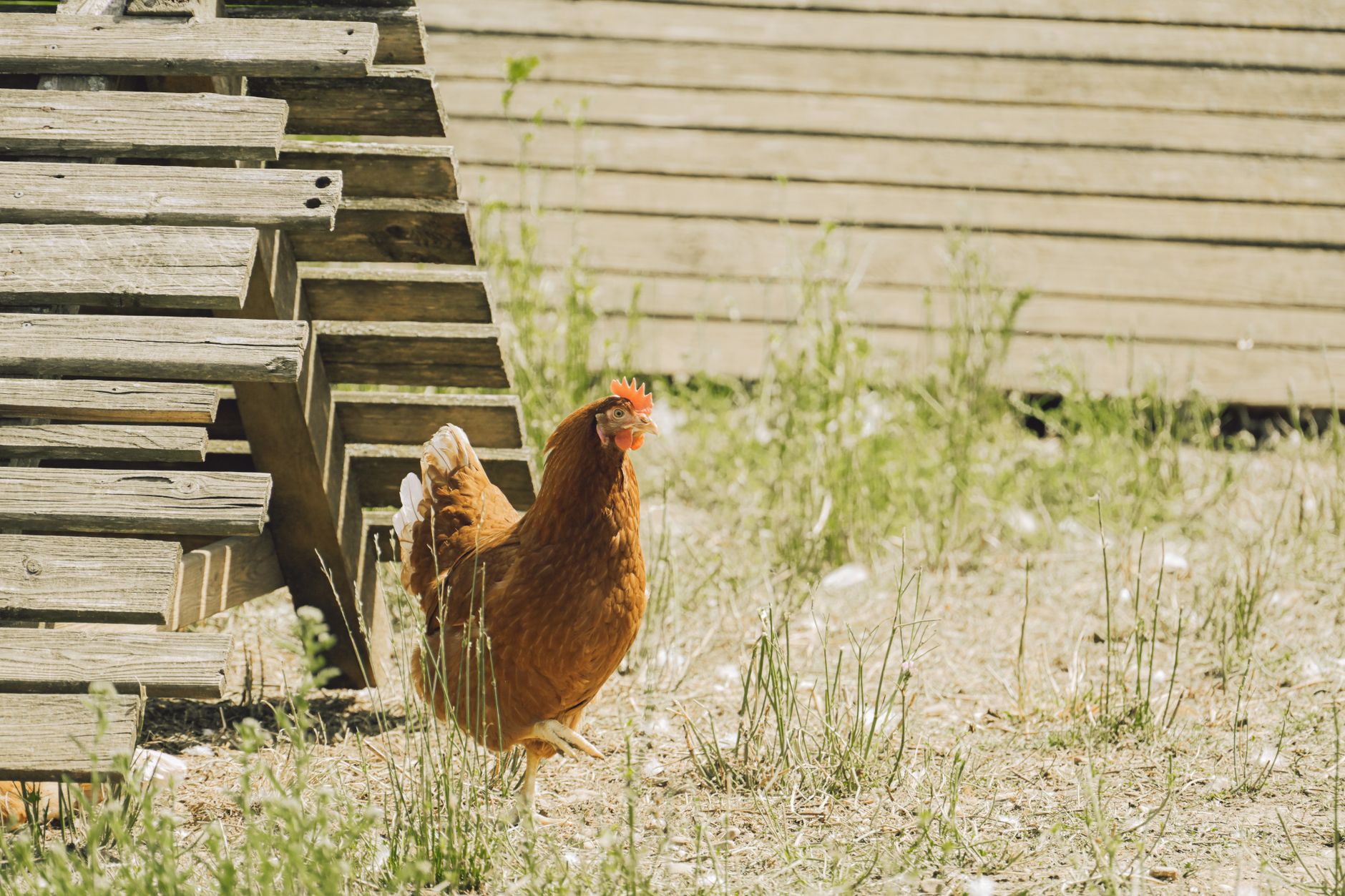
    The first time I walked out to our coop and found feathers everywhere, I panicked a little. It looked like something terrible had happened overnight. But our girls were just fine — pecking around, doing their chicken thing, just… significantly more naked than usual. Welcome to molting season, friends.

    If you’re new to backyard chickens (or even if you’ve been at this for a while), seeing your beautiful flock suddenly look like they’ve been through a pillow fight can be alarming. But I promise, it’s completely normal. Let me walk you through what chicken molting actually is, what to expect, and how we can help our feathered ladies get through it — especially here in Florida where our timeline looks a little different than up north.

    What Is Molting, Anyway?

    Molting is simply the natural process of shedding old feathers and growing new ones. Think of it like a complete wardrobe refresh for your chickens. Those feathers they’ve been wearing all year? They get worn, sun-bleached, and less effective at insulation and protection. So their bodies say “time for an upgrade” and out come the old feathers to make room for fresh, healthy ones.

    Most chickens go through their first adult molt around 18 months of age, and then annually after that — typically in the fall when daylight hours start decreasing. Here in Northwest Florida, we usually see molting kick in around September or October, though our mild winters mean it can be a little less predictable than in colder climates.

    What to Expect During Chicken Molting

    The Feather Situation

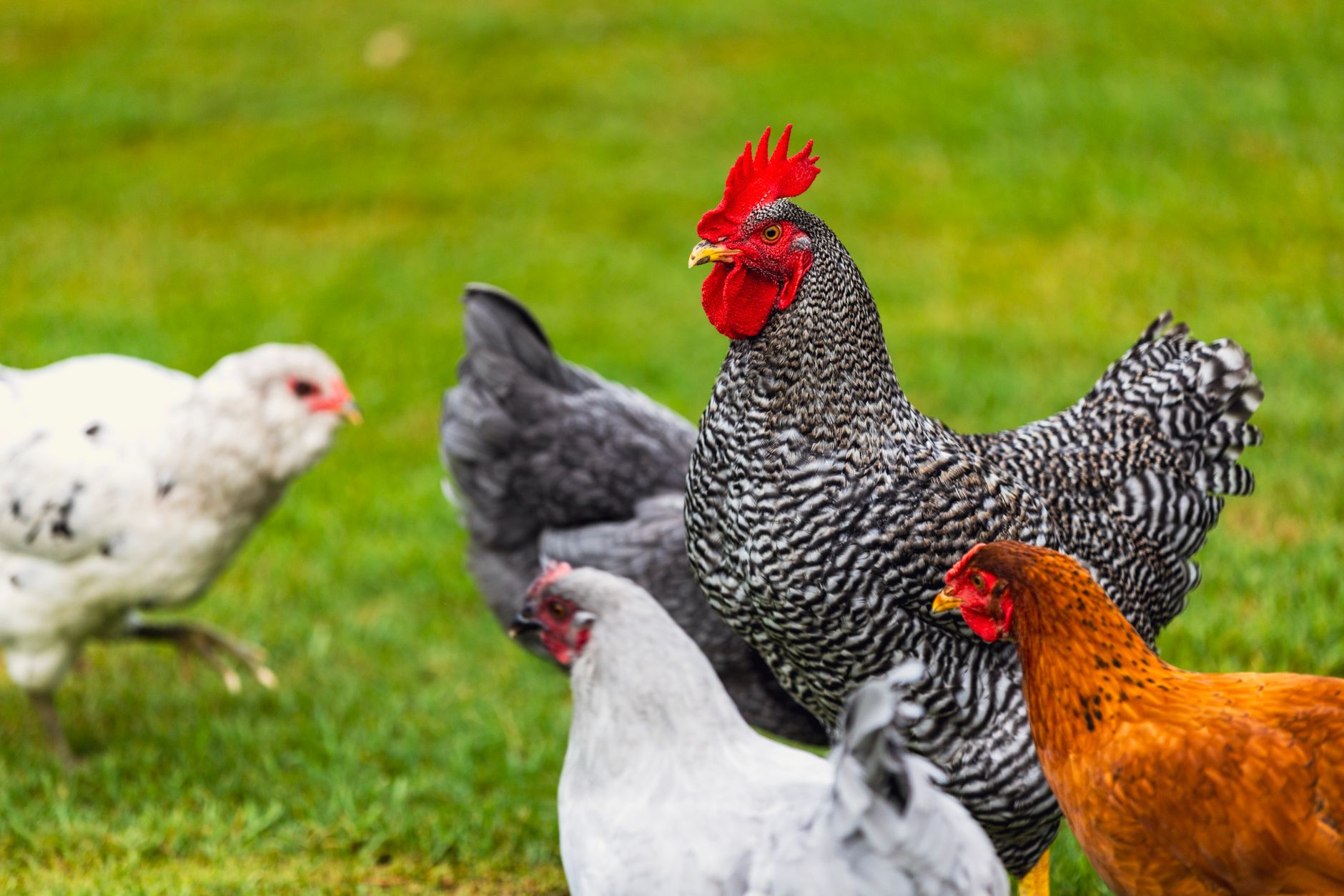
    Some chickens are what we call “hard molters” — they drop most of their feathers quickly and look absolutely pitiful for a few weeks. Others are “soft molters” who lose feathers gradually, and you might barely notice they’re molting at all. In our flock, we’ve got both types, and it makes for an interesting-looking bunch come fall.

    You’ll typically see feathers falling out in a pattern: head first, then neck, breast, body, wings, and finally tail. Those pin feathers coming in can look a little alarming — like tiny spiky tubes — but that’s just the new feathers protected by a keratin sheath.

    Egg Production Takes a Break

    Here’s the part nobody loves: egg production usually slows down significantly or stops completely during molt. Growing new feathers takes a ton of protein and energy — we’re talking about producing thousands of feathers, each made of about 85% protein. Your hen’s body prioritizes feather growth over egg production, which makes complete biological sense even if it’s inconvenient for our breakfast plans.

    This slowdown can last anywhere from 8-16 weeks depending on the individual bird and how hard they molt. It’s totally normal, so try not to stress about it.

    Behavior Changes

    Don’t be surprised if your normally friendly chickens seem a little more standoffish during molt. Those pin feathers are sensitive and can be uncomfortable when touched. We’ve noticed our girls prefer to keep to themselves more during this time — less snuggling, more “please give me space” energy.

    How to Help Your Chickens Through Molt

    Boost That Protein

    Since feather production requires so much protein, this is the time to up their intake. We switch to a higher-protein feed (around 20-22% instead of the usual 16%) during molting season. You can also offer protein-rich treats like:

    • Mealworms (our girls go absolutely crazy for these)
    • Black oil sunflower seeds
    • Scrambled eggs (yes, really — it’s perfectly fine and a great protein source)
    • Plain cooked meat scraps

    If you’re newer to chicken keeping and want to really understand their nutritional needs, Storey’s Guide to Raising Chickens is an incredible reference that I still flip through regularly.

    Keep Stress Low

    Molting is already stressful on their systems, so this isn’t the time to introduce new flock members, rearrange the coop, or make big changes. Keep their routine as consistent as possible. Make sure they have plenty of space and that nobody’s being bullied — stressed chickens molt harder and longer.

    Handle With Care

    Those pin feathers can actually be painful if bumped or grabbed. If you normally pick up your chickens, be extra gentle during molt or give them a break from handling altogether. We’ve explained this to the kids, and it’s become a good lesson in respecting animals’ boundaries and physical needs.

    Support Their Environment

    Keeping the coop clean and dry is always important, but especially during molt when their skin is more exposed. We use food-grade diatomaceous earth in our coop bedding and dust bath areas to help with any external parasites — molting birds are more vulnerable, and the last thing they need is mites making things worse.

    Also, make sure your chicken waterer is always full of fresh, clean water. Hydration supports all that new feather growth.

    Turning Molt Season Into a Learning Opportunity

    Honestly? This is one of my favorite times for nature study with the kids. We’re a Charlotte Mason family, so living books and real-life observation are kind of our thing. Molting season offers so many opportunities:

    We collect fallen feathers and examine them up close — noticing the differences between flight feathers, down feathers, and contour feathers. Our pocket microscope gets a lot of use looking at the barbs and barbules. The kids sketch feathers in their nature journals and we talk about how the structure makes flight possible.

    A Gail Gibbons book on chickens has been a great addition to our read-aloud rotation, and it covers molting in a kid-friendly way that helps the littles understand what our hens are going through.

    It’s the kind of hands-on, wonder-driven learning that you just can’t get from a worksheet. And it’s happening right in our backyard.

    When to Actually Worry

    While molting is normal, there are a few signs that something else might be going on:

    • Bald patches with red, irritated, or broken skin (could indicate mites, lice, or pecking issues)
    • Molting outside the typical fall season with no clear trigger
    • Extreme lethargy, loss of appetite, or other signs of illness
    • Molting that seems to never end (more than 4 months)

    If you’re seeing any of these, it’s worth investigating further or consulting with a poultry-savvy vet.

    The Patience Part

    I won’t lie — molt season isn’t the most glamorous time in the chicken-keeping calendar. The coop looks messy, the birds look rough, the eggs are scarce, and everyone seems a little grumpy (chickens and humans alike, sometimes).

    But there’s something really satisfying about supporting your flock through a natural process and watching them emerge on the other side with gorgeous, glossy new feathers. By December or January, our girls always look better than ever — and egg production bounces back just in time for holiday baking.

    So if you’re currently stepping over feathers every time you visit the coop, hang in there. Keep the protein high, the stress low, and let nature do its thing. Your flock will thank you — probably with eggs again, eventually.

    And if the kids start asking why the chickens look so funny? Well, that’s just another day of learning in a life lived close to the land. Which is kind of the whole point, isn’t it?

    Happy homesteading, friends. 🐔

  • How to Make a Mud Kitchen for Kids: A Simple Backyard Project That Sparks Hours of Play

    How to Make a Mud Kitchen for Kids: A Simple Backyard Project That Sparks Hours of Play

    This post contains affiliate links. I may earn a small commission at no extra cost to you.

    If you’ve ever watched your kids dig in the dirt with more focus than they’ve ever given a worksheet, you already know something important: messy play matters. There’s something almost magical about watching little hands stir mud “soup” and serve up pinecone muffins to an audience of stuffed animals (or patient chickens, in our case). A mud kitchen takes that natural impulse and gives it a home — a dedicated space where creativity, sensory play, and good old-fashioned mess can happen without anyone stressing about the garden beds.

    Building one doesn’t require a Pinterest-perfect setup or a carpentry degree. I promise. Our first mud kitchen was held together with zip ties and optimism, and it lasted two full Florida summers before we upgraded. Let me walk you through how to make your own.

    Why a Mud Kitchen Belongs in Your Backyard

    Before we get into the how, let’s talk about the why — because when your kids come inside looking like swamp creatures, you’ll want to remember this part.

    Mud kitchens offer sensory-rich, open-ended play. There’s no right or wrong way to use one. Kids pour, measure, mix, and create. They develop fine motor skills, practice early math concepts (fractions, anyone?), and engage in the kind of imaginative play that builds language and social skills. It’s also deeply calming — there’s research showing that contact with soil bacteria can actually boost mood and reduce anxiety.

    For our Charlotte Mason-style homeschool, the mud kitchen has become an unexpected extension of nature study. The kids notice which bugs show up near the water. They observe how mud changes texture in different weather. Last week, my oldest made a “potion” and then spent twenty minutes sketching the layers in her nature journal. That’s the kind of learning you can’t manufacture with a curriculum.

    And here in Florida, where we can be outside nearly year-round? A mud kitchen gets used constantly — even in January, when other families are stuck indoors.

    What You Need to Build a Simple Mud Kitchen

    You don’t need much. Honestly, the simpler the setup, the more room there is for imagination.

    The Basic Structure

    The easiest option is a wooden pallet stood upright, or an old wooden table or shelf from a thrift store. We’ve used both. If you go the pallet route, stand it against a fence and add a flat board across the front for a “counter.” If you find an old potting bench or kids’ play kitchen at a garage sale, even better.

    Other structure ideas:

    • Repurposed nightstand or dresser (remove drawers for open storage)
    • Stacked wooden crates
    • A simple DIY frame made from 2x4s

    Whatever you use, make sure it’s sturdy enough to hold pots of wet mud without tipping. Anchor it to a fence if needed, especially if you have enthusiastic stirrers.

    The Kitchen “Equipment”

    This is where it gets fun. Raid your own kitchen, hit up dollar stores, and check thrift shops. You’ll want:

    • Old pots, pans, and baking tins
    • Wooden spoons, ladles, whisks
    • Muffin tins and bundt pans (these are mud kitchen gold)
    • Measuring cups and spoons
    • Colanders and sieves
    • Buckets for water

    We keep our mud kitchen stocked with metal and wood items — they hold up better in the Florida humidity than plastic, which gets brittle in the sun.

    Water Source

    You need water access, but it doesn’t have to be fancy. A bucket works fine. We ran a short garden hose to a spigot nearby, and I added a cheap spray nozzle the kids can operate themselves. In drier months, we refill a big tub each morning and let them manage their supply — which, by the way, teaches resource awareness without any lecturing.

    Setting Up Your Mud Kitchen Space

    Location Matters

    Pick a shady spot if you can. Here in Northwest Florida, full afternoon sun in July means hot metal surfaces and miserable kids. We tucked ours under a big oak tree near the chicken run, which has the added benefit of an attentive audience (our hens are very interested in any activity that might involve food scraps).

    Avoid placing it directly over grass you want to keep alive — the area underneath will become a mud pit. Embrace it. We added a layer of mulch around ours to keep things from getting too swampy.

    Add Natural “Ingredients”

    The real magic happens when you stock the space with nature finds:

    • Pinecones, acorns, seed pods
    • Sticks and small branches
    • Leaves, flower petals, herbs
    • Sand, gravel, pebbles
    • Water

    We keep a basket nearby for collecting ingredients during nature walks. Sometimes the kids add chicken feathers they find. Sometimes dried magnolia leaves. It changes with the seasons, and that’s part of the beauty.

    Dress for Mess

    This is non-negotiable: mud kitchen play requires clothes you don’t care about. We have a basket by the back door with designated “outside grubbies.” A good pair of kids’ rain boots is worth its weight in gold — feet stay dry-ish, cleanup is easy, and kids can stomp through puddles without ruining their shoes.

    Making It Last: Florida-Proof Tips

    Our humidity and rain can break down outdoor furniture fast. Here’s what we’ve learned:

    • Seal or paint wood with outdoor-rated, non-toxic sealant. It extends the life significantly.
    • Use stainless steel or enamelware when possible — regular metal will rust.
    • Store smaller items in a lidded bin when not in use. It keeps everything from getting waterlogged or carried off by curious critters.
    • Hose down the whole setup every couple weeks to prevent mold and mildew.

    We also sprinkle food-grade diatomaceous earth around the base occasionally, mostly to deter ants. It’s the same stuff we use in the chicken coop.

    Mud Kitchen Play Ideas to Get Started

    If your kids need a little nudge, try these prompts:

    • “Can you make soup for the fairies?”
    • “What would a dinosaur eat for breakfast?”
    • “Let’s make a cake with exactly five ingredients.”
    • “What happens if you add more water? Less?”

    You can also set out “special ingredients” like dried lavender, cinnamon sticks, or food coloring for extra inspiration. We save citrus peels and herb stems from the kitchen — waste-free sensory additions.

    For older kids, add a challenge: create a recipe with measurements and write it down. Bring in a pocket microscope and examine mud samples. Turn it into a science experiment. The mud kitchen grows with them.

    Beyond the Kitchen: More Outdoor Play Worth Protecting

    Once you have a mud kitchen, you’ll notice your kids want to be outside even more. We’ve leaned into that. Walkie talkies for backyard adventures, bug catcher kits for specimen collecting, and simple lawn games for when the mud finally dries — these have all become staples.

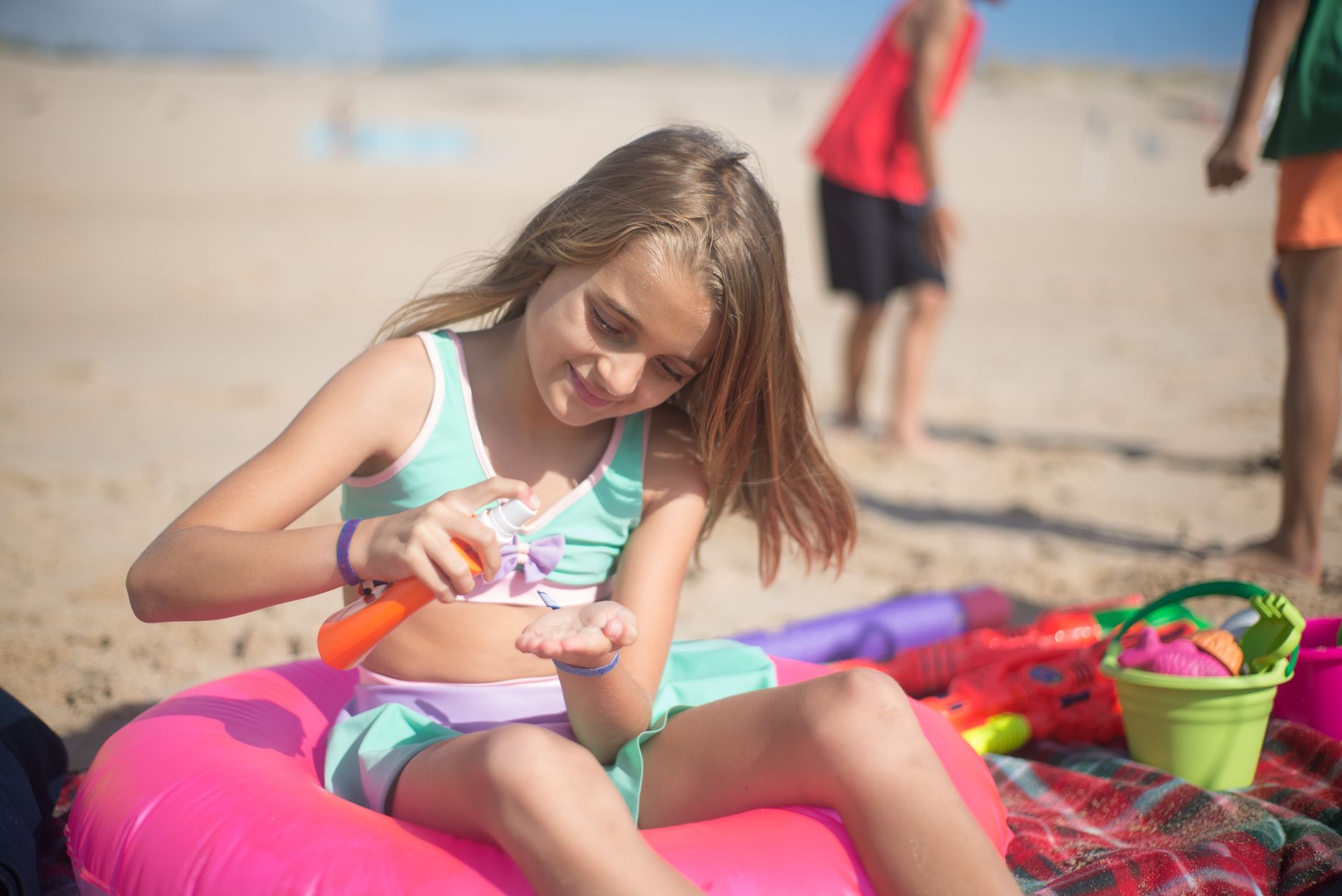
    And because Florida sun is relentless, we always slather everyone in non-toxic sunscreen before heading out. Messy play shouldn’t come with a sunburn.

    A Final Thought From Our Backyard to Yours

    The best part of our mud kitchen isn’t how it looks. It’s what happens there — kids elbow-deep in muck, making up elaborate stories, completely absorbed in their own world. No screens. No directions. Just play, the way it’s supposed to be.

    This is the childhood I wanted for my kids. The kind I remember, full of dirt and discovery and time that felt endless. A mud kitchen is just a structure, but what it invites? That’s the real gift.

    So grab that old pallet. Find some beat-up pots. Let it be imperfect. Your kids won’t care, and honestly? Neither will you — not once you see their faces light up over a pot of mud “stew.”

    Happy playing, friends.

  • Best Nature Documentaries for Homeschool Kids: Our Family Favorites for Wonder-Filled Learning

    Best Nature Documentaries for Homeschool Kids: Our Family Favorites for Wonder-Filled Learning

    This post contains affiliate links. I may earn a small commission at no extra cost to you.

    Let me be honest with you — we’re not a big screen family. Our days are filled with mud pies, chicken watching, and more time outside than in. But even this 1990s-style-childhood-loving mama knows there’s a place for intentional screen time, especially when it opens a window to parts of the world we can’t explore from our backyard in Northwest Florida.

    Nature documentaries have become one of our favorite tools for sparking curiosity and conversation. When a rainy afternoon keeps us indoors (hello, summer storms rolling off the Gulf), or when we’re studying a habitat we’ll never visit in person, a well-made documentary can bring the wonder right into our living room.

    But not all nature documentaries are created equal — and finding ones that are actually appropriate for elementary-age kids while still being substantive? That takes some digging. So I’ve done the work for you. Here are our family’s tried-and-true favorites.

    Why Nature Documentaries Belong in Your Homeschool

    If you follow a Charlotte Mason approach like we do, you know that living books are at the heart of education. But I’d argue that a beautifully crafted documentary can serve a similar purpose — it presents the natural world with reverence, invites observation, and feeds a child’s sense of wonder.

    The key is being selective. We’re not parking kids in front of screens for hours. We’re using documentaries as a supplement to real, hands-on nature study. After watching a segment on birds of prey, we might head outside with our Sibley Birds field guide and see what hawks we can spot soaring over the neighborhood. A documentary about ocean life pairs perfectly with a trip to the Gulf Islands National Seashore.

    It’s about connection, not consumption.

    Our Favorite Nature Documentary Series for Elementary Kids

    Planet Earth (I and II)

    This is the gold standard, and for good reason. The cinematography is absolutely breathtaking, and David Attenborough’s narration is gentle and engaging without being overly dramatic. We’ve watched certain episodes multiple times — the “Mountains” and “Jungles” episodes are particular favorites.

    Parent note: There are a few predator-prey scenes that might be intense for very sensitive little ones. We just preview episodes or keep a finger on the fast-forward button for our kindergartener.

    Our Planet

    Also narrated by Attenborough, this Netflix series is stunning and covers conservation themes in an age-appropriate way. It’s helped us have good conversations about taking care of the earth without being preachy or doom-and-gloom. My kids were fascinated by the episode on coastal seas — and it made our beach trips so much richer.

    Tiny World

    This Apple TV+ series focuses on small creatures — insects, frogs, tiny mammals — and it’s absolutely perfect for elementary kids. The episodes are shorter, the creatures are fascinating, and it pairs wonderfully with hands-on exploration. After watching, we grabbed our pocket microscope and bug catcher kit and went hunting for our own tiny world in the backyard.

    The Magic School Bus (Original Series)

    Okay, this one’s not technically a documentary, but hear me out. The original Magic School Bus series (the one from the 90s, naturally) is such a fun way to introduce science concepts. It’s educational, entertaining, and sparks so many questions. We’ve used episodes as jumping-off points for nature study more times than I can count.

    Wild Kratts

    Another animated option that deserves a spot on the list. My kids adore the Kratt brothers, and each episode focuses on a specific animal with real science woven in. It’s energetic and fun without being overstimulating. Plus, it’s inspired many a backyard “creature adventure” around here.

    Documentaries for Specific Nature Study Topics

    Birds

    “The Life of Birds” by David Attenborough is comprehensive and wonderful for older elementary kids. For younger ones, individual YouTube clips from Cornell Lab of Ornithology are fantastic short-form options. Either way, keep your nature journal nearby for sketching what you observe.

    Ocean Life

    “Blue Planet II” is incredible — the footage is unreal. We watched the coral reef episode before a snorkeling trip to Destin, and my kids were pointing out things they recognized from the documentary. That kind of connection is what makes learning stick.

    Backyard Wildlife and Chickens

    This might be a stretch for “documentary,” but if your family keeps backyard chickens like we do, there are some wonderful YouTube channels with educational content about poultry behavior and care. Pair it with a good book like Storey’s Guide to Raising Chickens or, for the kids, A Kid’s Guide to Keeping Chickens, and you’ve got a full unit study happening.

    Insects and Small Creatures

    Beyond “Tiny World,” check out “Microcosmos” — it’s an older French documentary with minimal narration and gorgeous macro footage of insects. It’s almost meditative. My kids were mesmerized, and it led to weeks of bug observation outside. Living in Florida, we’re never short on insects to study.

    Tips for Using Documentaries in Your Homeschool

    Keep It Short and Intentional

    We rarely watch a full documentary in one sitting. Breaking it into 20-30 minute segments keeps attention fresh and leaves room for discussion and follow-up activities.

    Pair with Hands-On Learning

    This is the magic formula. Watch a segment, then go outside. Sketch in your nature journal. Look things up in field guides. Visit a local park or nature center. The documentary is the spark — real-world exploration is the fire.

    If you’re looking for curriculum resources to round out your nature studies, Rainbow Resource and Timberdoodle both have wonderful Charlotte Mason-friendly options.

    Watch Together and Talk

    This isn’t babysitting screen time. Sit with your kids, ask questions, pause to discuss. “What do you think that bird is looking for?” “Why do you think the fox is moving so slowly?” These conversations are where the real learning happens.

    Let It Inspire Art

    After watching, pull out the watercolor pencils and let your kids create. Nature journaling doesn’t have to be perfect — it’s about observation and expression. Some of our best journal pages have come right after a documentary sparked something in my kids’ imaginations.

    A Note on Screen Time Balance

    I want to be clear — documentaries are a tool, not a lifestyle. Our days are still built around outdoor play, read-alouds, and hands-on work. The dog still needs walking, the chickens still need checking on, and there are always mud puddles calling after a Florida afternoon rain.

    But when we do sit down for screen time, I want it to count. I want it to feed curiosity instead of numb it. Nature documentaries, chosen well and used intentionally, absolutely do that for our family.

    So the next time a thunderstorm rolls through or you need a quiet afternoon reset, don’t feel guilty about pressing play. Grab some popcorn, snuggle up on the couch, and let David Attenborough take you somewhere wild. Then go outside and find your own wild — right in your backyard.

    What nature documentaries does your family love? I’d genuinely love to hear your recommendations. We’re always looking for new favorites to add to our list.

  • Florida Homeschool Legal Requirements: What You Actually Need to Know

    Florida Homeschool Legal Requirements: What You Actually Need to Know

    If you’re sitting there with a cup of coffee going cold, seventeen browser tabs open, and a growing sense of overwhelm about whether you can actually legally homeschool in Florida—take a breath, friend. I’ve been exactly where you are.

    This post contains affiliate links. I may earn a small commission at no extra cost to you.

    When we first started this homeschool journey, I remember thinking the legal side would be the hardest part. Turns out? Florida is one of the most homeschool-friendly states in the country. Once you understand the basics, you’ll realize you have more freedom than you probably imagined—freedom to learn outside, to follow rabbit trails, to let your kids get muddy and curious without worrying about standardized everything.

    So let’s break this down in plain English.

    The Three Ways to Legally Homeschool in Florida

    Florida gives families three different options for homeschooling. You don’t have to pick the “right” one—you pick the one that fits your family best.

    Option 1: Home Education Program (Most Common)

    This is what most of us do, and it’s beautifully simple. Here’s what’s required:

    File a Notice of Intent with your county school district within 30 days of starting homeschool. This is just a letter letting them know you exist. You’re not asking permission—you’re providing notification. Big difference.

    Maintain a portfolio of your child’s work. This doesn’t have to be fancy. It’s basically samples of what they’re learning throughout the year. We keep nature journal pages, math work, written narrations, and photos of projects. That’s it.

    Have your child evaluated annually. You have several options here:

    • A certified teacher reviews the portfolio
    • Your child takes any nationally standardized test
    • A licensed psychologist evaluates them
    • Other approved methods

    We do the portfolio review with a certified teacher friend, and it takes maybe twenty minutes. She flips through our year, we chat, and that’s that.

    Keep records for two years after you stop homeschooling or your child turns 18.

    That’s the whole list. No required subjects (though we obviously cover the basics). No required hours. No required curriculum approval. Florida trusts parents.

    Option 2: Private Tutoring Program

    If you have a teaching certificate (or know someone who does), you can operate under the private tutor statute. The tutor must:

    • Hold a valid Florida teaching certificate
    • Keep attendance records
    • File an annual report with the superintendent

    This option doesn’t require annual evaluations, which some families prefer.

    Option 3: Enroll in a Private School or Umbrella School

    Some families choose to register with a private umbrella school that keeps records on their behalf. Florida has several that cater to homeschoolers. This can simplify record-keeping, though it sometimes comes with fees and additional requirements depending on the school.

    What About Attendance and Hours?

    Here’s where Florida really shines. There are no required instructional hours for home education families. None. You don’t have to log hours or prove you sat at a table for six hours a day.

    This is why our Charlotte Mason approach works so well here. We do lessons in the morning—usually wrapping up by lunch—and then the kids have the whole afternoon for free play, nature study, and being kids. Sometimes “school” is identifying birds at the feeder with our Sibley Guide or sketching what we find on a nature walk. Florida law gives us room to educate the way children actually learn best.

    Do I Need to Use Specific Curriculum?

    Nope. You choose your own curriculum—or no formal curriculum at all. Unschoolers, classical homeschoolers, Charlotte Mason families, eclectic homeschoolers—we all fall under the same Florida statute.

    We pull from different sources depending on the subject. For hands-on math, I love the approach of Math-U-See for elementary kids who need to see and touch what they’re learning. For nature study supplies, we stock up at Rainbow Resource, which has become my go-to for almost everything.

    But honestly? Some of our best learning happens when I hand the kids a pocket microscope and send them into the backyard. Last week we spent an hour examining chicken feathers under magnification. That counts. All of it counts.

    What About the Florida PEP Scholarship?

    If you haven’t heard about the Family Empowerment Scholarship for Educational Options (what most of us call PEP), it’s worth looking into. Florida offers scholarship money to homeschool families that can be used for curriculum, educational supplies, and more.

    You do have to meet certain requirements and apply through an approved scholarship funding organization. There’s paperwork involved, and you’ll need to keep receipts and records of how you spend the funds. But for many families, it makes quality curriculum and resources much more accessible.

    We use ours for curriculum from places like Timberdoodle, art supplies, and nature study materials. It’s been a game-changer.

    Common Questions From New Florida Homeschoolers

    Do I need to notify anyone before pulling my child from public school?

    You should send your Notice of Intent to the superintendent and then formally withdraw your child from their school. Some districts have withdrawal forms; others just need a letter. Keep copies of everything.

    Can I homeschool a child with special needs?

    Absolutely. Florida law applies the same to all children. If you receive the PEP scholarship, there’s also a specific track for students with unique abilities that may offer additional funding.

    What about high school transcripts and graduation?

    As the homeschool parent, you create the transcript and issue the diploma. Florida homeschool graduates are accepted at colleges and universities across the state and country. This is well-established at this point.

    Can my homeschooled child participate in public school sports or activities?

    Yes! Florida Statute 1006.15 (often called the “Tim Tebow Law”) allows homeschooled students to participate in interscholastic activities at their zoned public school, as long as they meet eligibility requirements.

    You’ve Got This, Mama

    I know the legal side can feel intimidating when you’re just starting out. But here’s the truth: once you file that Notice of Intent, you’re official. You don’t need anyone’s approval for how you spend your days. You can do math at the kitchen table and science in the backyard with the chickens. You can let your kids climb trees and catch bugs with a bug catcher kit and call it education—because it is.

    Florida gives us the freedom to raise curious, capable kids without jumping through endless hoops. And that freedom? It’s exactly why we’re able to give our children the kind of childhood we remember—the 1990s kind, full of wonder and outside time and learning that doesn’t feel like a checklist.

    If you’re on the fence, file the paperwork and start. You can always adjust as you go. That’s the beauty of this.

    Welcome to homeschooling in the Sunshine State. It’s a good place to be.

  • Non-Toxic Cookware Worth Switching To: A Real Mama’s Guide to Safer Pots and Pans

    Non-Toxic Cookware Worth Switching To: A Real Mama’s Guide to Safer Pots and Pans

    This post contains affiliate links. I may earn a small commission at no extra cost to you.

    If you’ve ever stood in your kitchen, wooden spoon in hand, staring at that scratched-up non-stick pan and wondering what exactly is flaking off into your scrambled eggs — you’re not alone. That was me about three years ago, pregnant with my youngest, suddenly very aware that everything touching our food might actually matter more than I’d given it credit for.

    The thing is, once you start paying attention to one area of your home — maybe it’s cleaning products, or sunscreen, or what you’re feeding your backyard chickens — it’s hard not to start looking at everything else with fresh eyes. For our family, cookware became one of those “wait, why did no one tell me about this sooner?” moments.

    Why I Started Looking at Our Cookware Differently

    I’ll be honest: I grew up with those classic non-stick pans from the big box store. My mama used them, her mama probably used them. Nobody thought twice about it. But here’s what I’ve learned since diving into the research: traditional non-stick coatings (we’re talking Teflon and similar PTFE coatings) can release toxic fumes when overheated. And “overheated” isn’t as extreme as you might think — it can happen at temperatures we regularly hit while cooking.

    The chemicals in some of these coatings have been linked to all sorts of health concerns, particularly for little ones whose systems are still developing. When you’re already making the effort to feed your family real food — eggs from your own hens, vegetables from the garden, meals made from scratch — it seems counterproductive to cook it all in something that might be adding things you don’t want.

    What Makes Cookware “Non-Toxic”?

    Let’s break this down simply, because the marketing around cookware can get confusing fast.

    What to avoid:

    • PTFE (Teflon) coatings
    • PFOA and PFAS (sometimes called “forever chemicals”)
    • Lead and cadmium (sometimes found in ceramic glazes from overseas)
    • Aluminum that’s uncoated and reactive

    What to look for:

    • Cast iron (seasoned or enameled)
    • Stainless steel (look for 18/10 grade)
    • 100% ceramic (not ceramic-coated)
    • Carbon steel
    • Glass

    The goal isn’t perfection — it’s progress. You don’t have to throw everything out tomorrow and start fresh with a thousand-dollar cookware set. I certainly didn’t.

    Our Family’s Non-Toxic Cookware Lineup

    Cast Iron: The Workhorse

    If I could only keep one pan, it would be my 12-inch cast iron skillet. I use it for everything — frying up eggs from our girls in the backyard, making cornbread, searing chicken, even baking a skillet cookie on Friday nights. Once it’s properly seasoned, it’s naturally non-stick without any chemicals.

    Yes, it’s heavy. Yes, there’s a learning curve. But cast iron lasts literally forever (I have one from my grandmother), and it even adds a bit of iron to your food, which is a nice bonus.

    Stainless Steel: For Everything Else

    A good stainless steel set handles soups, sauces, pasta water, and anything you’d use a regular pot for. Look for tri-ply or five-ply construction — that just means there are layers of different metals bonded together for even heating. The 18/10 designation refers to the chromium and nickel content, which affects durability and safety.

    Stainless steel doesn’t leach anything concerning into your food, and it can handle high heat without worry. The trick to keeping food from sticking? Preheat the pan, add your fat, let it get hot, then add your food. It took me a few tries to get it right, but now I don’t even think about it.

    Enameled Cast Iron: Pretty and Practical

    I splurged on one enameled Dutch oven a few years back, and I have zero regrets. It’s perfect for slow-cooked soups, braised meats, and anything that simmers all afternoon while we’re doing nature study in the backyard. The enamel coating means you don’t have to worry about seasoning, and it’s non-reactive with acidic foods like tomatoes.

    Making the Switch Without Breaking the Bank

    Here’s the truth: good cookware isn’t cheap. But it doesn’t have to happen all at once.

    I started with one cast iron skillet (under $30) and went from there. Every time a non-stick pan got scratched enough to bother me, I replaced it with something better instead of buying another cheap option. Over about two years, we’ve fully transitioned — and honestly, it wasn’t that painful spread out like that.

    Check estate sales, thrift stores, and your grandparents’ garages. Old cast iron is often better than new, and plenty of vintage pieces are still in great shape. I found a gorgeous Wagner skillet at a flea market in Pensacola for eight dollars. It just needed a little love and re-seasoning.

    The Bigger Picture: An Intentional Kitchen

    Switching cookware is one piece of creating a home that feels genuinely good to be in. It fits right alongside the other choices we’ve made — swapping out harsh cleaners for simple options like what you’d find at Grove Collaborative, using non-toxic sunscreen for our beach days here in Northwest Florida, or choosing Wondercide to keep pests away from the chicken coop without spraying chemicals everywhere the kids play.

    It all adds up. Not because we’re aiming for some impossible standard of purity, but because these choices feel like caring for our people well. Like feeding the chickens good food so they give us good eggs. Like slowing down to watch the birds instead of scrolling a screen. Like letting the kids get muddy and trusting that dirt is part of a healthy childhood.

    What I’d Buy First If I Were Starting Over

    If you’re just beginning and feeling overwhelmed, here’s my honest recommendation:

    1. One 12-inch cast iron skillet — it’ll handle 80% of your stovetop cooking

    2. One stainless steel pot — a 3 or 4-quart size is versatile for pasta, soups, and grains

    3. Replace as things wear out — no need to do it all at once

    And don’t forget: quality cookware lasts. That cast iron skillet will be around for your grandkids. Compare that to replacing cheap non-stick pans every couple of years, and the math actually works out.

    You’re Doing a Great Job

    If you’re reading this, it means you care. You’re thinking about what goes into your family’s bodies and your home. That matters, even when it feels like one more thing to figure out.

    We’re all just doing our best here — making dinner, raising little people, maybe collecting eggs and watching lightning bugs and trying to give our kids a childhood that looks more like the one we remember than the one Instagram suggests. Non-toxic cookware is just one small piece of that bigger, slower, more intentional life.

    Start where you are. Replace what you can, when you can. And don’t let perfect be the enemy of good.

    Now if you’ll excuse me, I’ve got a cast iron skillet to season and a chicken who keeps escaping her run to track down. Just another Tuesday around here.

  • How to Deworm Chickens Naturally: A Florida Backyard Flock Guide

    How to Deworm Chickens Naturally: A Florida Backyard Flock Guide

    This post contains affiliate links. I may earn a small commission at no extra cost to you.

    If you’ve got backyard chickens and you’re trying to keep things as natural as possible, at some point you’re going to wonder about worms. I get it — nobody wants to pump their hens full of chemicals if there’s a gentler way. And here in Florida, where our warm, humid climate basically rolls out the red carpet for parasites year-round, it’s something we have to stay on top of.

    Our little flock has been part of our family for a few years now, and I’ve learned a lot through trial, error, and way too many late-night internet rabbit holes. So let me share what’s actually worked for us when it comes to keeping our girls healthy without reaching for harsh dewormers.

    Understanding Worms in Backyard Chickens

    First, a little bit of the “why” — because I think understanding what’s happening helps us make better choices. (The science nerd in me can’t help it.)

    Chickens can pick up several types of intestinal worms: roundworms, cecal worms, capillary worms, gapeworms, and tapeworms being the most common. They get them from the soil, from eating infected bugs or earthworms, and from contaminated droppings. In a backyard setting where your birds free-range — which ours do almost daily — exposure is pretty much inevitable.

    The good news? A healthy chicken with a strong immune system can often manage a low worm load just fine. Our job isn’t necessarily to eliminate every single parasite (that’s nearly impossible anyway), but to support our flock’s health so they can thrive despite some exposure.

    Signs Your Chickens Might Have Worms

    Before we talk prevention and treatment, here’s what to watch for:

    • Decreased egg production
    • Pale combs and wattles
    • Weight loss despite eating well
    • Lethargy or droopy posture
    • Diarrhea or messy vents
    • Visible worms in droppings (yes, you’ll need to look)

    If you’re seeing multiple symptoms, it might be time to do a fecal float test through your vet or a mail-in service. It’s the only way to know for sure what you’re dealing with — and whether you actually need to intervene or if your natural prevention is doing its job.

    Natural Deworming Methods That Actually Work

    Pumpkin Seeds: The Classic Choice

    You’ve probably heard this one, and there’s real merit to it. Raw pumpkin seeds contain cucurbitacin, a compound that may help paralyze worms so chickens can expel them. We save our pumpkin seeds every fall (the kids love scooping them out — messy hands and all), and I’ll blend them up and mix them into the flock’s feed.

    Is this a silver bullet? No. But as part of a broader approach, it’s a gentle, food-based support that our chickens actually love.

    Apple Cider Vinegar in the Water

    I add a splash of raw, unfiltered apple cider vinegar to our chickens’ water a few times a week — about 1 tablespoon per gallon. It won’t kill worms directly, but it creates a slightly acidic gut environment that’s less hospitable to parasites and supports overall digestive health.

    One tip: don’t use ACV in metal waterers, as it can corrode them. We use a plastic nipple waterer system that keeps the water clean and makes adding supplements easy.

    Garlic: Nature’s Antiparasitic

    Fresh garlic is another staple in our natural chicken-keeping toolkit. I crush a few cloves and add them to the waterer, or mince them into a treat mix. Garlic has natural antiparasitic and immune-boosting properties. Some folks worry about garlic affecting egg taste, but honestly? We’ve never noticed a difference.

    Herbs for a Healthy Flock

    This is where things get fun — and where our little homestead meets our nature study days. We grow herbs specifically for the chickens: oregano, thyme, wormwood, and mint all have properties that support gut health and may help deter parasites.

    I’ll toss fresh clippings into the coop, dry bundles to hang in the nesting boxes, and mix dried herbs into their feed. The kids help with harvesting, and it’s become one of those sweet little rhythms of our days.

    If you want to go deeper on chicken health and care, Storey’s Guide to Raising Chickens is my go-to reference. It covers everything from nutrition to disease prevention in a really thorough, accessible way.

    Diatomaceous Earth: Use With Caution

    You’ll see food-grade diatomaceous earth recommended everywhere for natural parasite control. Here’s my honest take: it’s more effective for external parasites like mites and lice than for internal worms. The research on DE as an internal dewormer is pretty thin.

    That said, I do sprinkle it in the coop bedding and dust bathing areas. It’s a useful tool — just not the miracle cure some make it out to be.

    Prevention: The Real Key to Natural Parasite Control

    Honestly, the best natural deworming strategy is prevention. Here’s what makes the biggest difference for our Florida flock:

    Rotate Your Range Area

    If possible, move your chickens to fresh ground periodically. Parasite eggs build up in soil over time, especially in our warm, moist climate. We section off parts of our yard and rotate access, giving areas time to rest.

    Keep the Coop Clean and Dry

    Wet, dirty bedding is a parasite paradise. In Florida’s humidity, this takes extra effort. We use the deep litter method and turn it regularly, adding fresh material as needed. Good ventilation is key, too.

    Support Immune Health

    Healthy birds handle parasites better. This means quality feed, clean water, access to grit and oyster shell, and minimal stress. Free-ranging helps — bugs, greens, and sunshine all contribute to a robust immune system.

    Don’t Overcrowd

    More chickens in a small space means more parasite transmission. Give your birds room to spread out.

    When Natural Isn’t Enough

    I want to be real with you: sometimes natural methods aren’t sufficient. If your birds are showing serious symptoms, losing weight, or a fecal test reveals a heavy worm load, it may be time for a targeted treatment like fenbendazole or ivermectin. There’s no shame in that. Our goal is healthy chickens, and sometimes that means knowing when to call in reinforcements.

    A good poultry vet can help you make that call. And if you’re newer to chicken keeping and want a really solid, kid-friendly resource, A Kid’s Guide to Keeping Chickens is wonderful for the whole family — it covers basic health in a way that even elementary-age kids can understand and participate in.

    Making It Part of Your Rhythm

    Keeping chickens has become one of the most grounding parts of our homeschool life. The kids collect eggs, help mix herb treats, and observe the hens’ behavior as part of our daily nature study. It’s real, hands-on learning — the kind I dreamed about when we started this journey.

    Managing parasites naturally isn’t about perfection. It’s about paying attention, building good habits, and supporting the health of these funny little creatures we’ve welcomed into our backyard. Some weeks I’m more on top of it than others, and that’s okay.

    If you’re just starting out with chickens or trying to shift toward a more natural approach, give yourself grace. Try one or two of these methods, see what works for your flock, and build from there. Your girls will thank you — probably by leaving you a beautiful egg in the nesting box tomorrow morning.

    Happy chicken keeping, friend.

  • Best Outdoor Sensory Activities for Elementary Kids: Simple Ways to Get Hands in the Dirt

    Best Outdoor Sensory Activities for Elementary Kids: Simple Ways to Get Hands in the Dirt

    This post contains affiliate links. I may earn a small commission at no extra cost to you.

    If you’ve ever watched your kid zone out on a screen and thought, “This isn’t how childhood is supposed to feel,” you’re not alone. I think about this a lot — how different things were when we were growing up. We came home with grass-stained knees, muddy fingernails, and that particular kind of tired that only comes from a full day outside. Our kids deserve that too.

    Here in Northwest Florida, we’re blessed with mild winters and plenty of outdoor days, so we try to take full advantage. Whether you’re homeschooling, afterschooling, or just looking for ways to peel your elementary-age kids away from the iPad, these outdoor sensory activities are some of our family’s favorites. They’re simple, they require very little prep, and they actually work.

    Why Sensory Play Matters (Especially Outside)

    Before we dive in, let’s talk about why this matters. Sensory experiences — touching, smelling, listening, observing — aren’t just fun. They’re how young brains build connections. When kids dig in the dirt, splash in puddles, or feel the texture of tree bark, they’re learning in a way that worksheets simply can’t replicate.

    Charlotte Mason, the educator whose philosophy shapes so much of our homeschool, believed that children need hours outdoors. Not structured outdoor time, but real, free exploration. She called nature the best teacher, and honestly? After years of homeschooling, I couldn’t agree more.

    Our Favorite Outdoor Sensory Activities for Elementary Kids

    1. Mud Kitchen Play

    This is the ultimate sensory experience, and you probably already have everything you need. An old table, some thrifted pots and pans, a water source, and dirt. That’s it.

    Our mud kitchen gets used year-round. The kids make “soups” with leaves and berries, “cakes” decorated with flower petals, and elaborate mud pies. Sometimes the dog gets involved, which adds a whole other layer of chaos. But that’s part of the magic, right?

    For Florida families, I recommend setting up your mud kitchen in a shaded spot — our summer sun is no joke. And invest in a good pair of rain boots for kids because things get messy fast.

    2. Bug Hunting and Nature Collection

    Elementary-age kids are natural collectors. Rocks, feathers, interesting leaves — they want to gather and examine everything. Lean into it.

    We keep a bug catcher kit by the back door so the kids can grab it whenever inspiration strikes. They catch bugs, observe them for a bit, and release them back where they found them. It’s respectful, it’s educational, and it keeps them engaged for way longer than you’d expect.

    For older elementary kids, a pocket microscope takes bug hunting to the next level. They can examine wings, legs, and other tiny details up close. It’s the kind of tool that sparks real scientific curiosity.

    3. Barefoot Exploration

    This one sounds almost too simple, but hear me out. When was the last time your kids walked barefoot on different surfaces outside?

    We do barefoot walks where the kids move slowly through the yard, paying attention to how things feel. Cool morning grass. Warm sand. Rough stepping stones. Soft clover patches. It’s grounding (literally), and it tunes them into their environment in a way that shoes just don’t allow.

    If you’re worried about fire ants — and here in Florida, that’s a legitimate concern — just do a quick scan of the area first. We treat our yard with Wondercide to keep pests under control without harsh chemicals.

    4. Water Sensory Bins (Outdoor Edition)

    Sensory bins aren’t just for toddlers. Fill a large tub with water and add natural items: pine cones, leaves, sticks, flowers. Let your kids explore what floats, what sinks, what changes when it gets wet.

    We’ve done themed bins too — a “pond” bin with toy frogs and lily pad leaves, a “beach” bin with shells and sand. On hot Florida afternoons, this is our go-to activity. It keeps everyone cool and entertained.

    5. Nature Journaling

    This is where Charlotte Mason really shines in our homeschool. Nature journaling combines observation, art, and science into one beautiful practice.

    We head outside with our journals and sit quietly. The kids choose something to observe — a flower, an insect, a bird at the feeder — and they draw what they see. It doesn’t have to be perfect. The goal is attention, not artistic mastery.

    We love using a simple nature journal with blank pages, and our Faber-Castell watercolor pencils are perfect for adding color. For bird identification, we keep the Sibley Birds guide nearby — it’s become one of our most-used resources.

    6. Chicken Chores as Sensory Learning

    If you have backyard chickens (or you’re thinking about getting some), don’t overlook them as a sensory experience. Our kids help with daily chicken chores, and it engages all their senses.

    They feel the weight of the feed scoop, hear the clucking and scratching, smell the fresh hay in the coop. Collecting warm eggs is still exciting, even after years of doing it. There’s something grounding about caring for animals — it connects kids to the rhythm of real life.

    If your kids are curious about chickens, A Kid’s Guide to Keeping Chickens is a wonderful resource written just for them.

    7. Unstructured Outdoor Play

    I saved this one for last because it’s the most important — and the hardest for us parents to embrace. Sometimes the best sensory activity is no activity at all.

    Send your kids outside with nothing planned. No agenda, no supplies, no expectations. Let them get bored. Let them figure it out.

    This is how we played in the 90s, remember? We climbed trees, built forts, made up elaborate games with sticks and imagination. Our kids can do this too, if we give them the space.

    For backyard play, we keep a few simple things available: outdoor lawn games, a tire swing, and walkie talkies for adventure games. But honestly, they often ignore all of it and just play.

    Creating Space for Wonder

    The best outdoor sensory activities aren’t complicated. They don’t require expensive equipment or elaborate planning. They just require time, space, and permission to explore.

    I know it’s hard in our overscheduled, screen-saturated world. But every time I watch my kids crouched over an anthill or splashing in rain puddles or lying in the grass watching clouds, I’m reminded that this is what childhood should feel like.

    We can give them this. One muddy afternoon at a time.

    So grab those rain boots, head outside, and let them get dirty. Their brains (and their souls) will thank you for it.

  • How to Get the PEP Scholarship in Florida: Application Tips from a Homeschool Mama Who’s Been There

    How to Get the PEP Scholarship in Florida: Application Tips from a Homeschool Mama Who’s Been There

    If you’re sitting at your kitchen table wondering how on earth you’re going to afford all those beautiful living books, hands-on math manipulatives, and nature study supplies for your homeschool—friend, I’ve been there. When I first heard about the Florida PEP scholarship (that’s the Personalized Education Program, formerly known as the Family Empowerment Scholarship), I had about a hundred questions and no idea where to start. Now that we’ve been using it for our elementary-age kiddos, I want to share everything I wish someone had told me from the beginning.

    This post contains affiliate links. I may earn a small commission at no extra cost to you.

    What Is the Florida PEP Scholarship?

    The PEP scholarship is Florida’s education savings account program that provides funds for families who want to direct their children’s education outside of traditional public school. For homeschoolers like us, it’s been an absolute game-changer. The funds can be used for curriculum, educational materials, tutoring, therapies, and even some extracurricular programs.

    Here in Florida, we’re incredibly fortunate to have this option. Not every state supports homeschool families this way, and I don’t take it for granted. The scholarship is administered through Step Up For Students, and the application process—while it has a few steps—is completely doable once you know what to expect.

    Who Qualifies for the PEP Scholarship?

    Before you dive into the application, let’s make sure your family is eligible. As of the most recent updates, basically all Florida students K-12 now qualify for the PEP scholarship regardless of income. This is relatively new—it used to be income-based, but the program has expanded significantly.

    Your child needs to be a Florida resident and school-age (kindergarten through 12th grade). If you’re already registered as a homeschool family with your county, you’re on the right track. If you haven’t done that yet, that’s actually your first step before applying for PEP.

    Step-by-Step Application Tips

    1. Register as a Homeschool First

    This trips up a lot of new homeschool families. Before you can use the PEP scholarship as a homeschooler, you need to have your letter of intent filed with your local school district. Here in the Pensacola area, that means sending your notice to Escambia or Santa Rosa County, depending on where you live. Keep a copy of your confirmation—you’ll need to reference it.

    2. Gather Your Documents Early

    Don’t wait until you’re sitting in front of the application to hunt down paperwork. You’ll need:

    • Proof of Florida residency (utility bill, lease, or mortgage statement)
    • Your child’s birth certificate or proof of age
    • Your homeschool registration confirmation
    • Social Security numbers for both parent and child

    I keep a dedicated folder (the actual paper kind, because some things are better old school) with all our homeschool documents. It saves so much scrambling when applications or evaluations come around.

    3. Apply Through Step Up For Students

    The application itself is done online through the Step Up For Students website. Create your account, fill in your information, and upload those documents you gathered. The system walks you through it, but take your time. I made the mistake of rushing through our first application and had to go back and fix errors.

    One tip: apply early in the application window. There’s been high demand for these scholarships, and while the program has grown, applying sooner rather than later gives you peace of mind and more time to troubleshoot if something comes up with your paperwork.

    4. Be Patient with the Approval Process

    After you submit, there’s a waiting period while they verify everything. This can take several weeks, sometimes longer during busy seasons. Don’t panic if you don’t hear back immediately. You can check your application status through your Step Up account.

    5. Learn the ClassWallet System

    Once approved, your funds are loaded into a ClassWallet account. This is where you’ll actually make purchases. There’s a learning curve here—certain items are approved, others aren’t, and you’ll need to get familiar with what qualifies. Curriculum, books, educational supplies, and many manipulatives are typically covered.

    We’ve used our PEP funds for everything from our Math-U-See curriculum to quality art supplies like Faber-Castell watercolors for our nature journals. The key is checking that vendors are approved in ClassWallet before you make a purchase.

    What We Buy with PEP Funds

    I know everyone wants to know the practical stuff—what can you actually get? Here’s a peek at some of our purchases:

    Curriculum and Books: Most of our Charlotte Mason-style resources qualify. We love ordering from Rainbow Resource and Timberdoodle—both work with the ClassWallet system, which makes purchasing simple.

    Nature Study Supplies: Our Sibley Birds field guide was a PEP purchase, along with a pocket microscope that my kids have used to examine everything from chicken feathers to pond water. Science supplies like these are generally approved and make our outdoor learning so much richer.

    Educational Manipulatives: Hands-on math tools, spelling tiles, anything that supports actual learning rather than just worksheets.

    Common Mistakes to Avoid

    Don’t Assume Everything Is Approved

    Just because something seems educational doesn’t mean it’s covered. I’ve seen homeschool moms frustrated because their purchase was rejected. When in doubt, check the approved vendor and item lists before buying.

    Keep Your Receipts and Records

    Even though purchases go through ClassWallet, keep your own records. Screenshot confirmations, save email receipts, and document what you’re buying. If there’s ever a question about a purchase, you’ll be glad you have backup.

    Don’t Forget About Re-enrollment

    The PEP scholarship isn’t a one-and-done deal. You’ll need to re-enroll each year to continue receiving funds. Mark your calendar and watch for emails from Step Up For Students about renewal windows.

    Is the PEP Scholarship Right for Your Family?

    Honestly? For our family, it’s been a blessing. It’s allowed us to invest in quality, living books and real educational tools without feeling the pinch. My kids are outside more than they’re in front of screens. They help with the chickens, they run barefoot in the backyard with the dog, and they’re learning in a way that feels natural and unhurried.

    But I also know some families prefer to keep their homeschool completely separate from any state-connected funding, and I respect that. There are requirements—annual evaluations, using approved vendors—that come with accepting these funds. For us, the trade-off is worth it. For others, it might not be.

    You’ve Got This, Mama

    If you’re feeling overwhelmed by the application process, take a breath. Pour yourself some coffee (or sweet tea, this is Florida after all), and tackle it one step at a time. The PEP scholarship has opened up so many possibilities for our little homeschool—more nature guides, better art supplies, curriculum that actually fits how our kids learn.

    And at the end of the day, that’s what this is all about, right? Giving our kids a childhood full of wonder, curiosity, and the freedom to learn in a way that makes sense for them. The paperwork is just the doorway to get there.

    If you have questions about the process or want to share your own PEP tips, drop a comment below. We’re all figuring this out together.

  • Charlotte Mason Homeschool Preschool: What We Do (And What We Don’t)

    Charlotte Mason Homeschool Preschool: What We Do (And What We Don’t)

    If you’re sitting there wondering whether you need a full curriculum, a daily schedule color-coded by subject, and a Pinterest-worthy classroom setup for your three or four-year-old—take a deep breath, friend. You don’t.

    This post contains affiliate links. I may earn a small commission at no extra cost to you.

    I remember feeling the pressure when my oldest was approaching preschool age. Everyone around me was enrolling their kids in programs, and I kept wondering if I was somehow failing by wanting to keep my kid home, playing in the dirt, and letting childhood just… be childhood. Turns out, that instinct was exactly right—and Charlotte Mason would have agreed wholeheartedly.

    Here in Northwest Florida, where we’re blessed with mild winters and outdoor days nearly year-round, a Charlotte Mason approach to preschool feels especially natural. Let me share what our days actually look like with our littlest learners.

    What Charlotte Mason Actually Said About Young Children

    Charlotte Mason believed that children under six should not be doing formal academics. I know—revolutionary, right? In a world where we’re pushing reading programs on two-year-olds, her philosophy feels almost rebellious.

    She called the early years a time for “masterly inactivity” on the parent’s part. This doesn’t mean we’re absent or uninvolved. It means we create the environment, provide the tools, and then step back to let our children explore, discover, and develop at their own pace.

    The focus during these years? Nature, good habits, living books read aloud, and lots and lots of free play.

    Our Simple Charlotte Mason Preschool Rhythm

    I hesitate to even call it a “schedule” because that implies something rigid. What we have is more of a gentle rhythm that flows with the day and the season.

    Morning Time (About 20-30 Minutes)

    We gather on the couch—usually with our labradoodle trying to squeeze in between us—and I read aloud. Picture books, poetry, Bible stories, and simple nature books. That’s it. No worksheets, no letter drills, no sitting at a desk.

    Some mornings this looks beautiful and cozy. Other mornings, someone needs a snack or the dog starts barking at a squirrel and we abandon ship. Both are fine.

    Nature Time (The Heart of Our Day)

    This is where the magic happens, and honestly, it’s the core of our Charlotte Mason preschool approach. We spend hours outside—sometimes in our backyard watching the chickens, sometimes at one of Pensacola’s beautiful parks or trails, sometimes just walking our neighborhood and noticing what’s blooming.

    I keep a simple nature journal and some watercolor pencils accessible for when inspiration strikes. My preschooler’s “nature drawings” are mostly scribbles and blobs, and that’s exactly as it should be. We’re building the habit, not creating masterpieces.

    We invested in a pocket microscope last year, and it’s become one of our most-used tools. Examining a leaf, a feather from the chicken coop, or a bug we found—suddenly the ordinary becomes extraordinary through a child’s eyes.

    Chicken Chores

    Our backyard flock has become one of our best “curriculum” investments. My little ones help collect eggs, fill waterers, and scatter scratch. They’re learning responsibility, animal care, and basic biology without a single worksheet.

    If you’re curious about starting chickens with young kids, A Kid’s Guide to Keeping Chickens is a wonderful resource that’s accessible enough for elementary-age siblings to read aloud to littles.

    Afternoons: Free Play and Rest

    After lunch, we have quiet time. The little ones rest, and I get a breather. Then the afternoon is largely unstructured. Building with blocks, playing in the sandbox, splashing in the kiddie pool when Florida’s heat demands it, or imaginative play.

    This is where I channel that 1990s childhood energy. Remember when we’d disappear outside until the streetlights came on? While I’m not quite ready for that level of independence with preschoolers, I do intentionally step back and let them figure things out, get bored, and invent their own games.

    What We Don’t Do (And Why)

    No Formal Reading Instruction

    I know this might feel scary, but Charlotte Mason recommended waiting until age six or even later to begin formal reading lessons. We surround our children with wonderful books, read aloud constantly, and trust that literacy will come. With my older kids, this approach worked beautifully.

    No Worksheets or Curriculum Boxes

    For preschool? Absolutely not. If you feel pressure to buy a preschool curriculum, I want you to know—you don’t need it. Save your money for when they’re older, or invest in good living books and nature tools instead.

    That said, if you’re looking for quality Charlotte Mason-aligned resources for when your kids are ready, I love browsing Rainbow Resource and Timberdoodle for ideas.

    No Screen Time as Education

    I’m not here to judge anyone’s screen choices, but for us, the preschool years are not the time for educational apps or videos. There will be plenty of time for technology later. Right now, their little brains need three-dimensional, sensory-rich experiences.

    Simple Tools That Support Our Days

    You don’t need much for Charlotte Mason preschool, but a few things have made our lives easier:

    • Good rain boots for Florida’s afternoon storms (we go puddle jumping regularly)
    • A bug catcher kit for curious little naturalists
    • Basic art supplies—crayons, watercolors, plain paper
    • A library card (our most valuable educational resource, hands down)
    • Non-toxic sunscreen because Florida means sun exposure is constant

    The Gift of Slow

    Here’s what I want you to hear, mama: these early years are not about getting ahead. They’re not about making sure your child can read before kindergarten or knows all their letters and numbers by age four.

    These years are about wonder. About noticing the way a rolly-polly curls up when touched. About learning that eggs come from chickens and tomatoes come from vines. About being read to on someone’s lap, feeling safe and loved and curious about the world.

    Charlotte Mason preschool isn’t really about education at all. It’s about laying a foundation of good habits, cultivating attention, and protecting that spark of wonder that children are born with.

    Some days our “school” looks like nothing at all—just kids playing while I drink my coffee and watch. And that’s exactly as it should be.

    If you’re in those early years and feeling uncertain, let me encourage you: you’re doing more than you think. Those ordinary moments—reading on the couch, collecting eggs together, examining a beetle in the grass—that’s Charlotte Mason preschool. That’s childhood the way it was meant to be.

    You’ve got this, friend. Trust yourself, trust your kids, and enjoy this sweet season.

  • Non-Toxic Sunscreen That Actually Works in Florida Heat (What Our Family Uses)

    Non-Toxic Sunscreen That Actually Works in Florida Heat (What Our Family Uses)

    If you’ve ever slathered your kids in “natural” sunscreen only to watch them turn into little lobsters by lunchtime, you’re not alone. Finding a non-toxic sunscreen that actually works in Florida heat has been one of my most frustrating quests as a mama trying to do right by my kids.

    This post contains affiliate links. I may earn a small commission at no extra cost to you.

    We’re outside constantly — nature journaling in the backyard, checking on the chickens, splashing at the Gulf, hiking our local trails. In Northwest Florida, the sun is no joke. We’re talking humidity that makes everything feel ten degrees hotter and UV rays that mean business from March through November. A sunscreen that works in Vermont just isn’t going to cut it down here.

    Why I Switched to Non-Toxic Sunscreen in the First Place

    Look, I’m not here to fear-monger. But once I started reading ingredient labels on conventional sunscreens, I couldn’t unsee it. Oxybenzone, octinoxate, homosalate — these chemical UV filters are absorbed into the bloodstream within hours of application. The FDA has found them in blood samples weeks after people stopped using sunscreen.

    For our family, that was enough. My kids are outside for hours every single day. This isn’t a once-a-week beach trip situation. We’re talking daily exposure to both the sun AND whatever I’m putting on their skin.

    Plus, we spend a lot of time at Gulf Islands National Seashore, and those chemical sunscreens are devastating to coral reefs and marine life. It just didn’t sit right with me.

    The Problem With Most “Natural” Sunscreens

    Here’s where it gets tricky. I bought every mineral sunscreen at the health food store and most of them were genuinely terrible. We’re talking:

    • White cast that made my kids look like ghosts
    • Thick, greasy formulas that wouldn’t rub in
    • Sunscreens that melted off the second they started sweating
    • “Water resistant” claims that were absolute lies

    I threw away so much money on sunscreens that left us burned and frustrated. In Florida’s humidity, you need something that can handle sweat, water, and reapplication without turning into a goopy mess.

    What Actually Works for Our Florida Family

    After years of trial and error, I’ve found a few non-toxic sunscreens that genuinely hold up to our lifestyle. Here’s what I look for:

    Zinc Oxide as the Active Ingredient

    Zinc oxide is the gold standard for mineral sunscreen. It provides broad-spectrum protection and sits on top of the skin rather than absorbing into it. I look for at least 20% zinc oxide for real protection.

    No Sneaky Ingredients

    Just because a sunscreen is “mineral-based” doesn’t mean the inactive ingredients are clean. I avoid fragrances, parabens, and anything I can’t pronounce. The non-toxic kids sunscreen options on Amazon have really expanded in the last few years — you just have to read labels carefully.

    Water Resistance That’s Real

    In Florida, you need 80-minute water resistance minimum. My kids are in and out of the sprinkler, the kiddie pool, the Gulf. If it can’t handle water, it’s not going to work for us.

    Our Daily Sun Protection Routine

    We apply sunscreen every single morning before we head outside — even if it’s just to feed the chickens and do our nature study. Florida sun doesn’t care if you’re “just going to be out for a minute.”

    I keep a stick sunscreen by the back door for faces and ears (way easier than cream for squirmy kids), and I use a pump bottle of cream sunscreen for arms, legs, and necks. We reapply every two hours, or immediately after swimming.

    Don’t Forget the Other Stuff

    Sunscreen is just one piece of the puzzle. We also use:

    • Wide-brim hats for everyone, including me
    • Rash guards for beach and pool days — this alone has been a game-changer
    • Shade breaks during peak sun hours (10am-4pm)
    • Kids rain boots and long pants for shady trail walks when we want to skip sunscreen altogether

    Honestly, covering up is often more effective than sunscreen anyway. Those 1990s beach days of our childhood where we got absolutely fried? We don’t have to do that to our kids.

    Bug Spray + Sunscreen: A Florida Combo

    You can’t talk about being outside in Florida without talking about bugs. The mosquitoes here are aggressive, especially in our backyard near the chicken coop.

    I never combine sunscreen and bug spray in one product — it reduces the effectiveness of both. We apply sunscreen first, let it dry, then use Wondercide for bug protection. It’s plant-based and actually works, which I was skeptical about at first. We use it on the dog too.

    Making It Part of Your Routine

    The best sunscreen is the one you actually use consistently. I’ve made it as easy as possible:

    • Sunscreen lives by the back door, not buried in a bathroom cabinet
    • The kids know it’s part of getting dressed for outside, just like shoes
    • I buy in bulk so we never run out mid-summer
    • Everyone has their own stick so there’s no fighting

    We do so much of our homeschool learning outside — nature journaling with watercolor pencils, using our pocket microscope to examine leaves and bugs, just laying in the grass watching clouds. Sun protection has to be second nature or it won’t happen.

    What About Vitamin D?

    I get this question a lot. Yes, our bodies need sun exposure to make Vitamin D. But in Florida, we’re getting plenty even with sunscreen use. Sunscreen doesn’t block 100% of UV rays, and my kids are outside for hours every day.

    If you’re worried about Vitamin D, talk to your pediatrician about testing levels. But I promise, living the outdoor childhood we’re living in the Florida sunshine? Vitamin D deficiency is not our problem.

    The Bottom Line

    Finding non-toxic sunscreen that actually works in Florida heat took me years of experimenting. But it’s absolutely possible. You don’t have to choose between protecting your kids from harmful chemicals and protecting them from sunburn.

    The key is finding a high-zinc formula, applying it generously and frequently, and combining it with smart sun habits like hats, shade, and cover-ups.

    Our kids deserve to spend their childhoods outside — catching bugs with their bug catcher kits, playing in the dirt, running through sprinklers, and exploring the beautiful wild world around them. That kind of childhood requires sun protection that actually works without compromising on ingredients.

    I hope this helps you find what works for your family. And if you’ve found a non-toxic sunscreen you love, I’d genuinely like to hear about it — we’re all in this together, trying to figure out how to raise these wild-hearted kids in a way that makes sense.

    Now if you’ll excuse me, the chickens are squawking and someone left the back gate open. Again. 🐔