Author: pmorris1620@gmail.com

  • Charlotte Mason Living Books List for Grades 1–4 (Books Our Kids Actually Love)

    Charlotte Mason Living Books List for Grades 1–4 (Books Our Kids Actually Love)

    Charlotte Mason Living Books List for Grades 1–4 (Books Our Kids Actually Love)

    🌿 The Short Version: Living books are the heart of a Charlotte Mason education — real stories told by passionate authors that stick with kids far longer than any textbook ever could. This list covers our favorite living books for grades 1 through 4, organized by subject, with honest notes on what’s worked in our home.

    This post contains affiliate links. I may earn a small commission at no extra cost to you.

    If you’ve spent any time in the Charlotte Mason world, you’ve heard the phrase “living books” thrown around a lot. And when I first started homeschooling, I honestly wasn’t sure what it meant beyond “not a textbook.” But after a few years of actually doing this — of watching my kids light up over certain stories and glaze over others — I get it now in a bone-deep way.

    A living book is written by someone who genuinely loves their subject. It has a narrative. It has a voice. It makes you feel something. My daughter will still bring up characters from books we read two years ago like they were real people she met at the park. That’s a living book doing its job.

    We’re a Charlotte Mason family in the Pensacola area, and our days are built around morning basket time, nature walks, and a whole lot of reading aloud. If you want to see how we structure all of that, I shared it over in our Charlotte Mason Daily Schedule for Elementary Ages: What Actually Works for Our Family. But today I want to get specific — because one of the questions I get most often is: which books, exactly?

    So here’s our working list, grade by grade and subject by subject, with the honest scoop on what’s been a hit in our house.


    What Makes a Book a “Living” Book, Anyway?

    Charlotte Mason herself described living books as books written by someone with “a living relationship with the subject.” They’re not written by a committee. They’re not dry summaries of facts. They pull you in.

    For our elementary kids (K–5), I look for:

    • A real narrative arc, not just information strung together
    • Language that’s rich but not dumbed down
    • Characters or real people we start to care about
    • A sense that the author actually loves what they’re writing about

    And honestly? I know within the first chapter whether a book is going to work. If I’m bored reading it aloud, my kids will be too.


    Living Books for History and Biographies (Grades 1–4)

    This is where Charlotte Mason really shines. Instead of memorizing dates from a timeline, my kids know stories — and the dates stick naturally because of them.

    Grades 1–2:

    • D’Aulaires’ Book of Greek Myths — Gorgeous illustrations, real storytelling. We read this for the third time last year.
    • Abraham Lincoln by d’Aulaire — Part of their biography series and genuinely lovely.
    • The Story of Ferdinand by Munro Leaf — Don’t underestimate picture books for living ideas.
    • Buffalo Bill and the Pony Express by Eleanor Coerr — Great for early American history.

    Grades 3–4:

    • The Door in the Wall by Marguerite de Angeli — Medieval England, courage, and a boy who has to find another way. My kids were hooked.
    • Carry On, Mr. Bowditch by Jean Lee Latham — A Newbery winner about navigation and not giving up. Surprisingly gripping for a 9-year-old.
    • Benjamin West and His Cat Grimalkin — Art history told through story. Pairs so well with our watercolor time.
    • Amos Fortune, Free Man — Powerful and beautifully written. Worth reading slowly.

    Living Books for Nature Study

    This is my personal favorite category, and it connects directly to what we do every single day — checking on the chickens, walking the yard, observing what’s blooming or buzzing or eating our squash.

    For all grades 1–4:

    • The Burgess Animal Book for Children and The Burgess Bird Book for Children by Thornton Burgess — These are the gold standard. Gentle, story-based, and kids absorb an enormous amount of natural history without realizing it.
    • Pagoo by Holling C. Holling — The life cycle of a hermit crab told as an adventure. Beautiful illustrations.
    • Minn of the Mississippi by Holling C. Holling — We live near the Gulf, so water-based nature stories feel extra real to us.
    • A Tree Grows in Brooklyn (for older 4th graders) — Stretches into more complex territory but worth it.

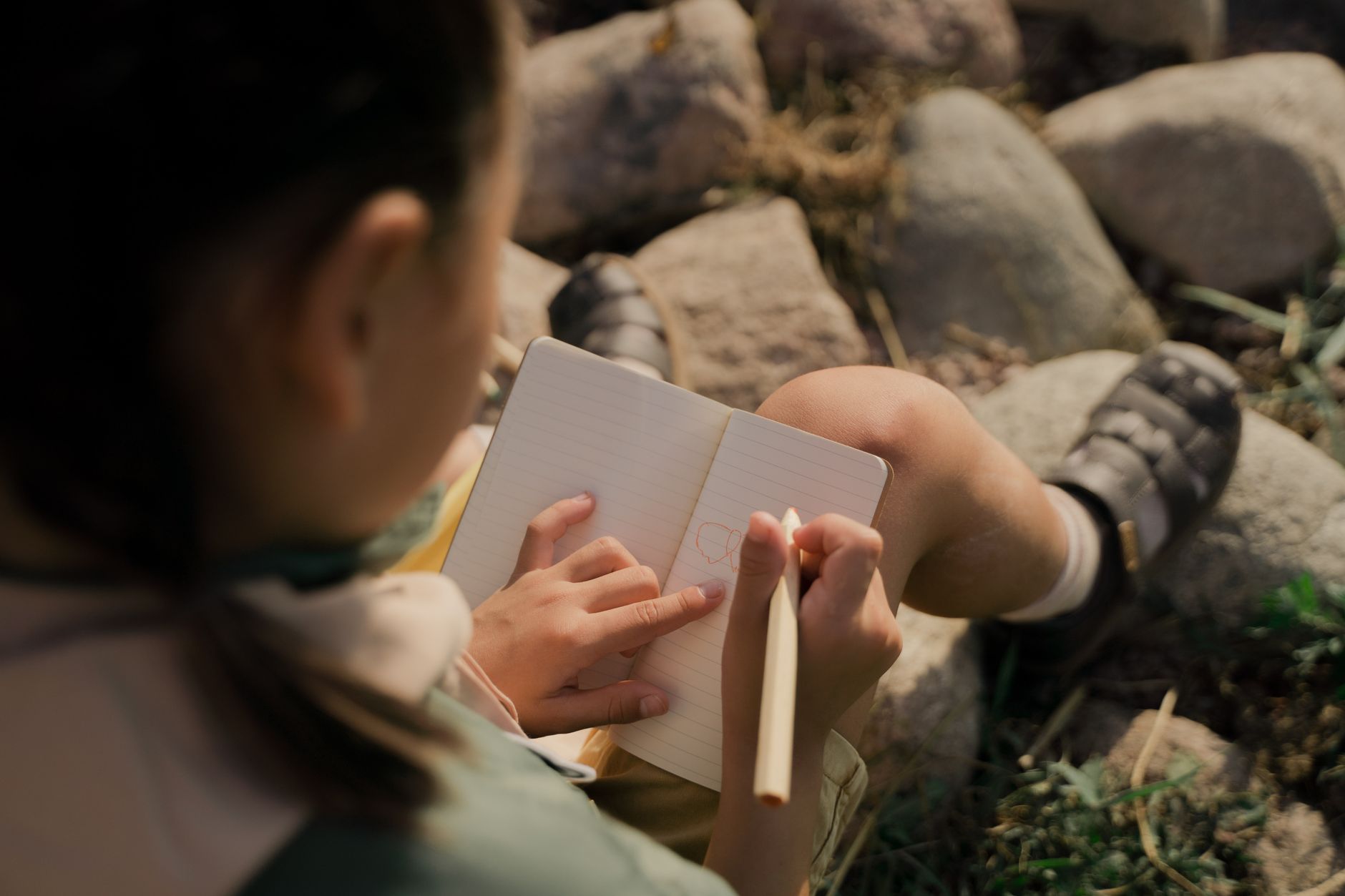
    After read-aloud time, we pair these books with nature journaling. My kids use a nature journal to sketch and write about what we just read or what they observed outside — and that combo of story + hands-on observation is genuinely powerful. We’ve also started keeping the Sibley Birds guide on hand because the Burgess Bird Book sends us straight to it to find the real pictures.

    For bug and creature study, a bug collection kit and a pocket microscope have been some of our most-used school “supplies.” My kids have identified more insects in our backyard than I ever knew existed.

    For more on building out a nature study rhythm through the seasons, check out our Best Nature Table Items to Collect by Season in Florida: A Year-Round Guide.


    Living Books for Language Arts and Literature

    Grades 1–2:

    • Little House in the Big Woods by Laura Ingalls Wilder — The whole series, really. We’ve read it twice.
    • The Boxcar Children (original) by Gertrude Chandler Warner — Four kids, a boxcar, and total independence. Very 1990s-kid energy.
    • My Father’s Dragon by Ruth Stiles Gannett — Perfect read-aloud for 6–7 year olds.
    • Frog and Toad series by Arnold Lobel — Short chapters, genuine friendship, real humor.

    Grades 3–4:

    • The Witch of Blackbird Pond by Elizabeth George Speare — Colonial New England, belonging, and courage. Rich language.
    • Island of the Blue Dolphins by Scott O’Dell — Survival, nature, and one of the most self-reliant protagonists in children’s literature.
    • Stuart Little and Charlotte’s Web by E.B. White — If you haven’t read these aloud, stop what you’re doing.
    • The Twenty-One Balloons by William Pène du Bois — Wildly imaginative and totally underrated.

    For our morning basket reading time, I pull from this list constantly. You can see how we structure that whole block in our Charlotte Mason Morning Basket Ideas for Beginners (What Actually Works for Our Family).


    Living Books for Science Concepts

    • Snowflake Bentley by Jacqueline Briggs Martin — A picture book biography that doubles as a science lesson on snowflakes and persistence.
    • The Story of Science series by Joy Hakim — More for upper elementary, but my advanced 4th grader loved it.
    • Magic School Bus books — I know, I know. But these actually hold up as living books because of Joanna Cole’s genuine enthusiasm for science.
    • Tracking and the Art of Seeing by Paul Rezendes — More of a family reference, but we pull it out often.

    Pairing these with watercolor illustrations in the nature journal using Faber Castell watercolor pencils has become one of our favorite after-read rituals. There’s something about drawing what you just read that locks it in.


    A Note on Using These With the PEP Scholarship

    Many of these books can be purchased through PEP-approved vendors, and books that support your curriculum are generally eligible. If you’re using the Florida PEP scholarship and want to make sure your living books purchases are covered, our breakdown of the Florida PEP Scholarship Approved Vendors List 2026: What Homeschool Families Actually Need to Know is a good place to start. Rainbow Resource is one of our go-to PEP vendors for buying books in bulk at the beginning of the year.


    Our Honest Approach: Not Every Book Is for Every Kid

    Here’s what I’ve learned after years of this: the “best” living books list is the one your kid connects with. Some books on every popular CM list have completely flopped in our house. Others that barely get mentioned have become family favorites we return to again and again.

    Start with a few. Read aloud together. Watch their eyes. A living book will tell you it’s alive by how your child responds to it.

    That’s the real Charlotte Mason magic — not the curriculum box or the perfectly organized bookshelf, but those afternoons where everyone forgets they’re supposed to be “doing school” because the story is just that good.

    If you’re just getting started with living books and want to know what a full Charlotte Mason day actually looks like around here, go read our Charlotte Mason Daily Schedule for Elementary Ages. It’ll give you the full picture of how these books fit into everything else we do — from chicken chores to narration to free play in the yard.

    Happy reading, friends. 🌿


    📖 You Might Also Like:

    Frequently Asked Questions

    What are Charlotte Mason living books?

    Living books are books written by someone with a genuine passion for their subject — they tell a story, have a real voice, and make ideas come alive for children. Charlotte Mason believed these were far more effective for learning than dry textbooks or fact-based curricula.

    What are the best Charlotte Mason living books for 1st and 2nd grade?

    Some top picks for grades 1–2 include the Little House series by Laura Ingalls Wilder, the Burgess Bird and Animal Books by Thornton Burgess, My Father’s Dragon by Ruth Stiles Gannett, and D’Aulaires’ Book of Greek Myths. These are engaging read-alouds with rich language that young children absorb deeply.

    Can living books replace a full curriculum for elementary homeschoolers?

    Many Charlotte Mason families use living books as the backbone of their entire curriculum, supplementing with narration, nature journals, and hands-on work. While you may still want structured math and phonics programs, living books can genuinely carry the bulk of history, science, and language arts for K–5.

    Where can I buy Charlotte Mason living books for my homeschool?

    Rainbow Resource and Timberdoodle are both popular options with wide Charlotte Mason book selections. Many titles are also available through your local library, used book sellers, or Amazon. If you’re using the Florida PEP scholarship, check which vendors are approved for curriculum purchases.

    How do I use living books in a Charlotte Mason homeschool?

    Read aloud together, then ask your child to narrate back what they heard in their own words — this is called narration and it’s Charlotte Mason’s primary method of assessment. You can also pair books with nature journaling, watercolor illustration, timeline entries, or simple discussions. The key is to let the book do the teaching and trust the process.

  • Charlotte Mason Daily Schedule for Elementary Ages: What Actually Works for Our Family

    Charlotte Mason Daily Schedule for Elementary Ages: What Actually Works for Our Family

    Charlotte Mason Daily Schedule for Elementary Ages: What Actually Works for Our Family

    🌿 The Short Version: A Charlotte Mason daily schedule for elementary ages doesn’t have to be rigid or overwhelming — it’s built around short lessons, lots of outdoor time, and real books. This post walks you through exactly how we structure our days in Northwest Florida, what we’ve learned the hard way, and how to make it actually stick.

    This post contains affiliate links. I may earn a small commission at no extra cost to you.

    If you’ve been down the Charlotte Mason rabbit hole at all, you’ve probably felt that mix of excitement and mild panic. The philosophy makes so much sense — living books, nature study, short lessons, narration — but when you sit down and try to figure out what Monday morning actually looks like, it can feel weirdly complicated for something that’s supposed to feel natural.

    I’ve been there. I spent way too many evenings building color-coded schedules that fell apart by 9:15 AM. So let me save you some time and show you what we actually do, here in Pensacola, with elementary-age kids, backyard chickens to tend, a labradoodle underfoot, and a whole lot of Florida heat waiting outside.

    First, Forget the Perfect Schedule

    Charlotte Mason herself didn’t prescribe a minute-by-minute timetable. What she did say is that lessons should be short (15–20 minutes for younger kids, up to 30 for older elementaries), mornings should be protected for the hardest mental work, and afternoons should be largely free for outdoor exploration and creative play.

    That’s actually good news. It means you have more flexibility than you think.

    If you’re newer to Charlotte Mason and want to understand how the morning fits together as a whole, I wrote about our Charlotte Mason Morning Basket Ideas for Beginners (What Actually Works for Our Family) — that post pairs really well with this one.

    Our Basic Daily Rhythm (Elementary, K–5)

    Here’s the honest version of our day. Not aspirational — actual.

    Morning: The Learning Hours (8:00–11:30 AM)

    8:00 – 8:30 | Morning Chores + Outdoor Time

    Before we even crack a book, my kids go outside. They check on the chickens, refill the chicken waterer, collect eggs, and just breathe for a few minutes. Our labradoodle, Biscuit, comes with them. This isn’t school — it’s just life. But it sets such a better tone than starting with a worksheet.

    8:30 – 9:00 | Morning Basket

    We gather together for our morning basket — poetry, a Bible passage or hymn study, a chapter from a read-aloud, and maybe a picture study. This is cozy, low-pressure, and everyone can participate regardless of age. It’s the heartbeat of our Charlotte Mason day.

    9:00 – 11:00 | Lesson Blocks

    This is where we do the focused academic work, but in short bursts with movement in between. Here’s roughly how it shakes out:

    • Reading / Language Arts — 20 minutes. We use All About Reading for my younger ones and love it. Simple, multisensory, and it works.
    • Math — 20–25 minutes. We use Math-U-See, which is very Charlotte Mason–compatible in the sense that it’s concrete and conceptual, not drill-and-kill.
    • Handwriting / Copywork — 10–15 minutes. Handwriting Without Tears has been our go-to, especially for my kids who had wiggly pencil grips.
    • History or Science Read-Aloud + Narration — 20 minutes. We read from a living book, then I ask “tell me what you remember.” That’s narration. It’s that simple, and it’s surprisingly effective.

    Between each subject, there’s a 5-minute break to wiggle, get water, or just breathe. We don’t push through. Charlotte Mason was very clear that an overworked child retains nothing.

    11:00 – 11:30 | Nature Study or Handicrafts

    This rotates by day. Some days we go outside with our nature journals and Faber-Castell watercolors to sketch whatever we find — a new bug, a flower that bloomed overnight, the way the light hits the pond in our neighbor’s yard. Other days we’re identifying birds with our Sibley Birds guide, or using a pocket microscope to look at pond water or a feather from the coop.

    Nature study in Florida is genuinely incredible, by the way. We have so much to work with — Gulf Coast birds, pine flatwoods, all kinds of insects. If you haven’t taken your kids to a Florida state park for a nature walk, I have a whole post on that: Florida State Parks Free Homeschool Field Trip Ideas (A Real Mama’s Guide).

    Midday: Lunch + Downtime (11:30 AM – 1:30 PM)

    Lunch is together, usually outside on the porch if it’s not too brutal out (hello, August). After lunch, my younger ones have quiet rest time. My older kids read independently — real books, their choice. Nobody is doing school during this window. This is important.

    Afternoon: Free Time (1:30 – 4:00 PM)

    This is the part I want to protect the most, and honestly the part that took me the longest to allow.

    This is the 1990s childhood block. My kids dig in the dirt, ride bikes, build things, catch bugs with their bug catcher kit, drag out the lawn games, or make up elaborate pretend play scenarios that go on for hours. There’s no agenda. Boredom happens sometimes — and that’s exactly the point.

    Charlotte Mason believed deeply in what she called “masterly inactivity” — the parent stepping back and letting children direct their own play and discovery. It’s harder than it sounds when you’ve been conditioned to fill every minute, but it’s one of the most valuable things we do.

    Late Afternoon: Wind Down (4:00 – 5:30 PM)

    Kids help with afternoon chores — checking on chickens again, helping start dinner, tidying up. We might do a family read-aloud before dinner. Simple. Slow. Real.

    What Makes Charlotte Mason Work at Elementary Ages

    Short Lessons Are Non-Negotiable

    Seriously. If your 7-year-old is doing 45-minute math lessons, that’s not Charlotte Mason. Keep it short. They will learn more in 20 focused minutes than an hour of resistance.

    Narration Does the Heavy Lifting

    You don’t need a lot of workbooks or comprehension questions. Ask your kids to tell you what they learned — out loud, through drawing, or through dramatic re-enactment if they’re wiggly. Narration builds memory and comprehension naturally.

    Outside Time Is School

    Nature journaling, bird identification, bug collecting, garden observation — this counts. Don’t relegate it to “extra” status. It’s core. If you’re using the Florida PEP Scholarship, you can absolutely use scholarship funds for nature study supplies and living books.

    The Best Nature Table Items to Collect by Season in Florida

    If you want more inspiration for nature study through the year, I put together a full guide: Best Nature Table Items to Collect by Season in Florida: A Year-Round Guide. It’ll give you plenty of ideas for what to look for on your outdoor time.

    A Note on Flexibility

    Some days we skip the schedule entirely because a sandhill crane landed in the backyard and we spent an hour watching it. Some days we do school in the car on the way to a co-op. Some days everyone’s grumpy and we read picture books and call it good.

    Charlotte Mason’s method is rooted in respect for the child as a person — not a bucket to fill. When we remember that, the schedule becomes a helpful rhythm rather than a cage.


    If you’re just starting out and feeling like you need to figure it all out before Monday, take a breath. Start with morning basket, one read-aloud, one math lesson, and an hour outside. That’s Charlotte Mason. The rest will fall into place as you get to know your kids and your own family rhythm.

    This approach has been one of the best things we’ve done for our family — and honestly, for my own sanity as a mama. Less stress, more connection, and kids who actually love learning. That’s the goal.


    📖 You Might Also Like:

    Frequently Asked Questions

    How long should a Charlotte Mason school day be for elementary kids?

    For K–2, most Charlotte Mason families are done with formal lessons in about 2–2.5 hours. For grades 3–5, you’re looking at maybe 3 hours of structured work at most. The rest of the day is outdoor time, free play, read-alouds, and handicrafts — all of which Charlotte Mason considered essential parts of education, not extras.

    What subjects does Charlotte Mason include for elementary ages?

    A Charlotte Mason elementary schedule typically includes reading, copywork or handwriting, math, history (through living books and narration), nature study, poetry, picture study, music appreciation, and handicrafts. The focus is on real books and direct observation rather than textbooks and worksheets.

    How do you do narration with young kids who aren’t readers yet?

    Narration doesn’t require reading or writing — it just means asking your child to tell you what they remember after a read-aloud or lesson. For very young kids, they can narrate verbally, draw a picture, act it out, or build something with blocks. The key is that it happens right after the lesson while it’s fresh.

    Can a Charlotte Mason schedule work with multiple ages at once?

    Yes, and this is actually one of its strengths. Morning basket, read-alouds, nature study, and picture study can all be done together across multiple ages. You only split off for individual skill work like phonics and math, which you can stagger so you’re not trying to teach two kids at the same time.

    Is Charlotte Mason a good fit for the Florida PEP Scholarship?

    It can be, yes. Many Charlotte Mason-aligned curricula and resources are available through PEP-approved vendors. Things like All About Reading, Math-U-See, Handwriting Without Tears, and nature study supplies can often be purchased using scholarship funds. Check the current approved vendor list and keep your receipts — documentation matters.

  • Charlotte Mason Morning Basket Ideas for Beginners (What Actually Works for Our Family)

    Charlotte Mason Morning Basket Ideas for Beginners (What Actually Works for Our Family)

    Charlotte Mason Morning Basket Ideas for Beginners (What Actually Works for Our Family)

    🌿 The Short Version: A Charlotte Mason morning basket doesn’t have to be complicated or expensive — it’s just a cozy, intentional way to start your homeschool day together with things like poetry, nature study, art, and a good read-aloud. We’ll walk you through exactly what we include, what we skipped, and how to build one that actually fits your real life.

    This post contains affiliate links. I may earn a small commission at no extra cost to you.

    When I first heard the term “morning basket,” I pictured some perfectly curated Pinterest spread with a linen tablecloth and a beeswax candle and twelve carefully chosen books fanned out like a library display. And I almost talked myself out of trying it altogether because that is just not our house.

    Our house is rain boots by the back door, a labradoodle who thinks he lives on the kitchen table, and whatever the chickens dragged into the yard overnight. We are not a linen-tablecloth family.

    But here’s what I found out: morning basket is actually the most us thing we do in our homeschool. Once I stripped away the Instagram version and just asked “what do I want my kids to be soaking in every single day?” — it clicked. And now it’s genuinely the part of our day I’d fight hardest to protect.

    If you’re new to Charlotte Mason and trying to figure out where to even start, let me just walk you through what we do, what I’d tell a friend over coffee.

    What Even Is a Morning Basket?

    At its core, a Charlotte Mason morning basket (some folks call it a “morning time” or “circle time”) is a short block at the start of your school day where the whole family gathers together — regardless of age — to experience good things together. Not worksheets. Not quizzes. Just… nourishing input.

    The idea comes from Charlotte Mason’s belief that children deserve a rich, living education — not watered-down facts, but real encounters with beauty, ideas, nature, and truth. Morning basket is how a lot of CM families make that happen daily without it feeling like a separate, overwhelming subject.

    It usually runs anywhere from 20 minutes to an hour, depending on your family. Ours lands around 30-40 minutes most mornings, right after chores and before we split into individual work.

    What We Actually Put in Ours

    Here’s the honest rundown of what we rotate through. You don’t do all of this every day — just pick a few and keep it moving.

    A Good Read-Aloud

    This is the anchor of our whole morning basket. We read from one “living book” — a real story with real characters that makes history or science or literature feel alive. We’re not talking textbooks. We’re talking books that kids actually beg you to keep reading. Check out our list of Best Homeschool Read Aloud Books for the Whole Family (All Ages) if you need a starting point.

    Poetry

    Just one poem, read aloud, no analysis required. We keep a simple poetry anthology in the basket and rotate through it slowly. My kids groan sometimes and then randomly quote it two weeks later at dinner. That’s the magic.

    Nature Study or Naturalist Observation

    This is where our Charlotte Mason roots really show. A few times a week I’ll pull out whatever we’ve been observing — a feather from the yard, a leaf with weird spots, something the kids found on our morning walk — and we’ll spend five minutes talking about it or sketching it in their nature journals.

    Here in Northwest Florida we have so much to work with. We’re always finding new birds, and the Sibley Birds guide lives in our basket permanently because someone is always asking “what kind of bird was that?” If your kids want to dig deeper into what they’re finding, a pocket microscope is genuinely one of the best things we’ve added — they can look at feathers, seeds, bug wings, whatever they drag inside.

    We also tie in our chickens constantly. Our flock has taught my kids more about biology, life cycles, and animal behavior than any curriculum I’ve bought. If your family is curious about getting started with backyard chickens, Storey’s Guide to Raising Chickens is the one I’d recommend, and there’s also a great kid’s guide to chickens my younger ones love flipping through.

    Hymn or Folk Song Study

    We pick one song per term and just sing it together — or honestly, sometimes just listen to it while we eat breakfast. Charlotte Mason believed in music being part of daily life, not a special occasion. We’re not musicians over here, but we can hum.

    Artist or Composer Study

    Once a week, we look at one painting from whichever artist we’re studying that term and just talk about it. No worksheet. Just “what do you see? what do you think is happening? how does it make you feel?” Then I’ll sometimes have the kids try to recreate something in their own style with watercolor paints. We love the Faber-Castell watercolor set — good quality without being precious about it.

    Copywork or Recitation

    A short passage the kids are memorizing or copying. This overlaps with handwriting practice, and if you’re using Handwriting Without Tears, it fits naturally right here.

    Prayer or Gratitude

    We open with a short prayer and sometimes go around and say one thing we’re grateful for. Takes two minutes. Sets the whole tone.

    How to Actually Build Your Basket

    Here’s my honest beginner advice:

    Start with three things. A read-aloud, one poem, and one nature observation. That’s it. Do that for two weeks before you add anything else. You’ll know what your family needs from there.

    Put it in something physical. An actual basket, a crate, a bin — doesn’t matter. Having a dedicated container keeps it from becoming a pile of good intentions on the floor. Pull it out, gather the kids, put it back when you’re done. That ritual matters.

    Don’t time it obsessively. Some mornings we go long because someone is fascinated by something. Some mornings someone has a meltdown before we even finish the poem. Both are real life.

    Use what you have. You don’t need to buy a whole new curriculum for morning basket. Pull from books you already own, things from your yard, whatever’s on your nature table. If you want to build out your nature table with seasonal finds, I wrote a whole guide on Best Nature Table Items to Collect by Season in Florida that might help.

    What We Don’t Include (And You Don’t Have To Either)

    Lots of morning basket posts include scripture memory, map drills, timeline review, grammar recitation… and honestly, you can include those things. But for beginners, I’d say: leave the skills-and-drills for your individual lesson time. Morning basket works best when it feels like a gift, not a gauntlet.

    If you’re using a scholarship like the Florida PEP Scholarship to fund your homeschool, morning basket materials — books, art supplies, nature journals — can often be covered. Worth knowing.

    This Is the Part That Feels Like the 1990s (In the Best Way)

    There’s something about morning basket that feels like the childhood I remember — the one where we sat around the table without phones and somebody read out loud and time moved slower. My kids aren’t going to remember the worksheet they did on Tuesday. But they will remember the chapter we read together under the ceiling fan in August, the mockingbird feather we identified with the field guide, the way our voices sounded when we all knew the words to the same poem.

    That’s the whole point, isn’t it.

    If you’re just starting out and feeling overwhelmed by Charlotte Mason, please hear me: morning basket is the gentlest possible on-ramp. It doesn’t require a philosophy degree or a Pinterest feed. It just requires showing up with a few good things and your kids around the table.

    You’ve already got what it takes.


    📖 You Might Also Like:

    Frequently Asked Questions

    What is a Charlotte Mason morning basket?

    A Charlotte Mason morning basket is a daily gathering at the start of your homeschool day where the whole family comes together to experience enriching content — like poetry, read-alouds, nature study, art, and music — before splitting off into individual lessons. It’s designed to be nourishing and unhurried, not skill-drill focused.

    How long should a morning basket take?

    Most families spend anywhere from 20 minutes to an hour on morning basket, depending on ages and how deep the rabbit holes go that day. For beginners, 20–30 minutes is a great place to start. You can always grow from there once you find your rhythm.

    What do you put in a Charlotte Mason morning basket for young kids (K-2)?

    For younger elementary kids, keep it simple: one read-aloud (a living book or picture book), one short poem, a nature observation or sketch, and maybe a song. Young children thrive on repetition and short focused attention, so don’t overload the basket. Three to four elements is plenty.

    Do you need a special curriculum for morning basket?

    Nope. Morning basket isn’t a curriculum — it’s a structure. You can fill it with books you already own, poems from a free anthology, things your kids find outside, and simple art supplies. That said, curated resources like those from Timberdoodle or Rainbow Resource can be helpful if you want guidance on what to include.

    Can morning basket count toward homeschool requirements in Florida?

    In Florida, homeschool requirements focus on a portfolio of work and annual evaluations rather than specific seat-time rules. Morning basket activities — nature journals, copywork, read-aloud narrations, and art — absolutely can and should be documented as part of your portfolio. If you’re on the Florida PEP Scholarship, many of the materials you’d use in morning basket (books, art supplies, nature journals) may be eligible for reimbursement through approved vendors.

  • Florida PEP Scholarship vs Hope Scholarship: Which One Is Right for Your Homeschool Family?

    Florida PEP Scholarship vs Hope Scholarship: Which One Is Right for Your Homeschool Family?

    Florida PEP Scholarship vs Hope Scholarship: Which One Is Right for Your Homeschool Family?

    🌿 The Short Version: Florida offers two main scholarship programs that homeschool families often hear about — the PEP Scholarship and the Hope Scholarship — but they work very differently and serve different situations. This post breaks down exactly how each one works so you can figure out which (if either) is the right fit for your family.

    This post contains affiliate links. I may earn a small commission at no extra cost to you.

    If you’ve been in any Florida homeschool Facebook group for longer than five minutes, you’ve probably seen someone mention the PEP Scholarship or the Hope Scholarship. And if you’re anything like I was when we first started this journey, you nodded along like you knew what they were talking about — and then went home and Googled it at 10pm while the kids were finally asleep.

    No shame. These programs are genuinely confusing, especially because people use the names interchangeably sometimes or assume they work the same way. They don’t. And knowing the difference could save you a lot of time, frustration, and maybe even help you get money toward your homeschool that you didn’t know you qualified for.

    Let’s break it down in plain English.


    First, the Big Picture: Two Scholarships, Two Very Different Purposes

    Both the PEP Scholarship and the Hope Scholarship are Florida education choice programs funded through the state’s scholarship system and administered through Step Up For Students. But that’s roughly where the similarities end.

    • The PEP Scholarship (Personal Education Pathways) is specifically designed for homeschool families. It gives eligible families funds to use toward curriculum, educational materials, therapies, and more.
    • The Hope Scholarship is designed to give students a way to leave a public school environment — specifically in situations involving bullying or violence — and use scholarship funds to attend a private school instead.

    See the difference? One is for homeschoolers. One is an exit ramp from public school to private school. They’re solving two completely different problems.


    What Is the Florida PEP Scholarship?

    If you’re already homeschooling — or seriously considering it — the PEP Scholarship is the one you want to know inside and out.

    The PEP Scholarship gives eligible Florida homeschool families a scholarship account they can use for approved educational expenses. Think curriculum, tutoring, online courses, therapies like speech or OT, and educational tools. It’s real money toward the cost of doing this well.

    We’ve used ours for curriculum through Rainbow Resource and Timberdoodle, and it has made a meaningful difference in what we’re able to do. There’s a specific approved vendor list you have to work within, which I know can feel limiting at first — but once you understand it, there’s actually a lot of flexibility.

    For a full breakdown of how to apply, check out How to Apply for the Florida PEP Scholarship Step by Step (From a Mama Who’s Done It). And if you want to know exactly which vendors are approved for spending those funds, Florida PEP Scholarship Approved Vendors List 2026: What Homeschool Families Actually Need to Know is your go-to.

    Who Qualifies for the PEP Scholarship?

    Eligibility is income-based and has expanded in recent years, so more families qualify now than did a few years ago. Generally speaking, you need to be a Florida resident, have a child who qualifies for K-12 education, and meet certain household income thresholds. The specific numbers shift, so always verify current eligibility on the Step Up For Students website — don’t rely on what someone told you in a Facebook group last year.

    What Can You Spend PEP Funds On?

    Approved uses include things like:

    • Curriculum and instructional materials
    • Educational therapies
    • Online courses
    • Tutoring services from approved providers
    • Certain educational technology

    What you can’t do is use it like a free-for-all Amazon gift card. There are rules. But within those rules, there’s a lot of room — especially if you’re a Charlotte Mason family who loves living books, nature journals, and hands-on learning materials.


    What Is the Florida Hope Scholarship?

    The Hope Scholarship was created specifically for students who have experienced bullying, harassment, or violence in a Florida public school. It allows those students to transfer to a participating private school using scholarship funds rather than staying in a school environment where they felt unsafe.

    This is genuinely important and valuable for the families it serves. But here’s the key thing: the Hope Scholarship is not a homeschool scholarship. It funds private school tuition at a participating private school — it doesn’t fund a family’s homeschool.

    So if someone in a homeschool group mentions the Hope Scholarship as a funding option for homeschooling, that’s actually a mix-up. You can’t use Hope Scholarship funds to buy curriculum for your kitchen table.

    Who Qualifies for the Hope Scholarship?

    To be eligible, a student must:

    • Be enrolled in or eligible to enroll in a Florida public school
    • Have experienced a qualifying incident of bullying, harassment, or violence at school
    • Apply within a certain timeframe after that incident

    There’s also a unique public funding mechanism: Florida residents can redirect a portion of their vehicle sales tax to the Hope Scholarship fund — it doesn’t cost the donor anything extra. That’s worth knowing even if it doesn’t apply to your situation directly, because you might be able to help another family.


    PEP vs Hope: Side-by-Side Comparison

    | | PEP Scholarship | Hope Scholarship |

    |—|—|—|

    | For homeschoolers? | Yes | No |

    | For private school? | No | Yes |

    | Income-based? | Yes | No |

    | Reason-based? | No | Yes (bullying/safety) |

    | Who administers it? | Step Up For Students | Step Up For Students |

    | Funds used for | Curriculum, therapies, materials | Private school tuition |


    Can You Have Both?

    No — not at the same time, and not for the same purpose. If your child is currently in public school and experienced bullying, you might use the Hope Scholarship to transition to a private school. If you later decide to homeschool, you’d need to look at PEP eligibility separately. But you can’t use both simultaneously for the same child, and again — Hope funds go to private school tuition, not homeschool expenses.


    What About Using PEP for a Nature-Based Homeschool?

    This is honestly one of my favorite things to talk about because yes — you absolutely can use PEP funds to support a Charlotte Mason or nature-based homeschool approach, within the approved vendor framework.

    Things like structured curriculum from approved vendors, educational kits, and certain learning materials fit right in. We’ve found ways to fund the more structured parts of our day (think Math-U-See for math, All About Reading for our early readers, Handwriting Without Tears for penmanship) while the more free-form, nature-based parts of our day — the backyard chicken chores, the nature walks, the mud puddle investigations — just happen because that’s how we live.

    Our kids keep nature journals and we use Faber Castell watercolors for nature illustrations — those kinds of purchases can sometimes fit within PEP depending on how they’re categorized, so it’s worth checking.

    For more on what records and documentation matter for Florida homeschoolers, Homeschool Record Keeping Florida Requirements: What You Actually Need to Save (And What You Don’t) is a post I come back to regularly.


    The Bottom Line

    If you’re homeschooling in Florida and wondering whether you’re leaving money on the table — look into the PEP Scholarship first. That’s the one built for you.

    If you have a child currently in a public school who has experienced bullying or a safety incident and you’re looking for a way to get them into a private school environment, the Hope Scholarship exists specifically for that situation and is worth pursuing.

    And if someone in a Facebook group conflates the two, now you’ll be the one who can gently set the record straight — because you’ve done your homework.

    We’re all just out here trying to do right by our kids. Whether that’s raising chickens in the backyard, letting them run barefoot through the yard like it’s 1993, or figuring out scholarship paperwork at 10pm so we can buy better curriculum — it all counts. You’ve got this, mama.


    📖 You Might Also Like:

    Frequently Asked Questions

    What is the difference between the Florida PEP Scholarship and the Hope Scholarship?

    The PEP Scholarship is specifically for homeschool families and provides funds for curriculum, therapies, and educational materials. The Hope Scholarship is for students who have experienced bullying or violence in a public school and allows them to transfer to a participating private school — it does not fund homeschooling.

    Can homeschool families use the Hope Scholarship in Florida?

    No. The Hope Scholarship is designed to fund private school tuition for students leaving a public school due to a bullying or safety incident. It cannot be used to fund a home education program. Homeschool families should look into the PEP Scholarship instead.

    Can you use both the PEP Scholarship and the Hope Scholarship at the same time?

    No. These are two separate programs serving different purposes and different school settings. A child cannot simultaneously use both scholarships, and the Hope Scholarship funds private school tuition only — not homeschool expenses.

    What can Florida PEP Scholarship funds be used for?

    PEP Scholarship funds can be used for approved educational expenses including curriculum, instructional materials, educational therapies (such as speech or OT), online courses, tutoring from approved providers, and certain educational technology. Purchases must be made through Step Up For Students’ approved vendor list.

    Who qualifies for the Florida PEP Scholarship?

    Florida resident families who homeschool and meet certain household income requirements may qualify for the PEP Scholarship. Eligibility thresholds have expanded in recent years, so it’s worth checking current guidelines directly on the Step Up For Students website, as income limits and funding amounts can change from year to year.

  • Homeschool Record Keeping Florida Requirements: What You Actually Need to Save (And What You Don’t)

    Homeschool Record Keeping Florida Requirements: What You Actually Need to Save (And What You Don’t)

    Homeschool Record Keeping Florida Requirements: What You Actually Need to Save (And What You Don’t)

    🌿 The Short Version: Florida homeschool law requires you to keep a portfolio of your child’s work and an annual evaluation — but it’s more flexible than you probably think. This post breaks down exactly what to save, how to organize it without losing your mind, and how real families (including ours) actually make it work.

    This post contains affiliate links. I may earn a small commission at no extra cost to you.

    Okay, real talk — when I first pulled my oldest out of public school, the thing that stressed me out the most wasn’t curriculum or socialization or any of the things people warned me about. It was the paperwork. I had this vision of a state official showing up at my door, clipboard in hand, demanding proof that we had done school, and me standing there holding a nature journal and a jar of tadpoles.

    Spoiler: it doesn’t work like that. Not even close.

    Florida is actually one of the more homeschool-friendly states in the country, and once I actually read the law — not a forum post about the law, the actual statute — I exhaled for the first time in weeks. If you’re new to this or just want to make sure you’re doing it right, let me walk you through what Florida homeschool record keeping actually requires, what I do in our own home, and how to build a simple system that won’t eat your life.


    What Florida Law Actually Says

    Florida Statute 1002.41 is the one you want. It governs homeschool families who file a Notice of Intent with their county school district (which is the most common homeschool path here). If you’re using a cover school or an umbrella program, your requirements may differ slightly — but for most of us, here’s the deal:

    You are required to:

    1. Keep a portfolio of records and materials
    2. Have that portfolio evaluated once a year

    That’s genuinely the core of it. No test scores required. No lesson plans submitted to anyone. No daily attendance logs turned in. (For a deeper dive into the full legal picture, I’d point you to our post on Homeschooling Laws in Florida: What You Actually Need to Know in 2026 — it covers everything from filing your Notice of Intent to what happens if you move counties.)


    What Goes in the Portfolio?

    Here’s where people get tripped up. The statute says the portfolio must include:

    • A log of educational activities — this can be as simple as a list of books read, field trips taken, topics covered
    • Samples of the child’s work — again, flexible. Papers, drawings, narrations, photos of projects

    That’s it. There’s no required format. There’s no required number of samples per subject. You’re not submitting this to anyone unless your evaluator asks to see it, and even then, you’re in charge of what’s included.

    We use a simple three-ring binder for each kid, organized by subject. I tuck in a monthly log (literally just a bullet list of what we did), a few representative work samples, photos of nature study outings, and any completed workbook pages I want to keep. Charlotte Mason families, this is actually beautiful in practice — your nature journals, your narration pages, your watercolor illustrations? All of that counts.

    Speaking of which — if your kids do nature journaling (and if they don’t, I so recommend starting), those pages are genuinely some of the most meaningful portfolio pieces you’ll have. We use this nature journal and our kids illustrate with Faber-Castell watercolors. When I tuck those pages into the portfolio binder, they’re not just recordkeeping — they’re a real record of learning.

    For the Florida PEP Scholarship families reading this: your portfolio requirements align with what Step Up For Students expects as well. If you want more detail on navigating that specifically, check out our post on Florida Homeschool Portfolio: What to Include (With Real Examples).


    The Annual Evaluation: What It Looks Like

    Once a year, you need to have your child’s portfolio evaluated. You have a few options for who can do this:

    • A Florida-certified teacher
    • A psychologist
    • A Florida state-licensed evaluator

    Many homeschool evaluators are former teachers who do this part-time, and honestly, our evaluations have always been low-key and encouraging. You bring the portfolio, the evaluator reviews it, you chat about what your child has been doing, and they sign off on a letter confirming that your child is making progress consistent with their age and ability.

    No pass/fail. No comparison to grade-level standards. Just a professional confirming that yes, this child is learning.

    You keep the evaluation letter in your records for two years. That’s the requirement — retain your portfolio for two years.


    Simple Record Keeping Systems That Actually Work

    I’ve tried elaborate systems. I’ve tried apps. I’ve tried color-coded binders with twelve tabs. You know what I actually use now?

    A paper log and a cardboard box.

    Every week I jot down what we did in a simple notebook — books read aloud, math lessons completed, nature study topics, co-op classes, field trips. At the end of each month I transfer the highlights to a typed list that goes in the binder. Work samples get dropped in the box as we go, and once a quarter I sort through and pick the best ones for the portfolio.

    If you want to keep digital records, a simple Google Drive folder with photos of work samples and a running document for your log works beautifully. Some families I know use apps like Homeschool Planet or Scholarship. Whatever keeps you consistent is the right system.

    A few things I always make sure to document:

    • Nature study outings (photos + a quick note about what we observed)
    • Field trips (we do a lot of these — if you haven’t already, read our Florida State Parks Free Homeschool Field Trip Ideas post for ideas that are free or nearly free)
    • Read-alouds — just a running book list
    • Any curriculum we’re using — we log Math-U-See lessons, All About Reading progress, and co-op classes
    • Real-life learning — and yes, I count the chicken keeping. My kids track egg production, learn about flock health, and have read through the Kid’s Guide to Keeping Chickens. That’s science, math, and animal husbandry, and it goes in the portfolio.

    What About the PEP Scholarship?

    If you’re using the Florida PEP Scholarship (formerly the Gardiner/Family Empowerment Scholarship), there are some additional recordkeeping expectations tied to how you use your scholarship funds. Step Up For Students has its own documentation requirements, and keeping receipts and invoices organized is part of the deal.

    We’ve found that having a separate folder — physical or digital — just for PEP-related purchases and receipts makes life a lot easier come renewal time. If you’re newer to the scholarship and want the full picture, our post How to Apply for the Florida PEP Scholarship Step by Step is a great starting point.


    What You Do NOT Have to Do

    Just to set your mind at ease:

    • You do not have to submit lesson plans to anyone
    • You do not have to track hours of instruction
    • You do not have to follow a school calendar
    • You do not have to give standardized tests (unless you choose to)
    • You do not have to report grades to your county

    Florida gives homeschool families a lot of latitude. The system trusts you. Which means you can spend a Tuesday morning watching the chickens lay eggs, sketching them in your nature journal, and then writing a narration about it — and that is a full, legitimate, documentable school morning.


    A Word on Keeping It Real

    I want to say this gently but directly: don’t let recordkeeping anxiety steal the joy from your homeschool. The whole reason most of us are doing this is to give our kids a richer, more connected, more alive education than a worksheet-and-standardized-test conveyor belt can offer. The recordkeeping should serve that vision, not undermine it.

    Snap a photo of the muddy boots after a creek walk. Tuck a wildflower pressing in the portfolio. Write down the name of the bird you identified with your Sibley field guide. That is school. It counts. And honestly? It’s the stuff your kids will remember long after they’ve forgotten what grade they were in.

    We’re doing something countercultural and wonderful here, mama. The paperwork is just the paper trail of a life well-lived.


    📖 You Might Also Like:

    Frequently Asked Questions

    What records do I legally have to keep as a Florida homeschool family?

    Under Florida Statute 1002.41, you are required to maintain a portfolio of your child’s educational records and materials, and to have that portfolio evaluated once a year by a qualified evaluator. The portfolio must include a log of educational activities and samples of the child’s work. You are required to retain your portfolio and the evaluation letter for at least two years.

    Does Florida require homeschool families to track hours or days of instruction?

    No. Florida does not require homeschool families to track or report hours of instruction, maintain a school-day calendar, or follow a public school schedule. You simply need a log of educational activities and work samples — the format and detail level are up to you.

    Who can evaluate my Florida homeschool portfolio?

    Florida law allows your portfolio to be evaluated by a Florida-certified teacher, a licensed psychologist, or a Florida state-licensed evaluator. Many homeschool families use independent evaluators who specialize in homeschool assessments — these are often former teachers who work with homeschool families part-time. Your evaluator reviews your portfolio and provides a written statement that your child is making educational progress.

    What counts as a work sample for a Florida homeschool portfolio?

    Florida law is intentionally flexible here. Work samples can include written narrations, math worksheets, art projects, nature journal pages, photos of hands-on projects, reading logs, science observations, or any other tangible evidence of learning. For Charlotte Mason or nature-based homeschoolers, illustrated nature journals, watercolor studies, and written narrations are all excellent portfolio inclusions.

    Does using the Florida PEP Scholarship change my record keeping requirements?

    Yes, in addition to the standard Florida homeschool portfolio requirements, PEP Scholarship families have additional documentation responsibilities related to how scholarship funds are spent. You’ll want to keep receipts, invoices, and records of purchases made through Step Up For Students. These are separate from your educational portfolio but equally important to maintain, especially around renewal time.

  • Florida State Parks Free Homeschool Field Trip Ideas (A Real Mama’s Guide)

    Florida State Parks Free Homeschool Field Trip Ideas (A Real Mama’s Guide)

    Florida State Parks Free Homeschool Field Trip Ideas (A Real Mama’s Guide)

    🌿 The Short Version: Florida state parks are one of the best free (or nearly free) homeschool resources hiding in plain sight — and with the right prep, they become full unit studies, not just a walk in the woods. This guide covers our favorite parks near Northwest Florida, what to bring, and how to connect each visit to real learning without turning it into a worksheet.

    This post contains affiliate links. I may earn a small commission at no extra cost to you.

    Can I tell you something that took me an embarrassing amount of time to figure out?

    We were spending money on curriculum boxes, co-op fees, and activity kits — and meanwhile, some of the richest nature education in the entire country was sitting thirty minutes away from our house. For free. Or close to it.

    Florida state parks.

    I’m not talking about a quick hike where the kids poke a stick at something and you call it science. I mean genuinely immersive, Charlotte Mason-style living education — the kind where your kids come home muddy and full of questions and can’t stop talking about what they saw. That kind of free.

    If you’re homeschooling in the Pensacola area or anywhere in Northwest Florida, you are sitting on a goldmine. Let me show you how we actually use these parks — and what we bring to make every visit count.

    Why Florida State Parks Are a Homeschool Secret Weapon

    Florida has over 175 state parks, and many of them offer free or reduced admission for specific programs. The Florida State Parks Passport Program is designed specifically for kids — they pick up a passport booklet and get it stamped at each park they visit. It’s free, it’s motivating, and it works like a charm for kids who love collecting things (so, all kids).

    Beyond the passport, Florida state parks offer:

    • Free ranger-led programs and nature walks
    • Junior Ranger programs at select parks
    • Seasonal wildlife encounters you genuinely cannot replicate at home
    • Real ecosystems — flatwoods, scrub, coastal dunes, springs, swamps — that make biology textbooks come alive

    For Charlotte Mason homeschoolers especially, this is the living book you cannot buy. Nature study doesn’t get more real than this.

    Northwest Florida Parks Worth Building a Unit Study Around

    Blackwater River State Park (Milton, FL)

    This one is a family favorite and honestly just a beautiful place to spend a Tuesday morning. The Blackwater River is one of the purest sand-bottom rivers in the world — the water runs dark from tannins but is crystal clear and clean. Kids can wade, observe freshwater ecosystems, spot turtles and herons, and collect specimens.

    We bring our pocket microscope and look at water samples on-site. My kids’ faces the first time they saw what was living in a drop of river water — priceless. That afternoon, we sketched what we saw in their nature journals and it counted as both science and language arts.

    Perdido Key State Park

    Right here in our backyard, basically. Perdido Key has some of the most stunning undeveloped coastal dune habitat in the Florida Panhandle. It’s also home to the endangered Perdido Key beach mouse — and there’s no better way to teach kids about habitat and adaptation than standing in the actual habitat.

    We use the Sibley Birds guide here constantly. Shorebirds, ospreys, pelicans — the bird life along the Gulf coast is spectacular, and identifying species in the field is a thousand times more engaging than any flashcard.

    Falling Waters State Park (Chipley, FL)

    Florida’s highest waterfall is here — all 73 feet of it — and yes, it’s genuinely impressive even for kids who’ve seen bigger falls. But what makes Falling Waters special for homeschoolers is the geology. Sinkholes, karst topography, pitcher plants in the wetlands — this park is basically a living earth science curriculum.

    I’d pair a visit here with a unit on Florida geology or even the broader topic of water cycles. Pack a bug collection kit and let the kids explore the pitcher plant bog — the carnivorous plant conversation alone is worth the drive.

    Big Lagoon State Park (Pensacola)

    This one is close, affordable, and endlessly useful for nature study. Salt marsh, coastal scrub, and lagoon habitat all in one place. We’ve seen great blue herons fishing from the boardwalk, identified multiple species of dragonflies, and found the most gorgeous horseshoe crab molt right on the shoreline.

    For younger kids especially, Big Lagoon is manageable and not overwhelming. Pair it with Faber-Castell watercolors and do a nature painting on the picnic tables after your walk. That’s a full Charlotte Mason morning right there.

    How to Turn a Park Visit Into Real Learning (Without Ruining the Fun)

    Here’s what I’ve learned: the more you let the kids lead, the more they retain. My job is to set up the conditions for curiosity — not to narrate every five steps.

    Before you go:

    • Look up what ecosystem you’ll be visiting and read one good picture book or chapter about it
    • Pack the nature journal and something to draw with
    • Talk about one thing you’re hoping to find or observe (keeps it focused without being rigid)

    While you’re there:

    • Give them tools and space: a bug catcher, a hand lens, the bird guide
    • Ask open questions: What do you notice? What do you wonder?
    • Let them get wet and dirty — that’s where the learning lives
    • Don’t rush. Thirty minutes at one fallen log beats hiking two miles without stopping

    When you get home:

    • Nature journal entry: sketch something they observed, write or dictate three things they noticed
    • Look up one thing they had a question about
    • Add any specimens to your nature table

    If you want more ideas for building out your nature table through the seasons, I wrote a whole post on best nature table items to collect by season in Florida that pairs really well with park visits.

    Connecting Park Visits to Florida History

    Some of Florida’s state parks sit on or near significant historical sites — and that’s a natural tie-in if you’re doing Florida history in your homeschool. Eden Gardens State Park near Santa Rosa Beach has a stunning antebellum mansion and old-growth live oaks that anchor a whole conversation about Florida’s history in a way no textbook can. I’ve got more on that in my post about how to teach kids about Florida history without boring textbooks.

    What We Always Pack

    A good park day doesn’t require a lot, but a few things make a real difference:

    A Note on Florida PEP Scholarship and Field Trips

    If you’re using the Florida PEP Scholarship, field trips to state parks can absolutely be documented as part of your homeschool record. I keep notes in our portfolio about what we observed, what we studied before and after, and how it connects to our learning goals. For more on keeping solid records, check out my post on how to document homeschool for Florida PEP Scholarship.

    This Is the 1990s Childhood We’re Trying to Give Them

    Honestly? State park days are my favorite kind of school day. Nobody’s asking for a screen. The dog is happy. The kids are grimy and tired and full of real things they saw with their own eyes. My youngest came home from Blackwater last spring and spent the entire dinner telling his dad about a water strider — how it walks on water, why it doesn’t sink, what it eats.

    No curriculum made that happen. The river did.

    Florida’s state parks are one of the most generous, underused educational gifts available to homeschool families in this state. Pack your journals, lace up those boots, and go. The classroom is waiting.


    📖 You Might Also Like:

    Frequently Asked Questions

    Are Florida state parks free for homeschool field trips?

    Many Florida state parks charge a small per-vehicle entrance fee (usually $2–$6), but several programs make visits free or reduced cost. The Florida State Parks Passport Program is free for kids, and many parks offer free ranger-led programs. Some parks also participate in fee-waiver programs for educational groups — it’s worth calling ahead to ask.

    What is the Florida State Parks Passport Program for kids?

    The Florida State Parks Passport is a free booklet kids can pick up at any state park visitor center. They collect a stamp at each park they visit, and completing it encourages exploration of Florida’s diverse ecosystems. It’s a great motivator for homeschool families and pairs beautifully with nature journaling and unit studies.

    What are the best Florida state parks for homeschool nature study near Pensacola?

    Near Pensacola and Northwest Florida, top picks include Blackwater River State Park (freshwater ecosystems), Perdido Key State Park (coastal dunes and shorebirds), Big Lagoon State Park (salt marsh and lagoon habitat), and Falling Waters State Park in Chipley (geology, sinkholes, and carnivorous plants). Each one offers a distinct ecosystem that supports hands-on science learning.

    How do I document a Florida state park field trip for the PEP Scholarship?

    For the Florida PEP Scholarship, field trips can be documented as part of your homeschool portfolio or learning log. Note the date, location, what subjects were covered (science, history, nature study, etc.), and any follow-up activities like nature journaling or research. Photos and journal pages are great supporting documentation. See the full guide on documenting homeschool for the PEP Scholarship for a simple system.

    What should I bring on a homeschool nature field trip to a Florida state park?

    A nature journal and pencils, a field guide (like Sibley’s for birds), a pocket microscope, a bug catcher or collection kit, non-toxic sunscreen, kids’ rain boots (Florida weather is unpredictable!), stainless steel water bottles, and snacks. Watercolor pencils or paints are a wonderful addition for nature sketching on-site. Keep it simple — tools that spark curiosity, not a full backpack of structured worksheets.

  • Dual Enrollment Florida Homeschool Options: What Families Need to Know Before High School

    Dual Enrollment Florida Homeschool Options: What Families Need to Know Before High School

    Dual Enrollment Florida Homeschool Options: What Families Need to Know Before High School

    🌿 The Short Version: Florida homeschool families have real, accessible dual enrollment options through state colleges and universities — but the rules, timelines, and requirements vary more than most people realize. This post breaks down what we’ve learned so you can start planning before your kid hits high school age.

    This post contains affiliate links. I may earn a small commission at no extra cost to you.

    I still remember the moment another homeschool mama at our co-op mentioned her daughter was taking a college English class — at fifteen. I blinked at her over my coffee and said, “Wait. That’s a real thing you can just… do?”

    She laughed and said she’d wished someone had told her sooner.

    That conversation stuck with me. My kids are still in the elementary years — we’re out here doing nature journals, identifying birds with our Sibley field guide, and sketching whatever the chickens are doing that morning. High school feels far away. But the thing about homeschooling is that the planning horizon is longer than it looks, and dual enrollment in Florida is one of those things that rewards families who start thinking about it early — even if you’re not ready to act on it yet.

    So if you’re a Florida homeschool family with kids anywhere from middle school age on up, here’s what I’ve pulled together about dual enrollment options, how it works for homeschoolers specifically, and what you’ll want to have in order before that season arrives.


    What Is Dual Enrollment, Really?

    Dual enrollment means a student takes college-level courses while still completing their secondary education — earning college credit (and often high school credit simultaneously) in the process. For traditionally schooled kids, this usually runs through their high school. For homeschoolers in Florida, the path looks a little different, but it’s absolutely available to you.

    The core appeal is real: your teen can knock out general education college requirements before they ever set foot on a college campus full-time, saving potentially thousands of dollars in tuition down the road. That’s a big deal.


    Florida Homeschool Dual Enrollment: The Legal Framework

    Florida Statute 1007.271 is the one that governs dual enrollment statewide, and it does include homeschool students — but there are some important distinctions from public school students.

    Here’s the key thing to understand: homeschool students in Florida are eligible to participate in dual enrollment through Florida College System institutions (state colleges and community colleges), as well as participating universities. However, unlike public school students, homeschool families are generally responsible for tuition costs unless your teen is also enrolled in a public school part-time or unless your institution has specific provisions.

    This is where the Florida PEP Scholarship becomes a really important conversation. Depending on your scholarship balance and the approved vendor list, some dual enrollment-related expenses may be coverable. I’d strongly encourage you to check the current Florida PEP Scholarship approved vendors list and contact your scholarship funding organization directly to ask about dual enrollment eligibility — because the rules can shift and vary.


    Where Can Florida Homeschoolers Dual Enroll?

    Florida State Colleges and Community Colleges

    This is the most common route for homeschool families. Florida has 28 state college system institutions, and many of them have worked with homeschool students for years. Think Pensacola State College, Northwest Florida State College, Santa Fe College, and similar institutions across the state.

    To apply, your student will typically need to:

    • Provide proof of homeschool enrollment (your letter of intent or umbrella school documentation — more on that in our post on homeschooling laws in Florida)
    • Meet minimum age or grade-level requirements (often 16, sometimes 15 with demonstrated academic readiness)
    • Take a placement test (often the PERT — Florida’s Postsecondary Education Readiness Test) or submit SAT/ACT scores that meet the college’s threshold
    • Complete the college’s application process

    Each institution sets its own specific requirements, so call the admissions or dual enrollment office directly. Don’t rely solely on the website — policies get updated and staff can answer the specific questions that websites can’t.

    Florida Universities

    Some Florida universities also participate in dual enrollment, though the academic bar is typically higher and spots are more limited. If your teen is academically advanced and motivated, it’s worth looking into — but most families start with the state college system.

    Online Dual Enrollment

    Many Florida colleges offer online dual enrollment sections, which can be ideal for homeschool students managing a non-traditional schedule. This is worth asking about specifically, especially if your family is in a more rural area of Northwest Florida or if your teen’s schedule doesn’t easily accommodate campus time.


    What About the Homeschool Portfolio and Documentation?

    This is the part that trips up families who haven’t been thinking about it. When your teen applies for dual enrollment, they need to demonstrate academic readiness — and for homeschoolers, that means your documentation needs to be solid.

    If you’ve been keeping up with your Florida homeschool portfolio consistently, you’re already ahead of the game. Colleges typically want to see transcripts (yes, you create those as the homeschool parent), course descriptions, and sometimes samples of work. Starting to think about this in the middle school years — not the week before your teen wants to apply — makes the whole process so much less stressful.


    Planning Your Homeschool Around Dual Enrollment

    Here’s something I think gets missed in a lot of dual enrollment conversations: it doesn’t have to replace your homeschool philosophy. It’s a tool, not a total overhaul.

    For Charlotte Mason families especially, the high school years don’t have to look like a traditional classroom just because dual enrollment is on the table. Many families do dual enrollment for the math or science credits (things like College Algebra or Intro Biology where the content is more standardized) while keeping their humanities, literature, and nature study deeply Charlotte Mason in approach at home.

    We’re still years away from this in our house — right now we’re focusing on nature journaling, watercolor sketching with our Faber-Castell set, and letting the kids follow their curiosity through the backyard and beyond. But I’m keeping dual enrollment in the back of my mind as one of the options in our toolkit for when we get there.

    If your teen is science-minded, consider how dual enrollment might layer onto a strong foundation of real-world science experience — the kind you get from keeping a bug collection kit on the back porch, raising backyard chickens (check out Storey’s Guide to Raising Chickens if you’re just getting started), and exploring Florida’s ecosystems firsthand. That kind of background makes a college biology lab feel like a continuation of life, not a sudden shift into a foreign world.


    A Few Practical Tips Before You Start

    • Call the college’s dual enrollment coordinator directly. Most institutions have a dedicated person for this. They will save you hours of confusion.
    • Start the PERT prep early. There are free practice resources online. Don’t send your kid in cold.
    • Understand the grade implications. College grades on dual enrollment courses can follow your student into their official college transcript. A rough start matters more here than a rough start on a homeschool transcript.
    • Check Florida graduation credit requirements. If you want dual enrollment courses to count toward your homeschool graduation requirements too, document it intentionally. Our post on Florida homeschool graduation requirements walks through what you need.
    • Consider your teen’s readiness holistically. Academic readiness and emotional readiness are different things. A 15-year-old who can handle the coursework but isn’t ready for the social environment of a college campus is worth thinking through carefully.

    You’ve Got Time — But Not Unlimited Time

    If your kids are still little like mine, this whole conversation might feel very far off. And it is! Go outside. Dig in the dirt. Let them chase lizards and argue about which cloud looks most like a manatee. That season matters.

    But if you’ve got a middle schooler at home right now, this is the right time to start getting familiar with your local college’s dual enrollment process, tightening up your documentation habits, and thinking through what your high school years are going to look like. Florida gives homeschool families genuinely good options here — we just have to know they exist and plan ahead to use them well.

    You’ve got this, mama. And as always — I’m right here figuring it out alongside you.


    📖 You Might Also Like:

    Frequently Asked Questions

    Can Florida homeschool students participate in dual enrollment?

    Yes. Florida law allows homeschool students to participate in dual enrollment through the Florida College System and participating universities. However, unlike public school students, homeschool families may be responsible for tuition costs, so it’s important to check with your specific institution and explore whether your Florida PEP Scholarship can help cover expenses.

    What do Florida homeschoolers need to apply for dual enrollment?

    Requirements vary by institution, but most Florida colleges ask for proof of homeschool enrollment, a placement test score (often the PERT) or qualifying SAT/ACT scores, a minimum age (usually 15-16), and sometimes a homeschool transcript or academic portfolio. Contact the dual enrollment coordinator at your local state college directly for their specific requirements.

    Does dual enrollment cost money for Florida homeschool students?

    It can. Public school students in Florida typically have dual enrollment tuition covered, but homeschool students are often responsible for their own costs. Some Florida PEP Scholarship funds may be applicable depending on the vendor and course type — check the current approved vendors list and contact your scholarship funding organization to ask.

    What is the PERT test and do homeschool students have to take it for dual enrollment?

    The PERT (Postsecondary Education Readiness Test) is Florida’s college placement test. Many Florida colleges require homeschool students to take it to demonstrate readiness for college-level coursework before enrolling in dual enrollment courses. Some colleges accept qualifying SAT or ACT scores in place of the PERT. Free practice materials are available online.

    Can dual enrollment credits count toward a Florida homeschool diploma?

    Yes, with intentional documentation. As the homeschool parent, you create your student’s transcript and can assign high school credit for college courses that align with required subject areas. It’s important to document this clearly and understand Florida’s homeschool graduation requirements so the credits work for both your homeschool diploma and your student’s college transcript.

  • Florida 4-H Programs for Homeschool Kids: What We Wish We’d Known Sooner

    Florida 4-H Programs for Homeschool Kids: What We Wish We’d Known Sooner

    Florida 4-H Programs for Homeschool Kids: What We Wish We’d Known Sooner

    🌿 The Short Version: Florida 4-H is one of the most overlooked resources for homeschool families — and it’s an incredible fit for kids who learn by doing. This post breaks down how it works, what projects are available, and how to find a club near you in Northwest Florida.

    This post contains affiliate links. I may earn a small commission at no extra cost to you.

    Honestly? I almost overlooked 4-H entirely. I had this vague image of county fairs and livestock projects — which, yes, are absolutely a part of it — but I had no idea how deep and wide the 4-H world actually runs until another homeschool mama mentioned it at a park day. She mentioned her son had been doing a poultry project. I perked right up. We have backyard chickens. My kids already know more about hens than most adults. Why weren’t we doing this?

    If you’re a homeschool family in Florida — especially here in the Pensacola or Northwest Florida area — and you haven’t looked into 4-H yet, this post is for you. Let me share what we’ve learned, what surprised us, and why I think it’s one of the most genuinely Charlotte Mason-aligned extracurricular options out there for kids who like to actually do things.

    What Is 4-H, Really?

    4-H is a national youth development organization run through the cooperative extension offices at land-grant universities. In Florida, that means it’s tied to the University of Florida’s IFAS Extension — and every county has its own extension office and 4-H program. The four H’s stand for Head, Heart, Hands, and Health, and the whole philosophy is built around learning by doing.

    Sound familiar? Because that’s basically Charlotte Mason with a county office behind it.

    Kids ages 5–18 can participate, which means my elementary kids are right in the sweet spot. The projects range from animals and gardening to cooking, robotics, photography, public speaking, and citizenship. There is genuinely something for every kid.

    Why It’s Such a Good Fit for Homeschool Families

    Here’s what I love about 4-H from a homeschool perspective: it’s project-based, self-paced, and built around real-world skills. There’s no test to pass to join. No grade level to worry about. Your kid picks a project they’re passionate about, works on it over the course of the year, and then has the opportunity to present or exhibit what they’ve learned.

    For our family, that maps perfectly onto how we already learn. We’re big on nature journals and observation, on slowing down enough to really notice things. 4-H project work feels like a natural extension of that — except now there’s a record, a community, and sometimes a ribbon at the end.

    And for families using the Florida PEP Scholarship, 4-H participation can absolutely be documented as part of your homeschool portfolio. Speaking of which — if you’re not sure what to include in your portfolio, check out my post on Florida Homeschool Portfolio: What to Include (With Real Examples).

    Florida 4-H Project Areas We’re Especially Excited About

    Poultry and Livestock Projects

    Okay, this one was the hook for us. If your family already has backyard chickens, a poultry project is a natural fit. Kids learn about breeds, nutrition, egg production, flock management — things our kids are already living but can now go deeper on.

    We’ve been using Storey’s Guide to Raising Chickens for a while now, and there’s a great kid-focused chicken guide that pairs well with 4-H project work for younger kids specifically. If you want to read more about our chicken journey, I have a whole post on what to expect when your hens start laying.

    Nature and Environmental Science

    This is where 4-H and Charlotte Mason overlap the most. There are projects focused on wildlife, forestry, soil science, water quality, and more — all very hands-on, all very rooted in place. Here in Northwest Florida, we have incredible natural environments to study: longleaf pine ecosystems, Gulf coast wetlands, migratory birds.

    We keep the Sibley Field Guide to Birds in our nature bag year-round, and a pocket microscope gets more use than almost any other tool we own. Both would fit beautifully into a 4-H environmental science project.

    Gardening

    Florida has two growing seasons, which means there’s almost always something to plant, tend, or harvest. 4-H gardening projects teach kids about plant science, soil health, and where food comes from — the same things we try to weave into our days anyway. If your kids are new to gardening, a seed starting kit is a low-pressure way to begin, and kids’ garden gloves make the whole experience a little more fun.

    Public Speaking and Leadership

    This is the one that surprised me most. 4-H has a strong emphasis on communication skills — presentations, demonstrations, interviews at county competitions. For homeschool kids who sometimes have fewer formal speaking opportunities, this is genuinely valuable. My oldest is a little shy in groups, and I love the idea of her building that muscle in a safe, encouraging environment.

    How to Find a 4-H Club in Northwest Florida

    Every Florida county has its own 4-H program through UF/IFAS Extension. For those of us in the Pensacola area, that means the Escambia County Extension Office is your starting point. You can also look at Santa Rosa, Okaloosa, and Walton counties if you’re in that stretch of the Panhandle.

    Here’s what I’d suggest:

    1. Visit the UF/IFAS Extension website for your county and look for the 4-H tab.
    2. Call the extension office — honestly, just call. The staff are incredibly helpful and can tell you which clubs have openings and what projects are popular that year.
    3. Ask in your local homeschool community. There are often 4-H clubs that are majority homeschool families, or clubs that meet during the day specifically for homeschoolers. Our local homeschool co-ops sometimes have connections to these groups.
    4. Check for independent clubs. Beyond traditional community clubs, there are project clubs, virtual clubs, and homeschool-focused clubs that give you more flexibility.

    Membership fees are typically very low — often just $20–25 per year — and many projects can be done with materials you already have or can source cheaply.

    What a 4-H Year Looks Like for a Homeschool Kid

    Most clubs meet monthly, though this varies. In between meetings, kids are working on their chosen project — documenting their progress, doing research, practicing skills. At the end of the year, there’s usually a county fair or achievement event where kids can exhibit their work, give demonstrations, or show their animals.

    For Charlotte Mason families, the project record book that 4-H uses is essentially a structured nature or subject journal. It’s a place to document observations, record data, reflect on what went well, and note what they’d do differently. Sound familiar? I thought so.

    You can absolutely use your child’s 4-H project work as part of your homeschool documentation. Their project book, photos, ribbons, and participation records all tell a story of real learning.

    The 1990s Childhood Connection

    Here’s what I keep coming back to: 4-H is the kind of thing kids used to do. It’s the kind of program where a ten-year-old learns to be responsible for a living thing, practices standing up and talking to adults, gets dirt under their fingernails, and earns something real. That’s the childhood I want for my kids — the one where they’re capable and competent and connected to the actual world.

    Less screen time, more doing. And 4-H, at its best, is exactly that.

    If you’re already doing nature study, keeping chickens, growing food, or just raising kids who like to be outside and learn by touching things — 4-H is worth a serious look. We’re jumping in this fall, and I’ll definitely be sharing how it goes.


    📖 You Might Also Like:

    Frequently Asked Questions

    Can homeschool kids join 4-H in Florida?

    Absolutely — and 4-H is honestly one of the best fits for homeschool families. Any child between the ages of 5 and 18 can join. Many counties in Florida have clubs that are primarily or entirely made up of homeschool families, and some clubs even meet during daytime hours specifically to accommodate homeschool schedules. Contact your county’s UF/IFAS Extension office to find out what’s available near you.

    How much does 4-H cost in Florida?

    4-H is one of the most affordable youth programs out there. Annual membership fees in Florida typically run between $15 and $25 depending on the county. Some projects may have additional supply costs, but many can be done with things you already have at home. Livestock and poultry projects may have higher costs if you’re purchasing animals, but plenty of families start with projects like gardening, photography, or nature science that are very budget-friendly.

    What 4-H projects are available in Florida?

    Florida 4-H offers a huge range of project areas including poultry, livestock, dogs, rabbits, gardening, environmental science, food and nutrition, photography, robotics, public speaking, citizenship, and more. Given Florida’s unique ecology, there are also strong programs around marine science, wildlife, and forestry. Kids typically choose one or two projects per year to focus on and develop.

    Does 4-H count toward Florida homeschool requirements or PEP Scholarship documentation?

    Yes — 4-H participation and project work can be documented as part of your homeschool portfolio or annual evaluation. Project record books, photos, presentations, and ribbons all provide evidence of learning across multiple subject areas including science, writing, and life skills. If you’re using the Florida PEP Scholarship, check with your scholarship funding organization about how to categorize 4-H expenses, as some materials may qualify.

    How do I find a 4-H club near Pensacola or Northwest Florida?

    Start by visiting the UF/IFAS Extension website for your specific county — Escambia, Santa Rosa, Okaloosa, and Walton counties all have their own 4-H programs. The easiest step is honestly just calling the extension office directly. Staff can tell you which clubs have openings, what the meeting schedules look like, and whether there are any homeschool-focused clubs in the area. You can also ask in local homeschool Facebook groups or at co-ops, since word of mouth is often the fastest way to find the right fit.

  • Best Homeschool Co-ops in Pensacola & Northwest Florida (What Real Families Actually Think)

    Best Homeschool Co-ops in Pensacola & Northwest Florida (What Real Families Actually Think)

    Best Homeschool Co-ops in Pensacola & Northwest Florida (What Real Families Actually Think)

    🌿 The Short Version: Homeschool co-ops in the Pensacola and Northwest Florida area range from academic-heavy groups to laid-back nature and enrichment pods — and the best one depends entirely on your family’s vibe. This guide walks you through what’s out there, what to look for, and how to know when you’ve found your people.

    This post contains affiliate links. I may earn a small commission at no extra cost to you.

    When we first started homeschooling, I thought I’d just do it all myself. Curriculum, teaching, field trips, socialization — I had a plan and I was sticking to it. Then about three months in, my oldest looked at me over her math page and said, “Mama, can I please just do something with other kids?”

    Fair point, baby girl.

    That’s when I started digging into the homeschool co-op scene here in Northwest Florida, and honestly? I was a little overwhelmed at first. There are more options than you’d think, and they are not all the same. Some feel like a second school. Some feel like a playdate. Some are exactly the sweet spot of structure and freedom that a Charlotte Mason family like ours actually wants.

    If you’re in the Pensacola, Milton, Navarre, Gulf Breeze, or Fort Walton Beach area and you’re trying to figure out where your family fits in — this post is for you.

    What Is a Homeschool Co-op, Really?

    A co-op (short for cooperative) is a group of homeschool families who pool their time, talents, and resources to teach and enrich their kids together. The structure varies wildly. Some co-ops are parent-led, where moms and dads rotate teaching subjects. Others hire instructors and run more like a part-time school. Some are purely social and activity-based. Others are academically rigorous.

    The important thing to know going in: there is no universal co-op. You’re shopping for a community, not just a calendar slot.

    The Homeschool Community in Northwest Florida Is Bigger Than You Think

    Pensacola and the surrounding area has a genuinely thriving homeschool community — partly because of Florida’s flexible homeschool laws (if you haven’t read through Homeschooling Laws in Florida: What You Actually Need to Know in 2026, that’s a great place to start), and partly because this part of Florida just breeds families who want something different for their kids.

    We’ve got the beaches, the Blackwater River, Pensacola Bay, the national forests — there is so much outdoor space that a nature-based education here just makes sense. Our kids aren’t staring at worksheets when they could be finding fiddler crabs and sketching them in their nature journals.

    Types of Co-ops You’ll Find in the Area

    Academic Co-ops

    These run the most like a traditional school setting. Kids are assigned to classes, parents teach or assist on a rotating schedule, and there’s real homework and grading involved. If you need outside accountability or your kid thrives with more structure than you can provide at home, this can be a great fit.

    A few things to ask before you join one:

    • Is the curriculum faith-based, secular, or a mix?
    • How many days per week are required?
    • What’s expected of parents in terms of teaching duties?
    • Does it align with any scholarship programs like the Florida PEP?

    Speaking of which — if you’re using scholarship funds, make sure any co-op fees you want to use them for are through an approved vendor. Check out the Florida PEP Scholarship Approved Vendors List 2026 for details on that.

    Enrichment and Elective Co-ops

    This is where a lot of Charlotte Mason and nature-based families land. These groups typically meet once a week and focus on things like art, nature study, music, drama, geography, or hands-on science. The vibe is collaborative and low-pressure. Parents contribute skills — one mama teaches watercolor using Faber-Castell watercolors, another dad leads a bird walk with a Sibley field guide tucked under his arm.

    This is honestly our favorite model. The kids feel like they’re having fun, and we sneak in so much real learning they don’t even notice.

    Nature Study and Outdoor Groups

    Some of the best co-op experiences around here aren’t even formally called co-ops. They’re nature study groups, trail walking clubs, or creek exploration pods. Families meet at a state park or nature center, kids roam with bug catchers and pocket microscopes, and somebody’s mom eventually says, “Okay who can tell me what kind of bird that was?”

    This is the 1990s childhood I’m always talking about — just kids being outside together with a little gentle guidance and a lot of freedom to discover. Check out our post on Best Florida Nature Centers for Homeschool Field Trips for spots that are perfect for this kind of group.

    Faith-Based Co-ops

    There are several well-established Christian co-ops in the Pensacola area, some affiliated with Classical Conversations, some independent. If faith integration is important to your homeschool, these communities can be wonderful. Just go in with eyes open about the academic expectations — some are very rigorous.

    How to Find Co-ops Near You in Northwest Florida

    Here’s the honest truth: the best co-ops aren’t always the ones you find on Google. A lot of them run through Facebook groups, word of mouth, or church networks. Here’s where to start:

    • Facebook Groups — Search “Pensacola homeschool,” “Northwest Florida homeschool co-op,” or “Pensacola Charlotte Mason” and you’ll find active groups. Most have pinned posts with meetup info.
    • Inclusive Homeschool Alliance of Pensacola — A secular, inclusive option that has been around for a while.
    • Classical Conversations — Has multiple Pensacola-area communities (called “campuses”). Very structured, very community-oriented.
    • Homeschool conventions — The Best Homeschool Convention Florida 2026 is a fantastic place to meet local families and hear about groups forming in your area.
    • Your church or nature center — Seriously, ask around. A lot of informal pods start with one mama sending a text.

    What to Look For (And a Few Red Flags)

    Green Flags

    • Parents who genuinely like each other (you’ll be spending a lot of time together)
    • Leadership that communicates clearly and handles conflict gracefully
    • A schedule and commitment level that fits your family’s rhythm
    • Kids who seem happy and engaged — not stressed

    Red Flags

    • Heavy parent teaching requirements when you’re already stretched thin
    • Drama-heavy leadership or cliquey vibes at the first meeting
    • Curriculum or values that don’t align with yours
    • A fee structure that’s unclear or doesn’t qualify for scholarship reimbursement

    Our Co-op Experience (Honest Version)

    We tried two co-ops before we found our people. The first was too school-y for us — my daughter came home more frazzled than she did from our regular homeschool days. The second was a better fit philosophically, but the drive to Milton every week just wasn’t sustainable with little ones and a flock of chickens at home that needed tending.

    Now we’re part of a small enrichment group that meets at a local park every other week. We do nature journaling, rotating lesson topics, and a whole lot of unstructured outdoor time. One of the other mamas also has backyard chickens, so our kids swap stories about egg days and molting season like it’s totally normal — because for them, it is. If you’re curious how we document all of this for the Florida PEP scholarship, here’s the simple system we actually use.

    A Quick Note on Starting Your Own

    If you look around and nothing fits? Start something small. Reach out to two or three families you already know and trust. Pick a park. Show up with a blanket, some bug collection kits, and snacks. That’s genuinely how most of the best groups around here started — one mama deciding to stop waiting and just go.


    Finding your co-op community takes time, and it’s okay if the first one isn’t the right fit. Keep looking. Keep asking around. Northwest Florida has a warm, generous homeschool community, and there is absolutely a corner of it that will feel like home to your family. When you find it, you’ll know — because your kids won’t want to leave, and neither will you.


    📖 You Might Also Like:

    Frequently Asked Questions

    Are there homeschool co-ops in Pensacola, Florida?

    Yes — Pensacola and the surrounding Northwest Florida area has a thriving homeschool co-op community. Options range from faith-based academic co-ops like Classical Conversations to secular enrichment groups and informal nature study pods. The best way to find them is through local Facebook groups, word of mouth, or attending a Florida homeschool convention.

    Can I use Florida PEP scholarship funds for a homeschool co-op?

    It depends on whether the co-op or its curriculum provider is on the approved vendor list. Some co-ops use curriculum or materials that are PEP-eligible; others aren’t set up for it. Always check the current Florida PEP approved vendors list and confirm directly with your scholarship organization before paying any fees with scholarship funds.

    What’s the difference between an academic co-op and an enrichment co-op?

    An academic co-op functions more like a part-time school — kids attend classes, parents teach on rotation, and there’s often homework and grading involved. An enrichment co-op is more flexible, focusing on subjects like art, nature study, music, or hands-on science without formal grades. Enrichment co-ops tend to be a better fit for Charlotte Mason or nature-based homeschool families.

    How do I find a secular homeschool co-op in Northwest Florida?

    Search Facebook for groups like ‘Pensacola secular homeschool’ or ‘Northwest Florida inclusive homeschool.’ The Inclusive Homeschool Alliance of Pensacola is one established secular option. Nature study groups and park-based enrichment pods also tend to be less faith-focused and more activity-driven.

    What if there’s no co-op near me that fits my homeschool style?

    Start your own! It sounds intimidating, but most small co-ops and nature study pods in the area started with one or two families reaching out to people they already knew. Pick a park, set a date, and invite a few families. You don’t need a formal structure to get started — just show up consistently and let it grow naturally from there.

  • Florida Homeschool Portfolio: What to Include (With Real Examples)

    Florida Homeschool Portfolio: What to Include (With Real Examples)

    Florida Homeschool Portfolio: What to Include (With Real Examples)

    🌿 The Short Version: Florida law requires homeschool families to keep a portfolio of their child’s work — but it’s more flexible than you think. This post walks you through exactly what to include, what counts, and how to make it work with a nature-based, Charlotte Mason lifestyle.

    This post contains affiliate links. I may earn a small commission at no extra cost to you.

    If you’re new to homeschooling in Florida and someone mentioned the word “portfolio,” there’s a good chance your stomach dropped just a little. I know mine did the first time around. I pictured something rigid and formal — like a binder full of worksheets that looked nothing like what we actually do around here, which involves nature journals, chicken chores, watercolor paintings, and a lot of time outside in the dirt.

    Here’s the thing: the Florida homeschool portfolio requirement is actually pretty reasonable once you understand what it’s asking for. And for those of us doing Charlotte Mason or nature-based learning, it might fit our style better than we expect.

    Let me break it all down for you the way I wish someone had explained it to me.


    What Florida Law Actually Requires

    Florida Statute 1002.41 is what governs homeschooling here, and it requires that you maintain a portfolio of records and materials. Specifically, it must include:

    • A log of educational activities — basically a record of what you did and when
    • A portfolio of samples from the student’s work
    • An annual evaluation — this can be a standardized test, a portfolio review by a Florida-certified teacher, or a few other options

    That’s it. There’s no mandated curriculum, no grade requirement, no specific number of school days you have to document hour by hour. If you want a deeper dive into the full legal requirements, I’ve written about Homeschooling Laws in Florida: What You Actually Need to Know in 2026 — start there if you’re still getting your bearings.


    What Goes in the Activity Log

    Your activity log is basically a record that learning happened. It doesn’t have to be a beautifully formatted document. It can be:

    • A simple dated journal or notebook
    • A Google Doc or spreadsheet
    • A printed planner you fill in as you go
    • Notes in a homeschool app like Homeschool Planet or Scholaric

    For each entry, jot down the date and a brief description of what you did. It doesn’t need to be elaborate. “Read chapters 4–6 of our American history book, practiced multiplication facts, watercolored a red-shouldered hawk from life” is completely sufficient.

    If you’re on the Florida PEP Scholarship, you’ll want your documentation to align with your approved spending categories too. I have a whole post on How to Document Homeschool for Florida PEP Scholarship: A Simple System That Actually Works if that applies to you.


    What Goes in the Work Sample Portfolio

    This is where it gets fun — and where Charlotte Mason families actually have an advantage. Your portfolio just needs to demonstrate that your child is receiving instruction in the required subjects: language arts, math, science, social studies, art, music, health, and physical education.

    Here’s a list of real things that count as portfolio samples, straight from our own homeschool:

    Language Arts

    • Copywork pages or narration written in their own handwriting
    • Spelling tests (even informal ones)
    • Book reports or narration summaries
    • Pages from Handwriting Without Tears workbooks
    • A written retelling of a read-aloud chapter
    • Letters they wrote to pen pals or grandparents

    Math

    • Completed worksheet pages from any math curriculum
    • A photo of a math manipulative activity in progress
    • Pages from Math-U-See or whatever you’re using
    • A written word problem they solved on their own

    Science

    • Nature journal pages — these are gold for Charlotte Mason families
    • Sketches from our backyard observations (we’ve documented everything from wolf spiders to gulf fritillary caterpillars)
    • A labeled drawing of a plant or animal
    • Notes from an experiment or nature walk
    • A photo of them using a pocket microscope to examine a leaf or bug they found
    • Field notes taken with a bug collection kit

    Social Studies

    Art

    • Finished watercolor paintings — we use Faber-Castell watercolors and love them
    • Drawings from nature study or art appreciation
    • Craft projects with a brief description of what they made and why

    Health & PE

    • A log of outdoor activities (bike rides, swimming, trampoline time, hiking)
    • Written narrations about nutrition or the body
    • Photos work great here if your evaluator accepts them

    How Many Samples Do You Need?

    The law doesn’t specify an exact number, and honestly this is one of the things that trips new homeschool mamas up the most. In practice, most evaluators want to see enough samples to demonstrate progress across the school year — think a few pieces per subject per quarter, or roughly 8–10 samples per subject for the year.

    I keep a simple accordion folder for each kid. Every week or two, I drop in their best work from that period. By evaluation time, we always have more than enough.


    The Annual Evaluation: Your Portfolio Review Option

    If you choose the portfolio evaluation route (which most Charlotte Mason homeschoolers do), you’ll need a Florida-certified teacher to review your portfolio and sign off that your child is making educational progress appropriate for their ability and level.

    This is not a pass/fail situation. The evaluator is not checking whether your child hits specific grade benchmarks — they’re looking for progress. That’s a meaningful distinction for kids who learn differently or whose strengths don’t show up neatly on a test.

    Find your evaluator early (spring slots fill up fast here in the Panhandle), and ask ahead of time what format they prefer. Some want a physical binder, others are fine with a digital folder.


    A Simple Portfolio System That Works for Nature-Based Families

    Here’s the low-key system we use:

    1. One accordion folder per child, labeled by subject
    2. A dedicated nature journal that does double duty as both a science and art portfolio item
    3. A simple Google Doc log where I note what we did each day — takes about 2 minutes
    4. A phone album folder for photos of things that can’t be saved physically — garden projects, chicken observations, building activities

    For our nature study specifically, the nature journal is probably our most impressive portfolio item. Watching a child’s sketches evolve from shaky pencil outlines in September to careful, labeled watercolor studies by May tells a story no worksheet ever could. We use the Sibley Birds guide for bird ID and add sightings right into the journal.

    If you’re raising backyard chickens like we are, chicken observations absolutely count toward science documentation. Egg production records, behavioral notes, even basic anatomy sketches — it all goes in. I wrote about Backyard Chickens First Egg: What to Expect When Your Hens Start Laying if you want ideas for turning chicken keeping into legit school.


    Don’t Overthink It

    I promise, you do not need to turn your home into a mini public school to build a strong portfolio. The beauty of the 1990s-style, outside-all-day, hands-in-the-dirt education we’re giving our kids is that it produces real evidence of learning — journals filled with real observations, math practiced through real measuring and cooking and money handling, science lived out in the backyard every single morning.

    Gather it. Date it. Keep it. That’s really the whole job.

    If you’re on the PEP Scholarship and want to make sure your purchases and documentation line up correctly, check out the Florida PEP Scholarship Approved Vendors List 2026 — it’ll save you a lot of headaches come reimbursement time.

    You’ve got this, mama. The portfolio is just a window into something you’re already doing well.


    📖 You Might Also Like:

    Frequently Asked Questions

    What does a Florida homeschool portfolio need to include?

    Florida law requires two main things: a log of educational activities (dated records of what your child studied) and a portfolio of work samples that demonstrate instruction in required subjects including language arts, math, science, social studies, art, music, health, and PE. You’ll also need an annual evaluation, which can be a portfolio review by a Florida-certified teacher.

    How many work samples do I need in a Florida homeschool portfolio?

    The law doesn’t specify an exact number. In practice, most evaluators want to see enough samples across all subjects to demonstrate progress over the school year — typically a handful of pieces per subject per quarter works well. When in doubt, more is better, but don’t stress about hitting a magic number.

    Does a nature journal count as part of a Florida homeschool portfolio?

    Absolutely, yes. A nature journal with dated observations, sketches, and written narrations can count toward science, art, and even language arts documentation. For Charlotte Mason homeschoolers especially, the nature journal is often one of the strongest portfolio items because it shows clear progression over time.

    Can I use photos in my Florida homeschool portfolio?

    Yes — many evaluators accept photographs as portfolio evidence, especially for subjects like PE, hands-on science experiments, art projects, or physical activities that don’t produce a paper artifact. Just make sure photos are dated and include a brief description of the activity.

    Do Florida PEP Scholarship families have different portfolio requirements?

    PEP Scholarship families follow the same Florida homeschool portfolio law as everyone else, but you’ll also want your documentation to align with your scholarship spending categories and be organized in a way that supports your annual scholarship reporting. Keeping a clear activity log and saving receipts alongside your work samples makes the whole process much smoother.