Author: pmorris1620@gmail.com

  • Best Outdoor Games for Kids: Simple Backyard Fun the Whole Family Will Love

    Best Outdoor Games for Kids: Simple Backyard Fun the Whole Family Will Love

    This post contains affiliate links. I may earn a small commission at no extra cost to you.

    There’s something magic about hearing your kids laugh so hard they can barely breathe — and it’s even better when it happens outside, barefoot, with grass stains on their knees. If you’re tired of the screen battles and looking for ways to get your family outside more, you’re in the right place. We’ve been on a mission to reclaim that 1990s-style childhood for our kids, and honestly? It starts in the backyard.

    Here in Northwest Florida, we’re blessed with weather that lets us play outside most of the year. Sure, summer afternoons get swampy (hello, 90% humidity), but mornings and evenings? Perfect for backyard games that get everyone moving and laughing together.

    Why Outdoor Play Matters More Than Ever

    I don’t need to preach to you about screen time — you already know. What I will say is that when our kids are outside, everything shifts. The bickering stops. The wiggles work themselves out. And suddenly, they’re creating instead of consuming.

    Charlotte Mason talked about children needing hours of outdoor time daily, and science backs her up. Unstructured outdoor play builds gross motor skills, improves focus, reduces anxiety, and helps kids sleep better. Plus, it’s just plain fun — the kind of fun we remember from our own childhoods.

    Our Favorite Backyard Games for Family Fun

    You don’t need a huge yard or fancy equipment. Some of our best memories come from the simplest games. Here’s what actually works for our family:

    Classic Games That Never Get Old

    Kick the Can — This one’s been around forever, and for good reason. All you need is an empty can and some space to hide. We play this on cooler evenings when the mosquitoes aren’t too fierce, and even our dog tries to join in (she’s not great at the hiding part).

    Capture the Flag — Perfect for when you have a few neighbor kids over. We use bandanas as flags and the chicken coop as one of the boundary markers. The hens are very unimpressed by all the running.

    Sardines — Reverse hide-and-seek, where one person hides and everyone else tries to find them. When you find the hider, you squeeze in with them. The giggles when five kids are crammed behind the shed? Priceless.

    Ghost in the Graveyard — Another evening favorite. One person hides while everyone else counts, then you all search for the “ghost.” When someone spots them, they yell “Ghost in the graveyard!” and everyone runs for base. This is best played at dusk when everything feels a little spookier.

    Active Games for Burning Energy

    Let’s be real — sometimes you need games that tire them out. Here’s what works for us on high-energy days:

    Relay Races — We set up simple stations around the yard: hop on one foot to the tree, crab walk to the garden bed, skip to the coop, sprint back. The kids love timing each other and trying to beat their own records.

    Obstacle Courses — Pool noodles, hula hoops, buckets to jump over — whatever you have on hand. My kids will spend an hour building the course and another hour running it.

    Good Old Tag Variations — Freeze tag, blob tag, flashlight tag after dark. Simple, free, and endlessly entertaining.

    For families who want a little more structure, a set of outdoor lawn games can be worth the investment. We have a few that live on our back porch — bocce ball, ladder toss, that kind of thing. They’re great for mixed ages and even get the adults involved.

    Adventure Games for Little Explorers

    Some of our favorite “games” are really just excuses for exploration:

    Bug Safari — Armed with a bug catcher kit, the kids patrol the yard looking for insects. Here in Florida, they never come up empty-handed. We’ve found walking sticks, Gulf fritillary caterpillars, and more beetles than I can count.

    Backyard Bird Quest — We keep our Sibley field guide on the back porch. The kids compete to see who can spot the most species in an hour. Cardinals, mockingbirds, and blue jays are easy points — but a painted bunting? That’s the jackpot.

    Walkie Talkie Adventures — We picked up a pair of walkie talkies last year, and they’ve been worth every penny. The kids create elaborate “missions” for each other, and it gets them ranging all over the yard (and into the neighbors’ with permission).

    Gear That Makes Outdoor Play Easier

    I’m not big on buying stuff for the sake of it, but a few items have genuinely made our outdoor time better:

    Rain boots — Florida afternoon storms roll in fast. A pair of good rain boots means we can splash through puddles and check on the chickens without anyone melting down about wet socks.

    Non-toxic sunscreen — We’re outside so much that I need sunscreen I feel good about. We’ve tried several non-toxic options and finally found a few that don’t leave the kids looking like ghosts.

    A nature journal — This isn’t gear in the traditional sense, but keeping a simple nature journal nearby means we can sketch what we find, press leaves, or jot down observations. It turns regular play into something a little richer.

    Making Time for Backyard Play

    Here’s the honest truth: it takes intention. Left to their own devices, my kids would default to asking for screens. But when I say “everyone outside for an hour before lunch,” they find their way into play. They remember how good it feels.

    We try to keep a few things accessible — balls, sidewalk chalk, the bug catchers — so there’s no barrier to entry. The chickens help too. There’s something about watching the hens scratch around that invites kids to slow down and just be outside.

    The Whole Point Is Connection

    At the end of the day, the best outdoor games aren’t about competition or even exercise. They’re about connection — with each other and with the world outside our doors. It’s about giving our kids the kind of childhood where they know what honeysuckle tastes like and can catch a lizard with their bare hands.

    So grab a kickball. Designate a tree as home base. Let the dishes wait another hour.

    Your backyard is waiting, and so is the best kind of family fun — the kind that doesn’t need a charger.

  • Charlotte Mason Homeschool: What a Typical Day Looks Like in Our Florida Home

    Charlotte Mason Homeschool: What a Typical Day Looks Like in Our Florida Home

    This post contains affiliate links. I may earn a small commission at no extra cost to you.

    If you’ve ever Googled “Charlotte Mason homeschool what a typical day looks like,” chances are you’re feeling a little overwhelmed. Maybe you’ve read about living books and nature study and short lessons, but you’re wondering how it all actually fits together when you’ve got real kids, a real house, and a real life that doesn’t look anything like a Pinterest board.

    I get it. When we first started this homeschool journey, I spent way too many hours trying to figure out what a Charlotte Mason day was supposed to look like. Now, a few years in with elementary-age kids, backyard chickens, and a mini labradoodle who thinks she’s part of every lesson, I can tell you this: there’s no perfect schedule. But there is a rhythm that works for us, and I’m happy to share what that looks like on a real Tuesday morning in Northwest Florida.

    Our Morning Rhythm: Slow Starts and Purpose

    We don’t do alarms in this house unless absolutely necessary. The kids wake up naturally — usually somewhere between 7 and 7:30 — and we ease into the day. They get dressed, help feed the chickens, and let the dog out while I finish my coffee. This is intentional. Charlotte Mason talked a lot about habit training, and one of the habits we’re building is taking responsibility for the living things in our care before we dive into books.

    By around 8:30, we’re gathering at the table. I light a candle (a little ritual that signals we’re starting), and we begin with our morning time together.

    Morning Time: The Heart of Our Day

    Morning time is probably my favorite part of Charlotte Mason homeschooling. It’s when we do the together things — the stuff that feeds all of our souls at once.

    Here’s what that typically includes:

    • Hymn or folk song — we’re working through some old Southern spirituals this month
    • Poetry — right now we’re reading Robert Louis Stevenson, which the kids love
    • Picture study — we look at one painting for a few weeks, really noticing the details
    • Read-aloud — this is the big one; we’re currently deep into a living book about the Revolutionary War

    Morning time usually lasts about 30-45 minutes, depending on how much discussion happens. Some days the kids have a million questions. Other days, they’re quieter. Both are fine.

    Short Lessons: The Charlotte Mason Way

    One of the things I love most about Charlotte Mason’s philosophy is the emphasis on short lessons. For elementary-age kids, that means most subjects take 15-20 minutes, sometimes less. This keeps things focused and keeps the wiggles at bay.

    After morning time, we rotate through individual work:

    • Math — We use a hands-on approach, and honestly, Math-U-See has been a game-changer for us. The manipulatives make concepts click in a way that worksheets never did.
    • Copywork and handwriting — short, beautiful passages that reinforce spelling and grammar naturally
    • Reading practice — the older kids read to themselves; the younger one reads aloud to me

    We don’t do every subject every day. Charlotte Mason believed in spreading things out across the week, and that’s been freeing for us. History might be Monday and Wednesday. Science notebooks happen on Tuesday and Thursday. It all balances out.

    Nature Study: Our Favorite “Subject”

    If you ask my kids what their favorite part of homeschool is, they’ll tell you it’s nature study. And honestly? Same.

    Living in Florida means we have access to incredible biodiversity year-round. We don’t have to wait for spring to get outside — we’re out there in January watching birds at the feeder and in August hunting for cicada shells (with plenty of non-toxic sunscreen and bug spray, because Florida).

    Most days, we take what Charlotte Mason called a “nature walk” — though ours often happen right in the backyard. The kids bring their nature journals and sketch whatever catches their attention. Sometimes it’s a flower. Sometimes it’s a chicken feather. Sometimes it’s a detailed drawing of a beetle they found under a log.

    We keep a few tools handy for these explorations:

    Nature study isn’t really a “subject” in our house. It’s more like breathing. It’s how we connect with the world and with each other.

    Afternoons: Free Play and Real Work

    By lunchtime, formal lessons are done. This is intentional — Charlotte Mason advocated for plenty of free time, and I believe in it fiercely. The afternoons belong to the kids.

    Sometimes they’re building forts. Sometimes they’re playing with the chickens or digging in the dirt. Sometimes they’re sprawled on the couch with a stack of library books. There’s no agenda.

    This is the 1990s-style childhood I’m trying to give them — the kind where boredom leads to creativity, where they learn to entertain themselves, where they know how to just be outside without a screen telling them what to do.

    I’ll often use this time to do my own work or prep for the next day. I love browsing Rainbow Resource for curriculum ideas or planning our next unit study. But I also try to be available — to answer questions, to look at whatever treasure they’ve found, to sit on the porch and watch them play.

    Evening Wind-Down

    Dinner is family time. We eat together (most nights — we’re not perfect), and then there’s usually another read-aloud before bed. The kids take turns choosing, and right now we’re working through some classic chapter books I loved as a kid.

    The chickens get locked up, the dog gets her last trip outside, and the house gets quiet.

    What About the Florida PEP Scholarship?

    I should mention — we use Florida’s PEP homeschool scholarship, and it’s been a huge blessing. It covers curriculum, books, and educational supplies, which means I can invest in quality living books and hands-on materials without stressing the budget. If you’re a Florida homeschool family and haven’t looked into it, it’s worth exploring.

    There’s No Perfect Day

    Here’s what I want you to know: our “typical” day doesn’t always go like this. Some days we start late. Some days the toddler needs extra attention and we skip picture study. Some days we throw out the plan entirely and spend three hours outside because the weather is perfect and the kids are learning more from catching lizards than they would from any lesson I had planned.

    Charlotte Mason homeschooling isn’t about perfection. It’s about presence. It’s about filling their lives with good, true, and beautiful things — and then getting out of the way so they can grow.

    If you’re just starting out, give yourself grace. It takes time to find your rhythm. But when you do? It’s such a sweet way to spend these years together.

    I’m cheering for you, friend.

  • Non-Toxic Weed Killer Safe for Chickens and Kids: What Actually Works in Our Backyard

    Non-Toxic Weed Killer Safe for Chickens and Kids: What Actually Works in Our Backyard

    This post contains affiliate links. I may earn a small commission at no extra cost to you.

    If you’ve got little ones running barefoot through the yard and a flock of curious chickens pecking at literally everything, you know the panic that sets in when you spot a patch of weeds creeping toward your garden beds. You want them gone — but not at the cost of your kids’ health or your hens’ eggs.

    I’ve been there, standing in the lawn and garden aisle, reading labels that might as well be written in another language, wondering what’s actually safe and what’s just marketed that way. Here in Northwest Florida, our growing season is basically year-round, which means weeds are a constant companion. Between our backyard chickens free-ranging most afternoons and our kids treating the entire yard like their personal adventure zone, I had to find a better way.

    Why Traditional Weed Killers Are a No-Go

    Let’s talk about the elephant in the room: glyphosate. It’s the active ingredient in most commercial weed killers, and while I’m not here to lecture anyone, the research has given me pause. Studies have linked it to everything from disrupted gut bacteria to more serious health concerns, and it can persist in soil longer than the label suggests.

    For our chickens, the risk is even more direct. They scratch, they peck, they eat everything. Whatever’s on the ground ends up in their system — and potentially in their eggs. When we started keeping backyard chickens, we made a commitment to raise them as naturally as possible. Using conventional herbicides felt like it undermined the whole point.

    And our kids? They’re out there digging in the dirt, catching bugs with their bug catcher kits, making mud pies, and occasionally eating things they find on the ground (toddlers, am I right?). A non-toxic approach isn’t just a preference for us — it’s a necessity.

    What We Actually Use: DIY Non-Toxic Weed Killer

    After a lot of trial and error, here’s the homemade recipe that actually works for our Florida yard:

    The Basic Vinegar Solution

    • 1 gallon white vinegar (look for 20% horticultural vinegar for tough weeds)
    • 1 cup table salt
    • 1 tablespoon dish soap (we use something from Grove Collaborative since it’s plant-based)

    Mix it all together in a spray bottle or garden sprayer. Apply directly to weeds on a hot, sunny day — and here in Pensacola, we’ve got plenty of those. The vinegar burns the leaves, the salt dehydrates the plant, and the soap helps it all stick.

    A few notes: This works best on young weeds. Those established, deep-rooted Florida natives might need a few applications. Also, be careful around plants you actually want to keep — this solution doesn’t discriminate.

    Boiling Water Method

    For weeds popping up in sidewalk cracks or along the driveway, nothing beats a kettle of boiling water. It’s free, it’s immediate, and there’s zero residue. I keep a kettle by the back door during peak weed season and just pour it on whatever’s sprouting where it shouldn’t be.

    Keeping Chickens Safe While Managing Weeds

    Our girls are pretty smart about avoiding freshly treated areas — the vinegar smell is strong — but I still take precautions. I spray in the morning when the chickens are still in the coop, and by afternoon when they’re out free-ranging, the treated spots have dried completely.

    If you’re still getting your coop set up or want to streamline your routine, an automatic chicken coop door is honestly life-changing. It keeps them safely contained until you’re ready for them to roam, which makes timing your yard work so much easier.

    For general flock health and pest management, we also use food-grade diatomaceous earth in their dust bathing areas. It helps with external parasites naturally, which ties into our whole non-toxic approach.

    Prevention: The Best Weed Control

    Honestly, the most effective weed management strategy is making it harder for weeds to establish in the first place. Here’s what works for us:

    Mulch, Mulch, Mulch

    A thick layer of mulch in garden beds suppresses weeds beautifully. Here in Florida, we can get free wood chips from local tree services. They’re always happy to dump a load rather than pay disposal fees. Win-win.

    Groundcover Plants

    In areas where we don’t need bare soil, we’ve planted low-growing groundcovers that outcompete weeds. Perennial peanut is practically made for Northwest Florida — it stays green, fixes nitrogen, and the chickens love it.

    Let the Chickens Help

    This might sound counterintuitive when we’re talking about keeping them safe from weed killer, but chickens are actually excellent weed control themselves. They scratch up seedlings before they establish and eat plenty of weed seeds. It’s like having tiny, feathered landscapers — though they do have opinions about which weeds are tasty and which are not worth their time.

    A Word About “Natural” Commercial Products

    I’ve tried several store-bought organic weed killers, and results vary widely. Look for ones with active ingredients like clove oil, citric acid, or concentrated vinegar. Read the labels carefully — some “natural” products still contain things I’d rather not have around the kids or chickens.

    For outdoor pest control in general, we’ve had good luck with Wondercide products. They’re safe around kids and pets, which gives me peace of mind when we’re treating for mosquitoes or ants.

    Making It Part of Your Routine

    Weed control doesn’t have to be a weekend-consuming ordeal. I’ve built it into our morning routine — while the kids are outside for nature study with their nature journals, I take five minutes to spray any new weeds that have popped up. It’s actually kind of meditative, walking the yard in the early Florida morning before the heat really kicks in.

    Speaking of nature study, weeds themselves can be pretty fascinating. We’ve pulled out the pocket microscope more than once to examine weed seeds and root structures. Charlotte Mason would probably approve — even the things we’re trying to eliminate can teach us something.

    The Bottom Line

    Finding a non-toxic weed killer safe for chickens and kids isn’t just about swapping one product for another — it’s about rethinking how we approach yard care altogether. We’ve learned to tolerate a few more weeds than our neighbors might, to work with our chickens as partners in pest control, and to use simple, ingredient-transparent solutions when we do need to intervene.

    Is our yard perfectly manicured? Not even close. But it’s safe for our kids to play in, safe for our hens to forage in, and safe for all of us to enjoy without worrying about what we’re being exposed to. That feels like a pretty good trade-off to me.

    Some evenings, after the kids have worn themselves out playing in the yard — rain boots muddy, cheeks sun-kissed, probably with a pocket full of rocks — I watch the chickens do their final sweep of the yard before heading to the coop. And I’m grateful we figured out a way to make this little patch of Florida work for all of us, weeds and all.

  • Best Microscopes for Homeschool Kids Under 100 Dollars: A Real Mama’s Guide

    Best Microscopes for Homeschool Kids Under 100 Dollars: A Real Mama’s Guide

    This post contains affiliate links. I may earn a small commission at no extra cost to you.

    If you’ve got a kid who wants to look closer at everything — pond water, chicken feathers, that weird thing they found under the oak tree — you’ve probably started searching for microscopes. And then you saw prices ranging from $30 to $3,000 and thought, well, this is overwhelming.

    I’ve been there, friend. When my oldest started asking what was inside the stuff we were finding on nature walks, I knew we needed something more than a magnifying glass. But I also knew I wasn’t about to spend half our curriculum budget on a single piece of equipment that might collect dust in six months.

    So I did the research. I read the reviews. I asked other homeschool mamas. And I’m going to save you all that trouble right here — because finding the best microscopes for homeschool kids under 100 dollars doesn’t have to be complicated.

    Why a Microscope Belongs in Your Homeschool

    Before we talk about which one to buy, let’s talk about why this matters.

    In a Charlotte Mason approach — which is what our family follows pretty loosely — there’s this beautiful idea of close observation. We’re not just passing through nature; we’re studying it. We’re noticing. We’re wondering. And honestly? A microscope takes that wondering to a whole new level.

    When your kid can look at a drop of pond water and see actual living things moving around? That’s the kind of moment that sticks. That’s real science — not worksheets, not memorizing vocab words, but genuine discovery.

    Here in Florida, we’ve got no shortage of specimens. Spanish moss, sand from the Gulf, algae from our rain barrel, feathers from the chickens — my kids have looked at all of it. And every time, there’s this moment of pure wonder on their faces that reminds me why we homeschool in the first place.

    What to Look for in a Kid-Friendly Microscope

    Not all microscopes are created equal, especially when you’re shopping for elementary-age kids. Here’s what actually matters:

    Magnification Power

    For most homeschool purposes, you want something in the 40x to 400x range. That’s enough to see cells, tiny organisms, and fine details without needing professional-grade equipment. Some microscopes go up to 1000x, which sounds impressive, but honestly? You need special oil immersion techniques at that level, and it’s overkill for most of what we’re doing.

    Durability

    Let’s be real — if you have elementary-age kids, things get bumped. Things get dropped. Look for metal construction (at least the frame) rather than all-plastic builds.

    Ease of Use

    Your kid should be able to focus it themselves without constant help from you. Coarse and fine focus knobs are ideal. Built-in LED lighting is also a huge plus — no more fussing with mirrors to catch sunlight.

    Prepared Slides vs. Blank Slides

    Some microscopes come with prepared slides (pre-made specimens sealed between glass), which are great for getting started. But you’ll also want blank slides so you can examine your own finds. Most budget microscopes come with both, which is perfect.

    Our Top Picks for Budget Homeschool Microscopes

    After looking at dozens of options, here are the types of microscopes I recommend for families working within a reasonable budget:

    Compound Microscopes

    This is your classic microscope — the kind you probably remember from school. It works by shining light through thin specimens on slides. These are perfect for looking at cells, pond water, thin slices of plants, and prepared slides.

    For elementary kids, look for a compound microscope with multiple objective lenses (usually 4x, 10x, and 40x) and LED lighting. You can find solid options in the $50-$80 range that will last for years.

    Stereo Microscopes (Dissecting Microscopes)

    These are lower magnification but allow you to look at 3D objects — rocks, insects, flowers, coins, feathers. You don’t need to prepare slides, which makes them incredibly kid-friendly. Kids can just place an object underneath and start exploring.

    These tend to be slightly pricier, but you can find decent ones under $100 if you shop around.

    Digital and Handheld Options

    Here’s a game-changer for outdoor families: a pocket microscope. These little handheld microscopes are portable, battery-powered, and perfect for field use. We keep ours in our nature walk bag along with our field guides and nature journals.

    They typically offer 60x-120x magnification, which is plenty for examining insect wings, leaf structures, and sand grains right there in the field. At under $15-20, they’re also a great low-commitment way to see if your kids are really into microscopy before investing in something bigger.

    Tools That Make Microscopy Even Better

    Once you have a microscope, a few simple additions can really expand what you can do with it:

    Specimen Collection Supplies

    A bug catcher kit helps kids safely collect insects and small critters to examine. We use ours constantly — for catching things to look at under magnification and then releasing them back where we found them.

    A bug collection kit with specimen jars can also be helpful if you want to do more extended observation.

    Keeping Records

    This is where Charlotte Mason really shines through in our approach. After we look at something under the microscope, we sketch it in our nature journals. My kids use Faber-Castell watercolor pencils to add color to their drawings, and honestly, some of their microscopy sketches are my favorite things they’ve ever made.

    There’s something about drawing what you see that cements the learning in a way that just looking doesn’t.

    Making It Part of Your Routine

    Here’s my honest advice: don’t make microscopy feel like a formal lesson. The magic happens when kids use it on their own terms.

    We keep our microscope on a low shelf in our homeschool space, accessible anytime. When someone finds something interesting — and in Florida, that’s pretty much daily — they can pull it out themselves. A chicken feather from the coop, a scale from a fish daddy caught, sand from our last beach trip, a petal from the garden.

    The best learning happens when curiosity leads the way.

    Florida-Specific Specimens to Explore

    If you’re homeschooling here in the Sunshine State, you’ve got an embarrassment of riches when it comes to microscopy subjects:

    • Spanish moss (it’s actually not moss at all — look up close!)
    • Gulf sand vs. river sand (completely different under magnification)
    • Pond water from any standing water source
    • Palmetto bug wings (if you can catch one)
    • Citrus leaf cells
    • Pollen from our crazy abundant flowers
    • Algae from birdbaths or rain barrels

    We’ve even looked at the eggshell membrane from our chickens’ eggs — it’s surprisingly beautiful under magnification.

    The Bottom Line

    You don’t need to spend hundreds of dollars to give your kids an amazing microscopy experience. A solid compound microscope in the $50-80 range, or even starting with a simple pocket microscope for field work, can open up an entire world of discovery.

    For us, adding a microscope to our homeschool was one of those purchases that keeps giving. It slows us down. It makes us look closer. It turns a regular Tuesday morning into a real scientific adventure — no screens required.

    And that’s exactly the kind of childhood I’m trying to build for my kids.

    Hope this helps you find what you’re looking for, friend. Happy exploring! 🌿

  • How to Introduce Chickens to Kids Safely: A Backyard Guide from Our Florida Flock

    How to Introduce Chickens to Kids Safely: A Backyard Guide from Our Florida Flock

    This post contains affiliate links. I may earn a small commission at no extra cost to you.

    So you’ve got a backyard flock — or maybe you’re thinking about getting one — and you’re wondering how to introduce chickens to kids safely. I get it. Those fluffy little velociraptors can be intimidating, even for adults. And kids? They’re either fearless to the point of concern or absolutely terrified of anything with feathers and a beak.

    Either way, there’s a learning curve. And honestly? It’s one of the most rewarding parts of raising backyard chickens with little ones.

    Our family has had chickens for a few years now, and watching my elementary-age kids go from nervous observers to confident chicken wranglers has been such a gift. It’s not just about the eggs (though those are wonderful). It’s about teaching responsibility, building respect for animals, and giving our kids the kind of hands-on, dirt-under-your-fingernails childhood that feels increasingly rare.

    Here’s what I’ve learned about helping kids and chickens become friends — safely.

    Start with Observation, Not Interaction

    Before your kids ever pick up a chicken, let them watch. This is straight out of the Charlotte Mason playbook, honestly. Observation comes first. Understanding follows.

    Spend time sitting near the coop together. Watch how the hens interact with each other. Notice the pecking order (there’s a reason that phrase exists). Talk about the sounds they make — the contented clucking, the egg song, the alarm calls.

    We keep a nature journal by our back door, and my kids have sketched our chickens more times than I can count. It slows them down. It builds patience. And it helps them see the chickens as individuals with personalities — not just birds to chase around the yard.

    This observation phase also lets your kids learn chicken body language. A hen who’s puffed up and squawking doesn’t want to be held. A calm hen scratching for bugs? She’s approachable. Teaching kids to read these cues is the foundation of safe interactions.

    Teach Proper Handling Techniques

    Once your kids have spent some time watching and learning, it’s time for hands-on practice. But here’s the thing: chickens can scratch and peck, and a frightened bird will flap hard enough to startle anyone. So we take it slow.

    The Basics of Holding a Chicken

    1. Approach calmly. No running, no grabbing, no sudden movements.

    2. Scoop from below. Slide one hand under the chicken’s breast while the other hand supports her back and wings.

    3. Hold her close to your body. This helps her feel secure and prevents flapping.

    4. Support the feet. A chicken feels safer when her feet are resting on something — your arm, your hand, your lap.

    I always have my kids practice with our calmest hens first. Every flock has that one girl who’s basically a feathered golden retriever. Start there.

    For younger kids — we’re talking kindergarten age — I recommend sitting down first and letting an adult place the chicken in their lap. Standing and holding a chicken requires coordination that takes time to develop.

    Establish Clear Safety Rules

    Kids thrive with boundaries, and chickens do too. Here are the non-negotiables in our house:

    • Always wash hands after handling chickens. Every single time. Salmonella is real, y’all. We keep a pump soap at our outdoor spigot specifically for this.
    • No chasing the chickens. Ever. It stresses the birds and teaches kids that animals are toys. They’re not.
    • No picking up chickens without permission. Until kids demonstrate consistent gentle handling, an adult should supervise.
    • Stay away from broody hens. A broody hen will absolutely defend herself, and those pecks hurt.
    • No face-to-face contact. This is a health thing. Chickens shouldn’t be kissed or snuggled against faces.

    These rules aren’t about fear — they’re about respect. For the animals and for our kids’ safety.

    Make It Educational (Because It Already Is)

    Here in Florida, our chickens are part of our homeschool. They’re living science lessons. We’ve studied anatomy, life cycles, nutrition, even economics (how much does it cost to raise a dozen eggs vs. buying them?).

    If you’re looking for a solid resource, Storey’s Guide to Raising Chickens is the chicken-keeping bible for adults. But for kids, I really love A Kid’s Guide to Keeping Chickens. It’s written at an accessible level and covers everything from breeds to egg collection to health checks. My oldest has practically memorized it.

    We also use chicken care as part of our daily rhythm. Morning and evening chores include checking food and water, collecting eggs, and doing a quick health scan. This kind of routine responsibility is golden for elementary-age kids. They learn that animals depend on them — and they rise to the occasion.

    Consider Your Setup

    Safety isn’t just about behavior — it’s about environment too.

    Our coop has an automatic chicken coop door, which has been a game-changer. It keeps predators out at night (we’ve got plenty of raccoons and the occasional hawk here in Northwest Florida), and it means my kids aren’t fumbling with latches in the dim morning light.

    We also switched to a nipple-style chicken waterer to keep the water clean and reduce spills. Less mess means fewer opportunities for slips or contamination.

    And because Florida is basically one giant bug, we use food-grade diatomaceous earth in the coop to help control mites and other pests naturally. It’s something the kids can help sprinkle during coop cleanings, and it opens up conversations about natural pest management.

    Let the Relationship Grow Naturally

    Here’s the beautiful truth: kids and chickens figure each other out. With time, patience, and consistent gentle handling, your nervous five-year-old will become the kid who names every hen and knows exactly which one lays the blue eggs.

    Our flock has taught my kids more about responsibility, life cycles, and gentle care than any worksheet ever could. They’ve watched chicks hatch. They’ve grieved hens we’ve lost. They’ve learned that caring for another living thing isn’t always convenient — and that it’s worth doing anyway.

    That’s the kind of childhood I want for my kids. Less screen time, more living. More wonder. More chickens, honestly.

    If you’re just starting out — or if you’ve got a kiddo who’s still a little nervous around the flock — take heart. Go slow. Let observation lead. Teach respect before handling. And trust that the connection will come.

    Before you know it, you’ll have a tiny chicken whisperer on your hands. And probably eggs in every jacket pocket.

    From our backyard to yours — happy flocking, friends.

  • Florida Homeschool Groups in Escambia County: A Local Mama’s Guide to Finding Your Tribe

    Florida Homeschool Groups in Escambia County: A Local Mama’s Guide to Finding Your Tribe

    If you’ve recently started homeschooling in the Pensacola area — or you’ve been at it a while but still feel like you’re doing this whole thing alone — let me just say: I get it. When we first pulled our kids out of traditional school, I spent way too many late nights Googling “Florida homeschool groups Escambia County” and coming up with either outdated Yahoo groups or links that went nowhere.

    The good news? There’s actually a thriving homeschool community right here in Northwest Florida. You just have to know where to look.

    This post contains affiliate links. I may earn a small commission at no extra cost to you.

    Why Finding a Homeschool Group Matters

    Let me be honest — I’m an introvert. The idea of joining a co-op where I’d have to make small talk with strangers while also keeping track of my kids sounded exhausting at first. But here’s what I’ve learned after a few years of homeschooling: our kids need other kids, and we need other mamas who understand why we chose this path.

    Homeschool groups aren’t just about socialization (though that question from well-meaning relatives does get old, doesn’t it?). They’re about shared resources, field trip buddies, and having someone to text when your kindergartener decides fractions are actually the worst thing that’s ever happened to him.

    Plus, if you’re using the Florida PEP scholarship like we are, some co-ops and classes count as approved expenses — which is a nice bonus.

    Types of Homeschool Groups in Escambia County

    Not all homeschool groups are created equal, and that’s actually a good thing. Here’s a breakdown of what you’ll find around here:

    Co-ops (Cooperative Learning Groups)

    These are parent-led groups where families take turns teaching classes. Some meet weekly, others biweekly. You’ll find everything from academic co-ops with structured classes to relaxed enrichment co-ops focused on art, nature study, or hands-on projects.

    Most co-ops in our area are faith-based, but there are secular options too — you just might have to dig a little deeper. Some require a statement of faith; others welcome all families regardless of background.

    Park Days and Play Groups

    This is where we started, and honestly, it’s still my favorite. Park days are low-commitment, usually free, and perfect for getting your feet wet in the homeschool community. Kids run wild while parents actually get to finish a conversation.

    We’ve found several groups that meet at parks around Pensacola — some weekly, some monthly. The best way to find them is through local Facebook groups (more on that below).

    Nature and Outdoor Learning Groups

    If you’re drawn to Charlotte Mason or nature-based homeschooling like we are, you’ll want to look for groups that prioritize outdoor time. Some meet at local preserves, beaches, or state parks for nature walks and hands-on science.

    Our family never heads out for nature study without our nature journals and a good field guide. The Sibley Guide to Birds has been worth its weight in gold for identifying the herons and egrets we see around here. The kids also love bringing a pocket microscope to examine leaves, feathers, and whatever interesting specimens they find on the trails.

    Sports and Enrichment Programs

    Escambia County has homeschool sports leagues, theater groups, and enrichment classes specifically designed for homeschoolers. Many local gyms, dance studios, and martial arts centers offer daytime classes for homeschool families — which is so much nicer than fighting evening traffic after a full day of learning.

    Where to Find Homeschool Groups Near Pensacola

    Here’s my practical advice for actually connecting with these groups:

    Facebook Groups

    I know, I know — Facebook isn’t everyone’s favorite. But it’s honestly where most local homeschool communication happens. Search for:

    • “Pensacola Homeschoolers”
    • “Escambia County Homeschool”
    • “Northwest Florida Homeschool”
    • “Pensacola Homeschool Co-op”

    Join a few groups, introduce yourself, and don’t be afraid to ask questions. Most homeschool parents remember what it felt like to be new and are genuinely happy to help.

    Local Libraries

    The West Florida Public Libraries sometimes host homeschool-specific programs or can point you toward local groups. Librarians are an underrated resource.

    Churches and Community Centers

    Many co-ops meet in church buildings, even if they’re not officially affiliated with that church. Check bulletin boards or ask around at local congregations.

    Curriculum Suppliers

    If you order from places like Rainbow Resource or Timberdoodle, they sometimes have community boards or can connect you with local homeschool networks. These suppliers understand the homeschool world and often have insight into regional groups.

    What to Look for in a Homeschool Group

    Before you commit to anything, think about what your family actually needs:

    Schedule flexibility. Some co-ops require attendance every week with homework in between. Others are more relaxed. Be realistic about what fits your family’s rhythm.

    Philosophy alignment. If you’re doing Charlotte Mason and the co-op is heavy on worksheets and textbooks, it might not feel like the right fit — and that’s okay.

    Age range. If you have a kindergartener and a fourth grader, you’ll want a group that serves both ages well.

    Parent involvement. Most co-ops require parents to teach, help, or at least stay on-site. Make sure you know the expectations upfront.

    Cost. Some groups are free; others have dues or class fees. If you’re using the PEP scholarship, check whether the group qualifies as an approved expense.

    Starting Small (and That’s Okay)

    Here’s something I wish someone had told me earlier: you don’t have to join everything at once. In fact, please don’t.

    Our first year, I signed us up for way too much. We were burned out by October. Now we keep it simple — one regular co-op, occasional park days, and seasonal activities like a nature group in spring and fall when the Florida weather is actually pleasant.

    The beauty of homeschooling is that we get to set the pace. We spend our mornings doing lessons at the kitchen table (while the chickens cluck outside and the dog naps at our feet), and we save the group activities for when they genuinely add value to our week.

    Building Your Own Community

    If you can’t find exactly what you’re looking for, consider starting something small yourself. When we couldn’t find a nature-focused group that worked for our schedule, I texted three other homeschool moms and suggested we meet at a local park once a month for nature walks.

    That’s it. Nothing fancy. We bring bug catcher kits for the kids, pack simple lunches, and let the children explore while we drink coffee and actually talk to other adults. It’s become one of the highlights of our month.

    You’ll Find Your People

    If you’re searching for Florida homeschool groups in Escambia County, take heart — they’re out there, and they’re full of families who are doing this same beautiful, messy, intentional thing you’re doing. Families who believe in less screen time and more dirt. Families who want their kids to grow up curious and capable and connected to the natural world.

    It might take a few tries to find your fit. You might visit a co-op that feels too structured or a park day that’s too chaotic. That’s all part of the process.

    But somewhere in this corner of Northwest Florida, there’s a group of homeschool families who will feel like home. And when you find them, you’ll wonder how you ever did this without them.

    Happy searching, friend. And if you see a mama at the park with a nature journal and three kids looking for bugs — come say hi. It might be us.

  • Best Non-Toxic Dish Soap Safe for Family and Farm: What We Actually Use

    Best Non-Toxic Dish Soap Safe for Family and Farm: What We Actually Use

    This post contains affiliate links. I may earn a small commission at no extra cost to you.

    If you’re anything like me, you’ve stood in the dish soap aisle more than once, flipping bottles around and squinting at ingredient lists that read like a chemistry exam. And if you’ve got little ones running around and animals to care for, the stakes feel even higher. What’s actually safe? What works? And why does it seem like every “natural” option costs three times as much?

    I get it, friend. Between washing the breakfast dishes, scrubbing out chicken waterers, and cleaning up after whatever mud-puddle adventure my kids dragged inside, dish soap gets used a lot around here. Finding one that’s truly non-toxic — safe for my family and our little backyard flock — took some trial and error. So let me save you some of the legwork.

    Why Non-Toxic Dish Soap Actually Matters

    Here’s the thing: conventional dish soaps are full of stuff we don’t need. Synthetic fragrances, sulfates, phosphates, dyes, and preservatives that can irritate skin, mess with hormones, and linger on dishes long after they’re “clean.” When you’re hand-washing sippy cups, letting little hands help at the sink, or filling up a chicken waterer that your birds drink from all day? Those residues matter.

    And down here in Florida, where we’re outside basically year-round and our chickens free-range through the yard, everything’s connected. The runoff from washing goes somewhere. The residue on dishes touches food. The water in the coop waterer goes into our hens — and eventually into our eggs. So yeah, I care about what’s in our soap.

    What I Look For in a Safe Dish Soap

    After a lot of reading (and way too much ingredient-list decoding), here’s my simple checklist:

    Plant-Based Surfactants

    These are the cleaning agents. You want things like coconut-derived or vegetable-based surfactants instead of petroleum-based ones. They clean just as well without the synthetic junk.

    No Synthetic Fragrance

    That “fresh lemon” scent in most conventional soaps? It’s often a cocktail of undisclosed chemicals. I look for essential oil-scented or fragrance-free options.

    No Triclosan or Antibacterial Additives

    Triclosan has been linked to hormone disruption and antibiotic resistance. For everyday dish washing, you don’t need it. Good old soap and water does the job.

    Biodegradable and Septic-Safe

    Especially important if you’re on a septic system like we are. And honestly, it’s just better for the environment all around.

    Safe Around Animals

    If I’m using it to wash out feeders, waterers, or anything my chickens come into contact with, it needs to be something that won’t harm them if trace amounts are left behind.

    Our Top Picks for Non-Toxic Dish Soap

    After trying more brands than I’d like to admit, here’s what’s actually earned a spot by our sink:

    1. Branch Basics Concentrate

    This is our everyday go-to. You dilute it yourself (which means less plastic waste and way more bang for your buck), and it works beautifully for dishes, produce, and even cleaning out the chicken coop supplies. It’s truly non-toxic and has no fragrance, which I love.

    2. Dr. Bronner’s Castile Soap

    A classic for a reason. We keep a bottle of the unscented baby version around for everything — dishes, hand soap, even dog baths when our labradoodle finds something questionable to roll in (which happens more than you’d think). Just a little goes a long way.

    3. Grove Collaborative’s Dish Soap

    If you haven’t checked out Grove Collaborative yet, it’s worth a look. They carry a great selection of plant-based, non-toxic dish soaps, and you can set up recurring deliveries so you never run out. I love their house brand — it actually cuts grease well, which was my big concern switching from conventional soap.

    4. Attitude Dish Soap

    Another solid option, especially if you like a little scent. They use essential oils and are certified EWG Verified, which takes a lot of the guesswork out.

    Using Non-Toxic Soap on the Farm

    One thing that surprised me when we first got chickens: how much washing is involved. Waterers get slimy (especially in Florida’s humidity), feeders get dusty, and egg-collecting baskets need regular scrubbing. I won’t use anything around our flock that I wouldn’t use for my kids.

    We wash our chicken waterers weekly with diluted castile soap and a good scrub brush. Same with feeders and anything else that goes in the coop. If you’re dealing with mites or want to deep-clean, I’ll also sprinkle food-grade diatomaceous earth in the coop after everything dries — it’s a great natural pest deterrent.

    And honestly, if you’re new to chickens and wondering what else goes into caring for a backyard flock, Storey’s Guide to Raising Chickens has been my go-to reference for years. It covers everything from coop setup to health issues, and it’s written in a way that doesn’t make you feel like you need a farming degree.

    Getting the Kids Involved

    One of my favorite things about using truly safe products is that I don’t have to shoo the kids away from the sink. They love helping wash dishes (at least for now — I’ll take it while it lasts). And when you’re not worried about harsh chemicals, you can let them actually help without hovering.

    We keep a little step stool by the sink, and honestly, washing dishes has become part of our rhythm — especially after nature study when we’re rinsing out paint cups or cleaning watercolor supplies. It’s simple, it’s slow, and it’s exactly the kind of hands-on life skill I want them learning.

    That 1990s childhood I’m always chasing? It’s not just about being outside. It’s about kids being capable — knowing how to do real things, contributing to the family, and not being shielded from every bit of work. Washing dishes is part of that.

    A Note on Bug Sprays and Outdoor Gear

    Since we’re talking about keeping things non-toxic, I’ll throw this in: our family also uses Wondercide for pest control around the house and yard. It’s plant-based and safe around kids and pets, which matters when you’ve got barefoot children and free-ranging chickens sharing the same space. Florida bugs are relentless, but you don’t have to resort to harsh chemicals to deal with them.

    The Bottom Line

    Switching to non-toxic dish soap isn’t complicated or expensive — it just takes a little intention. And once you find what works for your family, it becomes second nature. These days, I don’t even think about it. The safe soap is just the soap.

    If you’re just starting to clean up your home products, dish soap is a great place to begin. It’s something you use every single day, your skin touches it constantly, and it affects everything from your dishes to your backyard animals. Small switch, big impact.

    So here’s my encouragement: grab a bottle of something better, teach your kids to scrub a pot, and don’t overthink it. We’re all just doing the best we can — one sinkful at a time.

    What does your family use for dish soap? I’d love to hear if you’ve found a favorite — drop a comment or send me a message!

  • How to Compost with Backyard Chickens: A Beginner’s Guide for Homestead Families

    How to Compost with Backyard Chickens: A Beginner’s Guide for Homestead Families

    This post contains affiliate links. I may earn a small commission at no extra cost to you.

    If you’ve got a flock of backyard chickens and you’re still tossing kitchen scraps in the trash, friend — we need to talk. Because those busy little birds scratching around your yard? They’re basically nature’s composting machines, and they’ve been waiting for you to put them to work.

    Our family stumbled into chicken composting almost by accident. We got our first hens a few years back, mostly for the eggs and because I wanted our kids to understand where food actually comes from. But somewhere between the daily coop cleanings and the kitchen scrap bucket, I realized we had accidentally created the most beautiful, dark, garden-ready compost I’d ever seen. And the chickens did most of the work.

    Here in Northwest Florida, where our sandy soil could use all the help it can get, that compost has become absolute gold for our raised beds and flower gardens. Let me walk you through how to get started — even if you’ve never composted a day in your life.

    Why Chickens and Composting Are the Perfect Match

    Chickens are natural scratchers and foragers. It’s what they do all day — dig, scratch, turn, repeat. When you give them access to a compost pile, they’ll aerate it constantly as they search for bugs and tasty bits. This turning action is exactly what compost needs to break down quickly.

    Plus, chickens add their own nitrogen-rich manure to the mix, which speeds up decomposition significantly. What might take you six months to a year with a traditional compost bin can happen in just a few months with chicken helpers.

    And here’s the part I love most: while they’re working on your compost, they’re also getting supplemental nutrition from kitchen scraps, bugs, and worms. It’s a closed-loop system that just makes sense.

    Getting Started: The Basic Setup

    Choose Your Composting Method

    There are a few ways to set up a chicken-assisted composting system, and the right one depends on your space and how your coop is configured.

    The Deep Litter Method (Our Favorite)

    This is what we do in our coop, and it’s incredibly low-maintenance. Instead of cleaning out the coop bedding every week, you simply add fresh bedding (we use pine shavings) on top of the existing material. The chickens scratch and turn it constantly, mixing in their droppings. Over time, it composts right there in the coop.

    By the time we do a full cleanout — usually twice a year here in Florida, once before our humid summer and once in fall — we’ve got beautiful, half-composted material ready for the garden beds. If you want to really understand the ins and outs of chicken keeping, Storey’s Guide to Raising Chickens has an excellent section on bedding management and flock health.

    The Dedicated Compost Pile

    If you have a run area or let your chickens free-range in a section of your yard, you can create a compost pile directly in their space. Just start layering kitchen scraps, yard waste, and carbon materials (like dried leaves or straw) in a pile. The chickens will do the rest.

    The Rotation System

    Some folks use a three-bin system and let chickens into one bin at a time while the others “cook.” This works great if you want more control over the process.

    What to Add to Your Chicken Compost

    Green Materials (Nitrogen):

    • Vegetable and fruit scraps
    • Coffee grounds
    • Fresh grass clippings
    • Chicken manure (this happens automatically!)

    Brown Materials (Carbon):

    • Dried leaves
    • Straw or hay
    • Pine shavings from the coop
    • Cardboard or paper (shredded)

    Aim for a rough ratio of about 3 parts brown to 1 part green. Don’t stress about getting it perfect — the chickens are pretty forgiving, and they’ll help balance things out as they work.

    What NOT to Compost with Chickens

    Not everything should go in the chicken compost pile. Avoid:

    • Avocado pits and skins (toxic to chickens)
    • Raw or dried beans
    • Citrus in large amounts
    • Onions and garlic in excess
    • Anything moldy or rotten
    • Meat, dairy, or oily foods
    • Treated wood or glossy paper

    When in doubt, toss it in a separate compost bin away from the flock. A Kid’s Guide to Keeping Chickens is a wonderful resource if you’re involving your children in chicken care — it covers feeding guidelines in a way that’s easy for elementary-age kids to understand and remember.

    Tips for Success in Florida’s Climate

    Composting with chickens here in the Pensacola area comes with a few regional considerations:

    Moisture Management: Our humid summers mean compost can get soggy fast. Make sure your pile has good drainage, and add extra brown materials during the rainy season to balance things out.

    Pest Prevention: Florida’s warmth attracts bugs year-round — which is actually great for your chickens, but you’ll want to keep the pile away from your house. We also use food-grade diatomaceous earth sprinkled around the coop area to help with mites and other pests naturally.

    Heat Considerations: In summer, compost breaks down incredibly fast here. But make sure your chickens have shade and plenty of water when they’re working the pile. We upgraded to a nipple-style chicken waterer to keep their water cleaner and cooler.

    Making It a Family Affair

    Honestly, one of my favorite parts of chicken composting is how naturally it fits into our homeschool rhythm. The kids take turns carrying the scrap bucket out to the coop, and they’ve learned so much about decomposition, nutrient cycles, and ecosystems just from watching the process.

    Charlotte Mason talked about children learning through direct observation of nature — and there’s something deeply satisfying about watching your kids connect the dots between the apple core from breakfast, the busy hens scratching through the pile, the rich compost we add to the garden, and the tomatoes we harvest months later.

    We keep a nature journal where the kids sketch what they observe, and lately there have been a lot of drawings of chickens surrounded by vegetable scraps. It’s real learning, the kind that sticks.

    Using Your Finished Compost

    You’ll know your chicken compost is ready when it’s dark, crumbly, and smells earthy (not like a barn). This usually takes 2-4 months with active chicken involvement, depending on the season.

    Use it to:

    • Top-dress garden beds
    • Mix into potting soil
    • Mulch around trees and shrubs
    • Start seeds in spring

    That sandy Florida soil we’re working with? It drinks up good compost like it’s been waiting its whole life for it. Our vegetable garden has never been happier.

    Start Simple and Grow From There

    If you’re feeling overwhelmed, here’s my advice: just start. Throw your kitchen scraps to the chickens tomorrow morning. Add extra bedding to the coop this weekend. Watch what happens.

    You don’t need a fancy setup or a perfect system. You just need chickens, scraps, and a little patience. The birds will handle the rest — and you’ll end up with happier hens, less waste, and garden gold that you made yourself.

    There’s something really grounding about closing these loops on our little piece of land. The kids see it, the dog supervises it (mostly by napping nearby), and our family eats the results. It’s the kind of simple, intentional living I dreamed about before we even started this homeschool homestead journey — and it’s even better than I imagined.

  • A Homeschool Schedule That Actually Works for Busy Moms (From One Who’s Been There)

    If you’ve ever Googled “homeschool schedule that actually works for busy moms” at 11 PM while questioning all your life choices, hey friend — pull up a chair. I’ve been right there with you.

    This post contains affiliate links. I may earn a small commission at no extra cost to you.

    Here’s what nobody tells you when you start homeschooling: those color-coded, hour-by-hour schedules you see on Pinterest? Most of us can’t live like that. Not with a dog who needs to go out, chickens who’ve escaped their run (again), a toddler who just discovered markers, and the forty-seven other things pulling at your attention before 9 AM.

    After years of trying to fit our family into someone else’s perfectly structured box, I finally figured out what actually works — and spoiler alert, it looks nothing like I expected.

    Why Most Homeschool Schedules Fail

    Let me be honest with you: I’ve tried them all. The classical approach with its rigid time blocks. The workbox system. The “school at home” model where we pretended our dining table was a classroom.

    Every. Single. One. Failed.

    Not because they’re bad systems, but because they weren’t designed for our life. They didn’t account for Florida’s unpredictable afternoon thunderstorms that send us running inside mid-lesson. They didn’t factor in that my best teaching happens before lunch, not after. They assumed a level of daily sameness that just doesn’t exist when you’re managing a household, not just a classroom.

    The breakthrough came when I stopped trying to schedule our homeschool around our life and started weaving it into the life we were already living.

    The Rhythm-Based Approach: What Actually Works

    Instead of a rigid schedule, we use what I call anchors and margins. We have a few non-negotiable anchor points in our day, and everything else flows in the margins around them.

    Our Morning Anchor

    We start every school day the same way: together at the kitchen table with our morning basket. This happens after breakfast and chicken chores (the kids take turns checking for eggs and refreshing water). We read aloud, do a short devotional, and look at our nature calendar together.

    This takes maybe 30 minutes, but it sets the tone for everything else. It’s predictable without being rigid.

    The “Big Three” Before Lunch

    Here’s my real secret: I only require three focused subjects before lunch. For us, that’s Bible, math, and language arts. Everything else — science, history, art, nature study — happens more organically throughout the week.

    For math, we use hands-on manipulatives which my kinesthetic learner needs. You can find great options from Math-U-See that make abstract concepts concrete. Twenty minutes of focused math beats an hour of frustrated worksheet grinding every time.

    Afternoons Are For Living

    This is where the magic happens, and where our Charlotte Mason approach really shines. Florida afternoons (at least when it’s not pouring) are for being outside. Nature study isn’t a subject we schedule — it’s just what happens when kids are free to explore.

    We keep a nature journal on the back porch along with our Sibley bird guide. When someone spots something interesting — which happens daily in our little corner of Northwest Florida — we look it up together. That’s science. That’s reading. That’s observation skills. And nobody’s watching the clock.

    I also keep a pocket microscope in my back pocket during outdoor time. You’d be amazed what a seven-year-old can discover when they can examine a leaf or bug up close. Last week we spent an hour looking at chicken feathers under magnification. Completely unplanned, completely unforgettable.

    Building In Flexibility (Without Losing Structure)

    The key to a homeschool schedule that actually works is building in what I call “permission margins.” These are the spaces in your day where you give yourself permission to go off-script.

    For us, that looks like:

    • Weather pivots: When those summer storms roll in, we shift to audiobooks, read-alouds, or art projects. I keep quality watercolors stocked because rainy day painting has saved us more times than I can count.
    • Rabbit trails: If we’re reading about ancient Egypt and my daughter wants to spend the afternoon building a pyramid out of sugar cubes, we do it. That’s learning too.
    • Life interruptions: Doctor’s appointments, grocery runs, helping a neighbor — these aren’t disruptions to our homeschool. They’re part of it.

    A Sample Week (Not Day)

    I stopped planning by the day and started planning by the week. Here’s roughly what ours looks like:

    Daily non-negotiables:

    • Morning basket time (30 min)
    • Math (20-30 min)
    • Language arts — reading, copywork, or dictation (20-30 min)
    • Outdoor time (1-2 hours minimum)

    Weekly goals:

    • 2-3 nature study sessions (usually happens naturally)
    • 1 art project
    • 2 science readings or experiments
    • 1 history lesson with living books
    • 1 baking or cooking session (fractions, reading, following instructions — it counts!)

    I plan our curriculum through a mix of Rainbow Resource and Timberdoodle, both of which have been lifesavers for finding Charlotte Mason-friendly materials. Having everything organized ahead of time means I’m not scrambling each morning.

    What About the Busy Mom Part?

    Right. Because we’re not just homeschool moms — we’re doing everything else too.

    Here’s what’s helped me actually maintain this rhythm while managing a household:

    1. Combine where you can. Chicken chores are science. Cooking is math. Audiobooks during car rides count as read-alouds. Stop separating “school” from “life.”

    2. Lower the bar on your house. I mean it. A clean-enough house is fine. Learning is happening. Give yourself grace.

    3. Use your Florida PEP funds wisely. If you have the scholarship, invest in things that reduce your mental load — curriculum that’s open-and-go, quality supplies that last, memberships to places you’ll actually visit.

    4. Let the kids help. My elementary kids do real chores. They help with the chickens, they fold laundry, they help prep dinner. This isn’t child labor — it’s life skills, and it lightens my load.

    The 1990s Mindset Shift

    Remember how we grew up? Our moms weren’t curating educational experiences all day. They sent us outside and told us to be home by dinner. Somehow, we learned.

    I try to channel that energy. Not every moment needs to be optimized. Not every activity needs a learning objective. Sometimes kids just need to dig in the dirt, chase the dog around the yard, or spend an hour watching a caterpillar.

    That’s the homeschool schedule that actually works: one that leaves room for childhood.

    Your Turn

    If you’re drowning in someone else’s perfect schedule, I want to give you permission to scrap it. Start with your anchors — the few things that really matter to your family — and let the rest flow around them.

    Your homeschool doesn’t have to look like anyone else’s. It just has to work for your life, your kids, your messy, beautiful, busy reality.

    And friend? You’re doing a better job than you think. The fact that you’re even searching for a schedule that works means you care deeply about doing this well. That matters more than any Pinterest-perfect plan ever could.

    Now if you’ll excuse me, I hear a chicken making her “I just laid an egg” announcement, and someone needs to go celebrate with her.

  • Best Chicken Feeders That Keep Feed Dry in Florida Rain (What Actually Works)

    Best Chicken Feeders That Keep Feed Dry in Florida Rain (What Actually Works)

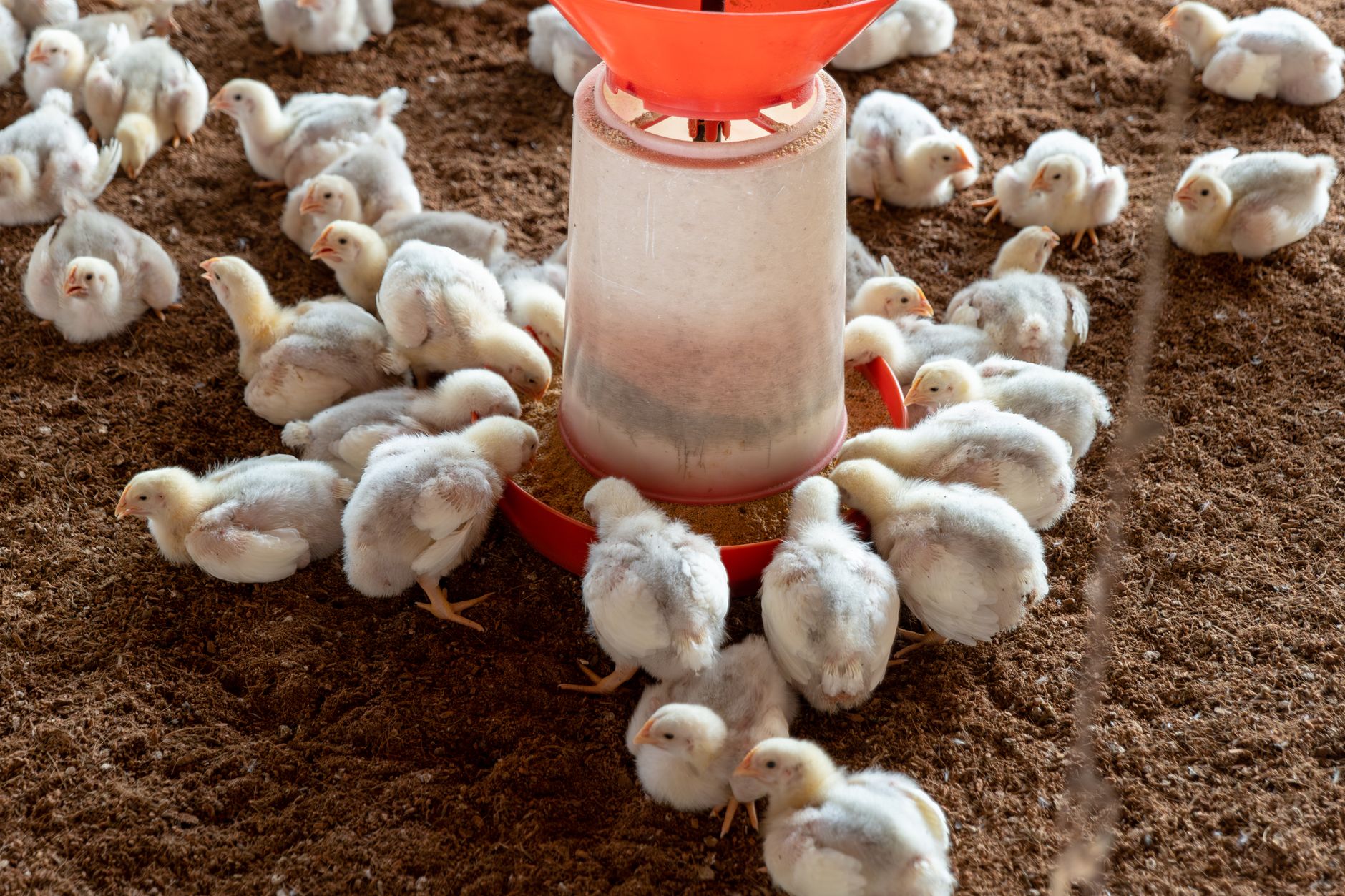
    If you’ve ever walked out to your coop after a Florida afternoon thunderstorm and found a trough full of wet, clumpy, moldy chicken feed, you know the frustration. Our state’s humidity and daily summer downpours can turn a perfectly good feeder into a soggy mess in about fifteen minutes flat. And moldy feed isn’t just wasteful — it can actually make your birds sick.

    This post contains affiliate links. I may earn a small commission at no extra cost to you.

    After three years of keeping backyard chickens in the Pensacola area, I’ve learned the hard way what works and what doesn’t when it comes to keeping feed dry. Let me save you some trial and error (and wasted money on ruined feed).

    Why Wet Feed Is a Bigger Problem Than You Think

    Here in Northwest Florida, we don’t just get rain — we get rain. Those summer storms roll in fast, dump buckets, and leave everything steaming. The humidity hangs around even when it’s not actively raining. This creates the perfect conditions for feed to absorb moisture, clump up, and grow mold or bacteria.

    Moldy feed can cause aspergillosis (a respiratory fungal infection) in chickens, along with digestive issues and reduced egg production. Plus, wet feed attracts more pests. Our warm, wet climate is already a buffet for bugs and critters — no need to roll out the welcome mat.

    The bottom line? Keeping your chicken feed dry isn’t just about saving money on wasted feed. It’s about keeping your flock healthy.

    What to Look for in a Rain-Proof Chicken Feeder

    Before I share what’s worked for us, here’s what I’ve learned to look for:

    Covered or Enclosed Design

    The feeder needs some kind of hood, lid, or housing that protects the feed from rain coming down and blowing sideways. Florida storms rarely fall straight down politely.

    Elevated Placement Option

    Feeders that sit directly on the ground are more likely to get splashed and collect moisture. Something that can hang or sit on a platform is ideal.

    Good Ventilation

    A completely sealed container sounds great until you realize it traps humidity inside. You need airflow to prevent condensation, especially in our climate.

    Pest Resistance

    This is a bonus, but a feeder that closes or limits access when the chickens aren’t eating helps keep out rats, raccoons, and the constant parade of Florida wildlife that would love a free meal.

    Feeder Styles That Actually Work in Florida

    Treadle Feeders

    These are the gold standard for keeping feed dry and pest-free. The feed is enclosed in a metal or heavy plastic box, and the lid only opens when a chicken steps on the platform in front. When they step off, it closes back up.

    We switched to a treadle feeder about two years ago, and it was a game-changer. Rain can’t get in, and neither can the squirrels who used to treat our coop like an all-you-can-eat buffet. There’s a small learning curve for the chickens (ours took about three days to figure it out), but once they do, it’s smooth sailing.

    The downside is the upfront cost — they run anywhere from $60-$150 depending on size and quality. But when you factor in the feed you’re not throwing away and the vet bills you’re avoiding, it pays for itself.

    PVC Pipe Feeders with Rain Guards

    If you’re handy, you can make a DIY feeder from PVC pipe with an elbow at the bottom for the chickens to eat from. Add a cap on top, and the feed stays protected inside the tube. Some folks add a little awning or roof over the eating area for extra protection.

    This is a budget-friendly option, though you’ll want to make sure the pipe is wide enough (4-inch diameter minimum) so feed flows freely and doesn’t get stuck when humidity makes it slightly tacky.

    Hanging Feeders Under a Covered Area

    The simplest solution is sometimes the best: use a basic hanging feeder, but place it under cover. This could be inside the coop (if your coop is big enough and has good ventilation), under a covered run area, or beneath a simple DIY roof extension.

    We have a covered section of our run specifically for food and water. It’s just a basic roof made from corrugated plastic panels, but it keeps the direct rain off while still allowing airflow. The hanging feeder stays dry, and the chickens can eat comfortably even during a storm.

    Our Current Setup (What Finally Worked)

    Right now, we use a combination approach: a treadle feeder for the main daily feed, positioned under our covered run area. Belt and suspenders, basically. The treadle keeps it sealed when they’re not eating, and the cover handles the sideways rain and constant humidity.

    For our waterer, we upgraded to a nipple-style chicken waterer at the same time — same principle of keeping things clean and reducing contamination. The chickens learned that even faster than the treadle feeder.

    I also keep food-grade diatomaceous earth in the coop and dust bath area to help with moisture and pests. It’s not directly related to the feeder, but it’s part of our overall humidity management strategy.

    Tips for Florida Chicken Keepers

    A few more things I’ve learned the hard way:

    Buy feed in smaller quantities during summer. Even if it’s cheaper in bulk, feed that sits in your storage container for weeks in Florida humidity can start absorbing moisture before it even makes it to the feeder. We buy one bag at a time during the rainy season.

    Store feed in airtight containers. Metal trash cans with tight lids work great and keep rodents out too.

    Check feeders after every storm. Even the best setup can get overwhelmed by a particularly fierce storm or unexpected wind direction. A quick check takes thirty seconds and can save you from a mold problem.

    Consider an automatic coop door if you don’t have one. This isn’t directly about feed, but it keeps the coop itself drier by closing up before nighttime humidity peaks.

    Learning Together (Even the Messy Parts)

    If you’re raising backyard chickens as part of your family’s nature education — like we are — the reality is that some of the best learning happens when things go wrong. My kids have learned about mold, food safety, cause and effect, and problem-solving through our chicken-keeping journey. We’ve read through our copy of Storey’s Guide to Raising Chickens more times than I can count, troubleshooting and learning as we go.

    For the kids, we also love having A Kid’s Guide to Keeping Chickens on hand — it’s written at their level and makes them feel like real partners in caring for our flock.

    This is the kind of hands-on, real-world learning that I love about homeschooling. It’s not always pretty, but it’s always meaningful.

    Worth the Investment

    Keeping chicken feed dry in Florida takes a little more thought than it might in drier climates, but it’s absolutely doable. Whether you invest in a treadle feeder, build a PVC setup, or simply create a covered feeding station, your flock (and your wallet) will thank you.

    If you’re just starting out with backyard chickens or thinking about it, don’t let the humidity scare you off. We’ve figured it out, and you will too. There’s nothing quite like fresh eggs from happy, healthy hens — and watching your kids learn to care for animals along the way.

    Here’s to dry feed and happy birds, friends. Even in the middle of Florida’s rainy season.