Author: pmorris1620@gmail.com

  • How to Teach Phonics the Charlotte Mason Way: A Gentle, Living Approach

    If you’ve been drawn to Charlotte Mason homeschooling but feel a little lost when it comes to teaching reading, you’re not alone. I remember sitting at our kitchen table with my oldest, wondering how exactly phonics fit into this beautiful, living education I’d read so much about. Was I supposed to use workbooks? Flashcards? Or just… wait and hope reading happened organically while we watched the chickens scratch around the backyard?

    This post contains affiliate links. I may earn a small commission at no extra cost to you.

    The good news? Charlotte Mason absolutely believed in teaching phonics—she just approached it differently than what you might picture. And honestly? Once I understood her method, it felt like a breath of fresh Florida air compared to the drill-and-kill programs I’d seen elsewhere.

    What Charlotte Mason Actually Said About Phonics

    Here’s something that surprised me when I first dug into Mason’s writings: she was quite clear that children should be taught to read using phonics. She wasn’t a “whole language” advocate, despite the gentle, child-led reputation her method has.

    But—and this is important—she believed phonics instruction should be:

    • Short and focused (10-15 minute lessons, max)
    • Connected to real words and books (not endless worksheets)
    • Delayed until the child is ready (typically around age 6, though every child differs)
    • Free from tedium (no drilling the same sounds for weeks on end)

    Mason wrote that children should learn letter sounds, blend them into words, and then—this is key—move quickly into reading actual literature. She had no patience for keeping kids stuck in “readers” full of stilted sentences when they could be exploring real stories.

    When to Start: Following Your Child’s Lead

    In our Florida homeschool, I’ve learned to watch for readiness signs rather than pushing a timeline. With our elementary kiddos, this looked different for each one.

    Signs your child might be ready:

    • Interest in letters and asking what words say
    • Ability to hear and identify beginning sounds in words
    • Can follow a simple sequence of instructions
    • Shows sustained attention for short periods

    If your five-year-old would rather dig for roly-polies in the garden or help collect eggs, that’s perfectly fine. Mason herself suggested formal reading instruction could wait until six or even seven. Those early years are for building vocabulary through rich read-alouds, developing observation skills through nature study, and letting curiosity grow wild—like the lantana in my front yard.

    The Charlotte Mason Phonics Method: Step by Step

    Start with Letter Sounds, Not Names

    Mason recommended teaching the sounds letters make before their names. So instead of “this is the letter B,” you’d say “this letter says /b/.” This prevents confusion when children start blending.

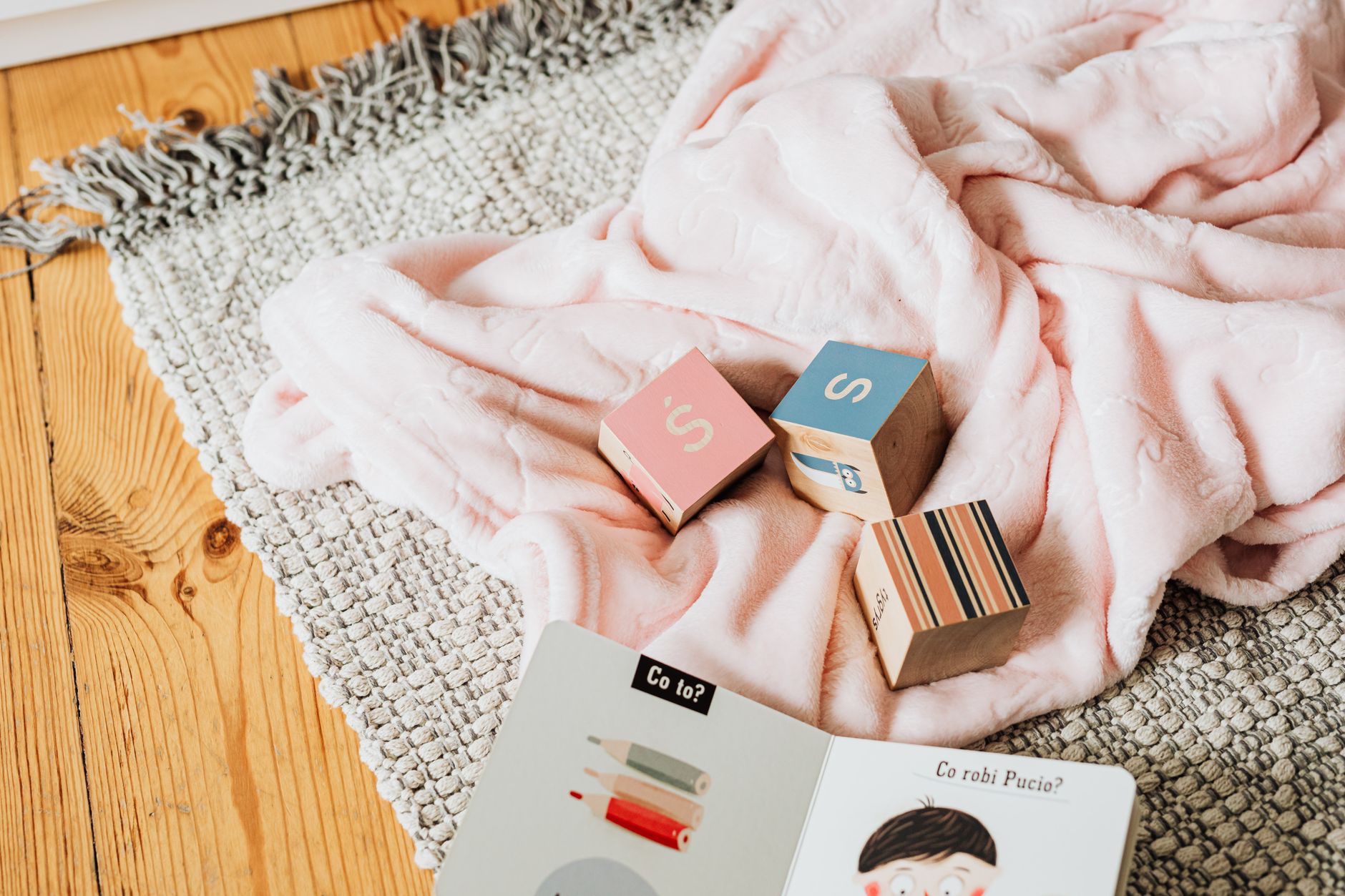
    We practiced sounds using wooden letters, drawing them in our sandbox, and finding them on nature walks (“Look, that stick makes a T shape! What sound does it make?”).

    Keep Lessons Short and Sweet

    This cannot be overstated. Charlotte Mason believed strongly in short lessons—and phonics was no exception. Ten to fifteen minutes of focused work, then done. Move on to something else.

    I’ll admit, this felt counterintuitive at first. Shouldn’t we practice more if they’re struggling? But I’ve found that stopping while interest is still high actually builds positive associations with reading. Nobody wants to come to the table dreading “reading time.”

    Build Words Immediately

    Once your child knows a handful of consonant sounds and one or two vowels, start building words. Mason used something similar to what we’d now call word-building with letter tiles.

    For example, if your child knows the sounds for a, t, s, and m, they can already build and read: at, sat, mat, am, Sam.

    This is where it gets exciting for kids. They’re reading on day one of blending—not drilling sounds in isolation for months first.

    Move to Real Books Quickly

    Here’s where Charlotte Mason phonics really differs from many modern programs. As soon as children can decode simple words, they should be reading real sentences and real books—not contrived “decodable readers” filled with sentences like “The fat cat sat on the mat.”

    Now, I’ll be practical here: some transitional readers can be helpful, especially ones with engaging stories. But the goal is always to move toward living books as quickly as possible.

    Resources That Support Charlotte Mason Phonics

    You don’t need an expensive curriculum to teach phonics this way, but a few tools make life easier.

    For our nature-based learning, we often tie reading into our outdoor time. Keeping a nature journal where children can label their drawings is wonderful phonics practice that doesn’t feel like “school.” Even simple labels—”bug,” “leaf,” “sun”—reinforce sound-letter connections.

    We also love using field guides during nature study. While the kids aren’t reading every word yet, pointing out bird names in our Sibley Guide and sounding them out together builds real-world reading skills.

    If you want a Charlotte Mason-aligned curriculum, Rainbow Resource carries several gentle phonics programs that work well. I also appreciate Timberdoodle for their thoughtfully curated options—they understand hands-on, child-friendly learning.

    For the artsy kiddo who needs variety, having quality art supplies on hand turns phonics into a multi-sensory experience. We’ll paint letters with watercolors, form them in playdough, or trace them in the sand we track in from the beach.

    What About Florida PEP Scholarship?

    For my fellow Florida homeschoolers using the PEP scholarship, you can absolutely use approved phonics curricula while maintaining a Charlotte Mason approach. Many qualifying programs align well with gentle, literature-based learning. Just remember that the spirit of your homeschool matters more than the specific curriculum you choose—short lessons, real books, and joyful learning can happen within almost any program.

    Common Mistakes to Avoid

    Don’t over-drill. If your child knows a sound, move on. Charlotte Mason was adamant that tedium kills the love of learning.

    Don’t separate reading from real life. Phonics shouldn’t exist only at the school table. Read signs on your nature walks, sound out words at the farmer’s market, label the chicken coop together.

    Don’t panic about timelines. Some children read fluently at five. Others click at seven or eight. Both are normal. A child who learns to read at seven will be reading the same books as their “early reader” peers by age ten—without the stress and tears.

    Don’t skip the read-alouds. Even while teaching phonics, continue reading beautiful, complex books aloud daily. This builds vocabulary, comprehension, and a love of story that phonics instruction alone cannot provide.

    Trust the Process, Mama

    I know it can feel overwhelming—especially when you’re balancing phonics lessons with the dog barking at squirrels, the chickens escaping their run (again), and the laundry pile that somehow regenerates hourly. But here’s what I’ve learned in our years of homeschooling here in Northwest Florida: reading happens.

    When you combine gentle, consistent phonics instruction with a home rich in books and language, children learn to read. Not because we’ve drilled them into submission, but because we’ve opened the door and made reading a natural, joyful part of life.

    So go slow. Keep it short. Read good books together. And trust that your child—like mine—will get there in their own time.

    Now if you’ll excuse me, someone just spotted a blue jay at the feeder and we need to go sketch it in our nature journals. Reading practice can wait ten more minutes.

  • Florida Reptiles Identification Guide for Kids: A Nature Study Starting Point

    Florida Reptiles Identification Guide for Kids: A Nature Study Starting Point

    This post contains affiliate links. I may earn a small commission at no extra cost to you.

    If you’ve lived in Florida for more than five minutes, you know that reptiles are just… everywhere. They’re sunbathing on our porches, swimming in our retention ponds, and occasionally startling us when we reach for the garden hose. And if you’ve got curious kids like I do, you’ve probably fielded approximately one million questions about what kind of lizard just scurried across the patio.

    Honestly? I love it. This is the good stuff — the real-world, dirt-under-your-fingernails science that no worksheet can replicate. Living in Northwest Florida means we have a front-row seat to some incredible wildlife, and learning to identify the reptiles in our own backyard has become one of our favorite ongoing nature studies.

    So let’s talk about how to turn all those lizard sightings and turtle encounters into genuine learning — the Charlotte Mason way, without flashcards or boring memorization.

    Why Reptile Identification Makes for Excellent Nature Study

    Charlotte Mason talked about letting children form relationships with nature through direct observation. Not through screens, not through secondhand information — through seeing and wondering and paying attention. Florida reptiles are perfect for this because they’re accessible. They’re in our yards. They’re in our parks. They’re probably on your back fence right now.

    When my kids spot a lizard, we don’t just say “oh, a lizard” and move on. We pause. We watch. We notice: Is it doing push-ups? What color is its throat when it puffs out? Is it smooth or rough-looking? This is the kind of slow, attentive observation that builds real naturalists — and it costs nothing but a few minutes of our time.

    Keeping a nature journal has made this so much richer for us. Even my younger one, who isn’t writing much yet, will sketch what she sees while I help her label it. Over time, they start recognizing species on their own. That’s mastery that sticks.

    Common Florida Reptiles Your Kids Will Actually See

    Let me walk you through some of the reptiles we encounter most often here in the Panhandle. Your exact species might vary a bit depending on where you are in Florida, but these are solid starting points.

    Green Anoles (The “Real” Florida Lizard)

    These are the bright green lizards native to Florida — sometimes called American chameleons, though they’re not true chameleons. They can shift from green to brown depending on mood, temperature, and surroundings. Males have a pink or reddish throat fan called a dewlap that they display to attract mates or warn off rivals.

    We see these in our garden constantly. They love hanging out near the chicken coop, probably hunting the bugs that hang around the feed.

    Brown Anoles (The Invasive Ones)

    These look similar but are typically brown with patterns and a more orange or yellow dewlap. They’re not native — they came from the Caribbean — and unfortunately, they’re outcompeting our native green anoles in many areas. This makes for a great discussion about invasive species and ecosystems.

    Skinks

    Florida has several skink species, but the one your kids will likely notice is the Five-Lined Skink. Juveniles have brilliant blue tails that fade as they mature. If your kids see a lizard with a neon blue tail, that’s what they’ve found. We usually spot them near logs or leaf litter.

    Florida Box Turtles

    These terrestrial turtles have high-domed shells with yellow or orange markings. They’re slow-moving and docile, making them wonderful for observation. Please remind kids to never relocate them — box turtles have home territories, and moving them can be harmful.

    Gopher Tortoises

    If you see a tortoise digging a burrow, you’ve likely found a gopher tortoise. These are a keystone species in Florida, and their burrows provide shelter for hundreds of other animals. They’re also protected, so we always observe from a respectful distance.

    Water Snakes and Rat Snakes

    I know, I know — snakes make some folks nervous. But most of the snakes we encounter in Florida are non-venomous and genuinely helpful. Rat snakes keep rodent populations down. Water snakes hang out near ponds and wetlands. Learning to tell these from the venomous species (more on that in a minute) is an important outdoor skill.

    Tools That Make Reptile Study More Engaging

    You don’t need much, but a few simple tools can take your backyard reptile studies from casual to memorable.

    A pocket microscope is wonderful for examining shed snake skins or looking closely at turtle shells (from a distance or from found shells, of course). My kids also love using a bug catcher kit — not for catching reptiles, but for observing the insects that attract them. It’s all connected.

    If your kids are into drawing what they observe (and I hope they are!), a good set of Faber-Castell watercolor pencils makes nature journaling really special. There’s something about capturing that green anole in color that cements the learning.

    And honestly? Good rain boots are essential for Florida nature study. Between afternoon storms and soggy trails, we wouldn’t get very far without them.

    A Quick Word About Venomous Snakes

    Florida does have venomous snakes — six species, to be exact. The ones most common in our area are the Eastern Diamondback Rattlesnake, the Cottonmouth (Water Moccasin), and the Copperhead. Rather than teaching fear, I think it’s more helpful to teach respect and recognition.

    We’ve talked about the key features: triangular heads, vertical pupils, and heat-sensing pits. But honestly, the simplest rule we follow is this: if you see a snake and you’re not 100% sure what it is, admire it from a distance and leave it alone. Most snake bites happen when people try to handle or kill snakes. Just give them space.

    This is also a great opportunity for library books and field guides. Our local library has several Florida-specific wildlife guides, and we check them out regularly.

    Connecting Reptiles to Your Bigger Homeschool Picture

    If you’re using the Florida PEP scholarship like we are, nature study materials absolutely count. Field guides, journals, quality art supplies — these are all legitimate learning tools. Don’t overlook them.

    Curriculum providers like Rainbow Resource often have wonderful nature study supplements if you want something more structured, but truly, you don’t need a formal curriculum for this. Living in Florida is the curriculum.

    We like to keep our reptile observations in the same journal where we track our chicken observations, bird sightings, and weather patterns. Over time, it becomes this beautiful record of a childhood spent paying attention to the world. That’s the goal, right?

    Raising Kids Who Notice

    I think about how I grew up — running around outside, catching lizards, getting muddy, coming home when the streetlights came on. Nobody handed us a screen to keep us occupied. We entertained ourselves by exploring, and somewhere along the way, we learned a whole lot about the natural world just by being in it.

    That’s what I want for my kids. Not a childhood spent watching nature documentaries about Florida, but a childhood spent in Florida — noticing the anoles on the fence, watching the box turtle cross the yard, learning which snakes are friends and which deserve a wider berth.

    So the next time a lizard catches your kid’s eye, don’t rush past it. Stop. Watch. Wonder together. That’s nature study. That’s education. And honestly? That’s the good stuff.

    Happy exploring, friends.

  • Non-Toxic Wood Cleaner Safe for Homes with Pets: What We Actually Use

    Non-Toxic Wood Cleaner Safe for Homes with Pets: What We Actually Use

    This post contains affiliate links. I may earn a small commission at no extra cost to you.

    If you’ve got pets and hardwood floors, you know the struggle. Muddy paw prints from the backyard. Mystery sticky spots near the water bowl. The occasional gift from a dog who found something questionable outside. And here in Florida, where humidity makes everything feel just a little damp and our doors are open half the year, keeping wood floors clean is basically a part-time job.

    But here’s the thing that keeps me up at night — my mini labradoodle literally licks the floor. Like, regularly. She finds crumbs I didn’t know existed and cleans them up herself (helpful? gross? both?). And that means whatever I’m using to clean those floors is going straight into her system.

    So yeah, finding a non-toxic wood cleaner safe for homes with pets isn’t just a nice idea in our house. It’s essential.

    Why Conventional Wood Cleaners Worry Me

    Most commercial wood floor cleaners contain ingredients I’d rather not have my kids or pets absorbing through their skin or inhaling all day. We’re talking synthetic fragrances, formaldehyde-releasing preservatives, and chemicals that can irritate respiratory systems — especially problematic for smaller animals who are closer to the floor and have faster metabolisms.

    Our dog spends her entire life at floor level. She naps on the hardwood, she plays on it, she presses her nose against it tracking every scent from the backyard chickens who occasionally wander onto the porch. If the floor has chemical residue, she’s getting a dose of it constantly.

    And honestly? The same goes for my elementary-age kids who still sprawl out on the floor for read-alouds and nature journaling sessions. We do a lot of living on our floors.

    What to Look for in a Pet-Safe Wood Cleaner

    When I started researching safer options, I learned to flip bottles and actually read labels. Here’s what I avoid:

    Ingredients to Skip

    • Synthetic fragrances — these can contain hundreds of undisclosed chemicals
    • Phthalates — hormone disruptors often hiding in “fragrance”
    • Glycol ethers — common in cleaners, linked to respiratory issues
    • Chlorine bleach — too harsh for wood and dangerous for pets
    • Ammonia — can irritate airways and is toxic to animals in concentrated forms

    What Actually Works

    The good news is that effective, pet-safe wood cleaners do exist. You don’t have to sacrifice clean floors for peace of mind.

    I’ve had great luck with Grove Collaborative for finding cleaning products that meet my standards without requiring a chemistry degree to vet. They have a whole pet-friendly cleaning section, and I appreciate that they do a lot of the ingredient screening upfront.

    Our Everyday Floor Cleaning Routine

    Let me walk you through what actually happens at our house, because I know those perfectly curated cleaning routines online don’t always match real life with kids, pets, and Florida sand tracked in constantly.

    Daily: Quick Sweep or Dust Mop

    With our dog and the kids in and out all day — especially during our nature study time outdoors — I do a quick sweep most afternoons. Nothing fancy. Just getting up the visible dirt, chicken feathers (yes, they drift in), and whatever nature specimens didn’t make it into our collection jars.

    Weekly: Damp Mop with Safe Cleaner

    Once a week, I do a proper mop with a diluted non-toxic cleaner. I use a simple spray mop so I’m not soaking the wood, and I go section by section. This is usually while the kids are doing independent reading or working through their Math-U-See lessons — mama’s version of multitasking.

    Monthly: Deeper Clean and Inspect

    Once a month or so, I’ll move furniture and get into corners and under things. This is also when I check for any water damage or spots that need extra attention.

    DIY Non-Toxic Wood Cleaner Recipe

    If you prefer mixing your own, here’s what I keep on hand for a simple, pet-safe floor cleaner:

    Ingredients:

    • 2 cups warm water
    • 1/4 cup white vinegar (diluted, it’s safe for sealed wood)
    • 1 tablespoon castile soap
    • 5-10 drops essential oil (optional — I use lemon or tea tree, but skip this if your pets are sensitive)

    Directions:

    Mix in a spray bottle. Spray lightly onto the floor and wipe with a microfiber mop. Don’t saturate the wood — a light mist is all you need.

    Note: Always spot test first, and if your floors are waxed or unsealed, vinegar isn’t ideal. Know your finish!

    Keeping It Safe Beyond the Floors

    While we’re talking non-toxic living with pets, I want to mention a few other swaps that have made a difference for us.

    For flea and tick prevention that doesn’t involve harsh chemicals on our dog (or residue she can lick off and ingest), we’ve been really happy with Wondercide. It’s plant-based and actually works — important when you live in Florida and the bugs are basically their own ecosystem.

    We also use food-grade diatomaceous earth around the chicken coop and in areas where we want pest control without poisons. It’s safe around the dog and kids, though I do apply it when everyone’s out of the way to avoid breathing in the dust.

    Why This Matters for Our Kind of Childhood

    I think a lot about the kind of childhood I’m creating for my kids. We homeschool with a Charlotte Mason approach, which means lots of time outdoors, lots of free play, lots of hands-on exploration. Our days involve digging in the garden, observing chickens, collecting bugs with our bug catcher kit, and sketching findings in nature journals.

    That kind of childhood gets messy. My kids come inside with dirt under their fingernails and grass in their hair. The dog has rolled in something suspicious. The floors take a beating.

    But I’d rather have that mess than a sterile house where everyone’s afraid to touch anything. The goal isn’t perfection — it’s creating a home that’s safe enough that I don’t worry when my toddler nephew visits and inevitably licks the floor (why do they do that?), or when the dog cleans up dropped breakfast crumbs.

    A Few More Pet-Safe Cleaning Tips

    • Ventilate while cleaning — even with non-toxic products, fresh air is always a good idea
    • Keep pets off wet floors — not because of toxicity, but because paw prints in freshly mopped floors will make you cry
    • Store cleaning supplies safely — essential oils can be harmful to pets if ingested directly
    • Watch for sensitivities — every animal is different, so observe your pet after switching products

    The Bottom Line

    Finding a non-toxic wood cleaner safe for homes with pets doesn’t have to be complicated. Whether you DIY with simple ingredients or find a trusted brand through somewhere like Grove Collaborative, the important thing is making a choice that lets your whole family — furry members included — live comfortably on those floors.

    At our house, this looks like simple routines, minimal products, and the freedom to let kids and pets be kids and pets. The floors might not be magazine-worthy, but they’re safe. And when my labradoodle stretches out on the cool hardwood after a hot Florida afternoon in the backyard, I’m not worried about what she’s absorbing.

    That peace of mind? Worth every bit of the small effort it takes.

  • Best Charlotte Mason Homeschool Read Alouds for the Whole Family

    Best Charlotte Mason Homeschool Read Alouds for the Whole Family

    If you’ve ever found yourself mid-chapter of a really good book, kids piled on the couch beside you, the dog at your feet, and nobody wanting to stop for lunch—you know the magic of a great read aloud. It’s one of the simplest, most beautiful parts of our Charlotte Mason homeschool, and honestly? It’s the thing I’d keep if everything else fell away.

    This post contains affiliate links. I may earn a small commission at no extra cost to you.

    Read alouds aren’t just about literacy. They’re about connection. They’re about introducing our kids to language that’s richer than a screen could ever offer, to characters who become like friends, and to ideas that spark real conversations around the dinner table. Charlotte Mason understood this, and it’s why living books—not twaddle—sit at the heart of her philosophy.

    So let’s talk about the best Charlotte Mason homeschool read alouds for families. These are books we’ve loved, books we’ve cried over, and books we’ve read more than once because somebody begged for “just one more chapter.”

    What Makes a Great Charlotte Mason Read Aloud?

    Before I share our favorites, it helps to understand what we’re even looking for. Charlotte Mason was specific about this: she wanted children exposed to living books—books written by a single author with passion for the subject, books with literary quality, books that respect a child’s intelligence.

    A good read aloud should:

    • Be beautifully written (language matters!)
    • Tell a compelling story or present ideas worth thinking about
    • Work across a range of ages (this is family reading time, after all)
    • Leave room for wonder and discussion

    We’re not looking for dumbed-down chapter books or anything that feels like it was written by a committee. We want books with soul.

    Our Favorite Family Read Alouds

    Classic Literature That Never Gets Old

    The Chronicles of Narnia by C.S. Lewis — If you haven’t read these aloud yet, start here. We began with The Lion, the Witch and the Wardrobe when my oldest was five, and even my youngest was captivated. Lewis writes with such richness, and the themes of courage, sacrifice, and redemption open up naturally without any heavy-handed explaining from me.

    Charlotte’s Web by E.B. White — This one made us all cry. Fair warning. But it’s also laugh-out-loud funny in places, and the writing is simply perfect. We read this on the back porch last spring while our chickens scratched around the yard, which felt fitting.

    The Wind in the Willows by Kenneth Grahame — The language here is old-fashioned and glorious. It takes a chapter or two to settle into the rhythm, but once you do, it’s pure magic. Mole, Ratty, and Mr. Toad feel like real friends by the end.

    Understood Betsy by Dorothy Canfield Fisher — A Charlotte Mason favorite for good reason. Betsy’s journey from an over-coddled city girl to a capable, confident child in rural Vermont is exactly the kind of story that inspires without preaching. My kids reference this book all the time.

    Adventure and Historical Fiction

    Carry On, Mr. Bowditch by Jean Lee Latham — This Newbery winner about self-taught navigator Nathaniel Bowditch is riveting. It’s hefty, so we read it over several weeks, but my kids were hooked. It pairs beautifully with any study of early American history or maritime exploration.

    The Wheel on the School by Meindert DeJong — Set in a small Dutch fishing village, this is a quieter adventure but no less engaging. The children work together to bring storks back to their village, and the themes of community and perseverance shine.

    Hatchet by Gary Paulsen — For slightly older elementary kids, this survival story is gripping. Brian’s resourcefulness in the Canadian wilderness is the kind of story that makes kids want to go outside and try things. We followed it up with actual fire-starting practice in our backyard (supervised, of course).

    Nature and Science Living Books

    Charlotte Mason loved nature study, and so do we. But read alouds in this category need to be engaging, not dry. Here are a few that work:

    Pagoo by Holling C. Holling — The life cycle of a hermit crab told as a story, with gorgeous illustrations. Holling’s books (Paddle-to-the-Sea, Seabird, Minn of the Mississippi) are all worth collecting.

    The Burgess Bird Book for Children — Old-fashioned? Yes. But my kids genuinely enjoy these stories about birds, and they’ve learned more bird identification from Burgess than from any workbook. We keep the Sibley Guide to Birds nearby to look up each species as they appear in the stories.

    Owls in the Family by Farley Mowat — Hilarious and heartwarming. A boy in Saskatchewan adopts two owls, and chaos ensues. This is the kind of book that makes kids want to observe the wildlife in their own backyard—which is exactly what we want.

    If your kids are getting interested in nature journaling alongside these read alouds, a good nature journal and some quality watercolor pencils make all the difference.

    Books That Build Character (Without Being Preachy)

    Farmer Boy by Laura Ingalls Wilder — All the Little House books are wonderful, but this one about Almanzo’s childhood is my personal favorite for read aloud. The descriptions of food alone are worth it, but the picture of hard work and family life really resonates.

    The Railway Children by E. Nesbit — A British classic about three siblings whose father mysteriously disappears. Sweet, suspenseful, and full of the kind of resourceful children we love in books.

    Rascal by Sterling North — A boy and his pet raccoon in 1918 Wisconsin. It’s nostalgic and bittersweet and absolutely perfect for a family read aloud.

    How We Make Read Alouds Work in Our Homeschool

    Here in Florida, our schedule shifts with the seasons. In summer, we do read alouds early in the morning before it gets too hot, often on the screened porch with ceiling fans going. During the school year, it’s usually after lunch when everyone needs a rest.

    I keep it simple:

    • One chapter (sometimes two if there’s begging)
    • Everyone has to be settled—no toys, no fidgeting that distracts others
    • We stop to discuss naturally, but I don’t turn it into a quiz

    Narration happens after—Charlotte Mason style. I just ask, “Tell me what happened,” and let them take turns. That’s it. No worksheets, no comprehension questions. Just humans talking about a story.

    We source most of our books from the library, but for the ones we truly love, I like having our own copies. Rainbow Resource and Timberdoodle both carry excellent Charlotte Mason-friendly titles if you’re building a home library.

    Start Where You Are

    If read alouds aren’t part of your homeschool routine yet, just pick one book from this list and begin. It doesn’t have to be fancy. You don’t need a special reading nook or matching mugs of hot cocoa (though that’s nice too). You just need a book, your people, and a little time.

    This is the stuff childhood memories are made of. The story that becomes an inside joke. The character your kid pretends to be for a whole month. The phrase that pops up years later and makes everyone laugh.

    These are the moments we’re building, one chapter at a time. And honestly? They’re my favorite part of this whole homeschool thing.

  • Raising Kids to Love Nature: Practical Tips from a Florida Homeschool Mama

    Raising Kids to Love Nature: Practical Tips from a Florida Homeschool Mama

    This post contains affiliate links. I may earn a small commission at no extra cost to you.

    If you’re reading this, chances are you want something different for your kids. Maybe you’re tired of watching them gravitate toward screens. Maybe you remember your own childhood—catching fireflies, building forts, coming home with muddy knees and a pocket full of “treasures.” Or maybe you just have this gut feeling that kids need more time outside, even if you’re not totally sure how to make it happen in the chaos of everyday life.

    I get it. I’m raising my own elementary-age kids here in Northwest Florida, and while we’re blessed with mild winters and endless sunshine, fostering a genuine love of nature still takes intention. It doesn’t happen by accident—but it also doesn’t have to be complicated.

    Here’s what I’ve learned about raising kids to love nature, and some practical tips that actually work for our family.

    Start Where You Are (Even If It’s Just the Backyard)

    You don’t need to live on a farm or take elaborate hiking trips every weekend. Nature is wherever you are—even in a suburban backyard or a small apartment balcony with container plants.

    For us, the backyard is our primary classroom. Our chickens give the kids daily lessons in responsibility and animal behavior. Our mini labradoodle leads impromptu “tracking expeditions” across the yard. The oak tree out back has become a whole ecosystem worth of study.

    Make Outside the Default

    This sounds simple, but it’s powerful: make going outside the default, not the exception. When my kids finish breakfast, they head outside before anything else. When they’re bored, outside is the first suggestion. When someone’s having a hard day emotionally, we take it to the backyard.

    In Florida, this means we’ve learned to work with the heat. Morning hours are golden—literally. We do most of our outdoor time before lunch during the warmer months. A good pair of kids’ rain boots means afternoon thunderstorms become an adventure instead of a reason to stay in.

    Give Them Tools for Discovery

    One of the biggest shifts in helping my kids love nature was giving them actual tools to explore it—not plastic toys, but real instruments for discovery.

    Nature Journals

    We follow a Charlotte Mason approach to homeschooling, which means nature study is woven into our weeks. Each of my kids has a simple nature journal, and we spend time sketching what we observe—a particular flower, an interesting bug, the way the Spanish moss hangs differently after a storm.

    The journals aren’t about perfect drawings. They’re about paying attention. And honestly? I keep one too. Modeling matters.

    Field Guides and Pocket Tools

    We keep our Sibley bird guide near the back door, and the kids have gotten surprisingly good at identifying the regulars—cardinals, mockingbirds, the occasional painted bunting that makes everyone gasp.

    A pocket microscope has been worth its weight in gold. Suddenly a piece of bark becomes fascinating. A feather from the chicken coop turns into a whole science lesson. These small tools turn ordinary moments into discovery.

    We also love a good bug catcher kit—we catch, observe, identify, and release. It’s become a ritual, especially during the buggy Florida evenings.

    Embrace Unstructured Time

    Here’s something I think our generation of parents struggles with: letting kids be bored outside. We want to plan activities, direct their play, make sure they’re “learning something.”

    But some of the best nature connection happens in the boring moments. When there’s nothing planned and nowhere to be, kids start noticing things. They build. They dig. They watch ants for twenty minutes. They make up games that involve sticks and imagination.

    I call this the “1990s approach” because that’s how so many of us grew up. Our parents didn’t schedule our outdoor time or hand us activity sheets. They just sent us outside.

    Practical Ways to Build in Unstructured Time

    • After formal lessons, we have “free time” that must be spent outdoors (weather permitting)
    • We don’t interrupt their play to offer snacks or activities
    • We resist the urge to “fix” what they’re building or correct how they’re playing
    • We keep basic supplies accessible—buckets, shovels, old containers, things that can become anything

    Some days they’ll spend an hour digging a hole for no reason. That’s perfect.

    Let Animals Be Teachers

    If you have the space and local regulations allow it, backyard chickens are one of the best nature teachers I’ve found. Our kids have learned about life cycles, predator awareness, seasonal changes, and basic animal husbandry—all from a small flock in our backyard.

    We use Storey’s Guide to Raising Chickens as our reference, and the kids love flipping through the Kids’ Guide to Chickens when we have questions about behavior or egg production.

    But you don’t need chickens. Bird feeders bring nature to you. A container garden invites pollinators. Even just sitting quietly and watching what shows up in your yard teaches observation skills that transfer everywhere.

    Talk About What You See (and Admit What You Don’t Know)

    One of the best things I do for my kids’ nature connection is simply narrating what I notice and wondering out loud.

    “Look at that hawk circling—I wonder what she’s hunting.”

    “This mushroom popped up overnight! I wonder what made it grow so fast.”

    “I’ve never seen that bug before. Let’s look it up.”

    Admitting you don’t know something is powerful. It shows kids that curiosity matters more than having all the answers. We look things up together, which often leads us down rabbit trails of learning that no curriculum could have planned.

    Make It Easy on Yourself

    Here’s my honest truth: if getting outside is complicated, it won’t happen consistently. So we’ve made it as easy as possible.

    • Sunscreen, bug spray, and hats live by the back door. We use non-toxic sunscreen because the kids apply it themselves and I don’t worry about what’s absorbing into their skin.
    • Shoes that can get muddy stay on the porch.
    • We have a “nature shelf” where interesting finds can live temporarily.
    • Basic first aid supplies are within reach (because Florida + bare feet + nature = occasional encounters with fire ants).

    Lowering the barrier means it actually happens.

    Raising Kids to Love Nature Is a Long Game

    I want to be honest with you: not every nature walk is magical. Sometimes my kids whine about the heat. Sometimes they’d rather be inside. Sometimes the mosquitoes win.

    But over time, I’m watching something take root. My kids notice things now. They get excited about a caterpillar or a cool cloud formation. They ask questions about the natural world because they’ve spent enough time in it to care.

    That’s the goal—not perfect Pinterest-worthy nature studies, but kids who feel at home outside. Kids who know what a thunderstorm smells like and which birds sing at dawn. Kids who grew up with dirt under their fingernails and wonder in their hearts.

    We’re not doing anything fancy over here. Just opening the back door, handing them a journal, and letting Florida’s wild spaces do a lot of the teaching. It’s working.

    And I have a feeling it could work for your family too.

  • Best Egg Incubators for Beginners: A Homeschool Project Your Kids Won’t Forget

    Best Egg Incubators for Beginners: A Homeschool Project Your Kids Won’t Forget

    This post contains affiliate links. I may earn a small commission at no extra cost to you.

    If you’ve been homeschooling for any length of time, you know the difference between a lesson your kids tolerate and one that lights them up from the inside. Hatching chicks? That’s the second kind. There’s something almost magical about watching a child press their face against the incubator window, waiting for that first pip, that first crack, that first wobbly little chick emerging into the world. It’s the kind of learning experience they’ll remember when they’re thirty.

    We’ve hatched several batches of chicks here in our little corner of Northwest Florida, and I’m convinced it’s one of the best hands-on science projects you can do with elementary-age kids. But before you dive in, you need the right equipment — starting with a good beginner incubator.

    Why Hatching Eggs Is Perfect for Homeschool Learning

    Let me back up for a second. If you’re on the fence about whether an incubator project is worth the investment, let me make the case.

    Hatching eggs covers so many subjects at once. Biology, obviously — embryology, life cycles, anatomy. But also patience, observation, record-keeping, and daily responsibility. If you follow a Charlotte Mason approach like we do, you already know the value of living education over textbook education. There’s no workbook that compares to watching a chick develop day by day.

    My kids have kept detailed notes in their nature journals during our hatching projects — sketching what they see through the incubator window, recording temperatures and humidity levels, noting the days until lockdown. It’s science, language arts, and art all rolled into one sticky, fluffy package.

    Plus, here in Florida, we have pretty easy access to fertile hatching eggs from local farms, and the warm climate means your chicks can move outside to the brooder pretty quickly once they’re ready.

    What to Look for in a Beginner Egg Incubator

    Not all incubators are created equal. When you’re just starting out, you want something that’s forgiving, reliable, and not too complicated. Here’s what I recommend looking for:

    Automatic Egg Turner

    This is non-negotiable for beginners. Eggs need to be turned several times a day to keep the embryo from sticking to the shell membrane. An automatic turner does this for you, which means you’re not setting alarms at odd hours or worrying that you forgot. It also means your kids can observe without constant adult intervention.

    Stable Temperature and Humidity Control

    Incubation is all about consistency. You need the temperature to hold steady at around 99.5°F (for still-air incubators, it’s slightly higher). Look for an incubator with a digital thermostat and clear humidity readings. The Florida humidity can actually work in your favor here, but you still need to monitor it, especially during our drier spring months.

    Clear Viewing Window

    Half the magic is watching what happens inside. A good viewing window lets your kids observe without opening the lid and disrupting the environment. Trust me — once those eggs start rocking, everyone’s going to want a front-row seat.

    Reasonable Capacity

    For a first project, you don’t need a 50-egg incubator. Something that holds 7-12 eggs is plenty. It’s enough to increase your odds of a few successful hatches without overwhelming you with chicks.

    Our Experience: What Actually Worked

    I won’t name specific brands here because what’s available changes so often, but I will tell you what’s worked for us. We started with a simple tabletop incubator with automatic turning and a digital display. It held about a dozen eggs, had a clear lid, and cost under $80. Nothing fancy — but it worked.

    The key was preparation. We read up on incubation before we started (I found Storey’s Guide to Raising Chickens incredibly helpful, and the kids loved having their own copy of A Kid’s Guide to Keeping Chickens to reference). We set up the incubator a full day before adding eggs to make sure the temperature was stable. And we candled the eggs around day 7 to check for development — which, by the way, is a phenomenal teaching moment.

    A Note About Candling

    Candling just means shining a bright light through the egg to see what’s happening inside. You can buy a special candler or just use a bright LED flashlight in a dark room. Watching those little veins spider out from a developing embryo is the kind of thing that makes kids gasp. It’s real. It’s alive. And they grew it.

    Setting Up Your Hatching Project for Success

    Here are a few tips from our family to yours:

    Start with good eggs. Find a local source if you can — Facebook groups for Florida backyard chicken keepers are gold for this. Shipped eggs can work, but fertility rates are lower after all that jostling.

    Keep a chart. We hang a simple calendar near the incubator and mark Day 1, candling days, lockdown (when you stop turning and increase humidity around Day 18), and expected hatch day. The kids check it daily.

    Prepare for lockdown. The last three days before hatch, you’ll remove the turner, increase humidity, and resist the urge to open the incubator. This is the hardest part. Tell your kids in advance — no peeking.

    Have a brooder ready. Once those chicks hatch, they’ll need a warm, safe space. A simple plastic tub with pine shavings, a heat plate or lamp, and a nipple waterer works great. We also sprinkle a little food-grade diatomaceous earth in the bedding to help with moisture and pests.

    Beyond the Hatch: Where This Project Goes

    The learning doesn’t stop when the chicks fluff out. Suddenly you’ve got tiny dinosaurs peeping in your laundry room, and your kids are responsible for feeding, watering, and watching them grow. Our children have learned more about animal husbandry from raising chicks than I ever could have taught from a book.

    And if you’re already keeping backyard chickens — or thinking about it — an incubator project is a natural extension. Ours eventually graduated to the coop, where they joined our existing flock. We even invested in an automatic coop door to make morning routines easier once our flock grew.

    If you’re shopping for curriculum and supplies, both Rainbow Resource and Timberdoodle carry great science materials that can complement a hatching unit — think life cycle charts, anatomy models, and nature study guides.

    Final Thoughts From Our Coop to Yours

    Hatching chicks isn’t a perfect project. Sometimes eggs don’t develop. Sometimes chicks don’t make it. That’s part of it, too — and honestly, those hard moments have led to some of our most important conversations about life, loss, and caring well for living things.

    But when it works? When your six-year-old watches a chick break free and take its first breath? That’s the kind of homeschool moment that stays with a family forever.

    So if you’ve been thinking about it, this is your sign. Grab a beginner incubator, find some fertile eggs, and let your kids witness one of nature’s most incredible processes right there on your kitchen counter. You won’t regret it.

    Happy hatching, friends.

  • How to Make a Backyard Obstacle Course for Kids Free (Using What You Already Have)

    How to Make a Backyard Obstacle Course for Kids Free (Using What You Already Have)

    This post contains affiliate links. I may earn a small commission at no extra cost to you.

    If your kids have been bouncing off the walls lately — or worse, glazing over in front of a screen — I want to share something that has saved our sanity more times than I can count. A backyard obstacle course costs absolutely nothing, takes maybe fifteen minutes to set up, and will buy you at least an hour of pure, joyful, sweaty outdoor play.

    This is the kind of childhood I’m trying to give my kids. The 1990s kind. Where we went outside after breakfast and didn’t come back in until someone was bleeding or starving. Where we built things, climbed things, invented games, and came home absolutely filthy. That’s the good stuff, y’all.

    And here in Northwest Florida, we have the gift of being able to play outside nearly year-round. Even in summer, if you set up early in the morning or wait until the late afternoon shade hits, you can squeeze in some serious outdoor time. Let me show you how we do it.

    Why Obstacle Courses Are Perfect for Kids

    Before I get into the how, let me tell you the why — because this isn’t just about burning energy (though yes, that too).

    Obstacle courses build what occupational therapists call “gross motor skills” — balance, coordination, upper body strength, spatial awareness. They also develop something called proprioception, which is your body’s ability to know where it is in space. Kids who climb, jump, crawl, and balance are literally building their brains.

    From a Charlotte Mason perspective, this is the kind of physical education that actually matters. Not worksheets about health, but real movement. Real challenge. Real play.

    Plus, obstacle courses tap into that deep childhood need for adventure. Every kid wants to be the hero crossing the lava pit or the explorer navigating the jungle. This is imagination and exercise wrapped into one glorious package.

    Gathering Your Free Supplies

    Here’s the beautiful thing: you don’t need to buy a single item. Walk through your house, your garage, and your yard with fresh eyes. You’re looking for things to climb over, crawl under, balance on, jump between, and weave around.

    Inside the House

    • Couch cushions (if you’re brave enough to bring them outside)
    • Pool noodles
    • Laundry baskets
    • Hula hoops
    • Old sheets or blankets
    • Brooms or mops (for limbo or hurdles)
    • Buckets
    • Cardboard boxes
    • Pillows
    • Jump ropes

    From the Garage

    • Lawn chairs
    • Boards or planks
    • Old tires
    • Cones (or just use flower pots)
    • PVC pipes
    • Coolers
    • Rope or twine
    • Crates

    From the Yard

    • Logs or stumps
    • Large rocks
    • Sticks
    • Trees (for touching as checkpoints)
    • The swing set, if you have one

    Once you start looking, you’ll realize you have more than enough. Our course usually includes at least one chicken feeder we have to work around — the girls don’t seem to mind sharing their space with the chaos.

    How to Design Your Obstacle Course

    You don’t need a plan. Truly. But if you want a framework, think about including these types of challenges:

    Balance Challenges

    Lay a board flat on the ground or prop it slightly on bricks. Use a garden hose stretched out in a line. Create a path of stepping stones using flat rocks, paper plates, or wood rounds. The kids have to walk the “bridge” without falling into the “alligator swamp” (very relevant here in Florida).

    Crawling Sections

    Set up two chairs with a blanket draped over them for a tunnel. Use pool noodles stuck in the ground in an arc. String rope between two trees at knee height so they have to army crawl underneath. This is where they’ll get dirty, and that’s the whole point.

    Jumping Stations

    Hula hoops laid flat for jumping between “lily pads.” A line of buckets turned upside down to leap over. Mark spots on the ground with chalk for long jumps or hop-scotch patterns.

    Climbing or Over Elements

    Stack hay bales if you have them. Use an upside-down laundry basket to step over. Create a “wall” with couch cushions to climb over. Prop a board against something sturdy for a low ramp.

    Agility Challenges

    Weave between sticks stuck in the ground or cones. Run around trees in a specific pattern. Do a spin at one station before continuing.

    Ending with a Bang

    Every good course needs a finale. Ours usually ends with a sprint to ring a bell (an old cowbell hanging from the oak tree), hit a target, or splash into the kiddie pool. Make it satisfying.

    Tips for Making It Actually Fun

    Let Them Help Build It

    Honestly, the building is half the fun. My kids will spend just as long designing the course as they do running it. This is problem-solving, engineering, and cooperation all rolled into one. Very Charlotte Mason, if you ask me — the child as active participant in their own education.

    Use a Timer

    Nothing motivates like a stopwatch. “Can you beat your time?” will get them running that course over and over. Healthy competition with themselves builds persistence.

    Change It Up

    Run it forwards, then backwards. Do it while carrying a ball. Try it with a buddy holding hands. Have them invent new challenges to add. We’ve had everything from “stop and do five jumping jacks” stations to “pet the dog before continuing” checkpoints (our labradoodle is very patient).

    Make It a Story

    “You’re escaping the pirates!” or “You have to deliver this secret message to the castle!” Imagination transforms exercise into adventure. This is how children have always played — we’re just giving them the setting.

    Adding to the Fun (Without Breaking the Bank)

    Once you’ve mastered the free version, you might find a few inexpensive additions that level up the play. We’ve gotten great use out of kids’ rain boots for muddy course days and simple lawn games that can be incorporated into different stations.

    For the nature-loving kids who want to add a scavenger hunt element, we bring along a bug catcher kit for a “find and release” station — catch a bug, observe it, let it go, then continue the course.

    And if your kids are anything like mine, they’ll want to turn it into a team competition. A set of walkie talkies makes relay races and communication challenges even more exciting.

    Florida-Specific Considerations

    A few things we’ve learned the hard way living in the Pensacola area:

    Check for fire ants before setting up your course. Do a walk-through first and avoid any mounds. Those things are no joke.

    Time it right. Summer mornings before 10 AM or late afternoons after 5 PM are your best windows. Set up in the shade when possible.

    Hydration stations. We always include a “water break” checkpoint halfway through. Sometimes it’s a squirt from the hose, which counts as cooling off and drinking.

    Bug protection matters. We use Wondercide spray before heading out — it’s plant-based and actually works against Florida mosquitoes, which is saying something.

    The Best Part? They’ll Remember This

    I think about what my kids will remember from their childhood. It won’t be the TV shows they watched or the apps they played. It’ll be the backyard obstacle courses, the mud puddles, the freedom to run and climb and fall down and try again.

    This is free, y’all. Completely free. And it’s the kind of parenting that actually matters — showing up, being present, letting them be wild and capable.

    So grab whatever you’ve got, head outside, and let them build something wonderful. I’ll be out there too, probably timing runs and refilling the chickens’ water between heats. This is the good stuff.

    Now go play.

  • Non-Toxic Hand Soap for Family and Farm Use: What We Actually Keep by Our Sink

    Non-Toxic Hand Soap for Family and Farm Use: What We Actually Keep by Our Sink

    This post contains affiliate links. I may earn a small commission at no extra cost to you.

    If you’ve ever watched your kid come inside after collecting eggs, hands covered in who-knows-what, and immediately reach for the soap dispenser — you know that what’s IN that soap matters. Our hands touch everything. Food we’re preparing. Faces we’re kissing. The dog. The chickens. Everything.

    And yet, most conventional hand soaps are loaded with synthetic fragrances, harsh sulfates, and ingredients I can’t pronounce (and I have a science background, y’all). When I started paying attention to what we were putting on our skin multiple times a day, every single day, I realized this was one of the easiest swaps we could make for a healthier home.

    So let me share what actually works for our family — from muddy play hands to post-coop cleanup.

    Why Non-Toxic Hand Soap Matters (Especially for Families)

    Here’s the thing: our skin is our largest organ, and it absorbs what we put on it. Kids’ skin is even more permeable than ours. When they’re washing their hands eight times a day — after playing outside, before meals, after checking on the chickens — that’s a lot of exposure to whatever is in your soap.

    Most mainstream hand soaps contain:

    • Synthetic fragrances (which can include hundreds of undisclosed chemicals)
    • Triclosan or other antibacterial agents (linked to hormone disruption)
    • Sodium lauryl sulfate (a harsh detergent that strips skin)
    • Parabens and phthalates (endocrine disruptors we just don’t need)

    For a family that spends as much time outside as we do — nature study, chicken care, gardening, just plain old dirt-under-the-fingernails childhood — we need soap that actually cleans without adding a chemical load to our bodies.

    What to Look for in a Clean Hand Soap

    Keep the Ingredient List Simple

    The best non-toxic hand soaps have short ingredient lists with things you can actually recognize. Look for:

    • Saponified oils (olive, coconut, sunflower)
    • Essential oils for scent (not “fragrance”)
    • Vegetable glycerin
    • Aloe or other gentle botanicals

    If you flip over the bottle and see a paragraph of chemicals, put it back.

    Skip the Antibacterial Hype

    Plain soap and water is just as effective as antibacterial soap for everyday handwashing — the FDA even banned certain antibacterial ingredients from consumer soaps back in 2016 because they weren’t proven more effective and raised health concerns. Good old-fashioned lather and scrubbing does the job.

    Consider Your Whole Household

    We needed something that works for everyone: little hands, grown-up hands, and hands that just handled chicken feed or rinsed out the waterer. I also wanted something that wouldn’t leave that weird residue or artificial smell that lingers.

    Our Favorite Non-Toxic Hand Soaps for Home and Farm

    Castile Soap: The Workhorse

    We keep diluted castile soap at every sink. It’s versatile, gentle, and effective. You can buy it concentrated and mix it yourself (I use about 1 part soap to 3 parts water in a foaming dispenser), which makes it incredibly economical.

    We use the unscented version most often, but the peppermint is nice in the kitchen and feels extra fresh after handling raw chicken (the dinner kind, not our backyard ladies).

    Bar Soap: Old School for a Reason

    Honestly? Sometimes nothing beats a good bar of soap. We keep simple, unscented goat milk or olive oil-based bars at the mudroom sink — the one closest to the back door where kids and dog come barreling in after outdoor adventures.

    Bar soap also means no plastic pump bottles, which I appreciate. The kids have gotten good at using it without leaving a soggy mess (mostly).

    Foaming Soap for Little Hands

    My youngest does better with foaming soap — easier to use, less waste, and she actually enjoys washing her hands instead of doing the three-second splash-and-dash. I make our own foaming soap using castile soap and water, or I’ll buy a pre-made clean option when I’m low on time.

    Hand Soap That Holds Up to Farm Life

    Let’s be real: farm hands get DIRTY. After mucking around the coop, refreshing the chicken waterer, or dealing with the occasional dusting of diatomaceous earth for pest prevention, we need soap that actually cuts through grime.

    Castile soap handles it well, but I also keep a tougher scrubbing bar in the garage sink for those especially messy jobs. Look for ones with pumice or oatmeal for extra scrubbing power without synthetic additives.

    And here’s a Florida-specific note: in our humid climate, bar soaps can get mushy fast if they sit in water. I use a little wooden soap dish with drainage slats, and that solved the problem completely.

    Making the Switch Without Overwhelm

    If you’re just starting to transition to a non-toxic home, hand soap is a perfect first step. It’s affordable, it’s something you use constantly, and the swap is seamless. You’re not asking anyone to change their routine — just what’s in the bottle.

    We’ve made a lot of intentional changes over the years, and I always tell people: start with what touches your body most often. Hand soap, dish soap, laundry detergent. Work outward from there.

    If you’re looking for a one-stop shop for cleaner home products, Grove Collaborative has a great selection and makes it easy to find non-toxic options without reading a hundred labels. I’ve used them for years and appreciate that they vet products for you.

    Beyond the Sink: Other Non-Toxic Swaps for Families

    Once you start thinking about what goes ON your kids, you start noticing everything. A few other swaps that have made a big difference for us:

    • Bug spray: We use Wondercide for the kids, the dog, and even around the chicken coop. It’s plant-based and actually works, which matters a lot here in Florida where mosquitoes are basically the state bird.
    • Sunscreen: Living this close to the Gulf means we’re outside year-round, so I’m particular about non-toxic sunscreen for kids. Mineral-based, reef-safe, and nothing that leaves them smelling like a chemical factory.
    • Cleaning supplies: Everything from the kitchen to the bathroom gets the same treatment. If I wouldn’t want it on my skin, I don’t want it on surfaces my kids touch.

    Teaching Kids to Care About What They Use

    One thing I love about this journey is how naturally it fits with our Charlotte Mason approach. We talk about stewardship — of our bodies, our home, our land, our animals. When we explain WHY we use certain soaps and not others, the kids get it. They’re not just following rules; they’re learning to make intentional choices.

    My oldest now reads labels with me at the store. My youngest knows that “fragrance” on an ingredient list is a red flag. These are life skills that will serve them well beyond our little homestead.

    The Bottom Line

    Finding a non-toxic hand soap for family and farm use doesn’t have to be complicated or expensive. Simple ingredients, no synthetic fragrances, and something that actually cleans — that’s the goal.

    We wash our hands a hundred times a week in this house. After nature journaling and watercolor painting with our Faber-Castell set. After handling the chickens. After the dog decides everyone needs to shake paws. After digging in the garden or examining bugs with our pocket microscope.

    Every one of those handwashes is a chance to either add to our chemical load or keep things clean and simple. I choose simple.

    Here’s to dirty hands and clean soap, friends. 🌿

  • Florida Weather Homeschool Science Unit Study: Learning from Sunshine, Storms, and Everything Between

    Florida Weather Homeschool Science Unit Study: Learning from Sunshine, Storms, and Everything Between

    If you’ve homeschooled in Florida for more than about five minutes, you already know — the weather here is basically a science curriculum all by itself. One minute the kids are splashing in the sprinkler, and the next we’re watching a thunderstorm roll in like it has somewhere important to be. Down here in Northwest Florida, we get the full experience: humidity that fogs up your glasses the second you walk outside, afternoon storms you can practically set your watch by (at least in summer), and those wild hurricane seasons that make for some very serious family discussions.

    This post contains affiliate links. I may earn a small commission at no extra cost to you.

    Honestly? It’s a gift for homeschoolers. Instead of reading about weather in a textbook, we get to live it — and that’s exactly the kind of learning I’m here for.

    Why Florida Weather Makes the Perfect Unit Study

    Charlotte Mason talked about using real, living ideas to teach children. And what’s more alive than a summer thunderstorm that shakes your windows? Or watching fog settle over the backyard while the chickens are still half-asleep?

    Florida gives us a front-row seat to some incredible meteorological events:

    • Daily convection storms (those classic 3 p.m. summer thunderstorms)
    • Sea breezes and land breezes along the Gulf Coast
    • Tropical systems and hurricane preparedness
    • Wild temperature swings in spring and fall
    • Humidity and dew point lessons you can feel

    The best part? You don’t need fancy equipment. You need curious kids, a few simple tools, and the willingness to step outside — sometimes in good rain boots, because let’s be real.

    Getting Started: Simple Tools for Weather Observation

    Our family keeps things low-tech and hands-on. Here’s what we use:

    A Nature Journal

    This is non-negotiable in our homeschool. Every weather observation goes in the journal — cloud sketches, temperature logs, notes about what the air smelled like before a storm. A simple nature journal works perfectly for this. The kids draw what they see, and I sometimes jot down their exact words because five-year-old descriptions of cumulonimbus clouds are genuinely poetic.

    Basic Instruments

    We have an outdoor thermometer, a rain gauge (ours is just a clear plastic tube zip-tied to a fence post), and a windsock the kids made from a coat hanger and a plastic bag. You don’t need to spend much. But if your kids are the type who like to examine things up close, a pocket microscope is fantastic for looking at water droplets, frost, or even the texture of hailstones if we ever get them.

    Watercolors for Cloud Studies

    We use Faber-Castell watercolors for painting clouds. There’s something about trying to capture the exact shade of a sunset anvil cloud that makes kids really look. Plus, it ties in beautifully with Charlotte Mason’s emphasis on art and observation.

    What to Cover in Your Florida Weather Unit

    The Water Cycle (You Can See It Happening)

    In Florida, the water cycle isn’t theoretical. We watch puddles evaporate by noon. We see clouds build over the land as the sun heats things up. We feel the rain return that same water to the earth. Have your kids observe a puddle in the morning and check it every hour. Ask them where they think the water went. Let them guess before you explain.

    Cloud Identification

    Cloud study is one of the easiest and most rewarding parts of weather science. We keep a simple cloud chart taped inside our back door. The kids check it before going out and try to identify what they see. Cumulus, stratus, cirrus — they start recognizing them quickly. And when they spot a cumulonimbus building? They know it’s time to wrap up outdoor play.

    Thunderstorm Science

    Florida is the lightning capital of the United States. That’s not an exaggeration — it’s actual data. We talk about why: the combination of heat, humidity, and the collision of sea breezes creates perfect storm conditions. We count seconds between lightning and thunder. We discuss electrical charge, updrafts, and what makes thunder rumble.

    And yes, we also talk about safety. Our dog is terrified of storms, so we’ve had lots of natural conversations about what to do when lightning is close.

    Hurricane Preparedness as Science

    Every Florida family needs a hurricane plan, and building one together is hands-on learning. We look at storm tracks, discuss warm water and storm intensity, and talk about why the Gulf of Mexico can spin up hurricanes so quickly. We track storms on a map during the season. It’s geography, meteorology, and life skills rolled into one.

    Tying It Into the Rest of Your Homeschool Day

    One thing I love about unit studies is how they naturally cross subjects:

    • Math: Graphing daily temperatures, measuring rainfall, calculating averages. If you’re using a curriculum like Math-U-See, this is great real-world application.
    • Language Arts: Weather journals, narration about storms they’ve experienced, copywork from weather poetry or meteorology passages.
    • Art: Cloud paintings, weather maps, illustrating the water cycle.
    • Geography: Where do our storms come from? Tracing air masses and fronts on a map.

    Nature Study Connections

    Weather doesn’t happen in isolation. Our chickens definitely know when a storm is coming — they head for the coop before we even feel the first drop. We’ve noticed the birds get quieter before afternoon storms. The kids have started logging these observations in their journals, which turns into wonderful discussions about animal instincts and barometric pressure.

    If your family enjoys bird watching, a guide like Sibley’s Birds can help identify what species are active during different weather conditions. We’ve noticed some birds seem to show up right after a big rain — probably going after all the worms and bugs that come to the surface.

    Books and Resources We Love

    For younger kids, look for picture books about weather and storms at your library. For the read-aloud time, we’ve found some great living books about meteorologists and storm chasers that capture the kids’ imagination.

    If you’re looking for a full curriculum approach, Rainbow Resource and Timberdoodle both have weather science options for elementary ages. But honestly? For this topic, real-life observation plus good conversations plus a nature journal will take you further than any workbook.

    Embracing the Florida Homeschool Advantage

    Sometimes I hear homeschool families in other states talk about studying weather, and I think — you sweet people, you have to manufacture your learning experiences. We just walk outside.

    Living in Florida means our kids understand humidity in their bones. They know the sky turns a certain green-gray before a serious storm. They’ve experienced the eerie calm before a hurricane and the relief when it passes. This isn’t textbook learning. It’s the kind of deep, embodied knowledge that sticks.

    So the next time that afternoon storm rolls through and interrupts your math lesson? Let it. Grab the journals. Watch the clouds. Count the thunder.

    That’s school, too — maybe the best kind.

    And when the storm passes? Send them outside in their rain boots to splash in the puddles and hunt for earthworms. Because that’s what childhood should look like, and you’re giving them exactly that.

  • Best Nature Puzzles and Games for Homeschool Kids: Screen-Free Fun They’ll Actually Love

    Best Nature Puzzles and Games for Homeschool Kids: Screen-Free Fun They’ll Actually Love

    This post contains affiliate links. I may earn a small commission at no extra cost to you.

    If you’ve ever found yourself hiding the tablet charger or mysteriously “losing” the TV remote, you’re my people. I get it — we’re all trying to give our kids something better than endless scrolling, but let’s be honest: sometimes mama needs to make dinner and the kids need something to do that doesn’t involve climbing the walls or chasing the dog around the living room.

    That’s where nature puzzles and games have become absolute lifesavers in our homeschool. They’re not just busy work. They’re the kind of quiet, hands-on activities that actually build knowledge, spark curiosity, and — here’s the magic part — buy you twenty minutes of peace without a screen in sight.

    Why Nature Games Belong in Your Homeschool

    In our Charlotte Mason-inspired homeschool, we’re big believers in living books and nature study. But here’s a little secret: not every moment of learning needs to be a formal lesson. Some of the best retention happens when kids don’t even realize they’re learning.

    Nature puzzles and games create what I like to call “side door learning.” Your kid thinks they’re just having fun matching bird cards or piecing together a forest scene, but their brain is quietly cataloging information — leaf shapes, animal habitats, bird markings. It’s sneaky and wonderful.

    Plus, in the Florida heat, there are plenty of summer afternoons when we simply cannot be outside. When it’s 95 degrees with 90% humidity before lunch (you know the days), having quality indoor activities that still connect to the natural world is essential.

    Our Favorite Nature Puzzles for Different Ages

    For the Little Ones (K-2)

    Younger kids need puzzles with chunky pieces and clear, beautiful images. We’ve found that realistic nature illustrations work better than cartoonish ones — they help kids actually recognize what they’re seeing when we spot it outside later.

    Look for puzzles featuring:

    • Backyard birds (bonus if they include Florida species like cardinals and blue jays)
    • Life cycles (butterflies, frogs, chickens — we’re partial to that last one around here)
    • Garden scenes with insects and flowers
    • Ocean animals (because beach days are basically a Florida homeschool field trip)

    Pairing puzzles with a simple nature journal is a natural next step. After my youngest finishes a butterfly puzzle, she often wants to draw one. That’s the Charlotte Mason approach in action — observation flowing into expression.

    For Elementary Kids (3rd-5th)

    Older elementary kids are ready for more complex puzzles — 200 to 500 pieces with detailed nature scenes. They’re also ready for puzzles that teach something specific, like bird identification or tree species.

    We keep the Sibley Guide to Birds on our puzzle table. When the kids are working on a bird puzzle and want to know “is that one real?” — we look it up together. It’s become one of those sweet, unplanned homeschool moments.

    Nature Games That Get Played Over and Over

    Puzzles are wonderful, but games add a social element that’s perfect for siblings, cousins, or homeschool co-op days. Here are the categories that have staying power in our house:

    Matching and Memory Games

    Nature-themed memory games are perfect for all ages playing together. The five-year-old has a fighting chance against the ten-year-old, which keeps everyone happy. Look for sets featuring:

    • North American birds
    • Wildflowers
    • Insects and pollinators
    • Animal tracks

    Scavenger Hunt Style Games

    These are gold for outdoor play. We have a few different nature bingo and scavenger hunt card sets that we rotate through. The kids grab them, stuff them in a bag with their bug catcher kit, and head outside for what turns into hours of exploration.

    Add some walkie talkies and suddenly it’s a full adventure. They radio back their findings like little wildlife researchers. It’s giving very much 1990s summer energy, which is exactly what we’re going for.

    Strategy Games with Nature Themes

    As kids get older, they’re ready for games with actual strategy — not just luck. There are some beautiful nature-themed board games out there featuring ecosystems, food chains, and wildlife conservation. These work great for a Friday afternoon game time or a rainy day co-op gathering.

    Building a Nature Games Collection

    You don’t need to buy everything at once. Start with one good puzzle and one game, and build from there. Here’s how I’d prioritize:

    Start with: A quality nature puzzle appropriate for your kids’ ages, plus a matching or memory game the whole family can play.

    Add next: A field guide like the Sibley Guide to Birds or a regional wildflower guide. This turns puzzle time into research time.

    Level up: Outdoor scavenger hunt cards, a pocket microscope for examining finds, and a nature journal for recording observations.

    Places like Rainbow Resource and Timberdoodle have wonderful curated selections of nature games. I appreciate that they’ve already filtered for quality — saves me from buying something that falls apart after two uses.

    Making It Charlotte Mason

    If you’re following a Charlotte Mason approach like we are, you might wonder where games fit into a method that emphasizes living books and direct nature observation. Here’s how I think about it:

    Games and puzzles are supplements, not substitutes. They reinforce what we’re learning in our nature study and give kids another way to engage with the material. When my daughter identifies a bird at the feeder because she remembers it from her puzzle, that’s a win.

    They also serve as what Charlotte Mason might call “purposeful leisure.” Not everything needs to be rigorous, but our leisure activities can still be worthy of our attention. A beautiful nature puzzle certainly qualifies.

    Storing and Rotating Your Games

    A quick practical note: nature puzzles and games can take over your house if you let them. Ask me how I know.

    We keep ours in a dedicated cabinet and rotate what’s available. If something hasn’t been touched in a few months, it goes into storage. When it comes back out, it feels fresh and exciting again. This also keeps pieces from getting lost — nothing sadder than a puzzle missing that one critical edge piece.

    The Real Goal Here

    At the end of the day, these puzzles and games aren’t about creating perfect little naturalists (though if that happens, wonderful). They’re about giving our kids the gift of wonder. They’re about trading screen time for something that engages their hands and minds. They’re about those ordinary Tuesday afternoons that somehow become memories.

    Last week, my kids spent an entire hour working on a woodland creature puzzle together while I prepped dinner. No fighting. No asking for screens. Just quiet conversation about whether the fox in the picture was the same kind we saw at the state park last month.

    That’s the childhood I want for them. Puzzles and games won’t create it on their own, but they’re a sweet little piece of it.

    And hey — if they also buy you enough time to drink a whole cup of coffee while it’s still hot? That’s what we call a homeschool win, friend.