Author: pmorris1620@gmail.com

  • Chicken Brooder Setup for Beginners: Everything You Actually Need to Get Chicks Off to a Good Start

    Chicken Brooder Setup for Beginners: Everything You Actually Need to Get Chicks Off to a Good Start

    Chicken Brooder Setup for Beginners: Everything You Actually Need to Get Chicks Off to a Good Start

    🌿 The Short Version: A good brooder doesn’t have to be complicated or expensive — you need a safe container, a heat source, the right bedding, food, water, and a little daily attention. This guide walks you through every piece of a beginner-friendly brooder setup so your chicks arrive to a warm, ready home.

    This post contains affiliate links. I may earn a small commission at no extra cost to you.

    I still remember the morning our first batch of chicks arrived. We’d ordered them through the mail — which still feels a little wild to me — and I had about 24 hours to get everything ready. I was Googling at 10pm, opening seventeen tabs, and convincing myself I was going to accidentally kill these babies before they even made it a week.

    Spoiler: I didn’t. And you won’t either.

    But I do wish someone had just given me a plain-English list of what actually matters and what’s overkill. So that’s what this is. If you’re setting up your first chicken brooder and you don’t know where to start, pull up a chair. Let’s talk through it like normal people.


    What Is a Brooder, Anyway?

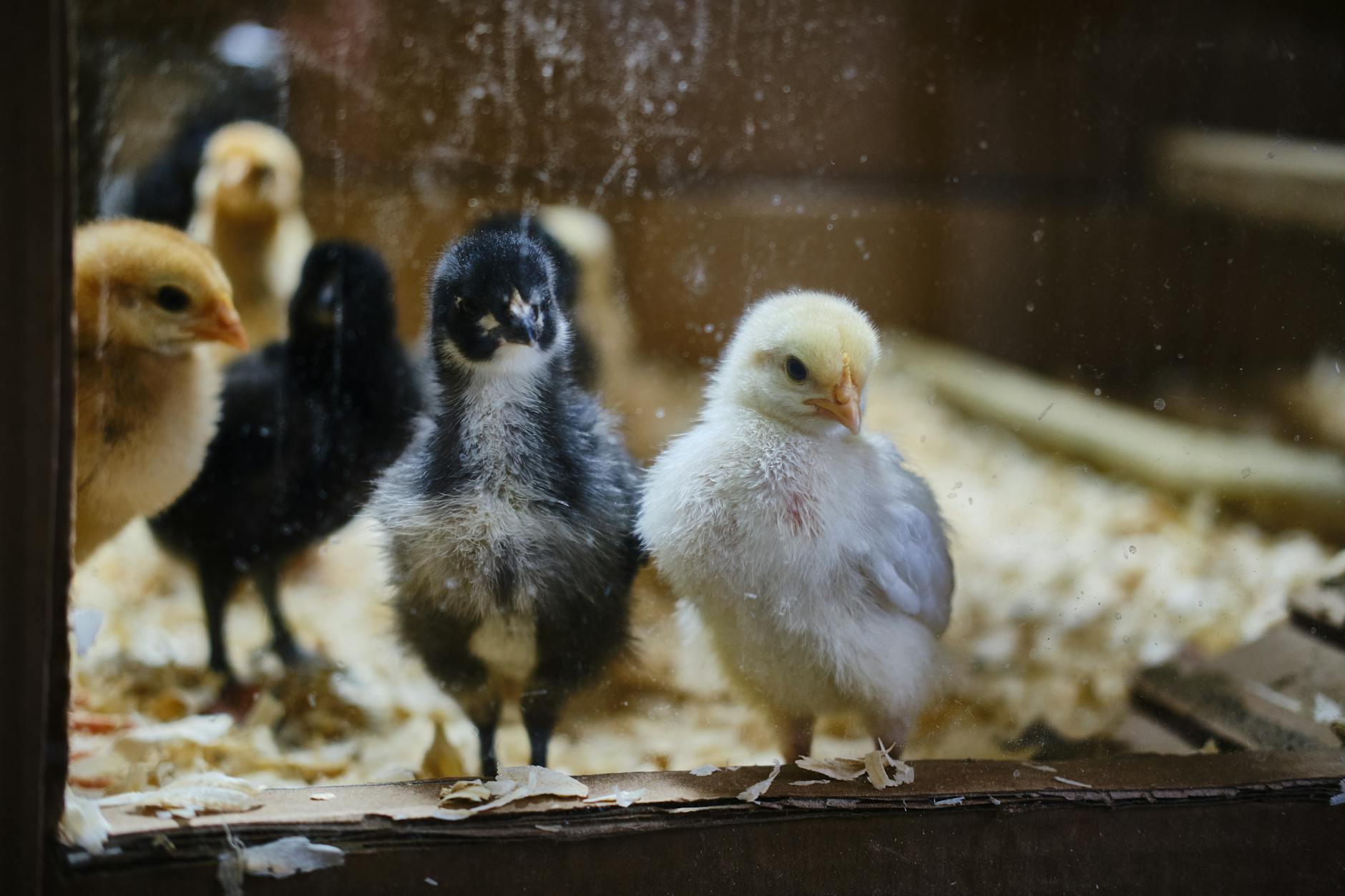
    A brooder is just a warm, safe space where baby chicks live for the first several weeks of life — before they’re old enough and feathered enough to move outside. Think of it as a nursery. Mama hens keep chicks warm with their bodies; since we don’t have a broody hen doing that job, the brooder does it instead.

    You’ll need your brooder ready before your chicks arrive. Don’t wait until pickup or delivery day — get it set up and warmed up at least a few hours ahead of time.

    If you’re still in the research phase on whether backyard chickens are even right for your family, our Backyard Chicken Starter Guide: Everything a Complete Beginner Actually Needs to Know is the place to start.


    Step 1: Choose Your Brooder Container

    This is the most flexible part of the whole setup. You do NOT need to buy a fancy purpose-built brooder. Here’s what works great:

    • Large plastic storage tote (the big Rubbermaid-style bins from any hardware store) — easy to clean, holds heat well, and totally reusable
    • Stock tank or galvanized metal tub — a little pricier but extremely durable and popular with backyard chicken folks
    • Cardboard box — honestly fine for the first week or two, just know you’ll need to upgrade as chicks grow and start flapping around
    • A section of a spare bathroom or laundry room blocked off with a circle of cardboard

    For a small flock of 4–8 chicks, a large tote or a medium stock tank is more than enough. Just make sure there’s no way for them to escape and no drafts blowing directly on them.

    Here in Florida, we keep our brooders in the garage during cooler months. In spring, when temps are already climbing, we’ve used our screened porch — just watch that afternoon heat doesn’t turn your brooder into an oven.


    Step 2: Heat Source

    This is the most critical part. Baby chicks cannot regulate their own body temperature for the first few weeks, so they depend entirely on external heat.

    Temperature guide:

    • Week 1: 95°F
    • Week 2: 90°F
    • Week 3: 85°F
    • Each week after: drop by 5°F until they’re feathered out around 6–8 weeks

    You have two main options:

    Heat Lamp

    The old-school method — a red or clear bulb clipped above one end of the brooder. Works fine, but there’s a fire risk if it falls or tips over. If you use one, make sure it’s secured with two points of attachment, not just clipped to the edge.

    Radiant Heat Plate (Our Preference)

    This mimics a mama hen much more naturally. The chicks tuck underneath it like they would under a hen’s wings. It uses less electricity, poses almost no fire risk, and the chicks seem genuinely calmer. Worth every penny if you plan to raise chicks regularly.

    Regardless of which you use, watch your chicks more than your thermometer. Chicks huddled directly under the heat = too cold. Chicks pressed against the walls away from the heat = too hot. Chicks spread out naturally doing their thing = just right.


    Step 3: Bedding

    You want something absorbent, non-toxic, and not slippery. Slippery surfaces in the first week can cause a condition called spraddle leg, and it’s completely preventable.

    Good options:

    • Pine shavings (not cedar — cedar has aromatic oils that irritate chicks’ respiratory systems)
    • Hemp bedding — a bit pricier but excellent for moisture control and less dusty
    • Paper towels for the very first 2–3 days, then transition to shavings

    We use pine shavings and change them out every 2–3 days. Wet, dirty bedding is one of the fastest ways to end up with sick chicks, so don’t let it go.

    For keeping things clean and non-toxic in general, we love Wondercide for the coop area once birds move outside — safe for chickens, kids, and our mini labradoodle who thinks he owns the backyard.


    Step 4: Food and Water

    Feed

    Start chicks on chick starter crumble — it’s formulated with the protein they need for those fast-growing early weeks. Medicated vs. unmedicated is a personal choice; we’ve done both depending on the season and the source of our chicks.

    Use a small chick feeder (the little red plastic ones work great) and keep it full. Baby chicks eat constantly.

    Water

    Fresh, clean water available at all times. A small chick waterer works well for the first couple of weeks. One tip: put a few clean marbles or pebbles in the water dish for the first few days — it keeps tiny chicks from face-planting in the water and drowning. Yes, that’s a real thing.

    Once birds are older and move to the coop, we love a nipple-style chicken waterer — so much cleaner than open dishes and almost no algae or mess.


    Step 5: Keep It Clean and Safe

    Change bedding every 2–3 days minimum. Wipe down the waterer daily. Check that the heat source is stable every single time you walk past. It takes maybe five minutes a day, but those five minutes matter a lot.

    Also: keep a lid or screen on top of your brooder once chicks are about 2 weeks old. They will surprise you with how high they can jump. A piece of hardware cloth cut to fit works perfectly — it lets airflow in while keeping escape artists in.

    For natural pest and mite prevention once birds graduate to the coop, food grade diatomaceous earth is our go-to. Dust it in the bedding and nest boxes and it does the work for you.


    The Homeschool Connection (Because We Can’t Help It)

    Honestly, the brooder phase is one of the best science units we’ve ever done — and we didn’t plan it that way. My kids have charted temperature changes, sketched the chicks in their nature journals as they feathered out week by week, and asked more genuine questions about animal biology than any curriculum worksheet ever prompted.

    If your kids are old enough, let them help set up the brooder. Let them be the ones who check the thermometer. Hand them a good resource like the Kid’s Guide to Chickens so they feel like real partners in the process. This is the 1990s-style childhood stuff — real responsibility, real animals, real stakes — and kids absolutely rise to it.

    For more on keeping chickens as a family, you might love our post on Raising Backyard Chickens with Young Kids Safely: What Actually Works for Our Family.


    Quick Brooder Checklist

    Before your chicks arrive, make sure you have:

    • [ ] Container (tote, stock tank, box)
    • [ ] Heat source (lamp or radiant plate) set up and warmed for 2+ hours
    • [ ] Pine shaving bedding, 2–3 inches deep
    • [ ] Chick starter feed in a small feeder
    • [ ] Fresh water in a chick waterer with marbles
    • [ ] Screen or lid for escape prevention
    • [ ] Thermometer to check temps

    That’s genuinely it. Everything else — the fancy gadgets, the extra accessories — can come later.


    When Do Chicks Move Outside?

    Generally around 6–8 weeks, once they’re fully feathered and outdoor temps are consistently above 65°F at night. Here in the Florida Panhandle, we sometimes move ours out a little earlier in spring because our nights stay warm. Just watch the forecast and use your judgment.

    When you’re ready to transition them to the flock, check out our post on How to Integrate New Chickens Into an Existing Flock (Without the Drama) — it’ll save you a lot of stress.


    If you’re standing in your garage right now with a tote and a heat lamp wondering if you’re doing this right — you probably are. Baby chicks are more resilient than we give them credit for, and your willingness to show up and pay attention every day is 90% of the job. The rest is just shavings and starter feed.

    You’ve got this, mama. Go check on those babies.


    📖 You Might Also Like:

    Frequently Asked Questions

    How warm does a chicken brooder need to be?

    Start at 95°F for week one, then drop the temperature by 5°F each week. Watch your chicks’ behavior as your best guide — chicks huddled together under the heat are too cold, chicks pressed against the walls away from heat are too warm, and chicks spread out naturally are just right.

    What do I use as a brooder for baby chicks?

    A large plastic storage tote, a galvanized stock tank, a sturdy cardboard box, or even a sectioned-off area of a bathroom or garage all work well. The key is that it’s draft-free, escape-proof, and large enough for your number of chicks to move away from the heat source if they get warm.

    What bedding is best for a chick brooder?

    Pine shavings are the most popular choice — they’re absorbent, inexpensive, and easy to find. Avoid cedar shavings, which have aromatic oils that can irritate chicks’ lungs. For the first 2–3 days, paper towels over the shavings help chicks find their footing and avoid spraddle leg.

    How long do chicks need to stay in the brooder?

    Most chicks are ready to move outside around 6–8 weeks old, once they’re fully feathered and outdoor nighttime temperatures are consistently above 65°F. In warmer climates like Florida, this transition can sometimes happen a bit earlier in spring when nights stay mild.

    How often should I clean a chick brooder?

    Plan to change out the bedding every 2–3 days and wipe down the water dish daily. Wet, dirty bedding is one of the fastest paths to sick chicks, so staying on top of cleanliness is one of the most important things you can do during the brooder stage.
  • How to Integrate New Chickens Into an Existing Flock (Without the Drama)

    How to Integrate New Chickens Into an Existing Flock (Without the Drama)

    How to Integrate New Chickens Into an Existing Flock (Without the Drama)

    🌿 The Short Version: Integrating new chickens into your existing flock takes patience, a good “look but don’t touch” setup, and a few weeks of slow introductions. Skip the steps and you’ll have bloodshed — follow them and you’ll have a happy, unified flock before you know it.

    This post contains affiliate links. I may earn a small commission at no extra cost to you.

    Okay, so you did the thing. You went to the feed store “just to look” and came home with four more baby chicks. Or maybe you found someone rehoming a couple of older hens and couldn’t say no. Either way — welcome to the club. We’ve been there more than once.

    Here’s what nobody tells you upfront: adding new chickens to an existing flock is genuinely one of the trickier parts of backyard chicken keeping. It’s not hard, exactly, but it takes a real plan. Toss new birds straight into your coop and you’re asking for trouble. Chickens are territorial little creatures, and your established hens have a pecking order they take very seriously. New birds are an immediate threat in their eyes.

    We’ve made mistakes, learned from them, and now we actually look forward to the integration process — because when it goes smoothly, it’s one of those beautiful moments of backyard farm life that the kids absolutely love to watch unfold.

    Here’s what actually works for our family.


    Why the Pecking Order Is a Big Deal (And Why You Can’t Rush It)

    Chickens establish social hierarchy from the time they’re young. Every bird in your flock knows its place — who eats first, who gets the best roost spot, who gets out of whose way. When you introduce strangers, that whole system gets challenged.

    The goal isn’t to avoid all conflict. A little chasing and squabbling is completely normal and necessary. The goal is to minimize serious injury and stress while the birds slowly establish a new order together.

    If you want a solid foundation on flock dynamics and general chicken care, Storey’s Guide to Raising Chickens is the one book I’d recommend every backyard flock keeper have on their shelf. It’s thorough without being overwhelming.


    Step One: Quarantine First — Non-Negotiable

    Before your new birds get anywhere near your existing flock, they need to be quarantined in a completely separate space for a minimum of 30 days. I know that feels like forever. It’s not. This step protects your whole flock from respiratory illness, mites, lice, and other things you really don’t want to deal with.

    Keep new birds in a separate coop or enclosed pen — ideally out of sight and smell of your existing flock. Watch them closely. Are they eating and drinking well? Any runny eyes, sneezing, lethargy? If everyone looks healthy after 30 days, you’re cleared to move to the next phase.

    For more on what to watch for health-wise down here in the humidity, check out our post on Common Chicken Health Problems in Florida Humidity — and How We Actually Fix Them. Florida adds its own layer of complexity to flock health, and it’s worth knowing what you’re looking for.


    Step Two: The “See But Don’t Touch” Phase

    This is the step most beginners skip, and it makes all the difference. Once quarantine is done, move your new birds into a space where your existing flock can see them through a barrier — chicken wire, hardware cloth, a temporary pen set up inside or adjacent to the main run.

    Leave them like this for at least one to two weeks. The birds will get used to each other’s presence. There will be some posturing through the wire — that’s fine. Let them work out their feelings from a safe distance.

    During this phase, we love letting the kids observe and draw what they see. It turns into a natural science lesson without any effort. My kids have filled pages of their nature journals with sketches of the chickens side-eyeing each other through the fence, noting behaviors, guessing who the “boss hen” would turn out to be. That’s living science right there.


    Step Three: Supervised Free-Range Time Together

    Before fully merging everyone into the same coop, let them free-range together in an open space where there’s plenty of room to run away from confrontation. A big backyard works great for this. The open space takes the pressure off — no one’s cornered, everyone can spread out.

    Do this for several days in a row, supervised. Watch for bullying that goes beyond normal pecking order behavior. A little chasing is fine. Relentless targeting of one bird, drawing blood, or a new bird cowering and refusing to eat — those are signs you need to slow down and give more time.

    This is honestly a wonderful excuse to be outside with your kids more. We’d bring out a blanket, some snacks, and just watch for a while. Old-fashioned observation. The best kind of learning.


    Step Four: Merging Into the Coop

    When supervised free-range sessions are going reasonably well, it’s time to merge into the coop. A few things that help:

    Add Extra Feeding and Watering Stations

    Dominant hens will guard resources. If there’s only one feeder, the new birds may not be able to eat. Add at least one extra feeder and waterer during the integration period. We love nipple-style chicken waterers because they stay cleaner and it’s easy to have multiples set up.

    Rearrange the Coop a Little

    This sounds silly, but it works. Moving things around slightly disrupts the existing hierarchy just enough to level the playing field a little. Everyone’s a tiny bit confused, which oddly helps.

    Add Hiding Spots

    Extra roost bars, a crate or cardboard box inside the run, something to break sightlines — these give lower-ranking birds places to escape tension.

    Do the First Full Night Together

    Put the new birds in the coop after dark. Chickens are calmer and less reactive at night, and they’ll wake up as if they’d always been there together. It’s not magic, but it genuinely smooths the transition.


    What’s Normal vs. What’s a Problem

    Normal integration behavior:

    • Chasing, pecking, and minor squabbles
    • New birds eating last and roosting in lower spots
    • Some feather pulling in the first week or two

    Signs you need to intervene:

    • Blood drawn and others are pecking at the wound (this escalates fast — remove the injured bird immediately)
    • One bird being completely excluded from food and water for more than a day
    • Extreme stress behaviors like hiding, not moving, or constant screaming

    If things get rough, separating birds temporarily with a wire barrier — so they can see each other but not make contact — and restarting the process more slowly is always an option. There’s no shame in going back a step.


    A Note on Age and Size Differences

    If you’re integrating chicks you raised from babies into an adult flock, wait until the young ones are close to the same size as your hens — usually around 16–18 weeks. Young chicks are too small and vulnerable before that point.

    If you’re mixing adult birds of very different sizes, keep a close eye out. Our bigger girls have never been intentionally mean, but size differences do affect the dynamics.

    For help picking breeds that tend to have gentler temperaments and do well in mixed flocks here in Florida, this post on Best Chicken Breeds for Florida Heat and Humidity has been one of our most-read resources.


    Make the Process Part of Your Homeschool

    Honestly, some of our best nature study has happened during chicken integration weeks. The kids are naturally curious, and watching flock dynamics play out in real time covers animal behavior, social hierarchy, instinct versus learned behavior — all of it, without a single worksheet.

    We’ve used a pocket microscope to look at feathers up close during this time, done sketches with Faber-Castell watercolors, and talked through what we’re observing during our morning school time. Charlotte Mason would absolutely approve.

    If you’re looking to build more of this kind of living nature study into your days, our post on How to Start Nature Journaling with Kids is a great starting point.


    Integrating new chickens is one of those things that sounds intimidating before you do it, and then becomes almost routine once you’ve been through it a couple of times. Take it slow, give everyone space, and trust the process. Your flock will find its new normal — and your kids will have watched something genuinely amazing happen right in your own backyard. That’s what this whole backyard chicken life is about.


    📖 You Might Also Like:

    Frequently Asked Questions

    How long does it take to integrate new chickens into an existing flock?

    Plan on 4–6 weeks total when you include the initial quarantine period (30 days) plus the gradual introduction phases. Rushing the process is the most common reason integrations go badly. The slow approach really does work.

    Can I just put new chickens straight into the coop with my existing flock?

    It’s not recommended. Skipping the quarantine and introduction steps can introduce disease to your flock and result in serious injury or death from fighting. Even the most docile hens will defend their territory against strangers placed directly into their space.

    How do I stop my older hens from bullying new chickens?

    Make sure there are multiple feeding and watering stations so new birds aren’t blocked from resources. Add hiding spots and extra roost bars. If one hen is especially aggressive, temporarily separating her for a few days can reset the dynamic. Some squabbling is normal — sustained, bloody attacks are not.

    At what age can I introduce chicks to my adult flock?

    Wait until chicks are at least 16–18 weeks old and close in size to your adult hens before full integration. Young chicks are too small and vulnerable before that point. You can still do the see-but-don’t-touch phase earlier to get them used to each other.

    Why are my new chickens not eating or drinking after being introduced to the flock?

    This is usually because dominant hens are guarding the feeders and waterers. Add extra stations in different spots around the run so lower-ranking birds can access food and water without confrontation. If a bird goes more than a day without eating or drinking, separate her temporarily and reintroduce more slowly.

  • Molting Chickens: What to Expect and How to Help Them Through It

    Molting Chickens: What to Expect and How to Help Them Through It

    Molting Chickens: What to Expect and How to Help Them Through It

    🌿 The Short Version: Molting is a totally normal annual process where chickens lose and regrow their feathers — but it can look alarming if you’ve never seen it before. Here’s exactly what’s happening, what your hens need from you during this time, and how to help them get through it faster so eggs can get back on the menu.

    This post contains affiliate links. I may earn a small commission at no extra cost to you.

    The first time one of our girls went through a hard molt, I genuinely panicked. Feathers everywhere. Bare patches on her back and neck. She looked like she’d had a rough encounter with something in the night — and honestly, I went straight down the rabbit hole convinced something was terribly wrong.

    Spoiler: she was completely fine. Just molting.

    If your chickens are looking a little rough right now — patchy, scraggly, more dramatic than usual — this post is for you. Molt is one of those things nobody really warns you about when you first get backyard chickens, and seeing your normally fluffy ladies looking like tiny naked dinosaurs can send a new chicken keeper into full alarm mode. So let’s talk through what’s actually happening and how you can support your flock.

    What Is Molting, Anyway?

    Molting is the natural process of a chicken shedding her old feathers and growing in a fresh new set. It happens once a year, typically in the fall as the days get shorter. Your hen’s body is responding to that decrease in daylight — it’s a signal that says okay, time to reset.

    Feathers are made almost entirely of protein, so growing a whole new coat is a massive nutritional demand. During molt, your hen’s body essentially redirects all that protein energy away from egg production and toward feather regrowth. Which is why you’ll notice your egg count drop — or stop entirely — during this time. (For more on what affects laying, check out How Often Do Chickens Lay Eggs — and What Actually Affects Production.)

    What Molt Actually Looks Like

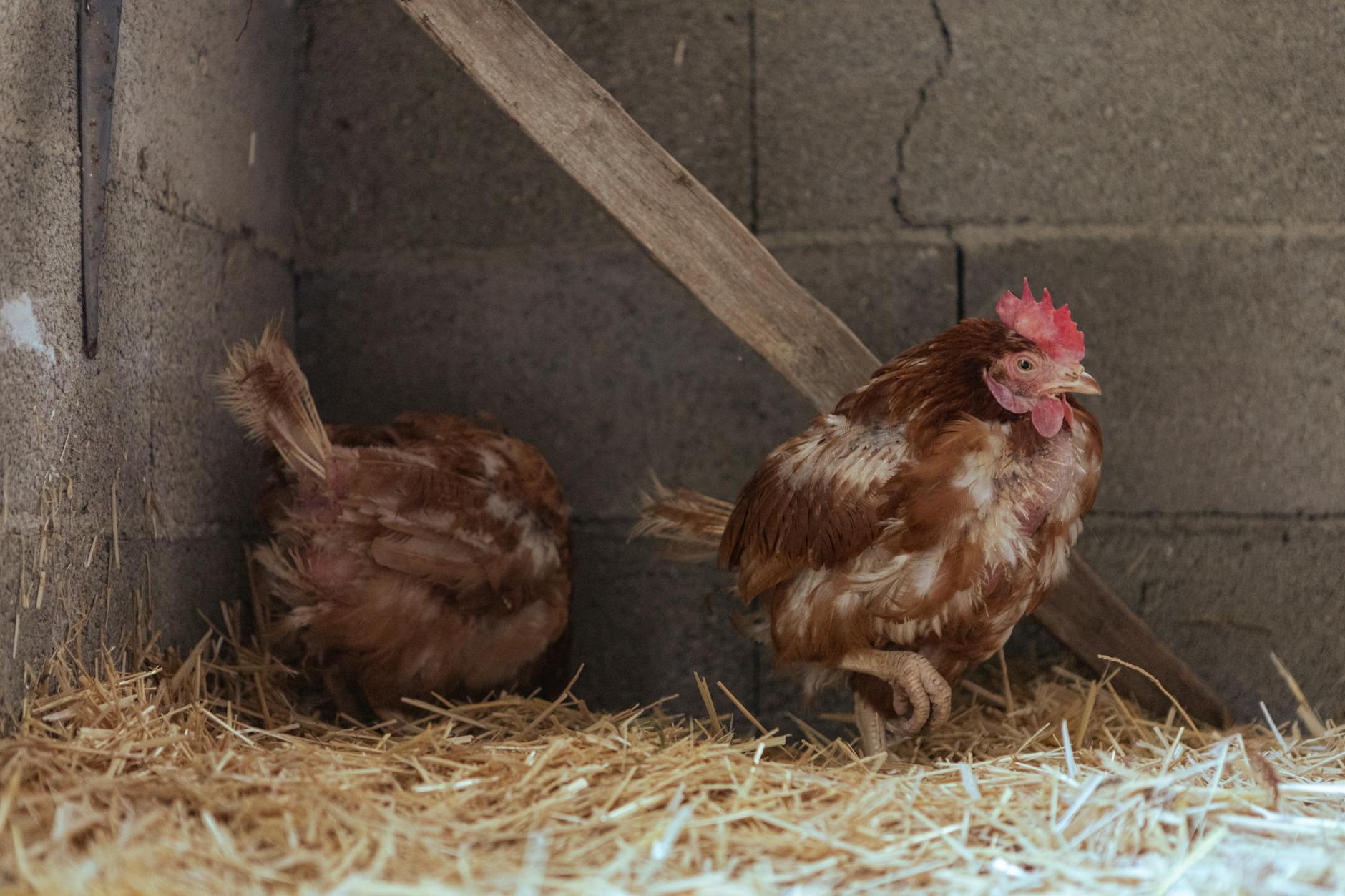
    Molt can look wildly different from bird to bird. Some hens do what’s called a soft molt — you barely notice it, maybe a few extra feathers in the coop, a little thinning around the neck. No big deal.

    Other hens go through a hard molt, and that’s what gets people. We’re talking significant bare patches on the neck, back, chest, and around the vent. Pin feathers (those little quill-like new feathers coming in) are visible. The coop floor looks like a feather pillow exploded. Your hen may look downright pitiful.

    Both are completely normal. Older hens tend to molt harder. First-year pullets often don’t molt at all their first fall.

    Signs Your Chicken Is Molting

    • Feathers dropping faster than normal
    • Patchy or bare skin on neck, back, or chest
    • Pin feathers visible (small, waxy-looking quills)
    • Drop in egg production
    • More irritable or withdrawn than usual
    • Eating more than normal

    Molt in Florida: A Little Different Than Up North

    Here in Northwest Florida, molt timing can be a little quirky. Because our daylight hours don’t shift as dramatically as they do up north, some of our girls seem to stagger their molts — one goes in October, another waits until December, occasionally one does a weird partial molt in late summer.

    The heat can also be a factor. Florida summers are brutal, and if your hens were heat-stressed through July and August, it can sometimes trigger an early or unusual molt. If you’ve been dealing with heat management this summer, you might find molt sneaking up sooner than expected. We’ve got a whole post on How to Keep Chickens Cool in Florida Summer Heat if that’s been your reality.

    How to Actually Help Your Molting Hens

    The best thing you can do during molt is get out of the way — but support them nutritionally. Here’s what works for us.

    Bump Up the Protein

    This is the big one. Your normal layer feed is typically around 16% protein, which is fine for maintenance — but during molt, your hens need more like 18–20% protein to fuel feather regrowth. We switch to a flock raiser or higher-protein feed for the duration of molt.

    We also add in extra protein-rich treats a few times a week:

    • Black soldier fly larvae (dried) — our girls go absolutely feral for these
    • Scrambled eggs — yes, feed eggs to your chickens, they love it and won’t make them egg-eaters
    • Mealworms
    • Plain canned tuna or sardines occasionally

    You don’t need to go overboard, but those extra protein boosts genuinely make a difference in how quickly feathers come back in.

    Ease Up on Calcium

    Since they’re not laying, they don’t need heavy calcium supplementation. We pull the oyster shell offering back during hard molt and reintroduce it when laying resumes. Too much calcium when they’re not actively forming eggshells can actually stress the kidneys over time.

    Don’t Force Extra Light

    I know — it’s tempting to add a coop light to keep eggs coming. But artificially extending daylight during molt is hard on your hens. Molt exists for a reason. It’s their body’s reset button. Let it happen. The eggs will come back.

    Minimize Stress

    This one matters more than people realize. Stress slows feather regrowth. During molt, try to:

    Watch for Mites and Lice

    Molting season is prime time for external parasites, because the bare skin is more exposed and easier for them to access. We do a coop dusting with food grade diatomaceous earth during molt as a preventive measure. Check under wings and around the vent area for any signs of mites. Catching it early makes a huge difference.

    For more on keeping your flock healthy in Florida’s humid climate, our post on Common Chicken Health Problems in Florida Humidity has a lot of practical help.

    Molt as a Homeschool Moment

    Honestly? Molt is one of the best accidental science lessons we’ve had. My kids were fascinated the first time we really stopped and looked at pin feathers up close — the structure of them, the way they unfurl, what they’re made of. We pulled out the pocket microscope and looked at feather barbs. We sketched the stages in our nature journals with our Faber-Castell watercolors. We talked about why animals need seasons, why rest matters, and what the body can do when it’s given what it needs.

    That’s the kind of living education Charlotte Mason was talking about — not a worksheet about birds, but actual observation of a real creature going through a real process right in your own backyard. You can’t manufacture that. It just happens when you keep chickens and pay attention.

    If you want to build on this kind of observation habit, How to Start Nature Journaling with Kids is a great place to start.

    How Long Does Molt Last?

    Typically 8–16 weeks, depending on the hen and how hard she’s molting. Hens that molt fast and hard tend to come back into lay sooner. Slower, softer molters may take longer to cycle through. Once you see the pin feathers open up into full feathers and color return to the comb, laying isn’t far behind.

    The Short Checklist for Molt Season

    • ✅ Switch to higher-protein feed (18–20%)
    • ✅ Offer protein-rich treats a few times a week
    • ✅ Back off the oyster shell until laying resumes
    • ✅ Keep stress low — no new birds, minimal handling
    • ✅ Check for mites and dust the coop preventively
    • ✅ Make sure fresh water is always available
    • ✅ Don’t add artificial light — let the molt run its course
    • ✅ Be patient

    Molt is one of those things that feels alarming the first time, then becomes just part of the rhythm of keeping chickens. Your flock will come through it — and honestly, the eggs on the other side taste just as good. Maybe better, knowing what your girls went through to get back there.

    Hang in there, chicken mama. Spring eggs are coming.


    📖 You Might Also Like:

    Frequently Asked Questions

    How long does a chicken molt last?

    Most molts last between 8 and 16 weeks. Hens that go through a hard molt — losing lots of feathers quickly — often finish faster and return to laying sooner than hens that molt slowly and softly. By the time pin feathers have fully opened and the comb looks bright and red again, laying should resume shortly.

    Do chickens stop laying eggs during molt?

    Yes, most hens will significantly reduce or completely stop laying during molt. This is because the body redirects its protein resources from egg production to feather regrowth. It’s completely normal and temporary — eggs will return once the molt is complete and daylight hours start increasing again.

    Should I be worried if my chicken is losing feathers?

    Not necessarily. If it’s fall and your hen is over a year old, it’s almost certainly a normal annual molt. Check for other signs like bare patches on the neck and back, visible pin feathers, and a drop in egg production. If feather loss is happening in spring or summer without other molt signs, it could be mites, lice, or feather pecking — those are worth investigating further.

    What should I feed molting chickens?

    During molt, bump up your flock’s protein intake. Switch from a standard 16% layer feed to a higher-protein flock raiser (18–20% protein). Add protein-rich treats a few times a week like dried black soldier fly larvae, mealworms, or scrambled eggs. Hold back on extra calcium supplements like oyster shell since they’re not actively laying.

    Can I still pick up my chickens when they’re molting?

    Try to minimize handling during a hard molt. The new pin feathers coming in are sensitive and can actually be painful if touched or bumped. Most molting hens will tell you pretty clearly they don’t want to be picked up — more irritable, more withdrawn. Give them space, keep their environment calm, and save the chicken cuddles for after molt is done.

  • Chicken Predators in Florida: How to Actually Protect Your Backyard Flock

    Chicken Predators in Florida: How to Actually Protect Your Backyard Flock

    Chicken Predators in Florida: How to Actually Protect Your Backyard Flock

    🌿 The Short Version: Florida is absolutely packed with predators that want your chickens — from hawks and raccoons to opossums and even neighborhood dogs. This post covers exactly what’s lurking in Northwest Florida yards, what security upgrades actually stop them, and how we’ve protected our flock without losing our minds (or too many hens).

    This post contains affiliate links. I may earn a small commission at no extra cost to you.

    I still remember the morning I walked out to the coop and just knew something was wrong before I even opened the gate. Feathers. Everywhere. We lost two of our best layers that night to a raccoon that had figured out how to work the old latch on our run door. It was devastating — for me, and honestly, for my kids too. They had named those hens. They had watched them hatch. That was a hard nature lesson nobody wanted.

    If you’re raising backyard chickens in Florida, predator pressure is just part of the deal. And I don’t say that to scare you off — I say it because knowing what you’re up against is how you actually win. This state is wild and beautiful and alive in a way that makes it genuinely wonderful for raising kids who love nature. But that same ecosystem that has your kids spotting roseate spoonbills and leaving out magnifying glasses to watch ants? It also has raccoons, hawks, foxes, and things that go bump in the night.

    Here’s what we’ve learned after several years of keeping chickens in the Pensacola area.


    What Chicken Predators Are Actually Common in Florida

    This is not a generic predator list. Florida has some specific characters you need to know about.

    Raccoons

    These are probably your number one threat, especially at night. Florida raccoons are bold, smart, and shockingly strong. They can reach through standard chicken wire, unlatch simple hooks, and pull birds right through gaps you didn’t think were big enough. If you’ve had a mysterious disappearance with feathers left behind but no body, a raccoon is your most likely culprit.

    Hawks and Other Raptors

    Daytime predation in Florida is real, especially during migration seasons when you’ll see red-tailed hawks, Cooper’s hawks, and sharp-shinned hawks moving through. We keep a Sibley Birds guide on our back porch and honestly, hawk identification has become a whole nature study unit for my kids — but I’d rather admire them from a distance than lose a hen to one.

    Opossums

    Opossums get a bad reputation but they’re mostly after eggs, not adult birds. They can still injure or kill chicks though, and once they find your coop, they’ll be back.

    Foxes and Coyotes

    Both are present in Northwest Florida, especially in more suburban-rural edges like a lot of us live on. Foxes are quick and efficient — you may not even know one visited until you do a headcount. Coyotes are more of a risk if you let your birds free-range in large open areas.

    Snakes

    Florida snakes are egg eaters, mostly. Rat snakes and black racers are the most common coop visitors. They usually don’t kill adult hens, but they’ll clean out a nest box and can kill chicks. Finding a snake curled up in your nesting box is a rite of passage for Florida chicken keepers.

    Neighborhood Dogs

    Honestly? Domestic dogs are one of the biggest killers of backyard flocks nationwide. A dog that gets into your yard — even a playful one — can wipe out a whole flock in minutes. Don’t underestimate this one.


    How to Actually Protect Your Florida Flock

    Start With a Solid Coop and Run

    This is the foundation of everything. If you’re just getting started, our Backyard Chicken Starter Guide has the full breakdown of what you actually need. But from a predator standpoint, here’s what matters most:

    Use hardware cloth, not chicken wire. This is the single most important upgrade you can make. Standard chicken wire has gaps wide enough for a raccoon to reach through and grab a bird. Hardware cloth (½-inch or ¼-inch galvanized mesh) is rigid, harder to chew through, and keeps paws out. It costs more but it’s worth every penny.

    Bury or apron the run. Predators dig. Foxes, coyotes, and dogs will absolutely dig under a run that isn’t protected. You can either bury the hardware cloth 12 inches down or lay it flat on the ground extending outward about 18 inches around the perimeter (called an apron). The apron method is easier and works just as well.

    Lock it up properly at night. Raccoons can open simple hook-and-eye latches. Use carabiner clips or slide-bolt latches they can’t manipulate. Every. Single. Night.

    Invest in an Automatic Coop Door

    This changed our lives. An automatic chicken coop door opens at sunrise and closes at dusk — no more running out in the dark because you forgot to lock up. The raccoon that got our hens? That happened on a night we were tired and thought we’d close it up in the morning. Never again. This is one of those tools that pays for itself the first time it saves a bird.

    Keep a Clean, Dry Coop

    Predators are often attracted by the smell of feed and droppings. Keep your feed in metal cans with locking lids, clean the coop regularly, and don’t leave feed out overnight. We also use food-grade diatomaceous earth in the coop for pest control — it helps with mites and insects that can also attract other critters.

    Cover the Top of Your Run

    Hawks don’t care about your fence. If your run isn’t covered, your birds are exposed during the day. Hardware cloth on top, or even bird netting in a pinch, gives your hens somewhere safe to be even when you’re not watching. For a deeper dive on common chicken health problems in Florida humidity — ventilation matters here too, so plan your covered run with airflow in mind.

    Think About Your Free-Range Setup

    We do supervised free-ranging in our backyard when we’re outside with the kids. The dog being out there actually helps deter hawks. But we don’t let them roam when we’re not home or when we’re not watching. For Florida families with hawks and foxes nearby, completely free-ranging without supervision is a gamble that usually ends badly eventually.


    What We’ve Learned the Hard Way

    Beyond the physical setup, there are a few habits that have made a real difference for us:

    • Do a headcount every single evening. It takes 30 seconds and it’s how you catch a problem before it becomes a disaster.
    • Check for weak spots after storms. Florida weather is rough on coops. After a heavy wind or rain, walk the perimeter and look for damaged areas, warped doors, or anything that shifted.
    • Don’t ignore small signs. Tracks in the mud, feathers near the fence, a hen that seems rattled — these are all your early warning system.

    For more on keeping your flock healthy through our particular climate challenges, check out how to keep chickens cool in Florida summer heat — because a stressed bird is also a more vulnerable bird.

    And if you want to go deeper on chicken keeping overall, Storey’s Guide to Raising Chickens is the reference book I genuinely reach for when I’m not sure about something. It’s thorough without being overwhelming. We also keep the Kid’s Guide to Keeping Chickens on the shelf for my kids — they love reading about flock care themselves, and it’s turned into a great living book for our nature study shelf.


    Turning Predator Awareness Into a Nature Lesson

    Here’s the thing about living in Florida with chickens and kids: every predator encounter, even the hard ones, is an opportunity. We’ve talked about the food chain, about why hawks and foxes exist, about the role every creature plays. My kids have learned to identify tracks, to notice when the yard feels different, to observe our hens’ behavior as a kind of early warning system.

    That’s real nature study. The kind Charlotte Mason was talking about — not worksheets about animals, but actual, living, consequential observation. My kids know what a raccoon track looks like in the mud by the coop. That’s something a workbook never could have taught them. If you want to capture those observations, we love keeping a dedicated nature journal for exactly these moments.

    Protecting your flock isn’t just about hardware and latches. It’s about paying attention — to your yard, your birds, and the wild world that shares your space. That kind of attentiveness is exactly what we’re trying to grow in our kids anyway.

    You’ve got this, mama. Lock the coop, watch the sky, and don’t let one hard morning be the end of your chicken-keeping story.


    📖 You Might Also Like:

    Frequently Asked Questions

    What is the most common chicken predator in Florida?

    Raccoons are the most common and persistent chicken predators in Florida. They’re active at night, highly intelligent, and strong enough to open simple latches and reach through standard chicken wire. Using hardware cloth and secure slide-bolt or carabiner-style latches on your coop is the best defense against them.

    Do hawks attack backyard chickens in Florida?

    Yes, hawks are a real daytime threat in Florida — especially during fall and winter migration when species like red-tailed hawks, Cooper’s hawks, and sharp-shinned hawks pass through. Covering your run with hardware cloth or bird netting and supervising free-range time are the best ways to protect your birds.

    Will snakes kill my chickens in Florida?

    Most Florida snakes that enter coops — like rat snakes and black racers — are after eggs, not adult hens. However, they can and do kill chicks. While they’re generally not a threat to grown birds, you’ll want to check nest boxes regularly and seal any gaps larger than half an inch to keep snakes out.

    What is the best material to use for a predator-proof chicken run in Florida?

    Half-inch galvanized hardware cloth is the gold standard for predator-proofing a chicken run in Florida. Unlike regular chicken wire, it has smaller openings that prevent raccoons from reaching through, and it’s strong enough to resist chewing and tearing. Make sure to also bury it or lay an apron around the perimeter to prevent digging predators.

    Do I need to lock my chicken coop every night in Florida?

    Absolutely yes. Most predator attacks on backyard chickens in Florida happen at night, and raccoons in particular will work at an unsecured coop door until they get in. An automatic chicken coop door that closes at dusk is one of the best investments you can make — it removes the human error factor entirely and gives your birds reliable protection every night.

  • Backyard Chicken Starter Guide: Everything a Complete Beginner Actually Needs to Know

    Backyard Chicken Starter Guide: Everything a Complete Beginner Actually Needs to Know

    Backyard Chicken Starter Guide: Everything a Complete Beginner Actually Needs to Know

    🌿 The Short Version: Getting backyard chickens doesn’t have to be complicated or expensive — but there are a few things you really need to know before you bring home that first fuzzy chick. This guide walks you through everything from choosing the right breeds to setting up your coop, feeding your flock, and keeping them healthy, with honest advice from a mama who’s been doing this in Florida for years.

    This post contains affiliate links. I may earn a small commission at no extra cost to you.

    I still remember the day we brought home our first four chicks in a cardboard box from the local feed store. My oldest was convinced we needed to name them all immediately. My youngest kept trying to kiss them on the beak. And I was standing in our kitchen with a heat lamp, a bag of chick starter, and absolutely zero idea what I was doing.

    That was a few years ago. Now we’ve got a happy little flock, a solid routine, and kids who wake up every single morning asking to go check on “the girls” before breakfast. If you’re at that beginning stage — curious, maybe a little overwhelmed, googling things at 11pm — this backyard chicken starter guide is for you. Let’s make it simple.


    Why Backyard Chickens Are Worth It (Especially for Families)

    Honestly? Chickens are one of the best things we’ve added to our homestead life. They give us fresh eggs, yes — but they also give our kids daily responsibility, a real connection to where food comes from, and the kind of slow, observational learning that Charlotte Mason talked about so beautifully.

    My kids have learned more about animal behavior, biology, and life cycles from watching our hens than from any curriculum we’ve used. It’s living science, right in the backyard. And if you’re raising kids the old-fashioned way — less screens, more dirt — a small flock fits right into that vision.


    Step 1: Choose the Right Breeds for Your Climate

    This is where a lot of beginners go wrong. Not all chicken breeds handle heat and humidity well, and if you’re in Florida — especially down here in the Pensacola area — you need heat-tolerant birds from the start.

    We’ve had great luck with breeds like Easter Eggers, Black Australorps, and Buff Orpingtons. For a full breakdown of what actually thrives in our climate, read my post on Best Chicken Breeds for Florida Heat and Humidity (What Actually Thrives Down Here). And if you want to get deeper into the egg-laying side of things, Best Egg Laying Chickens for a Small Backyard Flock (What Actually Works for Our Family) is a good next read.

    For beginners, I recommend starting with 3–6 hens. That’s enough to get a steady supply of eggs without feeling totally overwhelmed. And please, start with pullets or chicks rather than adult hens if you can — there’s something magical about raising them from babies, and your kids will never forget it.

    If you want to do a real deep dive on breeds, care, and chicken-keeping in general, Storey’s Guide to Raising Chickens is the book I recommend to every single person who asks me. It lives on our shelf next to our homeschool books. There’s also a wonderful Kid’s Guide to Chickens that my kids have read cover to cover — great for getting them invested in the care.


    Step 2: Set Up Your Coop Before the Chickens Arrive

    This sounds obvious but trust me — have the coop ready and waiting. We didn’t quite have ours finished when our first chicks came home, and those first two weeks were chaotic.

    What Your Coop Actually Needs

    • 4 square feet per bird inside the coop, minimum
    • 10 square feet per bird in the run
    • Ventilation — this is critical in Florida. Heat and humidity build up fast and can kill your flock. I wrote a whole post about Backyard Chicken Coop Ventilation in a Hot Climate if you want to get that right from the start.
    • Predator protection — hardware cloth, not chicken wire. Raccoons will figure out chicken wire in about five minutes.
    • Nesting boxes — one box per 3–4 hens is plenty
    • Roost bars — chickens sleep elevated, so give them a place to perch

    A few things that have made our chicken-keeping so much easier: we added an automatic coop door early on, and I will never go back. It opens at sunrise and closes at dusk — no more running out in the dark to lock everyone in. We also switched to a nipple waterer which keeps the water so much cleaner than an open dish in Florida’s heat.


    Step 3: Feeding Your Flock the Right Way

    Chickens are not complicated eaters, but there are a few basics you need to know.

    • Chicks (0–8 weeks): Chick starter crumble — high protein, 18–20%
    • Pullets (8–18 weeks): Grower feed
    • Laying hens: Layer pellets or crumble, plus oyster shell on the side for calcium

    In Florida, we also supplement with watermelon, frozen fruit, and cold treats in the summer — anything to help them stay cool and hydrated. I have a whole post on What to Feed Backyard Chickens in Florida Year Round that goes deep on this.

    Fresh water every single day is non-negotiable. Chickens drink a lot, especially in summer heat.


    Step 4: Keep Them Healthy (Especially in Florida)

    Florida humidity creates some specific challenges for backyard flocks. Mites, respiratory issues, and heat stress are the big three we watch for.

    We dust the coop regularly with food-grade diatomaceous earth to keep mites and lice under control — it’s one of our go-to non-toxic solutions. We also use Wondercide around the perimeter of the coop and yard for pest control without harsh chemicals, which matters a lot to us since our kids are literally playing in that same space every day.

    For a full rundown on health issues specific to our climate, check out Common Chicken Health Problems in Florida Humidity — and How We Actually Fix Them.


    How Chickens Fit Into Our Homeschool Life

    This is honestly my favorite part to talk about. Our chickens aren’t just a backyard project — they’re part of our school day.

    My kids keep nature journals (we love this one) where they sketch the hens, record egg counts, and write about what they observe. We’ve talked about genetics when our Easter Egger laid her first blue egg. We’ve worked through the life cycle of a chicken more times than I can count. My son used our flock observations for a narration last month — totally unprompted.

    This is the beauty of Charlotte Mason’s approach: living education. The chickens are a textbook that walks around our backyard and occasionally steals crackers from small hands.

    For getting kids safely involved in the hands-on care side, I wrote about Raising Backyard Chickens with Young Kids Safely — that one’s worth bookmarking if you’ve got little ones.


    What You Actually Need to Get Started (A Simple List)

    You don’t need to spend a fortune. Here’s what actually matters:

    • A solid coop with good ventilation
    • 3–6 heat-tolerant pullets or chicks
    • Chick starter feed and a feeder
    • A good waterer — the nipple style is worth every penny
    • Bedding — pine shavings work great
    • Diatomaceous earth for pest prevention
    • Storey’s Guide to Raising Chickens on your shelf
    • Patience and a sense of humor

    That’s really it. Chickens are forgiving animals and genuinely good for beginners. They don’t need a lot of fuss — they need clean water, good food, a safe place to sleep, and someone who pays attention.


    If I could go back and tell myself one thing before we got our first flock, it would be this: don’t overthink it. Yes, there’s a learning curve. Yes, you’ll mess something up (we all do). But chickens will bring a kind of slow, wholesome rhythm to your family’s days that’s really hard to describe until you’ve experienced it.

    There’s something so grounding about walking out in the morning in your boots, tossing scratch, hearing that soft purring cluck — and watching your kid’s face absolutely light up when they find the first egg of the day. That’s the good stuff. That’s what we’re after.

    You’ve got this, mama. Go get your chickens.


    📖 You Might Also Like:

    Frequently Asked Questions

    How many chickens should a beginner start with?

    Most beginners do well starting with 3–6 hens. That’s enough to get a consistent egg supply — usually 2–5 eggs per day depending on breed and season — without being overwhelming. Chickens are also social animals and shouldn’t be kept alone, so a small flock of at least 3 is ideal.

    What do I need to set up before bringing home backyard chickens?

    Have your coop fully ready before your chicks or pullets arrive. You’ll need a secure, well-ventilated coop with nesting boxes and roost bars, a run with predator-proof hardware cloth, a waterer, a feeder, bedding (pine shavings work great), and chick starter feed. In Florida especially, good ventilation in the coop is non-negotiable from day one.

    What are the best chicken breeds for beginners?

    For beginners — especially in warm climates like Florida — look for heat-tolerant, docile breeds that are good layers. Easter Eggers, Black Australorps, Buff Orpingtons, and Rhode Island Reds are all great choices. They handle heat reasonably well, have calm temperaments, and are forgiving for first-time chicken keepers.

    How much does it cost to start a backyard flock?

    Startup costs vary, but most families can expect to spend $200–$600 getting started. The coop is the biggest expense — whether you build it yourself or buy a prefab. Chicks typically run $3–$8 each from a feed store. Ongoing costs are relatively low: feed, bedding, and occasional supplies. Many families find the cost of fresh eggs and the educational value for kids makes it very worthwhile.

    Is it hard to raise backyard chickens with young kids?

    Not at all — in fact, chickens and kids are a wonderful combination with a few simple safety habits in place. Teach kids to wash hands after handling chickens or collecting eggs, supervise interactions with young chicks (who are fragile), and involve children in daily care tasks like filling the water and collecting eggs. Most hens with calm temperaments are very gentle with kids, and the daily responsibility is genuinely great for children.

  • How Often Do Chickens Lay Eggs — and What Actually Affects Production

    How Often Do Chickens Lay Eggs — and What Actually Affects Production

    How Often Do Chickens Lay Eggs — and What Actually Affects Production

    🌿 The Short Version: Most healthy hens lay roughly 4–6 eggs per week at peak production, but breed, age, daylight, heat, stress, and nutrition all play a big role. Understanding what actually drives egg production helps you set realistic expectations — and keep your flock happy and laying all year long.

    This post contains affiliate links. I may earn a small commission at no extra cost to you.

    If you’ve ever gone out to the coop expecting a full nest box and found… two eggs and a grumpy hen staring back at you, you’re not alone. We’ve been there more times than I can count. When we first started our little backyard flock here in the Pensacola area, I honestly thought chickens just laid an egg every single day like clockwork. One hen, one egg, done. Easy math.

    Spoiler: it does not work that way.

    Egg production is actually one of the most interesting little biology lessons hiding right in your backyard — and if you’ve got kids, especially curious elementary-age ones, this stuff is gold for nature study. We’ve had so many great conversations out by the coop that turned into full Charlotte Mason observation moments. But first, let’s actually answer the question, because I know you’ve got a carton to fill.

    So How Often Do Chickens Actually Lay Eggs?

    At peak production, a good laying hen will give you roughly 4 to 6 eggs per week — not 7, even though she has 7 days to work with. A hen’s reproductive cycle runs about 24 to 26 hours, which means even your best layer naturally skips a day here and there. Over the course of a year, a high-producing breed like a Leghorn or a Golden Comet can lay somewhere between 250 to 300 eggs. That’s genuinely impressive for an animal that also has to deal with Florida heat, molting season, and whatever chaos your kids are bringing to the backyard that day.

    But that “peak production” window? It doesn’t last forever, and a whole lot of things can push it up or pull it way down.

    What Actually Affects How Often Chickens Lay

    1. Breed Makes a Huge Difference

    This is probably the biggest factor most new chicken keepers underestimate. Not all chickens are egg-laying machines. Dual-purpose breeds like Orpingtons and Wyandottes are beautiful and friendly, but they’ll typically give you 3 to 4 eggs a week, not 6. Production breeds — think Rhode Island Reds, Australorps, or Sex-Links — are specifically bred to lay heavily and consistently.

    We’ve got a mix in our flock, and the difference in output between our Australorp and our Silkie is not even close. If you’re trying to figure out which breeds actually perform well here in the South, I’ve got a whole post on Best Egg Laying Chickens for a Small Backyard Flock (What Actually Works for Our Family) that goes deep on this.

    2. Light — Especially Here in Florida

    Chickens need roughly 14 to 16 hours of light per day to maintain strong egg production. Light signals a hen’s brain to release the hormones that trigger the laying cycle. This is why most flocks slow down in winter — shorter days mean fewer eggs.

    Now, here in Northwest Florida, our winters are mild compared to, say, Ohio. But we do get shorter days from November through January, and we absolutely notice a dip in production during that stretch. Some folks add a coop light on a timer to extend laying through winter. We’ve gone back and forth on it — right now we let our girls take their natural break, partly because I think they need the rest and partly because my kids have turned our seasonal egg drop into its own little nature study observation. We actually track it in their nature journals each season. It’s a really cool way to see the light-cycle connection play out in real time.

    3. Age

    A hen hits her laying peak around 18 to 24 months old. After that, production gradually declines — usually about 10 to 20 percent less each year. By year three or four, you’ll notice the shift. This doesn’t mean your older hens aren’t worth keeping (ours are basically family pets at this point), but it’s good to have younger pullets coming up behind them if consistent egg supply matters to you.

    4. Florida Heat — This One Is Real

    Y’all, heat stress is no joke for chickens, and anyone raising a flock in the Florida Panhandle in July knows what I’m talking about. When temperatures climb above 85–90°F, hens divert energy away from egg production just to regulate their body temperature. We see our numbers drop noticeably every summer, and it happens fast.

    Making sure they have shade, fresh cool water, and good coop ventilation is non-negotiable down here. I’ve written a lot about this — How to Keep Chickens Cool in Florida Summer Heat (What Actually Works) is one of the most-read posts on this site for a reason. Also, a good nipple waterer keeps water cleaner and cooler than open dishes, which makes a real difference in hot months.

    5. Nutrition

    Hens need a quality layer feed with around 16 to 18 percent protein to lay consistently. When they’re in molt, that protein requirement goes up even higher because feather regrowth is demanding on their bodies. We also supplement with oyster shell for calcium — thin or soft-shelled eggs are usually a calcium deficiency issue.

    If your hens free-range, they’re supplementing their own diet, which is great. But free-ranging alone isn’t enough nutrition for strong, consistent laying. And if you’re in the thick of learning the nutrition side of chicken keeping, Storey’s Guide to Raising Chickens is genuinely one of the best references I’ve found — it’s thorough without being overwhelming.

    6. Stress and Flock Dynamics

    Chickens are more sensitive to stress than most people realize. A predator scare, a new flock member disrupting the pecking order, too much noise, a dog that won’t stop barking at the run (yes, our labradoodle has absolutely done this) — all of it can cause hens to pause or slow their laying. Even moving a hen to a new space can interrupt her cycle for a week or two.

    This is one reason we’ve been really intentional about our coop setup — reducing stress sources makes a measurable difference. An automatic coop door has been one of our best investments because it keeps the routine consistent and gives the girls a secure night without us having to remember to close up every single evening.

    7. Molting

    Once a year — usually in the fall — hens go through a molt. They drop their old feathers and grow new ones, and egg production stops almost entirely during this time. It can last anywhere from 4 to 12 weeks. It looks alarming if you’ve never seen it before. My kids thought something was terribly wrong the first time. Now they track it like the little naturalists they are.

    The Homeschool Angle (Because Of Course There Is One)

    Honestly, chickens have given us some of the richest nature study material we’ve stumbled into. Tracking egg production, observing molt cycles, learning about how light affects hormones — this is real biology happening in our own backyard. My kids keep notes in their nature journals, we use our pocket microscope to look at feather structure during molt season, and we’ve done some great narration work around what we observe. If you want ideas for bringing the coop into your learning days more intentionally, Raising Backyard Chickens with Young Kids Safely: What Actually Works for Our Family has a lot of practical ideas for exactly that.

    For older kids who want to go deeper, A Kid’s Guide to Keeping Chickens is written right at their level and covers the full lifecycle in a way that keeps them engaged.

    The Bottom Line on Egg Production

    If someone asks you “how often do chickens lay eggs,” the honest answer is: it depends. A young, healthy laying breed in good conditions, eating well, with adequate light and manageable temperatures? Four to six eggs a week is totally realistic. Add in Florida summer heat, a molt, or a stressed-out hen and that number can drop fast — and that’s completely normal.

    The best thing you can do is learn your individual birds, pay attention to what’s happening seasonally, and give them what they need to thrive. Not every week will look the same, and that’s okay. We’ve learned to appreciate the slow weeks as much as the abundant ones. There’s something really grounding about a food source that follows natural rhythms instead of a factory schedule.

    That’s the kind of thing we want our kids to grow up understanding — that food comes from living things that have good days and hard days, just like the rest of us.


    📖 You Might Also Like:

    Frequently Asked Questions

    How many eggs does a chicken lay per day?

    Most hens don’t lay one egg every single day — their laying cycle runs about 24 to 26 hours, so even the best layers naturally skip a day here and there. At peak production, a good laying hen typically produces 4 to 6 eggs per week, not 7.

    Why did my chicken stop laying eggs?

    The most common reasons hens stop laying include molting (seasonal feather loss), reduced daylight hours in fall and winter, heat stress, nutritional deficiency, age, illness, or disruption to their routine. In Florida, summer heat is one of the biggest culprits — hens often slow or stop laying when temperatures consistently exceed 85–90°F.

    At what age do chickens start laying eggs?

    Most pullets (young hens) begin laying between 18 and 24 weeks of age, depending on breed. Production breeds like Leghorns and Sex-Links tend to start on the earlier end, while heritage and dual-purpose breeds may take a little longer. You’ll know it’s getting close when you see them squatting and their combs start turning a deeper red.

    How long do chickens lay eggs?

    Hens lay most productively in their first two to three years. After that, production gradually declines — usually around 10 to 20 percent per year. Most hens can continue laying in smaller amounts for 5 to 7 years, though many backyard flock keepers keep their hens well beyond their laying years as pets.

    Does Florida heat affect how often chickens lay eggs?

    Yes, significantly. Heat stress is one of the top reasons backyard flocks in Florida slow down during summer months. When temperatures rise above 85–90°F, hens divert energy away from egg production to regulate their body temperature. Providing shade, cool fresh water, and proper coop ventilation can help minimize the drop in production during hot Florida summers.

  • Best Egg Laying Chickens for a Small Backyard Flock (What Actually Works for Our Family)

    Best Egg Laying Chickens for a Small Backyard Flock (What Actually Works for Our Family)

    Best Egg Laying Chickens for a Small Backyard Flock (What Actually Works for Our Family)

    🌿 The Short Version: Not every chicken breed is built for a small backyard flock — especially in Florida heat. This post breaks down the best egg layers for families with limited space, based on real experience keeping chickens in the Pensacola area with kids in tow.

    This post contains affiliate links. I may earn a small commission at no extra cost to you.

    When we first started our little backyard flock, I did what every well-meaning mama does — I Googled everything, got completely overwhelmed, and then impulse-ordered chicks from the farm store without a real plan. (No judgment if you’ve been there too.)

    A few years and a lot of chicken math later, I can tell you this: breed selection matters more than almost anything else when you have a small flock. If you only have space for four to six birds, every single hen has to pull her weight — in eggs, in temperament, and down here in Northwest Florida, in heat tolerance.

    This is what I wish someone had told me before we started.


    What Makes a Breed Right for a Small Backyard Flock?

    Before we get into the list, let’s talk about what actually matters when you’re working with limited space and want real egg production.

    You’re looking for:

    • Consistent laying (250+ eggs per year is the sweet spot)
    • Calm, kid-friendly temperament
    • Heat tolerance (non-negotiable if you’re in Florida)
    • Moderate size — heavy breeds need more feed and more space
    • Not overly flighty or loud (your neighbors will thank you)

    If you’re brand new to keeping chickens with children around, I’d also point you to Raising Backyard Chickens with Young Kids Safely: What Actually Works for Our Family — it covers a lot of the basics we learned the hard way.


    Our Top Picks for Best Egg Laying Chickens in a Small Flock

    1. Black Sex-Link

    If I could only pick one breed for a small backyard flock, especially in the South, it would be the Black Sex-Link. These girls are egg-laying machines — we’re talking 250 to 300 brown eggs a year — and they are calm, curious, and genuinely friendly with kids. Ours will eat scratch out of my youngest’s hand without a second thought.

    They’re a hybrid breed (Rhode Island Red rooster x Barred Rock hen), so you won’t find them at a fancy hatchery, but most farm stores carry them in spring. They handle Florida humidity surprisingly well and don’t fuss much in the heat.

    2. Golden Comet

    Another hybrid, and another workhorse. Golden Comets start laying earlier than most breeds — sometimes as young as 16 weeks — and they rarely take long winter breaks like some purebreds do. (Florida winters are mild enough that our girls lay pretty consistently year-round anyway, but this still matters.)

    They’re smaller-bodied, which means less feed and less space needed. And they are sweet. Really sweet. Great for families where little hands want to hold chickens regularly.

    3. Leghorn

    Okay, hear me out — I know Leghorns have a reputation for being flighty and a little skittish, and that can be true. But if you want maximum white eggs with minimum effort, a well-handled Leghorn is hard to beat. They lay 280 to 320 eggs per year, they’re lean, they forage like champs, and they were literally built for hot climates.

    The key is handling them a lot as chicks. The ones we’ve raised from day-old and spent real time with are noticeably calmer than hatchery birds that weren’t socialized early.

    4. Easter Egger

    I’ll be honest — Easter Eggers made our list partly because of the eggs (blue, green, sometimes pink!) and partly because of what those colorful eggs do for our homeschool. My kids have sketched and watercolored those eggs in their nature journals more times than I can count. There’s something about a blue egg that makes a kid stop and actually look.

    Easter Eggers lay around 200 to 250 eggs per year, which puts them slightly below the hybrids but still solidly productive. They’re gentle, cold and heat tolerant, and come in so many feather patterns that every bird looks different. For a Charlotte Mason family that values beauty and observation, they’re a natural fit.

    5. Rhode Island Red

    The classic for a reason. Rhode Island Reds are tough, consistent, and lay a beautiful dark brown egg almost year-round. They’re not the most cuddly breed — ours tend to be more assertive than affectionate — but they are reliable and they handle the heat decently well, especially with good coop ventilation.

    Speaking of which, if you haven’t read Backyard Chicken Coop Ventilation in a Hot Climate: What Actually Works (From a Florida Mama Who Learned the Hard Way), please do before your first Florida summer with a flock. It’s essential reading down here.

    6. Australorp

    Australorp hens hold the world record for egg laying — one hen laid 364 eggs in 365 days. We don’t expect that from our backyard girls, but even average Australorps put out 250 to 300 eggs per year and are genuinely one of the gentlest, most docile breeds you can keep. They’re a little larger-bodied, so they do need a bit more feed and space, but their temperament with children is unmatched in our experience.

    They do better with shade and access to cool water in summer. We use a nipple chicken waterer that keeps water clean and cool much longer than open dishes, which has made a real difference during our Pensacola summers.


    A Note on Flock Size and Breed Mixing

    For most small families, four to six hens is genuinely plenty. Six productive hens will give you 20 to 30 eggs per week during peak season — more eggs than most families can eat, and plenty to share with neighbors or trade at co-op.

    We run a mixed flock on purpose. Different breeds have different personalities, lay different colored eggs, and peak at slightly different times, which helps even out production. A mix of one or two Easter Eggers, a couple of Black Sex-Links, and maybe an Australorp or two is a solid small-flock setup.

    For more on breed-specific heat tolerance (because this is so important in Florida), check out Best Chicken Breeds for Florida Heat and Humidity (What Actually Thrives Down Here) — I go really deep on that one.


    Keeping Your Small Flock Healthy and Happy

    Once you’ve picked your breeds, here’s what we use day-to-day to keep our girls healthy without a lot of chemicals or fuss:

    For health stuff specific to our humid Florida climate, Common Chicken Health Problems in Florida Humidity — and How We Actually Fix Them is worth bookmarking before you need it.


    Why This Is One of the Best Things We’ve Done for Our Kids

    I’ll wrap up with this, because I think it gets lost in the breed-comparison rabbit holes: backyard chickens have given my kids something screens never could.

    They wake up with purpose. They know the sound of a hen announcing she laid an egg. They’ve watched life and death and everything in between. They fight over who gets to collect eggs. My oldest narrates the flock’s behavior during our morning time like it’s a nature documentary, and my youngest draws the hens from observation with his watercolor paints every few weeks.

    This is the 1990s childhood I’m trying to give them — messy, real, rooted in something living. Picking the right breeds just means you set your family up for success from the start, so you can focus on the good parts instead of troubleshooting constantly.

    Start small. Pick one or two proven breeds. And enjoy every ridiculous, feathery minute of it.


    📖 You Might Also Like:

    Frequently Asked Questions

    What is the best egg laying chicken for a small backyard flock?

    For most small backyard flocks, Black Sex-Links, Golden Comets, and Australorps are top picks because they lay 250 to 300 eggs per year, have calm temperaments that work well with kids, and don’t need a ton of space. If you’re in a hot climate like Florida, heat tolerance matters too — these breeds all handle warmth reasonably well with proper coop setup.

    How many chickens do I need for a small family?

    For a family of four, four to six hens is typically plenty. Six productive hens can lay 20 to 30 eggs per week during peak season, which is more than enough for most families with some left over to share. Starting with four is a great low-pressure way to learn before expanding.

    What chicken breeds are best for hot climates like Florida?

    Leghorns, Black Sex-Links, Easter Eggers, and Golden Comets all tolerate heat reasonably well. Heavier breeds like Buff Orpingtons can struggle in intense Southern heat and humidity. Good coop ventilation, shade, and fresh cool water are just as important as breed selection in a Florida summer.

    Can you mix different chicken breeds in a small flock?

    Yes, and many experienced keepers prefer it. A mixed flock gives you variety in egg color, lays out production peaks across breeds, and each bird brings a different personality. Just introduce new birds carefully and make sure your flock has enough space to establish a pecking order without too much conflict.

    What chicken breed is the most friendly and docile for families with young kids?

    Australorps and Golden Comets are consistently ranked among the gentlest, most handleable breeds for families with young children. Easter Eggers are also known for calm dispositions. The key with any breed is handling chicks frequently from a young age — chickens that grow up being held tend to stay much more people-friendly as adults.

  • Common Chicken Health Problems in Florida Humidity — and How We Actually Fix Them

    Common Chicken Health Problems in Florida Humidity — and How We Actually Fix Them

    Common Chicken Health Problems in Florida Humidity — and How We Actually Fix Them

    🌿 The Short Version: Florida’s heat and humidity create a perfect storm for respiratory illness, mites, bumblefoot, and more in backyard flocks. This post walks through the most common chicken health problems we’ve dealt with down here in Northwest Florida — and the real fixes that actually work.

    This post contains affiliate links. I may earn a small commission at no extra cost to you.

    If you’ve been keeping backyard chickens in Florida for more than one summer, you already know: this climate is not forgiving. Between the heat indexes pushing 105°F, the afternoon thunderstorms that roll in like clockwork, and the humidity that just never really quits — our birds deal with a totally different set of challenges than chickens up north.

    We’ve been keeping our little flock here in the Pensacola area for a few years now, and I won’t pretend we figured it all out right away. We lost a hen to heat stress in our first summer. We dealt with a mite outbreak that spread faster than I ever expected. And I’ve had more than a few late nights Googling symptoms with a flashlight, trying to figure out what was going on with one of our girls.

    So consider this the post I wish I’d had when we started. Let’s talk about the most common chicken health problems Florida humidity creates — and what we actually do about them.


    Respiratory Illness: The #1 Florida Flock Problem

    High humidity is basically a petri dish for respiratory bacteria and fungi. Mycoplasma, infectious bronchitis, and aspergillosis (a fungal lung infection) all thrive in warm, moist conditions — and Florida has plenty of both.

    Signs to watch for:

    • Rattling or gurgling breath
    • Runny nose or eyes
    • Swollen face or sinuses
    • Lethargy, puffed-up feathers
    • Reduced egg production

    What we do:

    First — ventilation. This is honestly the biggest preventative measure you can take. A stuffy, damp coop is where respiratory illness starts. We talked all about this in our post on Backyard Chicken Coop Ventilation in a Hot Climate: What Actually Works (From a Florida Mama Who Learned the Hard Way). Cross-ventilation and keeping moisture out of the bedding goes a long way.

    Second — keep bedding dry. After every heavy rain, I check the coop for dampness. We use the deep litter method in the cooler months, but in summer we switch to thinner layers that we turn more frequently. Wet bedding is mold and ammonia waiting to happen.

    For birds that do come down with something, I always recommend calling a vet if you can — but I also keep a journal of symptoms and dates so I have something concrete to share. Electrolytes in the water and isolating the sick bird quickly are the first steps while I figure out what I’m dealing with.


    Mites and Lice: They Love the Humidity Too

    Oh, mites. If you haven’t dealt with them yet, your time is probably coming. They love warm, humid environments, and Florida is basically their dream vacation destination.

    Signs your flock has mites or lice:

    • Feather damage or bare patches
    • Pale comb (blood-sucking mites)
    • Restlessness at night
    • Visible bugs on the skin near the vent area

    What we do:

    Diatomaceous earth is our go-to. We dust the coop corners, nest boxes, and the birds themselves (carefully avoiding their faces) with food-grade DE regularly — especially in summer. It physically damages the exoskeleton of insects without chemicals, which I love since we keep things non-toxic around here.

    We also use Wondercide as a coop spray. It’s plant-based, it works, and I don’t have to worry about my kids touching the coop walls right after I spray. We used to use permethrin before I started paying more attention to what we were putting in our yard, and honestly Wondercide has been just as effective for us.

    Providing a dust bath area is also essential — we keep a low wooden box filled with a mix of sand, wood ash, and DE in their run year-round.


    Bumblefoot: A Soggy Yard Problem

    Bumblefoot is a staph infection that enters through small cuts or abrasions on the foot — and it gets worse fast in wet conditions. If your yard is consistently soggy from Florida afternoon rains (and whose isn’t?), your birds are at higher risk.

    Signs: A hard, dark scab on the bottom of the foot, swelling, limping.

    What we do:

    Catch it early. We do weekly foot checks on all our birds, especially after wet stretches. Mild cases can sometimes be managed with Epsom salt soaks, Vetericyn spray, and clean bandaging. More severe cases really do need a vet visit — bumblefoot that progresses can become a serious infection.

    Keeping the run from turning into a swamp helps enormously. We added sand and wood chips to our run to improve drainage, and it made a noticeable difference.


    Heat Stress: The Florida Summer Special

    This one’s serious and it moves fast. We actually wrote a whole post on keeping chickens cool in Florida summer because it deserves its own full conversation — but here’s the quick version.

    Signs of heat stress: Panting with beak wide open, wings held out, lethargy, pale comb, not eating.

    What we do:

    • Frozen treats in the afternoon (watermelon is a favorite around here)
    • Fresh cold water available at all times — we upgraded to a nipple waterer which stays cleaner and cooler longer than open dishes
    • Shade structures in the run
    • An automatic coop door so birds can get into the shaded coop during the hottest part of the day without us having to run out every afternoon
    • Electrolytes in the water during extreme heat

    Breed selection also matters a lot here. If you’re still building your flock, check out our post on Best Chicken Breeds for Florida Heat and Humidity — some breeds handle this climate so much better than others.


    Fungal Issues and Wet Feathers

    Fungal problems — on the skin, in the respiratory system, and even in the feed — are sneaky in Florida because humidity is always present. Moldy feed is a big one people overlook.

    What we do:

    • Store feed in airtight containers, never in the coop where moisture creeps in
    • Buy feed in smaller quantities so it doesn’t sit too long
    • Toss any feed that smells musty or looks clumped — it’s not worth the risk of aspergillosis
    • Keep the coop dry (I feel like I keep coming back to this, but seriously — it’s everything)

    If you want to dig deeper into flock management and what a healthy bird actually looks like, Storey’s Guide to Raising Chickens is the reference book I keep on my shelf. It’s thorough without being overwhelming, and it has a whole section on health and disease that I’ve referenced more times than I can count. If your kids are getting interested in the flock too, the Kid’s Guide to Chickens is a sweet companion book — my daughter has read hers cover to cover.


    A Quick Note on Using Chickens as Living Science

    One thing I love about keeping chickens with our homeschool kids is that the flock teaches them to observe. We check on our girls every morning and evening, and I’ve made it a habit to ask the kids what they notice. Is anyone limping? Does anyone look puffy? Are the combs bright red?

    This kind of attentive observation is pure Charlotte Mason — it’s nature study happening in your own backyard. My kids know what a healthy bird looks like now, and that’s a real skill. We’ve also done some great nature journal entries sketching the chickens and noting their behaviors. A good nature journal and some Faber-Castell watercolors make this a really lovely addition to your morning nature time.

    For more on bringing the flock into your everyday homeschool life, Raising Backyard Chickens with Young Kids Safely has a lot of practical ideas for making it work.


    You’ve Got This, Florida Flock Mama

    Keeping chickens healthy in this climate takes a little more intentionality than it does in, say, Tennessee. But it’s absolutely doable, and the rewards — the eggs, the entertainment, the real-life learning — are so worth it. The key is staying ahead of problems with good coop setup, consistent observation, and a few solid products you trust.

    You don’t have to be a veterinarian to raise a thriving flock. You just have to pay attention — which, if you’re reading this, you clearly already are.


    📖 You Might Also Like:

    Frequently Asked Questions

    What are the most common chicken health problems caused by Florida humidity?

    The most common issues are respiratory illness (from mold and bacteria in damp coops), mites and lice (which thrive in warm, humid conditions), bumblefoot (worsened by wet ground), heat stress, and fungal problems from moldy feed or bedding. Good coop ventilation, dry bedding, and consistent flock observation go a long way toward preventing all of these.

    How do I keep my chicken coop dry in Florida’s rainy season?

    Focus on drainage and ventilation. Make sure your coop is elevated off the ground, that your run drains well (adding sand or wood chips helps), and that you have adequate cross-ventilation in the coop itself. After heavy rains, check bedding for dampness and turn or replace it as needed. Wet bedding leads to ammonia buildup and mold — both of which cause respiratory issues.

    Is diatomaceous earth safe to use around chickens and kids?

    Food-grade diatomaceous earth is generally considered safe when used properly. Avoid letting your birds (or kids) inhale the fine dust, as it can irritate lungs. Apply it in the coop and nest boxes when birds aren’t actively in the space, and let it settle before they return. It’s an effective, chemical-free option for managing mites and lice.

    How can I tell if my chicken has heat stress versus a respiratory illness?

    Heat stress typically comes on quickly during the hottest part of the day and includes panting with the beak wide open, wings held away from the body, and lethargy. Respiratory illness usually presents with rattling or gurgling breath, runny eyes or nose, and swelling around the face — and it persists regardless of time of day or temperature. A bird showing respiratory symptoms should be isolated and monitored closely.

    What non-toxic products actually work for chicken pest and coop management in Florida?

    Our go-tos are food-grade diatomaceous earth for mites and lice, Wondercide spray for the coop exterior and run, and a nipple waterer to keep water cleaner and reduce moisture in the coop. Keeping feed in sealed containers, providing a DE-and-ash dust bath area, and using good ventilation are the foundations of a healthy, chemical-free flock management routine in a humid climate.

  • Raising Backyard Chickens with Young Kids Safely: What Actually Works for Our Family

    Raising Backyard Chickens with Young Kids Safely: What Actually Works for Our Family

    Raising Backyard Chickens with Young Kids Safely: What Actually Works for Our Family

    🌿 The Short Version: Raising backyard chickens with young kids is genuinely one of the best things we’ve done for our family — but it does require a few intentional safety habits from the start. In this post, I’m sharing the real routines, boundaries, and tools that make it work beautifully for us, even with little ones in the mix.

    This post contains affiliate links. I may earn a small commission at no extra cost to you.

    When we first started talking about getting chickens, I had a friend look at me like I’d lost my mind. “You have little kids,” she said. “Aren’t chickens… dangerous?”

    I laughed, but honestly? I get it. There’s a lot of scary information floating around about salmonella and roosters and pecking. And yes, there are real things to be aware of. But here’s the truth after a couple of years of doing this with our elementary-age kids right here in the Florida Panhandle: raising backyard chickens with young children is one of the most rewarding, grounding, genuinely educational things our family has ever done. You just have to go in with your eyes open.

    So let me tell you what we’ve actually learned — the safety habits that matter, the things I was worried about that turned out to be no big deal, and the ways this whole chicken adventure has become a real part of how we do life and school around here.


    Start with the Right Breeds

    This is the foundation. Not all chickens are equally kid-friendly, and when you’re raising backyard chickens with young kids, temperament matters just as much as egg production.

    We chose breeds known for being calm and gentle — think Buff Orpingtons, Easter Eggers, and Australorps. These girls let our kids hold them, follow them around the yard, and generally act more like pets than livestock. We’ve never had a rooster (not allowed in our neighborhood anyway), which eliminates one of the most common safety concerns right there.

    If you’re still in the research phase, I’d really recommend checking out Best Chicken Breeds for Florida Heat and Humidity (What Actually Thrives Down Here) — I wrote it specifically for our climate, because what works in Vermont doesn’t always work in a Northwest Florida summer.


    Teach Handwashing Like It’s Religion

    Okay, this is the big one. The one I want you to take seriously even if you roll your eyes at everything else I say.

    Always wash hands after touching the chickens, their eggs, their coop, or anything in the chicken area. Always. No exceptions.

    Salmonella is a real concern with backyard flocks, and young kids are more vulnerable because their immune systems are still developing. We made handwashing non-negotiable from day one, and honestly? Our kids don’t even think twice about it now. They come in from the coop and head straight to the sink. It’s just the rule, like putting on shoes before going outside.

    We keep things simple — soap and warm water for at least 20 seconds. We don’t let the little ones eat or drink anything while they’re in the chicken area. And we definitely don’t let anyone kiss the chickens, no matter how cute they are (and they are very cute).


    Set Clear Coop Boundaries for Little Ones

    We built our chicken routine around age-appropriate involvement. Here’s roughly how it looked as our kids grew:

    Younger kids (K-1st grade): They can scatter feed, collect eggs with supervision, and observe — but we don’t send them into the coop alone. They’re learning the how and why of chicken keeping, not managing it independently yet.

    Older kids (2nd grade and up): They start taking on real tasks. Collecting eggs solo, refreshing water, doing a basic health check on the flock. We talk through what healthy chickens look and act like so they know what to notice.

    Having a chicken waterer that’s easy for kids to check and refill makes the older ones feel genuinely capable — and that confidence is worth so much. We also love our automatic coop door because it removes the pressure of the kids needing to remember to close up at dusk. One less thing to worry about.


    Make the Coop and Run as Safe as Possible

    Beyond kid safety, think about structural safety — a secure coop protects your flock from predators, which means your kids won’t have to deal with the trauma of losing a beloved hen. (Ask me how I know.)

    We use diatomaceous earth in our coop for pest control — food-grade only, and we apply it when the kids aren’t around to breathe it in. For yard and perimeter pest control, Wondercide has been our go-to because it’s non-toxic and safe for our animals and our kids. That peace of mind matters when you’re trying to run a non-toxic home.

    For more on keeping the coop itself healthy in our Florida heat, I go deep on that in Backyard Chicken Coop Ventilation in a Hot Climate: What Actually Works — because ventilation and health go hand in hand, and sick chickens are a safety concern for kids too.


    Turn It Into School (The Charlotte Mason Way)

    Here’s where I get a little excited, because this is where chickens stop being just a backyard hobby and become a full-on living education.

    Our chickens have sparked lessons in biology, life cycles, animal behavior, nutrition, responsibility, and even math (How many eggs did we collect this week? How much feed do we go through in a month?). This is Charlotte Mason nature study at its best — real, living, right outside the back door.

    We keep nature journals for sketching the flock, recording observations, and noting things like which hen is laying and which one’s been acting off. My oldest has gotten really into detailed drawings with Faber-Castell watercolors — we’ve done everything from painting individual feather patterns to illustrating the egg-laying process after we learned about it together.

    If your kids want to go deeper, Storey’s Guide to Raising Chickens is a genuinely excellent reference, and there’s also a wonderful kid-specific guide to chickens that my younger one has pored over more times than I can count. We also love checking out our backyard visitors with a pocket microscope — you wouldn’t believe what you can find on a chicken feather.

    If you want ideas for extending this kind of outdoor learning through all four seasons, Charlotte Mason Nature Table Ideas by Season has a lot of inspiration that pairs beautifully with backyard animal keeping.


    The 1990s Piece Nobody Talks About

    Here’s the honest truth: part of why we got chickens was because I wanted my kids to have the kind of childhood I had. The kind where you’re outside, you have real responsibilities, and the world isn’t bubble-wrapped.

    Feeding the chickens before breakfast, collecting eggs, noticing that one hen is acting weird and telling me about it — these are the kinds of experiences that build kids who are observant, responsible, and connected to the living world around them. It’s the opposite of handing them a screen. And I think it matters.

    Does it take some intentional setup? Yes. Does it require consistent safety habits? Absolutely. But once those habits are in place, this whole thing just becomes life — good, messy, real life.


    A Few Quick Safety Reminders

    • Never let kids eat or drink in the chicken area
    • Always wash hands immediately after chicken contact — before touching faces, food, or anything else
    • Teach kids to move slowly and calmly around the flock
    • Supervise egg collection until kids are old enough to handle eggs without dropping or cracking them (cracked eggs = bacteria risk)
    • Keep immunocompromised family members away from direct chicken contact
    • Know your flock — healthy chickens are the safest chickens, so stay on top of what they’re eating and how they’re doing

    If you’re on the fence about whether chickens and young kids can coexist safely and joyfully — they absolutely can. Ours have been one of the best parts of our homeschool life, our family culture, and honestly, our mornings. There’s something about a kid who confidently cares for another living creature that just fills your mama heart right up.

    Start slow, build the habits, and enjoy every single ridiculous moment. These birds will become part of your family faster than you expect.


    📖 You Might Also Like:

    Frequently Asked Questions

    Is it safe for young children to be around backyard chickens?

    Yes, with consistent safety habits in place. The most important one is thorough handwashing with soap and water immediately after any contact with chickens, eggs, or the coop area. Children under 5 should always be supervised around the flock, and no one should eat, drink, or touch their face while in the chicken area. Choosing calm, gentle breeds also makes a big difference when kids are involved.

    Can kids get salmonella from backyard chickens?

    Salmonella is a real risk with backyard poultry, and young children are more vulnerable than adults. The good news is that consistent handwashing dramatically reduces this risk. Always wash hands after touching birds, eggs, or anything in the coop. Don’t allow kids to kiss or nuzzle chickens, and keep immunocompromised children away from direct contact with the flock.

    What age can kids start helping with chicken chores?

    Even toddlers can toss a handful of feed and observe with supervision. For real responsibility, most kids are ready to collect eggs (with supervision) around kindergarten age, and can take on more independent tasks like refreshing water and doing basic flock checks by second or third grade. Tailor tasks to your child’s maturity level and always prioritize the handwashing habit no matter the age.

    What chicken breeds are best for families with young children?

    Gentle, calm breeds are your best bet when young kids are involved. Buff Orpingtons, Easter Eggers, Australorps, Silkies, and Sussex are all known for being docile and friendly. Avoid roosters if possible — they can be territorial and unpredictable around children. If you’re in Florida, also factor in heat tolerance when choosing your breeds.

    How do I teach my kids to handle chickens safely?

    Start by teaching slow, calm movements around the flock — sudden motions startle birds and can cause pecking. Show kids how to scoop a chicken from below rather than grabbing from above, which mimics a predator. Always supervise handling sessions until you’re confident in both the child’s technique and the individual bird’s temperament. Make sure kids know to never chase the chickens, and always — always — wash hands when they’re done.

  • What to Feed Backyard Chickens in Florida Year Round (A Real Mama’s Guide)

    What to Feed Backyard Chickens in Florida Year Round (A Real Mama’s Guide)

    What to Feed Backyard Chickens in Florida Year Round (A Real Mama’s Guide)

    🌿 The Short Version: Feeding backyard chickens in Florida is a little different than what most general chicken-keeping guides tell you — the heat, humidity, and near-year-round growing season all change things. This post walks you through exactly what we feed our flock every season, what to avoid in the Florida heat, and how we’ve turned chicken keeping into a real living science lesson for our kids.

    This post contains affiliate links. I may earn a small commission at no extra cost to you.

    When we first got chickens, I did what most people do — I Googled everything. And most of what I found was written for folks in Ohio or Oregon, talking about keeping chickens warm in winter and dealing with frozen waterers. Sweet. Not exactly helpful when you’re sweating through September in Pensacola and your chickens look like they’re reconsidering their life choices.

    Florida chicken keeping is its own thing. And feeding your flock well through our weird, hot, humid, basically-two-season climate takes a little more thought than just tossing down layer pellets and calling it a day.

    We’ve had our little backyard flock for a few years now, and I’ve learned a lot — some of it from good resources, some of it the hard way. Here’s what we actually feed our chickens through every season, what we’ve adjusted for the Florida climate, and how we’ve woven the whole thing into our nature-based homeschool.

    The Foundation: Quality Layer Feed All Year Long

    No matter the season, a good quality layer feed is the backbone of your flock’s diet. For laying hens, you want a complete layer feed that’s around 16% protein. We use a pellet or crumble form — personally we’ve found pellets create less waste here because the humidity makes crumbles clump and spoil faster. That’s a Florida thing nobody warns you about.

    Make sure whatever feed you’re using is fresh. In our heat and humidity, feed can mold or go rancid faster than you’d expect. We buy in smaller bags more frequently rather than stocking up, and we store it in a sealed metal trash can in a shaded spot.

    Chick Starter and Grower Stages

    If you’re raising chicks, start with a non-medicated chick starter (we prefer non-medicated since we’re not into adding unnecessary things to our animals’ feed), then transition to a grower feed around 8 weeks, and finally to layer feed around 18 weeks or when they start laying — whichever comes first. Pretty standard stuff that applies anywhere, Florida included.

    If you’re just getting started with the whole chicken world, Storey’s Guide to Raising Chickens is the book I recommend to every new chicken keeper. It’s thorough without being overwhelming, and we’ve referenced it more times than I can count.

    What Changes in Florida: Seasonal Feeding Adjustments

    Summer (Which Is Really April Through October, Let’s Be Honest)

    This is the big one. Florida summers are brutal, and heat stress is a real threat to your flock. When chickens are hot, they eat less — which means they’re getting fewer nutrients right when their bodies are working hard just to regulate temperature.

    A few things we do during the hot months:

    Boost protein slightly. When hens are heat-stressed, egg production often dips. Offering a protein boost — black soldier fly larvae, mealworms, or a higher-protein feed — can help. We scatter a small handful of dried mealworms a few times a week in summer.

    Electrolytes in the water. Just like us after a long day outside, chickens need electrolytes when they’re overheated. You can buy poultry electrolytes or do a simple DIY version with a little apple cider vinegar. We use a nipple-style chicken waterer which keeps the water cleaner and cooler longer than open dishes.

    Frozen treats. Our kids LOVE this part. We freeze watermelon chunks, berries, corn, and leafy greens in blocks of ice and let the chickens peck at them on hot afternoons. It’s enrichment and hydration in one. The kids treat it like a science experiment every single time.

    Feed in the coolest part of the day. Early morning and evening, not midday when nobody — human or chicken — wants to be moving around.

    For more on keeping the flock safe when temps climb, check out my post on How to Keep Chickens Cool in Florida Summer Heat — I go deep on that one.

    Fall and Winter (Our Glorious Relief Season)

    Honestly? Fall and winter in Northwest Florida are the easiest time to keep chickens. Temps are mild, the flock is more active, foraging is better, and everybody seems happier — including me.

    During these months, your standard layer feed is usually plenty. If we get a cold snap (it happens, even down here), I’ll sometimes offer a little scratch grain in the late afternoon. Scratch grains aren’t nutritionally complete, but they give the chickens something to work for and a little extra energy as temps dip. Think of it like a snack, not a meal replacement.

    Winter is also a great time to let the flock range more freely in the yard if you can manage it. They’ll find bugs, seeds, and greens that supplement their diet naturally.

    Spring: Transition Time

    Spring here is beautiful and brief. The yard starts greening up, bugs come back in full force, and the chickens go into high gear. This is peak laying season for most flocks. Keep up that quality layer feed, make sure oyster shell is always available free-choice (separate from the feed, not mixed in), and enjoy the egg bounty.

    Beyond Feed: Scraps, Treats, and What to Avoid

    What We Feed as Treats

    We compost a lot in our house, and the chickens get a share of the kitchen scraps. Things they love and that are safe:

    • Vegetable peels and scraps
    • Fruit (minus citrus in large amounts)
    • Cooked rice, oats, or pasta
    • Leafy greens — our chickens go absolutely feral for collard greens, which is very on-brand for a Southern flock
    • Herbs like basil, oregano, and mint (oregano especially has natural antibacterial properties)

    What to Avoid

    Avoid onions, garlic in large amounts, avocado, chocolate, anything moldy, raw beans, and salty processed foods. Also skip the citrus as a primary treat — a little is fine, but too much can affect laying.

    Grit and Oyster Shell: Don’t Skip These

    If your chickens free range even part of the time, they’ll pick up grit naturally. If they’re in a run, you need to provide it. Grit helps them grind down their food in the gizzard. Oyster shell is your calcium source for strong eggshells — keep it available free-choice in a separate dish and they’ll take what they need.

    Chicken Keeping as a Living Classroom

    One of my favorite things about having backyard chickens is what it does for our kids’ education. This isn’t just a pet situation — it’s a real, living science and life skills classroom happening right in our backyard.

    My kids help fill feeders and waterers, observe laying patterns, and notice when something seems off with one of the hens. We’ve had some incredible nature study moments that started with a simple question about what the chickens were eating in the yard.

    A kid’s guide to chickens is a great addition to your home library if you have younger kids who want to understand what they’re caring for. We also use our chicken observations as narration prompts — what did you notice today? What were they eating? How did they behave differently than yesterday?

    If you want to dig deeper into nature journaling as part of your homeschool, I have a whole beginner’s guide: How to Start Nature Journaling with Kids. A nature journal and some Faber-Castell watercolors are all you need to start sketching what you observe.

    A Note on Non-Toxic Chicken Keeping

    Because we care about what goes in and around our home, we’re thoughtful about pest and parasite management for the flock too. We use food-grade diatomaceous earth in the coop and dust bath areas to help manage mites and lice naturally. For the yard and surrounding areas, Wondercide is our go-to for keeping pests in check without harsh chemicals around the kids and animals.

    A healthy, well-fed chicken is honestly your best defense against illness and parasites — good nutrition supports their immune system just like it does ours.


    Feeding chickens in Florida isn’t complicated once you understand the climate you’re working with. The heat changes things, the near-year-round growing season is actually a gift, and a flock that’s well-fed and cared for will reward you with eggs, entertainment, and some of the best hands-on education your kids will ever get. Our chickens have taught my kids more about biology, responsibility, and paying attention to living things than any curriculum page ever could. And that, to me, is the whole point.


    📖 You Might Also Like:

    Frequently Asked Questions

    What should I feed backyard chickens in Florida’s hot summers?

    In Florida’s heat, keep quality layer pellets as the base but add protein-rich treats like dried mealworms, offer electrolytes in the water, and provide frozen fruit or veggie treats to help with hydration and cooling. Feed during the coolest parts of the day — early morning and evening — and make sure fresh water is always available.

    Do chickens need different feed in winter in Florida?

    Florida winters are mild enough that most flocks do fine on standard layer feed year round. During occasional cold snaps, you can offer a small amount of scratch grains in the late afternoon to give them a little extra energy, but scratch isn’t nutritionally complete so treat it like a snack, not a staple.

    Can I feed my chickens kitchen scraps?

    Yes! Vegetable peels, leafy greens, cooked grains, and most fruit are great. Avoid onions, avocado, chocolate, anything moldy, raw beans, and salty processed foods. Scraps should complement a quality layer feed, not replace it.

    Do backyard chickens in Florida need oyster shell?

    Absolutely. Laying hens need calcium for strong eggshells, and layer feed alone often isn’t enough. Offer oyster shell free-choice in a separate dish — your hens will take what they need. This is especially important during periods of high egg production.

    How do I keep chicken feed from going bad in Florida’s humidity?

    Store feed in a sealed metal or hard plastic container in a cool, shaded spot — never in a hot shed or garage that heats up during the day. Buy smaller quantities more frequently rather than stocking up, and always check for mold or a rancid smell before filling feeders. Humidity can spoil feed faster than you’d expect.