How to Start an Herb Garden in Florida Heat (What Actually Grows and When to Plant It)
This post contains affiliate links. I may earn a small commission at no extra cost to you.
I have killed more basil than I care to admit.
I’d bring it home from the grocery store all hopeful, set it on my kitchen counter, try to nurse it along, and watch it slowly give up on life within a week. Or I’d plant it outside in June thinking, it’s warm, herbs love warm — and then stand there confused when it bolted, turned bitter, and basically rage-quit.
Here’s what nobody tells you when you move to or grow up in the Florida Panhandle: gardening here runs completely backwards from what most books and YouTube videos describe. Our “winter” is prime growing season. Our summer is survival mode. Once I finally accepted that, everything clicked — and now we have a little herb bed that actually produces food for our kitchen, supports our nature study, and has become one of my kids’ favorite spots in the whole yard.
If you’ve been wanting to start an herb garden in Florida heat but keep running into dead ends (or just dead plants), this one’s for you.
First: Understand Florida’s Backwards Growing Calendar
This is the thing that trips up almost every new Florida gardener. We are not a Zone 5 YouTube channel. We are not even a Zone 8 Pinterest graphic.
In Northwest Florida (Pensacola and the surrounding area), we’re roughly in USDA Zone 8b-9a. That means:
- Fall through spring = our golden growing window
- Summer = brutal, humid, fungal-disease-prone, and honestly just hard
So if you’re reading this in September or October — get those seeds in the ground now. That’s your prime herb-planting window. If you’re reading this in July, start planning, order your seeds, and wait just a little longer.
For our family, herb gardening has become a year-round rhythm rather than a single season push. We start seeds indoors in late summer, transplant in the fall, harvest through winter and spring, and scale back in the summer to just the tough survivors.
What to Plant: The Herbs That Actually Survive Florida
Cool-Season Herbs (Plant September–February)
These are your workhorses in a Florida herb garden:
- Parsley — loves our mild winters, grows beautifully
- Cilantro — finally! This is the one herb that actually wants our “cool” weather
- Dill — self-seeds like crazy, great for kids to watch
- Chives — almost no-fuss, and my kids eat them straight off the plant
- Fennel — tall, feathery, and the swallowtail butterfly caterpillars go absolutely wild for it (nature study gold right there)
- Chamomile — pretty, useful, and the kids love harvesting the flowers for tea
Heat-Tolerant Herbs (Plant Spring, Survive Into Summer)
- Rosemary — practically a shrub here, almost unkillable in Florida
- Lemon balm — spreads like a weed but smells amazing
- Lemongrass — thrives in Florida heat, mosquito-repelling bonus
- Sweet potato leaf — not exactly a traditional herb, but edible and Florida-tough
- Moringa — fast-growing, nutritious, and handles our summer like a champ
Basil — Handle With Care
Basil can grow here, but it needs some babying. Plant it after our last frost (typically mid-February in Pensacola), give it afternoon shade in the peak of summer, and water consistently. It will bolt fast in the heat, so pinch those flower tops constantly. We grow it in a pot we can move under the porch overhang when summer really cranks up.
Setting Up Your Florida Herb Garden
Raised Beds or Containers: Both Work
Our sandy Northwest Florida soil drains fast — sometimes too fast. Herbs actually don’t mind this much, but if you’re starting from scratch, a raised bed gives you more control over your soil mix. If you’re just getting started and don’t want a big project, a few good-sized containers on your porch or patio work beautifully and let you move plants around as the season changes.
We have a small raised bed dedicated to herbs right outside our back door — close enough that grabbing a handful of rosemary for dinner is a two-second task. My kids treat it like a snack bar. I find that highly encouraging.
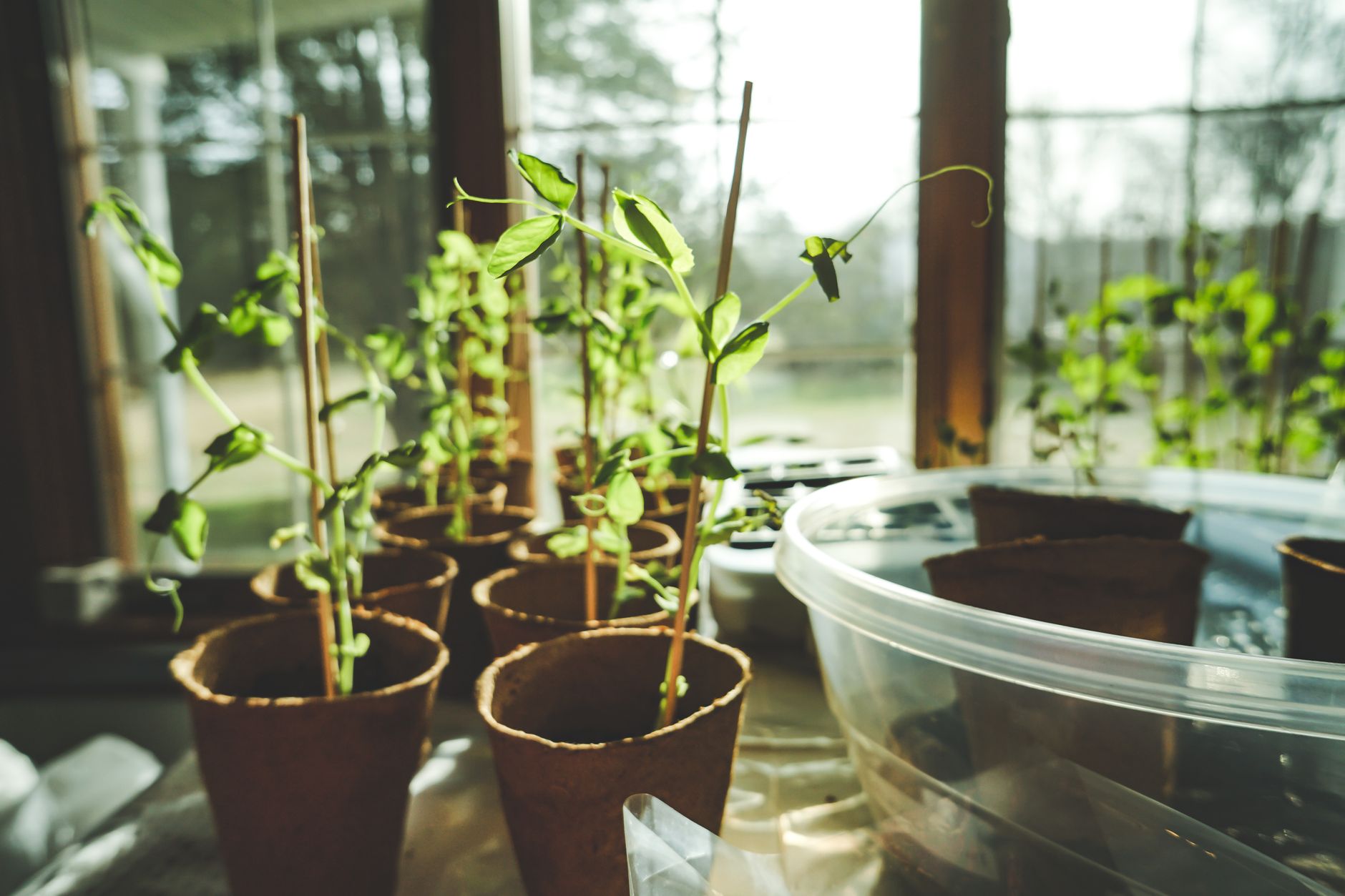
For seeds and starting supplies, we’ve used a simple seed starting kit to get things going indoors before transplanting — especially helpful for the late summer starts.
Sun and Shade
Most herbs want full sun, and Florida certainly delivers. But in the peak summer months, a little afternoon shade can mean the difference between thriving and frying. If you can position your herb garden where it gets morning sun and some relief in the hottest part of the afternoon, you’ll have happier plants.
Watering Without Overdoing It
This sounds counterintuitive, but overwatering is as big a problem as underwatering in Florida. Our humidity is already high. Most herbs want their roots to dry out a little between waterings. Water deeply but less frequently, and make sure your containers or beds drain well.
Getting Kids Involved (This Is the Best Part)
Herb gardening is one of those activities that fits seamlessly into a Charlotte Mason approach — it involves direct observation, nature journaling, real-life science, and sensory experience all in one. My kids have learned more about plant life cycles from our little herb bed than from any worksheet.
Some things we do:
- Sketch and label herbs in their nature journals — observing the shape of leaves, the texture, the smell
- Harvest and dry our own herbs for tea and cooking (we have a whole post on how to preserve herbs from your garden if you want the details)
- Watch the pollinators — when we let herbs like dill and fennel flower, the butterflies and bees show up fast. We keep a pair of kid-sized rain boots by the back door so nobody has an excuse not to go outside and observe
- Feed scraps to the chickens — spent herb leaves, trimmings, and pulled plants go straight to the flock. Our girls love fresh herbs, and it’s been a great lesson in the garden-to-coop cycle
If your kids are really into bugs and observation, the herb garden is prime territory. A bug catcher kit and a pocket microscope turn a quick garden walk into a full science lesson.
Keeping It Simple and Non-Toxic
One of the reasons I love herb gardening with kids is that it naturally invites us to keep things clean. We’re growing food we put in our mouths — so we skip synthetic pesticides entirely.
For pests (and Florida has plenty), we dust with food-grade diatomaceous earth around the base of plants, and we use Wondercide for any bigger pest issues around the garden perimeter. Both are safe around kids, pets, and our chickens.
For the kids working in the garden, we keep kids’ garden gloves handy so there’s less resistance to getting hands in the dirt — though honestly, half the time they just dig in bare-handed anyway. That’s fine by me. A little soil on their hands never hurt anybody. That’s basically the whole point.
And on those really sunny Florida mornings, we load up on non-toxic sunscreen before heading out. You can check out our full guide to non-toxic sunscreen for little ones if you’re navigating that too.
Start Small, Start Now
You don’t need a perfectly designed garden or a big budget to make this work. We started with four pots on a concrete porch and a $4 packet of seeds. What mattered was starting.
If you want to grow herbs in Florida, the biggest thing I can tell you is this: work with our climate, not against it. Plant in the fall. Choose heat-tolerant varieties for summer. Let the kids get involved early and often. And don’t stress too much when something doesn’t make it — that’s information, not failure.
Our herb garden has become one of my favorite quiet places on this little homestead. In the early morning before the heat kicks in, I’ll walk out barefoot with my coffee, snip some lemon balm, check on the rosemary, see what the chickens are hollering about — and feel genuinely grateful that we built this slower, more rooted kind of life. This is exactly the childhood I want my kids to remember: dirt under their fingernails, something growing by the back door, and the satisfaction of eating food they helped tend.
You can have that too. Start with one pot. Start this week. It’s worth it.
📖 You Might Also Like:
- How to Preserve Herbs from Your Garden (Simple Methods That Actually Work)
- Charlotte Mason Nature Journal Ideas for Kids (What We Actually Do Year-Round in Florida)
- How to Make Elderberry Syrup at Home (The Simple Way Our Family Actually Does It)
Frequently Asked Questions
What herbs grow best in Florida heat?
Rosemary, lemongrass, lemon balm, moringa, and sweet potato leaf are among the most heat-tolerant herbs for Florida summers. For cooler months (fall through spring), cilantro, parsley, dill, chives, and fennel all do beautifully in Northwest Florida’s mild winters.
When should I plant an herb garden in Florida?
The best time to plant most herbs in Florida is September through February, which is our prime cool-season growing window. Unlike most of the country, Florida gardeners do their best growing in fall and winter — summer is survival mode for most plants here.
Can I grow basil in Florida?
Yes, but it takes some care. Plant basil after your last frost (around mid-February in the Pensacola area), give it afternoon shade in peak summer heat, and pinch flower tops regularly to keep it from bolting. Growing it in a movable container gives you the flexibility to protect it when temperatures spike.
How do I keep pests off my herb garden without using chemicals?
Food-grade diatomaceous earth dusted around the base of plants works well for soft-bodied insects. Wondercide is a great non-toxic spray option for broader pest control around the garden. Both are safe around children and pets, which matters a lot when you’re growing food you’ll actually eat.
Do I need raised beds to grow herbs in Florida?
Not necessarily. Florida’s sandy, fast-draining soil is actually decent for many herbs that don’t like wet feet. Raised beds give you more control over your soil mix, but containers work just as well — especially if you want to move plants around to manage sun and shade through the seasons.
Leave a Reply