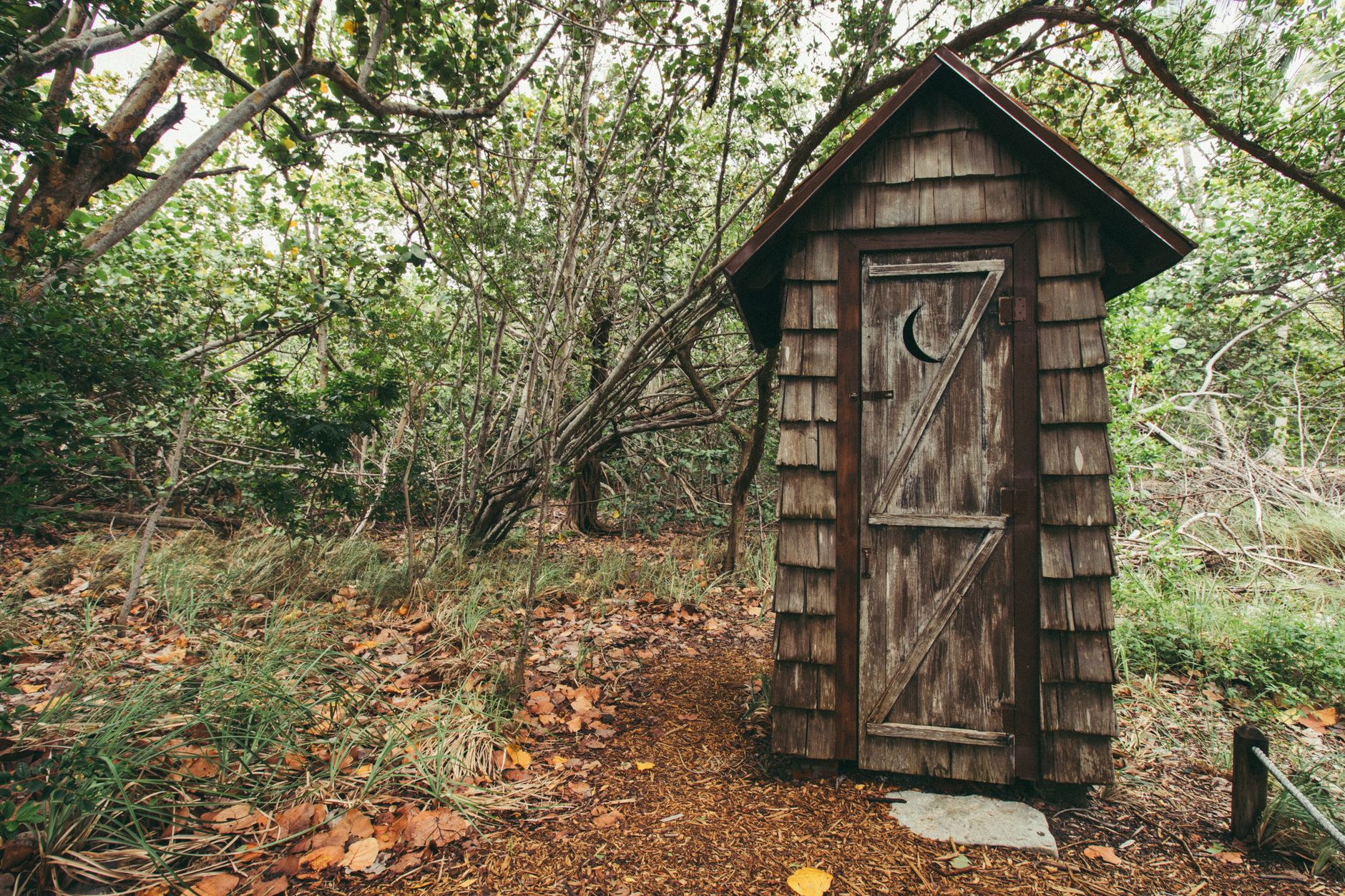
Best Composting Toilets for Off-Grid Florida Homesteads (What Actually Works Down Here)
This post contains affiliate links. I may earn a small commission at no extra cost to you.
If you’ve been dreaming about going more off-grid — or you’re already deep in the rabbit hole of backyard chickens, rain barrels, and sourdough starters — composting toilets have probably crossed your mind at least once. Maybe more than once while you were standing in the chicken yard at dusk, watching your flock put themselves to bed, thinking about how differently you want your family to live.
That was me a couple years ago. And honestly, the composting toilet conversation is one of the most practical — and weirdly taboo — topics in the homesteading world. Nobody wants to bring it up at the co-op meeting, but everyone’s quietly Googling it at 10pm.
So let’s just talk about it like adults who also happen to be trying to raise kids with dirt under their fingernails and a genuine respect for where things come from and where they go.
Why a Composting Toilet Makes Sense on a Florida Homestead
Florida has some unique challenges for off-grid living. Our water table is high, our soil is sandy, and traditional septic systems can be expensive to install and maintain — especially if you’re on raw land or in a rural county without sewer hookup. A composting toilet sidesteps a lot of that infrastructure.
Beyond the practical side, there’s something deeply aligned about closing the loop on waste when you’re already composting kitchen scraps, keeping a kitchen compost bin on the counter, and talking to your kids about how nature wastes nothing. It fits the whole philosophy, you know?
We’ve also found that these conversations fold beautifully into our nature study time. The same kids who are sketching birds in their nature journal and learning about decomposers and soil food webs — those kids get genuinely excited about how a composting toilet works. It’s real science happening in real life.
What Makes Florida Different (And Why It Matters for Your Choice)
Before I get into specific units, I want to flag a few Florida-specific things that matter a lot here:
Humidity is your biggest enemy. Unlike dry Western states where composting toilets are practically foolproof, our Gulf Coast humidity (especially here in the Pensacola area) means you need a unit with excellent ventilation and ideally a heating element to keep things drying properly. Without that, you’ll have odor and composition problems fast.
Florida has regulations. This is important — Florida does regulate composting toilets, and they’re not universally approved as a sole sanitation system in all counties. You’ll want to check with your specific county’s health department before installation. Many families use composting toilets as a secondary or supplemental system alongside a small conventional setup, which is often the path of least resistance legally.
Heat actually helps — in the right unit. Florida summers are brutal, but if your composting toilet is indoors or in a climate-controlled space, you can actually use the ambient warmth to your advantage. The composting process thrives with heat.
If you’re also navigating the bigger picture of homestead life here in Florida, my post on how to start a homestead garden in Florida for beginners covers a lot of the mindset and practical groundwork that applies across your whole setup.
The Best Composting Toilet Options for Florida Families
Nature’s Head Self-Contained Composting Toilet
This is the one you’ll see recommended most in the van life and tiny house communities, and for good reason — it’s genuinely well-built. The Nature’s Head uses a urine-diverting system, which is the key to making composting toilets work without odor. Liquids and solids are separated at the source, which dramatically speeds up the composting process and eliminates the smell issue most people worry about.
For Florida families, the urine-diverting design is especially important given our humidity. The solid compartment can be mixed with coconut coir (which is a sustainable, easy-to-source amendment) and empties every 4-6 weeks for a family of four. The liquid side needs to be emptied more frequently — every few days — but it can be diluted and used as a nitrogen-rich fertilizer on non-edible plants.
This is probably our top pick for a family homestead situation.
Separett Villa 9215
This is a more premium option with a sleek Scandinavian design — it actually looks like a regular toilet, which matters if you have guests or older kids who might balk at something that looks too “off-grid.” The Separett also uses urine diversion and has a built-in fan that runs on a small amount of electricity (it can be wired to solar easily).
For Florida, the constant airflow from that fan is a real asset. It keeps moisture moving and odor essentially nonexistent when the unit is maintained properly. The composting chamber uses biodegradable bags, which some families find easier for handling.
Sun-Mar Excel Non-Electric
If you’re truly off-grid without reliable solar power, the Sun-Mar Excel is worth a look. It uses a drum-style composting system and relies on natural ventilation rather than an electric fan. The tradeoff is that in high-humidity environments like ours, you’ll need to be more diligent about monitoring and may need to add a supplemental small fan.
This works best in an outbuilding or cabin situation where airflow is good and you’re not dealing with Florida’s typical enclosed humid air.
What to Look For No Matter Which Brand You Choose
Urine diversion — Non-negotiable in Florida. Get a unit that separates liquids and solids.
Ventilation fan — In our climate, passive ventilation alone usually isn’t enough. A small 12V fan that can run on solar is ideal.
Capacity for your family size — Most manufacturers list capacity by number of people and whether it’s full-time or part-time use. Be honest about your usage.
Ease of emptying — Because you will have to empty it, and it’s better to think about that now than in the middle of a Florida August.
Pairing Your Composting Toilet With the Bigger Homestead Picture
A composting toilet fits naturally into a whole-systems approach to homesteading. If you’re already thinking about closing nutrient loops — composting food scraps, feeding scraps to your chickens, using diatomaceous earth in the coop for pest control without chemicals, collecting rainwater with a rain barrel — then a composting toilet is just the next logical step.
We also love bringing our kids into these conversations. Our kids know where their food comes from because they collect eggs every morning. They know what decomposition looks like because we have a worm composting bin that they help manage. Teaching them that human waste is also part of a natural cycle — when done age-appropriately — is just good science. Charlotte Mason herself was big on nature as the great teacher, and honestly, there’s nothing more “nature as teacher” than a kid who understands soil food webs from the ground up.
If you’re working on detoxing your whole home and property setup, my post on how to detox your home from toxins room by room covers a lot of the indoor piece of that puzzle.
And if you’re raising backyard chickens alongside all of this — which, same — you’ll want to read up on best chicken coop predator-proof latches while you’re building out your setup. The homestead life is all connected.
A Few Practical Tips Before You Buy
- Call your county health department first. Seriously. Know your local regs before you spend a dime.
- Plan your ventilation stack carefully. Most units need a vent pipe that exits through the roof or an exterior wall — factor this into your installation plan.
- Stock up on bulking agent. Coconut coir, peat moss, or wood shavings are your best friends. Keep a supply on hand.
- Read the manual all the way through before first use. I know, I know. But with composting toilets, startup really matters for long-term success.
The Bottom Line
Going off-grid with your sanitation isn’t for every family, and it comes with real considerations here in Florida. But if you’re the kind of family that’s already trading chemical cleaners for Grove Collaborative products and choosing non-toxic everything — this is just the next extension of that same intentional living. Less dependence on broken systems, more responsibility for your own footprint, and honestly, a really cool thing to teach your kids about how the natural world works.
We don’t have to do everything perfectly or all at once. But asking the question — really sitting with it and researching — is always the right first step. And if you’re already out there in the Florida heat, tending your garden, gathering eggs, and trying to raise kids who understand where things come from, you’re already most of the way there.
📖 You Might Also Like:
- Natural Remedies for Kids’ Cough and Cold This Florida Winter (What We Actually Use)
- Charlotte Mason Nature Journal Ideas for Kids (What We Actually Do Year-Round in Florida)
- How to Detox Your Home from Toxins Room by Room (A Real Family’s Guide to Getting Started)
Frequently Asked Questions
Are composting toilets legal in Florida?
Florida does regulate composting toilets, and rules vary by county. They are generally not approved as a standalone primary sanitation system in most Florida counties, but many families use them as a secondary or supplemental toilet. Always check with your county health department before purchasing and installing any composting toilet system.
Do composting toilets smell in Florida’s heat and humidity?
They can if you don’t have the right setup. The key in Florida’s climate is choosing a urine-diverting model and making sure you have a powered ventilation fan — passive ventilation alone often isn’t enough in our humid Gulf Coast air. With proper setup and maintenance, a quality composting toilet should have virtually no odor.
How often do you have to empty a composting toilet?
It depends on the model and your household size. For a family of four using the toilet full-time, the solid composting chamber typically needs emptying every 4-6 weeks. The liquid (urine) diverter needs to be emptied much more frequently — often every few days. The liquid can be diluted with water and used as fertilizer on non-edible plants.
What is the best composting toilet for a full-time family home in Florida?
For full-time family use in Florida’s climate, urine-diverting models like the Nature’s Head or Separett Villa are top picks. Both have excellent ventilation systems and are designed for frequent use. The urine-diverting design is especially important in Florida because separating liquids from solids is what eliminates odor and speeds up proper composting in humid conditions.
Can you use a composting toilet output in your garden?
The liquid output (diluted urine) can generally be used as a nitrogen-rich fertilizer on ornamental plants or around fruit trees — most people avoid using it directly on edible crops. The solid compost, once fully processed (which takes longer than the unit itself provides), can eventually be used in non-edible garden areas. Always research your specific situation and local guidelines before applying any humanure to garden soil.
Leave a Reply