Florida Hurricane Preparedness for Families With Kids: What We Actually Do Before the Storm
This post contains affiliate links. I may earn a small commission at no extra cost to you.
If you’ve lived in Northwest Florida for any length of time, you know that hurricane season isn’t really a question of if — it’s when. We’ve had our share of close calls right here in the Pensacola area, and I’ll be honest: the first time a major storm was tracking toward us with little ones at home, I felt that particular brand of mama-panic that no amount of Pinterest lists could fully fix.
But here’s what I’ve learned after several seasons of doing this: preparation is the antidote to panic. And when you pull your kids into the process instead of shielding them from it, something really cool happens. They stop being scared and start feeling capable. That right there? That’s one of the best things we can give our kids — the confidence that they can handle hard things.
So let’s talk about what hurricane preparedness actually looks like for a homeschool family with backyard chickens, a dog, young kids, and a commitment to doing things as naturally and intentionally as possible.
Start With Calm, Not Fear
I know it’s tempting to keep the storm talk away from little ears, but honestly, kids sense anxiety whether we voice it or not. We’ve found that a matter-of-fact, age-appropriate conversation goes a long way. We treat it almost like a nature study unit — because really, it is one.
We talk about how hurricanes form (warm Gulf water + rising air = big spinning storm), why Florida gets them, and what the different categories mean. My kids have ended up genuinely curious about meteorology because of it. If your kids are the same way, Homeschool Spring Florida Nature Study Ideas Your Kids Will Actually Want to Do has some great atmospheric science rabbit trails you can follow year-round.
The message we give our kids is simple: storms are powerful, we respect them, and our family is prepared. That’s it.
Build Your Family Emergency Kit Together
This is where you can really get kids involved, and it doubles as a fantastic real-life learning experience. Have them help you gather and check supplies. Give them ownership over a piece of it.
The Basics You Need (Non-Negotiables)
- Water — one gallon per person per day for at least three days (we do a week)
- Food — shelf-stable, things your family actually eats
- Flashlights and batteries (or a hand-crank lantern — my kids love being in charge of this)
- First aid kit
- Copies of important documents in a waterproof bag
- Cash — ATMs go down when power does
- Medications, pet supplies, and any special needs items
- Stainless steel water bottles for each family member — durable, non-toxic, and genuinely useful
What We Add as a Non-Toxic Family
We’re intentional about what comes into our home normally, and emergency prep is no exception. We keep non-toxic sunscreen stocked in our kit since we’ll likely be outdoors doing cleanup. We also keep Wondercide on hand — not just for everyday pest control, but because standing water after a storm brings mosquitoes like nothing else.
And if you haven’t already, Grove Collaborative is great for stocking up on non-toxic household essentials before a storm — I often do a big order at the start of hurricane season each June.
Make It a Kid Job
We give each child a specific hurricane prep responsibility. My older kids help rotate food and water supplies every few months (great math practice — check dates, calculate quantities). My younger ones are in charge of making sure the flashlights work and that their own backpack has what they need.
We also let them pack a small comfort bag: a favorite book, a nature journal (ours love this one), colored pencils, and a small toy. No screens required. When the power is out and the wind is howling, having something familiar and hands-on to do is genuinely calming.
This connects to something we talk about more in 1990s Childhood Activities We’re Bringing Back (And Why Our Kids Are Thriving Because of It) — kids who know how to entertain themselves without electricity are better prepared for, well, literally everything.
Don’t Forget the Animals
Oh, this section. If you have backyard chickens, you know that storm prep includes them too — and it’s not always simple.
For the Chickens
- Make sure your coop is as secure as possible. Check latches, reinforce weak spots, and trim any branches that could fall on or near it.
- Stock extra feed ahead of time — stores sell out fast before a storm.
- If you have an automatic coop door, make sure it has a battery backup or know how to operate it manually.
- Keep diatomaceous earth on hand — wet conditions after a storm can increase mite and pest pressure, and DE is our go-to natural solution.
- Consider having a backup chicken waterer that doesn’t rely on electricity.
For more on keeping a backyard flock healthy through Florida’s wild weather, Storey’s Guide to Raising Chickens has a great section on environmental stressors and flock management — it’s been one of my most-referenced books.
For the Dog
Keep a bag ready with food, a collapsible bowl, vaccination records, a leash, and any medications. Our mini labradoodle is part of the family and part of the plan.
Have a Clear Family Plan
Sit down together — before storm season, not during it — and go over your plan as a family. Kids do so much better when they know what to expect.
Cover these basics:
- Where will we shelter in the house? (Interior room, away from windows — we use our hallway)
- What’s our evacuation route if we need to leave? Know two ways out of your neighborhood.
- Who is our out-of-state contact? Teach your kids a phone number to memorize. Yes, an actual phone number. This is the 1990s way and it still works.
- What does each person do when we hear a warning?
Practice it. Make it low-key and matter-of-fact, like a fire drill. The more familiar it is, the less scary it becomes.
The Homeschool Angle: Make It a Real Unit Study
If you want to lean into this educationally, a hurricane preparedness unit is genuinely rich content. We’ve covered:
- Science: How hurricanes form, the Saffir-Simpson scale, reading weather maps
- Geography: Tracking storms on a Florida map, understanding storm surge vs. wind damage
- Math: Calculating water needs, food quantities, and supply rotation dates
- Life skills: First aid basics, how to shut off utilities, reading a compass
- Nature journaling: Kids sketch cloud formations and observe barometric pressure changes with a simple home barometer
For a full look at how we build out real-life unit studies like this, check out How to Create Your Own Unit Studies for Homeschool (A Real Mama’s Step-by-Step Guide).
After the Storm: Involve the Kids in Recovery Too
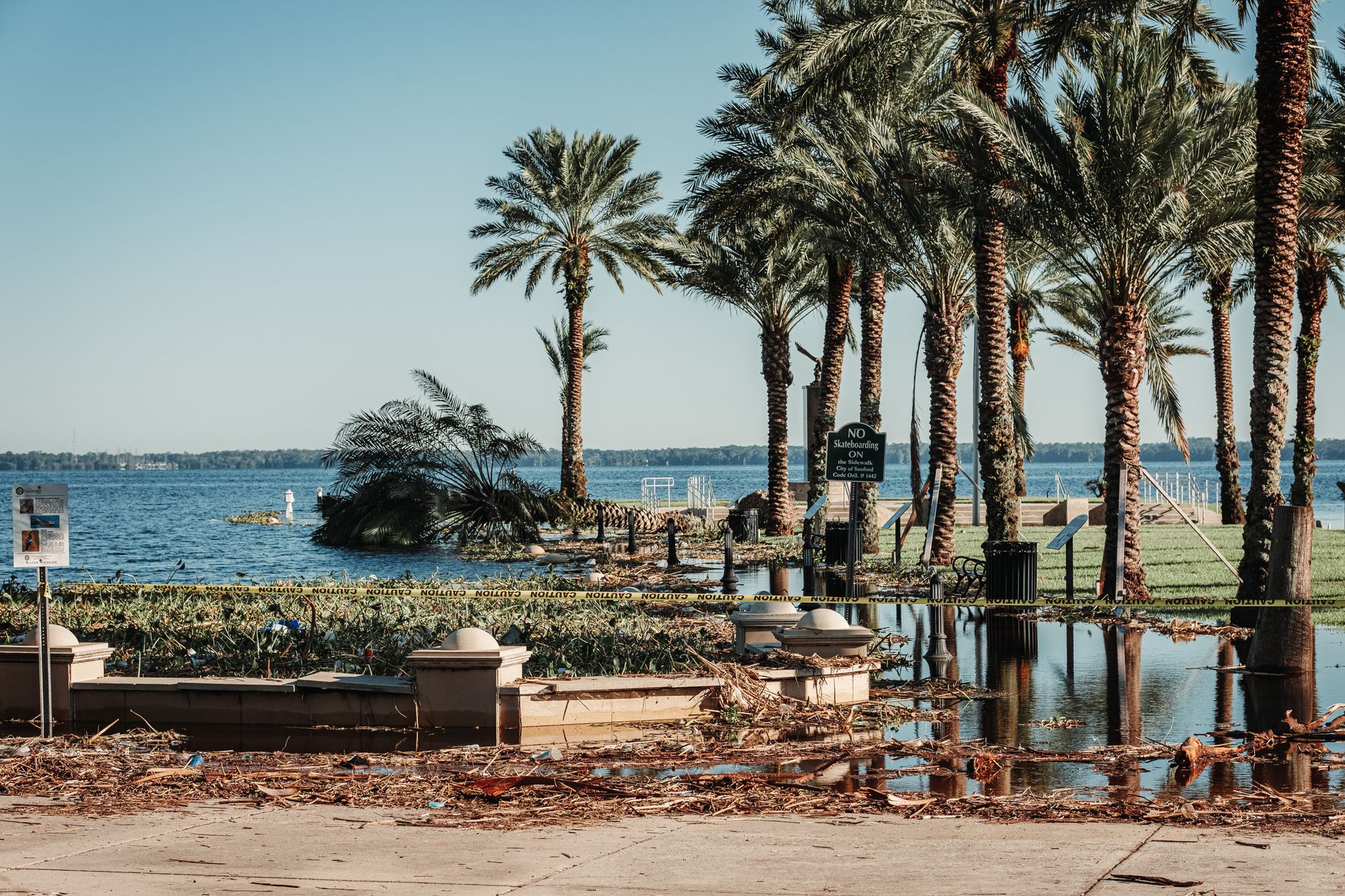
Once it’s safe to go outside, bring the kids with you. Let them help assess the yard, check on the chickens, and document what they see. My kids have sketched downed branches, found displaced wildlife (always fascinating), and helped bag debris — all in a morning.
This is where a bug catcher kit and a pocket microscope come in handy — standing water and overturned logs after a storm reveal an entirely different world of creatures to investigate.
Post-storm cleanup is a little grimy. We keep kids’ rain boots by the door year-round in Florida, and hurricane season is exactly why.
You’ve Got This, Mama
Living in Florida means accepting that hurricanes are part of the rhythm of life here — like humidity and sandhill cranes wandering through your yard. But prepared families are calm families, and calm families raise kids who trust that hard things can be faced and survived.
You don’t have to have a perfect kit or a laminated binder (though hey, no judgment if you do). You just have to start. Go through your supplies this week. Talk to your kids tonight. Update your plan before June 1st.
We’re all in this together down here on the Gulf Coast. Stay safe, stay grounded, and keep raising those wild-rooted kids.
📖 You Might Also Like:
- How to Start a Butterfly Garden in Florida With Kids (And Why It’s the Best Nature Study You’ll Ever Do)
- Educational Florida Beach Activities for Kids (That Don’t Feel Like School)
- Starting a Vegetable Garden With Kids: A Beginner’s Guide for Families Who Want to Actually Enjoy It
Frequently Asked Questions
When should I start preparing my family for hurricane season in Florida?
Hurricane season officially runs June 1 through November 30, so aim to have your kit stocked and your family plan reviewed by late May each year. Don’t wait until a storm is named — stores sell out of water, batteries, and supplies quickly once a storm is tracking toward your area.
How do I talk to young kids about hurricanes without scaring them?
Keep it matter-of-fact and age-appropriate. Explain what hurricanes are in simple terms (big spinning storms that form over warm ocean water), focus on what your family does to stay safe, and involve them in prep tasks so they feel capable rather than helpless. Kids handle uncertainty much better when they have a role to play.
What should I do with my backyard chickens before a hurricane?
Secure the coop as much as possible — check latches, reinforce walls, and remove or anchor anything that could blow into it. Stock extra feed and water ahead of time. If you have an automatic coop door, ensure it has battery backup. After the storm, watch for increased pest pressure from standing water and have diatomaceous earth on hand.
What non-toxic items should I include in a family hurricane kit?
Stock non-toxic sunscreen for post-storm outdoor work, a natural bug repellent like Wondercide for the surge in mosquitoes after a storm, stainless steel water bottles for each family member, and non-toxic cleaning supplies for water damage or mold prevention. Being intentional about what’s in your kit is absolutely possible even in an emergency scenario.
How can I turn hurricane preparedness into a homeschool lesson?
There’s so much rich content here! Cover the science of how hurricanes form and the Saffir-Simpson wind scale, practice geography by tracking storms on a Florida map, use math to calculate water and food needs for your family, and work on life skills like basic first aid. It’s a genuine real-world unit study that kids actually care about because it directly affects their lives.
Leave a Reply