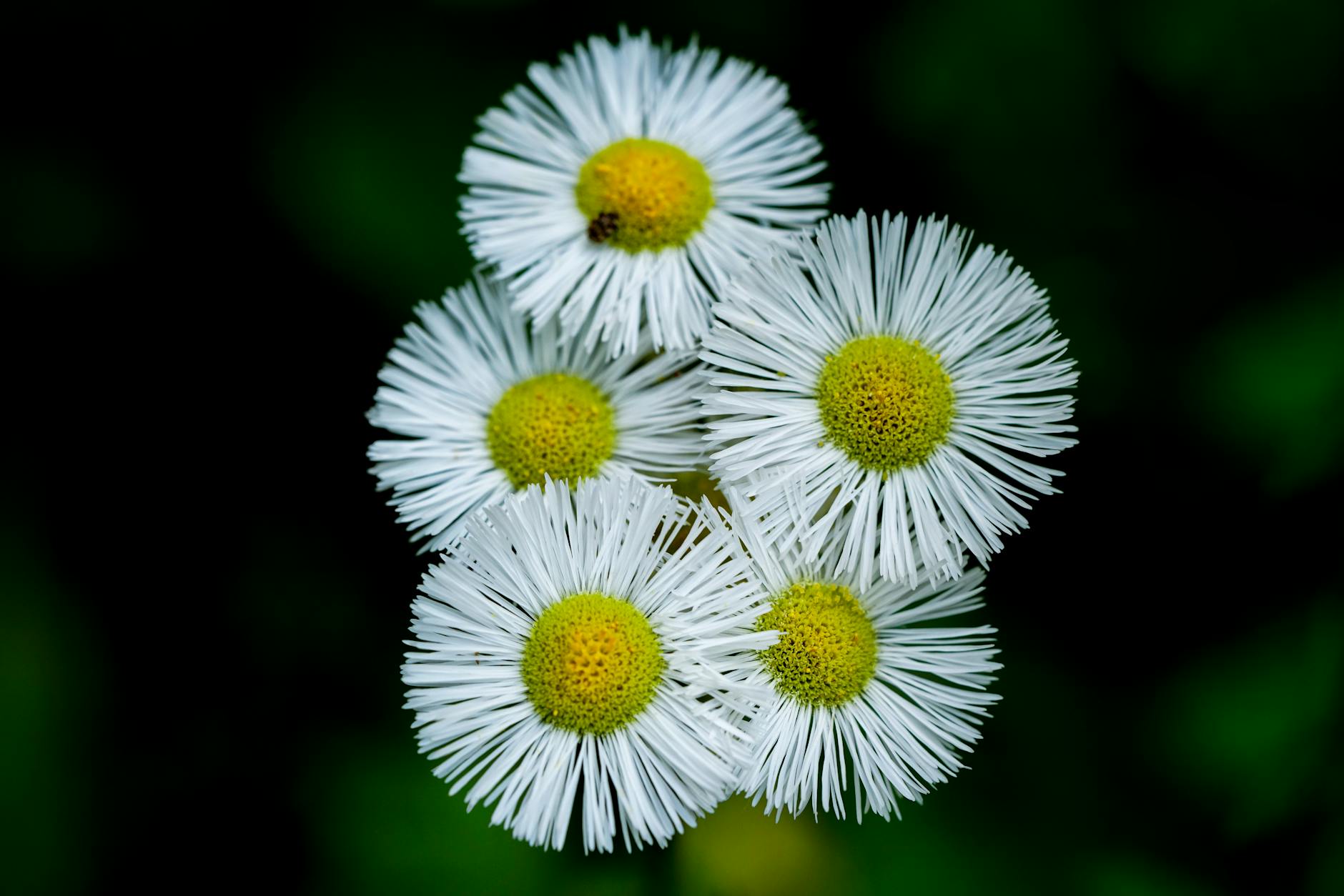
Florida Wildflowers Kids Identification Guide (What We’ve Found Blooming in Our Own Backyard)
This post contains affiliate links. I may earn a small commission at no extra cost to you.
Somewhere between letting the chickens out and pouring my first cup of coffee, one of my kids called out from the backyard: “Mama, what’s this purple flower?”
And honestly? I had no idea.
That moment sent us down a rabbit hole — in the best possible way. We started noticing wildflowers everywhere. On the edges of our yard, along the road when we’d go on our morning walks, in the field behind our neighborhood. Florida is full of wildflowers, and most of us just walk right past them without a second glance.
If you’ve got kids who love being outside (or kids you’re trying to get outside), wildflower identification is one of those nature study activities that sounds fancy but is really just… looking. Paying attention. And that? That’s something we can all do.
Here’s what we’ve found, what we use to learn, and how we’ve woven it into our homeschool days.
Why Wildflower Identification Is Such a Good Fit for Kids
Charlotte Mason was big on “living education” — the idea that children learn best when they’re interacting with real, beautiful, living things rather than just reading about them in a textbook. Wildflowers are a perfect example of that. You can’t fake the experience of crouching down next to a patch of blue-eyed grass and really looking at it.
This is also the kind of thing kids in the 1990s just did naturally — wandered around, noticed stuff, picked things up, asked questions. We’re just giving it a little more intention now.
A good nature journal is the starting point for us. My kids sketch what they find, write the name (or a guess), and sometimes press a small clipping inside. Add a set of Faber-Castell watercolors and you’ve got a full-on nature study session that covers science, art, and writing — all outside, all real.
Florida Wildflowers You’re Likely to Spot (By Season)
One thing I love about Florida is that wildflowers aren’t just a spring thing here. We get blooms almost year-round if you know what to look for. Here’s a breakdown of what we’ve actually found in and around the Pensacola area.
Spring (March–May)
Wild Blue Phlox — This one shows up in wooded areas and roadsides in early spring. Pale lavender-blue clusters on thin stems. My youngest thinks it looks like a fairy flower, and honestly, same.
Lanceleaf Coreopsis — Florida’s state wildflower, and for good reason. Cheerful yellow petals with a darker center. It pops up in open fields and roadsides and is almost impossible to miss.
Spiderwort — Three purple petals, early morning bloomer. By afternoon it often closes up, which makes it a great one for talking about how different flowers behave at different times of day.
Carolina Wild Petunia — Lavender blooms that look like petunias but are entirely wild. Grows along roadsides and woodland edges. Native bees love it.
Summer (June–August)
Okay, yes — summer in Florida is brutal. But wildflowers don’t care. They’re out there. We just find them on early morning walks before the heat hits.
Partridge Pea — Bright yellow flowers with distinctive reddish stamens. The compound leaves fold up when touched, which is endlessly entertaining for kids. Butterflies and bees absolutely flock to this one. If you’re working on a butterfly garden, this plant belongs in it.
Daylily (Native/Naturalized) — Tawny orange blooms on tall stalks. Each flower only lasts a single day, which is a great lesson all by itself.
Elderflower — Technically a shrub, but those flat-topped clusters of tiny white flowers are gorgeous and easy to spot. Berries come later in the season. (We always remind the kids: look, don’t eat unless an adult confirms it’s safe.)
Buttonbush — Round white flower clusters that look like little pincushions. Grows near water, and if you live near a pond or wetland area, you’ve probably seen it.
Fall (September–November)
Goldenrod — Those tall golden plumes that show up everywhere in fall? That’s goldenrod. It gets blamed for allergies a lot, but it’s actually wind-pollinated ragweed that’s the culprit. Goldenrod is an incredible pollinator plant.
Blazing Star (Liatris) — Purple spikes that bloom from the top down. Monarch butterflies love this one during their fall migration, which makes it extra exciting if you’re doing any butterfly watching.
Saltmarsh Fleabane — Pink fluffy flowers that show up in moist areas. Common near coastal areas, so if you’re heading to any of our local spots near Pensacola Bay or the Gulf, keep an eye out.
Winter (December–February)
This is actually our favorite time to get outside here in Northwest Florida — the weather finally cooperates! And yes, there are still flowers.
Henbit — Small pink-purple flowers on low-growing stems. Technically a weed by most people’s standards, but it’s charming and one of the first bloomers after cold snaps.
Florida betony — White tubular flowers and square stems. The kids always notice the square stems because it feels like a trick of nature.
For more on what we do outside during our cooler months, check out our favorite outdoor activities for kids in Florida’s winter months.
How We Actually Do Wildflower Study (Without Making It Feel Like School)
The key is keeping it loose. We don’t sit down and quiz the kids on flower names. We just… go outside and notice things together.
Here’s what a typical wildflower walk looks like for us:
- We head out in the morning, sometimes with the dog, sometimes while the chickens free-range in the yard.
- Someone spots something — a new bloom, a weird seedpod, a bug on a flower. We stop and look.
- We use a field guide or a simple plant ID app (iNaturalist is our favorite — totally free) to figure out what it is.
- Back inside, my older kids sketch it in their nature journals and write a few notes.
That’s it. Fifteen to thirty minutes, mostly outside, totally engaging.
For the sketching and painting, those Faber-Castell watercolors we mentioned are our go-to — they’re quality enough to actually mix colors well, and they hold up to kid use without being expensive to replace.
We’ve also been slowly working our way through the Sibley Birds guide for bird ID on those same walks — and honestly, wildflowers and bird watching go hand-in-hand beautifully. You start noticing which birds visit which flowers, which flowers attract which butterflies, and suddenly you’ve got a whole ecosystem study happening in your front yard.
For a full list of what we’ve found, check out our Florida backyard wildlife identification guide — it goes way beyond flowers.
A Note on Toxicity (Because Kids Touch Everything)
This is a real thing. Before we started our wildflower study, I made it a point to look up any potential toxicity concerns for common plants in our area. Some beautiful wildflowers — like nightshade and certain buttercup varieties — can cause skin irritation or worse if ingested.
Our family rule: look, smell (carefully), sketch, photograph. We don’t eat anything without verification from a trusted field guide or adult who actually knows plants.
Make it a fun rule, not a scary one. “We’re scientists — scientists observe first” has worked pretty well around here.
What You Actually Need to Get Started
You don’t need much. Truly.
- A nature journal and pencil
- Watercolor paints for illustrating findings
- A plant ID app like iNaturalist (free)
- A pocket microscope for looking at pollen and tiny flower structures up close — this one alone will blow your kids’ minds
- A good pair of kids’ rain boots if you’re exploring wet areas or meadows after summer storms
That’s honestly it. Florida is your classroom. You just have to walk out the back door.
And if wildflower walks lead to bigger curiosity about gardening, we’ve got you covered there too — our guide on starting a vegetable garden with kids is a great next step.
Start Where You Are
You don’t have to know all the names before you start. We sure didn’t. We started with that one purple flower in the backyard, wrote “purple flower — looks like phlox?” in the nature journal, and went from there.
Now my kids will stop mid-sentence on a walk to point something out. They argue (lovingly) about whether something is goldenrod or dog fennel. They notice the bees. They care about what’s growing. That’s the whole point, really — not building a perfect botanical database, but growing kids who pay attention to the world around them.
And in a world that really wants our kids staring at screens, a child crouching in the grass to sketch a wildflower feels like a quiet little act of resistance. The best kind.
📖 You Might Also Like:
- How to Start a Butterfly Garden in Florida With Kids (And Why It’s the Best Nature Study You’ll Ever Do)
- Florida Backyard Wildlife Identification Guide for Families (What We’ve Actually Found in Our Yard)
- Easy Outdoor Science Experiments for Kids in the Backyard (No Lab Required)
Frequently Asked Questions
What wildflowers are common in Florida backyards?
Florida backyards and roadsides are home to many beautiful wildflowers, including Lanceleaf Coreopsis (the state wildflower), Spiderwort, Wild Blue Phlox, Partridge Pea, Goldenrod, and Blazing Star. The specific flowers you’ll see depend on your region — North and Northwest Florida tend to have more variety thanks to the temperate climate, especially in spring and fall.
How do I teach kids to identify wildflowers without a botany background?
You don’t need a botany degree — just curiosity and a few simple tools. Start with a free plant ID app like iNaturalist, which lets kids photograph a flower and get an instant identification. Pair that with a nature journal where they sketch and write what they find. Field guides written for beginners also help, and the learning happens naturally over time just by getting outside regularly and paying attention.
Are any Florida wildflowers dangerous or toxic to kids?
Yes, some Florida wildflowers and look-alikes can be toxic or cause skin irritation — including species in the nightshade family, certain buttercups, and water hemlock near wetlands. A good rule of thumb for kids: observe, sketch, and photograph, but never taste or eat anything without adult verification from a trusted field guide. Teaching this as a ‘scientist rule’ rather than a fear-based restriction works well with younger children.
What season has the most wildflowers in Florida?
Spring (March through May) is the most spectacular season for wildflowers in Florida, especially in North and Northwest Florida where the climate is more temperate. However, Florida has blooms in every season — fall brings goldenrod and liatris, summer has partridge pea and elderflower, and even winter has small bloomers like henbit. One of the perks of homeschooling in Florida is that nature study can happen outdoors almost year-round.
How do I use wildflower identification as part of a Charlotte Mason nature study?
Charlotte Mason’s approach to nature study is all about direct observation and narration — and wildflowers are a perfect subject. Take kids outside with a nature journal, let them choose a flower to sketch, and encourage them to write or narrate what they notice (color, shape, smell, what insects visited it). Over time these journals become a beautiful record of what they’ve learned. Add watercolor illustrations, pressed flower specimens, and seasonal observation notes to deepen the study naturally.
Leave a Reply