Starting a Vegetable Garden With Kids: A Beginner’s Guide for Families Who Want to Actually Enjoy It
This post contains affiliate links. I may earn a small commission at no extra cost to you.
Somewhere between the chicken coop and the back fence, we found a little patch of dirt that changed everything. It wasn’t pretty at first — just a raised bed my husband threw together from some scrap lumber and a bag of garden soil from the hardware store. But the morning my oldest pulled her first cherry tomato off the vine and popped it straight into her mouth, eyes wide, I knew we were onto something good.
That’s really what starting a vegetable garden with kids is about. Not the harvest. Not the Pinterest-worthy garden beds. It’s that moment when a child realizes food comes from the ground — that they can grow it, that they helped, and that it tastes better than anything from a plastic bag at the grocery store.
If you’ve been wanting to try gardening with your kids but feel overwhelmed before you even start, I’m here to tell you: start small, start messy, and just start.
Why Gardening Is One of the Best Things You Can Do With Your Kids Right Now
I grew up in the ’90s with a grandma who had a garden every single summer. We dug in the dirt, we ate tomatoes off the vine, we got muddy and sunburned and didn’t care. That kind of hands-in-the-earth childhood shaped how I see the world, and I want that for my kids too.
Beyond the nostalgia, though? Gardening hits almost every subject in our Charlotte Mason homeschool without even trying. Science (plant life cycles, soil composition, insects), math (measuring rows, counting seeds, tracking growth), language arts (nature journaling, research), and even character — patience, responsibility, and the satisfaction of doing hard things.
We use our nature journal to sketch seedlings as they sprout, observe which beds get more sun, and record when things first bloom. It’s living science, and it’s free once you’ve got some seeds in the ground.
Starting a Vegetable Garden With Kids: Where to Actually Begin
Step 1: Pick One Small Spot (Seriously, Just One)
Don’t let this be the thing that stops you. You don’t need raised beds with perfect lumber. You don’t need a tiller. You need a sunny spot — at least 6 hours of direct sun per day — and some decent soil.
For beginners with kids, I’d honestly recommend starting with just a 4×4 raised bed or even a few large containers on a patio. The smaller the space, the more manageable it is, and the more your kids can actually take ownership of it.
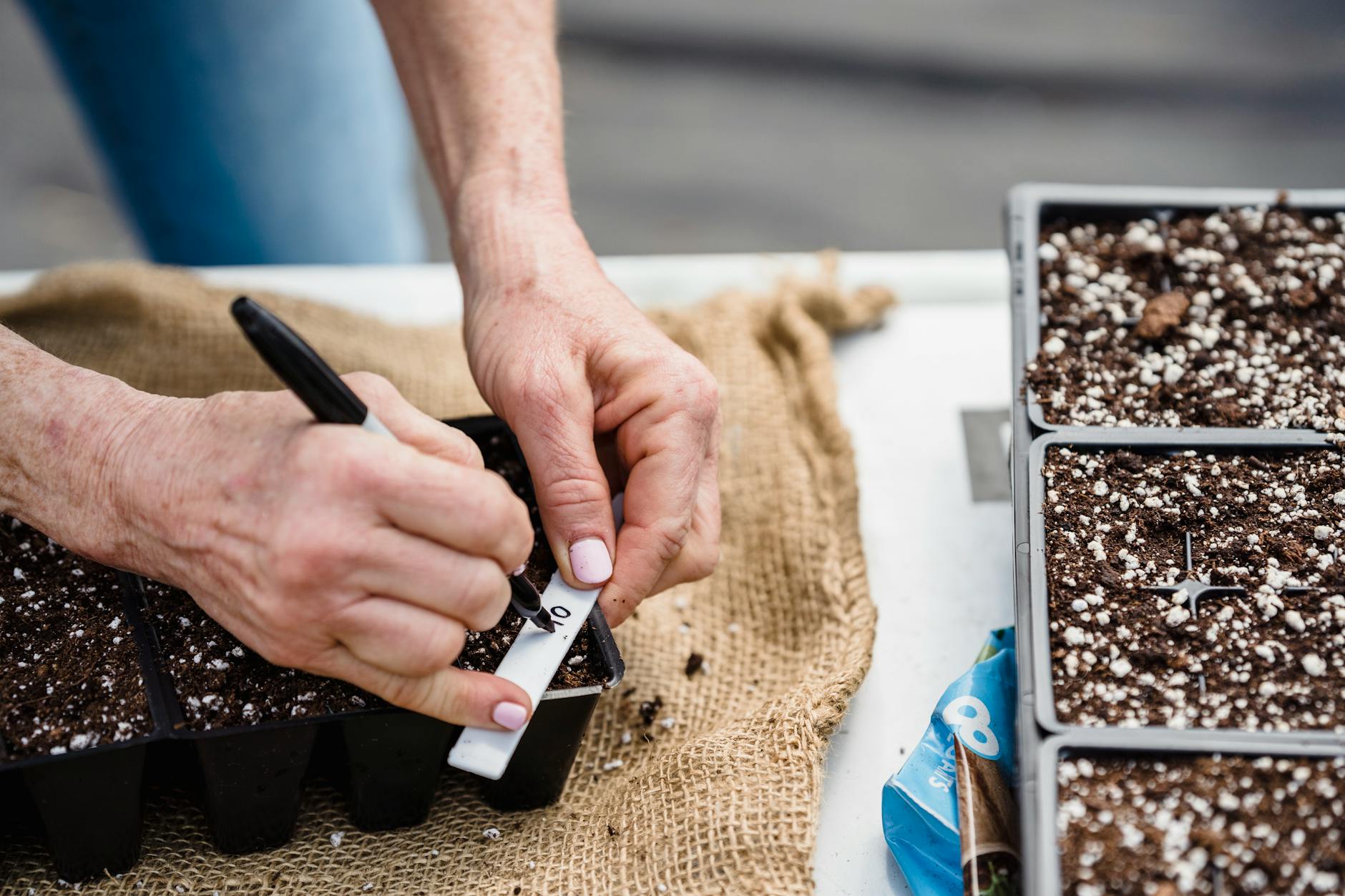
If you want to start seeds indoors before transplanting (which gives you a big head start, especially with Florida’s weird shoulder seasons), a simple seed starting kit makes the whole process so much easier and more successful.
Step 2: Know Your Florida Planting Windows
This is where so many Florida beginners go wrong — they plant on a Northern schedule and wonder why everything dies or bolts. Here in Northwest Florida, we have two main growing seasons:
- Fall/Winter garden: September through February is actually prime time for cool-season crops. Lettuce, kale, broccoli, carrots, snap peas, spinach. This is genuinely some of the best gardening weather we get.
- Spring garden: March through May before the heat and humidity shut everything down. Tomatoes, cucumbers, squash, beans, peppers.
Summer here is brutal, and trying to fight it with a full veggie garden is a recipe for frustration. Stick to a few heat-tolerant herbs like basil and sweet potatoes, and give yourself grace.
Step 3: Choose Kid-Friendly Crops
Not all vegetables are created equal when kids are involved. You want things that:
- Grow fast enough to hold a child’s attention
- Are easy to harvest (little hands need to succeed)
- Taste good eaten right off the plant
Best beginner crops for kids in Florida:
- Cherry tomatoes — they’re practically foolproof and kids love hunting for ripe ones
- Snap peas — sweet, fast, and fun to pick
- Radishes — ready in as little as 25 days, which feels like magic to a 6-year-old
- Sunflowers — technically not a vegetable but the seeds are edible and kids go absolutely wild for giant sunflowers
- Lettuce — cut-and-come-again varieties are satisfying because you get results fast
- Herbs like basil, mint, and chives — low maintenance and great for little ones to smell and taste
Step 4: Get Kids Involved From the Very Beginning
This is the whole point, right? Don’t just let them water occasionally. Let them be actual gardeners.
By age:
- K-1st grade: Digging holes, dropping seeds, watering, pulling weeds (with supervision), harvesting
- 2nd-3rd grade: Reading seed packets, measuring spacing, keeping a garden journal, identifying beneficial insects
- 4th-5th grade: Planning the layout, researching companion planting, tracking data, researching pests
For the research and observation side of things, a pocket microscope is one of those tools that never gets old. Looking at soil, examining a diseased leaf up close, checking out root structures — kids who might not sit still for a worksheet will happily spend 20 minutes with that thing.
Grab a pair of kids’ garden gloves so your littles feel like real gardeners (also helpful for keeping hands away from fire ants, which are very much a Florida gardening reality).
Connecting the Garden to Your Homeschool
If you’re homeschooling, the garden is basically a free curriculum supplement. Here’s how we weave it in without making it feel forced:
- Nature journaling: Sketch plants at different growth stages using Faber-Castell watercolors. Record observations, ask questions, make predictions.
- Bug study: The garden brings bugs, and bugs are fascinating. A bug collection kit takes the observation to another level. Identify what you find — some are helpers, some are pests.
- Life cycles: Watching a seed become a plant that flowers and fruits and drops seeds again is the most concrete life cycle lesson a child can get. No worksheet needed.
- Math: Measure plant height weekly, calculate how many seeds fit in a row, track harvest totals.
This pairs so naturally with our Easy Outdoor Science Experiments for Kids in the Backyard (No Lab Required) — the backyard really is the best classroom.
The Chicken Connection (Because Of Course)
If you have backyard chickens like we do, your garden and your flock can actually work together beautifully — with some important boundaries. Our girls are absolute demolition machines in the garden beds, so free-ranging near anything we’re actually growing requires supervision.
But the relationship is genuinely symbiotic: chickens eat garden scraps and bugs, their manure (composted, not fresh) is incredible fertilizer, and they’ll help you turn beds at the end of a season. We keep a kitchen compost bin on the counter for veggie scraps — what the chickens don’t eat goes to the compost pile, and what comes out of the compost pile feeds the garden. It’s a real loop, and watching kids understand that cycle is worth more than any textbook chapter on ecosystems.
Keeping It Non-Toxic in the Garden
We don’t use synthetic pesticides anywhere near where our kids play or our chickens forage, and that goes double for the food garden. Diatomaceous earth (food grade) is our go-to for pests like slugs and beetles — safe for kids, safe for chickens, and genuinely effective.
For pest and weed pressure, sometimes the best tool is just a child with curious hands and a jar. Send them out to pick hornworms off the tomatoes. Make it a challenge. They’ll do it happily.
This fits right in with how we approach the rest of our home — if you’re newer to reducing toxins and want a starting place, I wrote a whole guide on Switching to a Non-Toxic Home But Don’t Know Where to Start? Read This First.
You Don’t Have to Do It Perfectly
Some things will die. You’ll forget to water during a heat wave. The squirrels will find your strawberries before your kids do. That’s gardening. That’s also life.
What matters is that your children got their hands in the dirt, that they watched something grow, that they ate something they grew themselves, and that they learned that food doesn’t just appear in a store — it takes patience and work and a little bit of faith.
We started with one sad raised bed and a handful of cherry tomato seedlings. Now we’ve got a real little kitchen garden that my kids argue over who gets to water. That’s a win in my book, and I think it’ll be one in yours too.
Start small. Involve them early. Let it be messy. The harvest will come.
📖 You Might Also Like:
- Easy Outdoor Science Experiments for Kids in the Backyard (No Lab Required)
- How to Start a Butterfly Garden in Florida With Kids (And Why It’s the Best Nature Study You’ll Ever Do)
- Screen-Free Summer Activities for Florida Kids (When They Say They’re Bored)
Frequently Asked Questions
What vegetables are easiest to grow with kids for beginners?
Cherry tomatoes, snap peas, radishes, lettuce, and sunflowers are all fantastic starter crops for kids. They grow relatively quickly, are satisfying to harvest, and taste great eaten straight from the garden — which is the best motivator for any child.
When should I start a vegetable garden with kids in Florida?
In Northwest Florida and the Pensacola area, you actually have two great growing windows: fall through winter (September–February) for cool-season crops like lettuce, kale, and carrots, and early spring (March–May) for tomatoes, cucumbers, and beans. Avoid trying to grow most vegetables through the peak of summer heat.
How do I get young kids interested in gardening?
Let them own it from the very beginning — picking what to plant, pressing seeds into soil, and doing the actual watering. Children are far more invested when they’re genuine participants, not just observers. Fast-growing crops like radishes and cherry tomatoes help too because kids can see real results quickly.
How can gardening count as homeschool education?
Gardening naturally covers science (plant life cycles, soil biology, insects), math (measuring, counting, tracking growth), language arts (journaling and research), and character development (patience and responsibility). Paired with a nature journal and some simple observation tools, it’s one of the richest hands-on learning experiences you can give your kids.
How do I garden with kids without using toxic pesticides?
Food-grade diatomaceous earth is great for common garden pests and is safe around kids and chickens. You can also hand-pick many pests like hornworms and aphids — kids actually enjoy the bug-hunting aspect. Companion planting (like basil near tomatoes) can also naturally deter certain pests without any sprays at all.
Leave a Reply