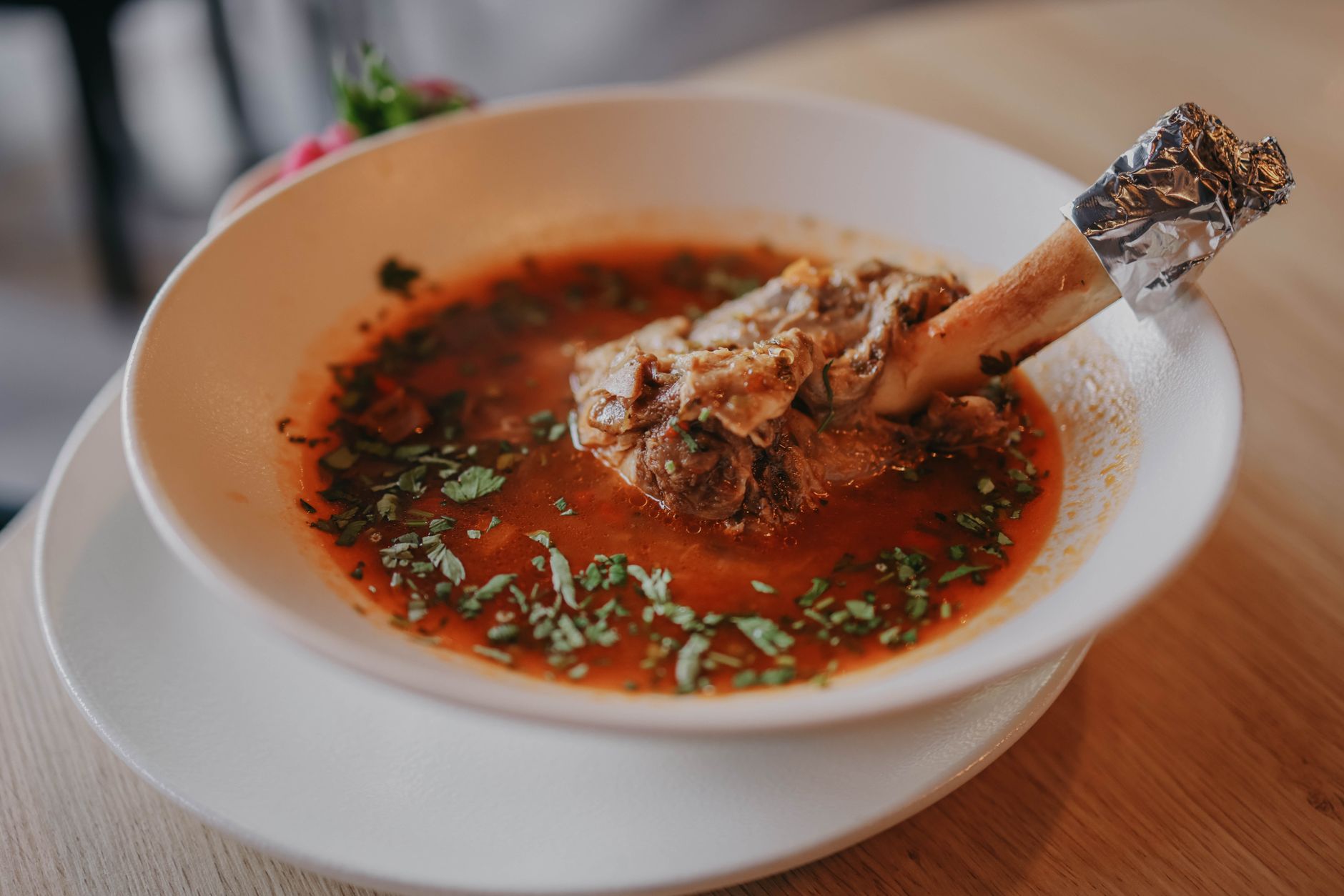
Making Bone Broth at Home: Why We Do It Every Week (Plus an Easy Recipe That Actually Works)
This post contains affiliate links. I may earn a small commission at no extra cost to you.
Somewhere between raising backyard chickens and trying to feed my kids real food without losing my mind, I stumbled onto bone broth — and honestly, I don’t know why it took me so long.
I used to buy those little cartons from the store, feel vaguely virtuous about it, and move on. Then one afternoon I roasted a chicken (one of our own, actually — that’s a whole other post), and I just couldn’t bring myself to throw the carcass away. So I tossed it in the slow cooker with some vegetable scraps, some water, a splash of apple cider vinegar, and let it go overnight.
What came out the next morning smelled like my grandmother’s kitchen. Rich, deep, golden, real. My kids asked what I was cooking before they even made it to the breakfast table.
We’ve been making it on repeat ever since.
What Even Is Bone Broth (and Why Does It Matter)?
Bone broth is exactly what it sounds like — broth made from animal bones that’s been simmered long and slow. The difference between bone broth and regular stock is time. Regular stock simmers for a couple of hours. Bone broth goes anywhere from 12 to 24 hours (sometimes more), which is long enough to pull collagen, gelatin, minerals, and amino acids right out of the bones.
When it cools, a good batch of bone broth will actually gel in the fridge. That jiggle? That’s the gelatin. That’s the good stuff.
Real Benefits of Making Bone Broth at Home
I’m not going to promise you it cures everything — that’s not really my style. But here’s what our family has genuinely noticed, and what the research does support:
Gut support. The gelatin in bone broth helps support the gut lining. If your kids are picky eaters or have any digestive sensitivity, this is worth knowing about.
Joint and connective tissue health. The collagen that breaks down during the long simmer provides building blocks for cartilage and joints. Helpful for growing kids and, honestly, for tired mamas too.
Minerals. Bones contain calcium, magnesium, phosphorus, and potassium. Long simmering (especially with that splash of acid — more on that in a minute) helps draw those minerals into the broth.
Immune support. There’s a reason chicken soup has been a sick-day staple since basically forever. Bone broth provides glycine and other amino acids that support immune function. We go through double the amount in winter.
It’s frugal. If you have backyard chickens like we do, or if you buy a whole chicken and roast it, you’ve already paid for the bones. The broth is basically free. That feels very much in line with how I want to run this household.
Why Homemade Beats Store-Bought Every Time
Store-bought bone broth has come a long way, and I’m not going to shame anyone for grabbing a carton when life is busy. But here’s the honest truth: most commercial broth is simmered for far less time than real bone broth requires, which means it often won’t gel, and the nutrient profile isn’t comparable.
When you make it at home, you control everything — the quality of the bones, whether there are any additives, how long it simmers. And if you’re already living an intentional, non-toxic lifestyle at home, that matters.
For more ideas on getting the most out of your food and reducing waste, check out How to Preserve Your Summer Harvest: Canning, Freezing, and Fermenting for Beginners — so much overlap with this mindset.
What You Need to Make Bone Broth at Home
This is where people overthink it. You genuinely do not need much.
The bones. Chicken carcasses, chicken feet (if you can get them — they’re collagen gold), beef knuckle bones, pork bones. We use mostly chicken at our house since we raise them. Ask your butcher or check the freezer section at a local farm store. You can also freeze your bones over time and make a big batch when you have enough.
Vegetables and aromatics. Onion, celery, carrots, garlic. I keep a bag in the freezer for vegetable scraps — onion skins, carrot tops, celery ends — and toss them in. Zero waste.
Apple cider vinegar. Just a tablespoon or two. The acid helps pull minerals from the bones. Don’t skip it. You won’t taste it in the finished broth.
Water. Enough to cover everything.
Time. This is the main ingredient. Low and slow is the whole secret.
As for equipment — our slow cooker is our best friend here. I literally dump everything in before bed and wake up to broth. If you want to go deeper on that method, I wrote a whole post just about it: How to Make Bone Broth in a Slow Cooker (The Easy Way That Actually Tastes Like Something).
Our Easy Bone Broth Recipe (Slow Cooker or Stovetop)
This is the version we make on repeat. It’s not fussy. It works.
Ingredients:
- 2–3 lbs bones (one chicken carcass, or a mix of bones)
- 2 celery stalks (or scraps)
- 2 carrots (or scraps)
- 1 onion, halved
- 4–5 garlic cloves, smashed
- 1–2 tablespoons apple cider vinegar
- 1 teaspoon whole black peppercorns
- Enough cold water to cover everything (roughly 10–12 cups)
- Optional: fresh parsley, thyme, bay leaf
Instructions:
- If you’re using raw bones, roast them at 400°F for 20–30 minutes first. This is optional but adds a richer, deeper flavor. Leftover roasted bones can go straight in.
- Add everything to your slow cooker or a large stockpot.
- Cover with cold water. Add the apple cider vinegar. Let it sit for 30 minutes before turning on the heat — this gives the acid time to start working on the bones.
- Slow cooker: Set to low for 18–24 hours. Walk away. Live your life.
- Stovetop: Bring to a low boil, then reduce to the lowest simmer possible. Partially cover and cook for 12–24 hours. Check occasionally and add water if needed.
- When it’s done, strain through a fine mesh strainer. Discard the solids.
- Let it cool, then refrigerate. Skim the fat layer off the top once it solidifies (or leave it — up to you).
- A good batch will gel in the fridge. That’s your sign it worked.
To store: Refrigerate for up to 5 days, or freeze in mason jars or ice cube trays for up to 6 months.
How We Actually Use It
We add it to everything. Rice and grains cooked in broth instead of water. Soups and stews. Scrambled eggs. My kids drink it warm in mugs on cold mornings with just a little salt — they think it’s a treat, which is one of those small parenting wins I hold onto.
If you’re raising backyard chickens and want to make sure you’re getting the absolute most from your birds, Storey’s Guide to Raising Chickens is still the most thorough resource I’ve found — it covers everything from flock health to processing, and it belongs on every chicken-keeping family’s shelf.
Making It a Rhythm, Not a Chore
Here’s what I want to say about this: bone broth does not have to be a whole production. It fits beautifully into the kind of seasonal, intentional rhythm I want our home to have. You roast a chicken on Sunday, the carcass goes in the slow cooker Sunday night, and by Monday morning you have broth for the week. It’s one of those things that just becomes part of how you do things.
If you’re thinking about how to build more of these kinds of rhythms into your family’s life, I really loved writing about this in Family Rhythm vs Routine: What Actually Works (and Why the Difference Matters More Than You Think). Same idea: not perfection, just patterns that support real life.
And if you want to get your kids involved in the kitchen side of things — because we absolutely pull ours in for this — How to Teach Kids to Cook Basic Skills by Age (Without Losing Your Mind or Your Kitchen) is a good place to start.
For storage, we love using a good cast iron skillet for roasting the bones beforehand and beeswax wrap for covering our mason jars in the fridge — small things, but they fit the way we try to run our kitchen.
I really do believe the old ways are often the best ways — and bone broth is one of the oldest, most time-tested things you can make in your kitchen. It’s frugal, it’s nourishing, it’s not complicated, and it makes your house smell amazing. Those are basically all my criteria for a keeper.
If you try this recipe, I’d love to hear how it goes. Drop a comment below, or come find me over on Instagram. And if your batch gels up beautifully in the fridge — take a picture. It’s genuinely satisfying every single time.
📖 You Might Also Like:
- Outdoor Play Ideas for Kids That Need Zero Equipment (And Why That’s Actually the Point)
- Best Kids Garden Tools That Actually Work (And Won’t Fall Apart After One Season)
- How to Make Bone Broth in a Slow Cooker (The Easy Way That Actually Tastes Like Something)
Frequently Asked Questions
How long should I simmer bone broth to get the most nutrients?
For chicken bones, 18–24 hours is the sweet spot. For beef or pork bones, you can go up to 24–36 hours. The longer simmer time is what draws collagen, gelatin, and minerals out of the bones — which is why homemade bone broth is so much more nourishing than store-bought stock, which is typically simmered for just a couple of hours.
How do I know if my bone broth turned out right?
The best sign of a successful bone broth is that it gels when refrigerated — it should have a Jell-O-like consistency when cold. That gelatin comes from the collagen in the bones and is a sign of a nutrient-dense broth. If your broth stays liquid, it still has flavor and some nutrients, but try adding more bones or collagen-rich parts like chicken feet next time.
What bones are best for making bone broth at home?
Chicken carcasses, chicken feet, and beef knuckle bones are all excellent choices. Chicken feet in particular are loaded with collagen and will produce a very rich, gelling broth. For the richest flavor, use a mix of bones — some meaty bones for flavor and some collagen-rich joints for gelatin. If you raise backyard chickens, saving your carcasses in the freezer is a great zero-waste habit.
Can I make bone broth without a slow cooker?
Absolutely. A large stockpot on the stovetop works great — just bring it to a gentle boil, then reduce to the lowest possible simmer, partially cover, and let it go for 12–24 hours. An Instant Pot also works and can produce a good broth in about 3–4 hours on high pressure, though some people feel the extended stovetop or slow cooker method produces a richer result.
How long does homemade bone broth last in the fridge?
Homemade bone broth keeps well in the refrigerator for up to 5 days. For longer storage, freeze it in mason jars, silicone molds, or ice cube trays for up to 6 months. Frozen broth cubes are especially handy for adding to rice, sauces, or scrambled eggs without having to thaw a whole jar.
Leave a Reply