Best Living History Books for Elementary Homeschool (That Kids Actually Want to Read)
This post contains affiliate links. I may earn a small commission at no extra cost to you.
If you’ve ever watched a kid’s eyes glaze over during a history lesson, you already know the problem. Dates. Bullet points. Textbook summaries that suck all the life out of something that was actually pretty remarkable. I’ve been there. I handed my oldest a traditional history workbook once and she looked at me like I’d asked her to sort feed corn. Hard pass.
The Charlotte Mason approach fixed all of that for us — not by dumbing history down, but by letting real storytelling do the heavy lifting. Charlotte Mason called them “living books” — books written by authors who genuinely loved their subject and could make you feel like you were there. And once we made the switch? History became one of our favorite subjects. We read aloud under the oak tree in the backyard, our chickens scratching around nearby, our labradoodle sprawled across someone’s feet, and nobody was watching the clock.
If you’re homeschooling in Florida or anywhere else and you’re ready to ditch the textbook, this list is for you.
What Makes a Book a “Living History Book” Anyway?
A living history book is one that reads like a story, not a report. It’s written with personality and passion. It pulls you into the time period instead of just describing it from the outside. Charlotte Mason believed that children learn best through rich narratives, and honestly? She was right. This is basically the 1990s way of learning — fewer worksheets, more stories, more imagination.
A good living history book will:
- Have a real human being (or animal!) at the center of the story
- Use descriptive, vivid language — not dry summaries
- Be written by someone who genuinely cared about the subject
- Leave your kid with feelings about history, not just facts
For pairing with your Charlotte Mason nature study, check out our Charlotte Mason Nature Study Journal Prompts by Season (For Real Kids Who’d Rather Be Outside) — history and nature study honestly work together beautifully in our rhythm.
Our Favorite Living History Books by Time Period
American History
The Little House Series by Laura Ingalls Wilder — This is the gold standard for living books about 19th-century American life. Frontier living, family rhythms, hard work, and real joy. My kids ask for “just one more chapter” every single time. The whole series covers westward expansion in a way no textbook ever could.
The Courage of Sarah Noble by Alice Dalgliesh — A short, powerful story about a young girl who travels with her father into the Connecticut wilderness in the 1700s. Great for K-2. Finishes in just a few read-aloud sessions and always sparks conversation.
Johnny Tremain by Esther Forbes — Older elementary (grades 4–5), but absolutely worth it for the American Revolution. The writing is rich and the characters are compelling. One of those books that sticks with you.
Amos Fortune, Free Man by Elizabeth Yates — A Newbery Medal winner about an African man captured into slavery who eventually earns his freedom. Honest, dignified, and beautifully written. This is not a comfortable book and it shouldn’t be. It’s the kind of story that changes how kids see history.
Ancient History
The Golden Goblet by Eloise Jarvis McGraw — Ancient Egypt through the eyes of a young goldsmith’s apprentice. Suspenseful and immersive. My daughter read this in two days flat and then asked if we could study hieroglyphics. Yes, please.
The Bronze Bow by Elizabeth George Speare — Set in ancient Israel during the time of Roman occupation. A beautifully written coming-of-age story. Best for grades 4 and up. Another Newbery winner that earns its medal.
Medieval History
Adam of the Road by Elizabeth Janet Gray — A 13th-century minstrel boy traveling through medieval England. Rich with detail, warm in tone, and genuinely adventurous. Great for grades 3–5.
Catherine Called Birdy by Karen Cushman — Middle ages through the eyes of a spirited teenage girl who does NOT want to get married off. Funny, feisty, and packed with historical detail. Slightly older (grades 4–5), but kids who like humor eat this up.
World History
Mara, Daughter of the Nile by Eloise Jarvis McGraw — Ancient Egypt again, but this one is more of a spy thriller. Older elementary loves this one.
The Wheel on the School by Meindert DeJong — Set in a small Dutch fishing village. It’s not action-packed, but it’s deeply human and teaches kids so much about community, perseverance, and cooperation. A quiet favorite in our home.
How We Use Living Books in Our Homeschool Day
We don’t read living history books and then fill out worksheets about them. That kind of defeats the purpose. Instead, we:
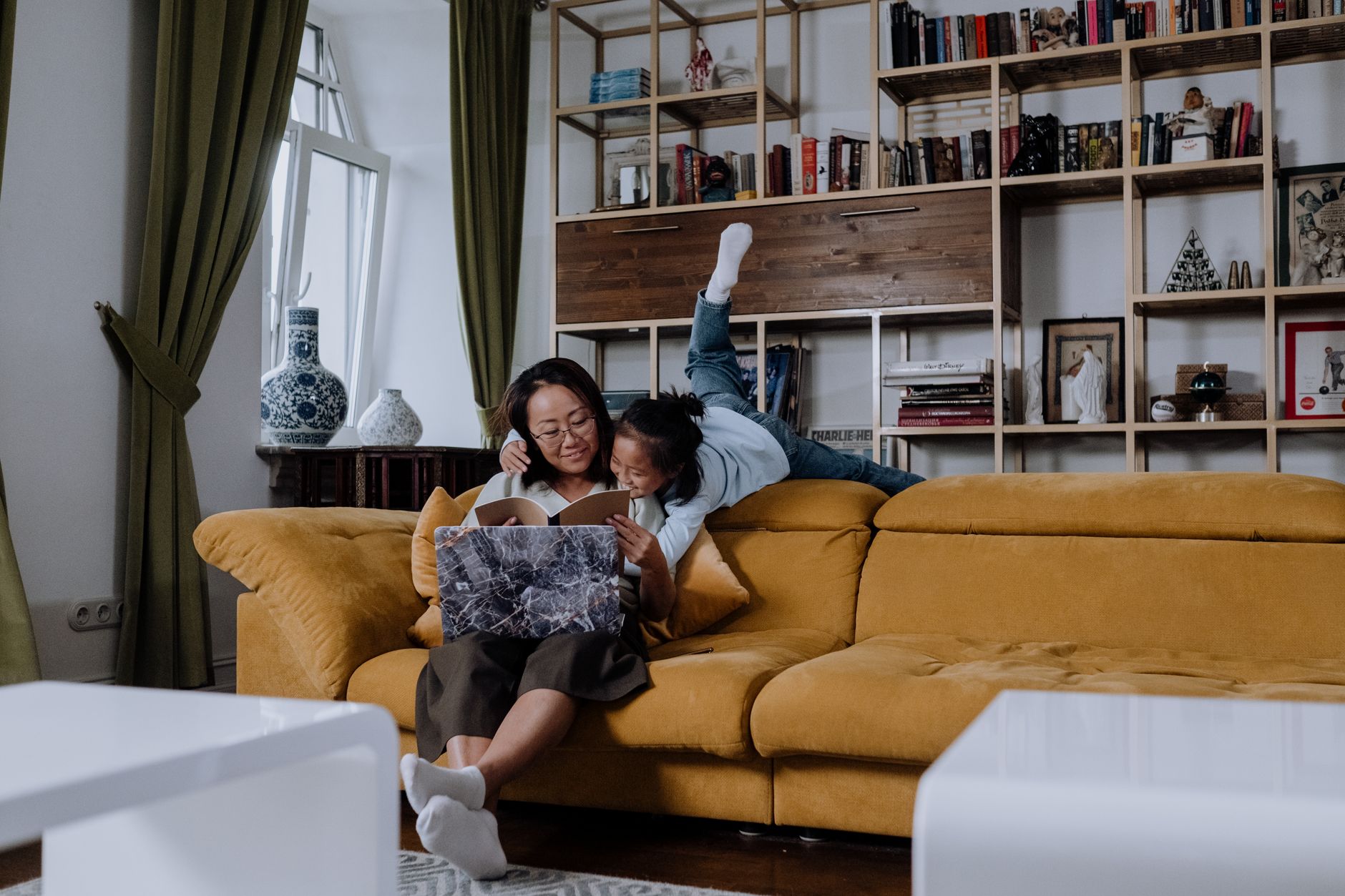
Read aloud together. Most of these books I read aloud to my kids. There’s something about hearing a story told out loud that lands differently than reading silently. Our mornings often start with a chapter before anything else.
Narrate instead of test. Charlotte Mason used narration — just asking your child to tell back what they heard. No quiz, no worksheet. Just “what happened?” or “tell me about Amos.” The retelling itself is the learning.
Draw and paint scenes. After a chapter that really landed, we’ll get out the Faber-Castell watercolors and paint a scene. A medieval road. A covered wagon. The Nile at sunset. It deepens the memory without feeling like school.
Add to the nature journal. If a book mentions plants, animals, or weather patterns from a specific region or era, we sketch them in our nature journal. History and nature study crossing paths is one of my favorite things about Charlotte Mason.
Let them just absorb it. Sometimes a book just does its job quietly. Kids will bring up a character weeks later at dinner, or connect something they read to something they see outside. That’s living education working exactly the way it’s supposed to.
For more on building a rhythm that fits your family — not someone else’s schedule — Family Rhythm vs Routine: What Actually Works is worth a read.
A Few Practical Tips for Florida Homeschool Families
If you’re using the Florida PEP scholarship, living books absolutely count toward your curriculum spending. Many of these titles are available through vendors like Rainbow Resource and Timberdoodle, both of which are PEP-eligible suppliers. Stock up — a great book library is one of the best investments you’ll make in your homeschool.
Also — if you’re newer to homeschooling in Florida and still figuring out your legal setup, Florida Homeschool Umbrella School Options Explained is the clearest breakdown I’ve written on the subject.
One more thing: reading aloud outside is always better than reading inside, especially in fall and winter here in Northwest Florida when the weather is actually perfect. Grab a blanket, let the kids sit in the grass, and read a chapter while they fidget and listen and absorb more than you think they are. It’s the 1990s childhood approach to education — low-tech, high-relationship, and it works.
Wrapping It Up
Honestly, living history books changed everything about how history feels in our homeschool. My kids talk about these characters like they knew them. They care about what happened. They ask questions. They want to know more. That’s exactly what a history education should do — not produce kids who can fill in a timeline, but kids who understand that real people made real choices in real moments that shaped the world they’re living in now.
Start with one book. Read it aloud. See what happens. I think you’ll be surprised.
📖 You Might Also Like:
- Charlotte Mason Nature Study Journal Prompts by Season (For Real Kids Who’d Rather Be Outside)
- Family Rhythm vs Routine: What Actually Works (and Why the Difference Matters More Than You Think)
- Florida Homeschool Umbrella School Options Explained (So You Can Pick the Right One and Move On)
Frequently Asked Questions
What is a living history book in Charlotte Mason homeschool?
A living history book is a book written with passion and narrative storytelling that pulls readers into a time period rather than just listing facts. Charlotte Mason believed children learn best through rich stories written by authors who genuinely love their subject, rather than dry textbook summaries. These books have real characters, vivid language, and make history feel personal and meaningful.
What are the best living history books for elementary-age kids?
Some of the most beloved living history books for elementary homeschool include the Little House on the Prairie series, Johnny Tremain, The Courage of Sarah Noble, Amos Fortune Free Man, The Golden Goblet, Adam of the Road, and The Bronze Bow. These titles span American history, ancient history, and medieval history and are staples in Charlotte Mason homeschool communities.
Can I use living books to meet Florida homeschool requirements?
Yes. Florida law requires that homeschool families provide a sequentially progressive curriculum of fundamental skills, and living books absolutely count as part of your history and language arts instruction. If you’re using the Florida PEP scholarship, many of these books can be purchased through PEP-eligible vendors like Rainbow Resource or Timberdoodle.
How do I use living history books without worksheets or tests?
Charlotte Mason recommended narration — simply asking your child to tell back what they heard or read in their own words. This can be verbal, written, or even drawn. You can also pair books with artwork, map work, or nature journal entries connected to the time period. The goal is engagement and retention through relationship with the story, not rote recall.
How many living history books should I use per school year?
There’s no set number, but most Charlotte Mason-inspired families use one or two main living history books per term (roughly 12 weeks), supplemented by shorter picture books, biographies, or poetry from the same era. Quality and depth matter more than quantity — one book read slowly and discussed well is worth far more than five books skimmed through.
Leave a Reply