Singapore Math vs Saxon Math for Homeschool: Which One Is Actually Better?
This post contains affiliate links. I may earn a small commission at no extra cost to you.
If you’ve spent more than five minutes in a homeschool Facebook group or co-op hallway, you’ve heard this debate. Singapore Math or Saxon Math? Somebody’s swearing by one, somebody’s quietly swearing at the other, and you’re standing there just trying to figure out how to teach your third grader fractions without everyone crying.
We’ve been there. Math curriculum was honestly one of the harder choices for our homeschool, right up there with figuring out our rhythm for nature study and morning basket. So let me just share what we’ve learned — what these two programs actually are, who they work for, and how we made our decision.
First, Let’s Talk About How They’re Different
These two programs have completely different philosophies about how kids learn math, and once you understand that, the choice gets a lot clearer.
Singapore Math: Deep Understanding First
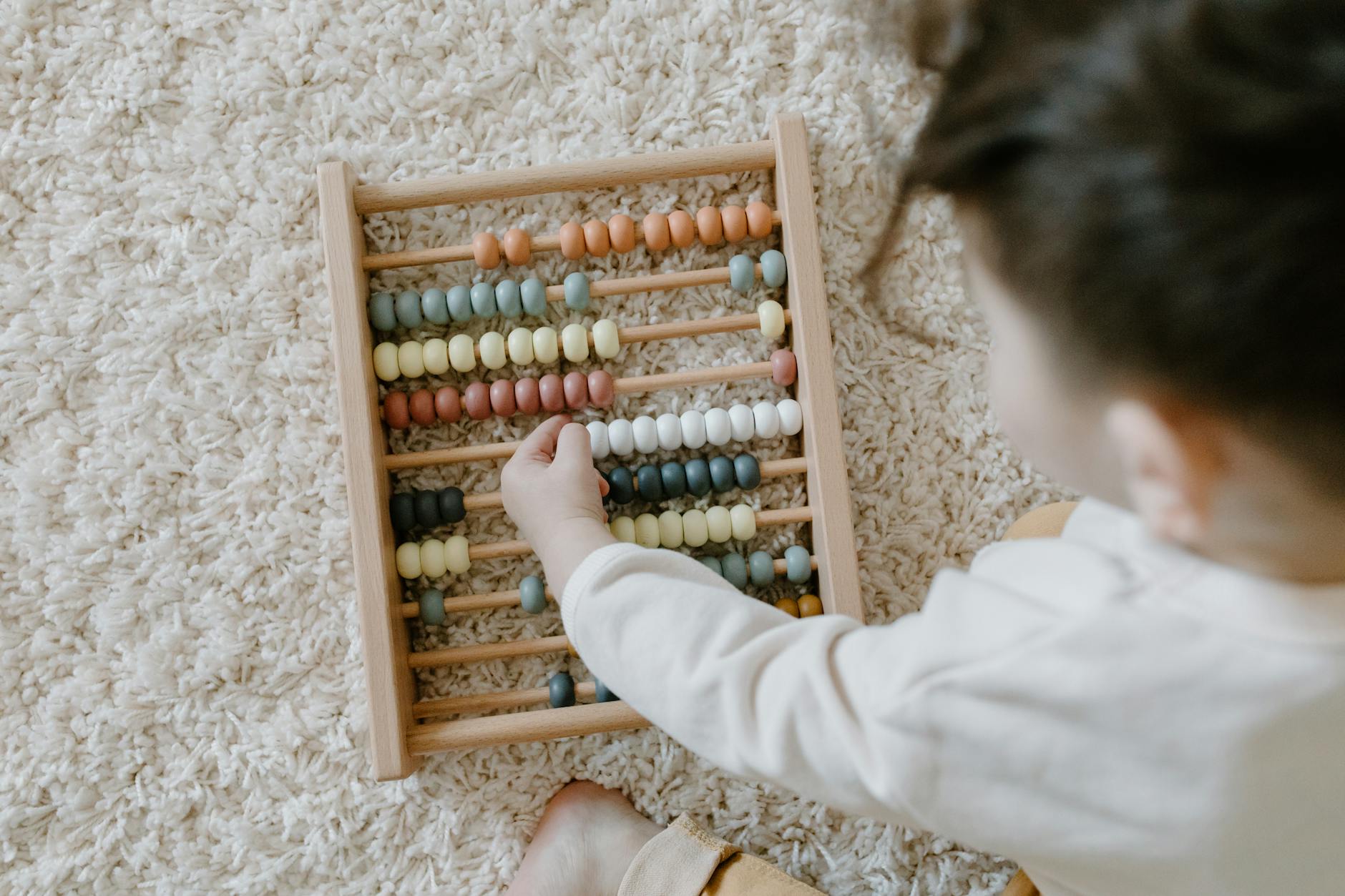
Singapore Math is built on a method called the Concrete-Pictorial-Abstract approach. The idea is that kids first learn with hands-on objects, then move to pictures and drawings, then finally to numbers and symbols. It spends a lot of time on fewer topics — really drilling down into understanding why something works before moving on.
It’s the kind of math that produces kids who can explain their thinking out loud. Charlotte Mason families tend to love it for that reason — it’s less rote, more reasoning. If you’ve ever read Charlotte Mason’s thoughts on arithmetic being about training the mind to think clearly, Singapore Math fits that vision naturally.
The downside? It moves fast within each concept and doesn’t spiral back much. If your child misses something or has a rough week, you can have real gaps. It also asks you as the teacher to understand the method well enough to guide them through it, which can feel intimidating if math wasn’t your strong suit.
Saxon Math: Slow, Steady, and Repetitive
Saxon is built on incremental learning and constant review. New concepts are introduced in small pieces, and then they’re reviewed again and again across dozens of lessons. Nothing gets dropped. Everything keeps cycling back.
For kids who need a lot of repetition to retain things — and honestly, a lot of kids do — Saxon is like a warm security blanket. It’s predictable, it’s structured, and there’s real comfort in that spiral. You’re not going to have giant gaps because the program literally won’t let you forget a concept.
The tradeoff is that it can feel slow and repetitive for kids who catch on quickly. Some kids (and mamas) find the long lesson sets genuinely tedious. And the understanding-why piece can get lost in all the procedure.
Which One Is Right for Your Kid?
Honestly? It comes down to two things: your child’s learning style and your own confidence as the teacher.
Singapore Math tends to work well for kids who:
- Are naturally curious and like knowing why
- Catch on to new concepts fairly quickly
- Enjoy discussion and talking through problems
- Thrive in a Charlotte Mason-style learning environment
Saxon Math tends to work well for kids who:
- Need lots of repetition to really lock things in
- Feel anxious about math and need the security of familiar review
- Have struggled with other programs
- Do better with very clear, scripted instructions for the teacher
We tried Singapore first with our oldest and it was a great fit — she loves the conceptual side of things and would rather understand something deeply than just drill it. Our younger one is more of a Saxon kid. He likes knowing what to expect, and that spiral review is genuinely helping things stick.
What About Math-U-See?
I’d be doing you a disservice not to mention Math-U-See here, because it comes up in this same conversation constantly and for good reason. It’s a mastery-based program like Singapore, but the manipulative blocks make it incredibly concrete and hands-on. For younger elementary kids especially, it’s a beautiful option. We’ve used it as a supplement during some of our math seasons and loved the visual component.
The Charlotte Mason Angle
If you’re a Charlotte Mason homeschool family like us, math can feel like the awkward subject that doesn’t quite fit the living books, narration-and-nature-journaling vibe. But it doesn’t have to.
Charlotte Mason herself believed math should be taught with understanding, not mechanical memorization. That puts Singapore Math pretty naturally in the CM camp. But she also valued short lessons and mastery before moving on — and both programs, used well, can honor that.
We keep our math lessons short (20-30 minutes max), we use real manipulatives when something isn’t clicking, and we don’t push ahead just to stay on a schedule. Whether you use Singapore or Saxon, that mindset matters more than the box.
If you want more on how we structure our whole school day, I wrote about that in our Charlotte Mason Daily Schedule for Elementary Ages: What Actually Works for Our Family post.
PEP Scholarship Families: What to Know
If you’re using the Florida PEP Scholarship — which we are — both Singapore Math and Saxon Math are purchasable through approved vendors. Rainbow Resource and Timberdoodle both carry math curriculum options that work with PEP funds.
Check out Rainbow Resource if you want to compare editions side by side — they have detailed descriptions that are really helpful when you’re trying to figure out which level to start at. And Timberdoodle puts together grade-level kits that sometimes include math as part of a full curriculum package, which is worth looking at if you’re just getting started.
For more on navigating the scholarship, our post on the Florida PEP Scholarship Approved Vendors List 2026 is a good starting point.
A Few Practical Things Nobody Tells You
Placement matters more than grade level. Don’t just buy the grade-level book and assume it’s right. Both Singapore and Saxon have placement tests — use them. Starting a level too easy is frustrating. Starting too hard is demoralizing.
You can switch. This is a big one. If you try something for a semester and it’s not working, you’re allowed to change. Homeschool is flexible — that’s literally the whole point. We switched mid-year once and did not look back.
Supplements are your friend. Even if a curriculum is mostly working, a pocket microscope or a nature observation session can sneakily reinforce measurement, counting, and pattern recognition in ways that make the formal math lessons stick better. We count chicken eggs, measure garden beds, and track bird sightings — math is everywhere once you start looking for it.
Short lessons beat long ones every time. A focused 20 minutes of math is worth more than 45 minutes of a wiggly, checked-out kid. Stop when the lesson is done. Trust the program.
So Which One Do We Use?
We’re a split household — Singapore for our oldest, and honestly a blend of Saxon-style review with some Math-U-See blocks for our youngest. There’s no shame in that. Your homeschool doesn’t have to be one-size-fits-all, even within your own family.
If I had to pick just one for a family starting fresh with elementary kids and no strong preference either way, I’d probably lean Singapore — especially for Charlotte Mason families who value understanding over drilling. But if your kid is anxious about math or really needs that repetition, Saxon is genuinely excellent and I’d never talk someone out of it.
The best math curriculum is the one your kid will actually sit down and do without it turning into a standoff at the kitchen table. Start there, and you’ll figure out the rest.
If you’re still working through your overall curriculum picture, I have honest reviews of a few other programs that might help — check out our Timberdoodle Curriculum Review: Is It Actually Worth It for Your Homeschool? and the Ambleside Online Curriculum Honest Review for more of a CM-specific deep dive.
You’ve got this, mama. Pick something, start small, and adjust as you go. That’s not giving up — that’s just good homeschooling.
📖 You Might Also Like:
- Charlotte Mason Morning Basket Ideas for Beginners (What Actually Works for Our Family)
- Chicken Pecking Order Problems: How to Manage Your Flock Without Losing Your Mind
- Florida PEP Scholarship vs Hope Scholarship: Which One Is Right for Your Homeschool Family?
Frequently Asked Questions
Is Singapore Math or Saxon Math better for homeschool?
It depends on your child’s learning style. Singapore Math is concept-driven and great for kids who want to understand the ‘why’ behind math. Saxon Math uses a spiral repetition approach that works well for kids who need consistent review to retain information. Many homeschool families try one and switch if it’s not a good fit — and that’s completely normal.
Is Singapore Math a Charlotte Mason approach?
Singapore Math aligns well with Charlotte Mason principles because it emphasizes deep understanding and reasoning over rote memorization. Charlotte Mason believed math should train the mind to think clearly, which is exactly what Singapore’s Concrete-Pictorial-Abstract method is designed to do.
Can I use Singapore Math or Saxon Math with the Florida PEP Scholarship?
Yes — both Singapore Math and Saxon Math can be purchased through PEP-approved vendors. Rainbow Resource and Timberdoodle are popular options for homeschool families using the PEP Scholarship to purchase math curriculum.
What grade level should I start with for Singapore Math or Saxon Math?
Don’t assume your child should start at their current grade level. Both Singapore and Saxon offer free placement tests on their websites. It’s very common for kids to place one level behind their grade — and starting at the right level makes a huge difference in how well the curriculum works.
What is the main difference between Singapore Math and Saxon Math?
The biggest difference is how they structure learning. Singapore Math uses a mastery approach — kids spend significant time deeply understanding one concept before moving on. Saxon Math uses a spiral approach — new concepts are introduced in small increments and reviewed continuously throughout the year. Neither is inherently better; it comes down to how your child learns best.
Leave a Reply