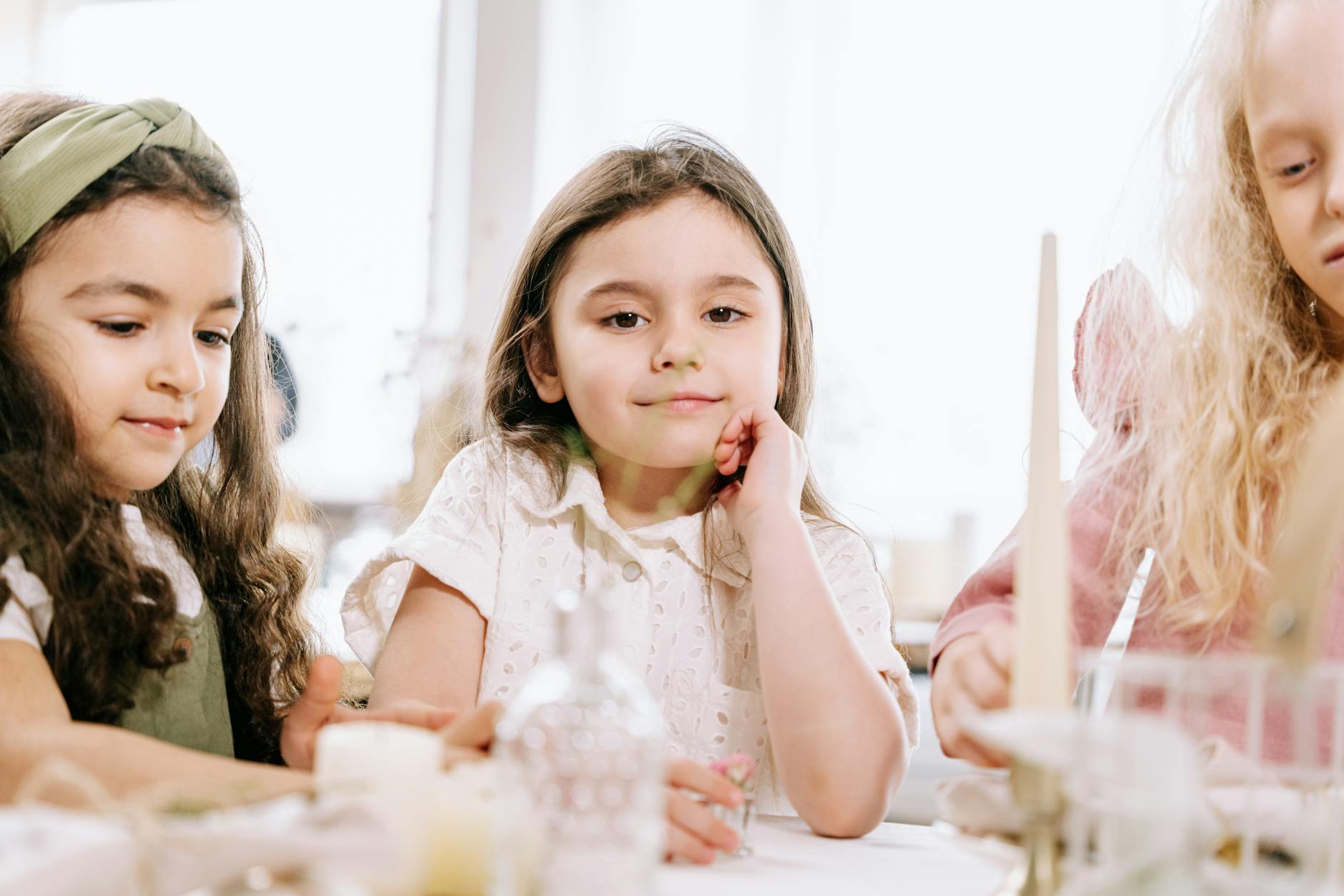
Charlotte Mason Handicraft Ideas for Elementary Kids (That They Actually Want to Do)
This post contains affiliate links. I may earn a small commission at no extra cost to you.
Honestly? When I first started digging into Charlotte Mason, the handicraft piece kind of stressed me out. I kept picturing elaborate projects I’d have to prep for an hour before my kids even touched them. But here’s the thing — handicraft in the CM tradition isn’t about Pinterest-perfect results. It’s about teaching kids to make something with their hands. Slowly. Intentionally. Without a screen in sight.
And once I let go of the pressure to do it perfectly, our handicraft time became one of my favorite parts of our homeschool day. My kids look forward to it. We’ve had some beautiful afternoons out on the back porch with the chickens wandering around and the labradoodle flopped in the shade, everybody’s hands busy doing something real.
If you’re trying to figure out how to bring handicraft into your Charlotte Mason homeschool — especially with elementary-age kids — I’ve got you. Here’s what’s actually worked for our family.
What Charlotte Mason Actually Said About Handicraft
Charlotte Mason believed that children should be trained in at least one or two handicrafts from an early age — not to produce a product, but to develop attention, patience, and skill with their hands. She valued work that required real effort and produced something genuinely useful or beautiful.
That framing has been so helpful for me. It’s not about the craft project. It’s about the habit of making. When my seven-year-old spends twenty minutes carefully cutting and gluing a nature collage, she’s building concentration. When my nine-year-old learns to thread a needle, he’s learning to work through frustration. These are life skills dressed up as art time.
If you want to see how we weave this kind of intentional, slow learning into our daily rhythm, I talked about it more in our Charlotte Mason Daily Schedule for Elementary Ages: What Actually Works for Our Family.
Our Favorite Charlotte Mason Handicraft Ideas for Elementary Kids
1. Nature Watercolor Painting
This is probably our most-used handicraft and it doubles as nature study, which is a win. Kids observe something from outside — a shell, a flower, a feather from the chicken coop — and paint what they see.
We use Faber-Castell watercolors and they have held up beautifully. Good quality tools matter more than people think — cheap watercolors frustrate kids because the colors muddy so easily.
Pair this with a nature journal and suddenly you’ve got a handicraft-plus-nature-study combo that Charlotte Mason herself would have loved. We’ve done watercolor studies of Gulf Coast shells, wildflowers from our yard, and yes — our chickens. Those chicken paintings are genuinely some of my favorite things my kids have ever made.
For more on building a nature journaling habit, check out How to Start Nature Journaling with Kids: A Beginner’s Guide for Families Who Love the Outdoors.
2. Hand Sewing and Simple Embroidery
This one surprised me. My kids took to hand sewing faster than I expected, and my nine-year-old especially loves it. We started with plastic canvas and yarn (great for little hands), then moved to burlap, and now we’re doing simple running stitch embroidery on cotton.
Hand sewing is exactly the kind of handicraft Charlotte Mason had in mind — it requires focus, patience, and produces something real. We’ve made simple sachets stuffed with dried lavender, bookmarks, and little pouches for their nature collections.
For beginners, large-eye blunt needles and embroidery hoops make it so much easier. You can find good starter kits at Rainbow Resource or Timberdoodle, both of which we’ve ordered from and trust.
3. Nature Weaving
This one is perfect for Florida because we have so much natural material to work with year-round. Kids collect sticks, leaves, Spanish moss, palm fronds, and dried grasses, then weave them onto a simple stick loom or even through chicken wire stretched across a frame.
Nature weaving is low-prep for me and deeply engaging for them. We’ve done it on the back porch, at the beach, and at the state park. It checks every box — hands busy, eyes observant, minds quiet and focused.
For collecting materials, a bug collection kit doubles nicely as a nature gathering kit for little ones who want their own containers.
4. Clay and Salt Dough Modeling
Charlotte Mason specifically mentioned modeling — working with clay or similar materials — as an excellent handicraft for young children. It builds hand strength, spatial reasoning, and artistic expression all at once.
We alternate between air-dry clay (which we paint after) and homemade salt dough. The kids have made nature-inspired sculptures — pinecones, animals, leaves with pressed textures — and we’ve painted them with those same Faber-Castell watercolors. They look beautiful displayed on our nature table.
If you’re building a nature table, you might love this post on Best Nature Table Items to Collect by Season in Florida: A Year-Round Guide.
5. Simple Woodworking
This one sounds intimidating but it doesn’t have to be. We started with beeswax wood finishing (kids rubbing beeswax into a smooth piece of wood — so satisfying), then moved to hammering nails into a soft pine board in patterns, and eventually to simple sanding and assembling little birdhouses.
My kids love anything that feels like real grown-up work. Hand sanding, using a small mallet, assembling pieces with wood glue — they are so serious about it and so proud of the results. Charlotte Mason believed children should be trusted with real tools and real tasks, and I couldn’t agree more.
6. Pressed Flower and Botanical Crafts
Here in Northwest Florida, we have a longer growing season than most of the country, which means more months to collect botanical materials for pressing. My kids love pressing flowers between parchment paper inside heavy books, then using them to make bookmarks, cards, and framed art.
A pocket microscope is a great addition to this kind of work — kids can examine the veins in a pressed leaf up close before or after pressing it. It bridges the handicraft right into science observation.
7. Knitting and Finger Knitting
Finger knitting is a perfect starter handicraft for K-2 kids — no needles required, just yarn and their hands. Older elementary kids can move to actual knitting needles with chunky yarn, which is much more forgiving for beginners.
We’ve made finger-knitted bookmarks, headbands, and even a little blanket for a stuffed animal. There’s something about the rhythm of knitting that settles kids down in a really beautiful way. It’s become our favorite quiet afternoon activity.
A Few Practical Tips for Making Handicraft Work
Keep it short. Fifteen to twenty minutes is plenty for elementary kids, especially at the beginning. It’s better to end while they’re still engaged than to drag it out until everyone’s frustrated.
Set up a dedicated spot. We have a small basket on our school shelf with our current handicraft supplies. Having it visible and accessible means it actually happens.
Don’t correct too much. The process matters more than the product. A lopsided embroidery stitch done with full concentration is worth ten times more than a perfect one you guided their hands through.
Rotate every few weeks. We usually spend a few weeks on one handicraft, then switch to something new. It keeps the interest alive without abandoning the habit.
This Is the 1990s Childhood I’m Giving My Kids
When I think about what I want my kids’ childhoods to feel like, it’s this: unhurried afternoons, something in their hands, nobody looking at a screen. Handicraft fits that picture so well. There’s something almost countercultural about sitting down with a needle and thread or a lump of clay in 2024 — and I think that’s exactly why our kids love it. It feels special. It feels real.
If you’re just starting out with Charlotte Mason, don’t overthink the handicraft piece. Pick one thing, gather simple supplies, and give it a few weeks. You might be surprised how quickly it becomes something your kids ask for.
📖 You Might Also Like:
- Charlotte Mason Morning Basket Ideas for Beginners (What Actually Works for Our Family)
- Charlotte Mason Living Books List for Grades 1–4 (Books Our Kids Actually Love)
- Best Nature Table Items to Collect by Season in Florida: A Year-Round Guide
Frequently Asked Questions
What counts as handicraft in Charlotte Mason homeschool?
In Charlotte Mason’s philosophy, handicraft refers to any skilled handwork that requires focus and produces something real — things like sewing, knitting, weaving, clay modeling, woodworking, and nature-based art. The goal isn’t a perfect product but the development of attention, patience, and hand skill in children.
How long should handicraft time be for elementary kids?
Charlotte Mason recommended keeping lessons and activities short to match a child’s natural attention span. For most elementary-age kids, 15–20 minutes of handicraft is ideal. It’s better to end while they’re still enjoying it than to push past the point of engagement.
What are the easiest Charlotte Mason handicrafts to start with for beginners?
Great starting points include watercolor painting, nature collage, salt dough modeling, and finger knitting — all of which require minimal supplies and prep time. These are accessible for a wide range of elementary ages and can be tied directly into nature study.
Can Charlotte Mason handicraft count toward Florida homeschool portfolio requirements?
Yes! In Florida, your homeschool portfolio should demonstrate that instruction is occurring across required subjects. Handicraft work — especially when paired with written narration, nature journaling, or art — can support your portfolio as evidence of fine arts or practical life skills instruction. Keep photos or finished pieces as documentation.
How do I keep kids engaged in handicraft without it becoming a battle?
The biggest tips are: keep sessions short (15–20 minutes), rotate crafts every few weeks to maintain novelty, let kids have some choice in what they make, and resist the urge to over-correct their work. The more ownership kids feel over the process, the more they’ll want to come back to it.
Leave a Reply