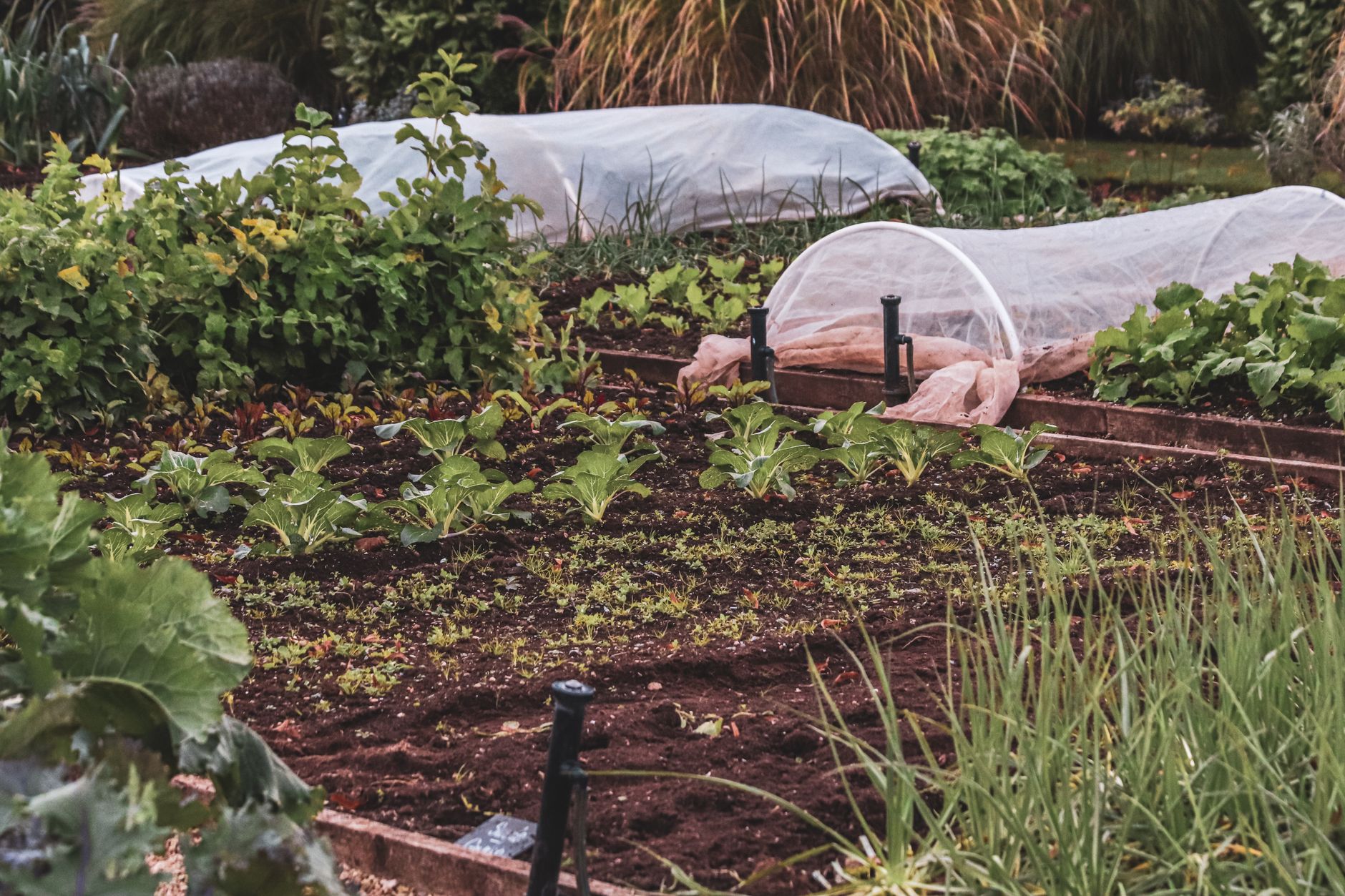
Best Cover Crops for a Florida Garden in Summer (What Actually Works in the Heat)
This post contains affiliate links. I may earn a small commission at no extra cost to you.
If you’ve ever stood in your Florida garden in late May, looked at your exhausted raised beds after spring harvest, and thought now what — I have been exactly there. The heat rolls in hard here in the Panhandle, and most of the vegetables we want to grow just tap out by June. But leaving those beds bare all summer? That’s leaving money — and soil health — on the table.
Cover crops changed everything for us. And honestly? They’ve become one of my favorite low-key homeschool units too. There’s something so satisfying about planting something for the soil instead of for the dinner table, and watching kids get curious about why that even matters.
Let’s talk about what actually grows here, what it does for your garden, and how to make it work even if you’re juggling chickens, curriculum, and a dog underfoot.
Why Cover Crops Matter in a Florida Summer Garden
Florida summer soil has a rough life. We get pounded by afternoon thunderstorms that compact and erode bare earth, baked by triple-digit heat indexes that kill off beneficial microbial life, and then the weeds just take over if you leave a bed empty for two weeks. Cover crops solve all three problems at once.
They:
- Protect soil from erosion and compaction during heavy rains
- Shade out weeds naturally
- Add organic matter and nutrients back into depleted beds
- Some fix nitrogen right back into the soil (huge deal after heavy spring production)
- Give you something to chop and drop before fall planting
And if you have backyard chickens like we do, some cover crops double as a cut-and-come-again fodder source. Our girls go absolutely wild for fresh cowpea leaves. It’s a win all the way around.
The Best Cover Crops for Florida Gardens in Summer
1. Iron & Clay Cowpeas (Southern Peas)
This is the number one cover crop I recommend for Northwest Florida summers, full stop. Cowpeas are incredibly heat and drought tolerant once established, they fix nitrogen like champions, and they grow fast — we’re talking lush, knee-high vines within a few weeks.
Plant them any time from late April through July. They’ll thrive even in poor, sandy soil (hello, Florida). Let them flower and set pods if you want seeds, or chop and till them before fall planting to add nitrogen and organic matter. We do a combination — I let the chickens forage in the spent beds before we till, and they clean up every last bit.
2. Sunn Hemp
Sunn hemp is another Florida summer superstar. It’s a fast-growing legume that can hit 6 feet tall in about 60 days. It fixes nitrogen aggressively, shades out weeds better than almost anything, and adds a huge amount of biomass when you chop it down.
One thing to note: chop it before it gets too woody and definitely before it sets seed, or it becomes harder to manage. We usually cut ours around 4-5 feet and let it decompose in place for a few weeks before fall bed prep. It breaks down quickly in Florida heat.
3. Buckwheat
Buckwheat is a non-legume cover crop that works beautifully in Florida summer, especially if you’re trying to attract pollinators and beneficial insects. It grows fast — ready to flower in about 30-40 days — and those little white flowers are covered in bees, wasps, and beneficial insects that will stick around when you plant your fall garden.
It doesn’t fix nitrogen, but it does break up compacted soil with its root system and adds good organic matter. It can reseed itself aggressively, so chop it before the seeds dry out if you don’t want a surprise buckwheat patch in October.
This one is wonderful for nature study. My kids have spent whole mornings watching the pollinators work those tiny flowers — we sketch them in our nature journals and it turns into a full-on Charlotte Mason nature observation lesson without me planning a thing.
4. Sorghum-Sudangrass
If you’ve got a large area you’re trying to rehabilitate — or a new garden bed that’s mostly weeds and compacted clay — sorghum-sudangrass is your summer weapon. It grows tall and dense, outcompetes almost any weed, and its deep roots break up hard soil. It also releases a natural compound that suppresses weed germination after you cut it.
This isn’t the prettiest cover crop, but it is one of the most hardworking. Chop and drop before fall planting or let the chickens scratch around in the residue.
5. Velvet Bean (Mucuna)
Velvet bean is a powerhouse nitrogen fixer that’s well-suited to Florida’s long, hot summers. It’s a vining legume that can produce 200+ pounds of nitrogen per acre in ideal conditions — obviously we’re working on a smaller scale, but even in a few beds it makes a meaningful difference.
Fair warning: the pods are itchy to handle at harvest, so this one isn’t a great pick for younger kids to manage hands-on. But from a soil-building standpoint, it’s impressive.
How We Use Cover Crops as a Homeschool Unit
Honestly, this is one of my favorite sneaky nature study units because it doesn’t feel like school at all. We plant the cover crop beds together, and then we observe them through the summer. My kids check on them during our morning outdoor time, and we talk about what they’re noticing — how fast is it growing? What insects are visiting? What does the soil look like underneath?
We use our pocket microscope to look at soil samples before and after, and the kids sketch what they find in their nature journals with Faber-Castell watercolors. It ties in beautifully to living science without me needing a separate curriculum.
If your kids are really into bugs (mine absolutely are), a bug collection kit is perfect for documenting all the beneficial insects that show up to a blooming cover crop bed. We’ve identified hover flies, parasitic wasps, and native bees we’d never noticed before.
For the chicken connection — once we’re ready to till cover crops under, we let our flock into the beds first. They scratch, eat seeds and bugs, and add their own nitrogen back into the mix. It’s a full closed loop and my kids love being part of that process. If you’re thinking about starting a flock and want breed recommendations for our area, I wrote a whole post on best egg laying chickens for Florida heat that might help.
Practical Tips for Getting Started
Seed directly into the bed. No transplanting needed. Most of these cover crops are direct-sown and pretty forgiving. Loosen the top few inches of soil, scatter seed, and water in.
Water consistently for the first two weeks. After that, most of these crops are tough enough to handle Florida summer rainfall on their own.
Chop 3-4 weeks before you want to plant your fall garden. Give the organic matter time to start breaking down before you put your fall seedlings in. We usually target early September to flip our beds so they’re ready for October planting.
Compost what you can’t till in. If you have extra biomass, run it to your compost pile. We’ve been doing this for years and it’s dramatically improved our beds — if composting with kids is new to you, I shared how we got started in Composting at Home for Beginners.
Pair cover cropping with good watering practices. Those summer rains are precious. If you’re not capturing them yet, our post on the best rain barrel setup for Florida homes walks through exactly what we set up and why it matters.
What We Actually Plant Each Summer
In our Pensacola-area garden, we typically do:
- Cowpeas in the main vegetable beds — they’re easy, kid-friendly, and the chickens love them
- Buckwheat in the pollinator border near our herb garden
- Sunn hemp in any new or struggling beds that need serious soil work
That combination keeps our beds covered, our soil fed, and gives us plenty of nature observation material through the long, hot summer months when it’d be easy to just let the garden go dormant.
You Can Do This
I know summer gardening in Florida can feel pointless. The heat is no joke, and it’s hard to stay motivated when your spring tomatoes gave up in May. But cover crops are one of those small investments that pay you back every single fall in better soil, fewer weeds, and healthier harvests.
And honestly? There is something quietly beautiful about tending a garden that’s resting and rebuilding. Teaching our kids that the quiet seasons matter as much as the harvest ones — that feels like exactly the kind of lesson I want woven into our days.
If you try cover crops this summer, come tell me about it. I love hearing what’s working in other Florida yards.
📖 You Might Also Like:
- Composting at Home for Beginners: How to Start with Kids (and Actually Keep It Going)
- Best Rain Barrel Setup for Florida Homes (What Actually Works Down Here)
- How to Grow Sweet Potatoes in Your Florida Backyard (What Actually Works Down Here)
Frequently Asked Questions
What is the best cover crop to plant in Florida in summer?
Iron and clay cowpeas are the top choice for Florida summer cover cropping. They tolerate extreme heat and humidity, fix nitrogen in the soil, grow quickly, and are easy for beginners. Sunn hemp is a close second for fast biomass and nitrogen production.
When should I plant cover crops in Florida?
For summer cover cropping in Florida, plant between late April and mid-July. This gives your cover crop enough time to establish and do its soil-building work before you need to flip the beds for fall planting, which typically starts in late September or October in North Florida.
How do I kill or remove cover crops before planting vegetables?
The easiest method is to chop cover crops at the base with a string trimmer or garden shears and let them decompose in place for 2-4 weeks. You can also till them in, or let chickens scratch through spent beds before your final soil prep. Either way, give yourself 3-4 weeks between chopping and planting.
Can I let my chickens graze on cover crops?
Yes! Chickens love to forage in cover crop beds, especially cowpeas and legume vines. We let our flock into spent beds before tilling — they eat seeds, scratch up bugs, and add their own manure nitrogen back into the soil. Just don’t let them graze young seedlings or they’ll eat everything down to the roots before the plants establish.
Do cover crops really help Florida’s sandy soil?
Absolutely. Florida’s sandy, nutrient-poor soil is one of the main reasons cover cropping is so valuable here. Legume cover crops like cowpeas and sunn hemp fix atmospheric nitrogen directly into the soil. The organic matter from decomposing cover crop biomass also improves water retention and feeds the beneficial microbial life that makes nutrients available to your vegetable plants.
Leave a Reply