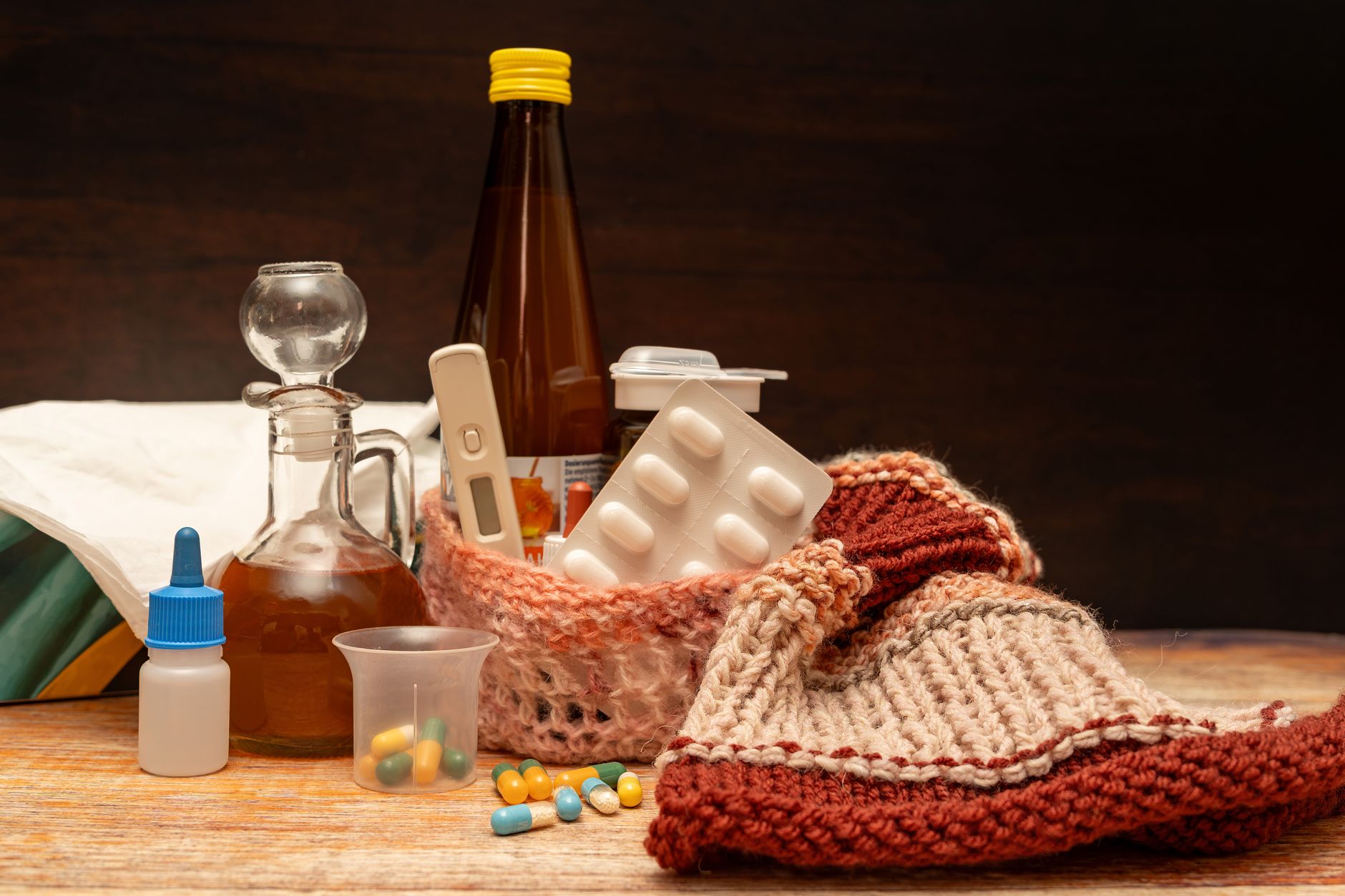
Natural Remedies for Kids’ Cough and Cold: What Our Florida Family Actually Uses This Winter
This post contains affiliate links. I may earn a small commission at no extra cost to you.
Here’s the thing nobody tells you before you move to Florida: you still get sick in winter. There’s this idea that because we’re not bundled up in parkas and scraping ice off windshields, our kids somehow dodge cold season. Nope. The kids in Pensacola still come home sniffling. The temperature drops enough that windows finally get cracked open, everyone’s breathing recycled air at the library and co-op, and boom — the cough-and-cold merry-go-round starts up right on schedule.
We’ve been doing this long enough now that I have a real rhythm when someone wakes up stuffy and sad. I’m not anti-medicine — I want to say that upfront. But I do reach for simple, whole-food, non-toxic support first, and honestly? Most of the time it’s enough. Or at least it shortens the misery significantly.
This is just what works for our family. Always check with your pediatrician, especially for little ones or anything that seems more serious than a garden-variety cold.
Why Florida Winter Colds Hit Differently
We joke that we don’t have real seasons down here, but our immune systems still notice the shift. Days get shorter, we spend more time indoors than we do in peak outdoor season, and the humidity swings can be wild — dry air one week, muggy the next. Kids who spend most of the year outside barefoot and sweaty suddenly don’t get as much fresh air and sunshine once it dips below 60 and everyone retreats inside.
That vitamin D drop is real, y’all. And it matters.
Our Charlotte Mason homeschool approach actually helps here more than I expected. We still do nature study outside even in the cooler months — there’s honestly no better time to be outside in Northwest Florida than November through February. The kids are moving, breathing fresh air, and not sitting under fluorescent lights all day. I truly think it keeps us healthier than we’d be otherwise. If you’re looking for fun ways to keep nature study going through the cooler season, I wrote more about that in our Homeschool Winter Cozy Season Unit Study Ideas That Actually Work for Nature-Based Families.
But even with all that fresh air and outdoor time, colds still find us. So here’s what we do.
Our Go-To Natural Remedies for Kids’ Cough and Cold
Raw Honey — First and Always
If I could only keep one thing in the cabinet for kid colds, it would be raw local honey. Studies have actually shown it outperforms OTC cough syrups for nighttime cough in kids over one year old, which — honestly, doesn’t surprise me at all.
We do a spoonful of local raw honey before bed when anyone has a cough. We also stir it into warm chamomile or ginger tea for older kids. If you can find honey from a local Florida beekeeper, even better — local honey has its own set of benefits for people living in the specific region where it’s made.
Just remember: no honey for babies under 12 months. Non-negotiable.
Warm Broth — The Original Medicine
This is straight out of the 1990s playbook, and I mean that as the highest compliment. When I was sick as a kid, my grandma made soup. Not because it was trendy — because it worked. Warm broth soothes sore throats, keeps kids hydrated when they don’t want to eat, and the steam helps with congestion.
We keep homemade bone broth in the freezer, but when I haven’t gotten around to making it, I grab a good-quality store-bought. Sip it plain, use it as a base for simple soup, or pour it warm into a mug and let them hold it like a warm drink. Kids who won’t eat a thing when they’re sick will usually sip broth.
If you’re into making your own — and I highly recommend it — our sourdough bread pairs beautifully with sick-day soup. I actually walk through some of that slow-kitchen rhythm in How to Make Homemade Sourdough Bread From Scratch (Even If You’ve Killed Every Starter You’ve Ever Had).
A Real Humidifier and Eucalyptus
Florida can surprise you with dry indoor air in winter, especially if you’re running heat. A cool-mist humidifier in the bedroom makes a noticeable difference for stuffy noses and coughing at night. We add a few drops of eucalyptus or lavender essential oil to a diffuser (not directly in the humidifier water) in the common areas.
For younger kids, just the plain humidifier without any oils does a lot on its own.
Elderberry Syrup
This has become a staple in a lot of natural-minded households, and for good reason. We use elderberry syrup both as a preventive during cold season and at the first sign of symptoms. You can make your own (it’s surprisingly easy) or buy a reputable brand — just read labels and avoid ones loaded with added sugar.
We do a small daily dose for the kids starting around October and bump it up if someone starts showing symptoms.
Steam Shower Sits
This one is so simple and so underrated. When the cough or congestion is bad, I run the shower hot, close the bathroom door, and sit in there with the kids for 10-15 minutes. No fancy products needed. The steam loosens everything up, and it usually gives enough relief to get a sick kid to sleep.
Bonus: it’s a good excuse to just sit and be still together. Read a picture book, sing a song, just breathe.
What We Keep Stocked for Cold Season
A few things that stay in our cabinet from October through March:
- Raw local honey (always)
- Elderberry syrup
- Chamomile and ginger tea
- Vitamin C (we use a whole-food form for the kids)
- Vitamin D drops — this is genuinely important in Florida winter when outdoor time drops
- Non-toxic kids sunscreen for the mild-weather outdoor days when we’re still getting them outside
Keeping the Environment Clean (Without Toxic Sprays)
When one kid gets sick, I do a pass on high-touch surfaces, doorknobs, and light switches. But I’m not reaching for bleach spray around my kids. We’ve used Wondercide for pest control around the house and yard, and for general household cleaning I love what I’ve found through Grove Collaborative — plant-based, effective, and I’m not worried about little hands touching surfaces after.
For laundry during sick season, our wool dryer balls stay in heavy rotation — no dryer sheets with synthetic fragrance when someone’s respiratory system is already working hard.
What We Do NOT Do (Anymore)
I spent years buying whatever was on the end-cap at Walgreens when my kids got sick — the colorful, grape-flavored syrups with ingredient lists that required a chemistry degree to read. I’m not judging anyone still doing that. But when I started looking more carefully at what was actually in those products, I just… couldn’t keep defaulting to them.
For most normal kid colds — runny nose, mild cough, tired and cranky — rest, fluids, honey, and broth genuinely do the job.
When to Actually Call the Doctor
I want to be real clear here: I’m a homeschool mama, not a medical professional. There are absolutely times to call your pediatrician:
- Fever over 104°F, or any fever in an infant under 3 months
- Difficulty breathing or rapid breathing
- Symptoms lasting more than 10 days without improvement
- Ear pain, severe sore throat, or anything that feels “off” beyond a regular cold
- A child who is not drinking fluids and seems very lethargic
Trust your gut. You know your kid. The remedies above are for run-of-the-mill colds, not serious illness.
The Bigger Picture
Honestly, the best thing we’ve done for our kids’ health overall isn’t any single supplement or remedy. It’s the rhythm of our days — time outside, real food, enough sleep, less screen stress. The Charlotte Mason life that we fell into because of homeschooling has turned out to be genuinely healthy in ways I didn’t fully anticipate when we started.
And if you want some ideas for keeping the outdoor learning going even through Florida’s cooler months — which, again, are actually beautiful — check out our Homeschool Spring Florida Nature Study Ideas Your Kids Will Actually Want to Do to start thinking ahead. Because before you know it, it’ll be warm again and we’ll all be back outside where we belong.
Hope your crew stays healthy this season, friend. And if the cough shows up anyway — now you know what’s in our cabinet. 🌿
📖 You Might Also Like:
- How to Make Homemade Sourdough Bread From Scratch (Even If You’ve Killed Every Starter You’ve Ever Had)
- Meaningful Christmas Traditions for Homeschool Families (That Are Actually Low-Stress)
- Homeschool Spring Florida Nature Study Ideas Your Kids Will Actually Want to Do
Frequently Asked Questions
What natural remedies actually work for kids’ coughs at night?
Raw honey (for kids over 1 year old) is one of the most well-supported natural options for nighttime cough — studies have actually shown it works as well as or better than OTC cough syrups. A cool-mist humidifier in the bedroom and a steam shower before bed also help loosen congestion and soothe coughing significantly.
Is elderberry syrup safe for kids?
Elderberry syrup is generally considered safe for children and is widely used as a natural immune support during cold and flu season. Always follow age-appropriate dosing on the label and check with your pediatrician if your child has any underlying health conditions or is on medication. Avoid raw or uncooked elderberries, which can cause nausea.
How do I help my kid sleep when they have a bad cough or stuffy nose?
A few things that help most: run a cool-mist humidifier in their room, do a steam shower sit before bed, give a spoonful of raw honey (for kids over 12 months), and slightly elevate the head of their mattress if they’re old enough. Keeping the room at a comfortable, not-too-dry temperature also makes a big difference.
Do kids really get sick more in Florida winters even without cold weather?
Yes — while Florida winters are mild, cold and flu viruses are still seasonal. Shorter days mean less vitamin D from sunshine, kids spend more time indoors and in group settings, and the humidity swings can affect respiratory comfort. Supporting immune health with vitamin D, outdoor time, real food, and good sleep is just as important in Florida as anywhere else.
When should I stop using home remedies and take my child to the doctor for a cold?
Natural remedies are appropriate for typical mild colds, but you should call your doctor if your child has a fever over 104°F, any fever in a baby under 3 months, difficulty or rapid breathing, symptoms that aren’t improving after 10 days, signs of an ear infection, or if your child seems very lethargic and is refusing fluids. Always trust your instincts as a parent — you know your child best.
Leave a Reply