Best Container Vegetable Garden for Florida Summer Heat (What Actually Survives Down Here)
This post contains affiliate links. I may earn a small commission at no extra cost to you.
If you’ve ever tried to grow a garden in the Florida Panhandle in July and watched it slowly die in real time, you are not alone. I have killed more tomato plants than I care to admit. The heat is no joke — we’re talking 95 degrees with humidity so thick you feel like you’re walking through soup. Most of what works in a spring garden up north simply does not work here in summer.
But here’s what I’ve figured out over the last few years: container gardening is actually ideal for Florida summers. Not because it’s easier, but because containers give you control. You can move them. You can adjust drainage. You can position them where they’ll catch morning sun but dodge the brutal afternoon rays. And honestly? A cluster of big pots on the back porch becomes one of the best teaching tools we have for our homeschool days.
Our kids check those containers every single morning before they go let the chickens out. They notice when something’s wilting, when something’s blooming, when a new leaf has unfurled overnight. That kind of daily observation is exactly the slow, attentive, real kind of learning that Charlotte Mason was talking about — and it costs basically nothing once you’ve got a few pots going.
Let me share what’s actually worked for us.
Why Container Gardening Works in Florida Summer Heat
Most people give up on summer gardening in Florida because they’re fighting the climate instead of working with it. Containers let you do a few things that in-ground beds don’t:
- Move pots to shade during peak heat hours (2–5pm is often lethal for tender plants here)
- Control moisture — Florida’s afternoon downpours can drown plants that are stuck in clay-heavy ground
- Elevate plants off hot concrete or mulch that radiates heat upward
- Protect roots with light-colored containers that don’t absorb as much radiant heat
If you want to dig deeper into what actually grows well in our weird Florida seasons overall, I wrote about that in How to Start a Homestead Garden in Florida for Beginners (What Actually Works Down Here) — that post covers the full picture of our gardening year.
The Best Vegetables to Grow in Containers in Florida Summer
This is the part where I save you some heartache. Not everything survives a Panhandle summer, even in containers. Here’s what we’ve had real success with:
Heat-Lovers That Thrive in Pots
Sweet Potatoes — These are practically made for Florida summers. They love heat, they tolerate some drought, and the vines are beautiful trailing over a large pot or fabric grow bag. Bonus: kids love digging them up at harvest time like buried treasure.
Southern Peas (Cowpeas/Black-Eyed Peas) — This is real Florida summer food. They’re low maintenance, heat-tolerant, and incredibly productive in a good-sized container.
Okra — Plant okra in a deep 5-gallon bucket and it will reward you all summer long. It genuinely does not care how hot it gets. We’ve harvested okra here in August when nothing else is producing.
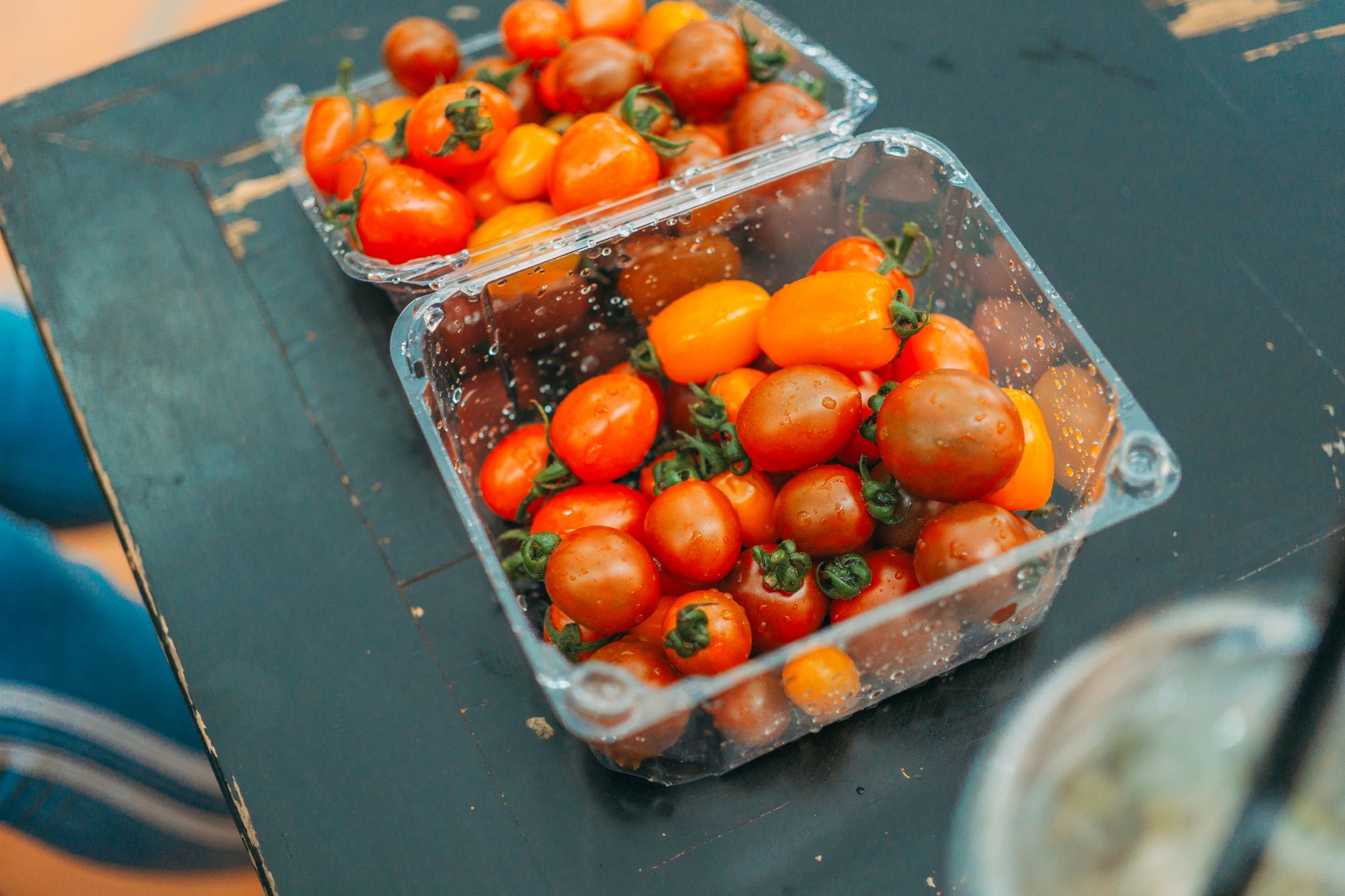
Cherry Tomatoes — Full-size tomatoes struggle in our peak summer heat, but cherry varieties like Sweet 100 or Juliet are more forgiving. Give them morning sun, afternoon shade, and consistent water and they’ll produce.
Basil — Not technically a vegetable, but grows like a weed in summer heat and the kids love snipping leaves for dinner. Grow it in a pot near your tomatoes.
Hot Peppers — Jalapeños, serranos, banana peppers — they all love Florida summers. Our pepper plants have lived for two+ years in containers because our winters barely slow them down.
Malabar Spinach — This is not the spinach you’re thinking of, but it’s a gorgeous climbing green that thrives in heat when regular spinach bolts immediately. Great for trellising up a porch railing.
What to Skip in Summer
Broccoli, regular spinach, lettuce, peas, and carrots are cool-weather crops. Save those for fall and winter — which are genuinely wonderful growing seasons here in North Florida. For those ideas, check out Homeschool Spring Florida Nature Study Ideas Your Kids Will Actually Want to Do for how we tie seasonal planting into our Charlotte Mason days.
Container Setup: What Actually Matters
Size and Material
Bigger is almost always better in Florida summer heat because larger containers hold moisture longer and don’t heat up as fast. We use a mix of:
- Fabric grow bags (great drainage, prevent root circling, and the fabric breathes — huge for our humidity)
- Large plastic pots in light colors — black containers will cook your roots in this sun
- Wooden half-barrels — beautiful on a porch and hold moisture well
Avoid terracotta in summer. It dries out incredibly fast and in 95-degree heat, you’ll be watering twice a day.
Soil Mix
Do not use straight potting mix from the bag. Florida’s humidity plus that kind of soil leads to compaction and root rot fast. We mix:
- 50% quality potting mix
- 25% perlite for drainage
- 25% compost (we use our own from the kitchen scraps bin — we keep a simple kitchen compost bin on the counter and it makes a huge difference)
Watering in the Florida Heat
This is the part that trips most people up. In summer, containers may need water every single day — sometimes twice. BUT Florida also gets those afternoon storms that can dump an inch of rain in 20 minutes. You have to check soil moisture, not just go by the calendar.
We let the kids do a daily “soil check” — stick a finger an inch into the soil. Dry? Water it. Still moist from yesterday’s storm? Leave it. It sounds simple, but it genuinely teaches them to observe before they act. That’s good science and good life sense.
A seed starting kit is also great to have on hand for starting new transplants indoors under a fan — we start our fall garden seeds inside in August when it’s still scorching outside.
Making Container Gardening a Real Homeschool Activity
This is where the Charlotte Mason magic really shows up. The garden isn’t separate from school — it is school.
Our kids keep a nature journal and they sketch their container plants every couple of weeks. They note what’s blooming, what’s being visited by which insects, and what’s changed since last time. We use Faber-Castell watercolors for their botanical sketches and it’s become one of their favorite parts of the week.
We also bring out the pocket microscope to look at soil, leaves, roots — whatever sparks curiosity that day. You’d be amazed how long a six-year-old will stare at a root hair under magnification.
If you want more ideas for weaving nature into your homeschool days, Homeschool Fall Unit Study Ideas: Nature-Based Themes Your Kids Will Actually Love has a lot of the same spirit — just swap the season.
A Few More Tips for Florida Container Gardening Success
Mulch the top of your containers. A thin layer of straw or wood chips over the soil surface dramatically reduces moisture loss. This one tip alone has saved so many of our pots.
Fertilize more often. Every time you water a container, nutrients leach out the bottom. We use a diluted liquid fertilizer every couple of weeks through the summer growing season.
Watch for pests. Florida’s humidity brings fungus gnats, aphids, and spider mites to containers fast. We use Wondercide for pest control in and around the garden — it’s what we use on the chickens and the yard too, so I feel good about it being where my kids are digging around.
Give kids their own pot. Seriously. Each of our kids has one container that is completely theirs. They choose what to grow, they water it, they problem-solve when something goes wrong. The ownership changes everything.
You Can Grow Something This Summer
I know Florida summer can feel discouraging for gardeners. Everything burns, nothing seems to work, and you watch your neighbors’ beautiful Instagram gardens from colder climates with a little bit of envy. But we have something they don’t: a 12-month growing season if you work with it instead of against it.
Start with one or two containers this summer. Grow okra. Grow some basil. Let your kids water it every morning before the chickens get their scratch. Watch what happens. That’s really how we learn down here — not from a perfect plan, but from paying attention to what’s actually in front of us.
And if you’re looking for even more ways to get your kids hands-in-the-dirt this growing season, don’t miss Starting a Vegetable Garden With Kids: A Beginner’s Guide for Families Who Want to Actually Enjoy It — it’s full of practical, low-pressure ideas for making it fun instead of stressful.
Happy growing, friend. You’ve got this. 🌱
📖 You Might Also Like:
- How to Start a Homestead Garden in Florida for Beginners (What Actually Works Down Here)
- Starting a Vegetable Garden With Kids: A Beginner’s Guide for Families Who Want to Actually Enjoy It
- Homeschool Spring Florida Nature Study Ideas Your Kids Will Actually Want to Do
Frequently Asked Questions
What vegetables grow best in containers in Florida summer heat?
The best vegetables for Florida summer containers are heat-tolerant crops like okra, sweet potatoes, southern peas (cowpeas), cherry tomatoes, hot peppers, and Malabar spinach. These can handle high temperatures and humidity better than cool-season crops like lettuce or broccoli, which should be saved for Florida’s fall and winter growing season.
What kind of containers work best for Florida’s hot summers?
Fabric grow bags and large light-colored plastic pots work best in Florida summer heat. Fabric bags allow excellent drainage and airflow around roots, which is critical in high humidity. Avoid black containers, which absorb radiant heat and can cook roots, and terracotta, which dries out far too quickly in the Florida sun. Aim for containers at least 5 gallons in size.
How often do you need to water container vegetables in Florida summer?
In Florida’s summer heat, container vegetables may need watering every day — sometimes twice a day during dry spells. However, Florida’s frequent afternoon thunderstorms can overwater your plants, so it’s important to check soil moisture before watering rather than following a set schedule. Stick a finger an inch into the soil; if it’s dry, water. If it’s still moist, skip it.
Can you grow tomatoes in containers in Florida in summer?
Full-size tomatoes struggle in Florida’s peak summer heat, but cherry tomato varieties like Sweet 100 and Juliet are more resilient in containers. For the best results, position them where they receive morning sun but are shaded from the intense afternoon heat, water consistently, and use a large container (at least 5 gallons) with well-draining soil mix.
What soil mix should I use for container gardening in Florida?
A straight bag of potting mix often compacts and leads to drainage problems in Florida’s humidity. A better mix is roughly 50% quality potting mix, 25% perlite for drainage, and 25% compost. This combination keeps roots from sitting in waterlogged soil while still retaining enough moisture between Florida’s unpredictable summer rainstorms. Adding a thin mulch layer on top of the container soil also significantly reduces moisture evaporation.
Leave a Reply