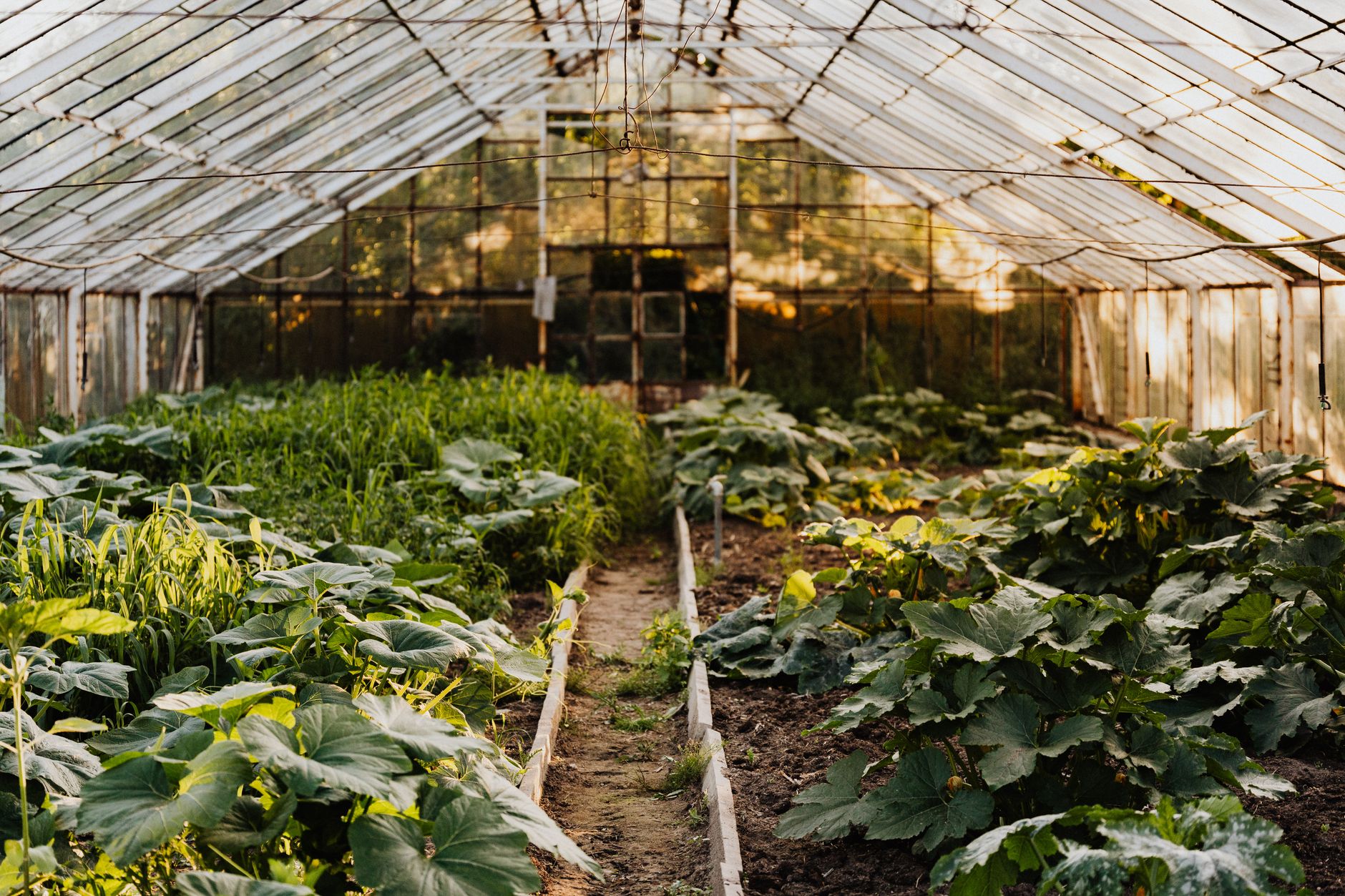
How to Start a Homestead Garden in Florida for Beginners (What Actually Works Down Here)
This post contains affiliate links. I may earn a small commission at no extra cost to you.
I killed a lot of plants before I figured out Florida gardening. Like, a truly embarrassing number of tomato plants. I was following advice from blogs written by people in Ohio, planting in May, wondering why everything fried or drowned before I got a single harvest. Nobody warned me that Florida basically has two growing seasons — and neither of them is summer.
If you’ve been wanting to start a homestead garden but feel overwhelmed or like you just don’t have a green thumb, I want to tell you: it’s probably not you. It’s the timing. Once that clicked for me, everything changed. We went from a sad little raised bed with three sad little pepper plants to a real, productive garden that feeds our family and gives our kids the kind of hands-in-the-dirt childhood I grew up with.
Here’s how to actually get started — Florida style.
First, Forget Everything You Know About Gardening Seasons
This is genuinely the most important thing I can tell you. In most of the country, you plant in spring and harvest in summer. In Florida — especially here in the Panhandle — that logic will break your heart every single time.
Our two main growing seasons are:
- Fall/Winter (October–March): This is our best season. Cooler temps, lower humidity, fewer pests. You can grow greens, broccoli, carrots, beets, herbs, and more.
- Spring (February–April): A shorter window before the heat hits, but great for warm-season crops like tomatoes, squash, and beans if you time it right.
Summer in Florida is hot, humid, and full of pests and fungal issues. Most beginners should skip trying to grow vegetables in June, July, and August. Use that time to plan, prep your beds, and grow heat-lovers like sweet potatoes if you want something in the ground.
If you’re in the Pensacola area specifically, check with your local UF/IFAS Extension office — they have a free planting calendar specific to our zone (8a/8b) and it is gold.
Start Small. No, Smaller Than That.
Every gardening-excited person I know (including past me) starts too big. You buy all the seeds, build three raised beds, plant everything in week one, and then get overwhelmed and let it go by week three.
Start with one 4×8 raised bed or even a few large containers on a sunny porch. That’s it. One bed, done well, will teach you more than three beds done halfway.
For Florida, raised beds are genuinely better than in-ground planting for most beginners. Our native soil is mostly sand — it drains fast, doesn’t hold nutrients well, and needs a lot of amending to support vegetables. A raised bed lets you control your soil completely from day one.
Fill it with a mix of quality garden soil, compost, and a little perlite for drainage. We add compost from our kitchen compost bin throughout the year, and it has made a noticeable difference in how our plants perform.
The Best Beginner Crops for Florida
Stick to things that actually want to grow here. These are our family’s tried-and-true beginner picks:
Fall/Winter:
- Collards and kale (almost impossible to kill)
- Lettuce and spinach
- Broccoli and cabbage
- Carrots and radishes
- Herbs: basil, parsley, cilantro, rosemary
Spring:
- Cherry tomatoes (easier than big slicers)
- Zucchini and yellow squash
- Green beans
- Cucumbers
If you want to get your kids involved in starting seeds indoors before transplanting — which is a wonderful homeschool activity, by the way — a simple seed starting kit makes it really approachable. We’ve done this as part of our nature study, watching germination and sketching what we observe in a nature journal. It connects so naturally to Charlotte Mason’s emphasis on real, living science.
If you want even more ideas for weaving gardening into your homeschool days, I wrote about it in our Homeschool Spring Florida Nature Study Ideas Your Kids Will Actually Want to Do post.
Getting the Kids Involved (Without It Becoming a Disaster)
Honestly? Kids and gardens are a match made in heaven when you set it up right. Give them ownership over something small — their own little patch, their own row of radishes, their own pot of herbs. Let them get dirty. Let them make mistakes.
We give our kids their own garden gloves and let them do real work — planting seeds, watering, pulling weeds, harvesting. There is nothing like watching a kid eat a cherry tomato they grew themselves. The pride on their face is everything.
This is exactly the kind of 1990s-style childhood I want for my kids — out in the yard, hands busy, learning something real. Not a worksheet about plants. Actual plants. If this resonates with you, you might also love our post on 1990s Childhood Activities We’re Bringing Back (And Why Our Kids Are Thriving Because of It).
Don’t Forget About Pests (The Florida Way)
Florida bugs are not playing around. You will deal with aphids, caterpillars, whiteflies, and more. But you don’t have to reach for harsh chemicals to handle them — especially if you’re growing food your kids are going to eat.
Our go-to pest management toolkit:
- Row cover fabric for protecting seedlings from insects and light frost
- Neem oil spray for aphids and whiteflies
- Wondercide — we use this around the garden perimeter and it’s completely non-toxic
- Diatomaceous earth sprinkled around the base of plants for crawling insects
We also use DE in our chicken coop, which leads me to my next point…
How Your Chickens Fit Into This
If you have backyard chickens (or are thinking about getting them), they are a huge asset to a homestead garden — with some important caveats.
Chicken manure, when composted properly, is one of the best fertilizers you can use. We collect ours, compost it for several months, and work it into our beds each season. It has transformed our soil.
BUT — and this is important — don’t let your chickens free-range in your active garden beds. They will eat everything. We learned this the hard way. Use fencing or let them in only after a bed is done for the season to scratch and eat bugs. They’ll till it up beautifully for you.
For more on managing a backyard flock, Storey’s Guide to Raising Chickens is the one book I recommend to everyone. It lives on our kitchen shelf.
A Few More Florida-Specific Tips
- Water deeply but less often. Shallow, frequent watering encourages shallow roots. Deep, less frequent watering builds stronger plants.
- Mulch everything. Seriously. A thick layer of mulch keeps moisture in, soil temps regulated, and weeds down. In our summer heat, it’s non-negotiable.
- Watch for frost in the Panhandle. Unlike South Florida, we do get occasional freezes here. Keep row cover or old bedsheets on hand for nights that dip below 32°F.
- Connect with local gardeners. Facebook groups for Northwest Florida gardeners are incredibly helpful. Someone local has already figured out the thing you’re struggling with.
For more inspiration on building out your whole backyard ecosystem — birds, wildlife, wildflowers and all — check out our Florida Backyard Wildlife Identification Guide for Families. It’ll make you look at your yard completely differently.
You Don’t Have to Have It All Figured Out
Our homestead garden didn’t happen overnight. It happened in layers — one bed, then two, then a perennial herb section, then a small fruit tree. It’s still evolving. And that’s kind of the point.
This isn’t about perfection or having a Pinterest-worthy farm. It’s about growing something real, feeding your family something you grew yourself, and giving your kids the experience of watching a seed become food. That’s worth every failed tomato plant along the way.
Start where you are. Start small. Start this fall — because fall is honestly the best time to garden in Florida anyway, and you’ve got perfect timing on your side.
You’ve got this, friend.
📖 You Might Also Like:
- 1990s Childhood Activities We’re Bringing Back (And Why Our Kids Are Thriving Because of It)
- Florida Backyard Wildlife Identification Guide for Families (What We’ve Actually Found in Our Yard)
- Starting a Vegetable Garden With Kids: A Beginner’s Guide for Families Who Want to Actually Enjoy It
Frequently Asked Questions
When should I start a garden in Florida?
Florida has two main growing seasons — fall/winter (October through March) and a shorter spring window (February through April). Fall is actually the best time for beginners because temps are cooler, humidity is lower, and pests are less of a problem. Avoid trying to grow most vegetables in the summer heat.
What vegetables grow best in Florida for beginners?
For fall and winter, focus on collards, kale, lettuce, broccoli, carrots, and herbs like parsley and cilantro. In spring, try cherry tomatoes, zucchini, green beans, and cucumbers. These crops are forgiving and well-suited to Florida’s climate.
Do I need raised beds to garden in Florida?
You don’t have to use raised beds, but they’re highly recommended for beginners in Florida. Our native soil is mostly sand — it drains too fast and lacks the nutrients vegetables need. Raised beds let you start with quality soil and compost from day one, which gives you much better results.
Can backyard chickens help with a homestead garden?
Yes — composted chicken manure is an excellent fertilizer and can really improve Florida’s sandy soil over time. Just don’t let your chickens loose in active garden beds or they’ll eat everything. Let them into finished beds at the end of a season to scratch, till, and eat pests instead.
How do I deal with garden pests in Florida without toxic chemicals?
Florida bugs are persistent, but you can manage them without harsh pesticides. Neem oil spray works well for aphids and whiteflies. Food-grade diatomaceous earth sprinkled around plant bases deters crawling insects. Row cover fabric protects seedlings physically, and non-toxic sprays like Wondercide work well around the garden perimeter.
Leave a Reply